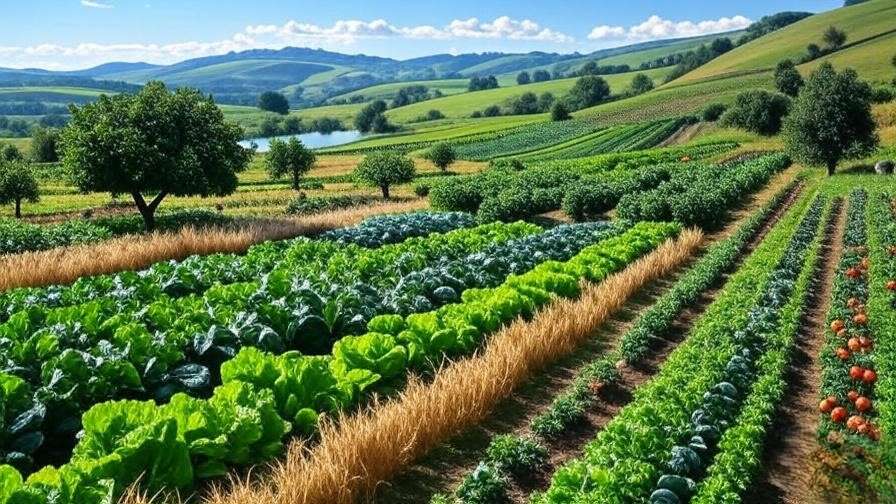
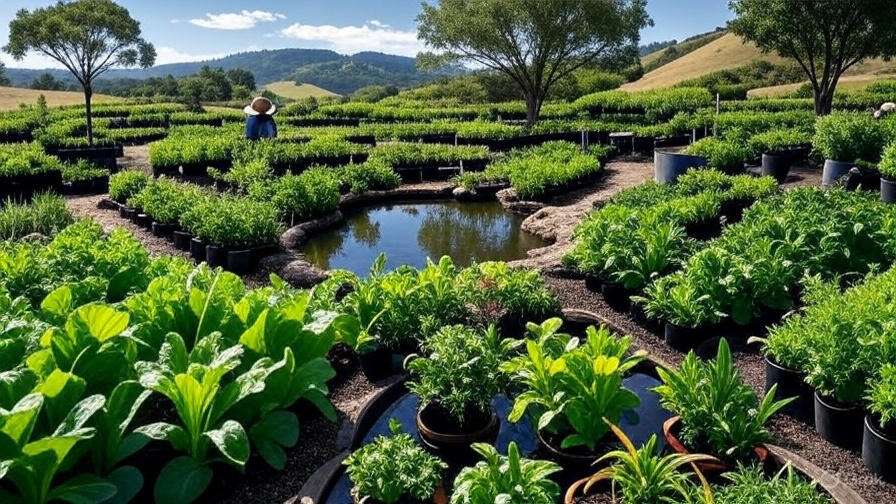
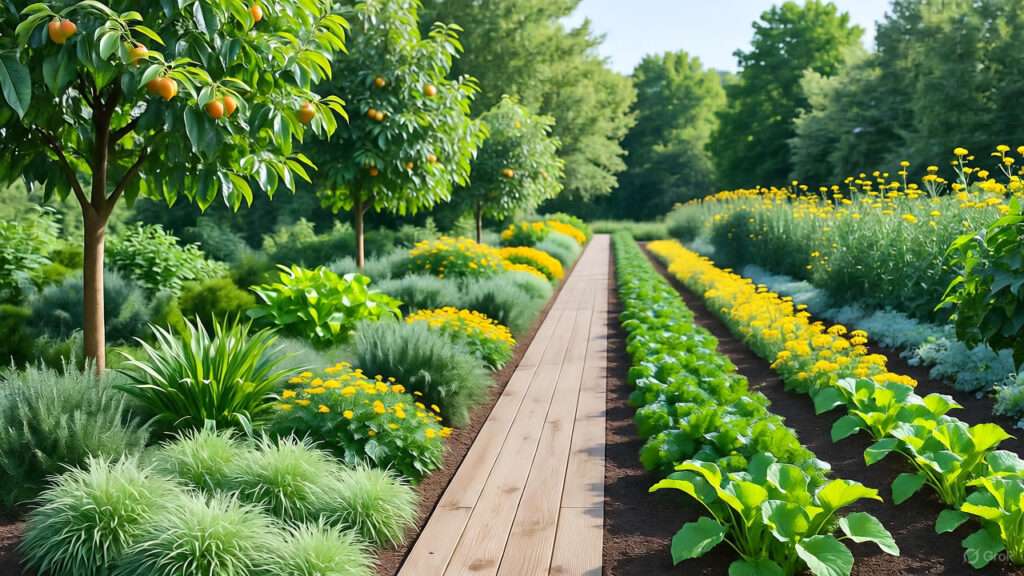
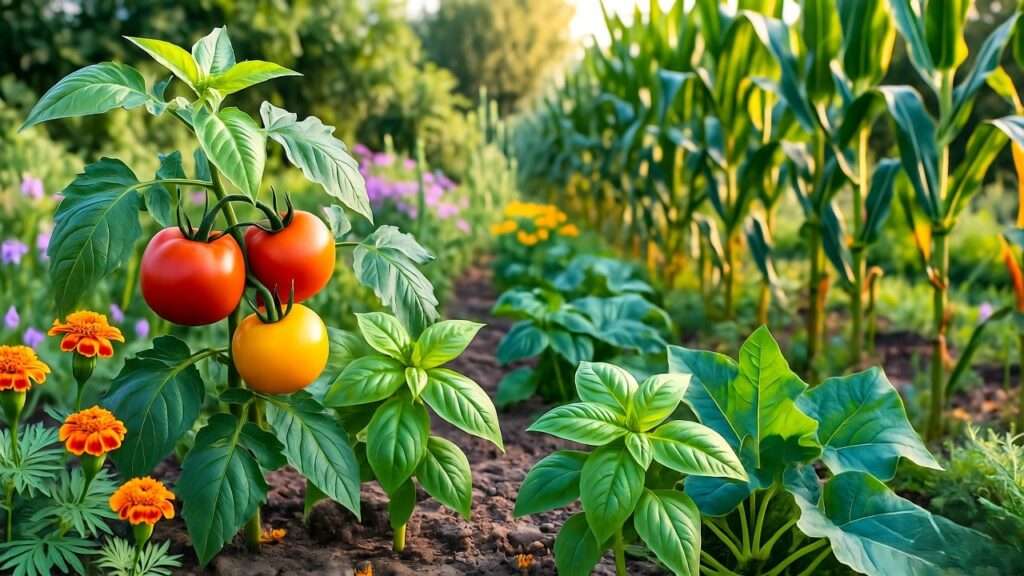
Imagine stepping onto your own 5–10 acre homestead layout where abundant vegetable gardens thrive alongside contented livestock, water flows efficiently through thoughtfully placed swales and ponds, and protective windbreaks shield everything from harsh winds—all working in harmony with minimal daily effort. For many aspiring homesteaders, the dream of self-sufficiency falters due to poor planning: scattered elements, depleted soil, endless chores, and vulnerability to weather extremes. But it doesn’t have to be that way.
By applying time-tested permaculture design principles, you can create a resilient, productive ecosystem that regenerates itself year after year. This comprehensive guide—drawn from decades of real-world permaculture experience, successful homestead case studies, and proven zoning strategies—will walk you through designing a sustainable 5–10 acre homestead layout that delivers food security, ecological health, and long-term viability for your family.
Whether you’re starting on raw land or refining an existing property, the principles and example layouts here will help you avoid common pitfalls and build a homestead that truly sustains you.
Understanding Permaculture Principles for Homestead Design
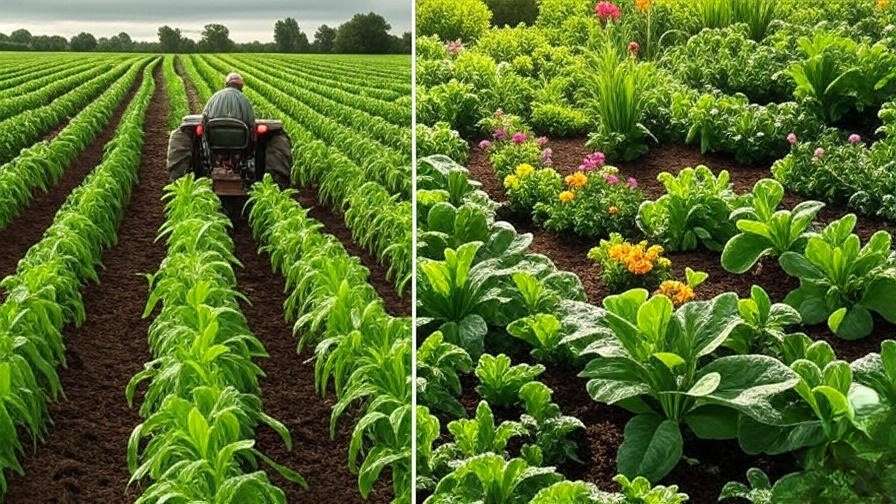
Permaculture, developed in the 1970s by Australians Bill Mollison and David Holmgren, is a design science that mimics natural ecosystems to create permanent, sustainable agriculture. Unlike conventional farming that fights nature, permaculture works with it—stacking functions, recycling resources, and building resilience.
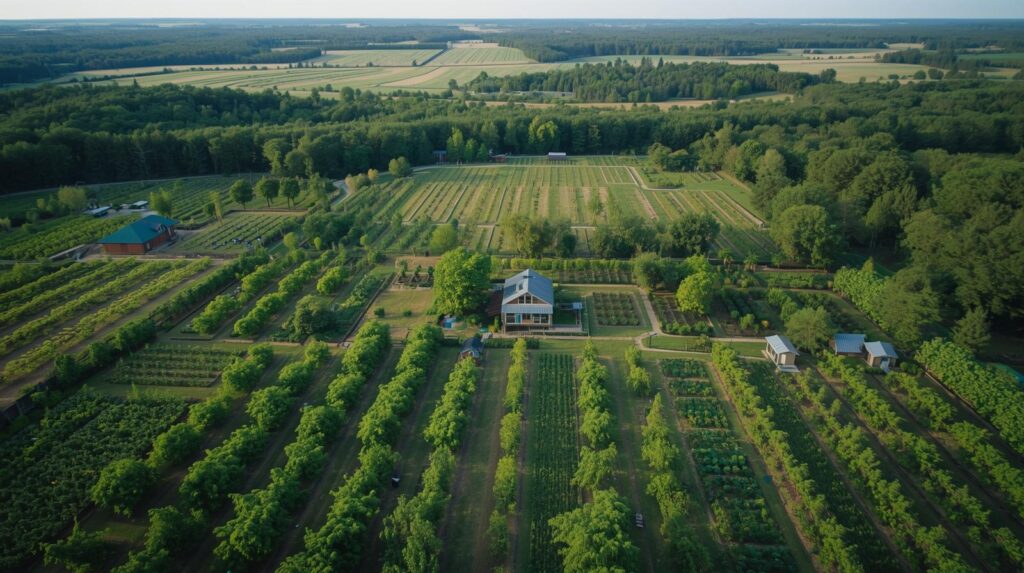
For a 5–10 acre homestead, this scale is ideal. It’s large enough to incorporate diverse elements (intensive gardens, orchards, pastures, woodlots, and wild areas) yet small enough to manage without industrial equipment. Many successful homesteads in this size range achieve 50–80% food self-sufficiency while regenerating soil and biodiversity.
Core permaculture principles that directly apply to homestead layout include:
- Observe and Interact: Spend a full year watching your land’s patterns before major changes.
- Catch and Store Energy: Harvest rainwater, build soil organic matter, and design for passive solar.
- Obtain a Yield: Every element should produce something useful (food, fiber, fertilizer, or habitat).
- Apply Self-Regulation and Accept Feedback: Design systems that maintain balance naturally.
- Use and Value Renewable Resources: Prioritize perennials, animals, and biological processes over fossil fuels.
- Integrate Rather Than Segregate: Place elements so they support each other (e.g., chickens fertilizing gardens).
Two foundational tools for layout design are zones and sectors.
Zones organize space by how often you visit:
- Zone 1: Daily (intensive gardens, herbs)
- Zone 2: Several times weekly (orchards, small livestock)
- Zone 3: Weekly or less (main crops, larger grazing)
- Zone 4: Infrequently (foraging, timber)
- Zone 5: Never (wilderness for biodiversity)
Sectors map external energies like sun paths, prevailing winds, wildfire risk, and views to place elements wisely.
Step-by-Step Site Assessment: The Foundation of Your Layout
The biggest mistake new homesteaders make? Rushing into planting or building without thorough observation. A well-designed 5–10 acre homestead layout begins with deep site understanding.
Mapping Your Property
Create a detailed base map showing:
- Topography (contours, slopes, high/low points)
- Existing vegetation and natural features
- Soil types and drainage patterns
- Sun paths (summer/winter solstice)
- Wind directions (seasonal)
- Water flow and potential pond sites
- Access points and utilities
Tools like Google Earth, county GIS maps, or simple pacing and sketching work well. Professional permaculture designers often use overlay tracing paper for different elements.
Key Observations to Make
Spend at least one full season (ideally a year) recording:
- Frost pockets and microclimates
- Wildlife corridors and pest pressures
- Flooding or erosion risks
- Areas of poor drainage or rock outcrops
Soil Testing and Improvement
Test soil for pH, nutrients, texture, and contaminants through your local extension service. Most homestead soils benefit from initial fertility building using cover crops, compost, and mulch. On 5–10 acres, focus early efforts on Zone 1 and 2 areas to establish productivity quickly.
Expert Tip: If your site has challenging features (steep slopes, heavy clay, or poor drainage), consider consulting a certified permaculture designer. The investment often saves thousands in avoided mistakes.
Permaculture Zones Tailored to 5–10 Acres
The beauty of 5–10 acres is that you can incorporate all permaculture zones seamlessly, creating a complete, integrated system.
Zone 0: Your Home as the Hub
Your house is the center. Design for energy efficiency: south-facing windows for passive solar (in northern hemispheres), attached greenhouse or cold frames, and indoor composting systems.
Zone 1: Daily Visit Areas (0.5–1 Acre)
Place elements needing frequent attention closest to the house:
- Herb spirals and keyhole gardens
- Salad greens and high-value crops
- Small animal housing (chickens, rabbits)
- Compost bins and worm farms
This zone minimizes time and energy spent on daily chores.
Zone 2: Frequent Visit Areas (1–2 Acres)
Orchards, perennial beds, and managed livestock:
- Fruit tree guilds with understory berries and herbs
- Beehives
- Larger poultry runs or goat milking areas
Zone 3: Occasional Visit Areas (2–5 Acres)
Main crop production and larger grazing:
- Annual vegetable fields (rotated)
- Pasture for cattle, sheep, or pigs
- Grain or fodder crops if desired
Zone 4: Semi-Wild Areas (1–3 Acres)
Low-maintenance foraging and resource production:
- Nut trees and timber plantations
- Mushroom logs
- Wildflower meadows for pollinators
Zone 5: Wilderness (Remaining Land)
Leave at least 10–20% untouched for biodiversity. This supports beneficial insects, birds, and soil biology that benefit your entire homestead.
On smaller 5-acre properties, zones compress and overlap more; 10-acre layouts allow fuller separation and larger-scale production.
Designing Sustainable Gardens and Food Production Systems
Food production is often the primary goal of homesteading. A permaculture approach shifts focus from annual monocrops to diverse, resilient systems.
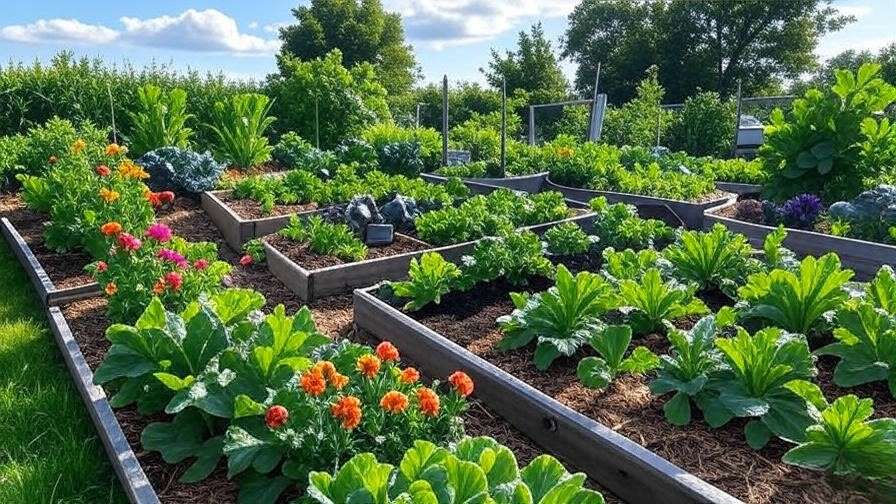
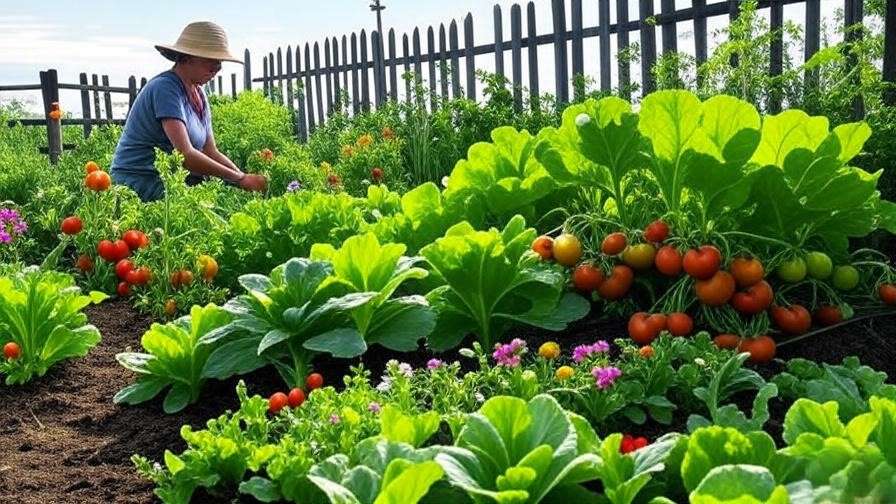
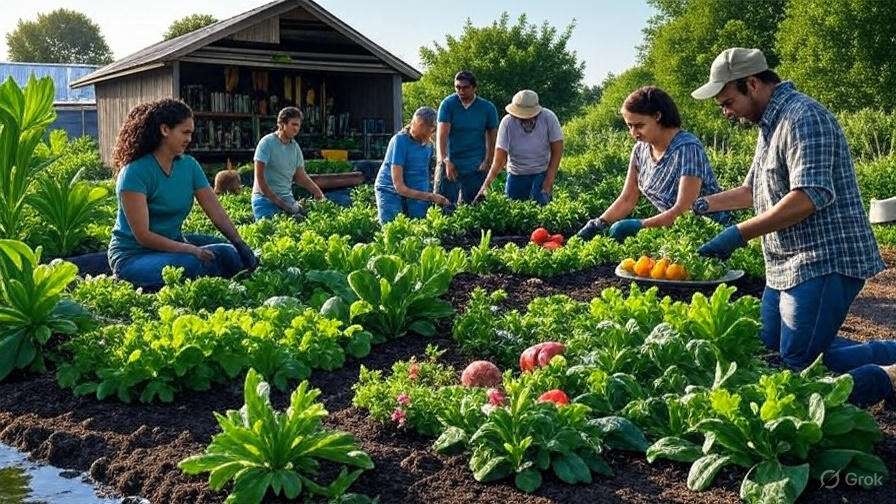
Intensive Vegetable Gardens in Zones 1–2
Use no-dig methods (lasagna gardening or deep mulch) to build fertile beds quickly. Design with:
- Keyhole gardens for access efficiency
- Companion planting (e.g., Three Sisters: corn, beans, squash)
- Vertical elements (trellises, espaliered fruit)
Aim for 1/4 to 1/2 acre of intensive annual beds on 5–10 acres—enough for a family’s vegetable needs with surplus.
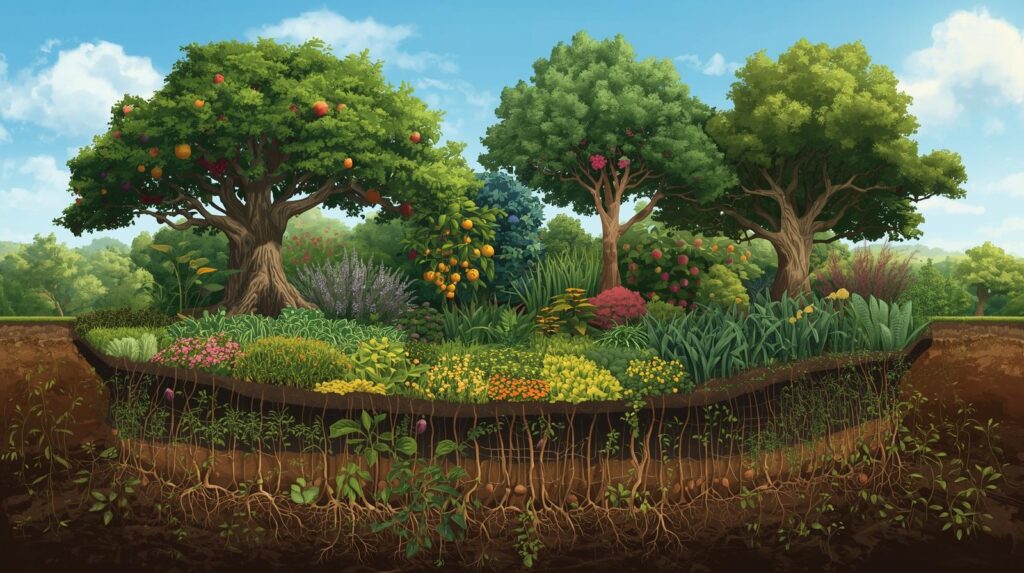
Food Forests and Orchards in Zones 2–3
The backbone of low-maintenance production. Plant layered guilds:
- Canopy: Standard fruit/nut trees
- Understory: Dwarf fruit trees
- Shrub layer: Berries
- Herbaceous: Perennials like comfrey, rhubarb
- Groundcover: Strawberries, clover
- Vine: Grapes, kiwi
- Root: Bulbs, tubers
Focus 70%+ on perennials to reduce labor over time.
Scaling Considerations
- 5-acre homesteads: Prioritize compact, high-yield designs with vertical gardening and intensive beds.
- 10-acre homesteads: Add market garden potential or expanded orchards for income.
Real-World Example: The well-documented 5-acre homestead of Ben Falk in Vermont produces diverse yields through integrated food forests and earthworks, demonstrating that thoughtful design outperforms size alone.
Integrating Animals for a Closed-Loop System
Animals are not just an addition to a permaculture homestead—they’re essential integrators that turn waste into resources, manage vegetation, control pests, and provide food, fiber, and income. On a 5–10 acre homestead layout, livestock choices must match your land’s carrying capacity, your labor availability, and your goals.
Choosing the Right Livestock for Your Scale
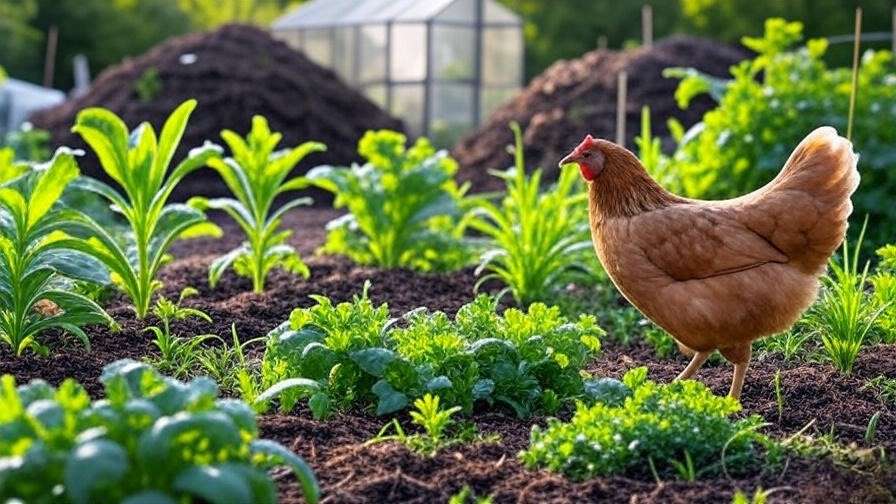
- Chickens (50–150 birds): Ideal for all sizes. They scratch and fertilize gardens, control insects, and produce eggs/meat. Mobile coops allow tractor systems in Zone 2 orchards.
- Ducks or Geese (20–50): Excellent for slug control in wetter climates and weed management in orchards.
- Goats (8–20): Browser animals that clear brush and provide milk/meat. Best on 7+ acres with good fencing.
- Pigs (4–12): Efficient converters of kitchen scraps and excess produce into meat. Use them rotationally to till new garden areas.
- Sheep (10–30): Grazers that maintain pastures and produce wool/meat.
- Beef Cattle (2–6): Feasible on 10 acres with intensive rotational grazing; provide substantial meat and manure.
Expert Insight: Start with chickens and one other species. Many homesteaders overestimate carrying capacity and end up with overgrazed land. A good rule of thumb is 1–2 animal units per acre in temperate climates with good management (1 cow = 1 AU, 1 pig ≈ 0.3 AU, 10 chickens ≈ 0.1 AU).
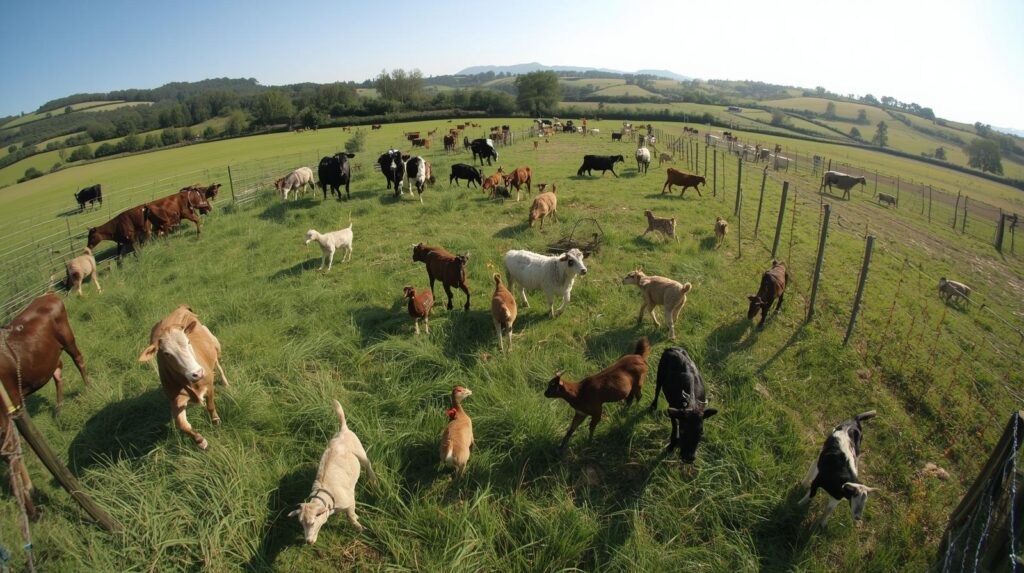
Rotational and Mob Grazing Systems
Use portable electric fencing to divide Zone 3 pastures into paddocks. Move animals frequently (daily for mob grazing, weekly for rotational) to:
- Prevent overgrazing
- Distribute manure evenly
- Allow full plant recovery
- Break parasite cycles
This mimics wild herd dynamics and can double or triple pasture productivity compared to set stocking.
Strategic Animal Placement
- Place poultry near gardens/orchards for natural pest control and fertilization.
- Run pigs through future garden sites in fall to clear and till.
- Position goats on brushy edges transitioning to Zone 4.
- Create sacrifice areas near barns for winter holding to protect main pastures.
Manure Management and Nutrient Cycling
Design compost systems that capture every bit of manure and bedding. Hot composting or vermicomposting turns it into garden gold within months. On 5–10 acres, animal manure can fully fertilize intensive gardens and orchards when properly managed.
Water Management: Harvesting, Storing, and Distributing Life’s Essence
In permaculture, water is the highest priority element. A well-designed 5–10 acre homestead layout slows, spreads, and sinks every drop of rain while storing excess for dry periods.
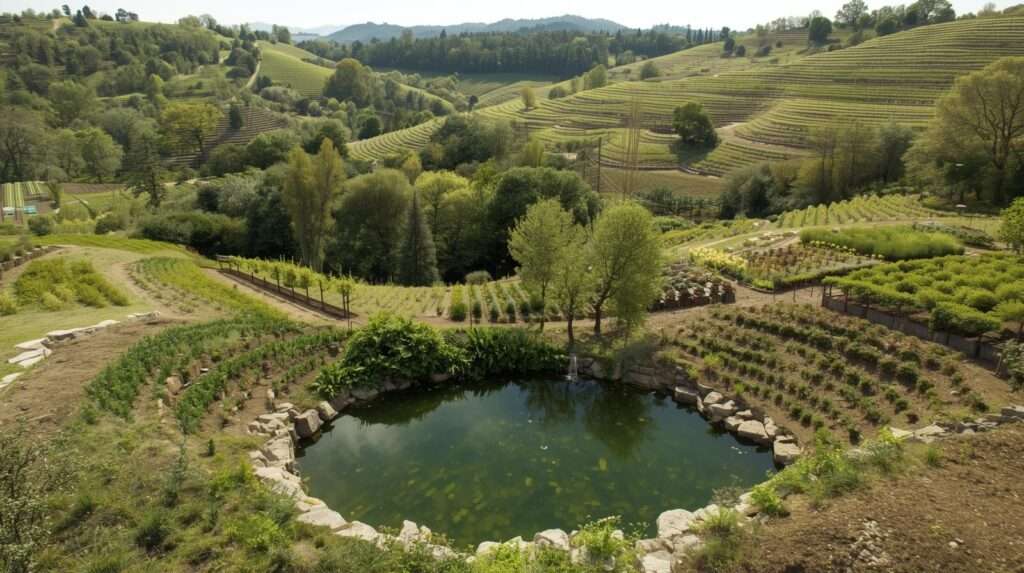
Earthworks and Contour Design
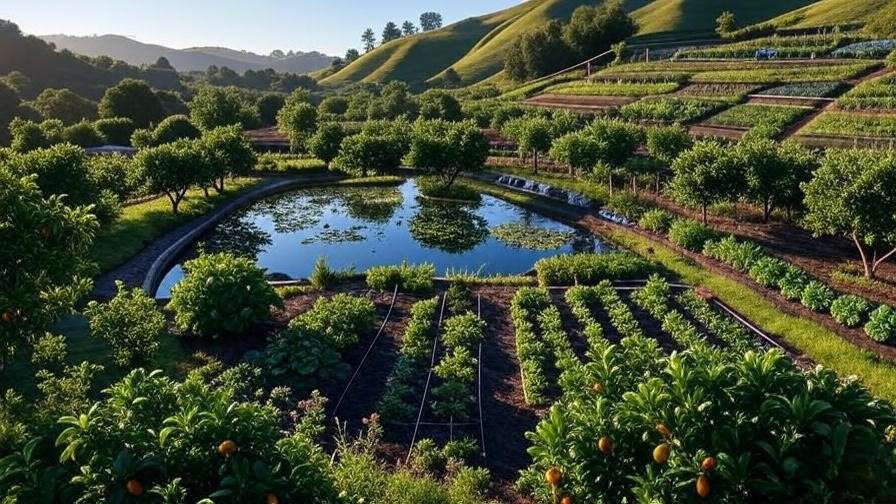
On sloping land, use keyline design or swales (level ditches on contour) to infiltrate water into the soil:
- Swales hydrate tree rows and pastures downslope.
- Ponds at swale ends store overflow.
- Keyline plowing subtly reshapes fields for even hydration.
Even on flat land, subtle contour bunds and raised beds direct water effectively.
Rainwater Harvesting Systems
- Roof catchment: Direct gutters to storage tanks (5,000–20,000 gallons common).
- Ground catchment: Berms and swales capture sheet flow.
- Greywater reuse: Reed beds or mulch basins treat household water for orchard irrigation.
A typical 2,000 sq ft roof in a 40-inch rainfall area yields over 40,000 gallons annually—enough for household and garden needs with storage.
Ponds and Wetlands
Multi-functional ponds serve irrigation, aquaculture, wildlife, fire protection, and microclimate moderation:
- Size: 1/8–1/2 acre on 5–10 acres.
- Location: Highest practical point for gravity feed.
- Edge planting: Productive species like willow, elderberry, and cattails.
Common Mistake: Building ponds too low without sufficient catchment, leading to dry holes. Always calculate your watershed area first.
Irrigation Strategies
Gravity-fed systems minimize energy use:
- Drip irrigation from tanks for Zone 1–2 gardens.
- Flood or sprinkler for pastures when needed.
- Mulch and plant guilds reduce irrigation demand over time.
Windbreaks, Shelterbelts, and Microclimate Creation
Wind is one of the most damaging forces on a homestead, causing erosion, desiccation, cold damage, and reduced yields. Strategic windbreaks transform challenging sites into productive ones.
Designing Effective Windbreaks
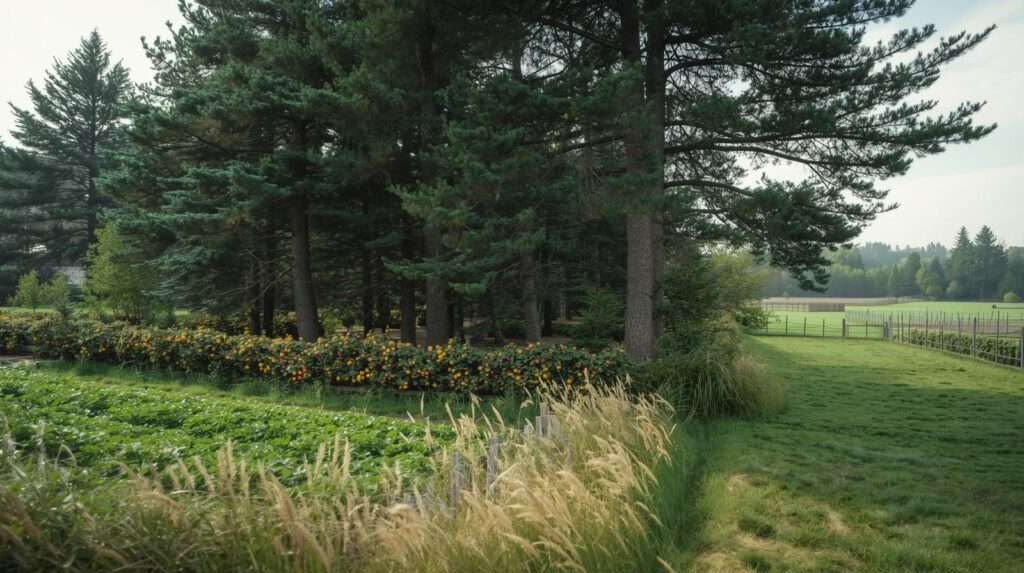
Multi-species, multi-layered shelterbelts work best:
- Windward side: Dense evergreens or fast-growing pioneers (pine, poplar).
- Middle: Productive shrubs (hazelnut, sea buckthorn).
- Leeward side: Lower plants transitioning to open land.
Aim for 40–60% density—enough to filter wind without creating turbulence.
Placement and Orientation
- Primary windbreak perpendicular to prevailing winter winds, 50–100 ft upwind of protected areas.
- Secondary belts for summer winds or cross protection.
- Create sheltered courtyards around home and gardens.
Research shows well-placed windbreaks can:
- Increase crop yields 10–30%
- Reduce heating costs 20–40%
- Lower evaporation and soil erosion
Productive Plant Choices
Select species that provide multiple yields:
- Nitrogen-fixers (black locust, alder) for soil building
- Fruit/nut producers (chestnut, hazelnut)
- Firewood and timber (hybrid poplar, willow)
Case Study: Midwest homesteads often report 20–30% higher vegetable yields in sheltered zones compared to exposed areas.
Example Layouts: Visualizing Your 5–10 Acre Homestead
Here are three practical, scalable layouts based on real homesteads.
Layout 1: Classic 5-Acre Family Homestead (Flat Temperate Land)
- Zone 0/1 (0.75 acres): House, intensive gardens, herb spiral, chicken coop.
- Zone 2 (1.5 acres): Food forest orchard with layered guilds, beehives, goat pen.
- Zone 3 (2 acres): Rotational pastures (pigs + poultry tractor), annual crop beds.
- Zone 4/5 (0.75 acres): Woodlot and wild buffer with pond.
- Water: Roof catchment + small pond.
- Windbreaks: North and west perimeter belts.
This layout supports a family of 4–6 with high self-sufficiency.
Layout 2: Expansive 10-Acre Diversified Design (Gentle Slope)
- Zone 1 (1 acre): House + intensive gardens.
- Zone 2 (3 acres): Large orchard guilds, dairy goats, expanded poultry.
- Zone 3 (4 acres): Pasture rotation for small cattle + pigs, hay production.
- Zone 4 (1.5 acres): Timber and foraging.
- Zone 5 (0.5 acres): Wetland preservation.
- Water: Keyline swales feeding multiple ponds.
- Windbreaks: Full perimeter + internal belts creating microclimates.
Ideal for partial income generation.
Layout 3: Sloped Terrain Adaptation (7 Acres, 10–20% Slope)
- Upper ridge: Zone 0/1 home site with southern exposure.
- Mid-slope swales: Tree crops and orchards.
- Lower areas: Ponds and wetlands, pasture paddocks.
- Steep sections: Zone 4/5 forest.
Phased Implementation Plan
Year 1: Establish Zone 1 gardens, basic water systems, windbreaks, and small animals. Year 2–3: Expand Zone 2 food forest and pastures. Year 4+: Develop Zone 3 production and infrastructure.
Infrastructure, Access, and Energy Considerations
Pathways and Access
Design curved, contour-following paths to minimize erosion. Main access roads 10–12 ft wide for vehicle passage; garden paths 2–3 ft with mulch.
Fencing and Gates
Permanent perimeter fencing (woven wire or electric) with internal portable divisions. Place gates at logical junctions for efficient movement.
Outbuildings
Position barns and sheds in Zone 2 for easy access without dominating the landscape.
Renewable Energy
Solar arrays in open Zone 3 areas. Wind turbines possible on 10-acre sites with good exposure.
Common Challenges and Solutions
- Zoning and Legal Issues: Research local regulations early—some areas restrict livestock numbers or structures.
- Predators: Use guardian animals (donkeys, dogs) and secure night housing.
- Weed Pressure: Mulch heavily and use animals to manage.
- Labor Overload: Start small and phase implementation.
Conclusion: Start Planning Your Permaculture Homestead Today
A thoughtfully designed 5–10 acre homestead layout using permaculture principles can provide abundant food, clean water, healthy animals, and ecological restoration while requiring decreasing inputs over time. The key is patient observation, strategic placement, and integration of elements so they support each other.
Begin with a base map of your property, mark your zones, and implement one small area at a time. The rewards—resilience, abundance, and deep connection to your land—are profound.
FAQs
What’s the minimum acreage for meaningful self-sufficiency? While some achieve high yields on 1–2 acres, 5–10 acres allows comfortable integration of animals, orchards, and buffers for true resilience.
How long does it take to establish a permaculture homestead? Core systems (gardens, basic animals, water) can be functional in 2–3 years; full maturity often takes 7–10 years for tree crops and soil biology.
Can I generate income from a 5–10 acre layout? Yes—many successful operations sell eggs, produce, value-added products, or offer agro-tourism experiences.
Best resources for beginners?
- Books: “Gaia’s Garden” by Toby Hemenway, “The Permaculture Handbook” by Peter Bane
- Courses: Permaculture Design Certificate (PDC)
- Communities: Local permaculture guilds and online forums
How do I adapt this for different climates? Principles remain the same; plant species and water strategies change. Arid zones emphasize water harvesting; cold climates focus on wind protection and season extension.