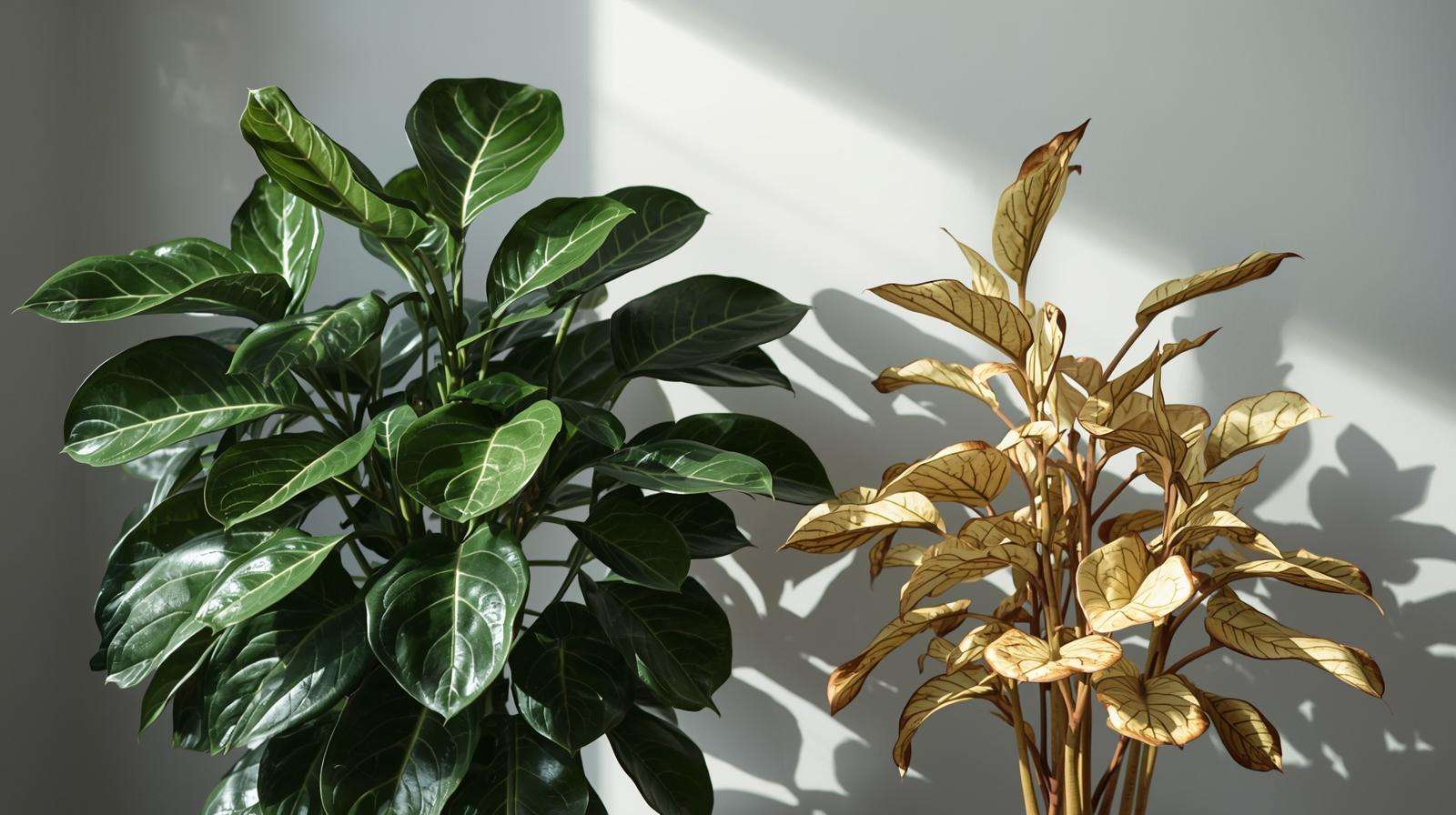
If your fiddle leaf fig looks stuck in survival mode—slow growth, pale leaves, or sudden leaf drop—you’re not alone. Many plant owners focus on light and watering while overlooking the single factor that determines whether a fiddle leaf fig merely survives or truly thrives: proper nutrition. Choosing the right fiddle leaf fertilizer and applying it correctly can be the difference between small, dull leaves and the large, glossy foliage this plant is famous for.
The problem isn’t usually that people don’t fertilize—it’s that they fertilize incorrectly. Too much, too little, or the wrong formula can quietly weaken your plant over time. This guide is designed to eliminate the guesswork. Drawing on horticultural best practices and real-world indoor growing experience, you’ll learn exactly how to feed your fiddle leaf fig for stronger roots, faster growth, and consistently healthier leaves.
Whether you’re caring for a young indoor plant or a mature tree-sized specimen, this article will walk you through everything you need to know—step by step.
Understanding the Nutritional Needs of a Fiddle Leaf Fig
Where Fiddle Leaf Figs Come From — and Why That Matters
Fiddle leaf figs (Ficus lyrata) are native to the lowland tropical rainforests of West Africa. In their natural environment, they grow in warm conditions with consistent moisture, abundant indirect light, and nutrient-rich organic soil that is constantly replenished by decaying plant matter.
When grown indoors, however, fiddle leaf figs are confined to pots with limited soil volume. Over time, that soil becomes depleted of nutrients—especially nitrogen, magnesium, and micronutrients essential for leaf development. Unlike outdoor plants, indoor fiddle leaf figs cannot rely on natural nutrient cycling. That makes fertilization essential, not optional.
Understanding this natural context explains why even well-watered, well-lit plants can stall without proper feeding.
Essential Nutrients for Healthy Fiddle Leaf Growth
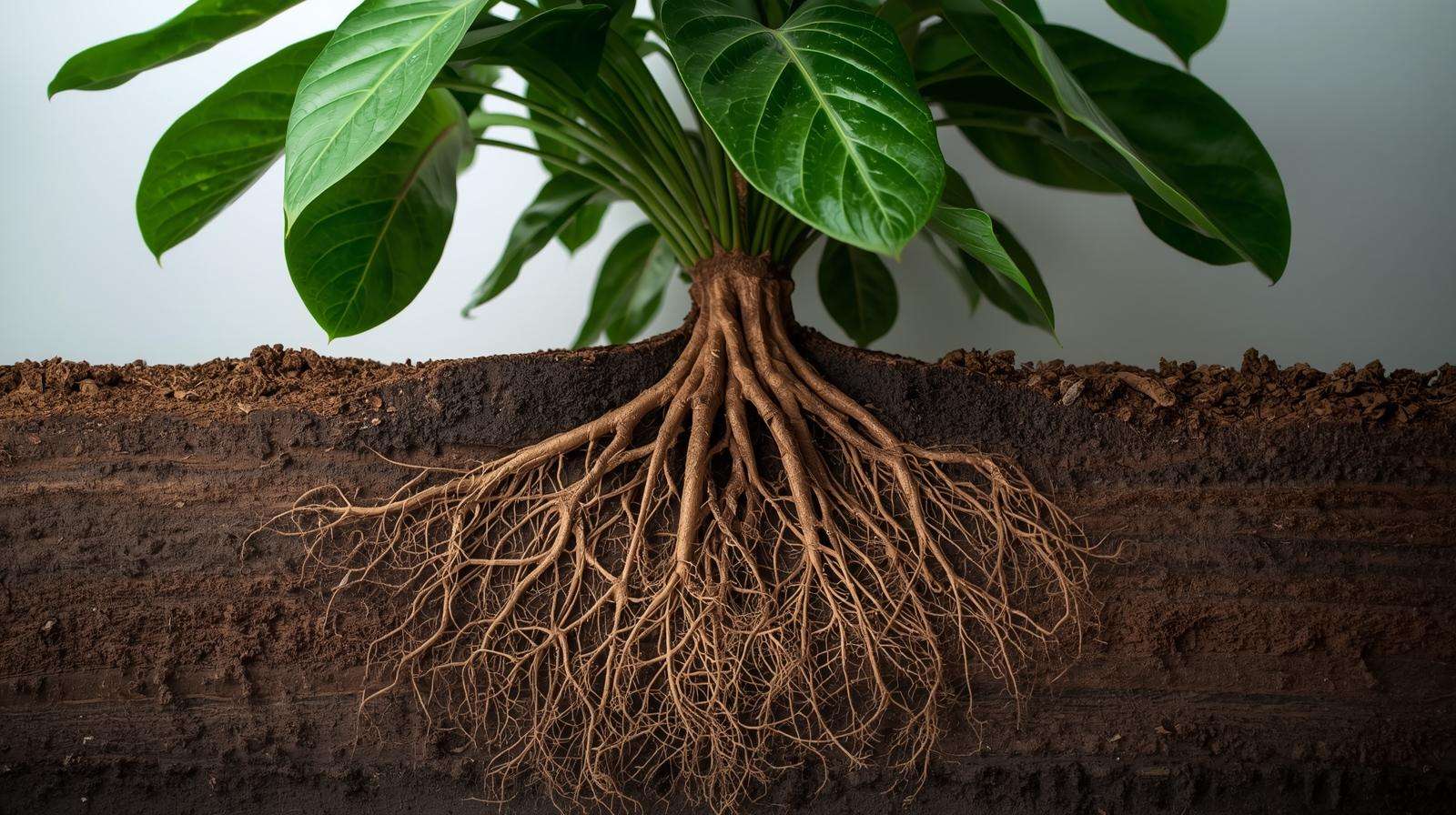
A balanced fertilizer supports every major function of a fiddle leaf fig—from leaf expansion to root development. The most important nutrients include:
Macronutrients
-
Nitrogen (N): Drives leaf growth, size, and rich green color
-
Phosphorus (P): Supports root development and energy transfer
-
Potassium (K): Improves overall plant strength, disease resistance, and water regulation
Micronutrients
-
Magnesium: Critical for chlorophyll production
-
Calcium: Strengthens cell walls and leaf structure
-
Iron: Prevents yellowing between leaf veins
-
Zinc & Manganese: Support enzyme and growth functions
A quality fiddle leaf fertilizer provides all of these in the correct proportions. Deficiencies don’t always appear immediately—but once symptoms show, recovery can be slow.
Signs Your Fiddle Leaf Fig Is Nutrient Deficient
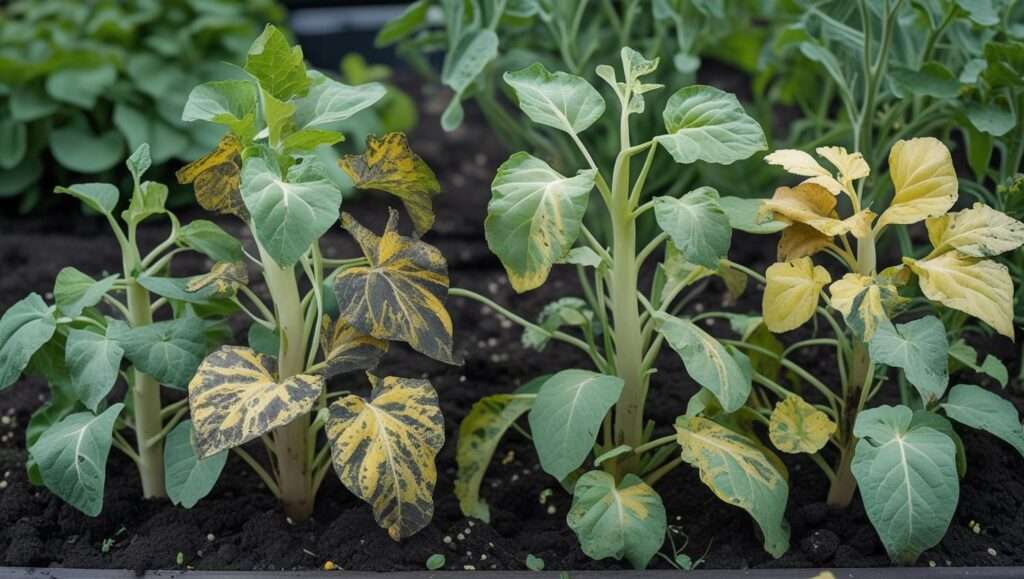
Nutrient deficiencies often mimic other problems, which is why they’re frequently misdiagnosed. Watch for these warning signs:
-
Yellowing lower leaves: Often indicates nitrogen deficiency
-
Small new leaves: Suggests insufficient nutrients during growth
-
Brown leaf edges or spots: May signal potassium or calcium imbalance
-
Slow or no new growth during spring/summer: A strong indicator of depleted soil
-
Leaf drop without signs of pests or overwatering: Frequently nutrition-related
Correct fertilization addresses these issues at the root level, restoring long-term plant health rather than offering temporary fixes.
What Is the Best Fiddle Leaf Fertilizer?
Ideal NPK Ratio for Fiddle Leaf Figs
The NPK ratio (Nitrogen–Phosphorus–Potassium) tells you how a fertilizer supports plant growth. For fiddle leaf figs, the goal is balanced foliage development, not flowering.
An ideal fertilizer typically falls within:
-
3-1-2 or 10-5-5 ratios (or similar balanced formulas)
Why this matters:
-
Too much nitrogen can cause weak, leggy growth
-
Too little nitrogen results in pale, undersized leaves
-
Excess phosphorus can block micronutrient absorption
Avoid fertilizers formulated for lawns or flowering plants, as they often contain excessive nitrogen or phosphorus that can stress indoor trees.
Liquid vs Granular vs Slow-Release Fertilizers
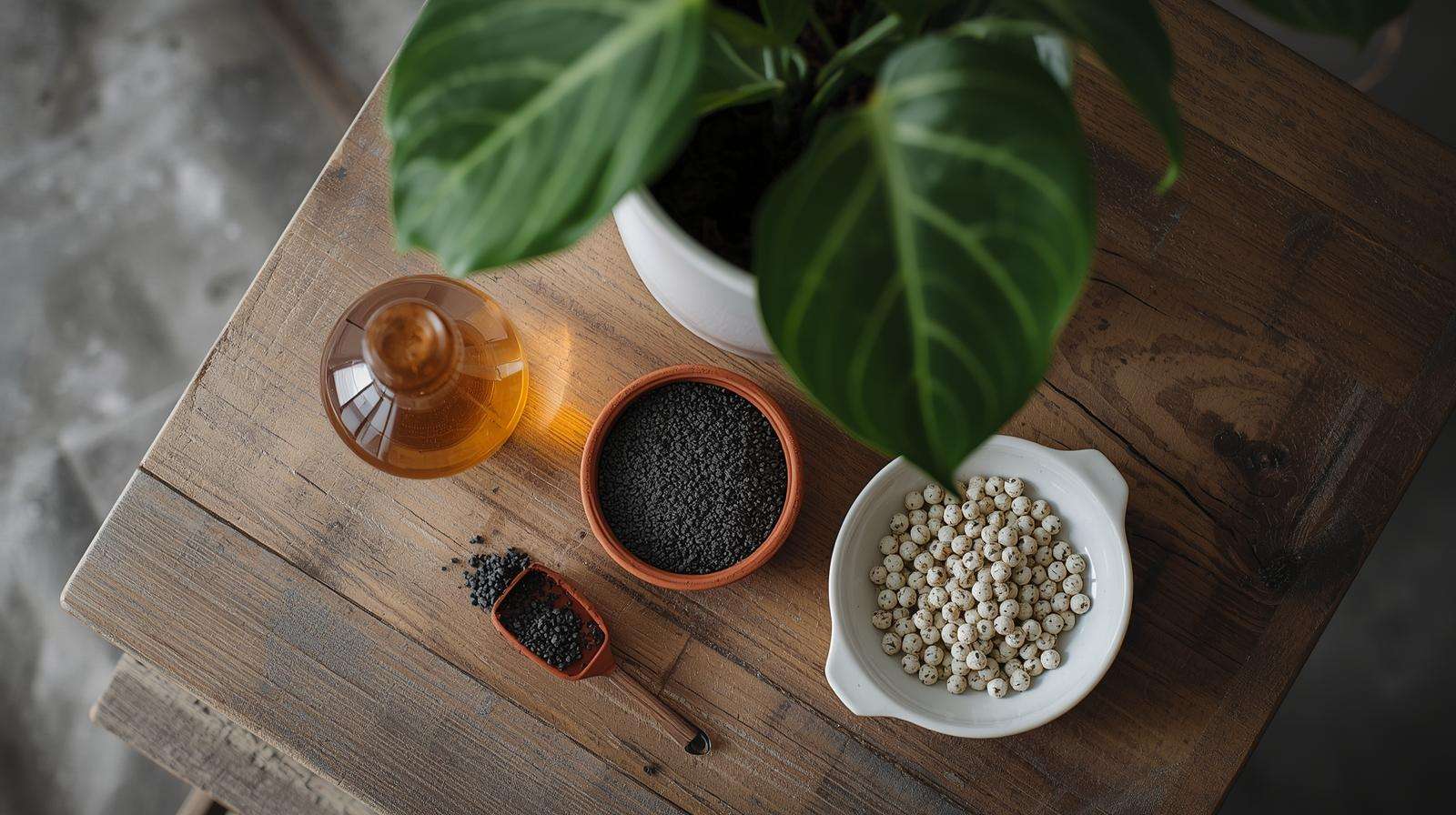
Each fertilizer type has advantages and drawbacks:
Liquid Fertilizers
-
Fast-acting and easy to control
-
Ideal for indoor fiddle leaf figs
-
Allow precise dilution and seasonal adjustments
Granular Fertilizers
-
Long-lasting but harder to control
-
Risk of salt buildup in pots
-
Less suitable for indoor use
Slow-Release Fertilizers
-
Convenient for consistent feeding
-
Can be effective if correctly dosed
-
Less flexible for seasonal changes
Expert Recommendation:
For most indoor growers, a diluted liquid fertilizer is the safest and most effective option.
Organic vs Synthetic Fertilizers — Which Is Better?
Both types can work when used correctly:
Organic Fertilizers
-
Improve soil health over time
-
Release nutrients slowly
-
Lower risk of chemical burn
Synthetic Fertilizers
-
Provide precise nutrient ratios
-
Faster results
-
Require careful dilution to avoid root damage
For beginners, organic or hybrid fertilizers designed specifically for houseplants tend to offer the best balance of safety and effectiveness.
How to Choose the Right Fiddle Leaf Fertilizer (Buyer’s Guide)
Key Ingredients to Look for on the Label
When evaluating fertilizers, look for:
-
Complete NPK ratio (not just nitrogen-heavy)
-
Added micronutrients
-
Low salt index
-
Indoor plant compatibility
Avoid products containing:
-
Urea-heavy nitrogen
-
Artificial dyes
-
High concentrations meant for outdoor use
Fertilizers Specifically Designed for Fiddle Leaf Figs
Specialty fertilizers formulated for fiddle leaf figs or tropical foliage plants can be beneficial because they:
-
Match nutrient ratios precisely
-
Include magnesium and calcium
-
Reduce risk of overfeeding
However, a high-quality general houseplant fertilizer with the correct balance can perform just as well when applied properly.
Mistakes to Avoid When Buying Fertilizer
-
Choosing “bloom boosters”
-
Using lawn or garden fertilizers indoors
-
Ignoring dilution instructions
-
Assuming more nutrients equals faster growth
Fertilizer should support steady, sustainable growth, not force it.
How Often to Fertilize a Fiddle Leaf Fig
Fertilizing Schedule by Season
Spring and Summer (Active Growth)
-
Fertilize every 2–4 weeks
-
Dilute to half strength for safety
Fall
-
Reduce frequency as growth slows
Winter
-
Stop fertilizing or feed once every 6–8 weeks if growth continues
-
Overfertilizing during dormancy leads to root stress
Fertilizing Young vs Mature Plants
-
Young plants: Light but regular feeding supports development
-
Mature plants: Require more nutrients but less frequent applications
Root health determines nutrient uptake more than plant size alone.
Can You Over-Fertilize a Fiddle Leaf Fig?
Yes—and it’s one of the most common causes of decline.
Signs of over-fertilization:
-
Brown leaf tips
-
White crust on soil surface
-
Sudden leaf drop
-
Root damage
Fix: Flush the soil thoroughly with distilled water and pause feeding for several weeks.
How to Properly Apply Fiddle Leaf Fertilizer
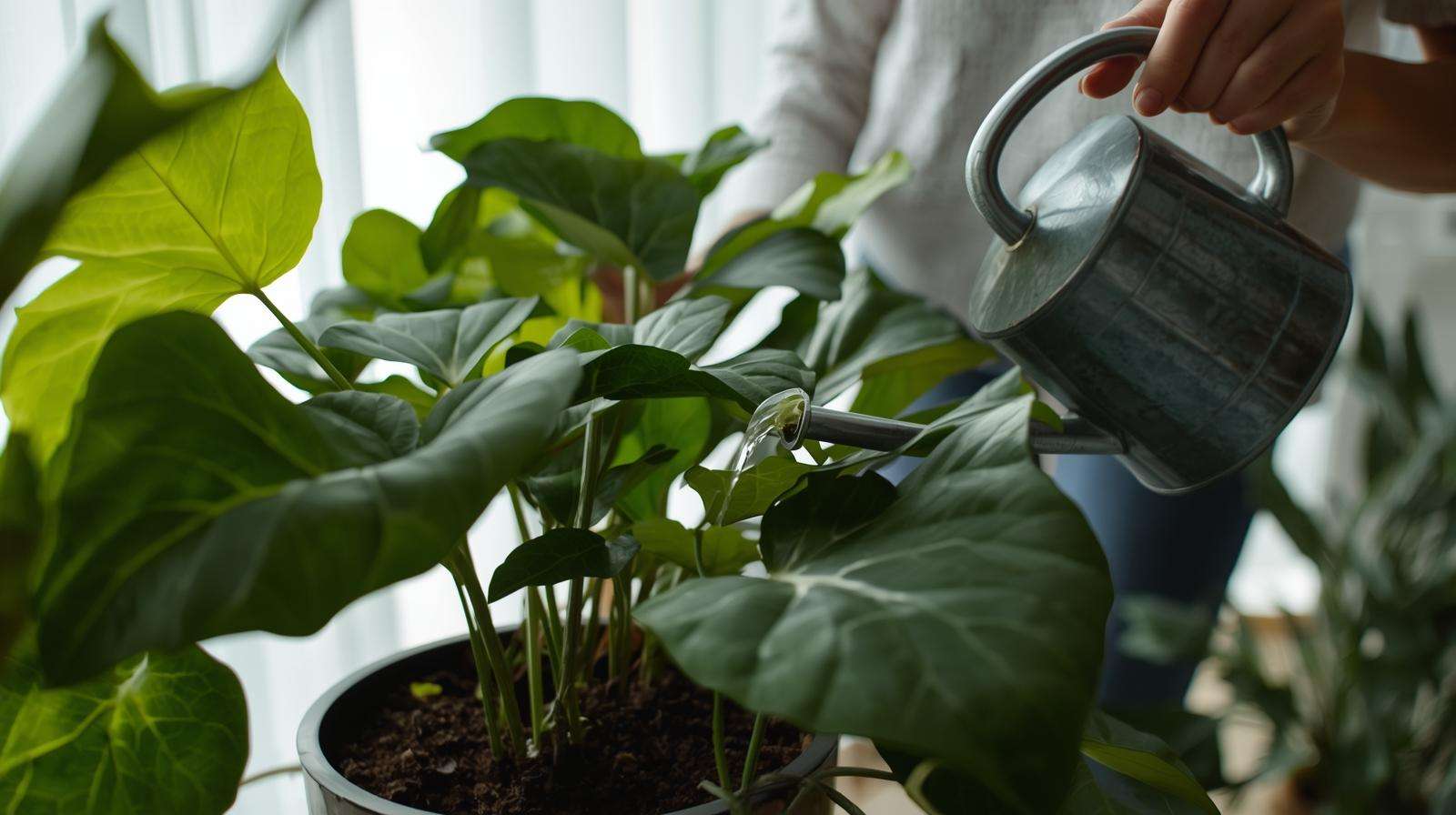
Step-by-Step Fertilizing Process (Beginner-Friendly)
-
Water the plant lightly first
-
Dilute fertilizer according to instructions
-
Apply evenly until water drains from the pot
-
Discard excess runoff
-
Resume normal care routine
Never fertilize dry soil—it increases the risk of root burn.
Fertilizing Potted vs Large Indoor Trees
-
Larger pots retain nutrients longer
-
Ensure adequate drainage holes
-
Adjust dilution, not frequency, for size differences
Common Application Mistakes and How to Fix Them
-
Fertilizing during stress (repotting, disease)
-
Inconsistent feeding schedules
-
Using untreated hard tap water
Consistency matters more than strength.
DIY and Natural Fertilizer Options for Fiddle Leaf Figs
Many plant owners prefer natural or homemade options, especially for indoor plants. While DIY fertilizers can support fiddle leaf figs, they must be used carefully and strategically. Natural does not always mean safe or sufficient.
Safe Homemade Fertilizer Options
1. Compost Tea (Diluted)
-
Provides gentle nutrients and beneficial microbes
-
Must be well-aerated and diluted (at least 1:10)
-
Use only during active growth seasons
2. Worm Castings
-
Excellent slow-release nutrient source
-
Improves soil structure and microbial health
-
Best used as a top dressing or mixed lightly into soil
3. Fish Emulsion (Highly Diluted)
-
Rich in nitrogen and trace minerals
-
Use at ¼ strength indoors to avoid odor and root burn
-
Apply no more than once a month
These options are best used as supplements, not replacements, for a balanced fertilizer.
Natural Fertilizers to Avoid
Some popular “internet hacks” can do more harm than good:
-
Coffee grounds: Alter soil pH and encourage mold
-
Banana peels: Attract pests and decompose unevenly
-
Eggshells: Provide calcium too slowly to benefit potted plants
-
Epsom salt: Only helpful if magnesium deficiency is confirmed
Using these without understanding soil chemistry often leads to nutrient imbalance.
Are DIY Fertilizers Enough for Long-Term Growth?
For short-term support, yes. For consistent, long-term leaf development, no.
Fiddle leaf figs require predictable nutrient availability. DIY fertilizers vary widely in strength and composition, making them unreliable as a sole nutrient source. For best results, pair organic amendments with a controlled, balanced fertilizer.
Soil Health and Fertilizer Effectiveness
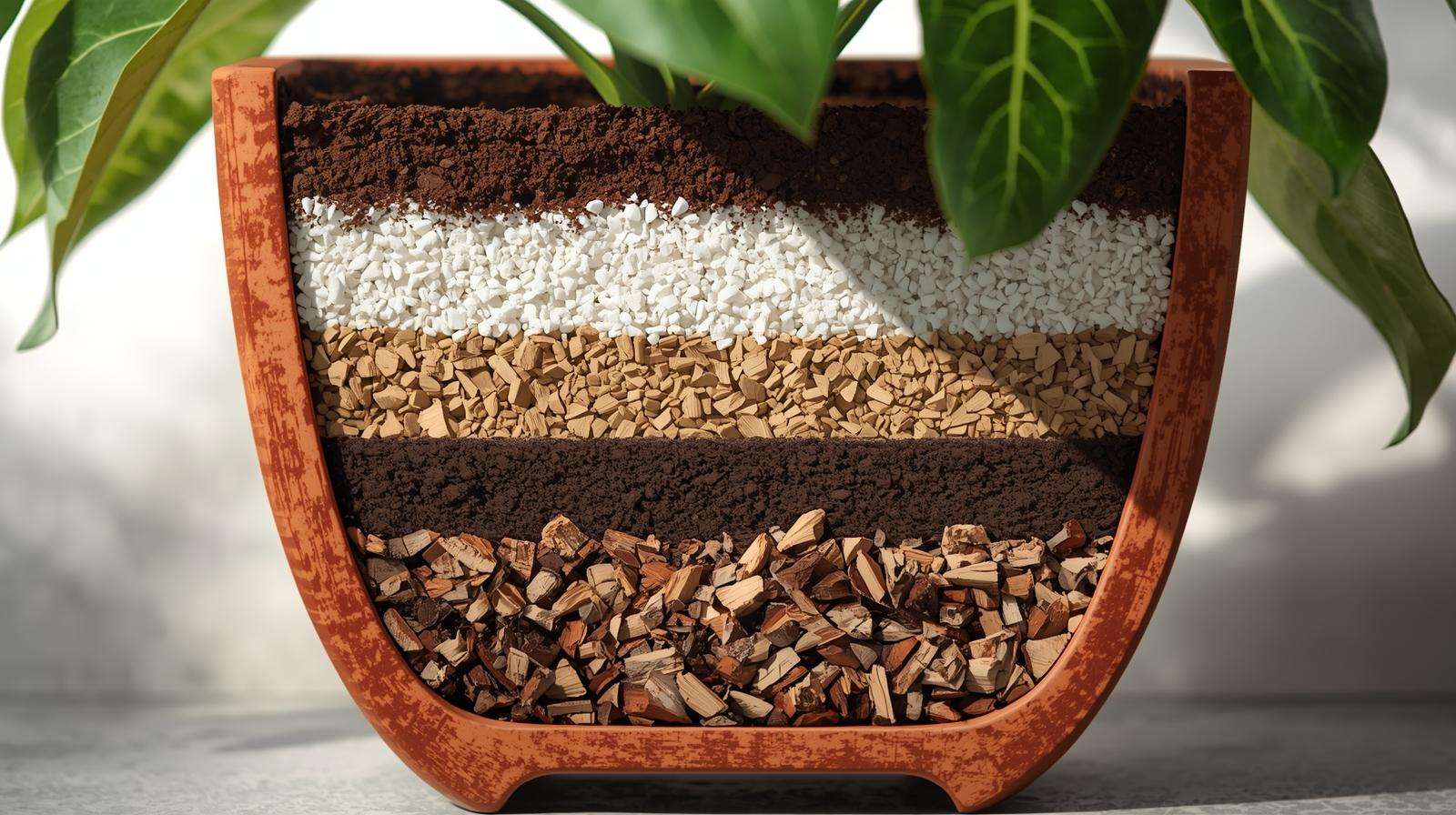
Even the best fiddle leaf fertilizer will fail if the soil cannot absorb and deliver nutrients properly.
Best Soil Mix for Nutrient Absorption
An ideal fiddle leaf fig soil mix should:
-
Drain excess water quickly
-
Retain moderate moisture
-
Allow oxygen to reach roots
Recommended components:
-
High-quality potting soil
-
Pine bark or orchid bark
-
Perlite or pumice
-
Optional: coco coir or peat moss
Healthy roots are the gateway for nutrient uptake.
Repotting and Fertilization Timing
After repotting:
-
Wait 4–6 weeks before fertilizing
-
Fresh soil already contains nutrients
-
Fertilizing too soon can burn new roots
Once growth resumes, restart feeding at half strength.
How Poor Drainage Reduces Fertilizer Efficiency
When soil stays wet:
-
Roots suffocate
-
Nutrients cannot be absorbed
-
Fertilizer salts accumulate
-
Root rot develops
Good drainage protects both roots and fertilizer investment.
Expert Techniques to Maximize Fertilizer Results
Professional growers know that fertilizer works best when paired with proper care habits.
Optimize Light Exposure
-
Bright, indirect light increases nutrient use efficiency
-
Low light + fertilizer = weak growth
-
Rotate plant monthly for even development
Maintain Consistent Watering
-
Overwatering flushes nutrients prematurely
-
Underwatering prevents nutrient transport
-
Use room-temperature, low-mineral water when possible
Clean Leaves Regularly
Dust blocks photosynthesis.
-
Wipe leaves monthly with damp cloth
-
Clean leaves use nutrients more efficiently
Track Growth and Adjust Feeding
Signs fertilizer is working:
-
Larger new leaves
-
Shorter internode spacing
-
Rich, even green color
If growth stalls, reassess:
-
Light levels
-
Root health
-
Fertilizer strength
Seasonal Care Guide for Fiddle Leaf Fertilization
Spring: Growth Activation Phase
-
Resume regular fertilization
-
Use diluted liquid fertilizer every 2–3 weeks
-
Pair with increased light exposure
Summer: Maintenance and Expansion
-
Peak growth period
-
Maintain consistent feeding
-
Monitor for salt buildup
Fall: Gradual Reduction
-
Slow feeding frequency
-
Prepare plant for reduced daylight
-
Avoid stimulating excessive new growth
Winter: Rest and Preservation
-
Stop fertilizing in most climates
-
Only feed if active growth continues
-
Focus on light and humidity instead
Seasonal alignment prevents stress and supports longevity.
Frequently Asked Questions About Fiddle Leaf Fertilizer
What is the best fertilizer for fiddle leaf figs indoors?
A balanced liquid fertilizer with a 3-1-2 or similar ratio, formulated for houseplants or tropical foliage.
Can I use all-purpose houseplant fertilizer?
Yes—if it contains micronutrients and is diluted properly.
How long does it take to see results after fertilizing?
New growth typically appears within 3–6 weeks during active seasons.
Should I fertilize after leaf drop?
Only after identifying the cause. Fertilizing stressed plants can worsen the problem.
Is fertilizer necessary for small fiddle leaf plants?
Yes, but at lower strength. Young plants still require nutrients for healthy development.
Can fertilizer fix brown spots?
Only if the cause is nutritional deficiency. Watering, light, and disease must be ruled out first.
Final Thoughts: Feeding Your Fiddle Leaf Fig the Right Way
Fertilizing a fiddle leaf fig is not about forcing growth—it’s about supporting balance. The right fiddle leaf fertilizer, applied at the right time and strength, allows your plant to grow naturally, steadily, and beautifully.
Focus on:
-
Balanced nutrition
-
Healthy soil
-
Seasonal adjustments
-
Consistent care
When done correctly, fertilization transforms fiddle leaf figs from fragile houseplants into long-term indoor trees with bold, dramatic leaves.
A well-fed fiddle leaf fig doesn’t just survive—it thrives.