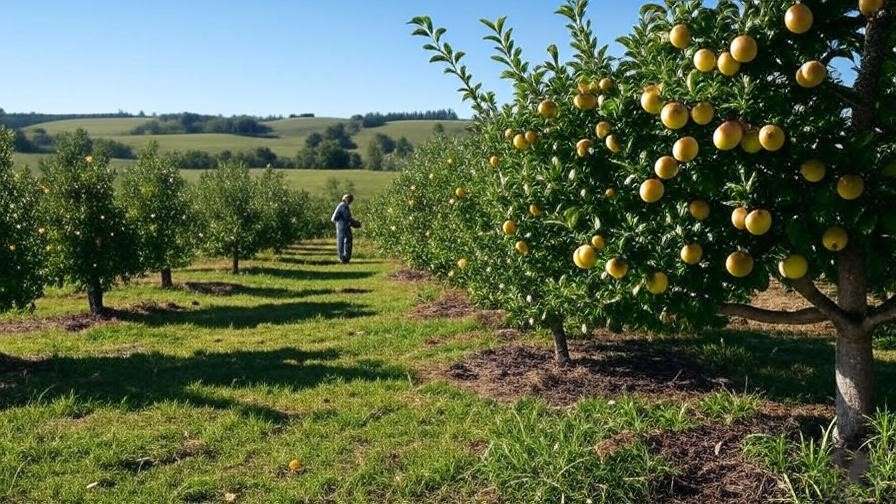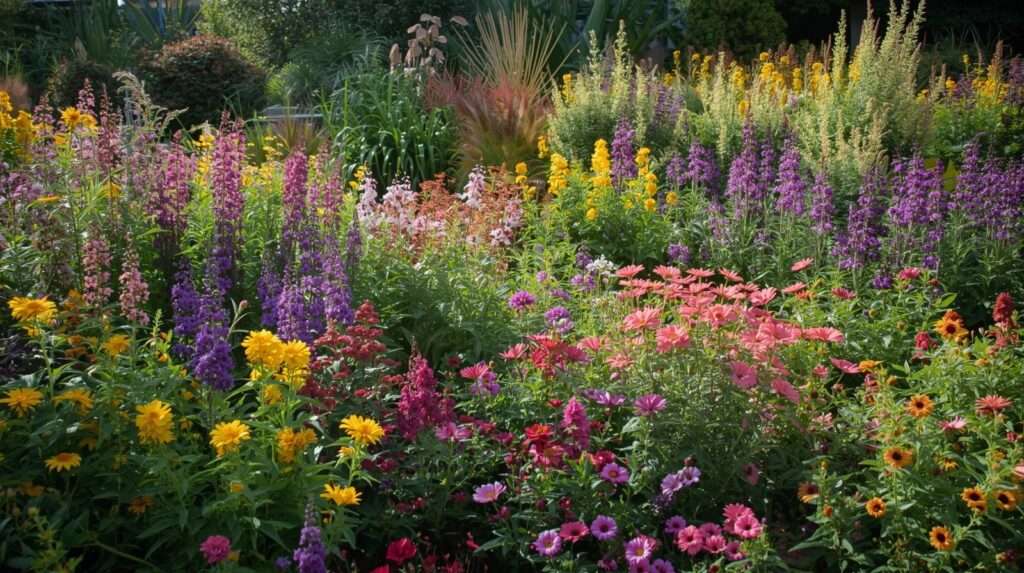
Picture this: It’s the height of summer on your farm, temperatures are soaring, chores are endless, yet your garden borders explode with vibrant, nonstop color from June through September—no faded blooms, no bare spots, and virtually no replanting needed. This isn’t a fantasy; it’s the reality when you choose perennial plants that bloom all summer.
For farmers, homesteaders, and rural landowners, these reliable long-blooming perennials are game-changers. They return stronger each year, demand minimal maintenance, attract vital pollinators to support crop production, stabilize soil on slopes or around outbuildings, and create stunning landscapes that enhance agritourism appeal or simply bring joy after a long day in the fields.
Backed by extensive trial data from Proven Winners, Missouri Botanical Garden, and university extensions like Penn State and Chicago Botanic Garden, this guide highlights 15 battle-tested perennials that deliver continuous summer blooms in real-world farm conditions—heat, drought, wind, and variable soils included.
Why Choose Long-Blooming Perennials for Your Farm or Homestead Garden?
Annual flowers provide instant gratification but require yearly purchasing, planting, and higher water/fertilizer inputs—time and money many farmers can’t spare. Long-blooming perennials, however, establish deep roots that improve soil structure, reduce erosion on disturbed areas, and create self-sustaining beauty.
Cost and Time Savings
Plant once and enjoy for 10+ years. No spring rush buying flats of bedding plants means more focus on crops or livestock.
Pollinator and Beneficial Insect Support
Continuous nectar sources draw bees, butterflies, and hoverflies—essential for pollinating fruits, vegetables, and cover crops. Studies from the Xerces Society show diverse perennial borders can increase pollinator populations by 300%.
Soil Health and Erosion Control
Fibrous and tap roots bind soil, preventing runoff on slopes near barns or driveways. Many tolerate poor, compacted farm soils.
Aesthetic and Market Value
Colorful borders around farmstands boost curb appeal for direct sales or agritourism. Cut-flower varieties extend bouquet offerings.
Climate Resilience
Selections here excel in heat waves, occasional drought, and USDA Zones 3-9, with many native or adapted species thriving amid changing weather patterns.
Key Considerations Before Planting Long-Blooming Perennials
Success starts with matching plants to your site.
Understanding Your Hardiness Zone and Microclimate
Check USDA Hardiness Zone (most listed thrive Zones 4-8/9). Consider farm microclimates: south-facing slopes warm faster, wind-exposed areas need tougher plants.
Soil Preparation and Amendment Tips
Test soil via your local cooperative extension. Most prefer well-drained loam; amend heavy clay with compost or grit. For poor farm soils, choose tolerant natives like coneflower or black-eyed Susan.
Sun Exposure Requirements
Full sun (6+ hours) is ideal for maximum blooms. Part-shade options included for wooded edges.
Deadheading, Dividing, and Maintenance for Extended Bloom
Regular deadheading (removing spent flowers) encourages reblooming. Divide overcrowded clumps every 3-5 years for vigor.
Top 15 Perennial Plants That Bloom All Summer
Each profile includes bloom period, height/spread, colors, care, and farm benefits—drawn from trial gardens and on-farm performance.
1. Coreopsis (Tickseed)
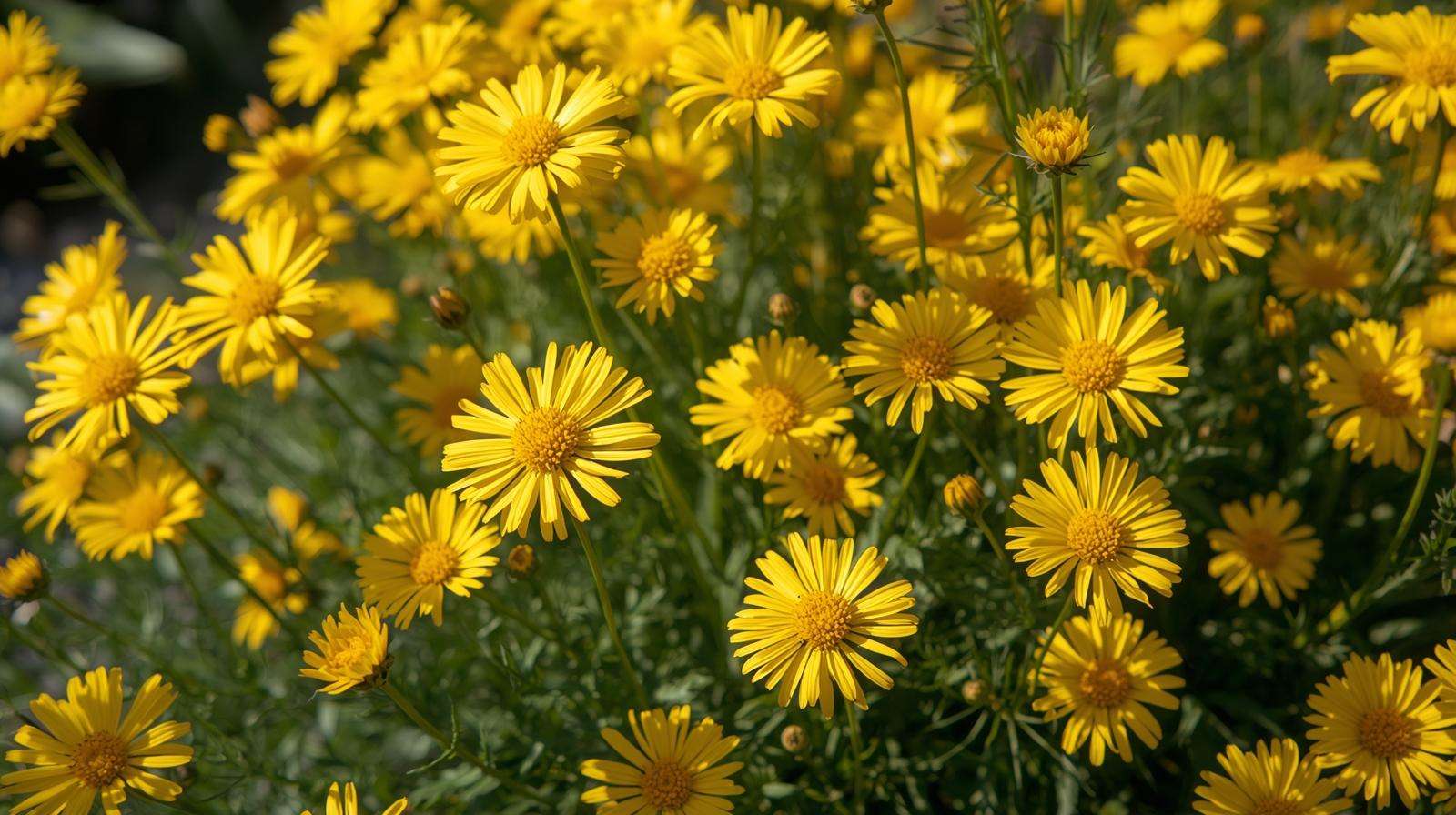
Coreopsis varieties like ‘Moonbeam’ (pale yellow) and ‘Full Moon’ (canary yellow) are drought-tolerant powerhouses blooming relentlessly from early summer to frost.
- Height/Spread: 18-24 inches / 18-30 inches
- Bloom Time: June–September (often longer with deadheading)
- Care: Full sun, average to dry soil; shear mid-summer for fresh flush.
- Farm Benefits: Extremely tough in hot, dry conditions; attracts bees; self-seeds moderately.
2. Echinacea (Coneflower)
Native purple coneflower (Echinacea purpurea) and hybrids like ‘Magnus’ or ‘PowWow Wild Berry’ offer daisy-like flowers and prominent cones beloved by pollinators.
- Height/Spread: 24-48 inches / 18-24 inches
- Bloom Time: June–August/September
- Care: Full sun, well-drained soil; drought-tolerant once established.
- Farm Benefits: Medicinal roots; seed heads feed birds in winter; excellent for native meadows.
3. Rudbeckia (Black-Eyed Susan)
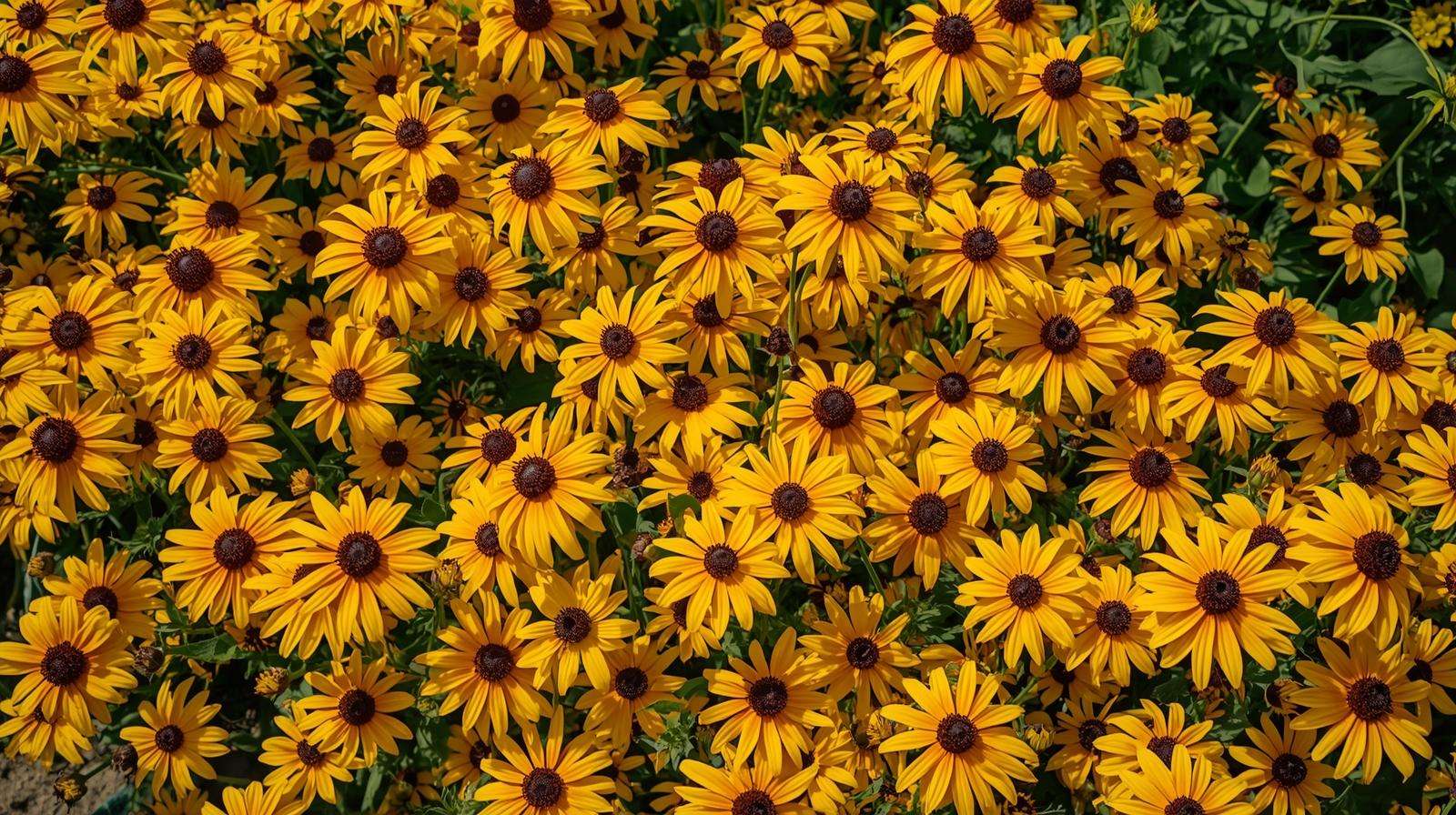
‘Goldsturm’ is the gold standard—masses of golden-yellow daisies with dark centers.
- Height/Spread: 24-36 inches / 18-24 inches
- Bloom Time: July–September
- Care: Full sun, adaptable to poor soil; self-seeds vigorously.
- Farm Benefits: Thrives in tough conditions; great for naturalizing edges.
4. Salvia (Perennial Sage)
‘May Night’ (deep violet) and ‘Caradonna’ deliver dramatic spikes.
- Height/Spread: 18-24 inches / 12-18 inches
- Bloom Time: May–July, rebloom to frost with deadheading
- Care: Full sun, well-drained soil; deer-resistant aromatic foliage.
- Farm Benefits: Strong vertical accent; long-lasting cut flowers.
5. Gaillardia (Blanket Flower)
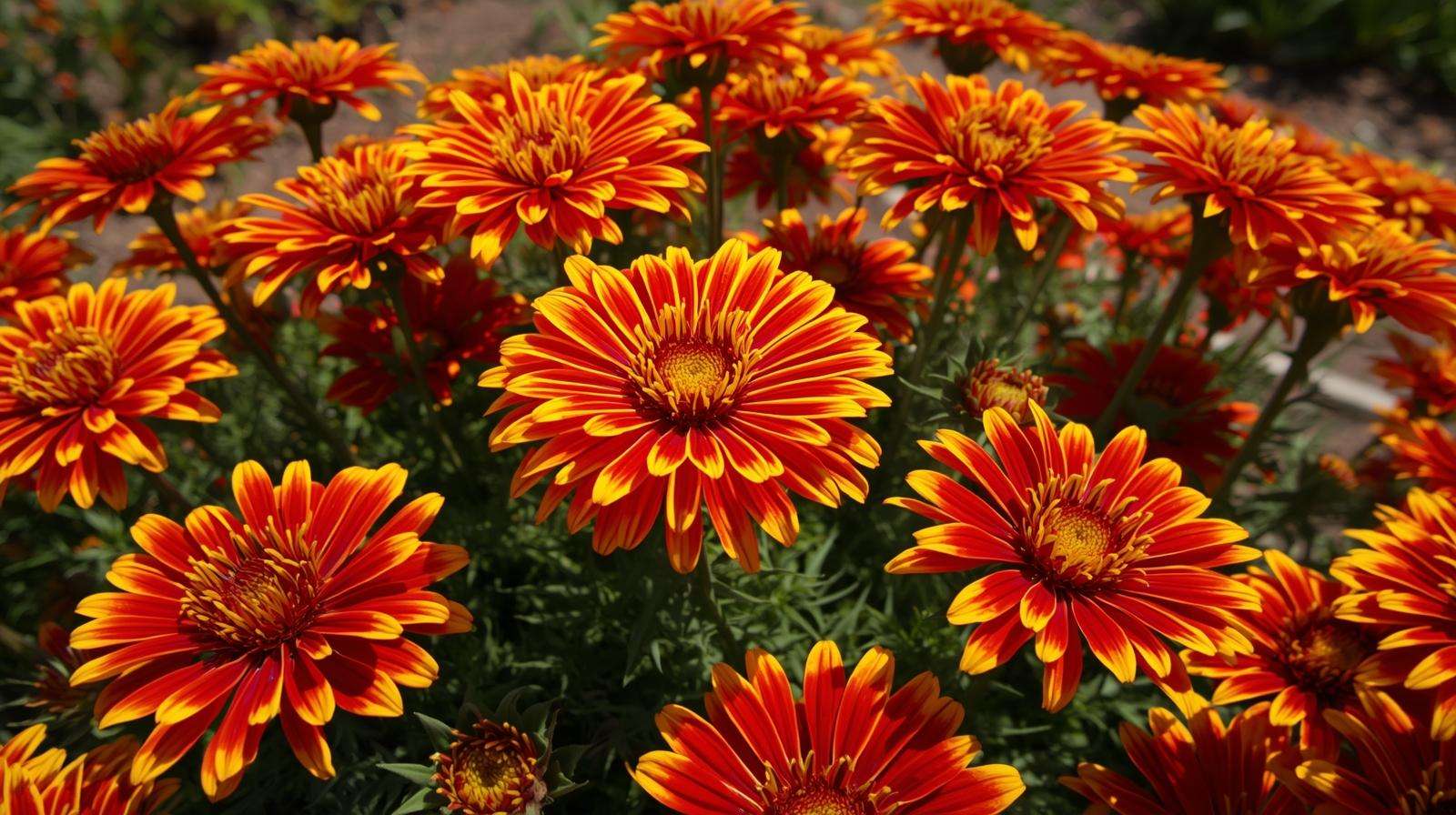
Gaillardia × grandiflora hybrids like ‘Arizona Sun’ and ‘Goblin’ produce fiery red, orange, and yellow bicolor daisies that thrive in intense heat.
- Height/Spread: 12-24 inches / 18-24 inches
- Bloom Time: June–September (deadhead for nonstop performance)
- Care: Full sun, poor to average well-drained soil; extremely drought-tolerant.
- Farm Benefits: Ideal for hot, dry sites near gravel drives or south-facing slopes; long-lasting cut flowers.
6. Nepeta (Catmint)
‘Walker’s Low’ and ‘Cat’s Meow’ form billowy mounds of lavender-blue flowers over aromatic gray-green foliage.
- Height/Spread: 18-30 inches / 24-36 inches
- Bloom Time: May–September (shear after first flush for rebloom)
- Care: Full sun to light shade, average soil; deer and pest resistant.
- Farm Benefits: Repels mosquitoes and cats (useful near patios); excellent groundcover for erosion control.
7. Lavandula (Lavender)
English lavender (Lavandula angustifolia) cultivars like ‘Hidcote’ and ‘Munstead’, plus hybrids like ‘Phenomenal’, offer fragrant purple spikes.
- Height/Spread: 18-30 inches / 24-36 inches
- Bloom Time: June–August (often reblooms lightly)
- Care: Full sun, sharply drained soil; prune annually for shape.
- Farm Benefits: Culinary, aromatic, and medicinal uses; attracts bees while repelling deer.
8. Hemerocallis (Daylily)
Reblooming varieties such as ‘Stella de Oro’ (gold), ‘Happy Returns’ (lemon), and ‘Pardon Me’ (cranberry) produce flowers nearly all season.
- Height/Spread: 12-24 inches / 18-24 inches
- Bloom Time: June–September (multiple flushes)
- Care: Full sun to part shade, adaptable soil; virtually maintenance-free.
- Farm Benefits: Tough in heavy clay; edible flowers for farm-to-table menus.
9. Leucanthemum (Shasta Daisy)
‘Becky’ is the standout—sturdy stems topped with classic white petals around golden centers.
- Height/Spread: 30-42 inches / 24-36 inches
- Bloom Time: June–September (deadhead regularly)
- Care: Full sun, average soil; no staking needed for ‘Becky’.
- Farm Benefits: Long vase life; brightens large borders or cutting gardens.
10. Achillea (Yarrow)
‘Moonshine’ (lemon yellow) and ‘Paprika’ (red-orange) feature flat-topped clusters perfect for drying.
- Height/Spread: 18-36 inches / 18-24 inches
- Bloom Time: June–September
- Care: Full sun, dry to average soil; drought and heat tolerant.
- Farm Benefits: Medicinal herb; excellent dried flowers for winter arrangements.
11. Penstemon (Beardtongue)
Native species and hybrids like ‘Dark Towers’ (pink) and ‘Husker Red’ (white over burgundy foliage) have tubular blooms.
- Height/Spread: 24-48 inches / 18-24 inches
- Bloom Time: June–August (often longer)
- Care: Full sun, well-drained soil; hummingbird favorite.
- Farm Benefits: Native options support local ecosystems; low water needs.
12. Veronica (Speedwell)
Veronica spicata varieties like ‘Royal Candles’ (deep blue) and ‘Red Fox’ (magenta) produce elegant, long-lasting flower spikes on compact plants.
- Height/Spread: 12-24 inches / 12-18 inches
- Bloom Time: June–August (deadhead for fall rebloom)
- Care: Full sun, average well-drained soil; mildew-resistant modern hybrids.
- Farm Benefits: Compact habit for front-of-border or container displays; attracts butterflies.
13. Agastache (Hyssop/Anise Hyssop)
‘Blue Fortune’ and ‘Black Adder’ feature tall spikes of tubular flowers over licorice-scented foliage.
- Height/Spread: 24-48 inches / 18-24 inches
- Bloom Time: July–September
- Care: Full sun, dry to medium soil; extremely drought-tolerant.
- Farm Benefits: Edible leaves/flowers for herbal teas; top pollinator magnet.
14. Phlox paniculata (Garden Phlox)
Mildew-resistant cultivars like ‘Jeana’, ‘David’ (white), and ‘Nicky’ (dark magenta) deliver fragrant, dome-shaped clusters.
- Height/Spread: 36-48 inches / 24-36 inches
- Bloom Time: July–September
- Care: Full sun, rich moist soil; good air circulation prevents powdery mildew.
- Farm Benefits: Intense fragrance near patios; excellent cut flowers with long vase life.
15. Sedum (Stonecrop)
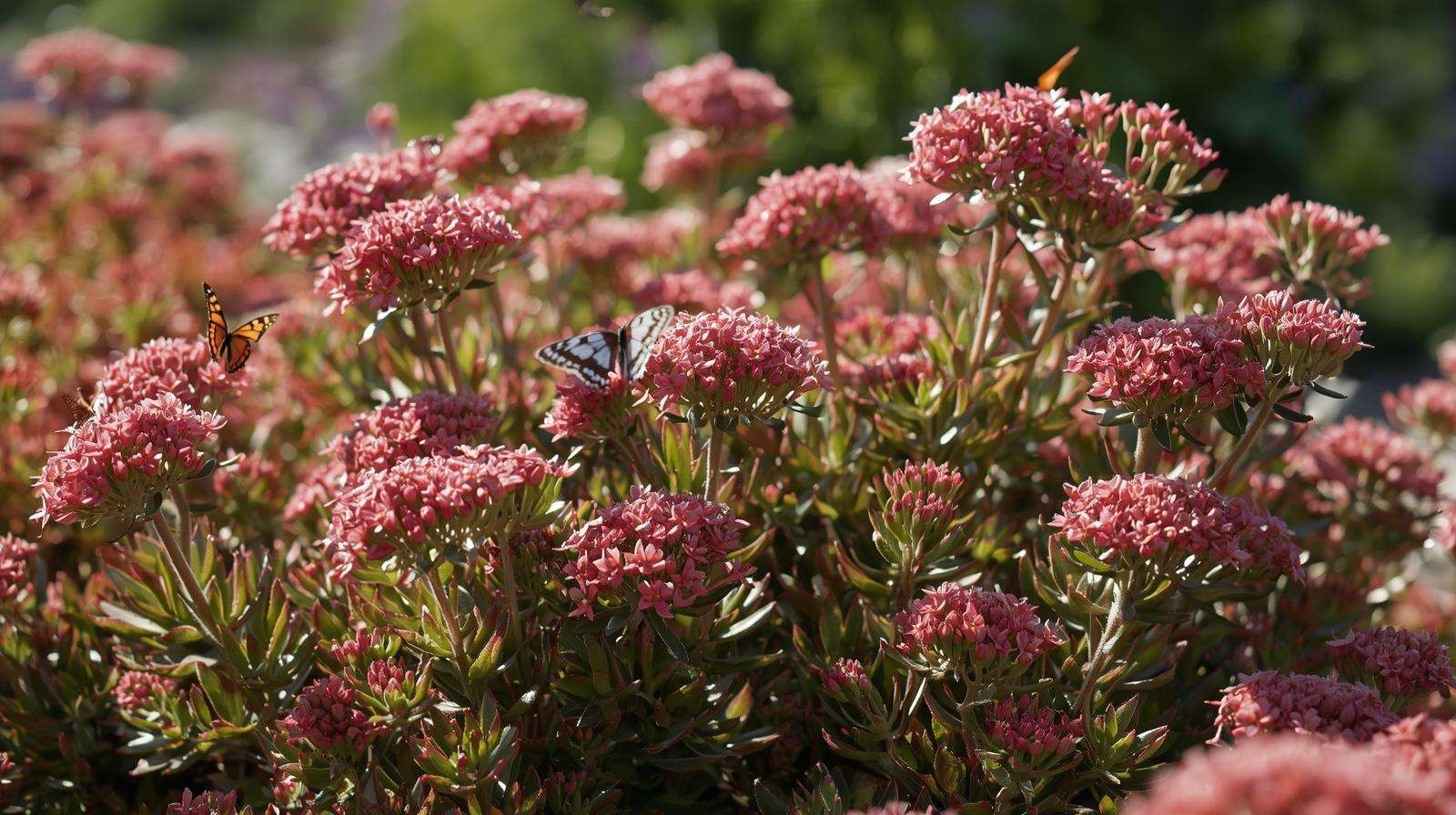
Upright varieties like ‘Autumn Joy’ and ‘Matrona’ transition from broccoli-like buds to pink/bronze flower heads.
- Height/Spread: 18-30 inches / 18-24 inches
- Bloom Time: August–October (bridges summer to fall)
- Care: Full sun, dry poor soil; succulent foliage stores water.
- Farm Benefits: Thrives in gravelly or rocky areas; butterflies swarm late blooms.
Comparison Table: Quick-Reference Chart
| Plant | Height | Bloom Colors | Sun Needs | Drought Tolerance | Deer Resistance | Pollinator Value |
|---|---|---|---|---|---|---|
| Coreopsis | 18-24″ | Yellow | Full | High | Moderate | High |
| Echinacea | 24-48″ | Purple, pink, white | Full | High | High | Very High |
| Rudbeckia | 24-36″ | Golden yellow | Full | High | Moderate | High |
| Salvia | 18-24″ | Purple, blue | Full | High | High | High |
| Gaillardia | 12-24″ | Red/orange/yellow | Full | Very High | Moderate | High |
| Nepeta | 18-30″ | Lavender-blue | Full to part | High | High | High |
| Lavandula | 18-30″ | Purple | Full | Very High | High | High |
| Hemerocallis | 12-24″ | Various | Full to part | Moderate | Moderate | Moderate |
| Leucanthemum | 30-42″ | White | Full | Moderate | Low | High |
| Achillea | 18-36″ | Yellow, red, pink | Full | High | High | Moderate |
| Penstemon | 24-48″ | Pink, purple, white | Full | High | Moderate | Very High |
| Veronica | 12-24″ | Blue, pink | Full | Moderate | Moderate | High |
| Agastache | 24-48″ | Blue, purple, orange | Full | High | High | Very High |
| Phlox paniculata | 36-48″ | Pink, white, magenta | Full | Moderate | Low | High |
| Sedum | 18-30″ | Pink, bronze | Full | Very High | High | Very High |
Design Ideas for Farm Gardens
Creating Low-Maintenance Borders and Beds
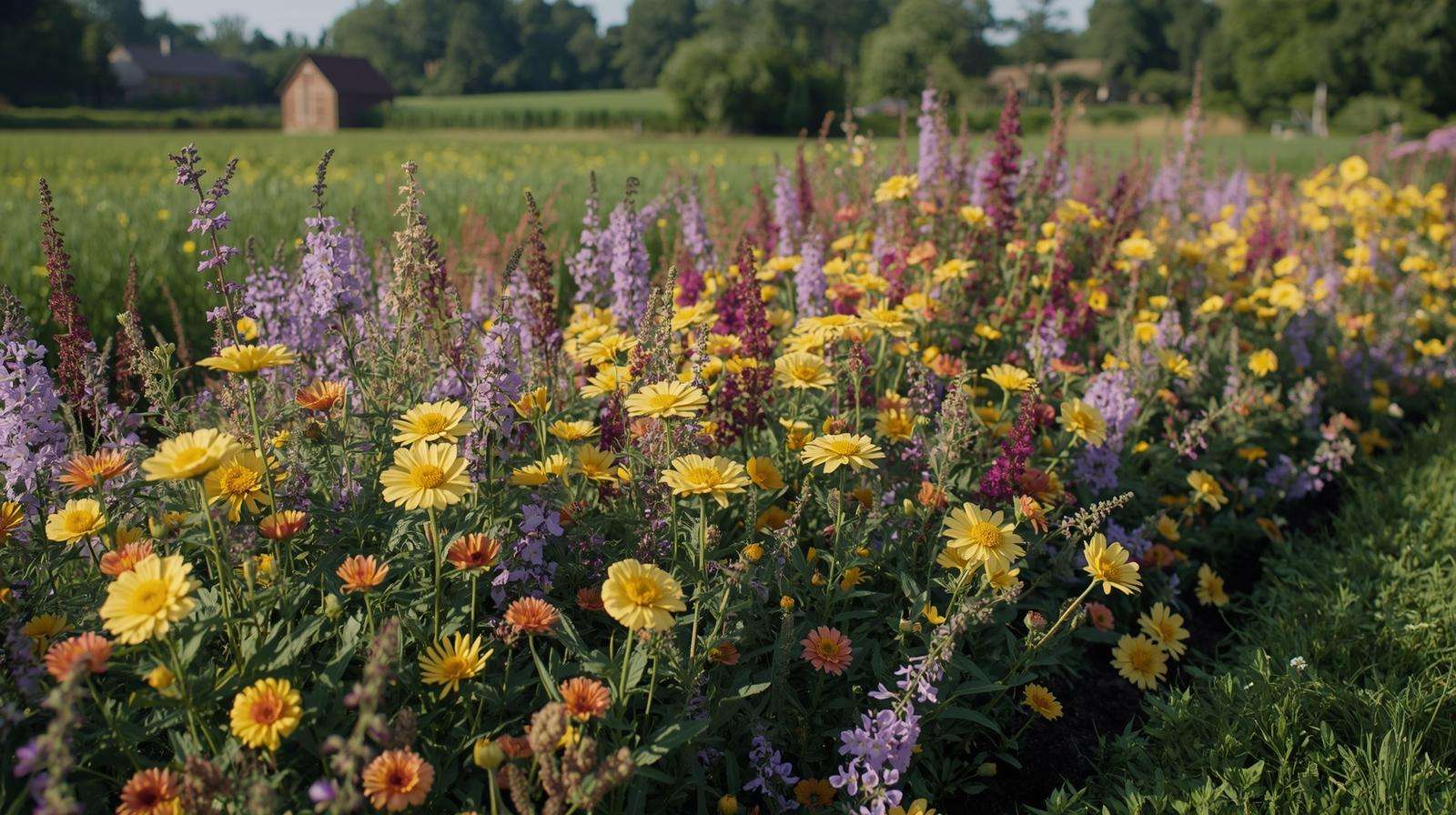
Plant in drifts of 5-7 for impact along driveways or fence lines. Use taller varieties (phlox, echinacea) at back, mid-height (salvia, rudbeckia) in middle, and compact (coreopsis, veronica) at front.
Pollinator-Friendly Planting Combinations
- Hot palette: Gaillardia + Rudbeckia + Coreopsis
- Cool tones: Nepeta + Salvia + Veronica
- Native meadow: Echinacea + Rudbeckia + Agastache
Cut Flower Production from Perennials
Top performers: Salvia, Leucanthemum, Echinacea, Achillea, and Phlox. Harvest in cool mornings; sear salvia stems in boiling water for extended vase life.
Drought-Tolerant and Xeriscape Options
Coreopsis, Gaillardia, Lavandula, Sedum, Achillea, and Agastache need minimal irrigation once established—perfect for low-input farm zones.
Planting, Care, and Troubleshooting Guide
Step-by-Step Planting Instructions
Plant in spring or early fall. Dig holes twice as wide as root ball, amend with compost, mulch 2-3 inches deep (avoid crowns). Space per mature size to reduce future dividing.
Watering and Fertilization Strategies
Water deeply weekly first season; thereafter, most are drought-tolerant. Avoid high-nitrogen fertilizers—use balanced slow-release or compost top-dressing in spring.
Common Problems and Solutions
- Powdery mildew (phlox): Choose resistant varieties, ensure airflow.
- Flopping (tall sedum/phlox): Pinch early or use grow-through supports.
- Pests: Rarely serious; hand-pick Japanese beetles or use neem for aphids.
Dividing and Propagating for Free Plants
Divide spring/early fall every 3-5 years. Coreopsis, daylilies, and nepeta root easily from divisions; echinacea from root cuttings.
Expert Tips for Maximum Summer Bloom Performance
- Shear nepeta, salvia, and coreopsis by one-third after first bloom flush for compact rebloom.
- Leave seed heads on echinacea and rudbeckia for winter bird food and structure.
- Mulch with shredded leaves or straw to conserve moisture and suppress weeds.
- Integrate with shrubs or ornamental grasses for year-round interest.
Frequently Asked Questions (FAQs)
Q: Which perennials bloom the longest in hot climates? A: Gaillardia, Coreopsis, Sedum, and Achillea excel in heat and humidity, often blooming nonstop until frost.
Q: Are there deer-resistant options that still bloom all summer? A: Yes—Nepeta, Lavandula, Salvia, Agastache, and Achillea are rarely browsed due to aromatic foliage.
Q: Can these plants survive heavy clay or poor farm soil? A: Rudbeckia, Echinacea, Hemerocallis, and Sedum are particularly adaptable to clay; amend others with organic matter.
Q: When should I plant perennials for summer blooming? A: Spring after last frost for same-year blooms, or fall (6-8 weeks before frost) for stronger root establishment.
Q: How do I encourage reblooming in daylilies and coreopsis? A: Consistent deadheading and occasional shearing mid-season trigger fresh flower buds.
Q: What native perennials provide the best pollinator support? A: Echinacea, Rudbeckia, Agastache, and Penstemon—natives co-evolved with local insects for maximum benefit.
Conclusion
These 15 perennial plants that bloom all summer transform high-maintenance annual beds into vibrant, low-effort showcases that enhance your farm’s beauty, ecology, and productivity. Start with 3-5 varieties suited to your conditions, establish them properly, and enjoy decades of reliable color with minimal work.
Your local cooperative extension office offers free soil tests and region-specific advice—tap into those resources for personalized success. Invest in these tough, beautiful perennials today, and your farm garden will reward you with nonstop summer blooms for years to come.