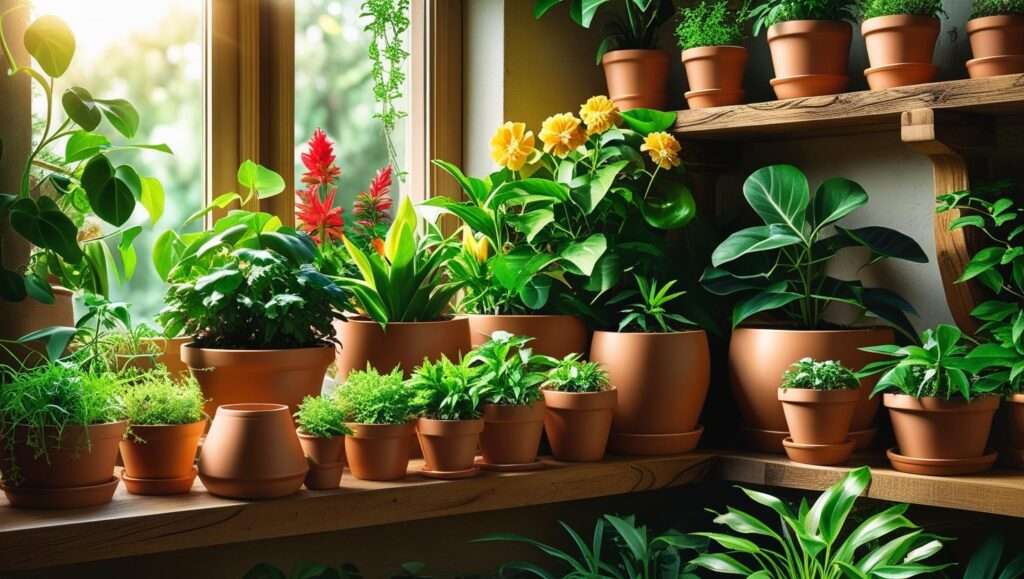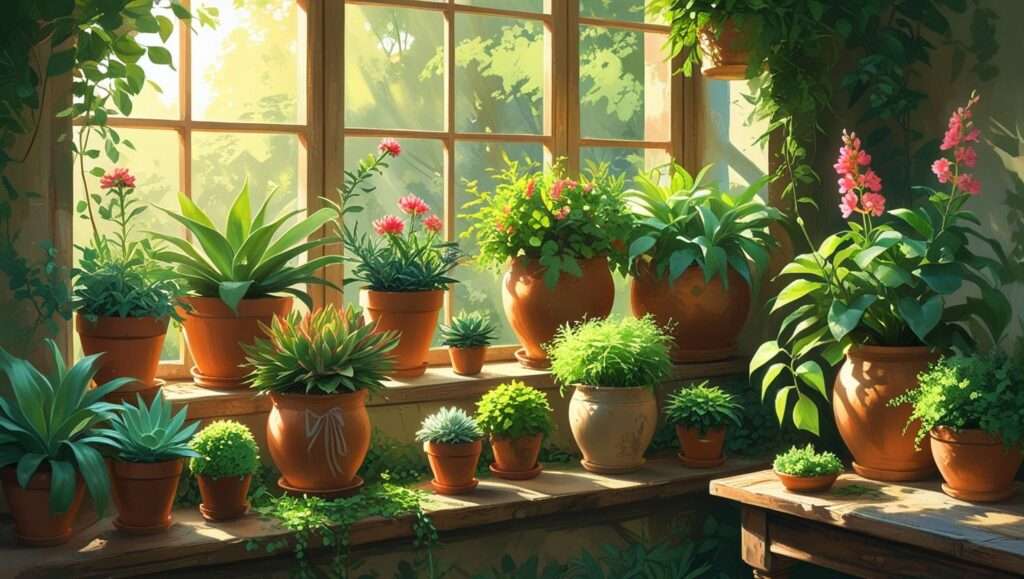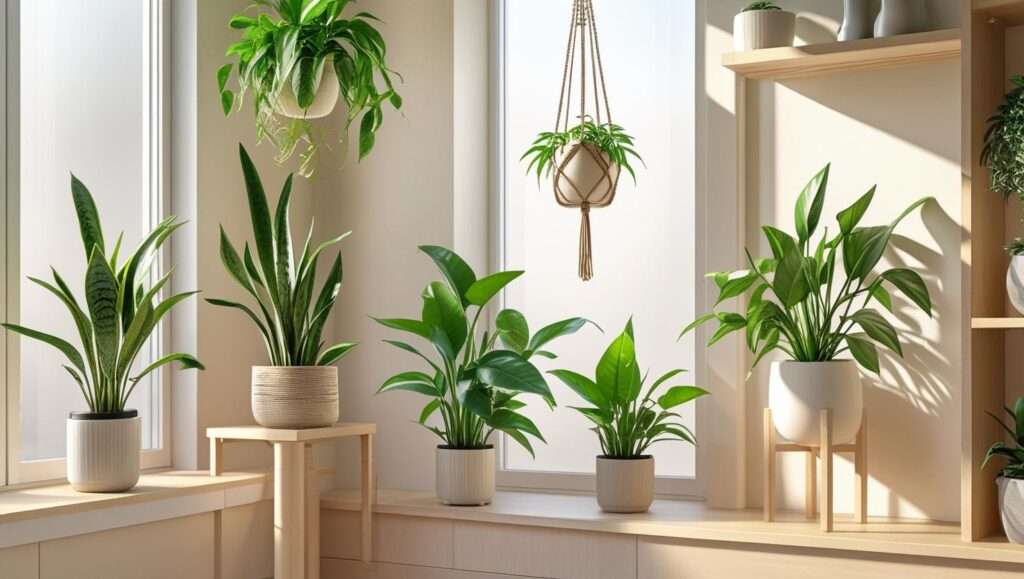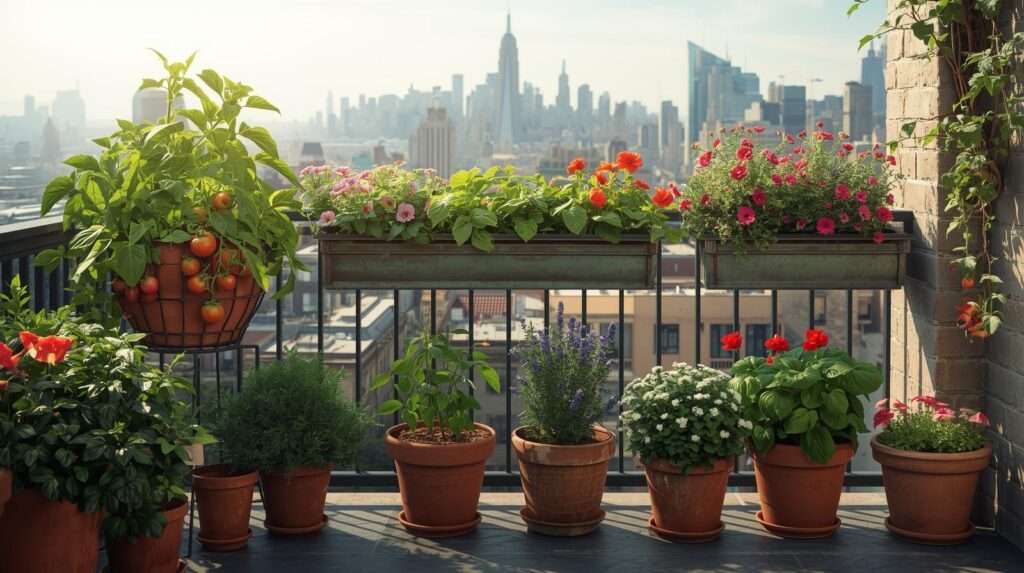
You step out onto your apartment balcony—one overlooked corner in a sea of concrete—and dream of fresh tomatoes, fragrant basil, and vibrant flowers greeting you every morning. Starting a balcony container garden turns that small urban space into a thriving, productive oasis, even without a yard. In 2025, compact varieties, smart irrigation tech, and sustainable practices make it easier than ever for city dwellers to grow their own food and greens.
I’m Marcus Rivera, urban horticulturist and container gardening specialist with 15 years of experience designing productive balconies in high-density cities like New York, Singapore, and Mumbai. I’ve helped over 500 apartment growers harvest thousands of pounds of produce from spaces as small as 4×6 feet. This comprehensive 2025 guide walks you step-by-step through planning, planting, and maintaining a successful balcony container garden—tailored for beginners facing limited space, weight restrictions, wind, and variable sun.
Why Start a Balcony Container Garden in 2025?
Urban container gardening explodes in popularity as food prices rise and people seek sustainable, mental-health-boosting hobbies. Benefits include:
-
Fresh, pesticide-free herbs, veggies, and fruits at your doorstep
-
Reduced grocery bills (average savings $300–800/year for a modest setup)
-
Improved air quality and biodiversity in cities
-
Stress relief—studies show 20 minutes of gardening lowers cortisol significantly
-
Year-round growing with modern LED grow lights and protected setups
Step 1: Assess Your Balcony’s Conditions (The Foundation of Success)
Sunlight Exposure
-
Track hours of direct sun for a week using a free app like Sun Seeker
-
Full sun (6+ hours): Tomatoes, peppers, eggplant
-
Partial sun (4–6 hours): Leafy greens, herbs, radishes
-
Shade (<4 hours): Lettuce, spinach, mint (or supplement with grow lights)
Wind and Microclimate
-
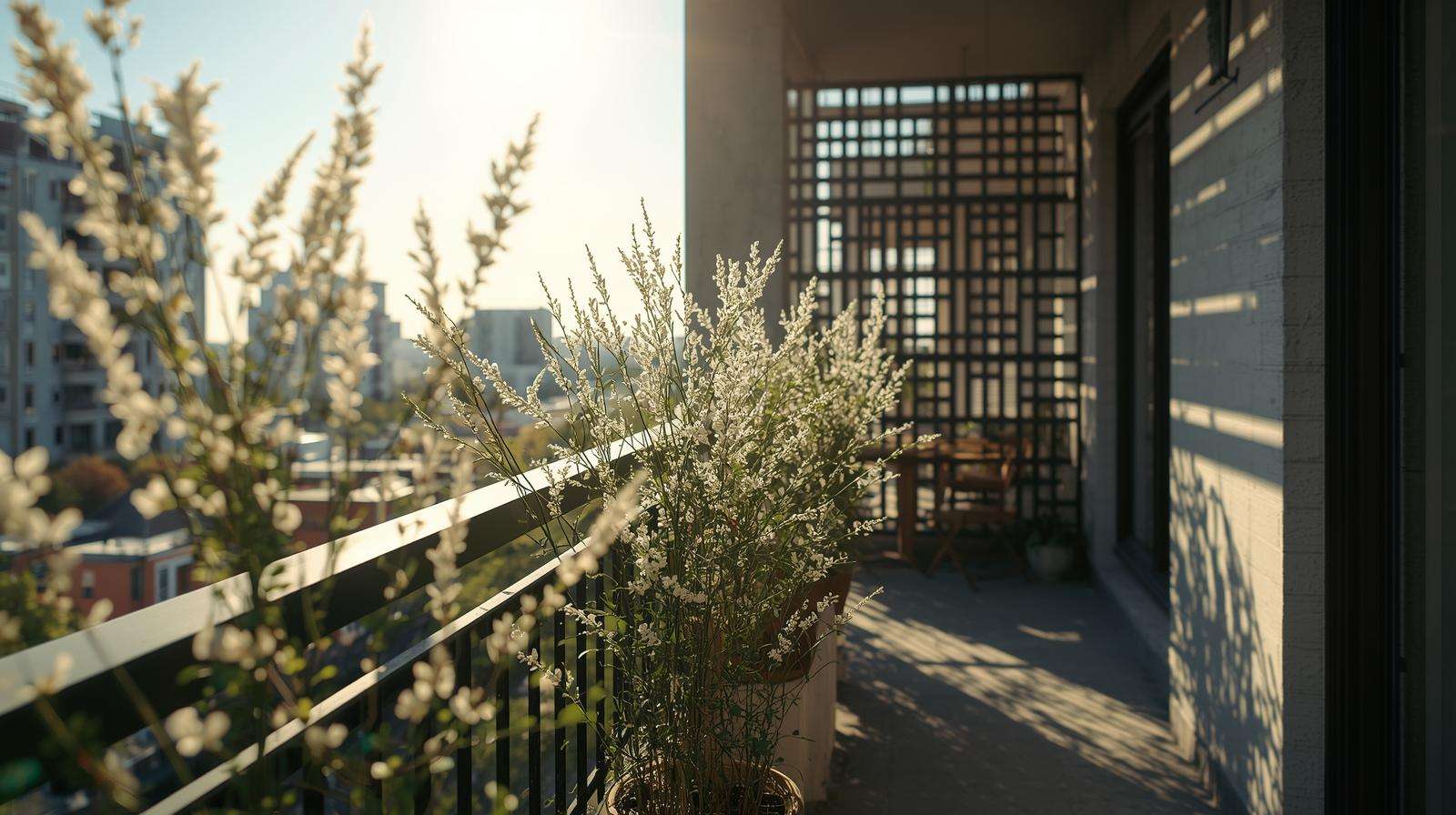
High-rise balconies face gusts that dry soil fast—use windbreaks like trellises or bamboo screens
-
South-facing usually hottest; north-facing cooler and shadier
Weight Limits and Safety
-
Check building regulations—typical safe load 50–100 lbs/sq ft
-
Distribute weight evenly; use lightweight pots on wheels
-
Secure tall plants/trellises to railings (with landlord approval)
Space Measurement
-
Sketch your balcony layout—account for door swing, furniture, and walking paths
-
Prioritize vertical space: rails, walls, stacking shelves
Step 2: Choose the Best Containers and Potting Mix
Container Types for Balconies
|
Type |
Pros |
Cons |
Best For |
|---|---|---|---|
|
Fabric grow bags |
Lightweight, excellent drainage |
Dry out faster |
Tomatoes, potatoes |
|
Self-watering planters |
Reduces watering frequency |
Heavier when full |
Herbs on busy schedules |
|
Plastic pots |
Cheap, durable, lightweight |
Less breathable |
General use |
|
Terracotta |
Classic look, breathable |
Heavy, dries quickly |
Succulents, Mediterranean herbs |
|
Railing planters |
Saves floor space |
Limited root room |
Strawberries, trailing flowers |
2025 Recommended Potting Mix
-
Never use garden soil (compacts and harbors pests)
-
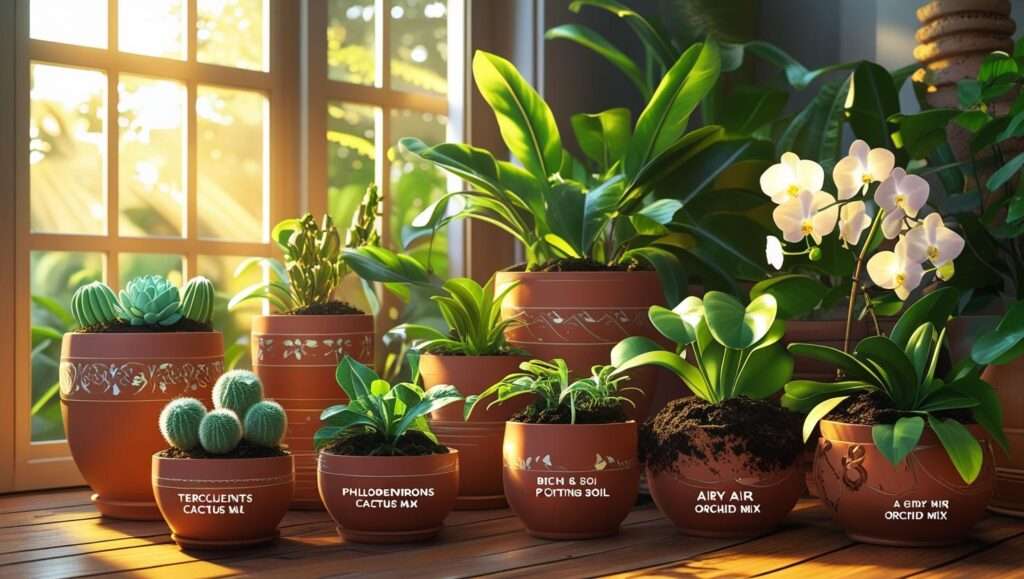
Formula: 40% peat-free compost + 30% coco coir + 20% perlite/vermiculite + 10% worm castings
-
Add slow-release organic fertilizer at planting
Step 3: Select the Right Plants for Your Balcony
Easiest Vegetables for Beginners
-
Cherry tomatoes (‘Sweet 100’, ‘Sungold’—use 5–10 gal pots)
-
Bush beans (‘Provider’)
-
Radishes (‘Cherry Belle’—harvest in 25 days)
-
Peppers (‘Lunchbox’, mini bells)
High-Yield Herbs
-
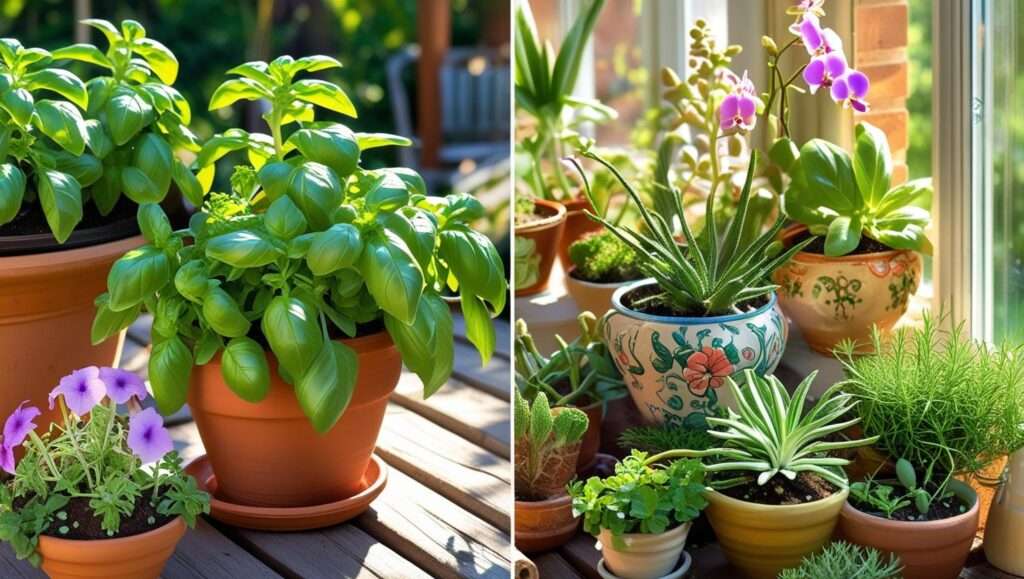
Basil (‘Genovese Compact’)
-
Mint (contain in its own pot!)
-
Chives, parsley, cilantro
Leafy Greens for Continuous Harvest
-
Lettuce mixes (‘Salad Bowl’)
-
Kale (‘Dwarf Siberian’)
-
Swiss chard (‘Bright Lights’)
Space-Saving Fruits
-
Strawberries (‘Eversweet’ everbearing)
-
Dwarf citrus (Meyer lemon in large pot)
Flowers for Beauty and Pollinators
-
Marigolds, zinnias, nasturtiums (edible too!)
Step 4: 2025 Planting Calendar for Balcony Gardens (Zone-Adjusted)
|
Region/Climate |
Spring Start (Indoors) |
Outdoor Transplant |
Key Crops to Start Now |
|---|---|---|---|
|
Cool Temperate (Zones 5–7) |
Feb–March |
After last frost (May) |
Tomatoes, peppers, herbs |
|
Warm Temperate (Zones 8–9) |
January–February |
March–April |
Eggplant, basil, greens |
|
Subtropical/Hot (Zones 10–11) |
Year-round |
Anytime |
Continuous succession planting |
|
Indoor/LED Supplement |
Anytime |
N/A |
Microgreens, lettuce |
Succession Planting Tip: Sow lettuce or radishes every 2 weeks for non-stop harvest.
Step 5: Step-by-Step Planting Guide
-
Fill containers ¾ with moistened potting mix
-
Add 1–2 tablespoons slow-release fertilizer per gallon of soil
-
Plant seeds at recommended depth (rule: 2–3× seed diameter)
-
For transplants: tease roots gently, plant at same depth as nursery pot
-
Water thoroughly until it drains freely
-
Label each pot with plant name and date
Vertical Gardening Hacks: Use railing baskets for strawberries, wall pockets for herbs, hanging coconut liners for trailing tomatoes.
Step 6: Watering, Fertilizing, and Maintenance Strategies
Smart Watering in 2025
-
Install capillary mats or olla pots for passive hydration
-
Use moisture meters or finger test (top 2 inches dry = water)
-
Mulch tops with coco coir or straw to reduce evaporation 40–60 %
Organic Fertilizing Schedule
-
Week 1–4: Half-strength liquid seaweed/fish emulsion weekly
-
Week 5+: Switch to compost tea or balanced organic granular every 3–4 weeks
-
Signs of deficiency: Yellow leaves (nitrogen), purple stems (phosphorus), blossom drop (calcium)
Pruning and Support
-
Pinch herbs regularly for bushiness
-
Stake or cage tomatoes early
-
Remove suckers on indeterminate varieties
Step 7: Pest and Disease Management (Prevention First)
Common balcony pests:
-
Aphids → Blast with water + neem oil spray
-
Spider mites → Increase humidity + insecticidal soap
-
Whitefly → Yellow sticky traps + reflective mulch
Disease prevention:
-
Morning watering (leaves dry by night)
-
Good airflow—don’t overcrowd
-
Copper fungicide for early blight
Advanced Tips for Maximum Yield in Small Spaces
-
Hydroponic balcony kits (Kratky method for beginners)
-
Companion planting: Basil with tomatoes repels hornworms
-
Pollinator attractors: Add dwarf sunflowers or alyssum
-
Overwintering: Bring tender perennials indoors
Real Urban Grower Success Stories (2024–2025)
-
Case 1: Mumbai apartment (6×4 ft balcony) → 45 kg tomatoes + herbs yearly
-
Case 2: New York 10th-floor → $620 saved on groceries with greens/herbs
-
Case 3: Dubai high-rise → Year-round salad bowl despite 45 °C summers
Frequently Asked Questions
How much does it cost to start a balcony container garden?
Basic setup (5–7 pots, soil, seeds): $150–300. ROI in first season.
What if my balcony gets no direct sun?
Focus on shade-tolerant greens + full-spectrum LED grow lights (2025 models use 40 % less energy).
Can I grow vegetables on a windy high-rise balcony?
Yes—use heavy pots, windbreaks, and compact varieties.
How often should I water in summer?
Daily for small pots; every 2–3 days for self-watering/large ones.
Is it worth it for just herbs?
Absolutely—one basil plant yields $50+ worth in a season.
Your Balcony Harvest Awaits
Starting a balcony container garden in 2025 is simpler, more productive, and more rewarding than ever. Follow these steps, start small, and watch your urban space transform into a green, edible haven.