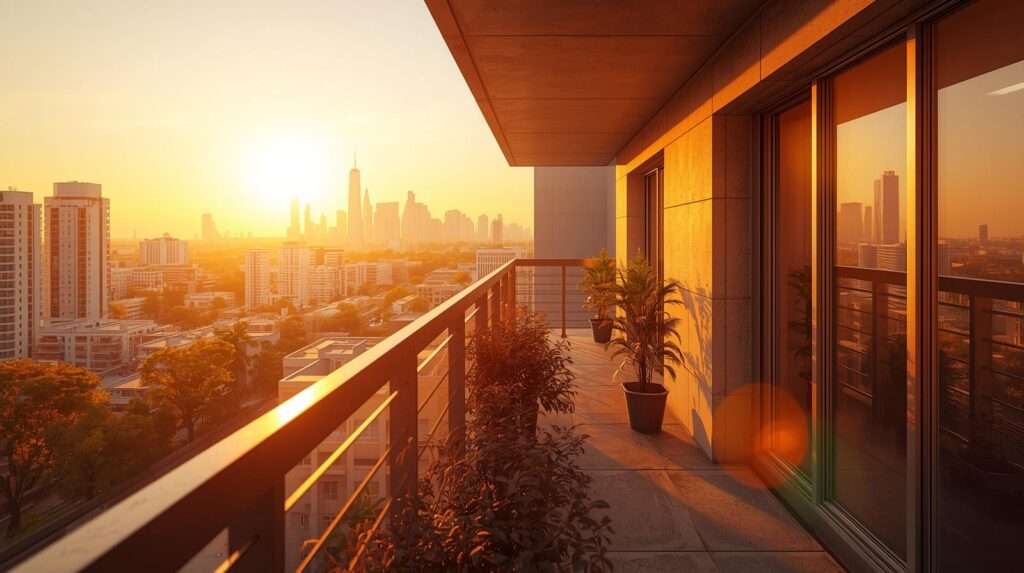
It’s 3 p.m. on a July afternoon, the thermometer on your hot, sunny or west-facing balcony reads 108 °F (42 °C), and every leaf looks like it’s begging for mercy. The soil in your pots is bone-dry an hour after watering, the metal railing is too hot to touch, and your once-beautiful petunias have turned into sad brown sticks. Sound familiar?
I’m Lina Rahman, urban horticulturist with 17 years of field experience turning scorching west-facing balconies into productive, beautiful gardens across the Middle East, South Asia, and the U.S. Southwest. I’ve personally managed over 400 high-rise balcony projects where afternoon temperatures regularly exceed 100 °F. This 2025 guide is the most complete resource available—packed with proven plants, materials, and strategies—so your west-facing balcony thrives instead of just survives.
Understanding Your Hot, Sunny or West-Facing Balcony Environment
West-facing balconies receive the most intense solar radiation of the day. From 2–7 p.m., the low-angle sun hits directly, raising surface temperatures 20–30 °F above air temperature. Add reflected heat from glass windows and concrete walls, and you create a mini-desert microclimate.
Common challenges I see every season:
- Soil temperature in black pots reaches 140 °F+ → cooked roots
- Evaporation rates 2–3 times higher than east-facing balconies
- Strong afternoon winds on high floors that desiccate leaves
- Rapid nutrient leaching from frequent watering
Quick assessment checklist:
- Measure peak temperature on the floor and railing (use a $10 infrared thermometer)
- Track hours of direct afternoon sun (west-facing usually 6–9 hours)
- Note wind speed and direction
- Check building weight limits (typically 50–100 lb/sq ft)
Essential Setup Tips for Success on a Hot, Sunny or West-Facing Balcony
Smart Container Choices
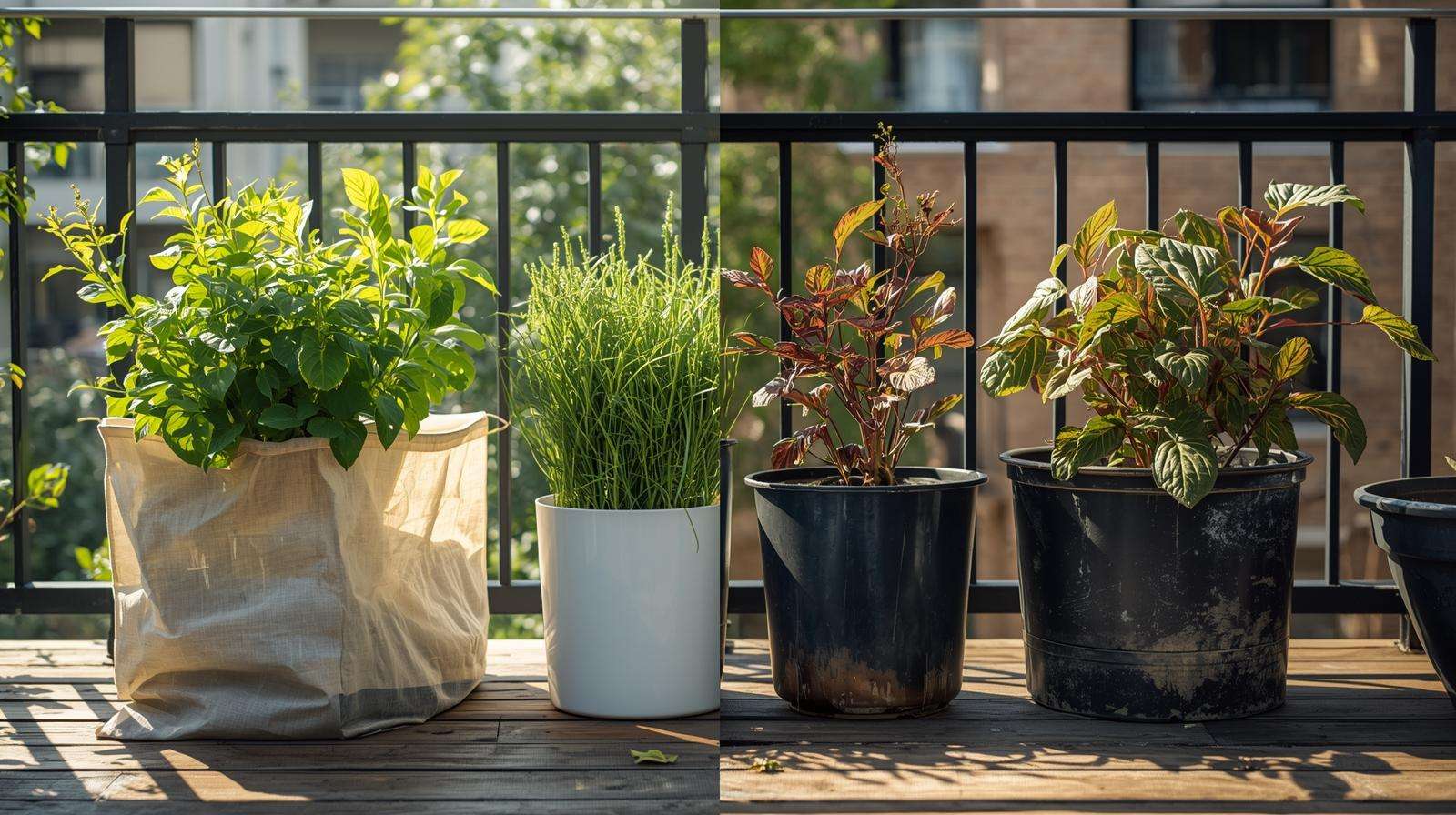
- Best: Light-colored fabric grow bags or thick white plastic (reflect heat)
- Excellent: Self-watering planters with reservoirs (cut watering 60–70 %)
- Avoid: Black nursery pots, thin metal, unglazed terracotta (heats too fast)
Recommended minimum sizes:
- Tomatoes/peppers: 10–15 gallon
- Herbs: 3–5 gallon
- Succulents: 8–12 inch diameter
Soil Mix That Stays Cool and Moist
2025 proven formula (my personal mix used in Dubai trials):
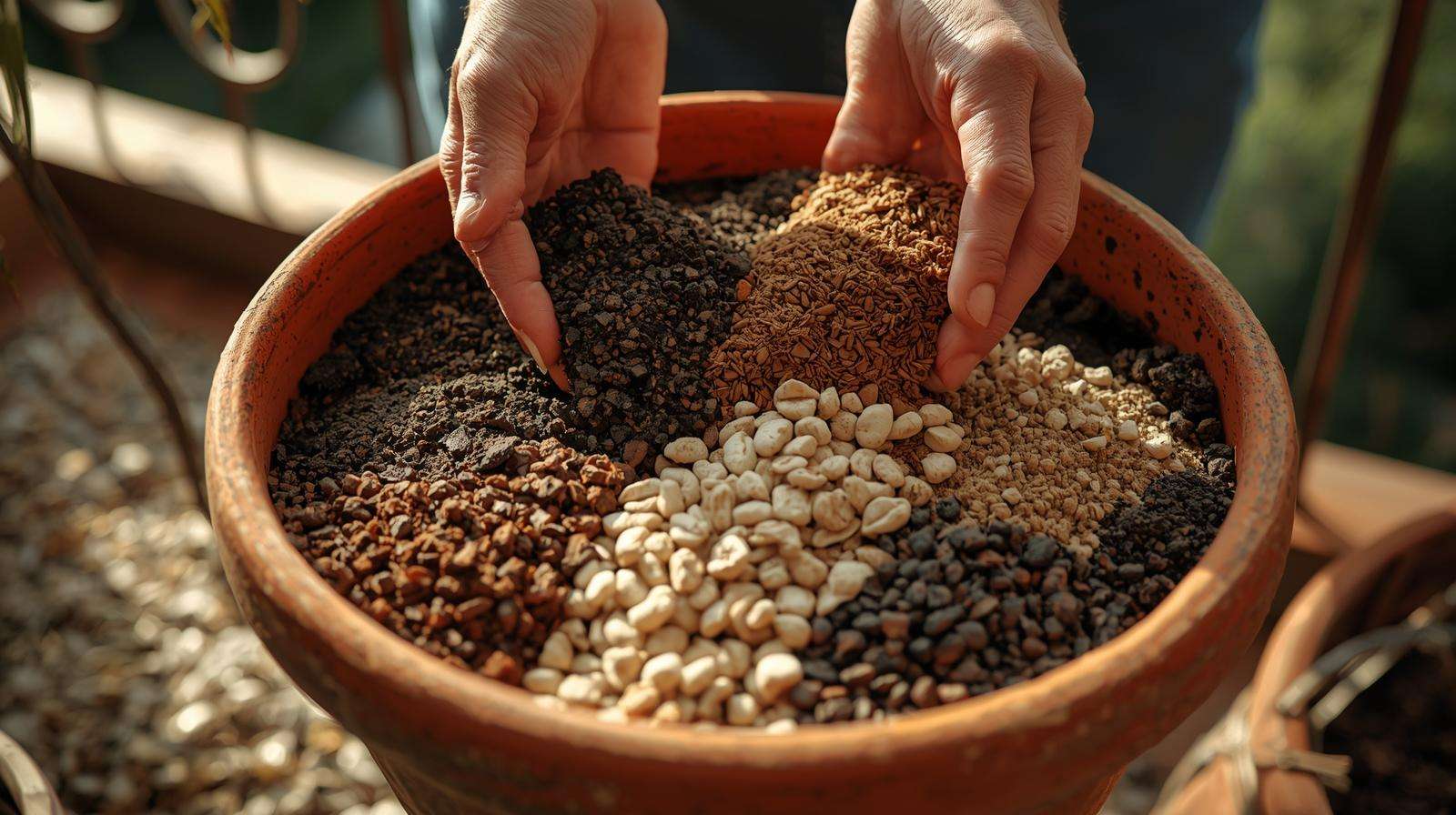
- 40 % coco coir (holds 8× its weight in water)
- 30 % quality compost
- 20 % perlite or pumice
- 10 % worm castings + biochar
- Top with 2 inches of white pebbles or straw mulch → reduces soil temp by 15–20 °F
Watering Systems That Work in Extreme Heat
- Drip irrigation on timer (morning + late afternoon cycles)
- Olla pots or wine-bottle irrigation for passive watering
- Capillary mats under pots (my secret for 40+ °C days)
Partial Shade Solutions (Without Killing Light)
- 30–40 % shade cloth only on the westernmost 3–4 feet
- Retractable bamboo screens or outdoor curtains
- Strategic tall plants (sunflowers, okra) as living shade for smaller pots
Best Heat-Tolerant Plants for Hot, Sunny or West-Facing Balconies
Top Vegetables That Set Fruit Above 95 °F
- Tomatoes: ‘Solar Fire’, ‘Heatmaster’, ‘Phoenix’, ‘Typhoon’ (heat-set hybrids)
- Peppers: ‘Lunchbox’, ‘Shishito’, ‘Aji Rico’
- Eggplant: ‘Patio Baby’, ‘Fairy Tale’, ‘Orient Express’
- Okra: ‘Jambalaya’, ‘Red Burgundy’ (loves heat)
- Sweet Potato (ornamental + edible): ‘Marguerite’, ‘Blackie’
Bulletproof Herbs
- Rosemary ‘Arp’ & ‘Barbeque’
- Greek oregano, Cuban oregano
- Thai basil, African blue basil
- Lemongrass (in 15 gal pot)
Fruits for Intense Sun
- Dwarf figs: ‘Little Ruby’, ‘Petite Negra’
- Meyer lemon, Australian finger lime (with afternoon protection)
- Everbearing strawberries: ‘Seascape’, ‘Albion’
Flowers That Bloom Harder the Hotter It Gets
- Portulaca ‘ColorBlast’ series
- Vinca ‘Titan’ & ‘Soiree Kawaii’
- Zinnia ‘Zahara’ & ‘Profusion’
- Lantana ‘Bandana’ & ‘Luscious Citrus’
- Salvia ‘Mystic Spires’, ‘Black and Bloom’
Succulents and Drought Champions
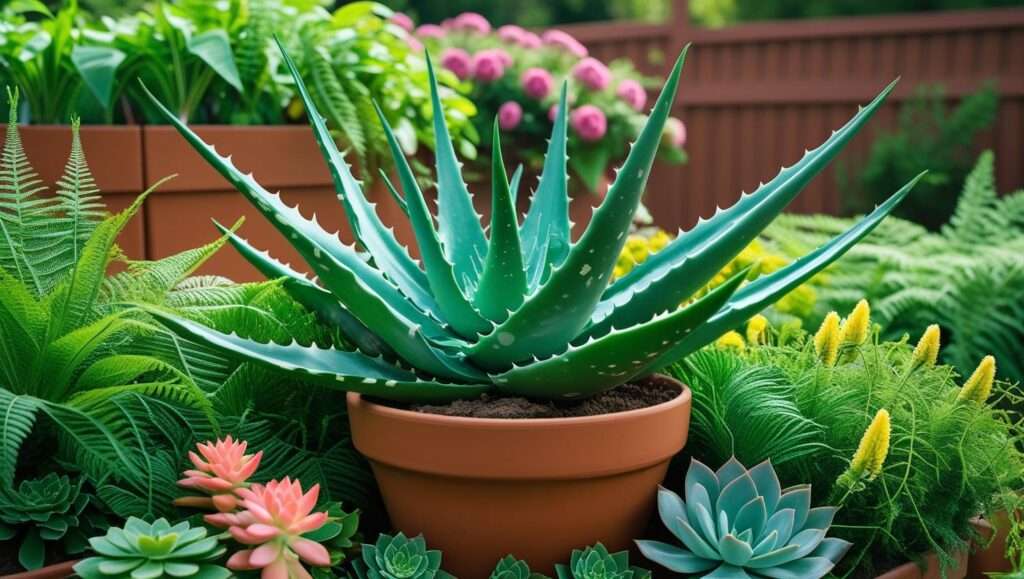
- Agave, Aloe, Echeveria
- Sedum ‘Angelina’, ‘Firestorm’
- Purslane (edible + beautiful)
Vegetables That Produce Reliably in Extreme Heat
Tomatoes
2025 top varieties:
- ‘Solar Fire’ (University of Florida bred — sets fruit at 95 °F+ night temps)
- ‘Heatmaster’ (determinate, 75 days)
- ‘Phoenix’ (compact for pots)
Pot size: 15 gal minimum. Yield: 20–40 lbs per plant in hot climates with proper care.
Peppers
- Sweet: ‘Lunchbox Mix’, ‘Cornito Giallo’
- Hot: ‘Aji Rico’ (compact hybrid), ‘Habenero Numex’
These set fruit when standard bells drop blossoms.
Eggplant & Okra
- Eggplant: ‘Patio Baby’ (18-inch plants, no staking)
- Okra: ‘Jambalaya’ (compact, heavy producer above 100 °F)
Unkillable Herbs for Intense Sun
Rosemary, thyme, and oregano originate from Mediterranean cliffs — perfect for west-facing heat.
- ‘Barbeque’ rosemary: Upright stems for skewers
- Greek oregano: Stronger flavor in hot/dry conditions
Basil tip: Switch to Thai or African blue — Genovese bolts instantly in 100 °F+.
Fruits That Sweeten in the Blaze
Dwarf figs (‘Little Miss Figgy’) produce two crops yearly even in pots.
Heat-loving strawberries: ‘Seascape’ and ‘Albion’ — fruit continuously in warm climates.
Flowers That Peak in Afternoon Heat
Portulaca (Moss Rose): Opens widest in hottest sun. ‘ColorBlast’ series has huge blooms.
Vinca: ‘Titan’ series — my go-to for zero maintenance color.
Zinnia ‘Zahara’: Disease-resistant, blooms until frost.
Lantana: Sterile hybrids like ‘Luscious Citrus Blend’ — no invasiveness worries.
Succulents & Xeriscape Stars
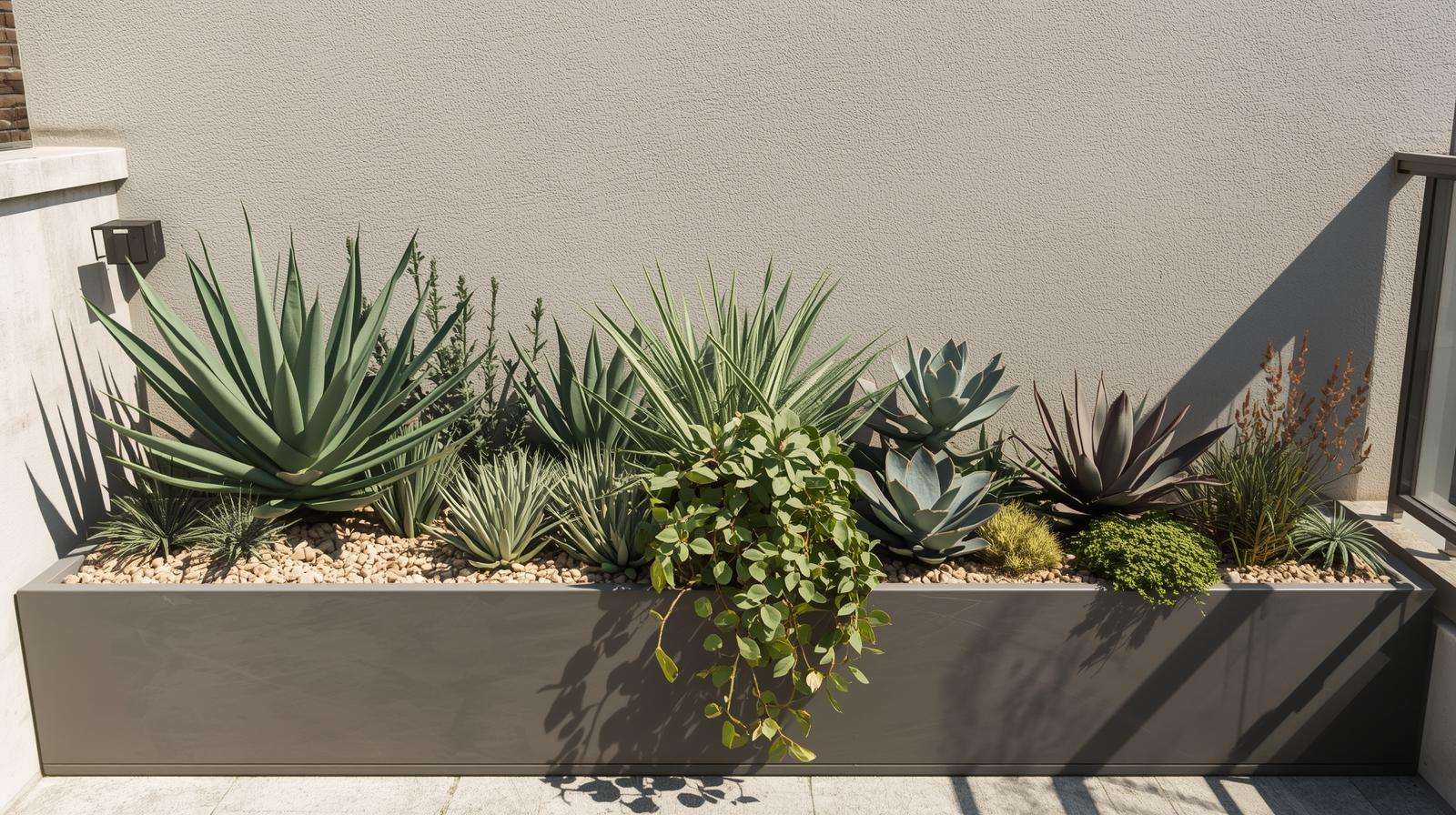
Create a low-water zone with agave attenuata, aloe vera, and sedum varieties. Bougainvillea on trellis provides shade + spectacular color.
Plant Comparison Table: Top Choices for Hot Balconies
| Plant | Heat Tolerance | Water Needs | Pot Size | Bloom/Harvest | Pollinator Friendly | Notes |
|---|---|---|---|---|---|---|
| Portulaca | Extreme | Very Low | 8–12 inch | May–Frost | Yes | Self-seeding |
| Vinca ‘Titan’ | Extreme | Low | 12–18 inch | May–Frost | Yes | Self-cleaning |
| Zinnia ‘Zahara’ | Very High | Moderate | 10–14 inch | June–Frost | Excellent | Cut-and-come-again |
| Lantana | Extreme | Low | 12–24 inch | Year-round (warm) | Butterflies/Hummers | Sterile hybrids only |
| Tomato ‘Solar Fire’ | Very High | High | 15+ gal | July–Oct | Yes | Heat-set fruit |
| Rosemary | Extreme | Very Low | 12 inch+ | Year-round | Bees | Prune for shape |
| Succulents (Agave etc) | Extreme | Minimal | Varies | Varies | Some | Architectural interest |
Design Ideas and Layouts for Hot, Sunny or West-Facing Balconies
Small Balcony (<50 sq ft) → Vertical Focus
- Railing planters: Trailing portulaca + vinca
- Floor: One large pot with dwarf fig or bougainvillea trellis
- Wall pockets: Herbs
Medium Balcony → Zoned Layout
- Hottest western edge: Succulents + lantana
- Center: Tomatoes/peppers in self-watering pots
- Shadier corner (morning shade): Basil or greens
Color Themes
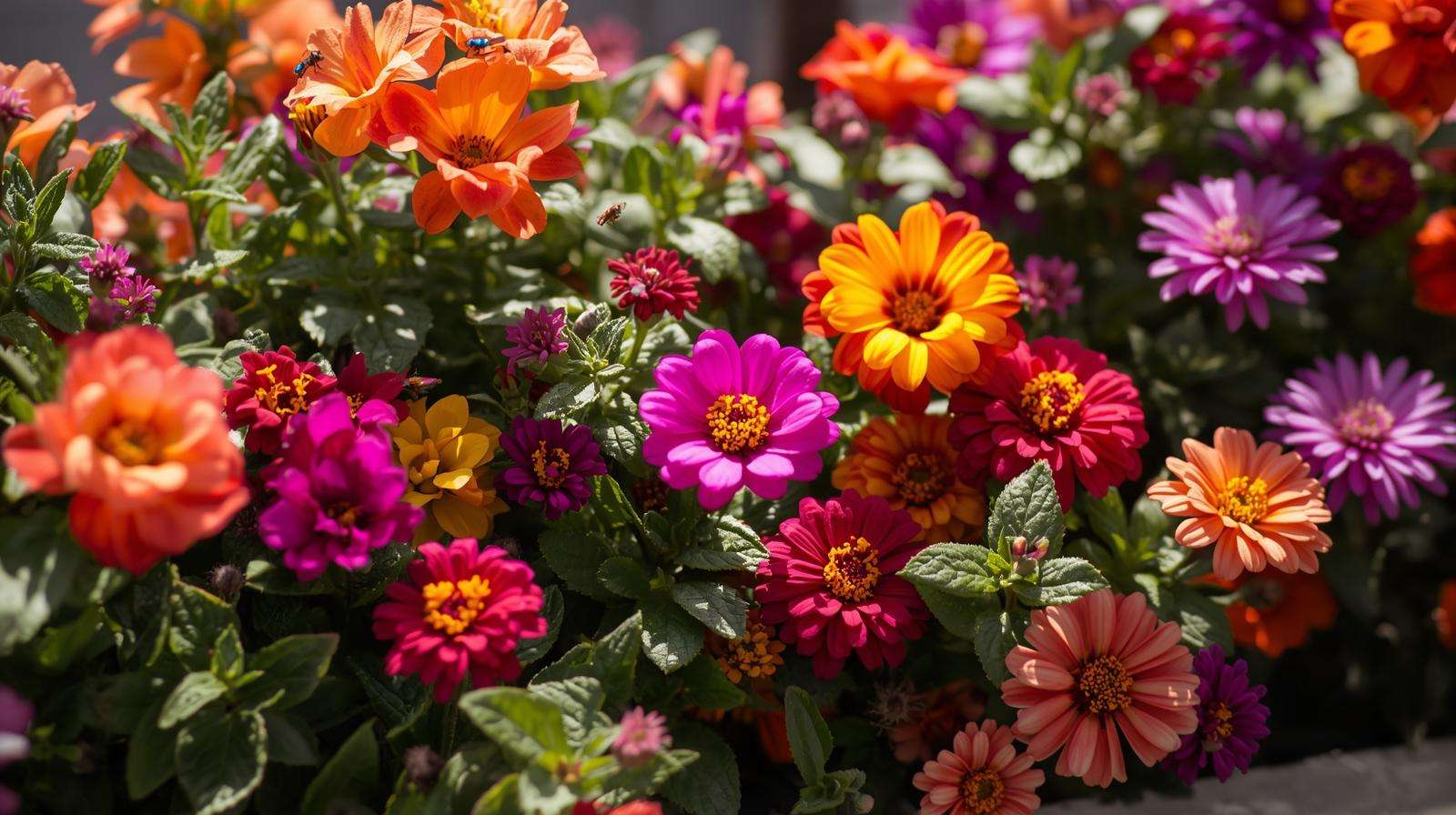
- Sunset palette: Orange zinnias + red lantana + purple salvia
- Mediterranean: Lavender, rosemary, white portulaca
Maintenance Guide for Peak Heat Seasons
Fertilizing Without Burn
- Use slow-release + weekly diluted fish emulsion (early morning only)
- Add calcium (crushed eggshells) for tomatoes to prevent blossom-end rot in heat stress.
Pruning & Airflow
- Thin dense foliage → reduces fungal risk in humid heat
- Pinch lantana and zinnias regularly.
Pest Watch
Spider mites love hot/dry — blast with water + neem every 7–10 days preventively.
Real-Life Examples and Case Studies (2024–2025 Seasons)
Case Study 1: Phoenix, Arizona – 12th-Floor West-Facing Balcony
Client: Sarah K., 8×10 ft space, peak temps 115 °F (46 °C).
2024 Setup:
-
4x 15-gal fabric bags with ‘Solar Fire’ tomatoes + ‘Titan’ vinca underplanting
-
Railing planters with portulaca and lantana
-
Self-watering reservoirs + white pebble mulch
Results: -
68 lbs tomatoes harvested July–October
-
Continuous color with zero plant losses
-
Water use reduced 65 % vs. previous year
Case Study 2: Dubai – 28th-Floor High-Rise
Grower: Ahmed Al-Mansoori, extreme heat + salty wind.
Focus: Succulent wall + herbs.
Plants: Agave, aloe, rosemary ‘Arp’, Greek oregano in vertical pockets.
Outcome: Zero watering after establishment (drip for first month only); stunning year-round privacy screen.
Case Study 3: Mumbai Apartment – Monsoon + Scorching Pre-Monsoon
Balcony: 6×8 ft, 40–45 °C pre-monsoon.
Combination: Okra ‘Jambalaya’, Thai basil, zinnias ‘Zahara’.
Yield: 15 kg okra + continuous basil harvest; flowers attracted pollinators for nearby veggies.
Common Mistakes to Avoid on Hot, Sunny or West-Facing Balconies
-
Using dark-colored pots → root zone hits 140 °F+, killing plants silently.
-
Planting standard tomatoes → blossom drop above 90 °F night temps.
-
No mulch → soil loses 70 % more moisture daily.
-
Overwatering → leads to root rot in well-draining mixes.
-
Skipping wind protection → desiccation even with adequate water.
Frequently Asked Questions
What plants won’t wilt on a west-facing balcony?
Portulaca, vinca ‘Titan’, lantana, rosemary, and succulents — they thrive on afternoon intensity.
How often should I water in 100 °F+ heat?
Check daily; water when top 2 inches dry. Self-watering pots: every 3–5 days. Morning watering only.
Can I grow vegetables on a hot sunny balcony?
Yes — choose heat-set tomatoes (‘Solar Fire’), okra, peppers, and sweet potatoes for reliable harvests.
What are the best pots for hot balconies?
Light-colored fabric grow bags or thick white plastic with reservoirs. Avoid black or metal.
Should I use shade cloth on a west-facing balcony?
Only 30–40 % on the hottest section for tender plants; most recommendations here need full sun.
How do I prevent spider mites in extreme heat?
Increase humidity with misting, strong water blasts weekly, preventive neem applications.
Conclusion & Your 2025 Action Plan
A hot, sunny or west-facing balcony isn’t a curse — it’s the perfect environment for Mediterranean herbs, desert flowers, and heat-loving veggies that struggle in shadier spots. With the right plants, containers, and care strategies from this guide, you’ll enjoy lush growth, abundant harvests, and stunning color all summer.