Imagine walking through your field one morning, only to notice rows of maize or sugarcane plants wilting inexplicably despite adequate rainfall and fertilization. You dig around the roots and discover hidden devastation—soft, white termite larvae burrowing through the underground stems and roots, turning vibrant crops into stunted, vulnerable plants on the verge of collapse. This silent destruction, often unnoticed until it’s too late, costs farmers worldwide billions in yield losses annually. Termite larvae, the immature stage of subterranean termites, are particularly insidious in agricultural settings because they feed voraciously on cellulose-rich plant material while protected deep in the soil.
As an agronomist with over 15 years of experience advising smallholder and commercial farmers on sustainable pest management in tropical and subtropical regions, I’ve seen firsthand how chemical pesticides can provide quick relief but at a steep cost: degraded soil biodiversity, harmed beneficial insects like pollinators and earthworms, and long-term environmental fallout. Fortunately, natural pest control methods offer reliable, eco-friendly alternatives that target termite larvae effectively while preserving soil health and ecosystem balance.
This comprehensive guide draws from field-tested research, extension service recommendations, and practical farmer experiences to equip you with proven strategies for identifying, preventing, and controlling termite larvae naturally. Whether you’re growing maize, sugarcane, rice, vegetables, or orchard crops, these integrated approaches can help you safeguard your yields sustainably.
Understanding Termite Larvae and Their Impact on Agriculture
To effectively combat termite larvae, it’s essential to understand their biology and why they pose such a threat to crops.
What Are Termite Larvae?
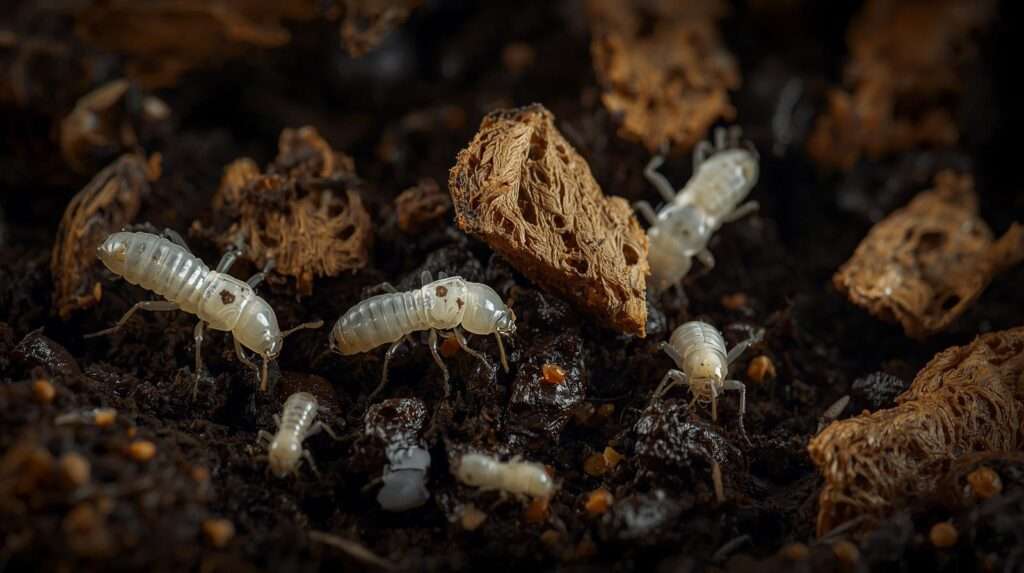
Termite larvae are the newly hatched, immature forms of termites, often appearing as small (1-5 mm), soft-bodied, creamy-white creatures with six legs and straight antennae. They lack wings and distinct pigmentation, resembling tiny maggots but distinguishable by their segmented bodies and lack of a pronounced head capsule compared to fly larvae.
Unlike ants or other soil pests, termite larvae are cared for by worker termites in the colony, receiving regurgitated food until they molt into nymphs.
The Termite Life Cycle and Role of Larvae
Termites undergo incomplete metamorphosis: egg → larva (or nymph) → adult castes (workers, soldiers, reproductives). The queen lays thousands of eggs, which hatch into larvae in 26-30 days under warm, moist conditions. Larvae are highly dependent, consuming predigested cellulose provided by workers. This stage is critical for colony growth, as larvae develop into the workforce that expands tunnels and foraging areas.
In subterranean species common in agriculture (e.g., Reticulitermes or Odontotermes), larvae thrive in moist soils, making them prevalent in irrigated fields or rainy seasons.
Why Termite Larvae Are a Major Threat to Crops
While adult workers cause visible damage, larvae contribute significantly by feeding on tender roots and seedlings. This leads to:
- Wilting and lodging (plants falling over) in crops like maize and sugarcane.
- Stunted growth and reduced yields, with losses up to 50% in severe infestations.
- Increased susceptibility to diseases as damaged roots allow pathogen entry.
Termites play a beneficial role in wild ecosystems by decomposing dead wood, but in farmland, they disrupt soil structure and nutrient uptake. Studies from regions like East Africa and India highlight termites as key pests in rainfed and irrigated systems.
Early Detection and Monitoring of Termite Larvae Infestations
Catching infestations early is the cornerstone of natural control—prevention is far easier than eradication.
Signs of Termite Larvae Activity in Fields
Look for:
- Mud tubes (shelter tunnels) on plant bases or soil surface.
- Hollowed roots or stems when digging around affected plants.
- Frass (termite pellets) resembling sawdust near bases.
- Sudden wilting in patches, especially in moist areas.
Practical Monitoring Techniques for Farmers
- Bait stations: Bury cardboard rolls or wooden stakes; check weekly for termite activity.
- Soil probing: Gently dig around suspicious plants during peak seasons (warm, wet periods).
- Traps: Use moist cellulose baits to attract and count workers/larvae.
Tip: Maintain a farm journal to track patterns and correlate with weather or crop stages.
Preventive Cultural Practices to Deter Termite Colonies
Prevention focuses on making your farm less hospitable to termites.
Soil and Habitat Management
- Remove debris: Clear crop residues, stumps, and excess mulch promptly after harvest.
- Improve drainage: Avoid waterlogging, as termites prefer moist soils.
- Till soil deeply to disrupt tunnels.
Crop Selection and Rotation
- Choose resistant varieties: Some maize hybrids or legume intercrops show tolerance.
- Rotate crops: Alternate with non-host plants like legumes or grasses to break cycles.
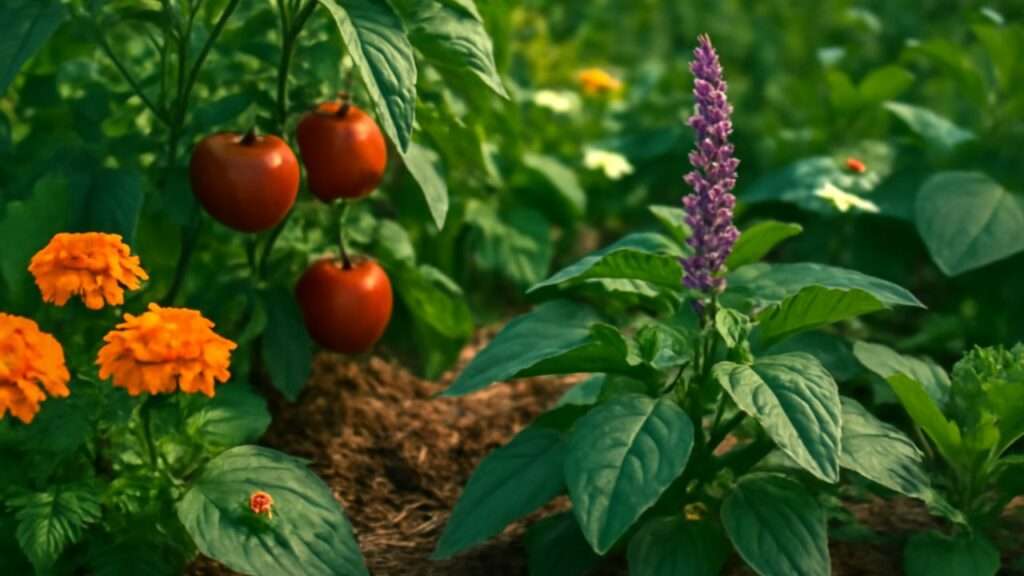
- Intercrop with repellents: Plant marigolds or vetiver grass as borders.
Enhancing Soil Health for Natural Resilience
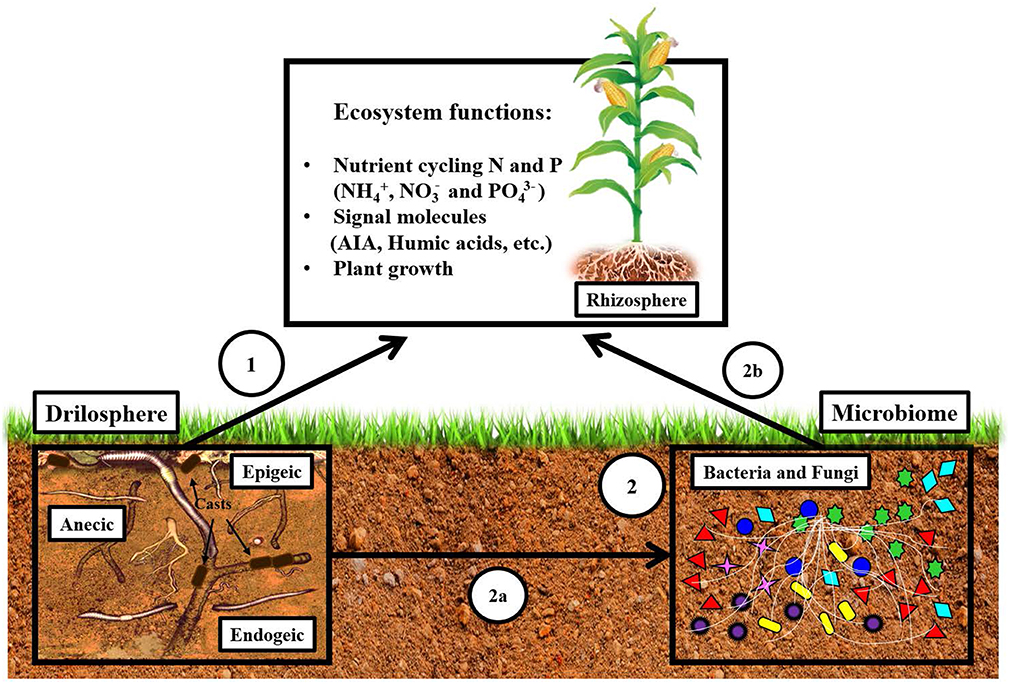
Healthy soils support antagonists like earthworms and microbes that outcompete termites.
:max_bytes(150000):strip_icc()/GettyImages-1299897834-4b4259e41ffe4095a274f536e20d5279.jpg)
Add compost, manure, or cover crops to boost organic matter, fostering biodiversity that naturally suppresses pests.
Proven Natural Control Methods Targeting Termite Larvae
This is the heart of sustainable termite management: targeted, non-chemical interventions that specifically disrupt termite larvae development while enhancing farm ecosystems. These methods, supported by university extension services and peer-reviewed studies, offer high efficacy when applied correctly.
Biological Control Agents
Biological controls harness nature’s own predators and pathogens to reduce termite populations, with a particular focus on vulnerable larvae stages.
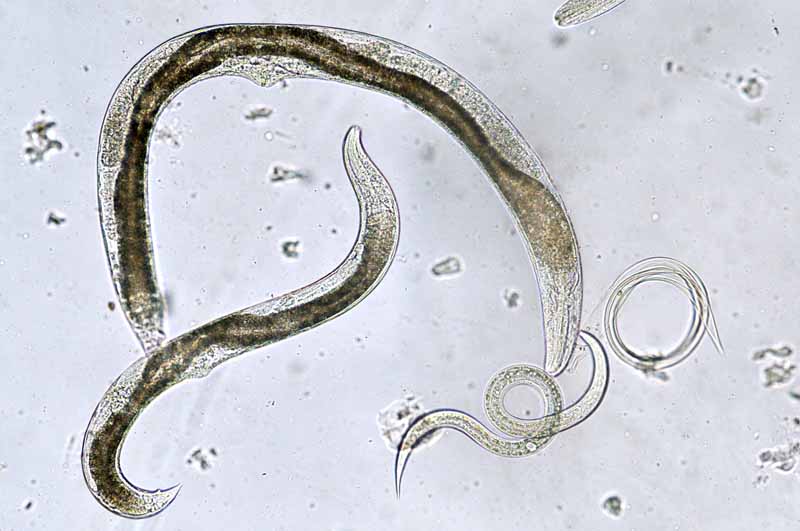
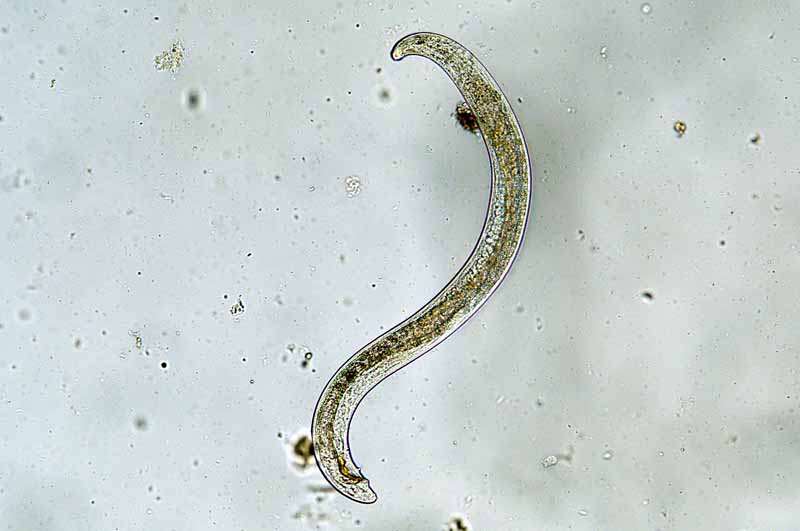
Beneficial Nematodes Entomopathogenic (insect-killing) nematodes, such as Steinernema carpocapsae and Heterorhabditis bacteriophora, are microscopic roundworms that actively seek out termite larvae in the soil. They enter through natural openings, release symbiotic bacteria that kill the host within 48 hours, then multiply and spread to nearby pests.
Application Guidelines:
- Apply in evening or cloudy conditions to avoid UV degradation.
- Soil temperature: 15–30°C (optimal for activity).
- Moisture: Keep soil damp for 2 weeks post-application.
- Rate: 1–2 billion nematodes per hectare, mixed in water and drenched or sprayed.
- Effectiveness: Studies show 70–90% reduction in subterranean termite larvae.
These nematodes are safe for humans, pets, plants, and beneficial insects.
Entomopathogenic Fungi and Bacteria Species like Metarhizium anisopliae and Beauveria bassiana infect termite larvae on contact, germinating spores that penetrate the cuticle. Commercial formulations are available for soil incorporation.
Botanical and Plant-Based Repellents
Plants have evolved powerful chemical defenses that disrupt termite feeding, growth, and reproduction.
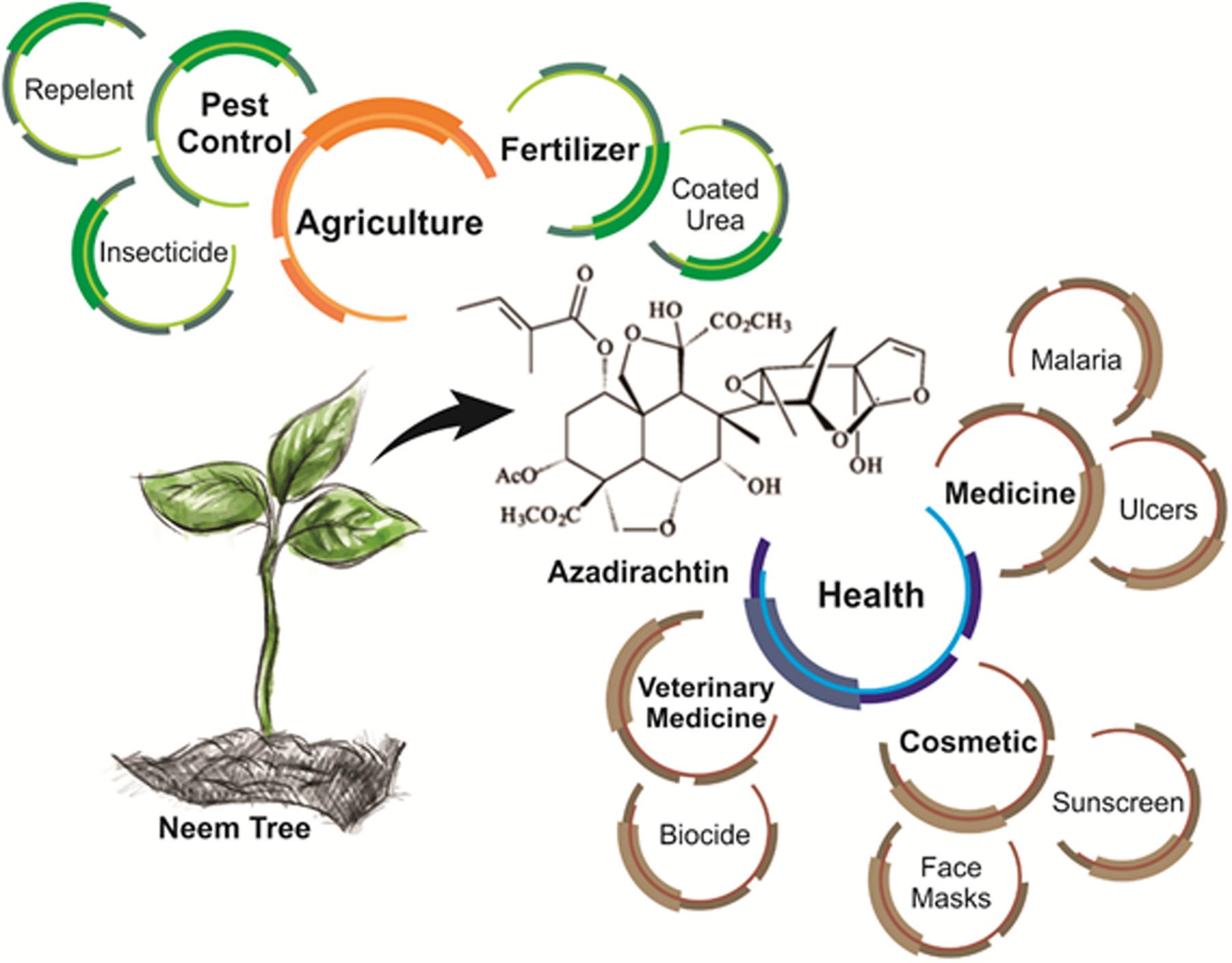
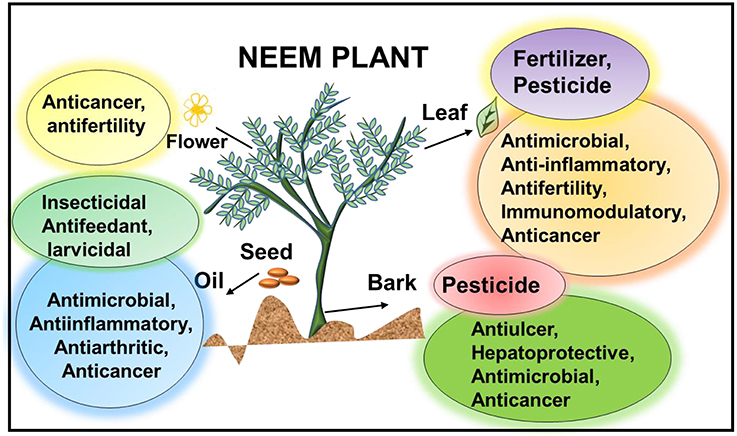
Neem (Azadirachta indica) Products Azadirachtin, the active compound in neem, acts as an antifeedant, growth regulator, and repellent—particularly effective against immature termite larvae by inhibiting molting.
Practical Uses:
- Seed treatment: Soak seeds in 5–10% neem extract before planting.
- Soil drench: 2–5% neem oil emulsion around plant bases.
- Foliar spray: For above-ground protection.
- Frequency: Every 7–14 days during high-risk periods.
Field trials in India and Africa report up to 80% reduction in termite damage with consistent use.
Other Effective Botanicals
- Vetiver grass (Chrysopogon zizanioides): Plant as hedges; roots exude repellents.

- Marigolds (Tagetes spp.): Intercrop to release alpha-terthienyl, toxic to soil pests.


- Garlic, clove oil, or castor bean extracts: As soil amendments.
Physical and Mechanical Barriers
- Particle barriers: Fine sand or basalt around transplants blocks termite entry.
- Flooding: In rice paddies or suitable fields, prolonged flooding drowns larvae.
- Root protection: Mesh sleeves or diatomaceous earth coatings.
Integrated Approaches
Combine methods for synergy:
- Nematodes + neem: Enhanced mortality rates.
- Vetiver borders + monitoring baits: Preventive and curative.
| Method | Target Stage | Effectiveness | Cost Level | Application Ease |
|---|---|---|---|---|
| Beneficial Nematodes | Larvae/Nymphs | High (80–90%) | Medium | Moderate |
| Neem Extracts | All stages | High (70–80%) | Low | Easy |
| Vetiver Barriers | Colony entry | Medium-High | Low | Easy (long-term) |
| Marigold Intercropping | Soil pests | Medium | Very Low | Very Easy |
Implementing an Integrated Pest Management (IPM) Plan for Termites
A structured IPM approach maximizes natural controls:
- Monitor regularly using bait stations.
- Prevent through cultural practices.
- Intervene only when thresholds are crossed (e.g., >10% plant damage).
- Evaluate post-season and adjust.
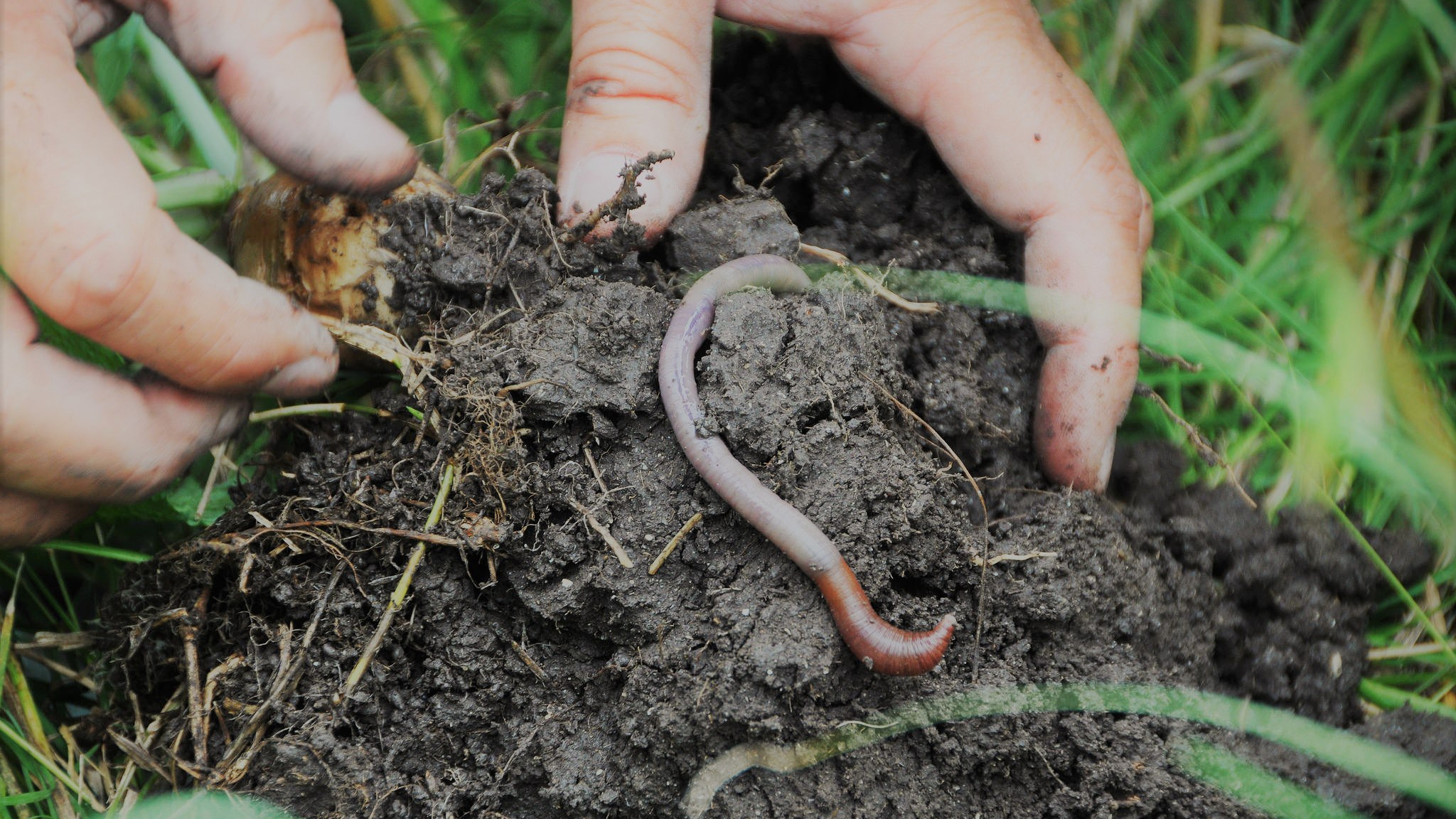
This preserves soil biodiversity, including earthworms and microbes essential for nutrient cycling.
Common Mistakes to Avoid and Expert Tips
Avoid:
- Inconsistent application—natural methods require persistence.
- Ignoring drainage—moist soils invite reinfestation.
- Overlooking monitoring—early intervention is key.
Pro Tips:
- Time applications with termite activity peaks (post-rain).
- Keep detailed records for pattern recognition.
- Consult local agricultural extension for region-specific advice.
Quick Checklist:
- Clear debris annually.
- Test soil health yearly.
- Rotate repellents to prevent resistance.
Frequently Asked Questions (FAQs)
How do I distinguish termite larvae from other soil pests? Termite larvae are soft, white, with six legs and straight antennae; unlike maggots (no legs) or ant larvae (curved bodies).
Are beneficial nematodes safe for crops and humans? Yes—specific to insects, harmless to plants, mammals, and earthworms.
Can neem fully eliminate a termite colony? Neem suppresses but rarely eradicates large colonies alone; combine with other methods.
How long do natural methods take to work? Nematodes: 1–2 weeks; neem: immediate repellence, 7–14 days for growth disruption.
When should I seek professional help? For severe, widespread infestations or structural threats.
Do these methods work on all termite species? Most effective against subterranean types; drywood termites require different approaches.
Is flooding practical for termite larvae control? Yes, in paddy fields or low-lying areas—disrupts oxygen supply.
Can I make my own neem extract? Yes: Crush seeds, soak in water 24 hours, strain, and dilute.
Will marigolds affect my main crop yield? No—often improve yields by reducing pests and attracting pollinators.
How often should I apply biological controls? 2–3 times per season, based on monitoring.
Conclusion
Managing termite larvae naturally isn’t just about eliminating a pest—it’s about building resilient, productive farms that thrive without synthetic chemicals. By understanding their biology, detecting early, preventing through smart practices, and deploying targeted biological and botanical controls, you can protect your crops while nurturing soil health for generations to come.
Start small: Implement monitoring this season and add one preventive measure, like vetiver borders or neem treatments. Over time, these eco-friendly strategies will reduce losses, cut costs, and align your operation with sustainable agriculture principles.
Your fields deserve protection that doesn’t compromise the environment. Share your experiences or reach out to local experts—together, we can farm smarter and greener.