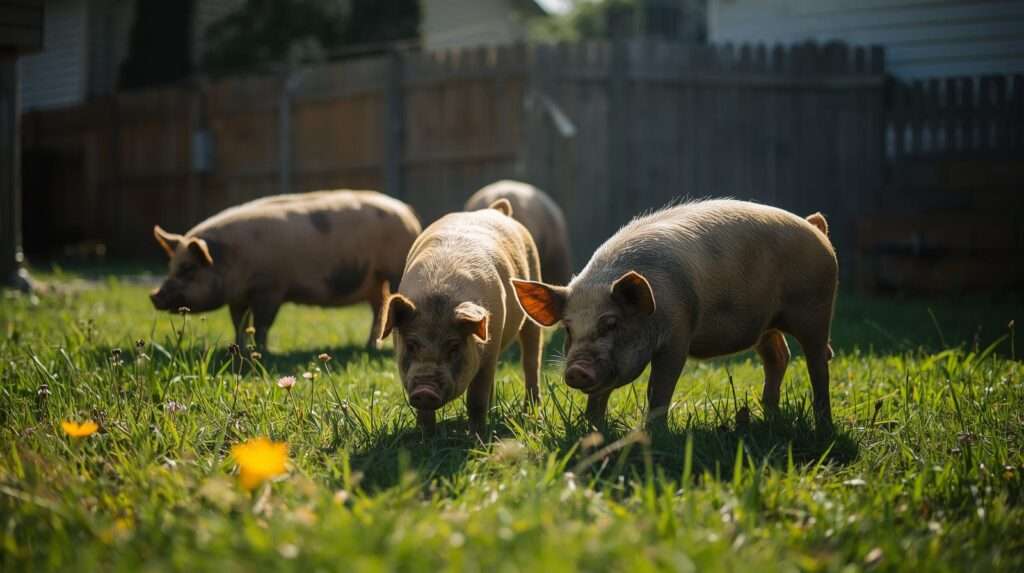
Pigs are intelligent, efficient, and surprisingly adaptable animals—but on a small property, they can either become a rewarding asset or a costly mistake. Across the United States, more homesteaders, backyard farmers, and rural landowners are exploring keeping pigs on small US properties as a way to increase food independence, utilize land more effectively, and produce high-quality meat. Yet many people jump in unprepared, only to face zoning violations, neighbor disputes, damaged land, or animal welfare issues.
This guide is written from a practical, experience-driven agricultural perspective to help you avoid those outcomes. Whether you own a suburban-edge lot, a few rural acres, or a small homestead, you’ll learn exactly what it takes to keep pigs legally, humanely, and successfully—without ruining your land or your relationships.
Is Keeping Pigs on Small US Properties Legal?
Before buying piglets or building a pen, legality must come first. Many pig-keeping failures happen before the first pig ever arrives.
Understanding Local Zoning, Ordinances, and HOA Rules
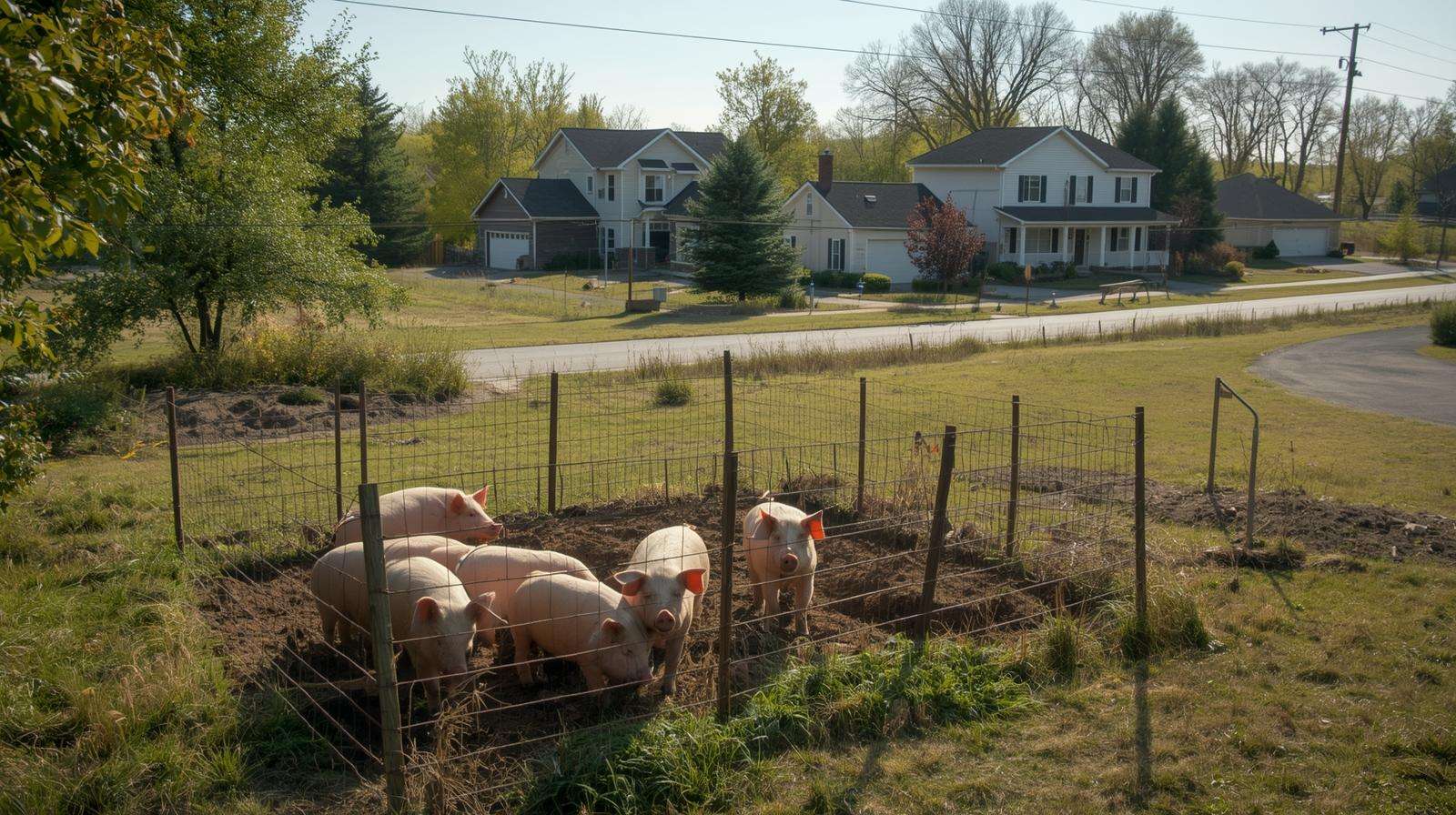
In the US, pig ownership is governed primarily at the local level. Regulations vary widely by county, city, and even neighborhood.
Key points to check:
-
Whether pigs are classified as livestock or pets
-
Minimum acreage requirements
-
Setback distances from homes, wells, and property lines
-
Limits on the number of animals
-
Noise, odor, and waste regulations
If you live in an area with a Homeowners Association (HOA), pigs are often prohibited regardless of zoning. Always obtain written confirmation before proceeding.
Expert tip: Contact your county zoning office directly and ask for the ordinance number related to livestock or swine. Verbal assurances are not enough.
State-Level Regulations and Animal Health Laws
Beyond zoning, most states require:
-
Livestock premises registration
-
Compliance with animal health and transport laws
-
Disease reporting (especially for swine diseases)
Even if pigs are for personal use only, these rules still apply. Compliance protects not only your operation but also the broader agricultural community.
Working With Neighbors and Avoiding Complaints
On small properties, neighbor relations matter as much as fencing.
Common complaints include:
-
Odor
-
Noise (especially during feeding)
-
Mud and runoff
-
Visual concerns
Proactive strategies:
-
Place pig areas as far from property lines as possible
-
Maintain clean, well-drained pens
-
Communicate early and honestly with neighbors
Most conflicts arise from surprise, not pigs themselves.
How Much Space Do Pigs Really Need on Small Properties?
One of the most misunderstood aspects of pig keeping is space. Pigs are not suited to confinement without consequences.
Minimum Land Requirements by Pig Type
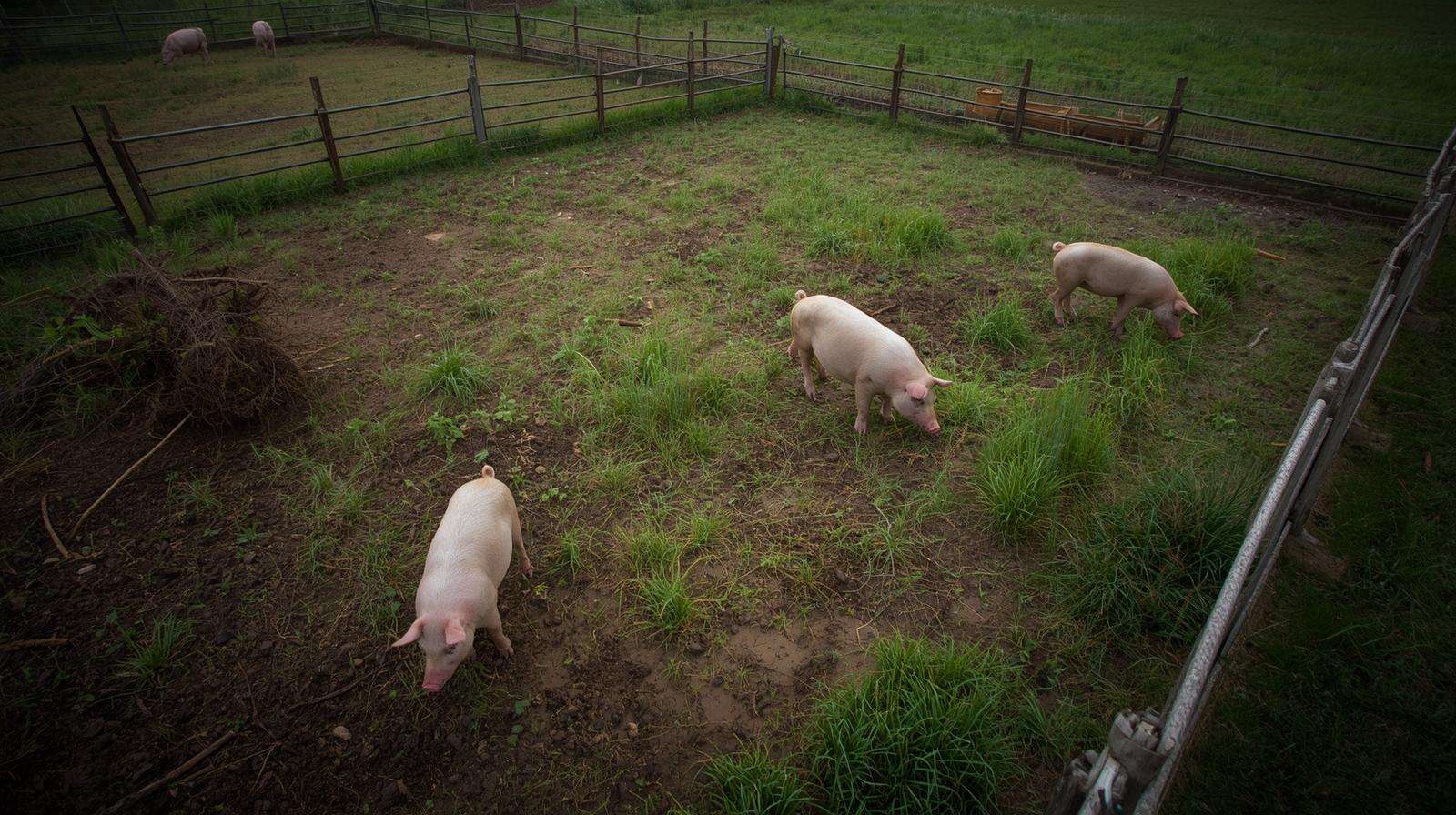
Space needs vary based on purpose and breed.
General guidelines:
-
Feeder pigs (market hogs): 200–400 sq ft per pig (dry lot)
-
Pasture-based pigs: 500–1,000+ sq ft per pig
-
Breeding pigs: significantly more space required
Heritage breeds typically require more space but are better suited to pasture-based systems.
Pasture-Based vs. Dry Lot Systems
Pasture-based systems
-
Better for animal welfare
-
Lower odor when managed well
-
Require rotational grazing
Dry lot systems
-
Easier to control on very small parcels
-
Higher odor and mud risk
-
Require excellent drainage and bedding
On limited land, rotational pasture systems—combined with rest periods—are often the most sustainable approach.
Stocking Density and Rotational Use
Overstocking leads to:
-
Persistent mud
-
Parasite buildup
-
Strong odors
Rotational paddocks allow land to recover and dramatically reduce long-term problems. Even on one acre, simple rotation can make pig keeping viable.
Choosing the Right Pig Breeds for Small US Properties
Breed choice is one of the most important long-term decisions you’ll make.
Best Pig Breeds for Small-Scale and Backyard Settings
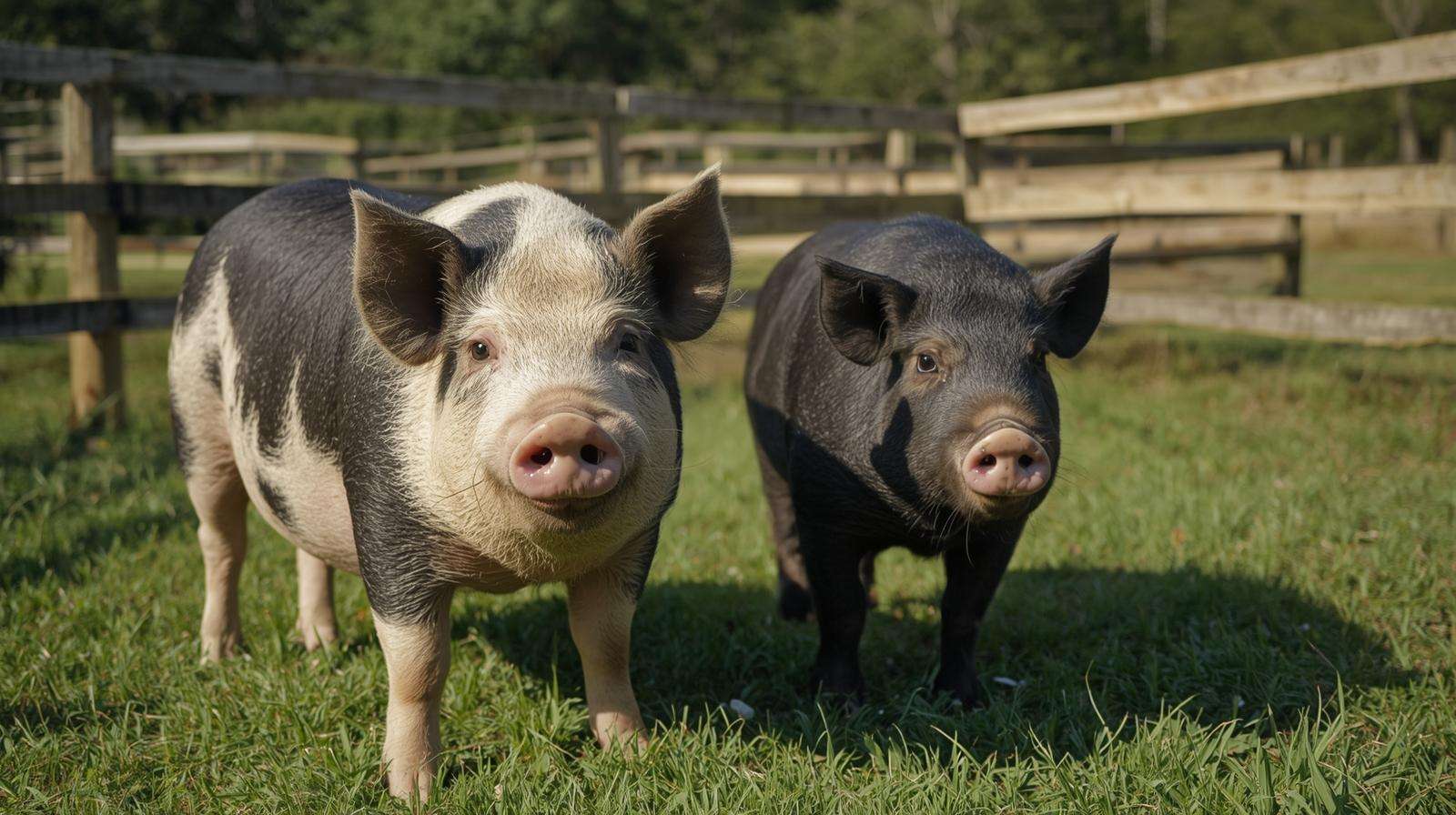
Breeds commonly suited for small properties include:
-
American Guinea Hog
-
Large Black
-
Berkshire
-
Red Wattle (with adequate space)
These breeds tend to have calmer temperaments, better pasture utilization, and manageable growth rates.
The Truth About “Mini” and “Micro” Pigs
So-called “mini pigs” are one of the biggest sources of regret for small-property owners.
Reality check:
-
Most reach 150–300 pounds
-
Many outgrow backyard setups
-
Zoning laws often prohibit them anyway
There is no genetically stable “teacup” pig. Always plan for a full-sized animal.
Where to Buy Healthy Pigs Responsibly
Avoid impulse purchases.
Best sources:
-
Reputable local breeders
-
Farm visits before purchase
-
Clear health records
Red flags include:
-
No parent animals visible
-
Unrealistic size promises
-
No biosecurity practices
Housing and Shelter Requirements for Pigs on Small Properties
Pigs are hardy—but not indestructible.
Shelter Design Essentials
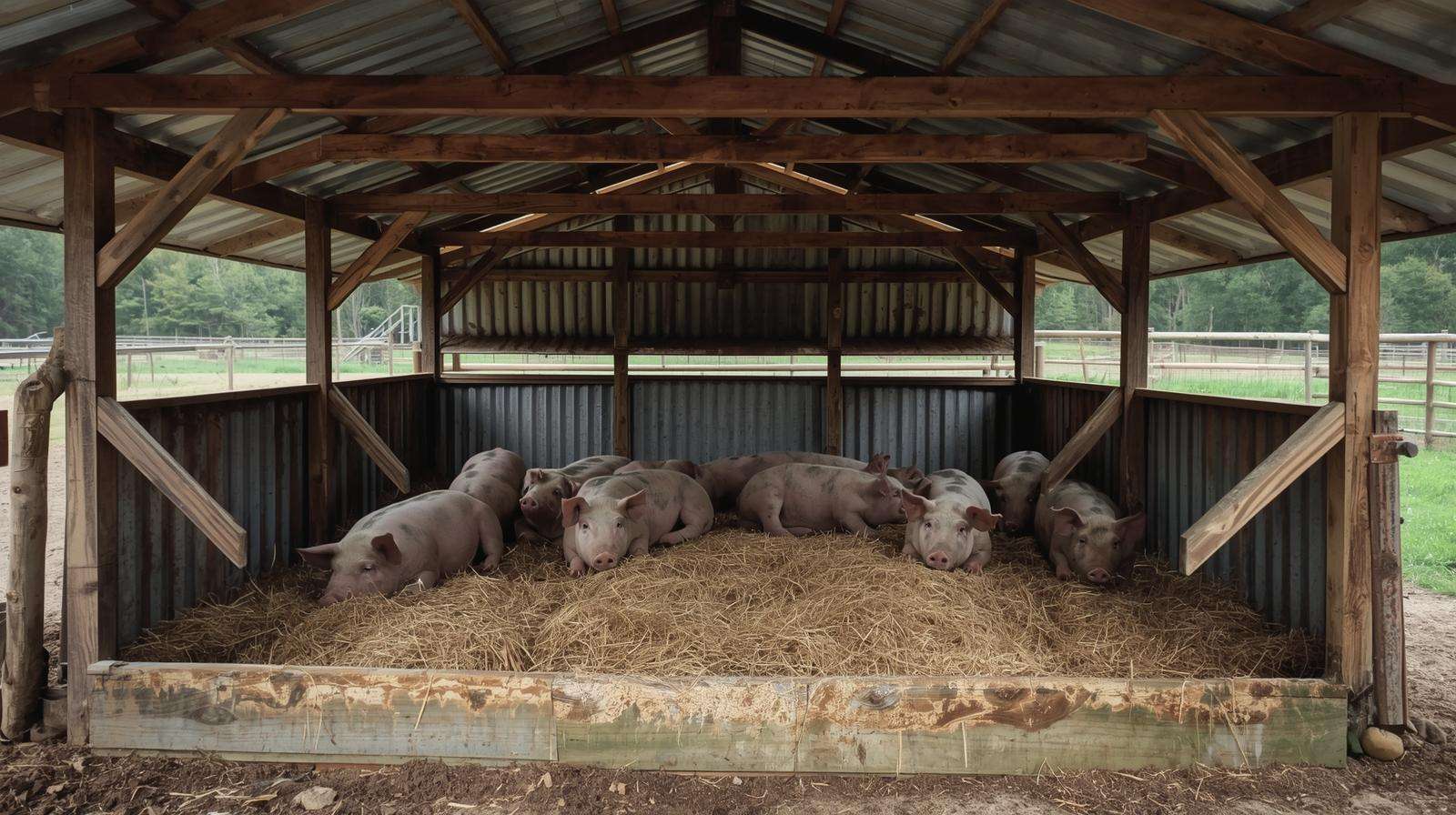
All pigs need:
-
Shade in summer
-
Wind protection in winter
-
Dry bedding
-
Adequate ventilation
Poor shelter leads to heat stress, respiratory issues, and slow growth.
Permanent vs. Mobile Pig Housing
Permanent shelters
-
Durable
-
Better insulation
-
Higher upfront cost
Mobile shelters
-
Flexible
-
Ideal for rotational systems
-
Lower cost
On small properties, mobility often improves land health and sanitation.
Odor and Waste Management Near Homes
Odor is a management issue, not an inevitability.
Best practices:
-
Frequent bedding changes
-
Proper drainage
-
Avoid feeding excess scraps
-
Compost manure responsibly
Poor waste management is the fastest way to attract complaints.
Feeding and Nutrition for Pigs on Limited Land
Feeding is the largest ongoing expense—and the easiest place to make mistakes.
Basic Nutritional Needs of Pigs
Pigs require:
-
Adequate protein
-
Balanced energy
-
Minerals and vitamins
-
Constant access to clean water
Growth, reproduction, and health depend on balanced nutrition—not scraps alone.
Reducing Feed Costs on Small Properties
Pigs can safely consume:
-
Garden surplus
-
Dairy by-products (where legal)
-
Certain grains and forages
They should never consume:
-
Moldy food
-
Meat waste (in many states)
-
Toxic plants
Check state laws before feeding food waste.
Feeding Systems That Minimize Waste and Odor
Use:
-
Covered feeders
-
Raised feeding areas
-
Controlled portions
Spilled feed attracts pests and increases odor.
Fencing and Containment on Small US Properties
If there is one non-negotiable element of keeping pigs on small US properties, it is fencing. Pigs are strong, intelligent, and highly motivated by food. An inadequate fence will fail—often quickly and dramatically.
Why Pig Fencing Is Non-Negotiable
Escaped pigs can:
-
Destroy neighboring gardens and lawns
-
Cause traffic hazards
-
Lead to legal liability or fines
-
Trigger permanent loss of zoning approval
Once pigs escape, it becomes far more difficult to maintain good relationships with neighbors and local authorities.
Best Fencing Options for Small Properties
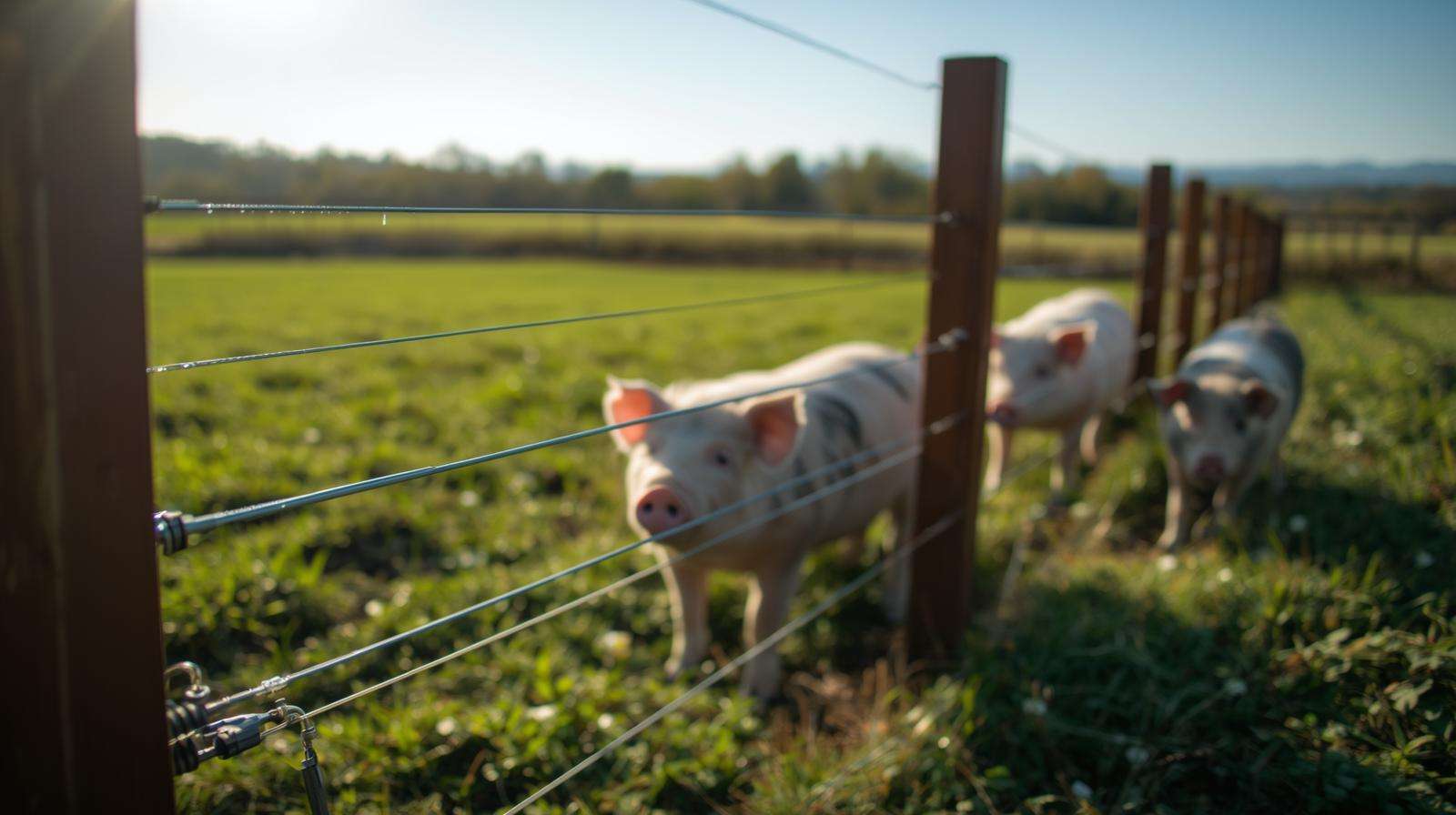
Electric fencing is the gold standard for pig containment.
Recommended setups include:
-
Two to three strands of electric wire (low and hot)
-
Electrified net fencing designed specifically for pigs
-
A high-quality charger matched to fence length
Permanent fencing (woven wire or hog panels) can work but is often expensive and still benefits from a hot wire inside.
Avoid relying on:
-
Lightweight garden fencing
-
Wooden pallets
-
Single-strand electric lines
Training Pigs to Respect Fences
Fence training is critical and should happen immediately.
Steps:
-
Confine pigs in a small training pen
-
Use a visible electric line
-
Monitor first contacts carefully
-
Ensure consistent power
Once trained, pigs remember boundaries well—reducing long-term labor.
Health Care and Biosecurity for Backyard and Small-Scale Pigs
Healthy pigs are quieter, cleaner, and easier to manage—especially on small properties.
Basic Health Care and Vaccination Needs
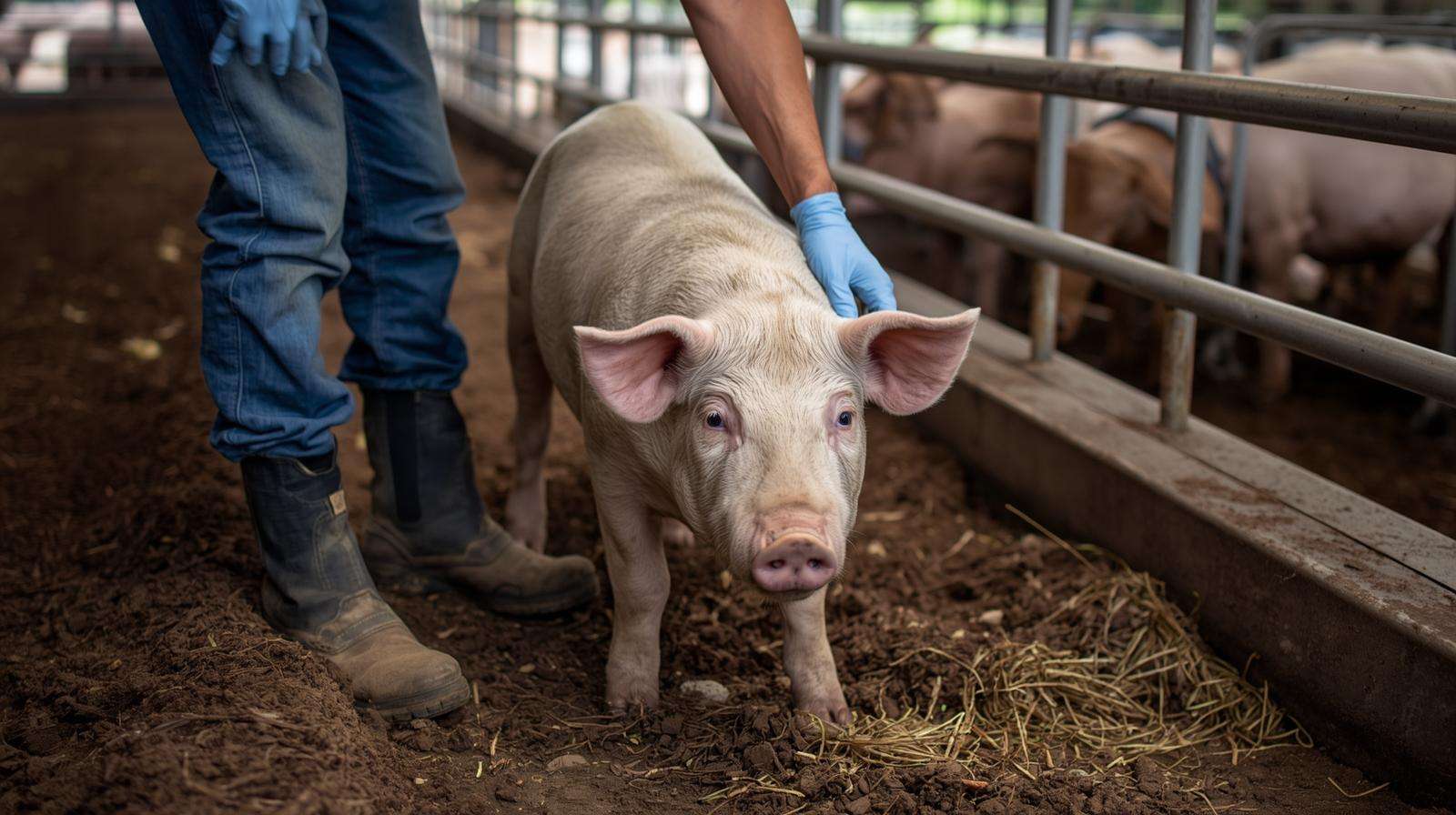
Common health needs include:
-
Core vaccinations (varies by region)
-
Treatment for respiratory and digestive issues
-
Hoof care when needed
Find a veterinarian before you need one. Many vets no longer service pigs unless contacted in advance.
Parasite Control and Hygiene
Internal parasites are common, especially on small acreage.
Prevention strategies:
-
Rotational land use
-
Avoid muddy, compacted areas
-
Fecal testing when possible
-
Strategic deworming
External parasites (lice, mites) are easier to manage with regular observation and cleanliness.
Biosecurity on Small Properties
Even backyard pigs can introduce or contract serious diseases.
Best practices:
-
Limit visitors to pig areas
-
Change footwear between livestock
-
Quarantine new pigs for at least 2 weeks
-
Do not share equipment with other pig owners without cleaning
Biosecurity is about prevention—not paranoia.
Daily Care, Labor, and Time Commitment
Pigs are not low-maintenance animals, but they are predictable once routines are established.
What Daily Pig Care Actually Looks Like
Daily responsibilities include:
-
Feeding and watering
-
Fence checks
-
Health observation
-
Manure and bedding management
Most small-scale setups require 15–30 minutes per day, per group—not per pig.
Seasonal Management Challenges
Summer
-
Heat stress is the biggest risk
-
Shade, wallows, and fresh water are essential
Winter
-
Bedding depth matters
-
Wind protection is critical
-
Increased feed is often necessary
Wet seasons
-
Mud control becomes a priority
-
Move pigs before ground damage becomes permanent
Economics of Keeping Pigs on Small US Properties
Financial expectations should be realistic.
Startup Costs and Ongoing Expenses
Initial costs may include:
-
Fencing
-
Shelter
-
Feeders and water systems
-
Pig purchase
-
Veterinary setup
Ongoing expenses are dominated by feed, followed by bedding and health care.
Meat Production vs. Personal Use
For many small-property owners, pigs make sense when:
-
Producing high-quality meat for personal consumption
-
Offsetting grocery costs
-
Valuing food transparency and animal welfare
Profit is possible—but should not be the primary motivation on limited land.
Hidden Costs Most Beginners Overlook
Common surprises include:
-
Processing fees
-
Transport costs
-
Equipment repairs
-
Time investment
Understanding true costs prevents disappointment.
Common Mistakes When Keeping Pigs on Small Properties
Avoiding these mistakes dramatically increases success:
-
Underestimating pig size and strength
-
Poor fencing or delayed installation
-
Ignoring zoning or neighbor impact
-
Overfeeding scraps without balance
-
Allowing pigs to destroy land before moving them
Most problems are management-related—not pig-related.
Expert Tips for Long-Term Success
From experienced producers and extension specialists:
-
Start with fewer pigs than planned
-
Invest in fencing before animals
-
Observe pigs daily—they communicate problems early
-
Rotate land proactively
-
Keep good records, even for backyard setups
Good pig keeping is learned—not improvised.
Frequently Asked Questions (FAQs)
Can pigs be kept legally in suburban areas?
Sometimes, but always verify zoning and HOA rules.
How many pigs can I keep on one acre?
Often 2–4 feeder pigs with rotation, depending on land quality.
Are pigs noisy or destructive?
Only when management is poor or space is inadequate.
Can pigs live alongside chickens or goats?
Yes, with proper separation and planning.
What is the minimum commitment?
At least 4–6 months for feeder pigs, plus daily care.
Final Thoughts: Is Keeping Pigs on Small US Properties Right for You?
Keeping pigs on a small property can be deeply rewarding—but it is not casual or forgiving of shortcuts. Success depends on planning, legality, infrastructure, and daily commitment.
If you:
-
Have verified local regulations
-
Are willing to invest in fencing and shelter
-
Can manage odor, land, and time responsibly
Then pigs can become one of the most efficient and satisfying livestock choices available to small US landowners.
Approach pig keeping with respect, preparation, and patience—and your pigs, land, and neighbors will reflect that effort.