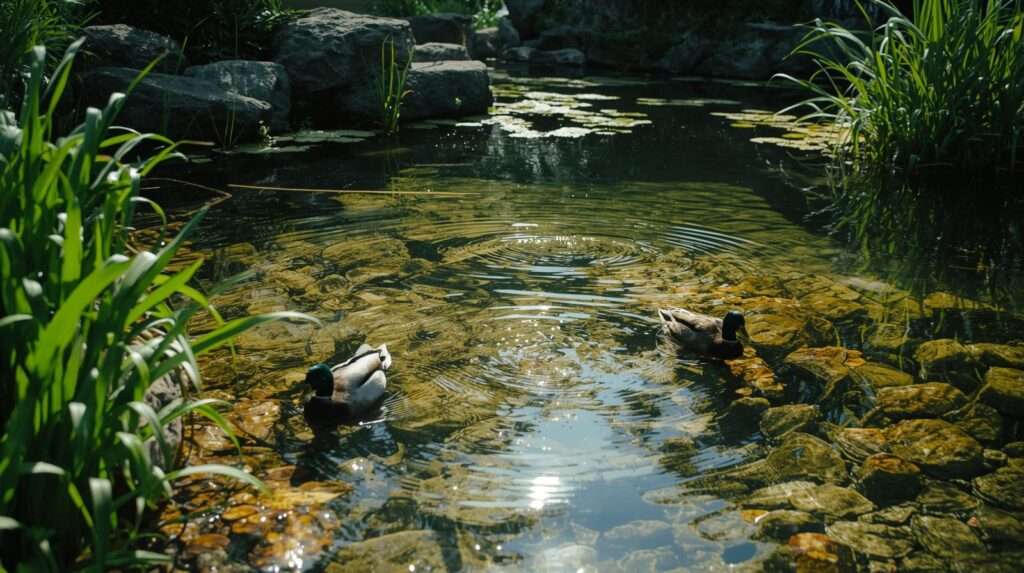
If you’ve ever watched a duck pond turn from clear water into a foul-smelling mud pit in a matter of days, you’re not alone. Many duck keepers assume dirty water is unavoidable—just part of owning ducks. In reality, most pond problems come down to poor design, not duck behavior.
Designing Duck Ponds That Stay Cleaner requires understanding how ducks use water, how waste accumulates, and how smart layout choices can dramatically reduce maintenance. When ponds are designed correctly, water stays clearer longer, odors drop, disease pressure decreases, and ducks remain healthier and more productive.
This guide is written from a practical, agriculture-based perspective, drawing on homestead experience, water management principles, and proven duck-keeping systems. Whether you’re managing a backyard flock or a small farm, you’ll learn how to design a duck pond that works with nature instead of fighting it.
Understanding Why Duck Ponds Get Dirty So Fast
Before you can design a cleaner pond, you need to understand why most duck ponds fail almost immediately.
Duck Behavior and Water Contamination
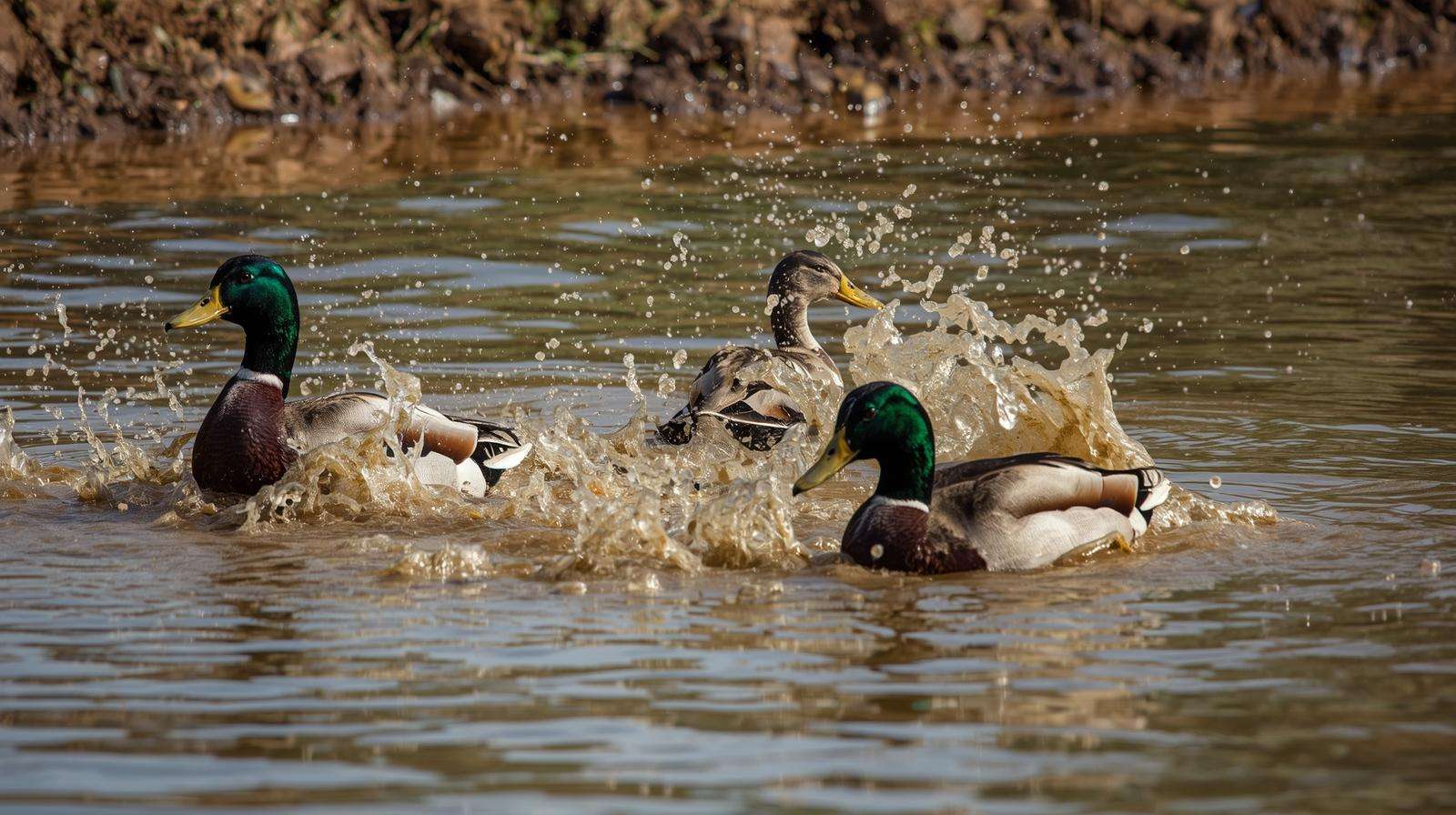
Ducks are biologically designed to:
-
Dabble and stir sediment
-
Rinse food in water
-
Defecate frequently
-
Splash aggressively
From a duck’s perspective, muddy water is normal. From a management perspective, this means:
-
Organic matter accumulates quickly
-
Fine sediment stays suspended
-
Nutrients fuel algae and bacteria growth
No pond design can eliminate contamination entirely—but good design controls where waste goes and how fast it’s removed.
Common Pond Design Mistakes
Most dirty duck ponds share the same flaws:
-
Flat-bottom designs that trap sludge
-
No drainage or clean-out option
-
Too small for the number of ducks
-
Located downhill from muddy runs
-
Positioned near feeders or housing
These mistakes guarantee stagnant water, regardless of how often you change it.
Health Risks of Dirty Duck Ponds
Dirty water isn’t just unpleasant—it’s dangerous.
Poor pond conditions increase the risk of:
-
Bacterial infections (botulism, E. coli)
-
Parasites
-
Algae toxins
-
Foot and leg infections
-
Reduced egg production
Clean water is a health management tool, not a luxury.
Core Principles of Designing Duck Ponds That Stay Cleaner
Clean ponds are built on physics, not constant labor.
Pond Size vs. Duck Population
The most common failure point is undersizing.
General guideline:
-
At least 10–15 gallons of water per duck for bathing
-
More water = slower contamination
A pond that’s barely large enough for swimming will foul quickly. A slightly oversized pond stays usable much longer.
Depth, Slope, and Shape Considerations
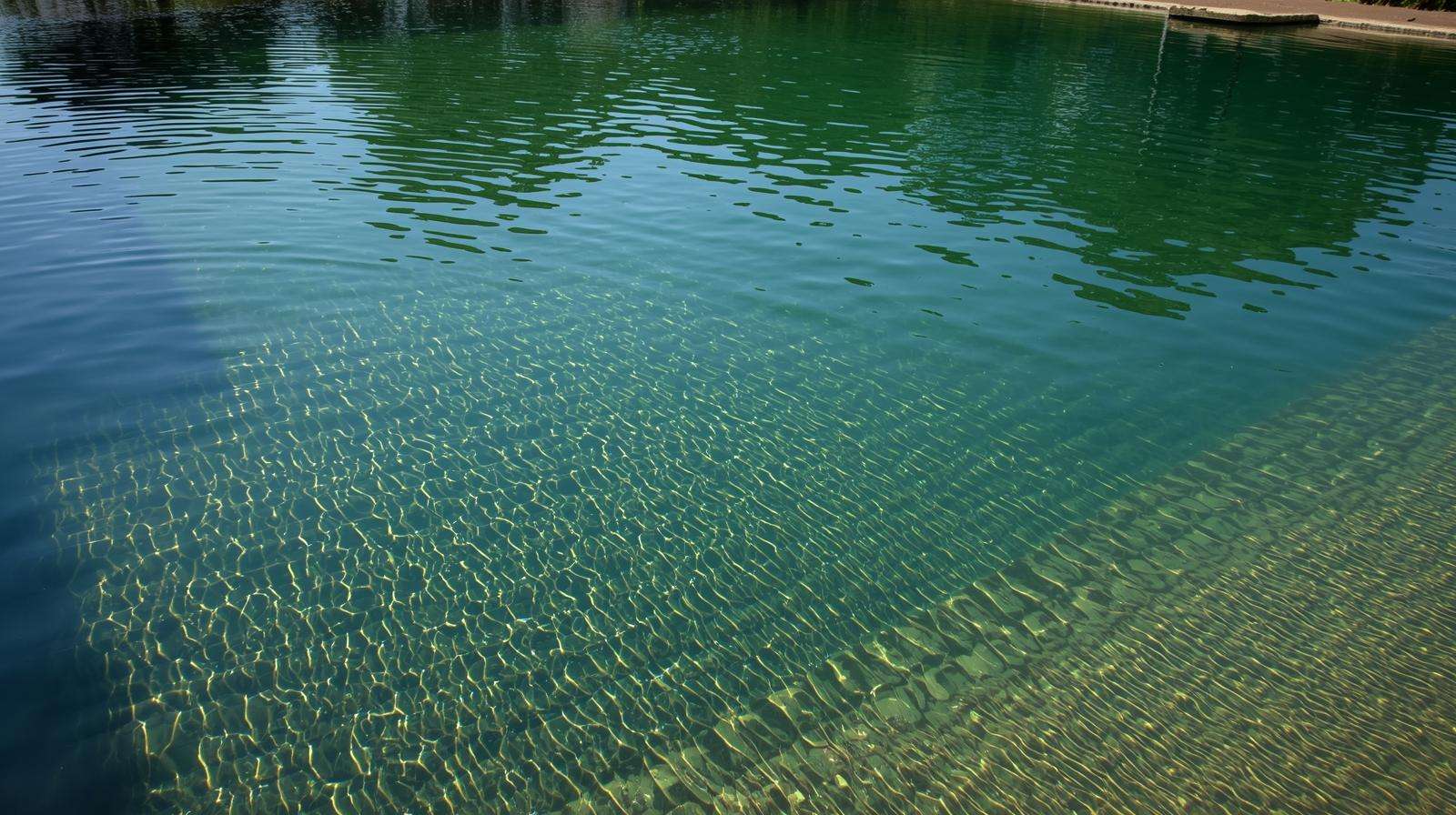
Depth matters—but shape matters more.
Best practices include:
-
Minimum depth of 12–18 inches
-
Sloped bottoms toward a drain
-
No flat areas where sludge can settle
-
Rounded or oval shapes to improve circulation
Avoid shallow, flat-bottom ponds—they become sludge traps.
Location and Site Selection
Where you place the pond is as important as how you build it.
Ideal placement:
-
Slightly downhill from clean areas
-
Away from feeders and housing
-
Partial sun, partial shade
-
Not in a natural runoff path
Poor placement guarantees muddy inflow no matter how good the design is.
Pond Layout Designs That Reduce Mud and Waste
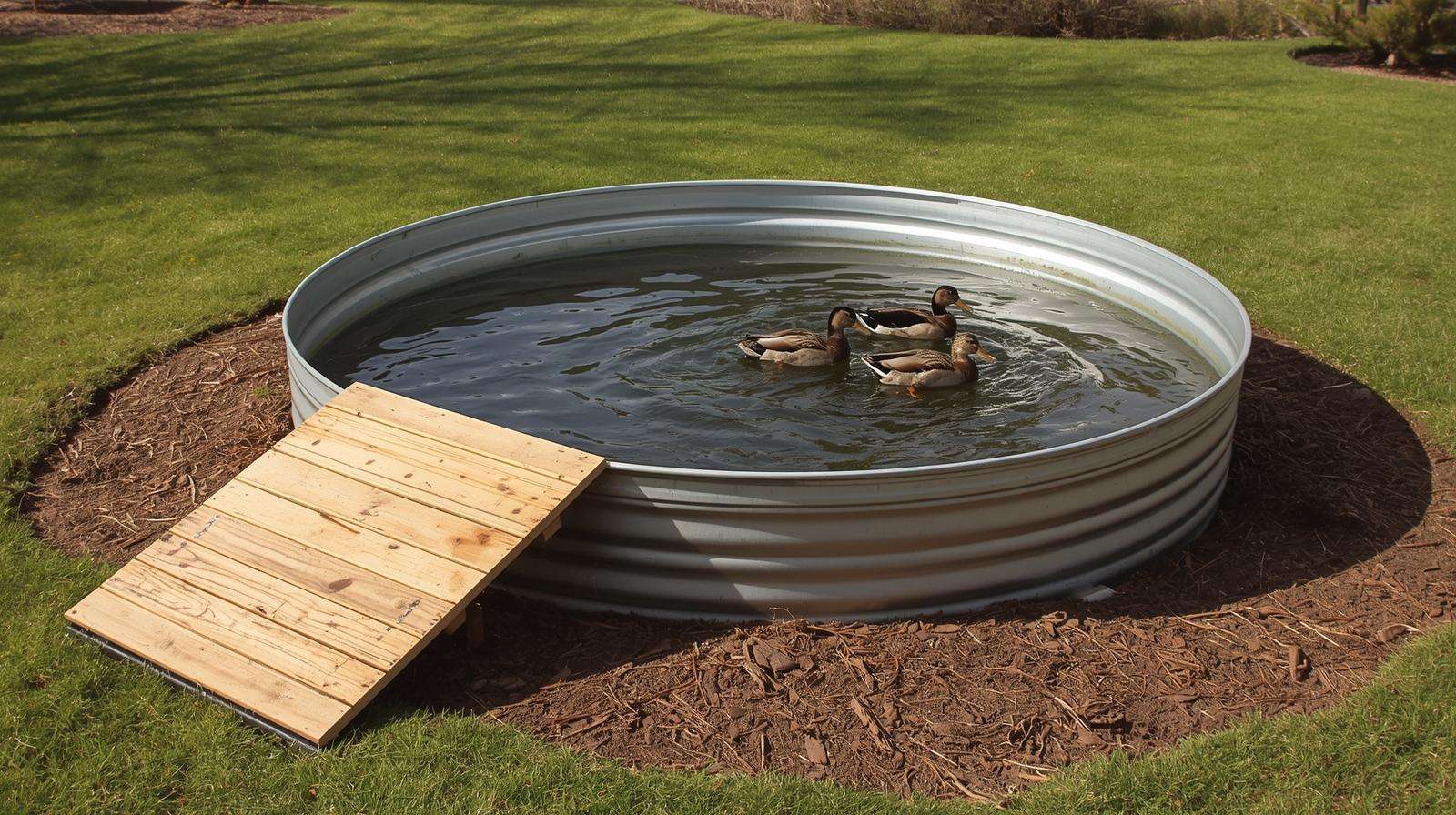
Layout determines whether waste accumulates—or leaves.
Raised Ponds vs. In-Ground Ponds
Raised ponds
-
Easier to drain
-
Better for small spaces
-
Reduce mud entry
-
Ideal for backyard flocks
In-ground ponds
-
More natural
-
Higher capacity
-
Require excellent drainage planning
For most small-scale keepers, raised ponds stay cleaner with less effort.
Overflow and Drainage Systems
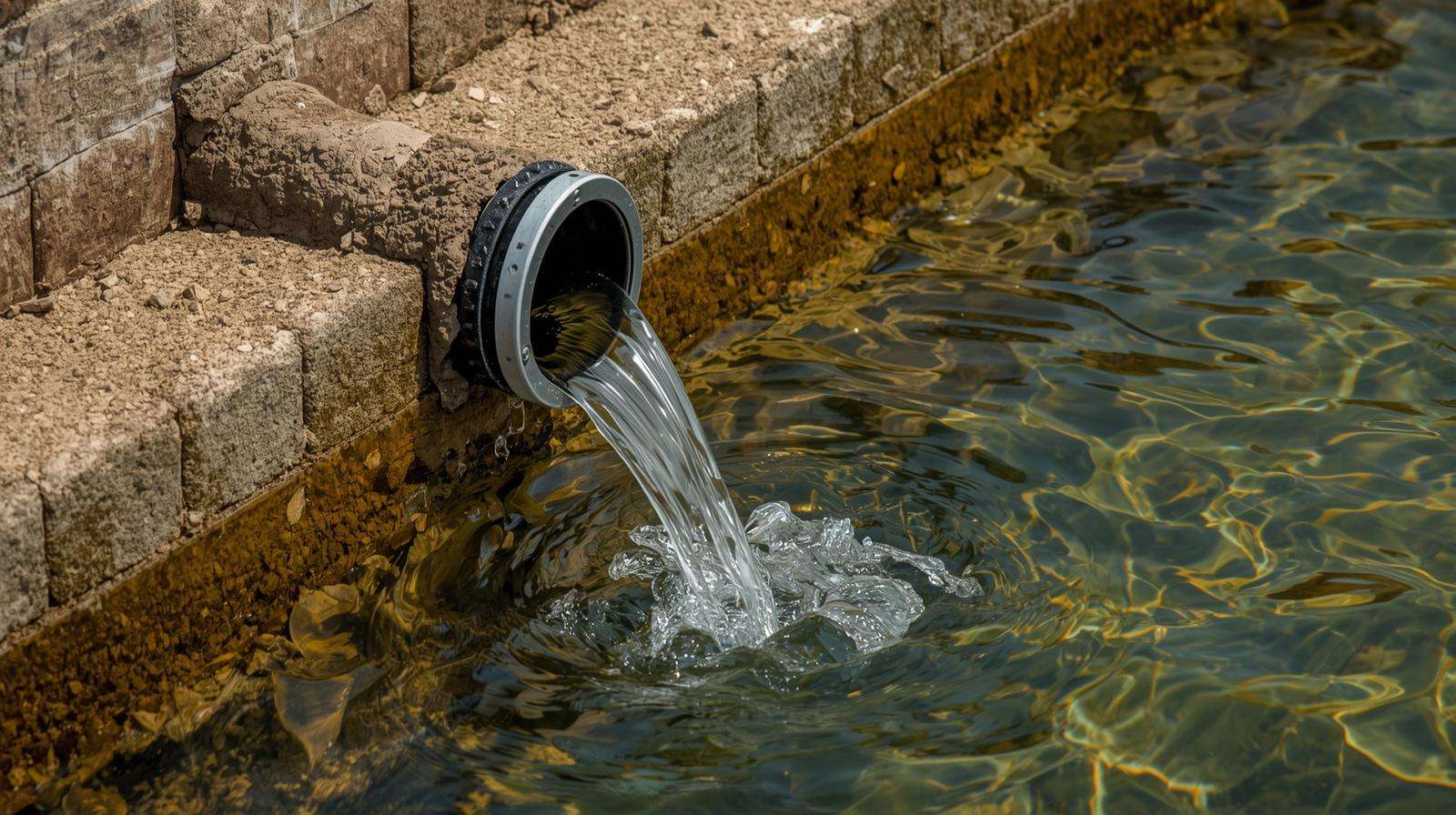
Every clean duck pond has a way to empty itself.
Effective drainage options:
-
Bottom drains with valves
-
Standpipe overflows
-
Gravity-fed outlets
-
Sloped floors toward exit points
If water can’t leave easily, waste won’t either.
Multi-Zone Pond Layouts
The cleanest designs separate functions.
Zones may include:
-
Entry ramp zone (most dirt enters here)
-
Deep swimming zone
-
Drainage collection zone
By directing ducks where to enter and exit, you control where sediment accumulates.
Filtration and Water Movement Options for Cleaner Duck Ponds
Filtration doesn’t need to be complex—but it must be intentional.
Mechanical Filtration Solutions
Mechanical filtration removes solids before they break down.
Examples:
-
Settling chambers
-
Gravel pre-filters
-
Screened intakes
Even simple DIY filters dramatically extend water clarity.
Biological Filtration and Natural Systems
Biological filtration uses beneficial bacteria to break down waste.
Options include:
-
Biofilter boxes
-
Gravel beds
-
Planted wetland zones
These systems reduce odor and improve water stability without chemicals.
Water Circulation and Aeration
Moving water stays cleaner longer.
Benefits of circulation:
-
Prevents stagnation
-
Reduces anaerobic bacteria
-
Improves oxygen levels
Gravity flow is often more reliable and quieter than pumps—especially for homesteads.
Using Plants and Natural Features to Keep Duck Ponds Cleaner
Plants are powerful allies when used correctly.
Best Plants for Duck Ponds
Duck-tolerant plants include:
-
Cattails (protected zones)
-
Rushes
-
Water iris
-
Pickerelweed
Plants help:
-
Absorb nutrients
-
Stabilize edges
-
Improve water clarity
Gravel Beds, Reed Zones, and Bio-Swales
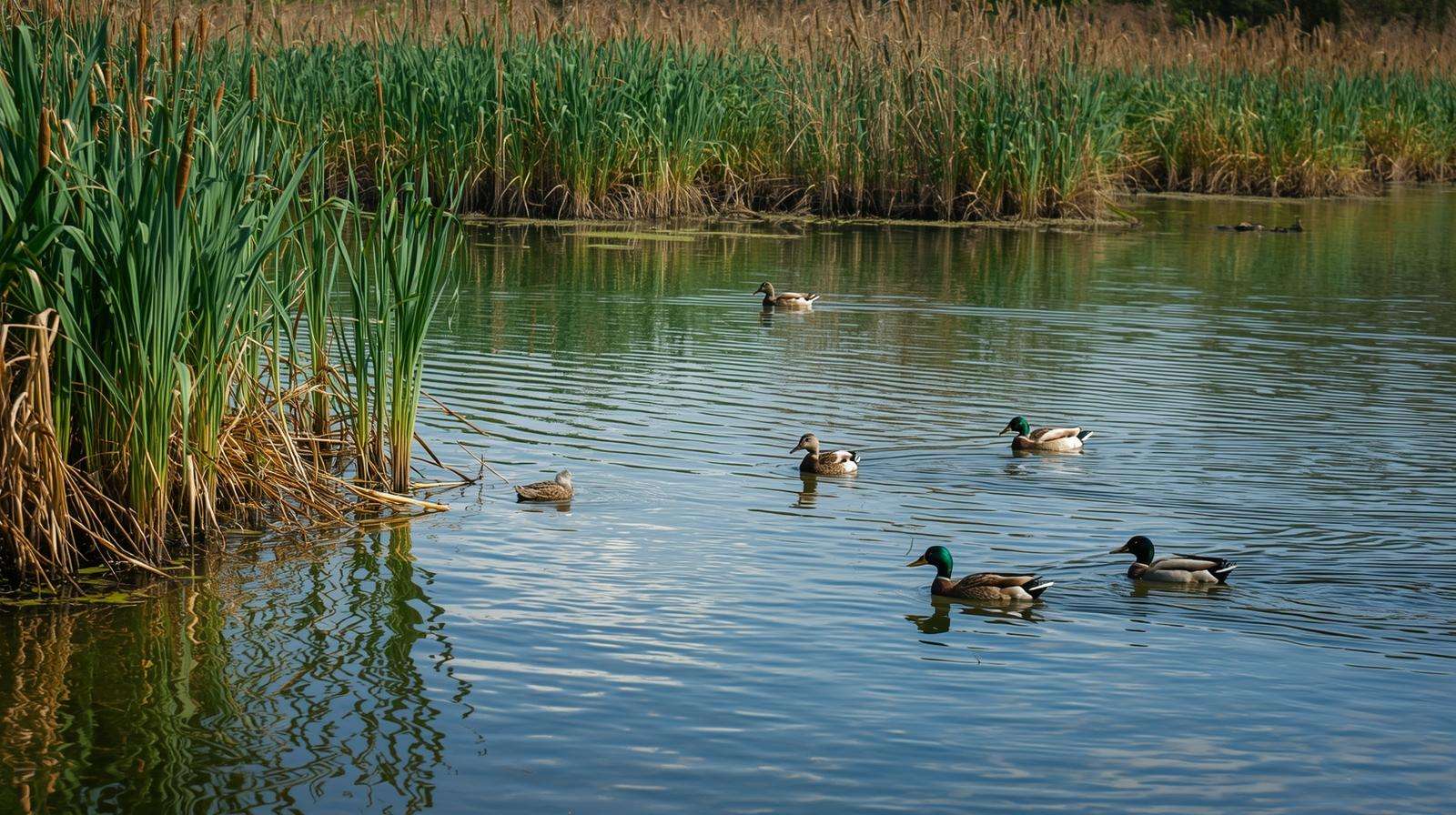
Natural filtration systems slow water and trap sediment.
Key principles:
-
Water must flow through the system
-
Gravel size matters
-
Plants need protection from ducks
These systems work best as pre-filters or overflow areas.
What Plants and Materials to Avoid
Avoid:
-
Toxic plants
-
Soft-rooted species ducks uproot
-
Decorative gravel that traps waste
-
Wood materials that rot underwater
Poor material choices increase maintenance.
Managing Ducks to Support a Cleaner Pond
Even perfect design can be undermined by poor duck management.
Feeding Strategies That Reduce Water Contamination
The fastest way to ruin a pond is feeding near it.
Best practices:
-
Feed on dry ground
-
Use trays or feeders
-
Keep feed at least 10–15 feet from water
Ducks rinse food instinctively—don’t give them the chance.
Limiting Duck Access Strategically
Unlimited access isn’t always ideal.
Options include:
-
Time-restricted access
-
Seasonal pond use
-
Multiple smaller water features
Strategic access reduces load without stressing ducks.
Duck Density and Behavioral Management
Overcrowding accelerates every problem.
Warning signs:
-
Constant muddy banks
-
Rapid odor buildup
-
Frequent water changes needed
Sometimes the solution isn’t redesign—it’s fewer ducks.
Maintenance Strategies for Long-Term Clean Duck Ponds
Even the best-designed pond still requires maintenance—but good design turns constant cleaning into simple, predictable upkeep.
Routine Cleaning and Inspection
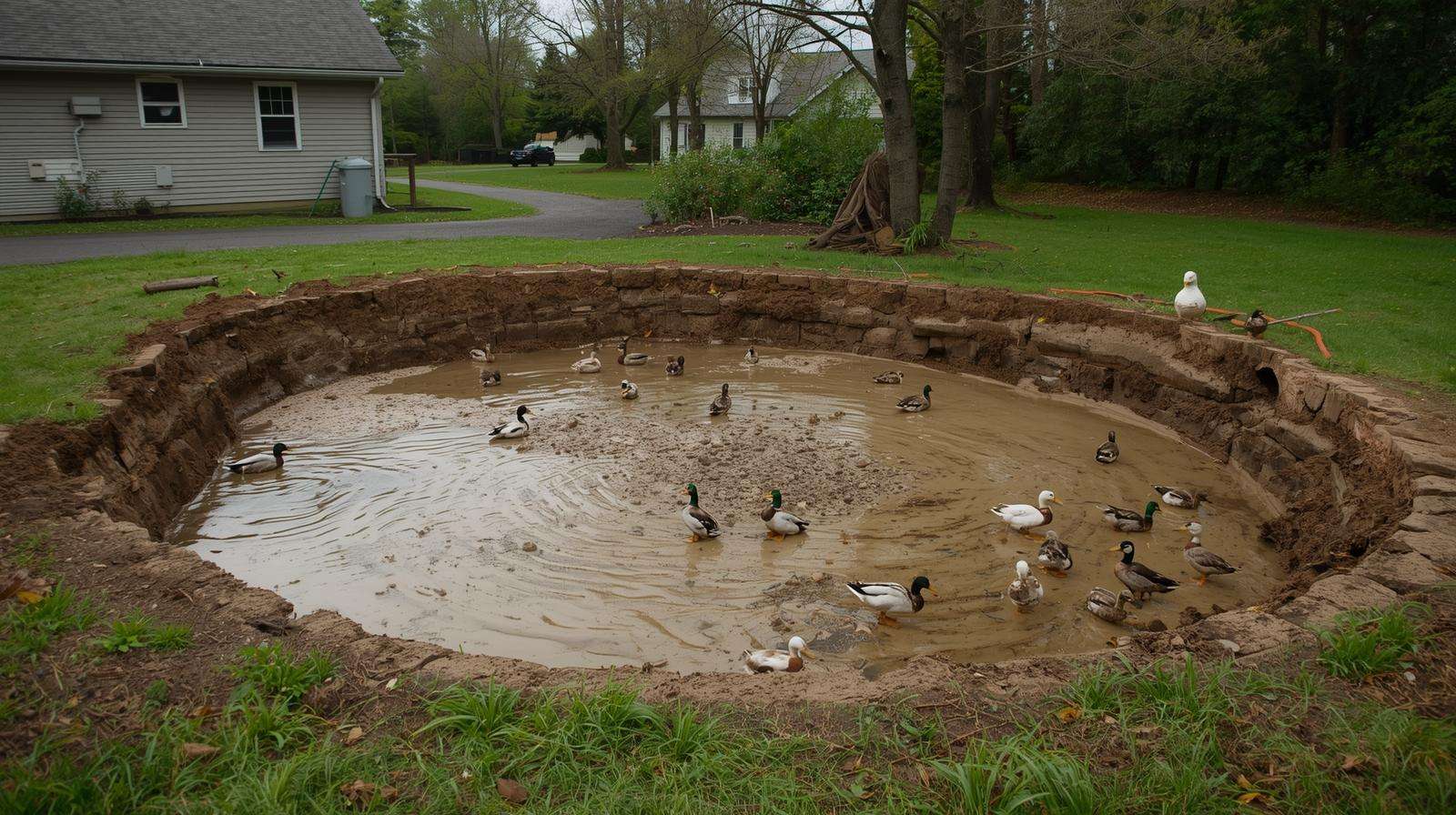
A well-designed duck pond should not require daily intervention.
Weekly tasks
-
Visual inspection of water clarity
-
Check drains, standpipes, or outlets
-
Remove visible debris near entry points
Monthly tasks
-
Flush sediment via drain
-
Rinse mechanical filters
-
Inspect pond edges for erosion
If maintenance feels overwhelming, it usually indicates a design imbalance, not neglect.
Seasonal Maintenance Considerations
Spring
-
Increased organic runoff
-
Inspect filtration after winter
-
Gradually reintroduce full duck access
Summer
-
Monitor algae growth
-
Increase circulation and shade
-
Watch for heat stress and stagnant water
Fall
-
Remove fallen leaves
-
Prepare drainage for heavy rain
Winter
-
Maintain access to unfrozen water
-
Reduce pond size if needed
-
Avoid breaking ice aggressively (can stress ducks)
Seasonal adjustments keep ponds functional year-round.
Water Quality Monitoring Basics
You don’t need lab tests to detect trouble.
Watch for:
-
Persistent odor
-
Sudden color changes
-
Sluggish duck behavior
-
Foam or surface scum
Healthy duck ponds smell earthy—not sour or rotten.
Budget-Friendly Duck Pond Designs That Stay Cleaner
Clean ponds don’t require expensive materials—just smart planning.
Low-Cost DIY Pond Options
Effective low-budget options include:
-
Heavy-duty stock tanks
-
Repurposed IBC totes
-
Rubber-lined frames
-
Concrete mixing tubs (small flocks)
Key upgrades that matter:
-
Drain installation
-
Elevated placement
-
Sloped flooring
A simple stock tank with a drain often outperforms complex in-ground ponds.
Cost vs. Longevity Trade-Offs
Spend money on:
-
Drainage
-
Structural stability
-
Safe materials
Save money on:
-
Decorative features
-
Non-essential liners
-
Overpowered pumps
A durable, simple pond stays cleaner longer than an elaborate one built poorly.
Real-World Examples of Clean Duck Pond Designs
Backyard Duck Keeper Case Study
A backyard keeper with 6 ducks installed:
-
A raised 150-gallon stock tank
-
Bottom drain with hose outlet
-
Gravel entry ramp
-
Feed station 20 feet away
Results:
-
Water changes every 10–14 days instead of daily
-
No odor complaints
-
Healthier feathers and feet
The key improvement was elevated placement and drainage, not filtration.
Homestead or Small Farm Setup
A small farm with 25 ducks built:
-
A gravity-fed in-ground pond
-
Sloped bottom toward reed-filter overflow
-
Restricted access during wet seasons
Results:
-
Clearer water
-
Reduced algae
-
Less parasite pressure
The system relied on gravity, plants, and rotation, not electricity.
Lessons Learned From Practical Experience
Across clean systems, the same lessons repeat:
-
Plan drainage before digging
-
Separate feeding from swimming
-
Design for cleaning on day one
-
Let gravity do the work whenever possible
Experience consistently beats complexity.
Common Mistakes That Make Duck Ponds Harder to Keep Clean
Avoid these common pitfalls:
-
Building ponds without drains
-
Placing ponds downhill from muddy runs
-
Overcrowding ducks
-
Relying on water changes alone
-
Ignoring early odor and clarity warnings
Most failures happen because design decisions were made after problems appeared.
Expert Tips for Designing Duck Ponds That Stay Cleaner
From experienced duck keepers and water management specialists:
-
Think like water, not like a duck
-
If waste can leave easily, water stays cleaner
-
Bigger ponds are easier to manage than tiny ones
-
Gravity beats pumps every time
-
Simple designs outperform decorative ones
Clean ponds are engineered—not hoped for.
Frequently Asked Questions (FAQs)
How often should duck pond water be changed?
With proper design, every 1–3 weeks instead of daily.
Can duck ponds be filtered like fish ponds?
Yes, but duck waste requires stronger mechanical filtration.
Is moving water better for ducks?
Yes—circulation reduces bacteria and odor.
Are liners better than concrete or dirt?
Liners with drainage offer the best balance for most keepers.
Can ducks share ponds with fish?
Generally no—duck waste overwhelms fish systems.
Final Thoughts: Designing a Duck Pond That Works With Nature, Not Against It
Clean duck ponds aren’t about fighting ducks—they’re about respecting how water moves and waste behaves. Designing Duck Ponds That Stay Cleaner means thinking ahead, choosing gravity over force, and creating systems that naturally shed contamination instead of trapping it.
When designed correctly, duck ponds:
-
Stay cleaner longer
-
Smell better
-
Reduce disease risk
-
Improve duck health and productivity
-
Save time and frustration
Start simple. Design for drainage. Observe and adjust.
A pond that works with your ducks will always outperform one that tries to control them.