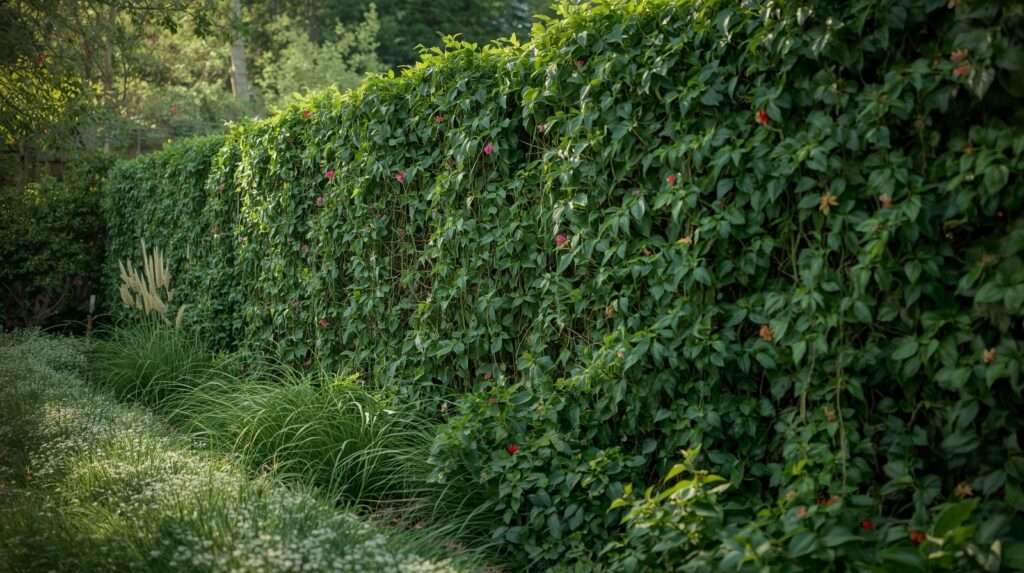
What if a single farming practice could protect your crops, reduce wind damage, improve soil health, increase biodiversity, lower long-term costs, and enhance farm privacy—all at the same time?
For many farmers and landowners today, that solution already exists, growing quietly along field boundaries and farm edges. Living fences and privacy buffers are no longer just traditional practices or aesthetic choices—they are strategic agricultural tools for resilience, productivity, and sustainability.
In an era of unpredictable weather, rising input costs, land-use conflicts, and increasing environmental pressure, living fences and privacy buffers offer a nature-based, cost-effective alternative to conventional fencing and artificial barriers. When designed and managed correctly, they serve as windbreaks, crop protectors, natural boundaries, and ecological corridors—while also adding long-term value to agricultural land.
This comprehensive guide draws on practical field experience, agroforestry principles, and proven agricultural science to help you understand, design, establish, and manage living fences and privacy buffers effectively. Whether you are a smallholder farmer, commercial producer, or sustainable agriculture practitioner, this article will give you clear, actionable guidance you can trust.
What Are Living Fences and Privacy Buffers?
Before exploring how to establish them, it’s essential to understand what these systems are—and how they function within agricultural landscapes.
Living Fences Explained
A living fence is a boundary made of living plants—such as trees, shrubs, bushes, or grasses—planted closely together to form a continuous barrier. Unlike conventional fences made of wire, wood, or concrete, living fences grow stronger over time rather than deteriorating.
Living fences are commonly used to:
-
Mark farm or field boundaries
-
Control livestock movement
-
Protect crops from wind and erosion
-
Reduce trespassing by animals or people
-
Integrate trees into farming systems
In many regions, living fences are also known as hedgerows, green fences, bio-fences, or vegetative barriers.
What Are Privacy Buffers in Agriculture?
A privacy buffer is a planted strip of vegetation designed primarily to:
-
Block visibility from roads, neighboring properties, or public areas
-
Reduce noise, dust, and chemical drift
-
Create visual separation between farming operations and surrounding land uses
Privacy buffers often use dense, multi-layered planting (trees + shrubs + groundcover) to maximize coverage and effectiveness.
Living Fences vs. Privacy Buffers: Key Differences and Overlaps
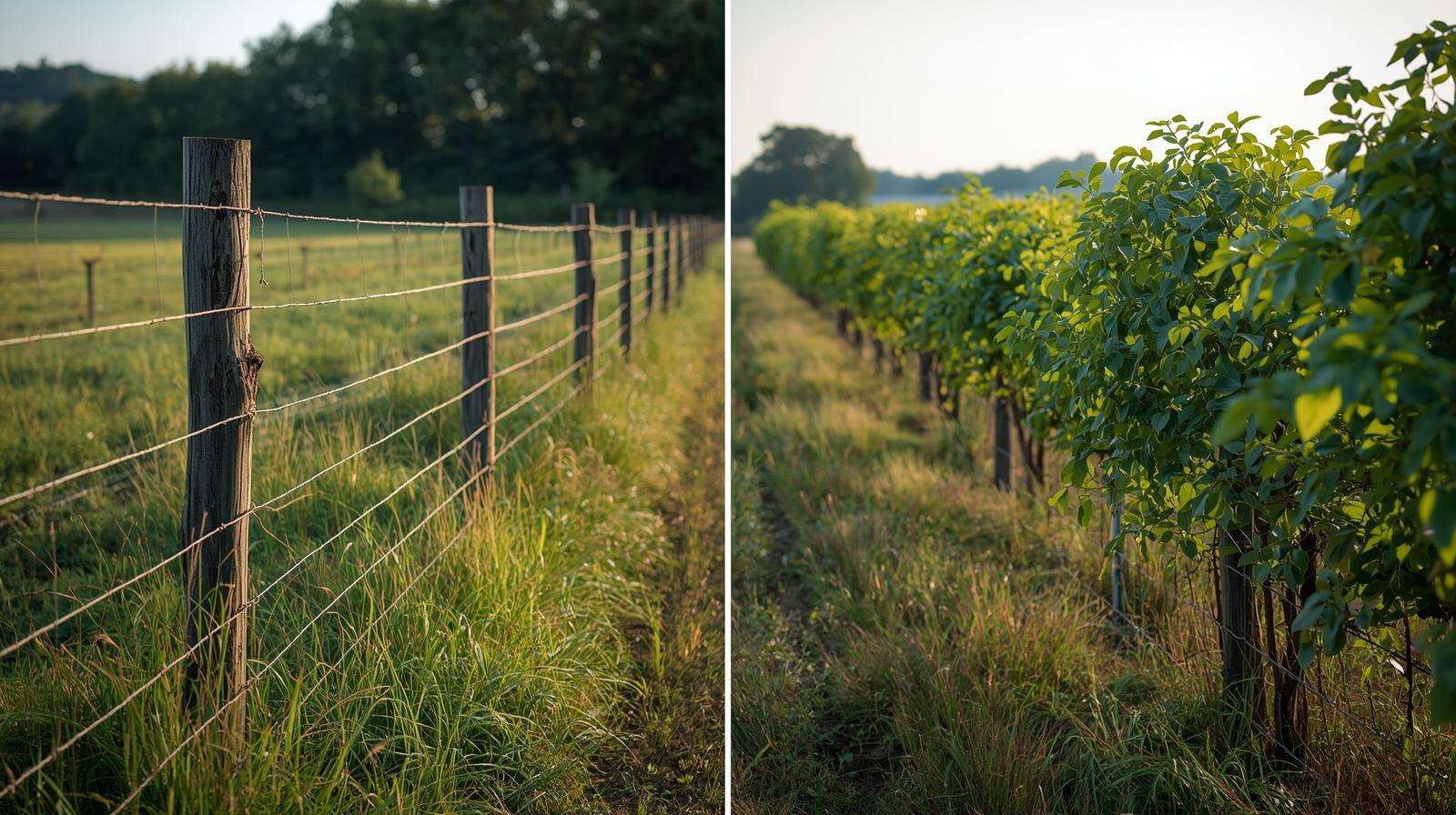
While the two terms are sometimes used interchangeably, they serve slightly different purposes:
-
Living fences focus on boundary definition and physical protection
-
Privacy buffers focus on visual screening and environmental buffering
In practice, a well-designed living fence often functions as both, delivering protection, privacy, and ecological benefits simultaneously.
Why Living Fences and Privacy Buffers Matter for Farm Productivity and Sustainability
Living fences are not just about boundaries—they directly influence farm performance.
Crop Protection and Yield Stability
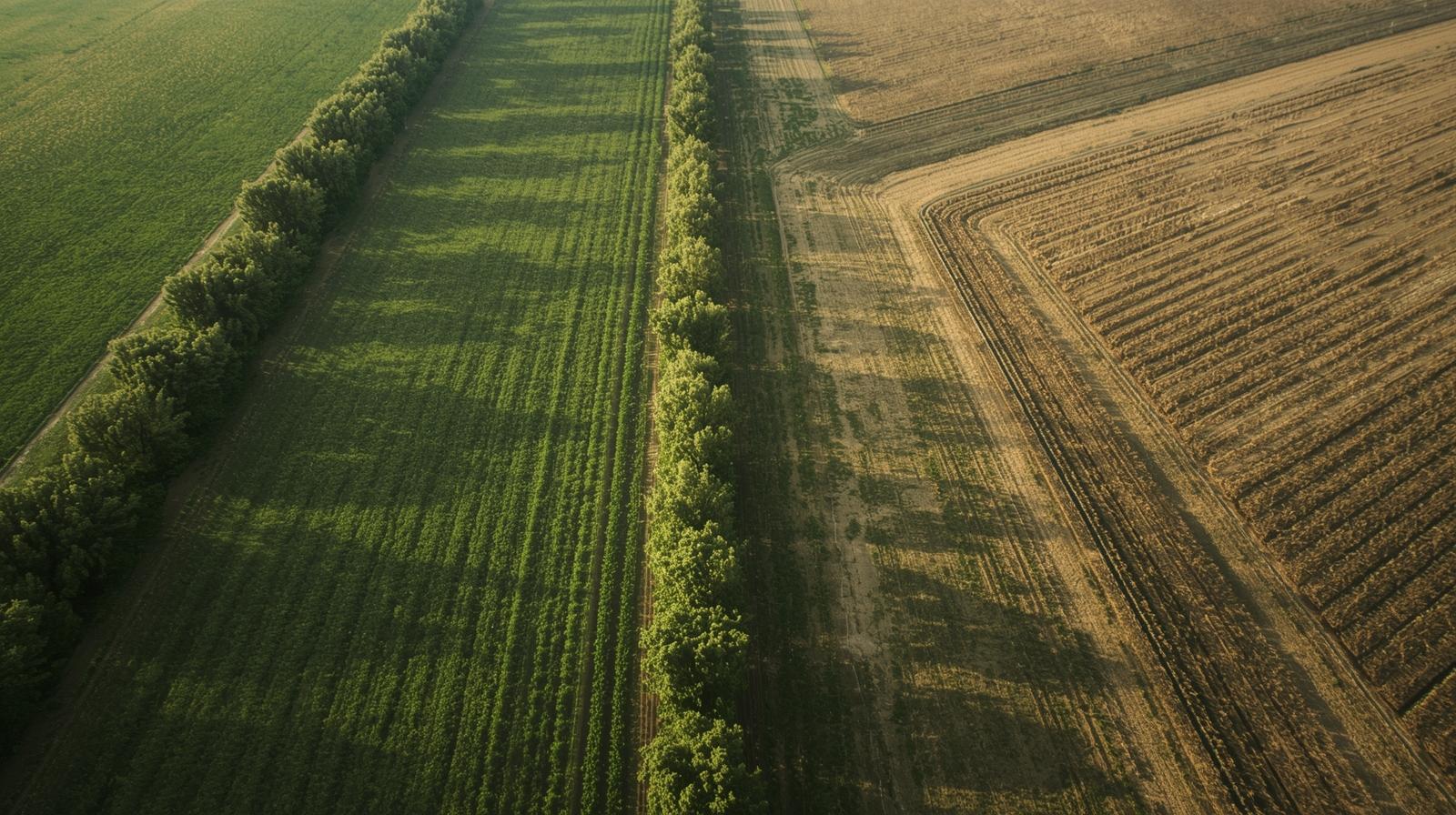
One of the most well-documented benefits of living fences and privacy buffers is their role as windbreaks.
Properly designed vegetative barriers:
-
Reduce wind speed across fields
-
Prevent crop lodging
-
Minimize moisture loss from soil
-
Reduce physical damage to leaves, flowers, and fruits
Research and on-farm experience consistently show that protected fields often experience more stable yields, especially in wind-prone regions.
Soil Health and Erosion Control
Strong winds and heavy rainfall can strip topsoil from exposed fields. Living fences help:
-
Slow wind at ground level
-
Trap airborne soil particles
-
Reduce surface runoff
-
Improve water infiltration
Over time, this leads to better soil structure, higher organic matter, and improved nutrient retention—key indicators of long-term farm productivity.
Environmental and Ecological Benefits
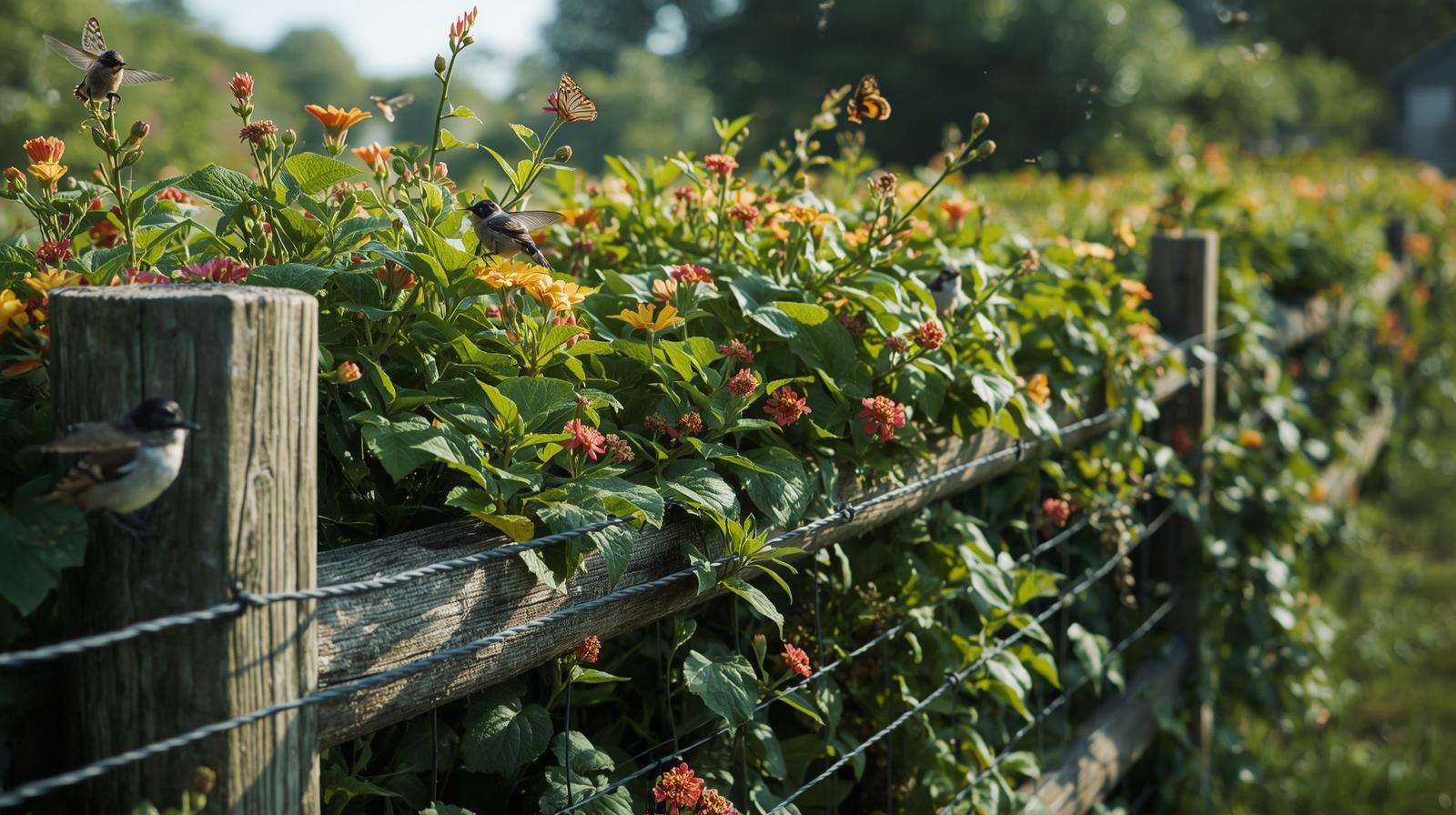
Living fences and privacy buffers play a vital role in agricultural ecosystems:
-
Provide habitat for pollinators and beneficial insects
-
Support birds that help control crop pests
-
Act as wildlife corridors between fragmented habitats
-
Increase on-farm biodiversity
These ecological services reduce reliance on chemical inputs and support integrated pest management (IPM) strategies.
Economic Advantages for Farmers
Although living fences require planning and initial investment, they are economically sound over the long term:
-
Reduced spending on fence repairs and replacements
-
Lower wind-related crop losses
-
Potential income from fodder, fruits, timber, or fuelwood
-
Increased land value and farm aesthetics
For many farmers, living fences become productive assets, not just boundaries.
Best Plants for Living Fences and Privacy Buffers
Plant selection determines whether a living fence succeeds or fails. The best systems combine functionality, adaptability, and local suitability.
Fast-Growing Species for Quick Results
Fast-growing plants are ideal when immediate protection or privacy is needed. Common characteristics include:
-
Rapid height gain
-
Dense branching
-
High survival rates
Examples (depending on region) may include:
-
Bamboo species
-
Leucaena
-
Gliricidia
-
Certain willow or poplar varieties
Expert tip: Fast growth should be balanced with structural strength to avoid weak, breakage-prone fences.
Multi-Purpose Species for Farm Integration
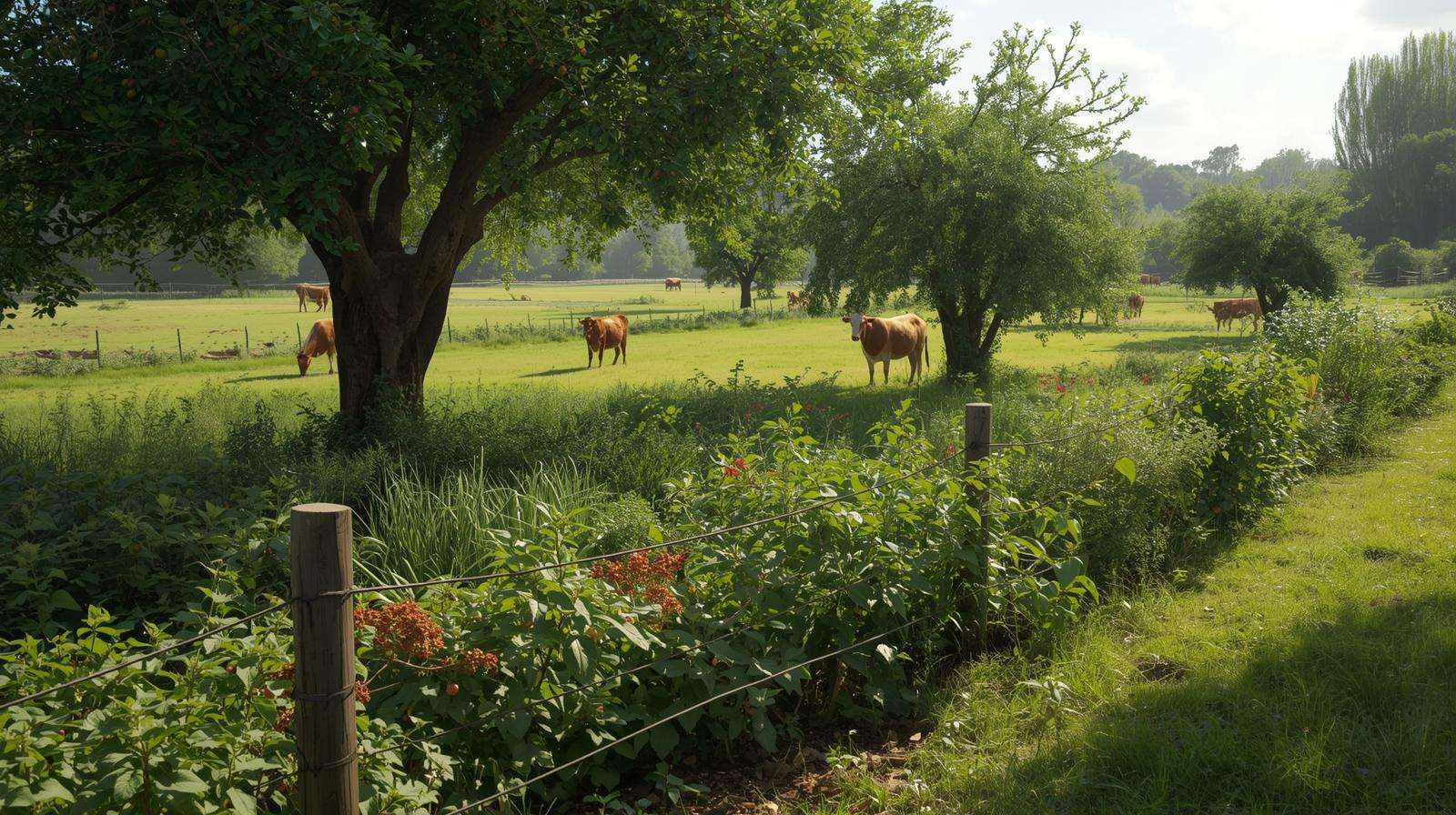
The most effective living fences provide multiple benefits beyond boundary protection:
-
Nitrogen-fixing trees that improve soil fertility
-
Fodder-producing shrubs for livestock
-
Fruit or nut trees for supplemental income
-
Medicinal or fuelwood species
This multifunctional approach aligns with agroforestry and regenerative agriculture principles.
Thorny and Dense Species for Security and Livestock Control
Where animal intrusion or trespassing is a concern, thorny plants offer a natural deterrent:
-
Dense growth habits prevent passage
-
Reduced need for wire or electric fencing
-
Long-term durability
However, proper placement is essential to avoid injury to livestock or farm workers.
Climate-Specific and Native Species Selection
Choosing plants adapted to local conditions is critical:
-
Native species establish faster and require less maintenance
-
Climate-adapted plants resist pests, drought, and disease
-
Local species support native wildlife and pollinators
A successful living fence always reflects local ecology and farming realities, not generic plant lists.
How to Design an Effective Living Fence or Privacy Buffer
Design determines performance. Poorly planned fences often fail to deliver expected benefits.
Site Assessment and Planning
Before planting, evaluate:
-
Soil type and drainage
-
Prevailing wind direction
-
Rainfall patterns
-
Sun exposure
-
Existing farm layout
Living fences should be positioned to intercept wind, protect vulnerable crops, and avoid shading productive fields.
Single-Row vs. Multi-Row Designs
-
Single-row fences require less space and are easier to manage
-
Multi-row buffers provide superior wind reduction, privacy, and biodiversity
Multi-row designs are especially effective for privacy buffers and high-wind areas.
Spacing, Height, and Density Considerations
Optimal spacing ensures:
-
Strong root development
-
Adequate airflow without turbulence
-
Long-term structural stability
A general rule: denser is not always better. Controlled spacing creates more effective wind reduction than overcrowding.
Step-by-Step Guide to Establishing Living Fences and Privacy Buffers
Successful living fences and privacy buffers are not accidental. They result from careful preparation, correct planting techniques, and early-stage management. This section provides a practical, field-tested approach that farmers can confidently follow.
Land Preparation and Soil Improvement
Strong living fences begin below the surface.
Key preparation steps include:
-
Clearing weeds, invasive species, and debris along the fence line
-
Loosening compacted soil to encourage deep root growth
-
Incorporating compost or well-decomposed manure to improve soil fertility
-
Conducting a basic soil test to identify pH or nutrient limitations
Healthy soil accelerates establishment, improves plant survival, and reduces long-term maintenance needs.
Expert insight: Living fences planted in poor, compacted soil often fail not because of species choice, but due to insufficient soil preparation.
Choosing Planting Material: Seedlings vs. Cuttings
The choice between seedlings and cuttings depends on species and local conditions.
Seedlings
-
Higher initial survival rates
-
Better root system development
-
Ideal for long-term fences
Cuttings
-
Faster and cheaper to establish
-
Suitable for species that root easily (e.g., Gliricidia, willow)
-
Require careful moisture management
Where possible, locally sourced planting material performs better and adapts faster.
Planting Techniques for High Survival Rates
To ensure success:
-
Plant at the onset of the rainy season
-
Dig planting holes wide enough for root expansion
-
Avoid burying stems too deep
-
Firm soil gently around roots to remove air pockets
For multi-row privacy buffers, stagger plants between rows to create maximum density without competition.
Early Care During the Establishment Phase
The first 6–12 months determine long-term success.
Essential early-care practices:
-
Regular watering during dry periods
-
Protecting young plants from grazing animals
-
Replacing dead plants promptly to maintain continuity
Once established, living fences require significantly less input than conventional fencing systems.
Maintenance and Long-Term Management of Living Fences
A living fence is a dynamic system. Proper management keeps it functional, healthy, and productive.
Pruning and Training for Strength and Shape
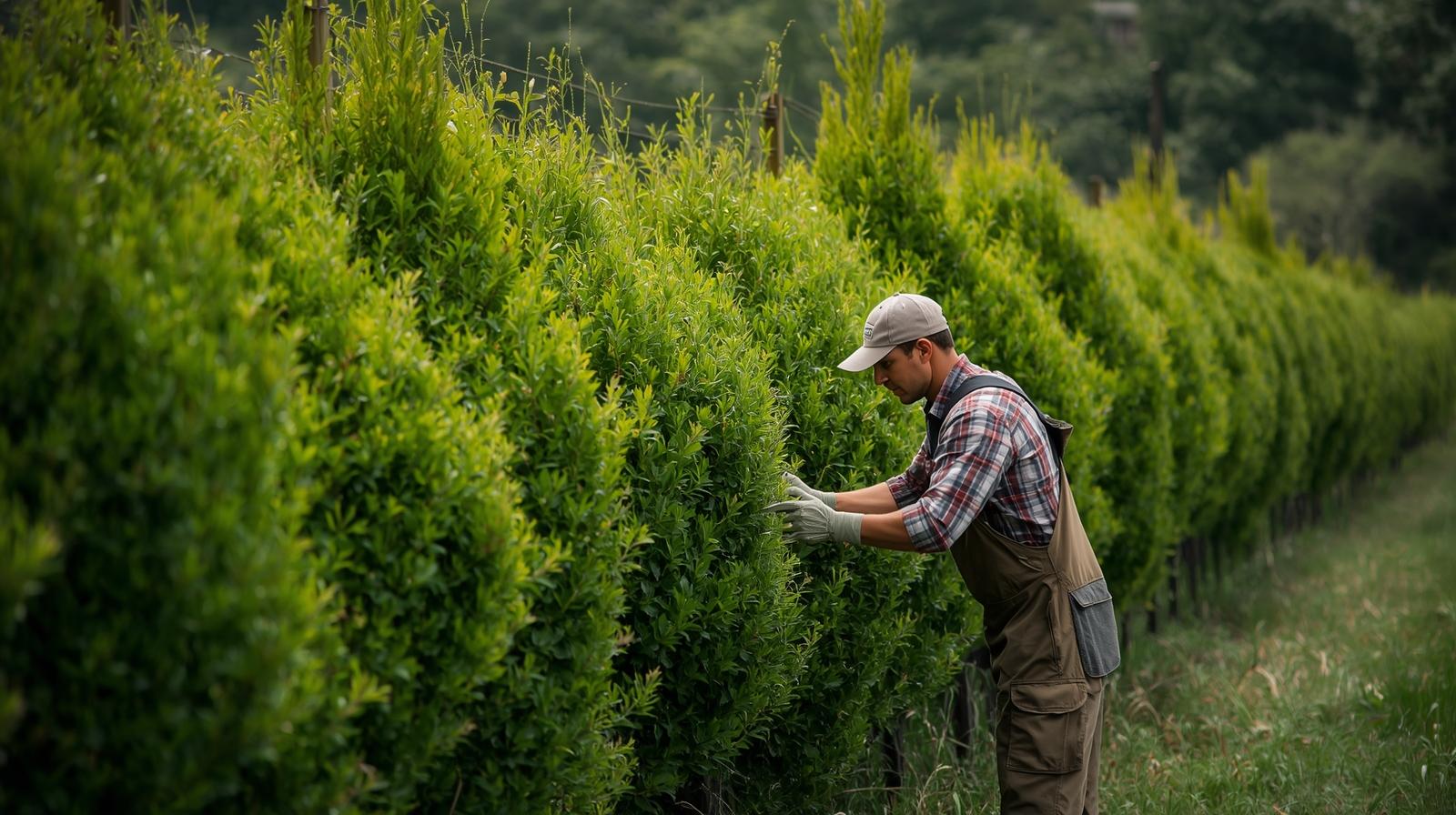
Regular pruning:
-
Encourages branching and density
-
Prevents excessive shading of crops
-
Maintains desired height and width
Training plants to grow upright or interwoven increases fence strength and longevity.
Best practice: Light, frequent pruning is more effective than heavy, infrequent cutting.
Managing Pests, Diseases, and Invasive Growth
Healthy living fences rarely suffer major pest problems, but monitoring is essential.
Recommended approaches:
-
Encourage natural predators (birds, beneficial insects)
-
Remove diseased branches early
-
Avoid monoculture planting to reduce pest buildup
-
Use integrated pest management (IPM) principles rather than chemicals
Diverse species plantings are more resilient and self-regulating.
Rejuvenation and Replacement Strategies
Over time, some plants may decline or lose effectiveness.
Rejuvenation techniques include:
-
Coppicing or pollarding suitable species
-
Replanting gaps to maintain continuity
-
Introducing new species to enhance diversity
A well-managed living fence can remain effective for decades, unlike conventional fences that require frequent replacement.
Common Mistakes Farmers Make (And How to Avoid Them)
Even well-intentioned farmers can encounter problems when establishing living fences and privacy buffers.
Poor Species Selection
-
Choosing non-adapted or invasive species
-
Ignoring local climate and soil conditions
Solution: Prioritize native or well-adapted multipurpose plants.
Incorrect Spacing and Layout
-
Overcrowding that leads to weak growth
-
Spacing too wide, reducing effectiveness
Solution: Follow recommended spacing and consider future growth.
Neglecting Early Management
-
Assuming living fences are “plant and forget”
-
Allowing weeds or grazing to damage young plants
Solution: Focus attention during the first year for long-term success.
Ignoring Legal and Boundary Considerations
-
Planting beyond property lines
-
Causing disputes with neighbors
Solution: Confirm boundaries and local regulations before planting.
Real-World Applications and Field-Based Insights
Living fences and privacy buffers succeed across diverse farming systems.
Smallholder Farms
-
Provide low-cost crop protection
-
Supply fodder and fuelwood
-
Improve farm privacy and security
Commercial and Large-Scale Agriculture
-
Function as windbreaks for high-value crops
-
Reduce spray drift and dust
-
Improve operational efficiency
Agroforestry and Regenerative Systems
-
Integrate trees with crops and livestock
-
Enhance resilience to climate extremes
-
Support long-term soil and ecosystem health
Across scales, the principle remains the same: living fences are investments, not expenses.
Living Fences and Privacy Buffers in Climate-Smart Agriculture
Climate-smart agriculture emphasizes practices that:
-
Increase productivity
-
Enhance resilience
-
Reduce environmental impact
Living fences and privacy buffers align perfectly with these goals by:
-
Sequestering carbon in woody biomass
-
Reducing wind and heat stress on crops
-
Supporting biodiversity and ecosystem services
They are increasingly recognized as essential components of sustainable land management.
Frequently Asked Questions (FAQs)
How long does a living fence take to become effective?
Most living fences provide partial benefits within 1–2 years, with full effectiveness in 3–5 years depending on species and management.
Can living fences replace conventional fencing completely?
In many cases, yes—especially for boundary definition, wind protection, and livestock control. Some systems combine both for added security.
Are living fences expensive to establish?
Initial costs vary, but long-term expenses are significantly lower than wire or wooden fences due to reduced maintenance and replacement needs.
Do living fences attract pests or wildlife problems?
When designed properly, they attract beneficial species rather than pests. Diversity is key to balance.
Are living fences legally recognized as boundaries?
This depends on local regulations. Farmers should verify boundary laws before establishment.
Expert Tips for Maximizing Living Fence Performance
-
Combine fast-growing and long-lived species
-
Use staggered planting for rapid coverage
-
Align fences with prevailing winds
-
Integrate fences into whole-farm planning
-
Monitor and adapt management over time
These strategies turn simple fences into high-performing agricultural assets.
Conclusion: Why Living Fences and Privacy Buffers Are a Smart Agricultural Investment
Living fences and privacy buffers represent one of the most practical, affordable, and sustainable solutions available to modern farmers. They protect crops, enhance privacy, stabilize yields, improve soil health, and strengthen farm resilience—all while working with nature rather than against it.
When thoughtfully designed and well-managed, living fences become long-term infrastructure that delivers value year after year. In a future shaped by climate uncertainty and rising costs, they are not just optional additions—but essential components of smart, forward-looking agriculture.