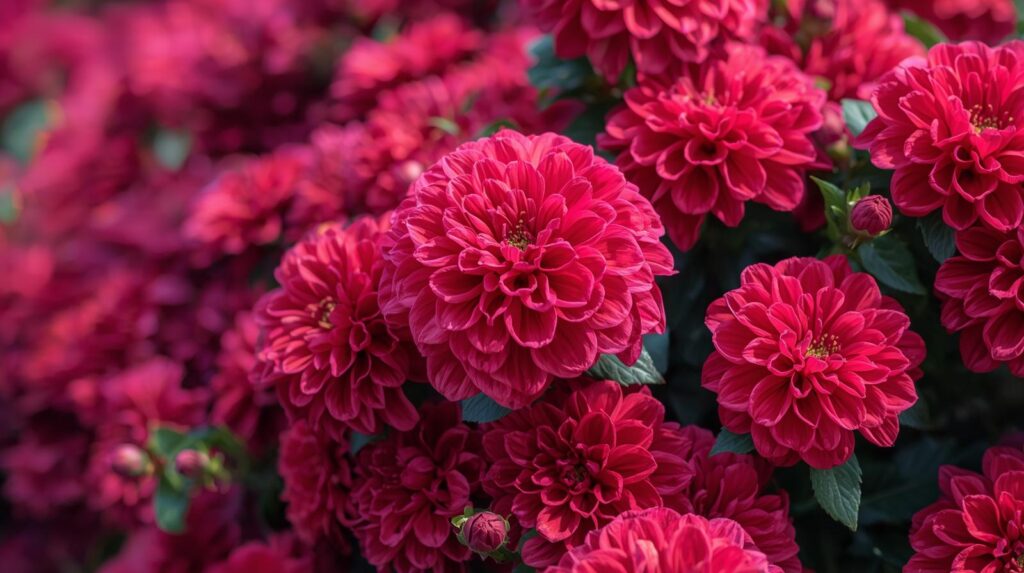
Have you ever watched your favorite flowering plants stretch tall and leggy, producing just a handful of blooms at the very top while the lower stems remain bare? It’s a common frustration for gardeners—plants that look sparse and unbalanced instead of lush and overflowing with color. The secret to transforming them lies in light pruning for bushier flowers, a gentle yet powerful technique that redirects energy to create multiple side shoots, resulting in denser foliage and dramatically more blooms.
In this comprehensive guide, we’ll dive deep into light pruning for bushier flowers, exploring the science behind it, step-by-step methods like pinching and tipping, the best plants to apply it to, optimal timing, tools, and expert tips to avoid common pitfalls. Whether you’re growing annual bedding plants, perennials, or shrubs, mastering this approach will help you achieve fuller, healthier plants that burst with flowers all season long.
Understanding Apical Dominance: The Science Behind Bushier Growth
At the heart of light pruning for bushier flowers is a natural plant hormone called auxin, produced primarily in the apical meristem (the growing tip of the stem). This hormone promotes vertical growth while suppressing lateral (side) buds—a phenomenon known as apical dominance.

When you remove the tip through light pruning—often called pinching, tipping, or tip pruning—you eliminate the main source of auxin. Dormant buds along the stem quickly activate, producing multiple side shoots. These branches not only make the plant bushier but also create more sites for flower buds, leading to prolific blooming.
Research from horticultural experts, including those at the Royal Horticultural Society (RHS) and university extensions, confirms that this method can increase flower production by 50-100% in responsive plants. It’s especially effective for herbaceous annuals, perennials, and some shrubs, turning single-stemmed seedlings into compact, floriferous mounds.

Key Techniques in Light Pruning
Light pruning encompasses several non-invasive methods ideal for encouraging bushiness without stressing the plant.
1. Pinching
The simplest and most common form—use your thumb and forefinger (or clean snips for thicker stems) to remove the soft, new growth tip just above a leaf node.
- Best for young, herbaceous growth.
- Encourages 2-4 new shoots per pinch.

2. Tipping or Tip Pruning
Similar to pinching but often done with shears on slightly woodier stems; cut back the top 1-3 inches.
3. Deadheading
Remove spent flowers to prevent seed formation, redirecting energy to new growth and blooms.
4. Light Shearing
For dense plants like alyssum or lavender, lightly shear the top layer after the first bloom flush for a second wave.
These techniques differ from heavy pruning (removing large branches), which is better for structural shaping or rejuvenation.

Best Plants for Light Pruning to Achieve Bushier Flowers
Not all plants respond equally to light pruning for bushier flowers. Some thrive with regular pinching, while others may suffer if pruned incorrectly. Here’s a curated list of top responders, grouped by type:
Annual Bedding Plants (Highly Responsive)
-
Petunias & Wave Petunias — Pinching early seedlings produces trailing, flower-covered mounds.
-
Snapdragons (Antirrhinum) — Tipping young plants encourages branching for taller, fuller spikes.
-
Zinnias — Regular pinching yields stockier plants with more cut flowers.
-
Marigolds — French marigolds become denser and bloom longer.
-
Cosmos — Prevents legginess and doubles flower count.
-
Salvia (annual types) — Creates compact, colorful displays.
Perennials (Moderate to High Response)
-
Chrysanthemums (Garden Mums) — The classic “Chelsea chop” (cutting back by half in late spring) delays and extends fall blooming.
-
Asters — Pinching until mid-summer prevents flopping and increases blooms.
-
Phlox paniculata — Early tipping produces bushier clumps.
-
Sedum (upright varieties) — Light pinch in spring for sturdier, fuller growth.
-
Coreopsis — Deadheading and occasional tipping prolongs bloom time.
Herbaceous Foliage Plants Grown for Color
-
Coleus — Vigorous pinching keeps them compact and brightly colored.
-
Fuchsia — Regular tipping creates hanging baskets overflowing with flowers.
Flowering Shrubs (Selective Light Pruning)
-
Hydrangea paniculata & arborescens — Tip pruning young growth encourages more panicles.
-
Buddleja (Butterfly Bush) — Light summer tipping on new growth promotes additional blooms.
Optimal Timing for Light Pruning
Timing is critical when practicing light pruning for bushier flowers. Prune too early or too late, and you risk reducing blooms or stressing the plant. General guidelines based on plant growth stages and seasons:
For Annuals (Started from Seed or Transplants)
-
Seedlings/Young Plants: Begin pinching when plants have 4–6 sets of true leaves (usually 4–8 inches tall). This early intervention sets the foundation for bushy structure.
-
Throughout Growing Season: Continue pinching new growth every 2–4 weeks until 6–8 weeks before your first expected frost. Stopping early allows flower buds to form and mature.
For Perennials
-
Spring/Early Summer: Perform the bulk of pinching or the “Chelsea chop” (cutting back by one-third to half) in late spring (May–June in most zones) for fall-blooming perennials like asters and mums.
-
Mid-Summer Cutoff: Stop pinching by mid-July (Northern Hemisphere) to avoid delaying blooms into frost.
For Flowering Shrubs
-
New Growth Phase: Lightly tip prune immediately after the spring growth flush (usually June–July) on shrubs that bloom on new wood (e.g., panicle hydrangeas, butterfly bush).
-
Post-Bloom: Shear or deadhead right after the first flower wave to encourage a second flush.
Regional note: Adjust dates based on your USDA hardiness zone. In warmer climates (zones 9–11), you can extend pruning later into summer.

Step-by-Step Guide: How to Perform Light Pruning Correctly
Follow this foolproof process to achieve maximum bushiness and flowering:
-
Assess the Plant
Identify the apical tip (soft new growth at the stem end) and locate healthy leaf nodes below it. -
Choose Your Tool
-
Fingers for soft stems (pinching).
-
Clean, sharp bypass pruners or snips for thicker growth.
-
-
Make the Cut
-
Pinch or cut just above a leaf node (the point where leaves emerge), leaving ¼ inch of stem.
-
Angle the cut 45 degrees away from the bud to prevent water pooling.
-
-
Repeat Strategically
-
For uniform shape, pinch all main stems to the same height.
-
For natural look, stagger cuts slightly.
-
-
Aftercare
-
Water lightly if dry.
-
Apply a balanced liquid fertilizer 1–2 weeks later to fuel new growth.
-
-
Monitor and Repeat
Watch for new side shoots (usually within 7–14 days) and pinch those if further branching is desired.
Step-by-step visual guide to pinching technique
Essential Tools and Maintenance
Invest in quality tools for clean cuts that minimize disease transmission:
-
Hand Pruners → Felco or Corona bypass pruners (sharp, ergonomic).
-
Snips → Micro-tip snips for precise pinching on delicate stems.
-
Gloves → Lightweight nitrile for grip and protection.
-
Disinfectant → 70% isopropyl alcohol or 10% bleach solution—wipe tools between plants.
Always clean and sharpen tools regularly to prevent tearing stems, which invites pathogens.
Common Mistakes to Avoid
Even experienced gardeners make these errors:
-
Pruning Too Late — Delays or eliminates blooming.
-
Cutting Below Nodes — Reduces potential branching points.
-
Over-Pruning — Removing more than 20–30% at once stresses plants.
-
Ignoring Plant Type — Pinching old-wood bloomers removes next year’s flowers.
-
Dirty Tools — Spreads viruses like mosaic or impatiens necrotic spot.
Advanced Tips from Professional Growers
-
Staggered Pinching: Pinch half the stems early and the rest 2 weeks later for extended bloom period.
-
Root Pruning for Containers: Lightly score roots when repotting to encourage bushier tops.
-
Growth Regulators: Some commercial growers use natural PGRs (e.g., seaweed extracts) post-pruning for enhanced branching.
-
Photoperiod Control: For greenhouse growers, short-day treatments combined with pinching maximize mums and poinsettias.
Frequently Asked Questions
How often should I pinch my plants for bushier growth?
Most annuals benefit from pinching every 2–3 weeks during active growth. Stop 6–8 weeks before frost.
Will light pruning delay flowering?
Yes, slightly (1–3 weeks), but the trade-off is significantly more flowers over a longer period.
Can I pinch plants that are already flowering?
Focus on deadheading instead. Pinching flowering stems removes developing buds.
What if my plant is already leggy?
Cut back harder (up to 50%) in spring/early summer for rejuvenation—most responsive plants recover quickly.
Is pinching the same as the Chelsea chop?
The Chelsea chop is a specific heavy version (cutting back by half) done around late May (Chelsea Flower Show time) on late-summer perennials.
Light pruning for bushier flowers is one of the simplest, most effective techniques in a gardener’s toolkit. By understanding apical dominance and applying gentle pinching, tipping, and deadheading at the right times, you can transform leggy, sparse plants into compact, bloom-laden beauties that steal the show in any garden.
Start small—pick one responsive plant like coleus or petunias this season, practice the technique, and watch the results. Once you see the explosion of side shoots and flowers, you’ll apply this method across your entire garden. Healthier, fuller plants with double (or triple) the blooms are within reach—no fancy equipment or chemicals required.
Happy pruning, and enjoy the abundant, colorful rewards!