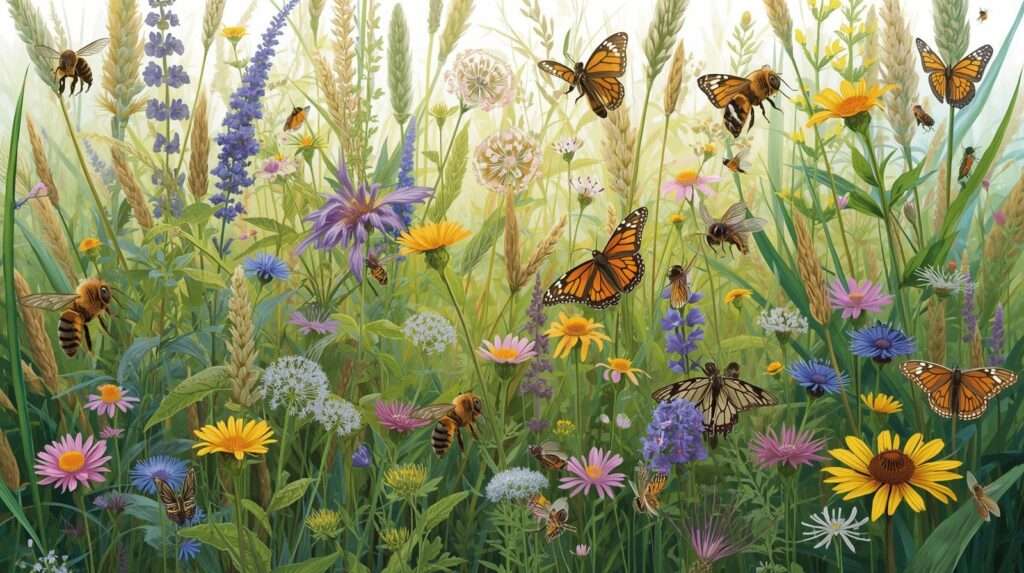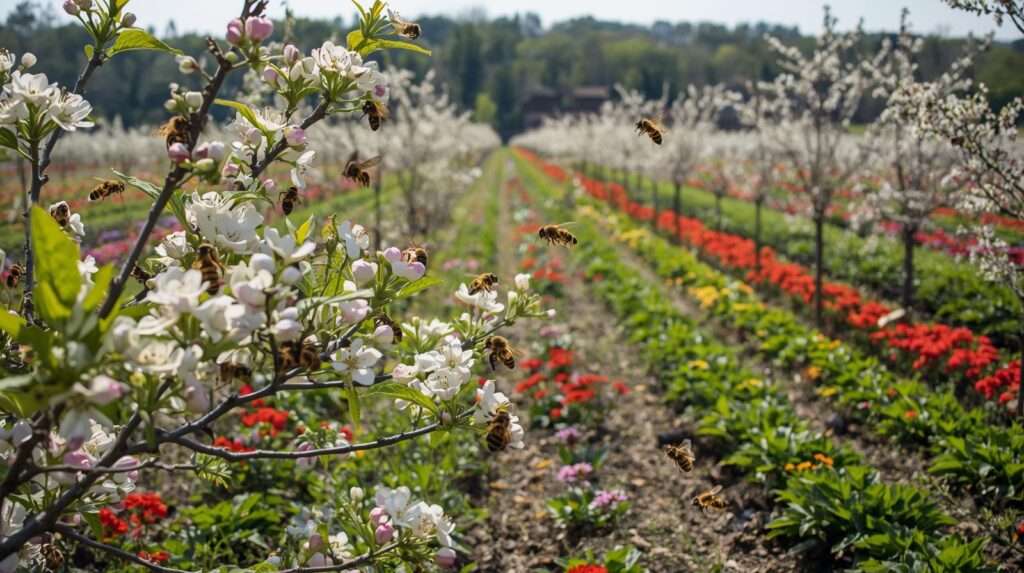
Imagine losing up to 70% of your honey bee colonies in a single year—a grim reality facing U.S. beekeepers in 2025, with projected commercial losses reaching 60-70%. This isn’t just a crisis for bees; it’s a direct threat to your farm’s bottom line. Pollinator safety is no longer optional—it’s essential for safeguarding the insects responsible for one in every three bites of food we eat and contributing over $34 billion annually to U.S. agriculture through enhanced crop yields and quality.
As farmers grapple with declining pollinator populations driven by habitat loss, pesticides, diseases, and climate change, proactive measures can reverse the trend. This comprehensive guide, drawing from the latest 2025 data from USDA, EPA, Xerces Society, and peer-reviewed studies, equips you with proven best practices to enhance pollinator safety on your operation. Not only will these strategies protect bees and other pollinators, but they can boost your yields by 20-60% in pollinator-dependent crops like almonds, apples, berries, and pumpkins—turning conservation into profitability.
Why Pollinator Safety Matters for Farmers
The Critical Role of Pollinators in Agriculture
Pollinators—primarily bees, but also butterflies, moths, flies, beetles, birds, and bats—provide an irreplaceable service. Over 100 U.S. crops rely on animal pollination, including high-value specialties like almonds (nearly 100% dependent) and blueberries. According to USDA estimates, pollinators add more than $34 billion in economic value to American agriculture each year, with wild and managed bees contributing equally in many systems.
Native wild bees often outperform honey bees in efficiency for certain crops, providing “insurance” against honey bee shortages. In 2025, with managed colony losses hitting record highs, diverse pollinator communities are more vital than ever for resilient production.
Current Threats to Pollinators from Farming Practices
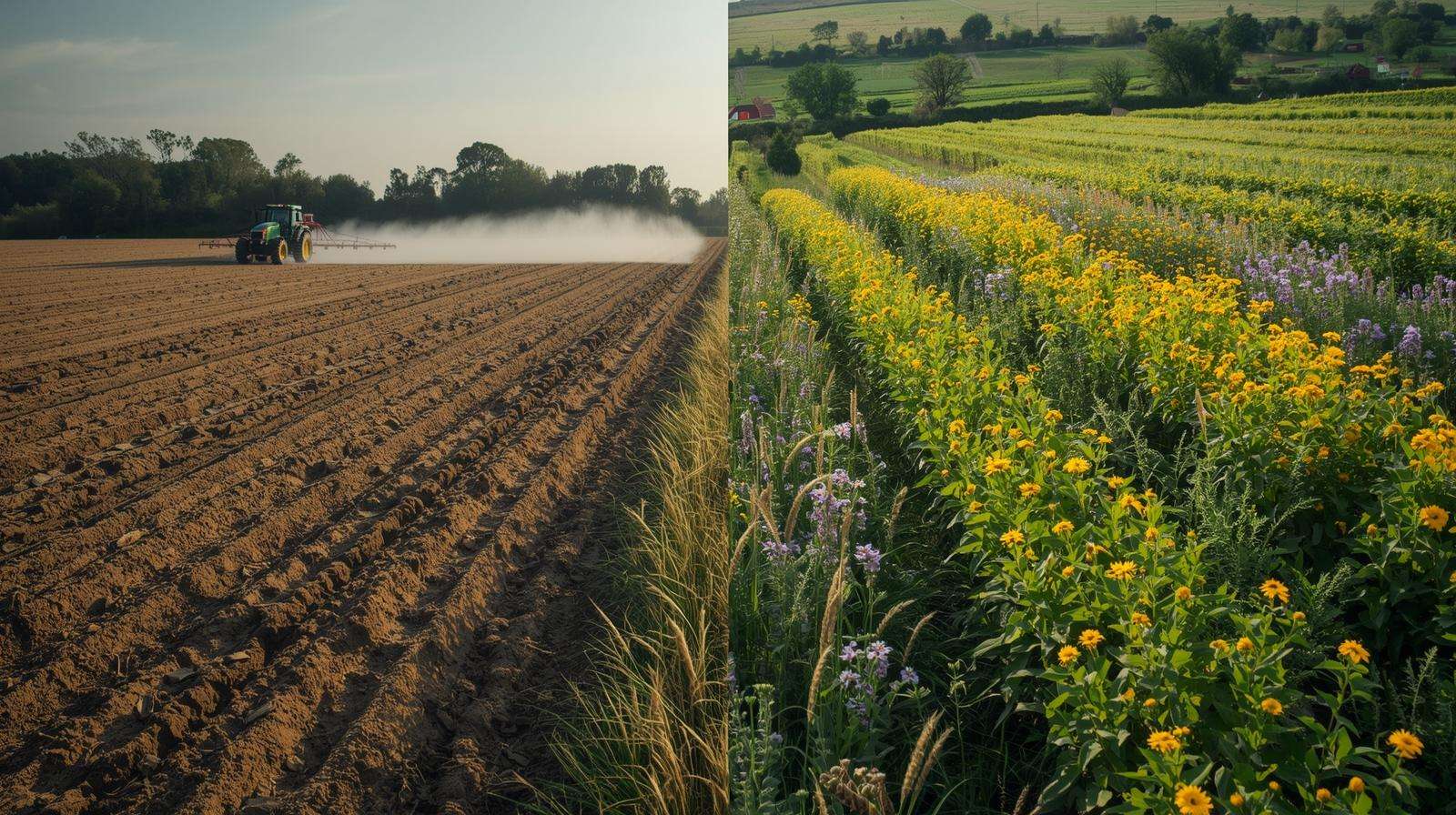
Pollinator populations are declining rapidly. NatureServe’s 2025 assessment found over 22% of North American native pollinators at elevated extinction risk, with bees particularly affected (34.7% at risk). Key farming-related threats include:
- Pesticide exposure: Neonicotinoids and other systemic insecticides remain a top concern, linked to sublethal effects and colony declines.
- Habitat fragmentation: Intensive monoculture reduces forage and nesting sites.
- Parasites and diseases: Varroa mites exacerbate losses in managed hives.
- Climate variability: Shifting bloom times disrupt synchrony with pollinators.
These factors interact: poor nutrition from habitat loss makes bees more susceptible to pesticides and pathogens.
Benefits of Prioritizing Pollinator Safety
Farms supporting diverse pollinators see tangible gains. Studies show proximity to natural habitat reduces yield gaps by up to 63% in pollinator-dependent crops. Additional benefits include:
- Natural pest control from beneficial insects.
- Improved soil health and water quality.
- Reduced rental costs for managed hives.
- Access to premium markets for “pollinator-friendly” produce.
Prioritizing pollinator safety isn’t a sacrifice—it’s a smart investment yielding higher returns and farm resilience.
Developing a Pollinator Management Plan (PMP)
What Is a Pollinator Management Plan?
A Pollinator Management Plan (PMP) is a customized roadmap integrating pollinator safety into your farm operations. Recommended by USDA and Xerces Society, it aligns with Integrated Pest Management (IPM) to minimize risks while maximizing benefits.
Steps to Create Your Farm’s PMP
- Assess current conditions: Map existing habitat, forage availability, nesting sites, and pesticide risks.
- Set measurable goals: e.g., Increase native bee abundance by 20% or reduce high-risk pesticide use by 50%.
- Identify practices: Incorporate habitat enhancements and safe pest management.
- Implement and monitor: Track progress with simple tools like bee bowls or yield comparisons.
- Coordinate with beekeepers: If renting hives, share plans to avoid exposure.
Real-world examples from Midwest orchards show PMPs leading to reduced hive rentals and 15-30% yield boosts through stronger wild pollinator populations.

Best Practices for Pesticide Use and Pollinator Safety
Understanding Pesticide Risks to Pollinators
Pesticides remain a major threat to pollinator safety, particularly systemic insecticides like neonicotinoids (e.g., imidacloprid, clothianidin). These chemicals persist in pollen and nectar, causing sublethal effects such as impaired foraging, navigation, and immune function. In 2025, while the EPA has imposed restrictions (e.g., prohibiting certain applications during bloom and requiring bee advisory labels), neonics are still widely used in agriculture, with state-level bans expanding (e.g., California’s 2025 retail restrictions).
Other high-risk products include organophosphates and pyrethroids during foraging hours. Dust from treated seeds can drift, exposing bees far from application sites
To minimize risks:
-
Select low-risk options: Use EPA’s bee toxicity ratings and UC IPM guidelines—prioritize products with low residual toxicity (RT25 <2 hours).
-
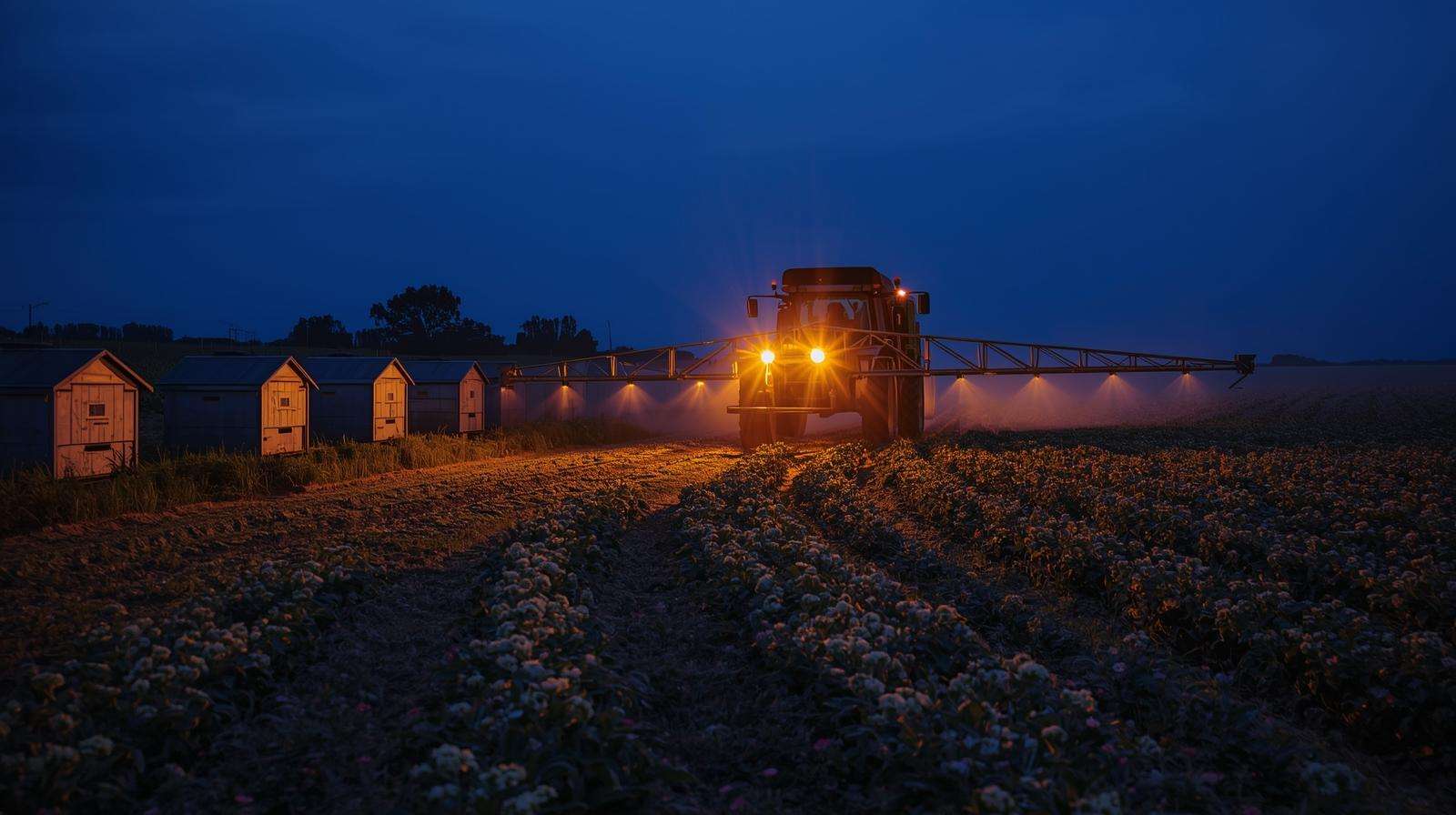
Time applications correctly: Apply in late evening or night when bees aren’t foraging; avoid days with temperatures <55°F (bees fly less).
-
Reduce drift and dust: Use deflectors on planters, wet seed treatments, and calibrated sprayers with coarse droplets.
-
Create buffers: Maintain 20-50 foot untreated strips around habitat.
-
Follow labels: All new registrations require pollinator-protective language.
Expert Tip: Integrate cultural controls (e.g., resistant varieties) and rotate modes of action to delay resistance while protecting beneficials.
Creating and Enhancing Pollinator Habitat on Farms
Key Elements of Effective Habitat
Quality habitat provides year-round forage, nesting, and shelter. Essential components:
-
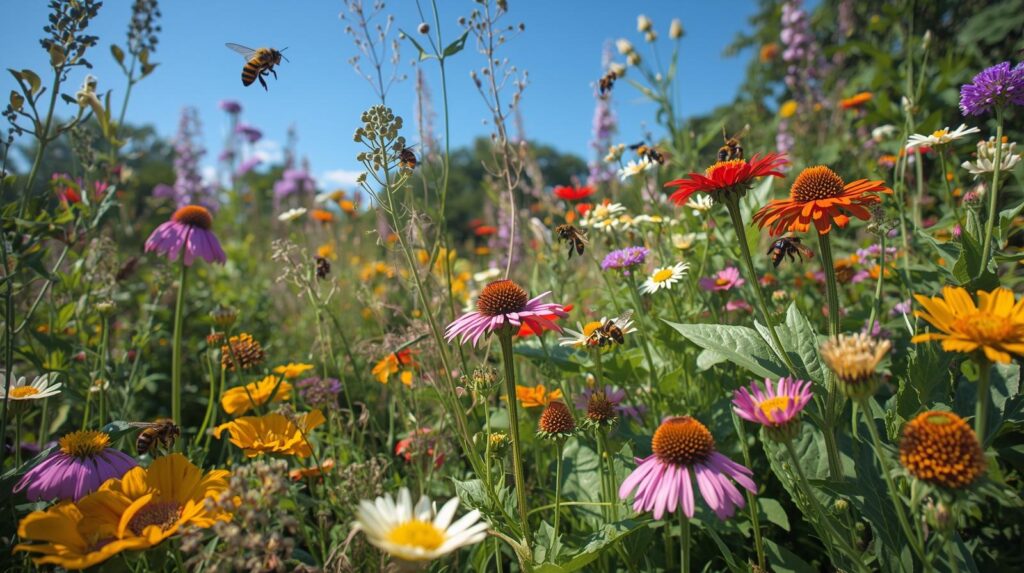
Diverse blooming plants: Sequential bloom from early spring (willows) to late fall (asters) ensures continuous nutrition.
-
Nesting resources: 70% of native bees are ground-nesters (bare soil); 30% use stems/cavities (bundles, snags).
-
Water and overwintering: Shallow sources and undisturbed leaf litter.
On-Farm Habitat Implementation Strategies
-
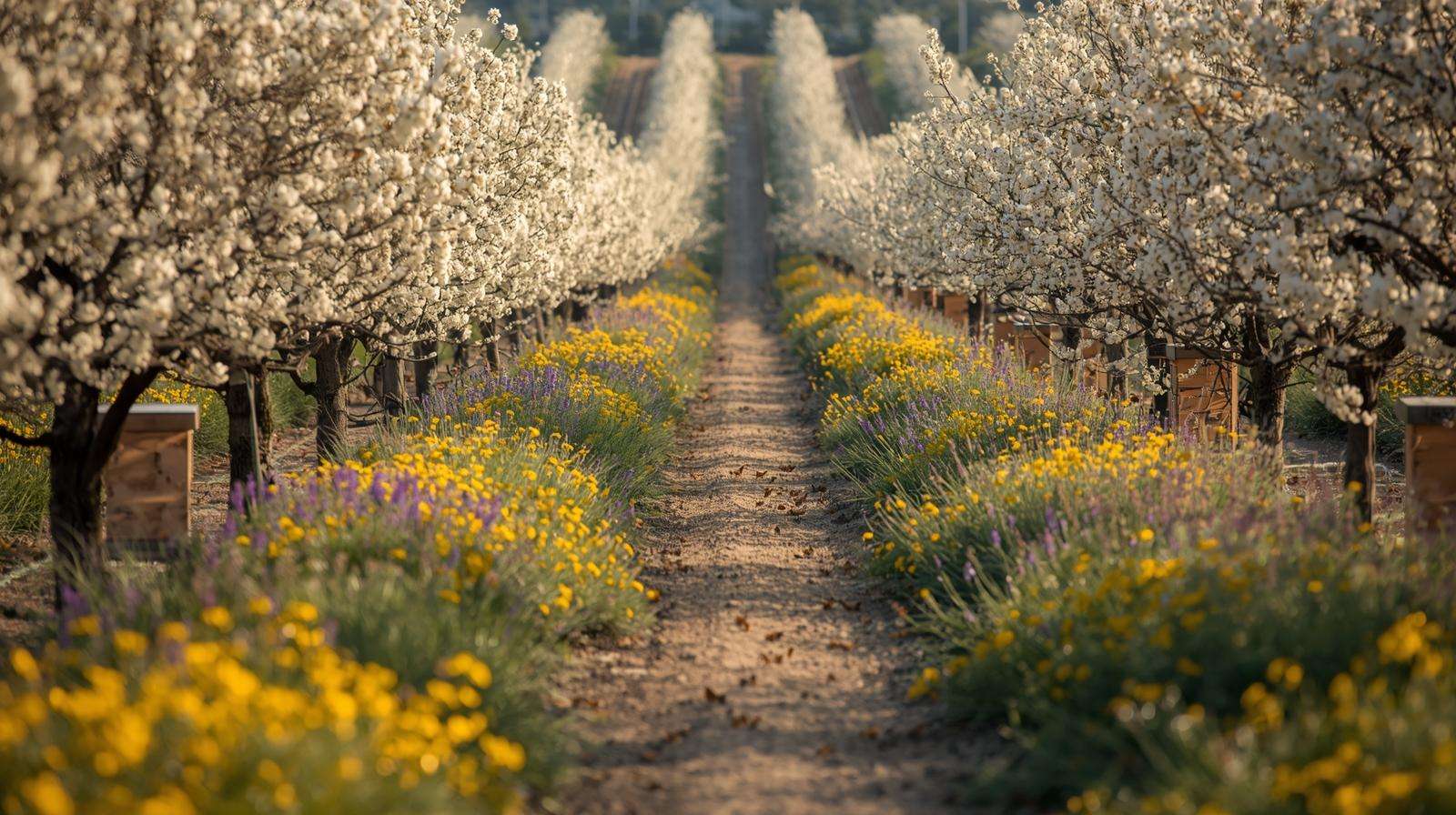
Hedgerows and field borders: Plant native perennials along edges—Xerces Society reports 5-10% land in habitat can double bee abundance.
-
Cover crops and reduced tillage: Legumes like clover provide forage while improving soil.
-
Conservation strips: NRCS practices like CP-42 (pollinator plantings) qualify for cost-share.
-
Integration tips: Start small (1-5 acres), use region-specific mixes for best establishment.
Recommended Native Plant Lists and Seed Mixes
Consult Xerces Society ecoregional guides or USDA PLANT database for tailored lists. Examples: Midwest—coneflower, milkweed, goldenrod; West—lupine, phacelia.
Integrated Pest Management (IPM) for Pollinator-Friendly Farming
Core Principles of IPM
IPM emphasizes prevention, monitoring, and least-toxic interventions.
Pollinator-Safe IPM Tools
-
Monitoring: Scout fields regularly; use thresholds before acting.
-
Cultural/biological: Crop rotation, release predatory insects (lady beetles).
-
Mechanical: Trap crops, row covers.
-
Benefits: Reduces pesticide needs by 30-50% while supporting beneficials.
Monitoring and Measuring Success
Simple On-Farm Monitoring Techniques
-
Pan traps/bee bowls: Colored bowls with soapy water capture specimens for counting.
-
Transect walks: Weekly observations during bloom.
-
Yield mapping: Compare pollinated vs. hand-pollinated sections.
Tools: Free apps from Xerces or Extension services.
Tracking Improvements
Aim for 20-50% increase in bee visits over 3 years; correlate with yield data.
Financial Incentives and Support Programs
USDA NRCS offers EQIP and CSP payments for habitat (up to $100/acre/year). CRP pollinator initiatives provide rental payments. Certifications like Bee Better enable premium pricing.
Case Studies and Real Farmer Success Stories
-
California almond grower: Added hedgerows, reduced hive rentals by 40%, yields up 15%.
-
Midwest vegetable farm: Native borders increased wild bees, cutting pesticide use 25%.
Frequently Asked Questions (FAQs)
What are the most bee-toxic pesticides to avoid?
Neonics during bloom; high-toxicity pyrethroids/fungicides.
How much land do I need for effective habitat?
Even 5% can significantly boost populations.
Can pollinator practices work on large conventional farms?
Yes—buffers and cover crops integrate seamlessly.
What if I rent hives—how do I coordinate?
Share spray schedules; use Bee Connected app.
Quick wins for small farms?
Plant clover cover, reduce mowing.
Enhancing pollinator safety through habitat, safe pesticides, and IPM protects biodiversity while boosting yields and resilience. Start with a PMP assessment today—your farm’s future depends on healthy pollinators.