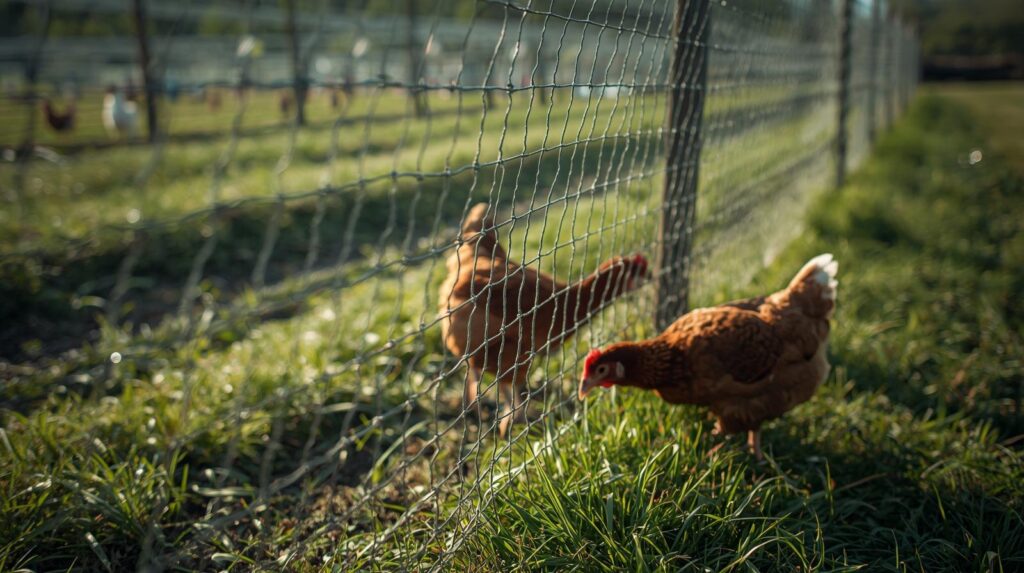
One predator attack can undo months—or even years—of careful poultry management. Whether it’s raccoons slipping in at night, dogs during the day, or foxes testing weak points, flock losses are one of the most frustrating and costly problems poultry keepers face. That’s why so many farmers and backyard chicken owners are asking the same critical question: Electric poultry nets worth it, or just another expensive farm gadget?
If you’re raising chickens, ducks, or other poultry and struggling to balance predator protection, labor, and cost, you’re not alone. Electric poultry netting has become one of the most talked-about fencing solutions in pasture-based and small-scale poultry systems—but opinions are often divided. Some swear by it, while others hesitate due to upfront costs or concerns about reliability.
This guide is written from a practical, farmer-first perspective. By the end, you’ll have a clear, evidence-based answer to whether electric poultry nets are worth it for your specific situation, backed by real-world experience, cost analysis, and expert best practices.
Understanding Electric Poultry Nets
What Are Electric Poultry Nets?
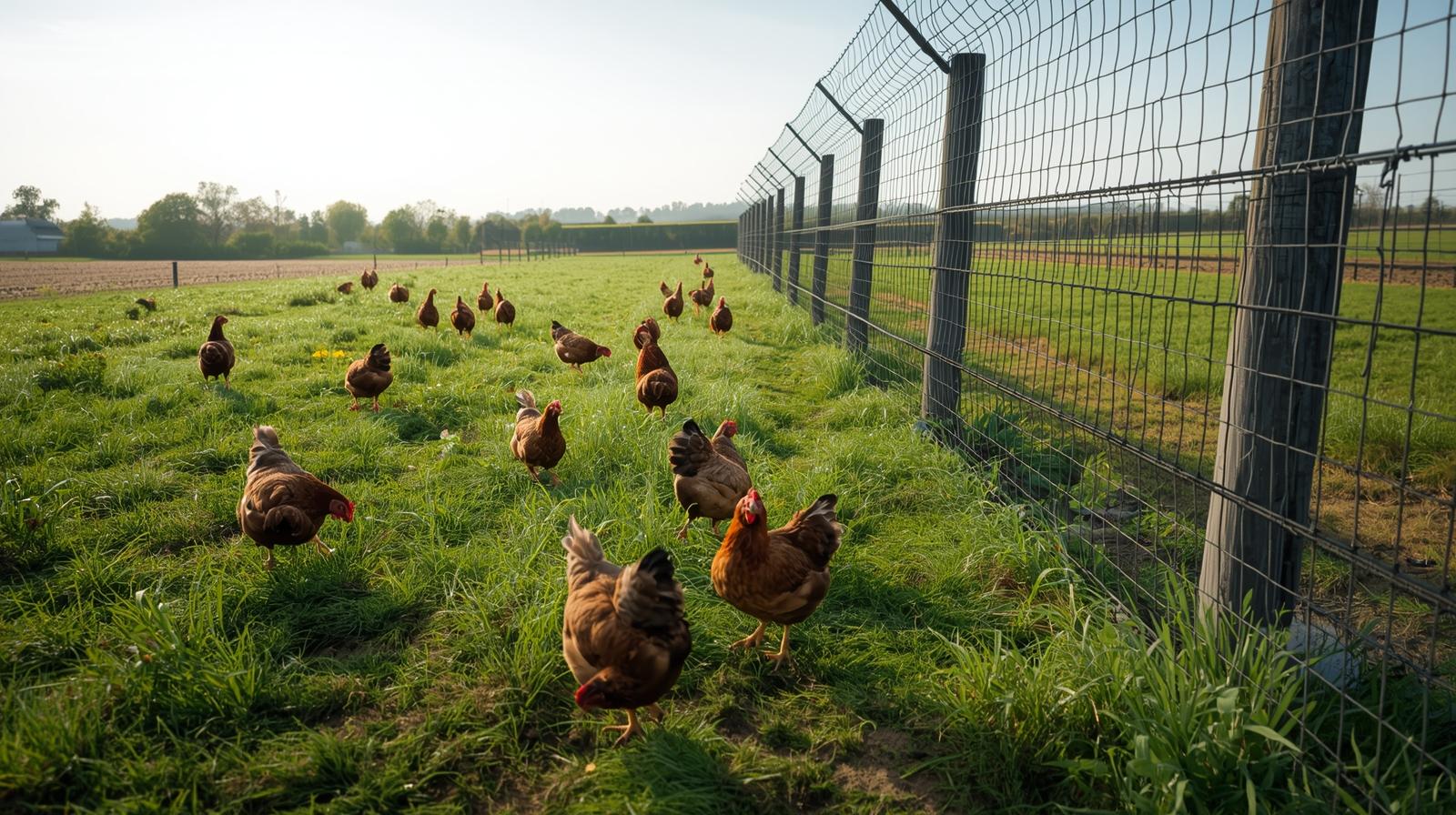
Electric poultry nets are a type of temporary or semi-permanent electric fencing specifically designed to contain poultry and deter predators. Unlike single-strand electric wire, poultry netting consists of:
-
Vertical and horizontal mesh strands
-
Integrated conductive wires
-
Built-in fence posts spaced evenly along the net
-
A connection to an energizer (solar, battery, or plug-in)
The netting forms a physical and psychological barrier—poultry see it as a wall, while predators encounter a sharp but safe electric pulse when they touch it.
How Electric Poultry Nets Work
Electric poultry netting operates on pulsed electrical energy, not continuous current. When a predator touches the net while standing on the ground, it completes an electrical circuit and receives a brief shock. This shock is designed to be painful enough to deter, but not harmful.
Key components that make the system effective include:
-
Energizer: Sends pulses through the net
-
Grounding rods: Essential for consistent shock delivery
-
Conductive horizontal strands: Increase contact points for predators
-
Proper tension and setup: Prevent sagging and voltage loss
When installed correctly, electric poultry nets quickly train predators to avoid your flock altogether.
Who Should Consider Electric Poultry Nets?
Electric poultry nets are not a one-size-fits-all solution. Their value depends heavily on your scale, environment, and management style.
Ideal Use Cases for Electric Poultry Netting
Electric poultry nets are especially well-suited for:
-
Backyard chicken keepers dealing with raccoons, dogs, or foxes
-
Pasture-raised poultry farmers practicing rotational grazing
-
Free-range and mobile flock systems
-
Small to mid-scale farms prioritizing predator prevention without permanent fencing
They are particularly effective in rural or semi-rural areas where predator pressure is high and flocks are moved frequently.
When Electric Poultry Nets May Not Be the Best Option
Electric poultry nets may be less ideal if:
-
You operate a large, fixed commercial poultry facility
-
You lack access to reliable power or sunlight for solar units
-
Your soil is extremely rocky or frozen year-round, making grounding difficult
-
You’re unwilling or unable to perform basic maintenance (weed control, voltage checks)
Understanding these limitations upfront helps avoid costly mistakes.
The Real Cost of Electric Poultry Nets
One of the biggest concerns farmers have is cost. Let’s break it down honestly.
Upfront Costs: What to Expect
Electric poultry netting is not cheap—but it’s often less expensive than repeated flock losses.
Typical price ranges include:
-
Electric poultry netting: Moderate investment depending on length and height
-
Energizer: Solar units usually cost more upfront but save on long-term power
-
Grounding rods, testers, and accessories: Essential but often overlooked
For many small operations, initial setup costs can feel significant—but this needs to be weighed against long-term protection.
Ongoing and Hidden Costs
While operating costs are generally low, you should plan for:
-
Occasional repairs (broken strands, posts)
-
Battery replacement (for battery-powered or solar energizers)
-
Time spent managing vegetation under the fence
These costs are manageable but must be factored into your decision.
Electric Poultry Nets vs Traditional Fencing Costs
Compared to alternatives:
-
Chicken wire: Cheaper upfront, but offers poor predator protection
-
Hardware cloth: Strong but extremely expensive for large areas
-
Permanent fencing: Durable but labor-intensive and inflexible
Electric poultry netting often strikes a balance between cost, effectiveness, and flexibility.
Benefits of Electric Poultry Nets (Why Many Farmers Say They’re Worth It)
Superior Predator Protection
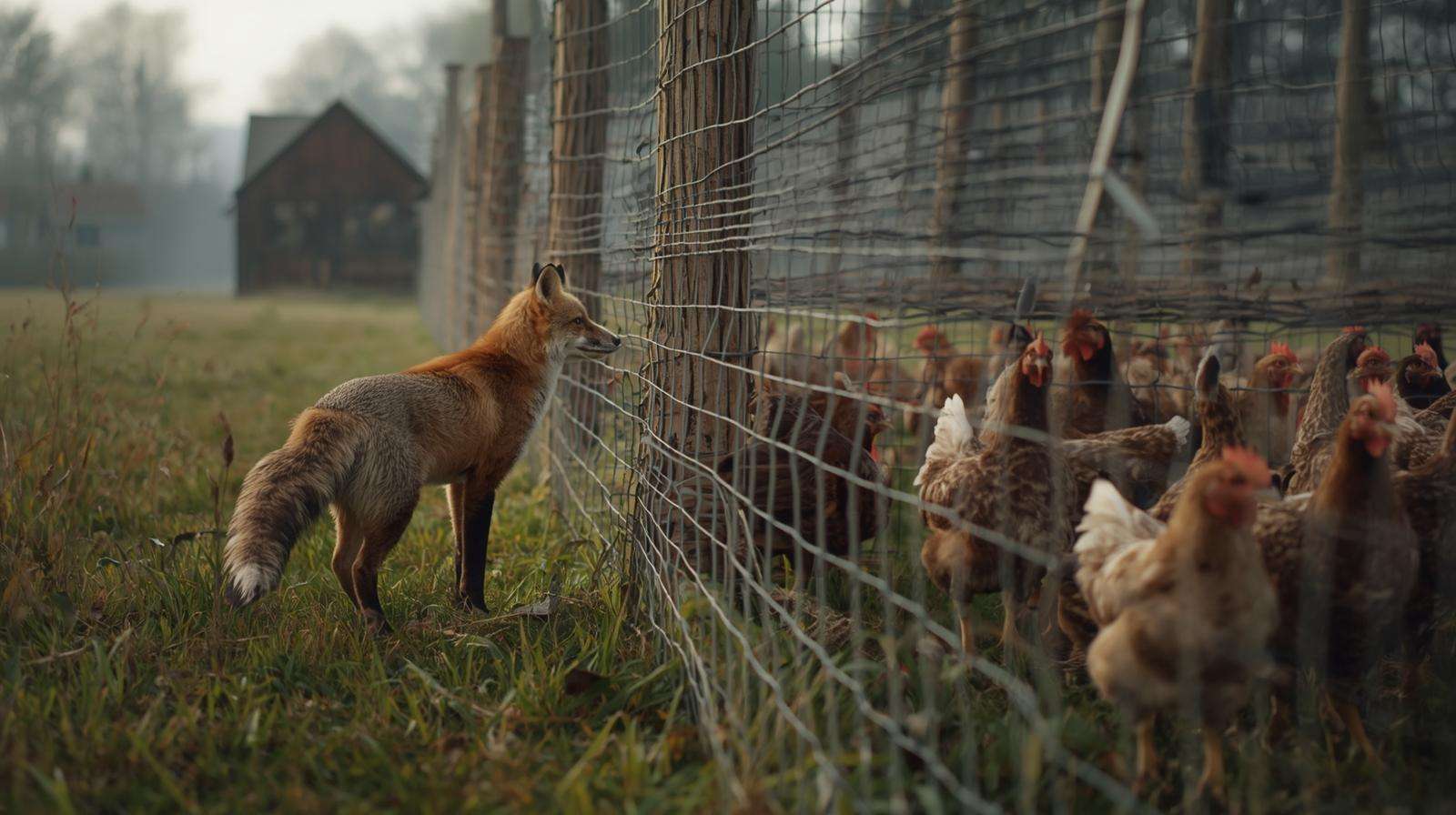
This is where electric poultry nets truly shine.
They are highly effective against:
-
Raccoons
-
Foxes
-
Coyotes
-
Dogs
-
Opossums
While no fence stops every predator (aerial predators remain a concern), electric poultry netting dramatically reduces ground-based attacks—often after just one encounter.
Improved Flock Health and Productivity
Reduced predator pressure leads to:
-
Lower stress levels in poultry
-
More natural foraging behavior
-
Improved egg production consistency
-
Better weight gain in meat birds
Healthy birds are productive birds, and security plays a major role.
Flexibility and Portability
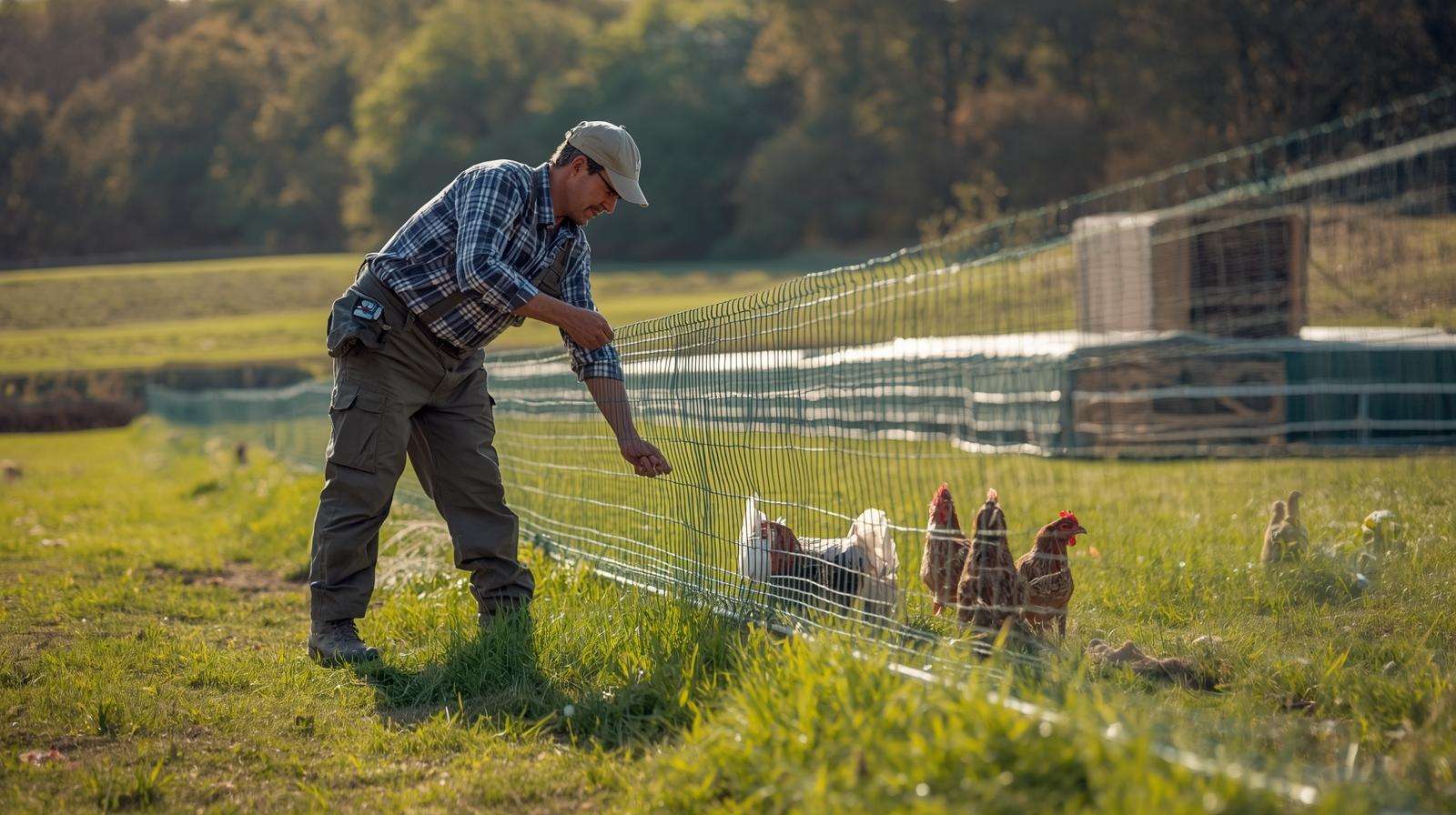
Electric poultry nets are ideal for:
-
Rotational grazing systems
-
Regenerative agriculture practices
-
Preventing pasture degradation
You can move the fence as often as needed, allowing birds to access fresh forage while maintaining protection.
Time and Labor Savings
Once installed properly:
-
Daily supervision is reduced
-
Nighttime lockups become less stressful
-
Repairs are faster than permanent fencing
For many farmers, this labor savings alone justifies the investment.
Drawbacks and Limitations of Electric Poultry Nets
Despite their advantages, electric poultry nets are not perfect.
Common Challenges Farmers Encounter
-
Voltage drops due to grass and weeds touching the net
-
Learning curve during initial setup
-
Posts leaning or nets sagging on uneven ground
These issues are usually manageable with experience and proper planning.
Safety Concerns and Misconceptions
Electric poultry nets are safe when used correctly, but:
-
Children should be supervised
-
Warning signs are recommended
-
Training family members is important
The shock is brief and non-lethal, but still unpleasant enough to demand respect.
Durability and Longevity
Factors affecting lifespan include:
-
UV exposure
-
Extreme weather
-
Animal damage
High-quality netting can last many years with proper care, but cheap alternatives often fail early.
Are Electric Poultry Nets Worth It? A Practical Decision Framework
Before investing, ask yourself:
-
What predators are common in my area?
-
How often do I move my flock?
-
How many birds am I protecting?
-
Can I commit to basic maintenance?
If predator losses are costing you birds, time, and peace of mind, electric poultry nets often pay for themselves faster than expected.
Expert Tips for Getting the Most Value from Electric Poultry Nets
Electric poultry netting can be an excellent investment—but only when it’s selected, installed, and maintained correctly. Many of the negative experiences farmers report are the result of avoidable setup or management mistakes. The following expert-backed tips are based on real-world poultry systems and will help ensure your fencing performs as intended.
Choosing the Right Electric Poultry Netting
Not all electric poultry nets are created equal. Choosing the right specifications matters more than brand names.
Key factors to consider:
-
Net height:
-
42-inch nets are suitable for most chickens and ducks
-
48-inch nets offer better predator deterrence, especially for coyotes and dogs
-
-
Horizontal strand conductivity:
Look for multiple live (electrified) horizontal lines rather than just a few. More live strands increase the chance of effective contact. -
Post spacing and rigidity:
Closer post spacing improves stability, especially on uneven terrain. -
Poultry-specific netting:
Avoid multi-purpose or sheep netting. Poultry nets are designed with tighter vertical spacing to prevent birds from slipping through.
Selecting the Best Energizer (Power Source Matters)
The energizer is the heart of your system. A weak energizer makes even the best netting ineffective.
Energizer options:
-
Solar energizers:
Ideal for remote areas; low operating cost but higher upfront price -
Plug-in energizers:
Most reliable voltage output; best where electricity is available -
Battery-powered energizers:
Portable but require consistent battery monitoring
Expert recommendation:
Choose an energizer rated for more fence than you plan to use. Extra capacity ensures consistent voltage even when conditions aren’t ideal.
Installation Best Practices That Prevent Failures
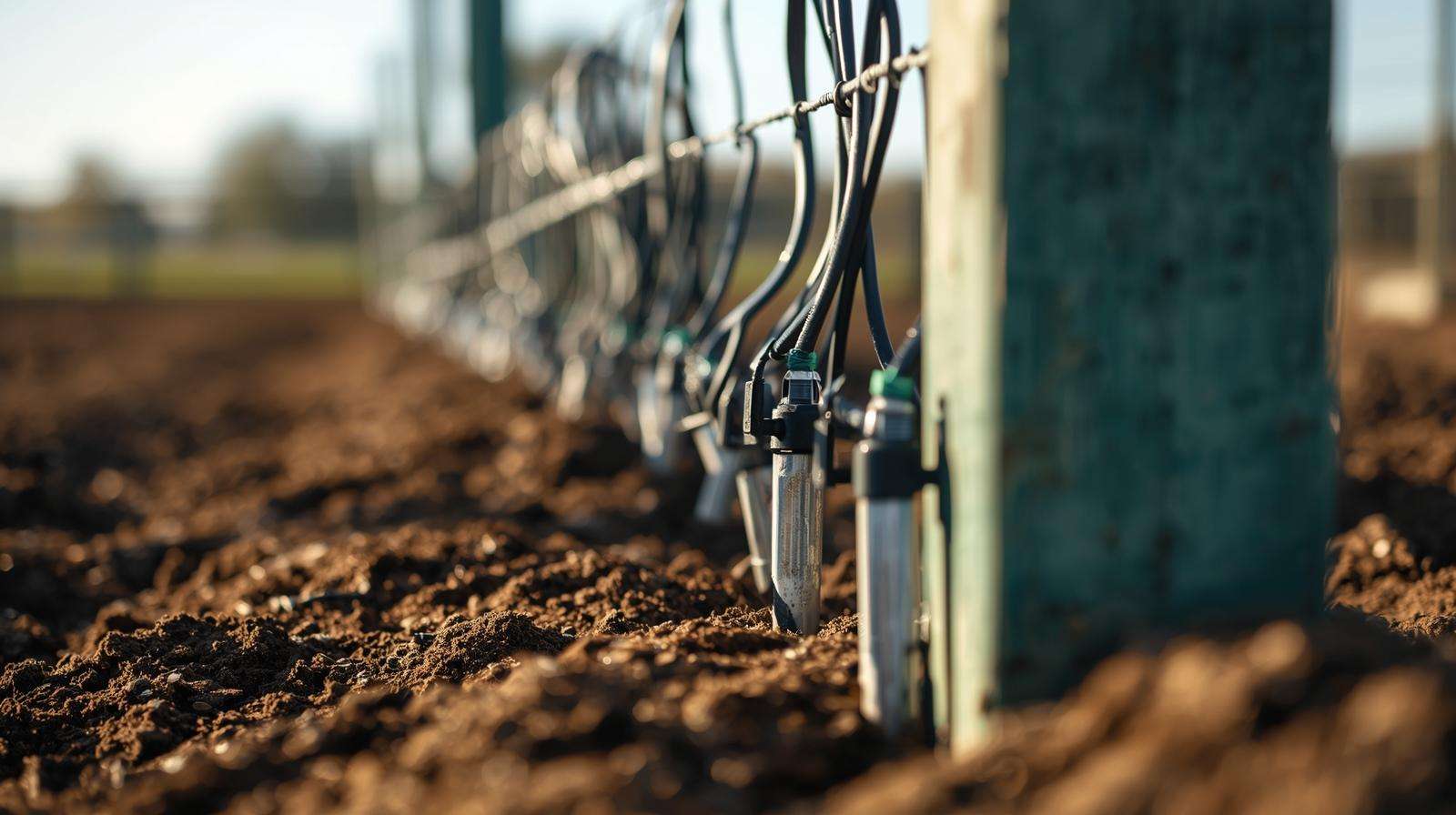
Proper installation determines whether electric poultry nets are worth it—or a constant headache.
Essential best practices include:
-
Install at least one to three grounding rods, depending on soil conditions
-
Keep the net tight and upright, especially at corners
-
Clear vegetation beneath and around the fence regularly
-
Use a voltage tester to confirm adequate shock levels
Poor grounding is the most common reason electric poultry nets fail.
Electric Poultry Nets vs Alternative Predator Control Methods
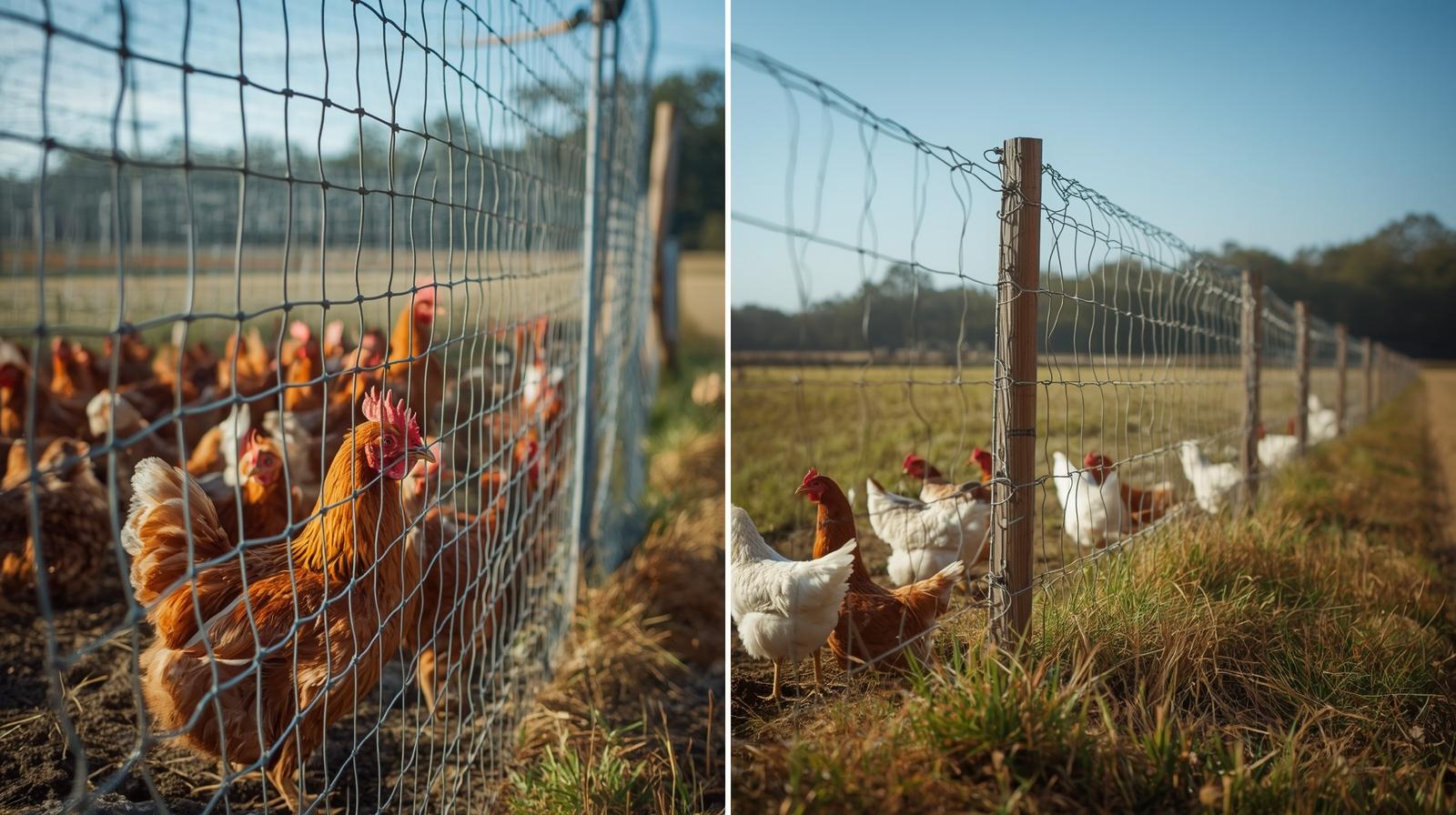
To determine if electric poultry nets are worth it, it’s important to compare them with other commonly used solutions.
Chicken Wire and Welded Wire Fencing
Pros:
-
Low upfront cost
-
Easy to source
Cons:
-
Offers little to no predator deterrence
-
Predators can dig, climb, or tear through
-
High long-term losses
Chicken wire is best suited for keeping chickens in, not keeping predators out.
Hardware Cloth Enclosures
Pros:
-
Excellent predator resistance
-
Long lifespan
Cons:
-
Extremely expensive for large areas
-
Labor-intensive installation
-
Not portable
Hardware cloth is effective but impractical for pasture-based systems.
Electric Wire Fencing (Non-Netting)
Pros:
-
Cheaper than netting
-
Effective for larger livestock
Cons:
-
Poultry can slip through
-
Requires precise wire spacing
-
Less effective against small predators
Electric poultry nets offer superior containment and protection for birds compared to single-strand systems.
Livestock Guardian Animals
Pros:
-
Continuous predator presence
-
Can work well in large-scale operations
Cons:
-
High ongoing care costs
-
Not suitable for small properties
-
Requires training and management
For many small to mid-scale poultry farmers, guardian animals are impractical.
Real-World Farmer Experiences and Case Examples
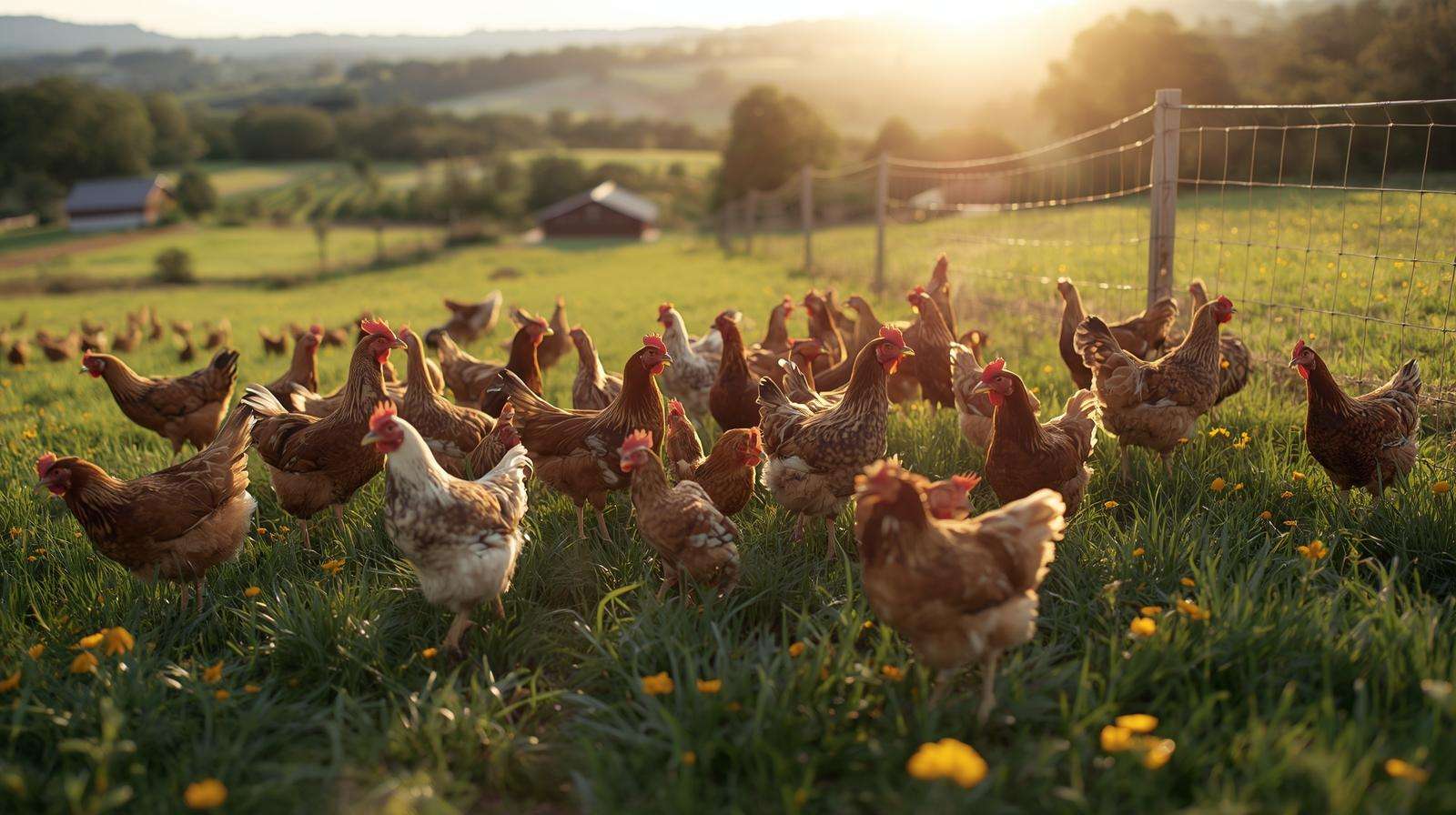
Case Study 1: Backyard Chicken Keeper
A suburban poultry keeper experienced repeated raccoon attacks despite using welded wire and buried aprons. After installing electric poultry netting around the coop run, losses stopped completely within days. The raccoons tested the fence once and never returned.
Key takeaway:
Even small flocks benefit significantly from electric poultry nets when predators are persistent.
Case Study 2: Pasture-Raised Poultry Farm
A pasture-based broiler operation using mobile shelters reported losing birds nightly before switching to electric poultry netting. After installation, mortality dropped to near zero, and labor time decreased due to reduced night checks.
Key takeaway:
Electric poultry nets support rotational grazing and improve overall system efficiency.
Lessons Learned from Long-Term Users
Experienced farmers consistently report:
-
Buy quality netting once rather than replacing cheap products
-
Invest in a strong energizer
-
Don’t skip grounding or vegetation management
Frequently Asked Questions About Electric Poultry Nets
Are electric poultry nets safe for chickens?
Yes. When properly installed, electric poultry nets are safe for chickens. Birds typically avoid touching the net after initial exposure.
Do electric poultry nets stop all predators?
They are highly effective against ground predators but do not protect against hawks or owls. Overhead protection may still be required.
How long do electric poultry nets last?
High-quality netting can last 5–10 years or more with proper maintenance.
Can electric poultry nets be used in winter?
Yes, though frozen ground can reduce grounding effectiveness. Additional grounding solutions may be needed in cold climates.
Do electric poultry nets work without electricity?
No. Without power, they become ordinary netting and lose most predator-deterrent value.
Are Electric Poultry Nets Worth It? Final Verdict
So—are electric poultry nets worth it?
For most backyard chicken keepers and pasture-based poultry farmers facing real predator pressure, the answer is yes.
Electric poultry nets offer:
-
Exceptional predator deterrence
-
Improved flock safety and productivity
-
Flexibility for rotational systems
-
Long-term cost savings through reduced losses
They are not the cheapest option upfront, but they consistently prove their value by preventing devastating flock losses and reducing labor stress.
Who Benefits the Most
-
Small to mid-scale poultry farmers
-
Free-range and pasture-based systems
-
Areas with high predator activity
Who Should Reconsider
-
Large fixed commercial operations
-
Those unwilling to maintain electric systems
Bonus: Electric Poultry Net Buying & Maintenance Checklist
Before You Buy:
-
Identify your primary predators
-
Measure the area you need to enclose
-
Choose a high-capacity energizer
After Installation:
-
Test voltage regularly
-
Clear vegetation weekly
-
Inspect posts and connections
Common Mistakes to Avoid:
-
Undersized energizers
-
Poor grounding
-
Letting weeds touch the net
Conclusion: A Smarter Way to Protect Your Poultry
Electric poultry netting is not a gimmick—it’s a proven, practical tool used by experienced farmers worldwide. When installed and managed correctly, it offers one of the best balances of protection, flexibility, and efficiency available today.
If predator losses are costing you birds, time, and peace of mind, electric poultry nets aren’t just worth it—they may be essential.