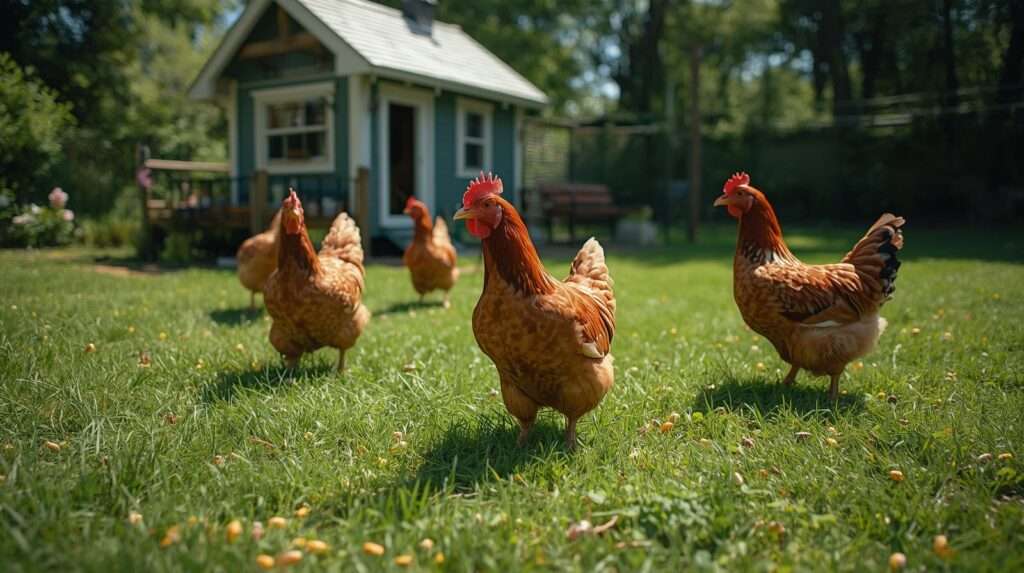
The idea of collecting fresh eggs from your own yard sounds idyllic—until questions start piling up. Will chickens smell? Do I need a farm? What if I do something wrong? These worries stop many people before they ever begin. The truth is, backyard chickens for beginners are far more manageable, affordable, and rewarding than most first-timers expect.
Raising chickens at home isn’t just about eggs. It’s about food security, sustainability, pest control, and reconnecting with where your food comes from. With the right guidance, beginners can confidently raise healthy, happy hens—even in small suburban backyards.
This guide is written specifically for beginners. It cuts through myths, explains essentials step by step, and shares practical insights based on real poultry-keeping experience. By the end, you’ll know exactly what to expect, what to buy, and how to avoid the most common beginner mistakes.
Is Raising Backyard Chickens Right for You?
Before buying your first chicks, it’s important to understand what backyard chicken keeping actually involves.
Benefits of Backyard Chickens
For beginners, chickens offer surprising advantages:
-
Fresh eggs you can trust
You control what your hens eat, resulting in better-tasting, nutrient-rich eggs. -
Natural pest control
Chickens eagerly eat insects, grubs, and weeds. -
Low daily time commitment
Once routines are established, daily care often takes less than 20 minutes. -
Educational and family-friendly
Chickens are excellent for teaching children responsibility and animal care. -
Sustainable living
Kitchen scraps become feed, and manure becomes compost.
Common Beginner Myths and Misconceptions
Many first-time keepers are discouraged by misinformation.
-
“Chickens smell.”
A clean coop does not smell. Odor comes from poor management, not chickens. -
“They’re noisy.”
Hens are generally quiet. Roosters—not hens—are the primary noise issue. -
“They’re expensive.”
Startup costs exist, but long-term expenses are manageable.
Understanding these realities helps beginners start with confidence instead of fear.
Understanding Local Laws and Regulations
One of the most important—but often overlooked—steps for beginners is checking local regulations.
Checking Backyard Chicken Laws Before You Start
Rules vary widely by location. Always verify:
-
Whether chickens are allowed
-
Maximum flock size
-
Minimum distance from property lines
-
Whether roosters are permitted
Check city ordinances, zoning regulations, and homeowner association (HOA) rules before purchasing chickens or building a coop.
Neighbor-Friendly Chicken Keeping
Even where chickens are legal, good neighbor relations matter.
Best practices include:
-
Placing coops away from shared fences
-
Managing odors through regular cleaning
-
Avoiding roosters in residential areas
Responsible chicken keeping protects both your flock and community relationships.
Choosing the Right Chicken Breeds for Beginners
Breed selection plays a huge role in beginner success.
Best Chicken Breeds for First-Time Owners
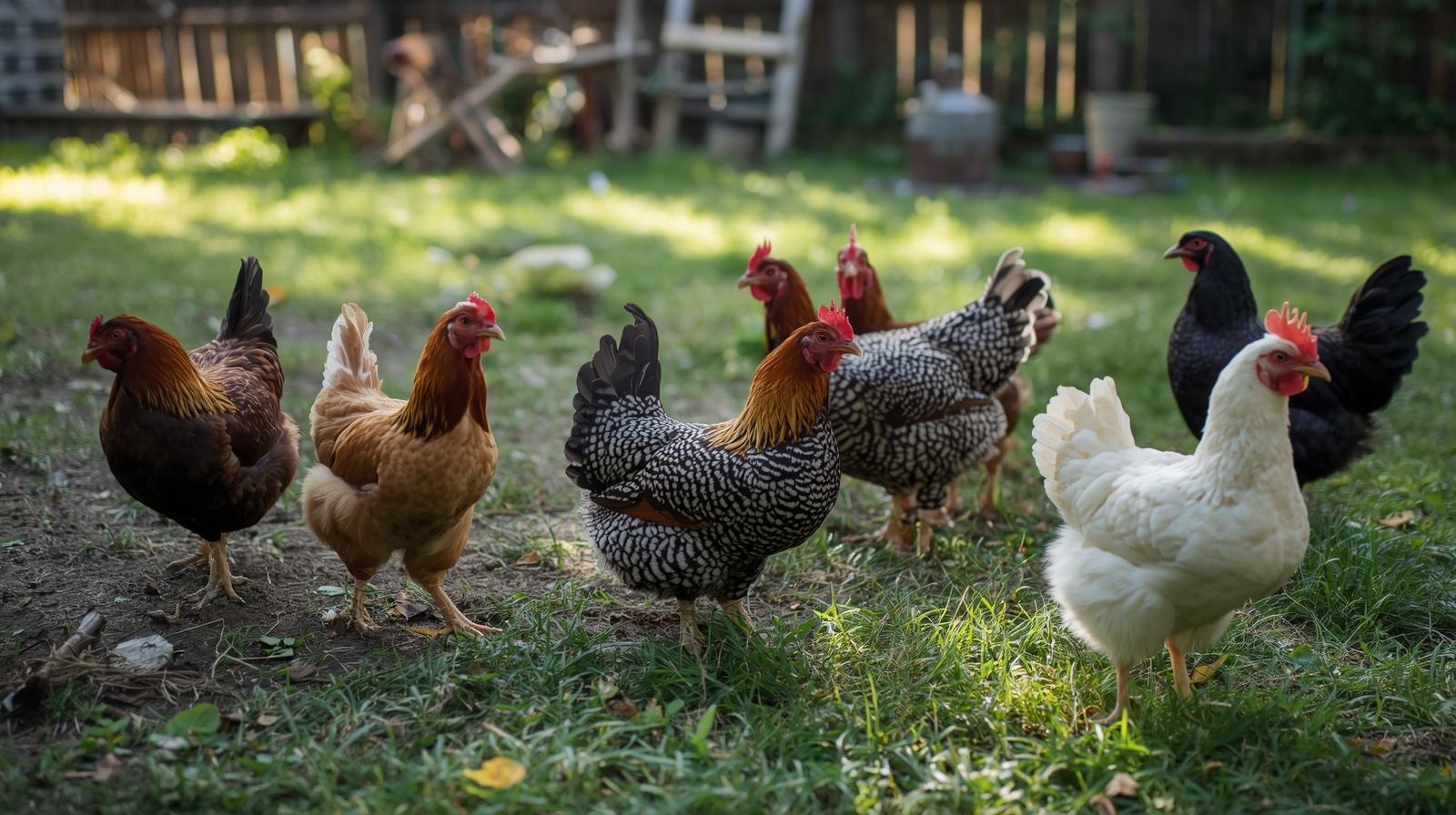
Beginner-friendly breeds share these traits:
-
Calm temperament
-
Hardiness
-
Consistent egg production
Popular beginner breeds include:
-
Plymouth Rock
-
Rhode Island Red
-
Sussex
-
Wyandotte
These breeds tolerate mistakes better than more delicate varieties.
Cold-Hardy vs Heat-Tolerant Breeds
Climate matters.
-
Cold climates: Look for small combs and dense feathering
-
Hot climates: Choose heat-tolerant breeds with larger combs
Matching breeds to your environment reduces health problems and stress.
How Many Chickens Should Beginners Start With?
Most experts recommend 3–6 hens for beginners.
Why?
-
Chickens are social and need companions
-
Small flocks are easier to manage
-
Egg production remains consistent
Starting small allows you to learn without feeling overwhelmed.
Getting Started: What You Need Before Bringing Chickens Home
Preparation is the difference between success and frustration.
Chicken Coop Basics
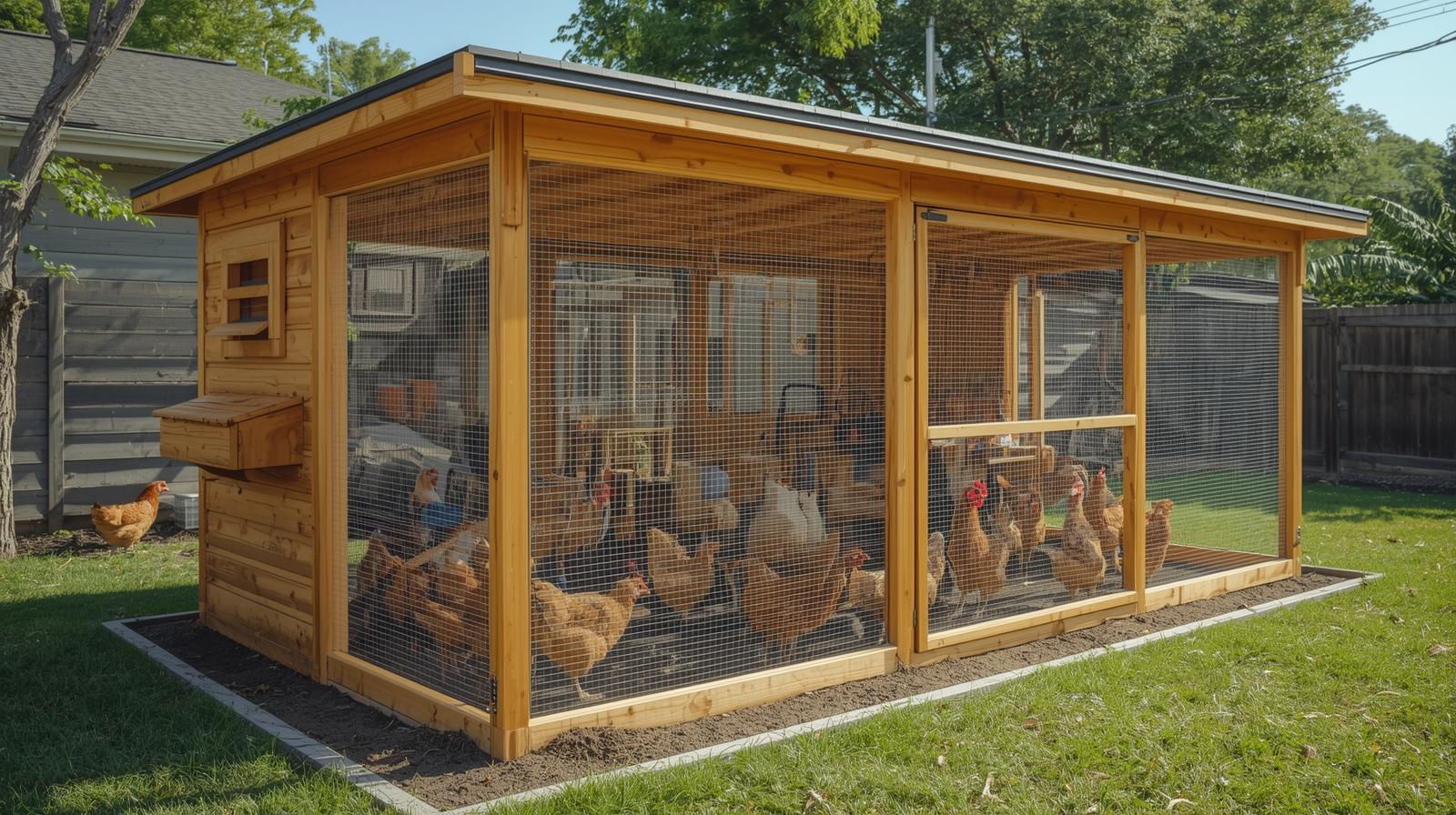
A well-designed coop keeps chickens healthy and safe.
Key requirements:
-
Space: At least 3–4 square feet per bird inside
-
Ventilation: Critical for moisture and ammonia control
-
Roosting bars: Chickens sleep off the ground
-
Nest boxes: One box per 3–4 hens
Predator-proof construction is non-negotiable for beginners.
Chicken Run and Outdoor Space
Chickens need access to fresh air and movement.
Guidelines:
-
Minimum 8–10 square feet per bird in runs
-
Covered runs offer added predator protection
-
Free-ranging is optional but not required
Secure outdoor space reduces stress and behavioral problems.
Essential Supplies Checklist
Every beginner should have:
-
Feeders and waterers
-
Appropriate bedding (pine shavings or straw)
-
Grit for digestion
-
Oyster shell for egg-laying hens
Having supplies ready before chickens arrive prevents emergencies.
Caring for Backyard Chickens Day to Day
Daily care is simple but must be consistent.
Feeding Backyard Chickens
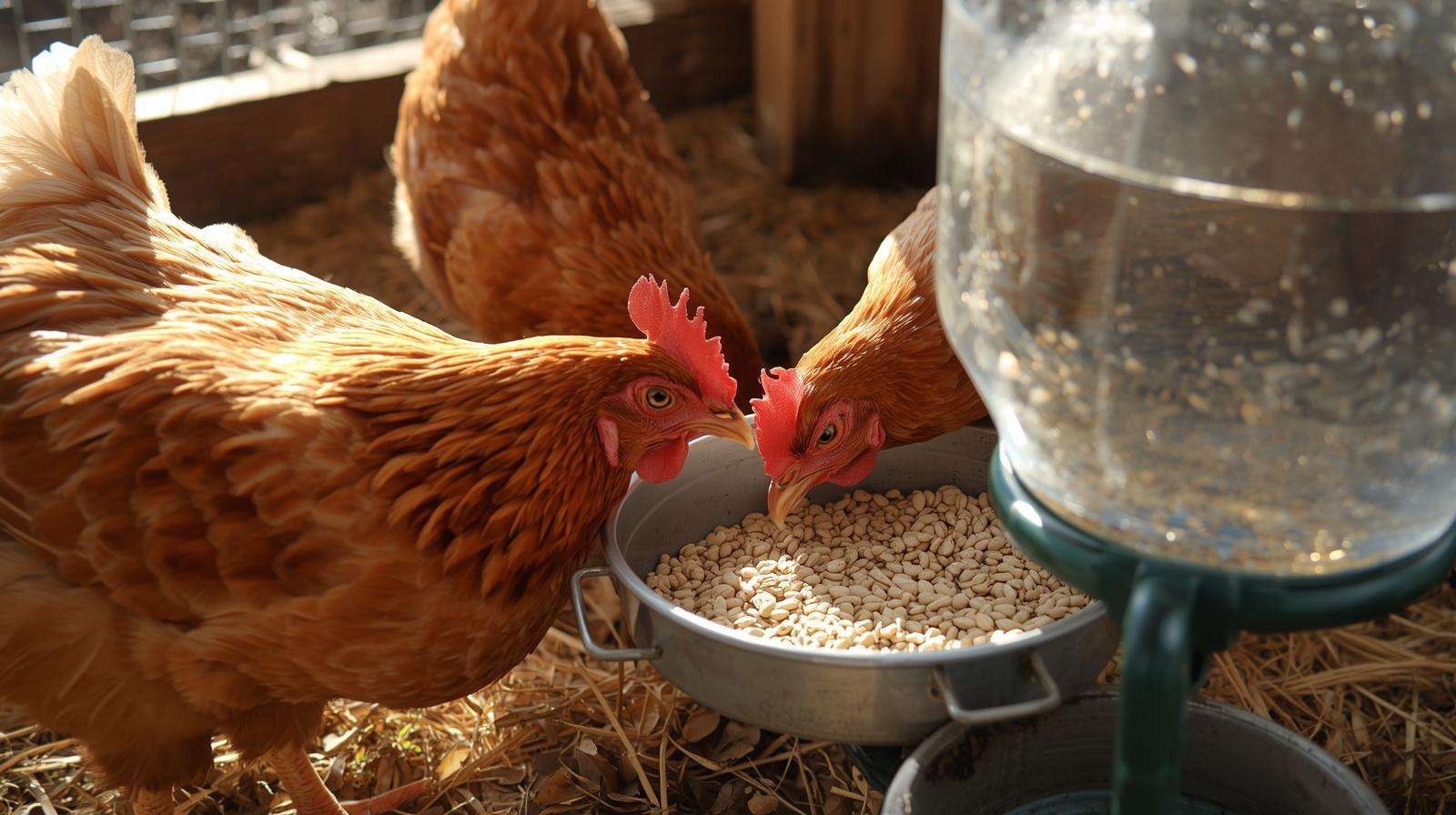
Feed changes as chickens grow:
-
Chicks: Starter feed
-
Pullets: Grower feed
-
Laying hens: Layer feed with calcium
Treats should be limited and safe—avoid salty, sugary, or toxic foods.
Watering and Hydration
Clean water is essential year-round.
Tips:
-
Refresh water daily
-
Prevent freezing in winter
-
Provide shade in summer
Most chicken health issues begin with dehydration.
Cleaning and Maintenance
Basic cleanliness prevents disease.
Recommended routine:
-
Spot clean daily
-
Full coop clean every 1–2 weeks
-
Replace bedding regularly
A clean coop equals healthy birds and odor control.
Egg Laying Basics for Beginners
Eggs are often the main motivation for beginners.
When Do Chickens Start Laying Eggs?
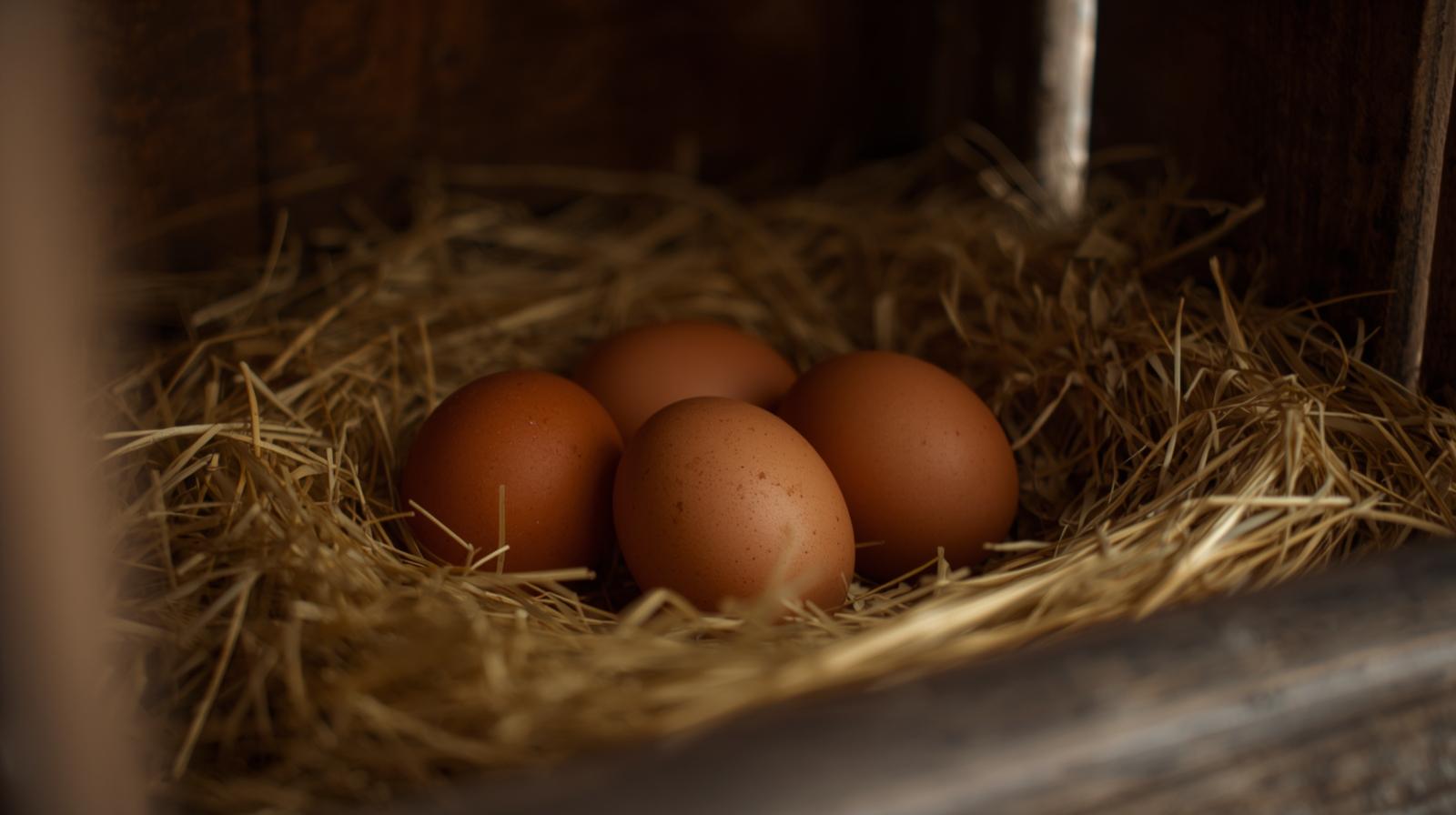
Most hens begin laying at 18–24 weeks, depending on breed and season.
Factors affecting laying:
-
Daylight hours
-
Nutrition
-
Stress levels
Patience is key—rushing the process causes problems.
Encouraging Healthy Egg Production
Support laying with:
-
Balanced nutrition
-
Access to calcium
-
Calm, predator-free environments
Avoid artificial shortcuts that stress birds.
Collecting, Cleaning, and Storing Eggs
Best practices:
-
Collect eggs daily
-
Dry clean unless visibly dirty
-
Refrigerate or store according to local guidelines
Proper handling ensures food safety.
Health, Safety, and Common Chicken Problems
Healthy chickens are active, alert, and curious.
Basic Chicken Health Care
Beginner essentials include:
-
Monitoring behavior daily
-
Checking for parasites
-
Quarantining new birds
Early detection prevents flock-wide issues.
Common Beginner Problems and Solutions
-
Bullying: Add space and enrichment
-
Egg eating: Collect eggs frequently
-
Broodiness: Limit nesting access temporarily
Most issues are behavioral and easily corrected.
Predator Protection for Backyard Chickens
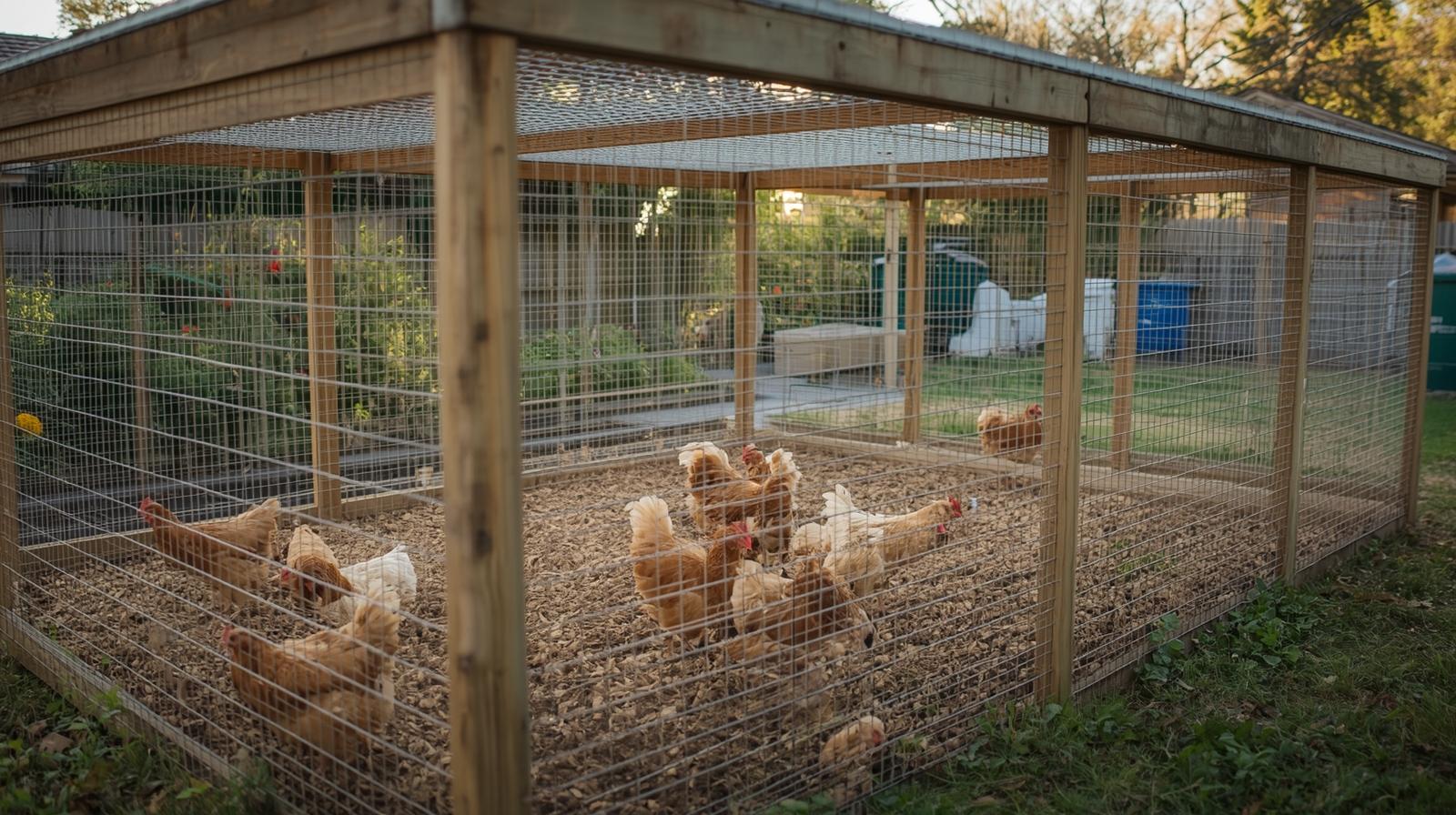
Common predators include:
-
Raccoons
-
Foxes
-
Hawks
-
Dogs
Secure fencing, locked coops, and covered runs are essential for beginners.
Seasonal Care for Backyard Chickens
One of the biggest learning curves for backyard chickens for beginners is understanding how care changes with the seasons. Chickens are hardy animals, but they rely on good management to stay healthy year-round.
Winter Care for Backyard Chickens
Cold weather is often less dangerous to chickens than heat—if their coop is properly set up.
Winter care essentials include:
-
Dry, draft-free coop: Ventilation should remove moisture without creating cold drafts
-
Extra bedding: Deep litter or added shavings provide insulation
-
Fresh water: Prevent freezing using heated waterers if needed
-
Cold-hardy breeds: Especially important in northern climates
Contrary to popular belief, heat lamps are usually unnecessary and can be dangerous.
Summer Care for Backyard Chickens
Heat stress is a serious concern, particularly for beginners.
Best summer practices:
-
Provide constant shade
-
Ensure unlimited access to cool water
-
Increase ventilation
-
Offer frozen treats like fruit or ice blocks
Panting, drooping wings, and lethargy are signs of overheating and require immediate action.
Mistakes Beginners Commonly Make (and How to Avoid Them)
Even well-intentioned beginners make mistakes. Learning from others can save time, money, and chickens.
Mistake #1: Starting With Too Many Chickens
New keepers often overestimate their capacity.
Solution:
Start small and expand once routines are established.
Mistake #2: Underestimating Predators
Many beginners assume urban or suburban areas are predator-free.
Solution:
Build predator-proof housing from day one.
Mistake #3: Poor Coop Ventilation
Sealed coops trap moisture and ammonia.
Solution:
Design for airflow above roost level year-round.
Mistake #4: Improper Feeding
Too many treats or unbalanced diets cause health problems.
Solution:
Stick to complete feed as the primary diet.
Frequently Asked Questions About Backyard Chickens for Beginners
Are backyard chickens hard to care for?
No. With proper setup, daily care is simple and manageable, even for beginners.
Do chickens attract rodents?
Poor feed storage attracts rodents—not chickens themselves. Secure feed containers solve this problem.
Can I raise chickens in a small backyard?
Yes. Many beginners successfully raise chickens in small yards using secure coops and runs.
How long do backyard chickens live?
Most chickens live 5–10 years, though egg production declines with age.
What should I do if a chicken gets sick?
Isolate the bird, assess symptoms, and consult a veterinarian or poultry extension service if needed.
Final Thoughts: Starting Your Backyard Chicken Journey with Confidence
Raising backyard chickens for beginners doesn’t require perfection—it requires preparation, consistency, and realistic expectations. Chickens are forgiving animals, and most beginner mistakes are easily corrected.
By starting with the right breeds, building a safe coop, and learning basic care routines, you can enjoy:
-
Reliable fresh eggs
-
Healthier gardens
-
A deeper connection to your food
Backyard chicken keeping is a skill that improves with experience. The most successful keepers aren’t experts on day one—they’re willing to learn and adapt.
Bonus: Beginner Quick-Start Checklist
Before Buying Chickens
-
Check local laws and HOA rules
-
Choose beginner-friendly breeds
-
Build or buy a predator-proof coop
-
Gather supplies and feed
First Week With Chickens
-
Monitor eating and drinking
-
Keep environment calm
-
Observe behavior closely
Ongoing Care Essentials
-
Clean coop regularly
-
Check birds daily
-
Adjust care seasonally
Conclusion
Backyard chickens for beginners are not just possible—they’re practical, rewarding, and sustainable when approached correctly. With the guidance in this article, you now have a clear roadmap to start raising healthy, happy hens with confidence.