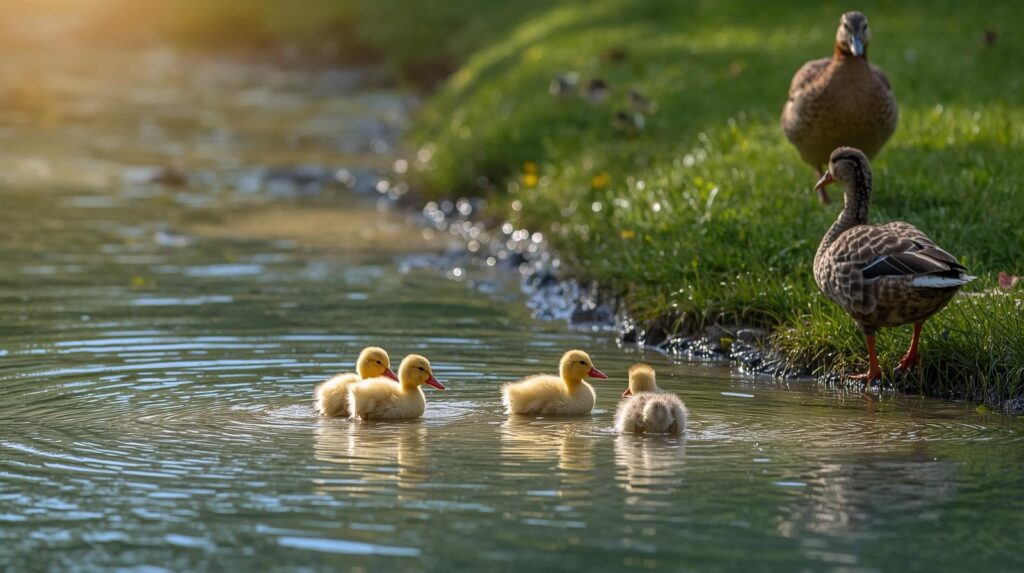
Every spring, well-meaning poultry keepers lose young birds to a danger they never expected: water. A shallow bowl. A tipped waterer. A moment of unsupervised “swimming.” What looks harmless to us can turn fatal for fragile young poultry in minutes.
That’s why Keeping Ducklings and Chicks Safe Around Water is not optional knowledge—it’s essential husbandry. Ducklings and chicks have very different needs, limitations, and risks around water, and misunderstanding those differences is one of the leading causes of preventable losses in small flocks.
This expert guide is written from an agricultural best-practices perspective, combining real-world poultry experience with animal welfare principles. You’ll learn exactly when water is dangerous, how to set up safe water systems, what mistakes to avoid, and how to respond in an emergency—so your ducklings and chicks survive and thrive.
Understanding the Difference Between Ducklings and Chicks Around Water
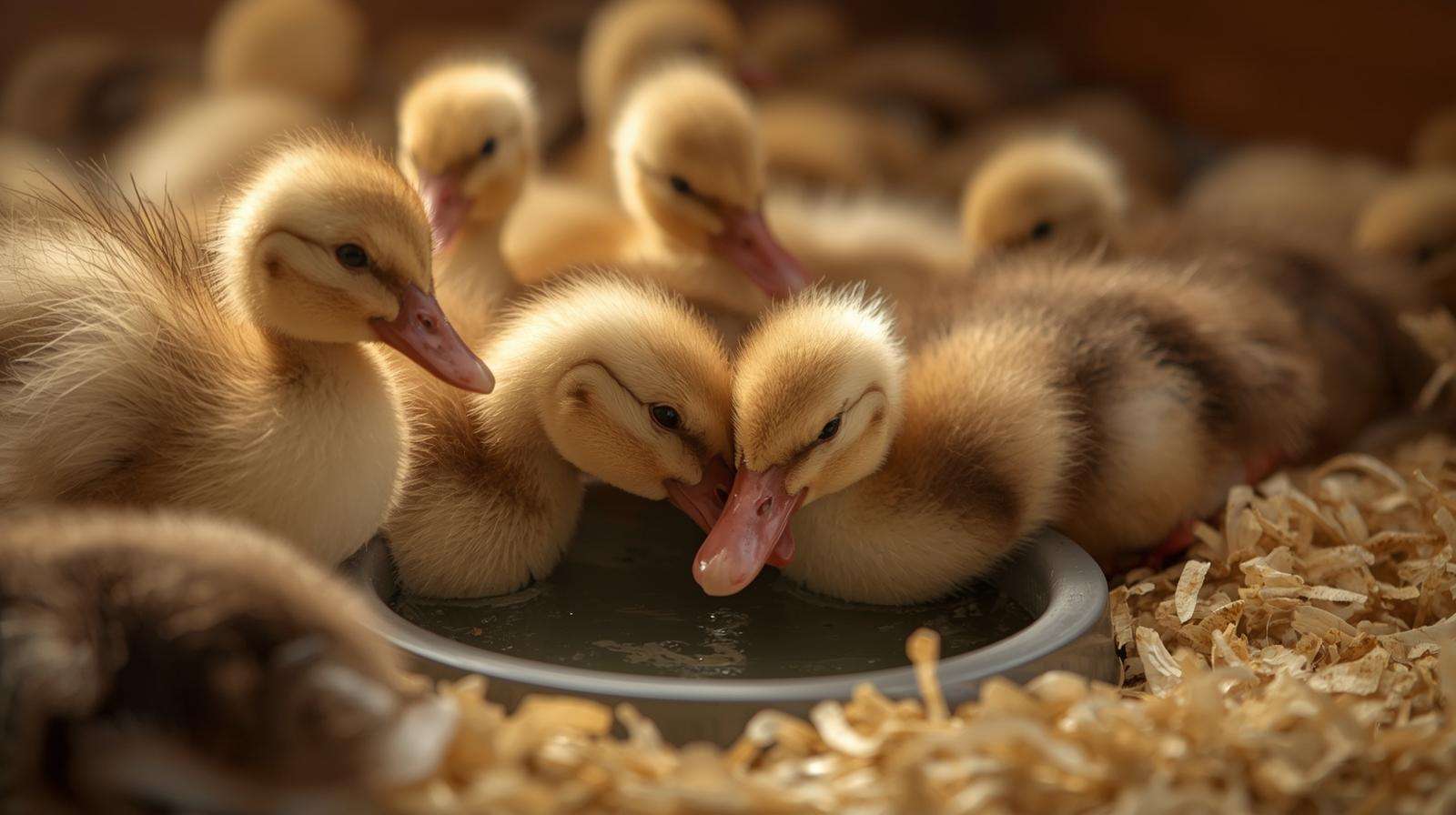
Why Ducklings and Chicks Have Very Different Water Needs
One of the most dangerous assumptions new poultry keepers make is treating ducklings and chicks the same around water—or worse, treating ducklings like adult ducks.
Ducklings are NOT born waterproof.
Although ducklings instinctively paddle, their down lacks the natural oils that make adult ducks water-resistant. Those oils come from the preen gland and are distributed only after full feathering.
Chicks, on the other hand, are strictly land birds.
They lack:
-
Waterproofing
-
Webbed feet
-
Swimming instincts
-
The ability to escape water hazards
From a livestock management standpoint, this means:
-
Ducklings require controlled, limited water exposure
-
Chicks require strict water restriction
Common Myths That Put Young Birds at Risk
Myth 1: “Ducklings can swim from day one.”
They can paddle—but paddling is not safety. Exhaustion and hypothermia happen fast.
Myth 2: “If water is shallow, it’s safe.”
Many chicks drown in water less than one inch deep.
Myth 3: “They’ll move away if they’re uncomfortable.”
Young birds often panic, slip, or freeze instead of escaping.
Understanding these myths is the first step toward preventing loss.
Why Water Is Dangerous for Ducklings and Chicks
Drowning Risks in Young Poultry
Ducklings drown from exhaustion.
They paddle continuously without realizing they’re tiring. Once exhausted, they cannot lift their heads reliably.
Chicks drown from accidents.
They slip into water, soak their feathers, lose balance, and cannot climb out—even from shallow containers.
Common drowning hazards include:
-
Open bowls
-
Deep waterers
-
Slick plastic containers
-
No exit ramps or grip
Cold Stress and Hypothermia
Water + young birds = rapid heat loss.
Ducklings and chicks:
-
Cannot regulate body temperature well
-
Lose heat quickly when wet
-
Can die from chilling even in warm rooms
Warning signs of cold stress include:
-
Shivering
-
Lethargy
-
Piling together
-
Weak chirping
-
Separating from the group
From an animal welfare perspective, hypothermia is often the real killer—not drowning alone.
Disease and Sanitation Risks
Unsafe water setups also increase:
-
Bacterial growth
-
Coccidia spread
-
Respiratory illness
-
Past pasty butt and gut infections
Young birds drink frequently, so contaminated water becomes a rapid disease vector.
At What Age Are Ducklings and Chicks Safe Around Water?
Duckling Water Safety by Age
0–2 Weeks
-
No swimming access
-
Only shallow drinking water
-
Head-submersion allowed, body immersion not allowed
2–4 Weeks
-
Very brief, supervised water exposure
-
Warm water only
-
Immediate drying and re-warming required
Fully Feathered (Usually 6–8 Weeks)
-
Considered waterproof
-
Can safely swim independently if weather is warm
Important note: Feathering speed varies by breed and nutrition. Always assess feather coverage, not age alone.
Chick Water Safety by Age
Chicks never reach a stage where swimming is safe.
Even older chicks:
-
Can drown
-
Can become hypothermic
-
Can inhale water easily
Chicks should only ever have controlled drinking access, never bathing or swimming water.
Safe Water Setups for Ducklings
Best Water Containers for Ducklings
From an agricultural safety standpoint, the best duckling waterers:
-
Allow head submersion
-
Prevent body entry
-
Are tip-resistant
Recommended options include:
-
Shallow poultry waterers
-
Containers filled with marbles or smooth stones
-
Commercial duckling drinkers
Avoid:
-
Open bowls
-
Deep dishes
-
Containers with slick sides
How Deep Is Too Deep?
A reliable rule:
👉 Water depth should never exceed the duckling’s leg height
This allows:
-
Drinking
-
Eye and nostril cleaning
-
Zero risk of full-body immersion
Supervised Water Play: When and How
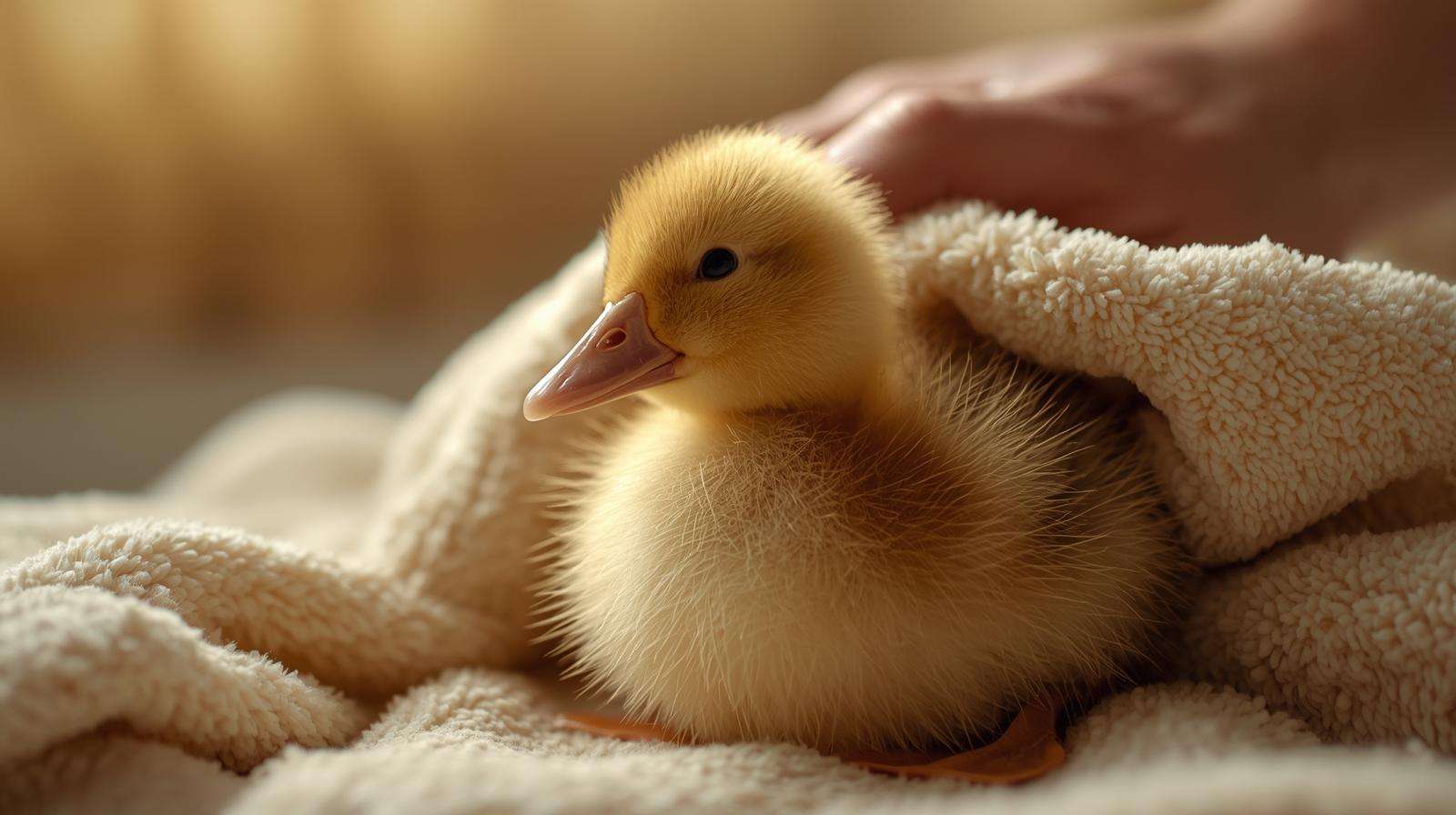
If you choose to allow brief water exposure (optional, not required):
Safety rules:
-
Water must be warm (around room temperature)
-
Exposure limited to 1–2 minutes
-
Ducklings must be constantly supervised
-
Immediate towel drying required
-
Return to warm brooder afterward
Never allow:
-
Cold water
-
Unsupervised access
-
Exhaustion-based “play”
Safe Water Setups for Chicks
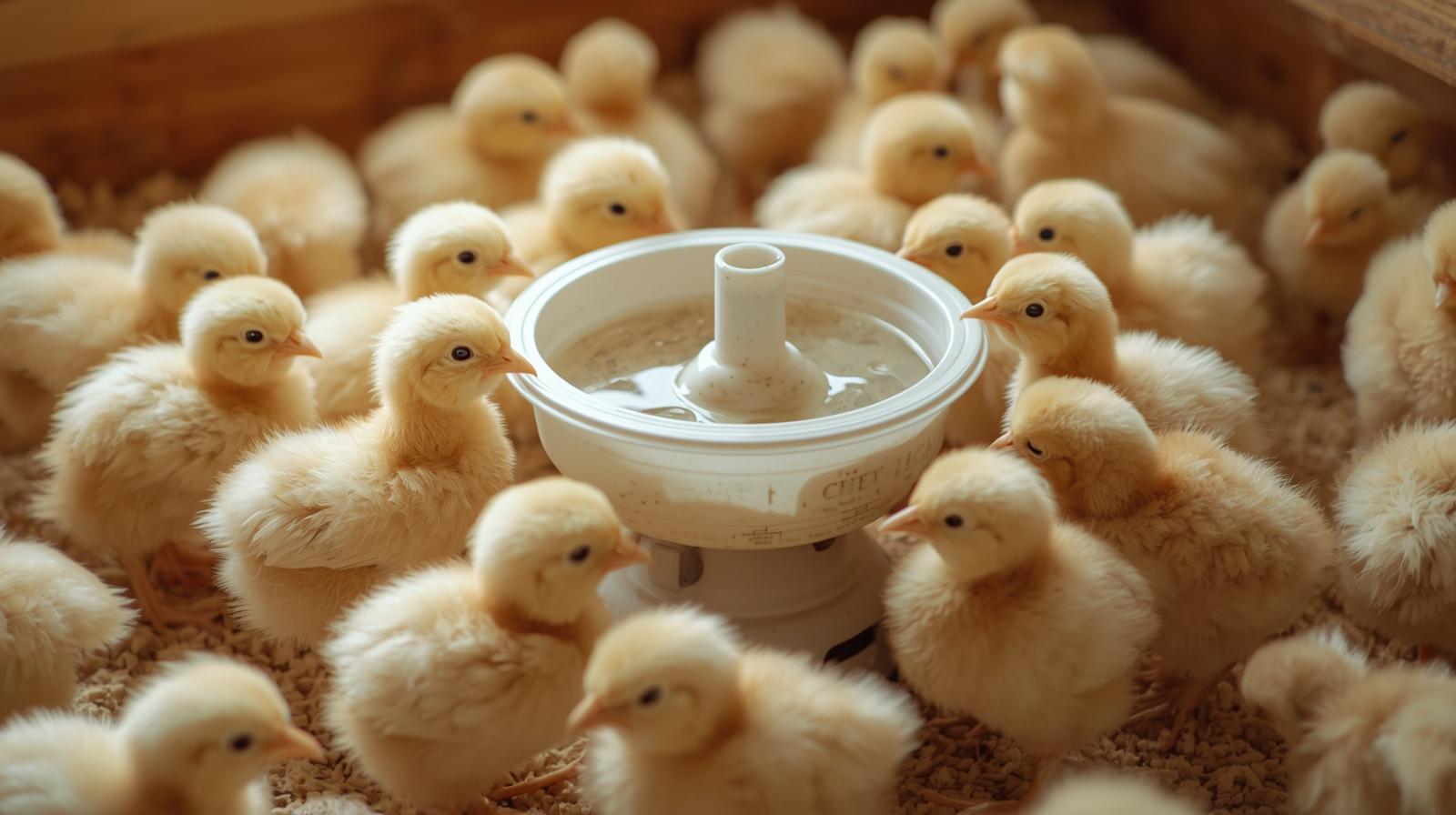
Why Chicks Should Never Have Swimming Water
Chicks lack:
-
Balance in water
-
Waterproofing
-
Escape instincts
Even a curious chick stepping into a shallow dish can become soaked and hypothermic within minutes.
Best Waterers for Chicks
The safest options include:
-
Gravity-fed chick waterers
-
Nipple water systems
-
Spill-resistant bases
Key placement rule:
👉 Waterers should be raised to chick chest height
This reduces:
-
Spills
-
Soaking
-
Bedding contamination
Preventing Accidental Falls and Soaking
-
Place waterers on stable platforms
-
Use absorbent bedding
-
Remove any open containers immediately
Water accidents often happen during:
-
Brooder cleaning
-
Refill time
-
First outdoor exposure
Brooder Water Safety: Indoor and Outdoor Considerations
Water Safety Inside the Brooder
Indoor brooders must control:
-
Spills
-
Humidity
-
Drafts
Best practices:
-
Keep water away from heat sources
-
Use shallow trays under waterers
-
Replace wet bedding immediately
Transitioning to Outdoor Setups Safely
Outdoor water exposure increases risk due to:
-
Wind
-
Temperature swings
-
Uneven ground
Introduce outdoor water slowly and always supervise young birds.
Common Water-Related Mistakes Poultry Keepers Make
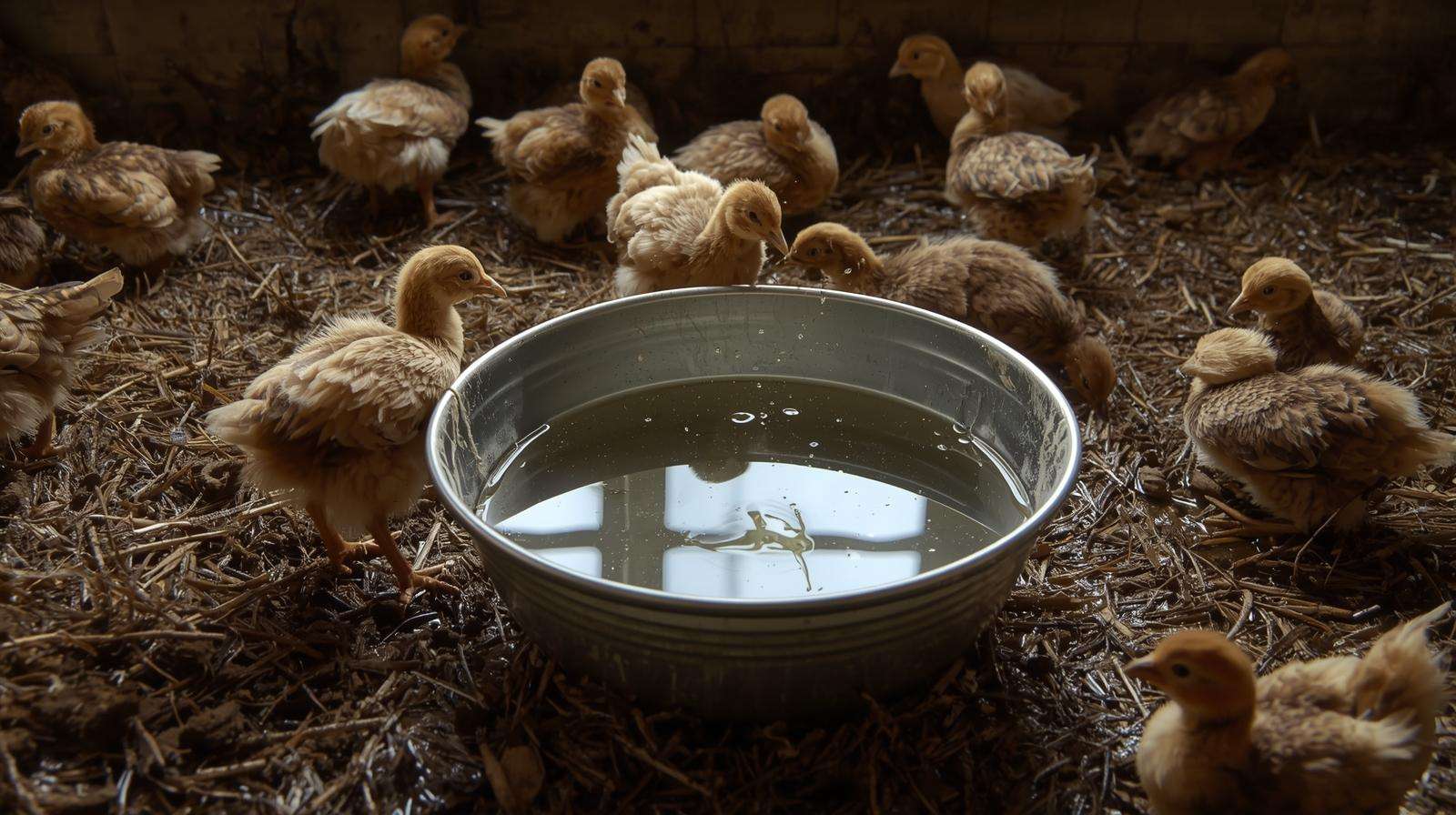
Even experienced poultry keepers can lose young birds to water-related accidents. Most incidents are preventable and stem from a few recurring mistakes.
Allowing Unsupervised “Swimming” Too Early
One of the most dangerous practices is letting ducklings swim freely before they are fully feathered. While it may look natural, early swimming often results in:
-
Exhaustion
-
Waterlogged down
-
Hypothermia hours later (even if the duckling seems fine initially)
From a husbandry standpoint, swimming is not necessary for healthy duckling development.
Using Deep Bowls or Open Containers
Open dishes are responsible for countless drownings each year. Young birds:
-
Slip on smooth edges
-
Fall forward while drinking
-
Cannot climb out once wet
If a container allows a bird’s body to enter, it is unsafe.
Treating Chicks Like Ducklings
Chicks are often exposed to water simply because they share space with ducklings or adult birds. This is a critical mistake.
Chicks:
-
Should never share swimming water
-
Should never have access to ponds, pools, or tubs
-
Need completely separate water systems
Ignoring Temperature and Drying Time
Many losses happen after water exposure, not during it. Ducklings returned to brooders while damp can chill quickly, especially at night.
Always ensure:
-
Birds are fully dry
-
Brooder temperature is adequate
-
No drafts are present
Emergency Signs and What to Do Immediately
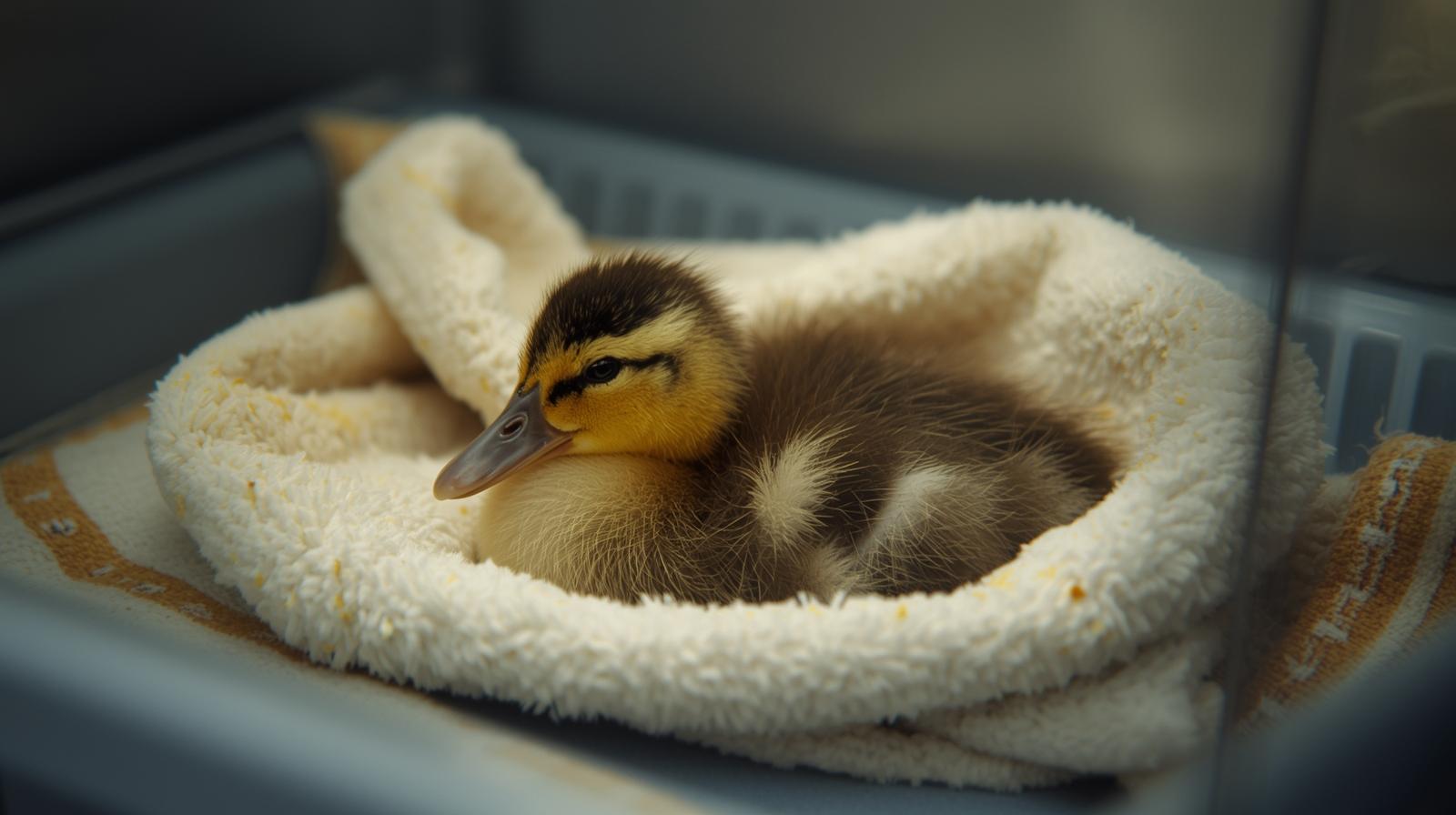
Signs of Water Distress in Ducklings and Chicks
Recognizing early signs can save lives. Watch for:
-
Weakness or lethargy
-
Shivering or trembling
-
Labored or open-mouth breathing
-
Separation from the group
-
Limp posture or inability to stand
These signs may appear minutes—or hours—after water exposure.
Immediate First Aid Steps
If a bird is wet, cold, or unresponsive:
-
Remove from water immediately
-
Gently dry with a towel
-
Provide warmth:
-
Heating pad (low setting, indirect)
-
Warm brooder area
-
Body warmth in emergencies
-
-
Isolate and observe
-
Offer water only after recovery
Never attempt to force-feed or submerge again.
From an agricultural welfare perspective, rapid warming is the most important life-saving step.
Expert Tips for Long-Term Water Safety
Designing Water Systems That Grow With Your Birds
As birds mature:
-
Increase water depth gradually (for ducks only)
-
Raise waterer height
-
Transition to safer outdoor systems
Plan water setups as stages, not permanent fixtures.
Low-Maintenance, High-Safety Water Solutions
Highly recommended systems include:
-
Poultry nipple waterers (excellent for chicks)
-
Raised gravity systems
-
Non-slip bases
-
Weighted containers
These reduce:
-
Spills
-
Soaking
-
Disease risk
-
Labor
Seasonal Considerations
-
Spring: Cold stress risk is highest
-
Summer: Overconfidence leads to early swimming accidents
-
Fall: Temperature swings increase chilling risk
Adjust water exposure based on weather, not calendar age.
Frequently Asked Questions (Expert Answers)
Can ducklings swim right after hatching?
No. Ducklings can paddle instinctively but are not waterproof and should not swim unsupervised until fully feathered.
How deep should water be for ducklings?
Water should never exceed leg height. Head submersion is sufficient for health.
Why can’t chicks be around water like ducks?
Chicks lack waterproofing, swimming ability, and escape instincts. Even shallow water poses a fatal risk.
What temperature should water exposure be for ducklings?
Water should be warm—never cold—and exposure should be brief and supervised.
Can ducklings and chicks share the same waterer?
They can share safe drinking water only if the waterer is chick-safe and prevents body entry. They should never share bathing water.
When can ducklings safely use a pond?
Only when fully feathered, in warm weather, with safe entry and exit points.
Final Takeaway: Water Safety Is Non-Negotiable for Young Poultry
Water is essential for ducks—but it is one of the most dangerous elements in early poultry care. Nearly all water-related losses among ducklings and chicks are preventable with proper knowledge and setup.
Remember these core principles:
-
Ducklings are not waterproof at hatch
-
Chicks should never have swimming access
-
Shallow does not always mean safe
-
Supervision and temperature matter as much as depth
By prioritizing Keeping Ducklings and Chicks Safe Around Water, you protect not only your birds—but your time, resources, and peace of mind.
Healthy starts create healthy flocks. Water safety is where that start begins.