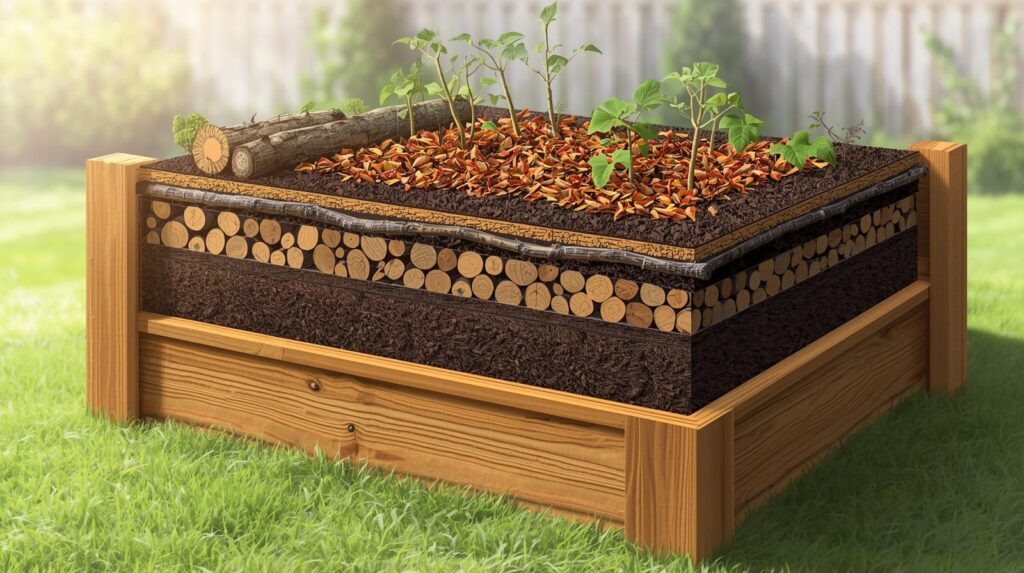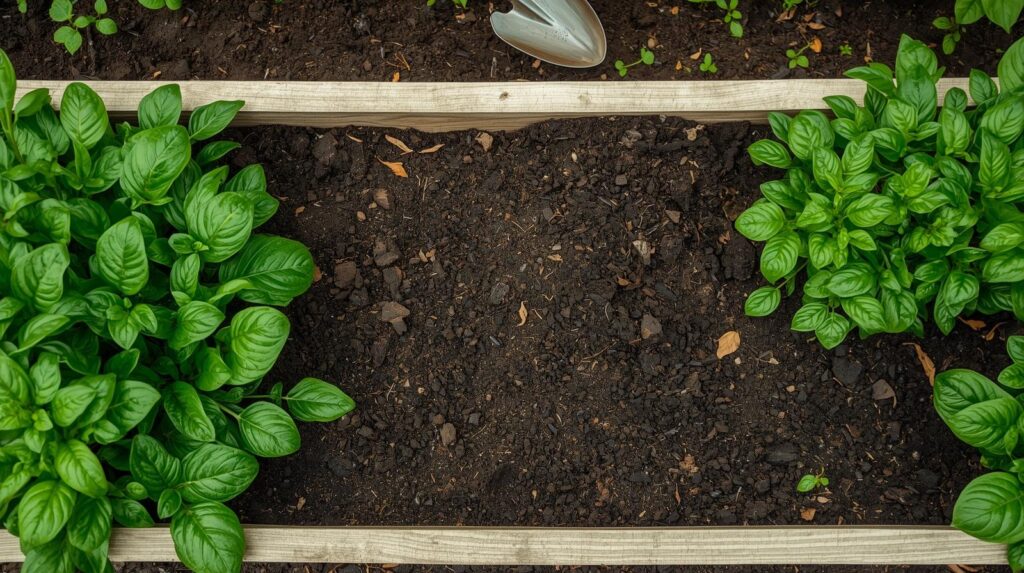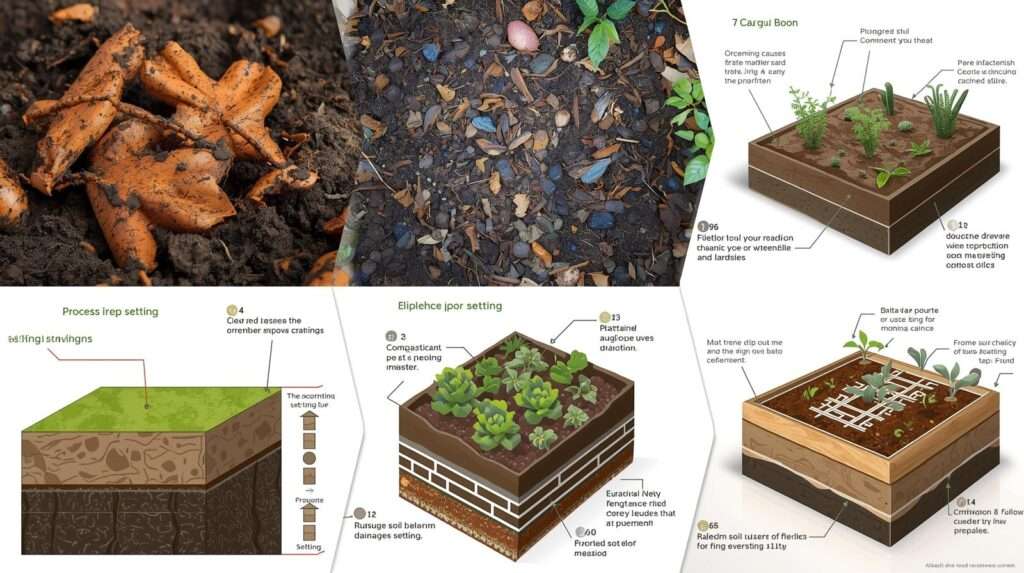
Imagine this: You’ve spent weekends building beautiful new raised garden beds, carefully filling them with rich soil mix, and planting your favorite vegetables or flowers. Everything looks perfect—until a few weeks or months later, when you notice the soil level has dropped dramatically. Your once-mounded beds now have sunken centers, exposed roots, or even frames that seem to be shifting. If you’re experiencing new raised beds settling, you’re not alone—this is one of the most common frustrations for home gardeners starting with raised bed gardening.
The good news? Settling is a completely normal process in new raised beds, and it’s almost always preventable or easily fixable. In this comprehensive guide, we’ll dive deep into why new raised beds settle, how much is typical, the main causes, proven prevention strategies, and straightforward fixes to restore your beds to peak productivity. By understanding and addressing this issue, you’ll enjoy healthier plants, bigger harvests, and beds that stay stable for years to come.
As an agricultural expert with years of experience advising home gardeners and managing raised bed systems, I’ve seen this issue countless times. Drawing from university extension resources (like those from Illinois, Oregon State, and Penn State), real-world gardener feedback, and soil science principles, this article will equip you with actionable, evidence-based solutions. Let’s turn that sinking feeling into lasting garden success.
What Does “Settling” in Raised Beds Really Mean?
Settling refers to the gradual (or sometimes rapid) reduction in soil volume inside your raised garden beds after initial filling. It’s not usually a sign of poor construction—in fact, it’s a natural outcome of physical and biological processes in the soil.
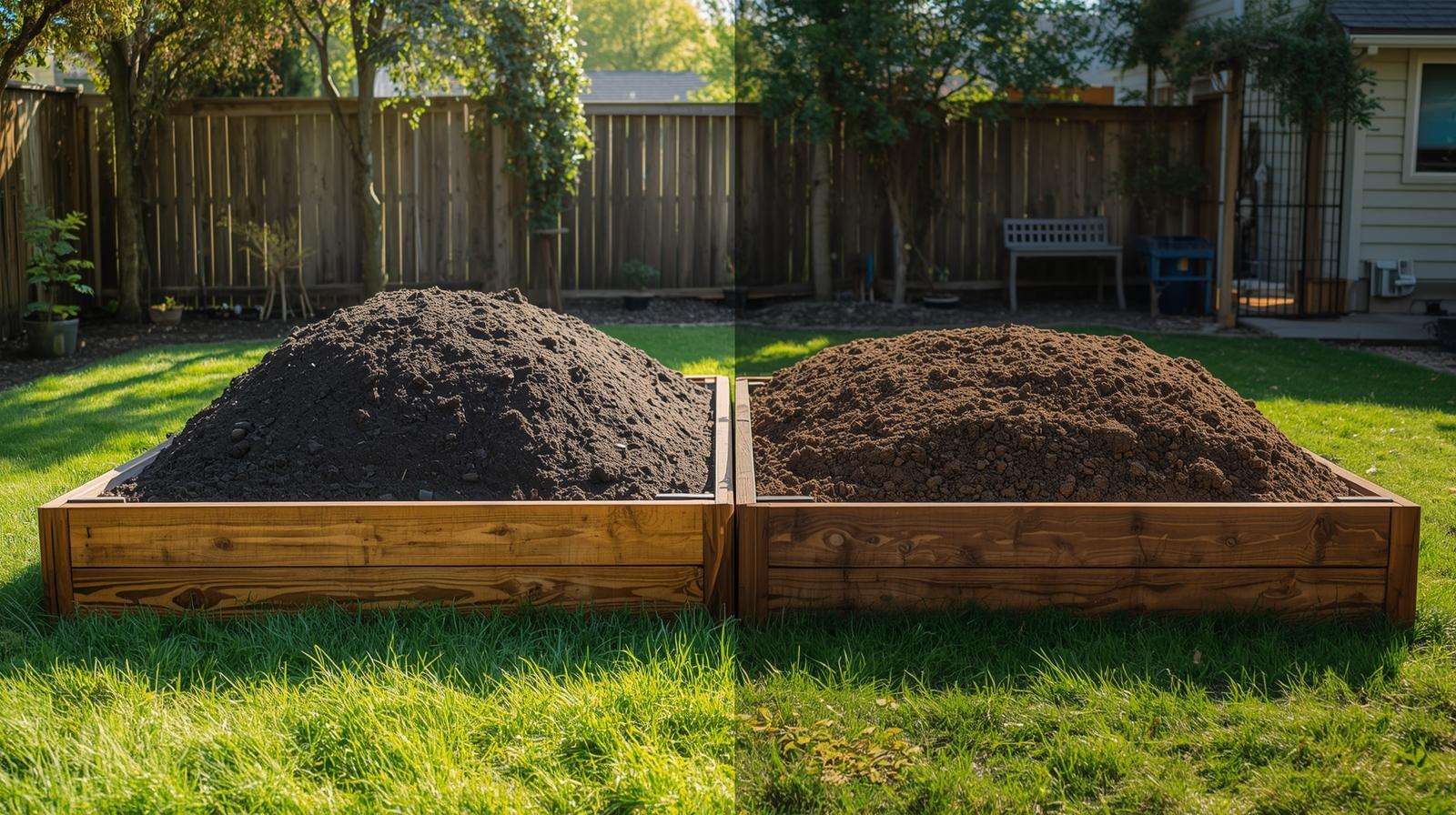
Soil Settling vs. Structural Settling
There are two main types to distinguish:
- Soil Settling: The most common. This happens within the fill material itself due to compaction, decomposition, and particle rearrangement. The soil level drops evenly or in spots, but the frame stays level.
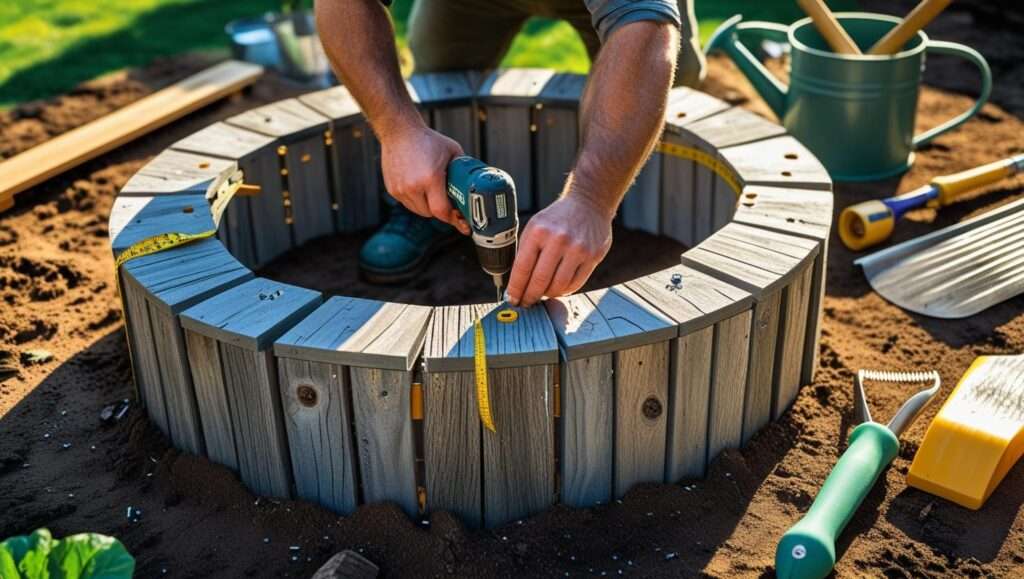
- Structural Settling: Less common but more concerning. The entire bed frame sinks or tilts because the ground beneath wasn’t properly prepared (e.g., soft soil, rodent tunnels, or uneven leveling). This can cause bowing sides or unstable structures.
Most cases of new raised beds settling are soil-related, especially in the first year.
How Much Settling Is Normal?
Expect 2–6 inches of drop in the first season, depending on your fill materials. In extreme cases—with high fresh organic matter like leaves, grass clippings, or uncomposted manure—settling can reach 8–12 inches or even halve the initial volume (as noted in UConn Extension studies on layered beds).
- Fresh compost or manure-heavy mixes: Up to 20–50% volume loss in year one from decomposition.
- Balanced topsoil/compost blends: Typically 10–30% loss.
- Peat-based or fluffy mixes: Higher initial compaction drop.
Timeline: When Does Most Settling Occur?
- Weeks 1–4: Initial compaction from watering and gravity.
- Months 1–6: Peak decomposition of fresh organics.
- Year 2+: Minimal, as stable humus forms.
Most settling stabilizes after the first growing season, with only minor adjustments needed thereafter.
Common Causes of New Raised Beds Settling
Understanding the root causes is key to prevention. Here’s a breakdown based on soil science and extension research:
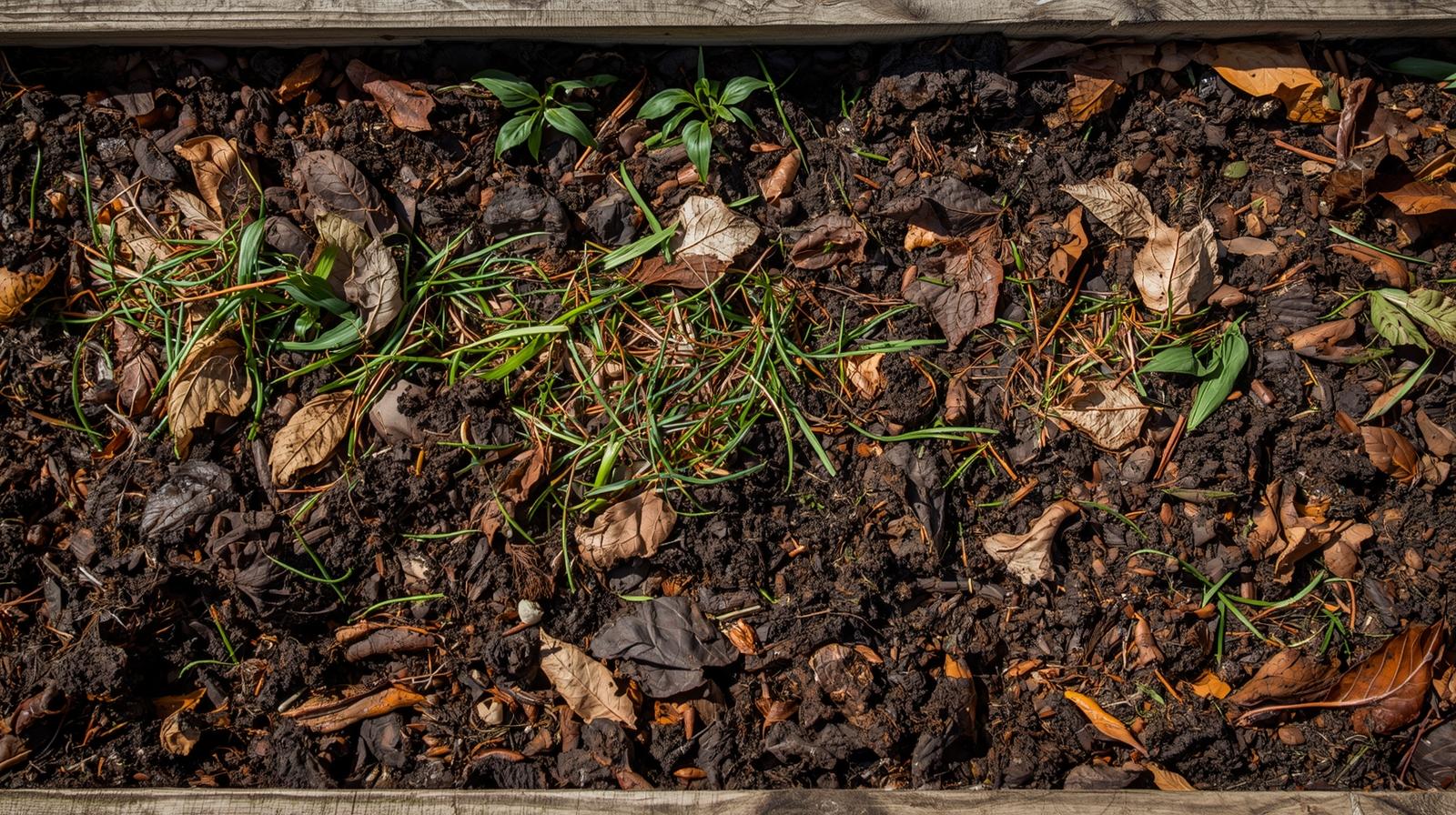
Organic Matter Decomposition
The #1 culprit. Fresh organic materials (compost, leaves, manure) break down rapidly via microbial activity, releasing CO₂ and water while losing volume. Fresh compost can shrink 20–50% in the first year (per Cornell and OSU data). This creates air pockets that collapse over time.
Poor Soil Composition and Lack of Compaction
Fluffy, lightweight mixes (high peat or vermiculite) settle more as particles pack down. Overly airy blends lack structure, leading to faster drops.
Water and Irrigation Effects
Rain or watering washes fine particles downward, accelerating compaction. Poor drainage exacerbates this in heavy mixes.
Insufficient Initial Compaction During Filling
Rushing the process without layering and watering leads to uneven settling later.
Ground Preparation Issues Beneath the Bed
Soft, recently disturbed, or uneven native soil can cause the whole bed to sink. Rodent activity or poor leveling contributes.
Frame Material and Construction Factors
Wood frames expand/contract with moisture; inadequate bracing on tall beds allows outward bowing under soil weight.
| Cause | Typical Volume Loss | Common in These Materials/Factors |
|---|---|---|
| Organic Decomposition | 20–50% | Fresh compost, leaves, manure, grass clippings |
| Compaction | 10–30% | Peat moss, vermiculite, lightweight potting mixes |
| Water Settling | 5–15% | Fine particles in loam or silt-heavy blends |
| Structural Issues | Variable | Uneven ground, soft subsoil, poor bracing |
How to Prevent Excessive Settling When Building New Raised Beds
Prevention starts at construction. Follow these expert-backed steps for minimal settling.
Choose the Right Fill Materials
Aim for balance to reduce decomposition and compaction:
- Recommended ratio: 60% topsoil/loam, 30% aged compost, 10% aeration (perlite, vermiculite, or coarse sand).
- Use aged compost (at least 6–12 months old) to minimize volume loss.
- Avoid 100% compost or fresh manure—limit fresh organics to 30% maximum.
University extensions (e.g., Maryland, Iowa State, and Washington State) consistently recommend no more than 30–50% organic matter by volume in initial fills.
Layer and Compact Properly During Filling
The single most effective prevention technique:
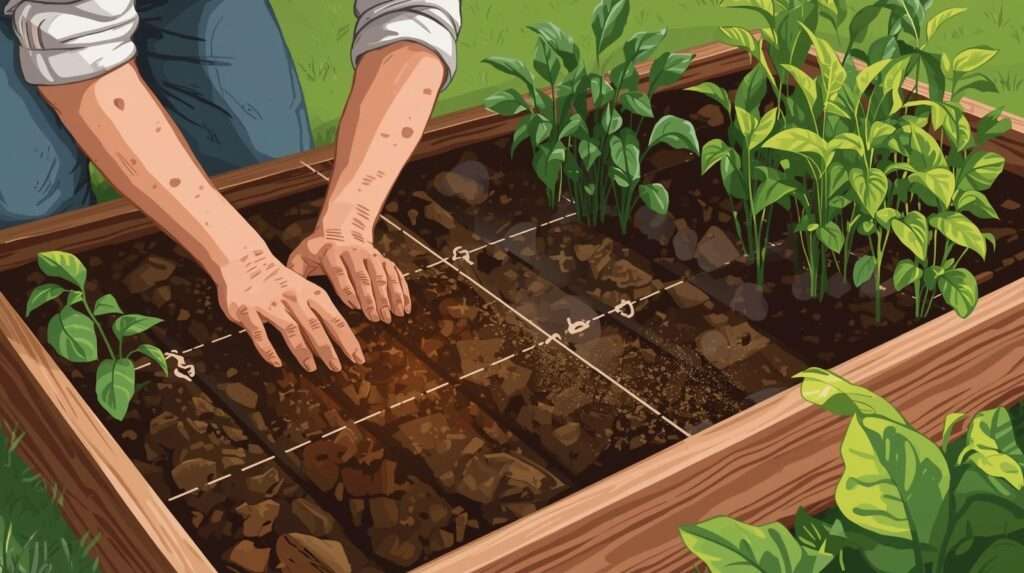
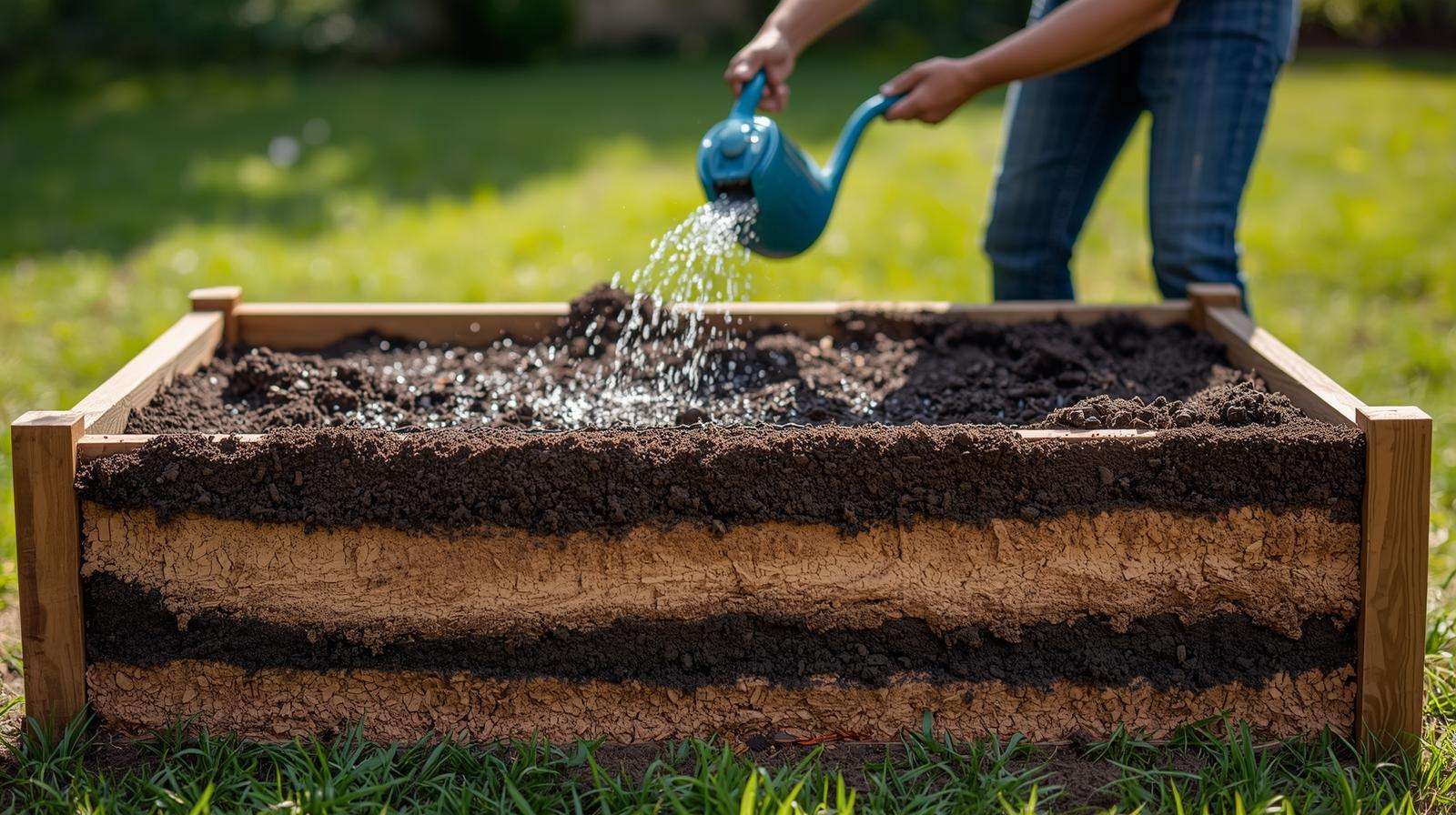
- Add soil in 6–8 inch layers.
- Water each layer thoroughly until saturated (this reveals air pockets immediately).
- Allow to drain, then lightly tamp or walk gently across the surface.
- Repeat until the bed is filled to the desired level (or slightly overfilled).
This controlled process can reduce final settling by 50% or more.
Pre-Compacting and “Cooking” Your Soil Mix
Mix all materials in a pile or tarp and let them sit for 4–8 weeks before filling. Moisture and microbial activity will cause initial shrinkage upfront, not in your beds.
Overfill Strategically
Professional gardeners routinely overfill new beds by 2–6 inches (or 20% by volume) to compensate for expected drop. Mound slightly higher in the center if drainage allows.
Site Preparation Best Practices
- Level the ground meticulously with a long board and level tool.
- Remove sod, weeds, and rocks.
- Lay cardboard or several layers of newspaper to suppress weeds (these decompose slowly and add minimal volume loss).
- Loosen subsoil with a garden fork to improve stability without creating air pockets.
Simple Fixes for Already-Settling Raised Beds
If your beds are already sinking, don’t despair—these fixes are straightforward and effective.
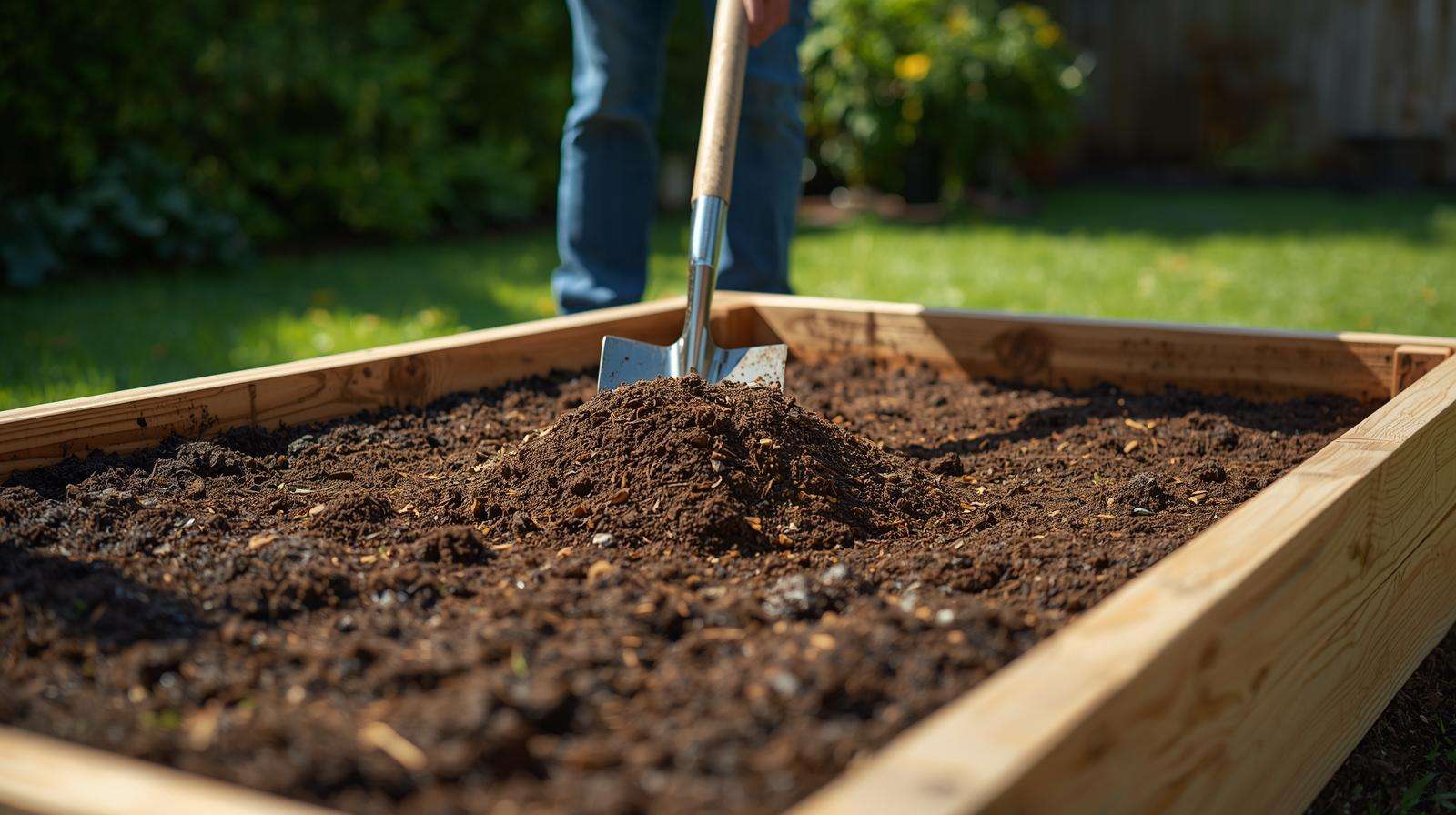
Topping Off with Fresh Soil Mix
The simplest and most common solution:
- Add 2–6 inches of the same balanced soil blend in late fall or early spring (when plants are dormant or not yet planted).
- Rake lightly to incorporate with existing material.
- Water well to settle the new layer.
Many experienced gardeners make annual top-dressing a routine part of raised bed maintenance, similar to mulching.
Adding Structure with Mid-Season Supports
For structural settling or bowing frames:
- Install diagonal cross-braces inside tall beds.
- Drive rebar or wooden stakes at corners and tie frames securely.
- Add mid-height horizontal supports if sides are bulging.
Amending and Aerating Settled Soil
To restore volume and improve structure:
- Gently insert a garden fork every 6–12 inches and rock it back and forth (avoid deep digging near roots).
- Work in coarse organic matter like aged compost or coconut coir.
- Top with 1–2 inches of finished compost to feed microbes and maintain fertility.
Converting Low Spots into Planting Opportunities
Turn the problem into an advantage:
- Plant deep-rooted crops (tomatoes, potatoes) in lower centers where moisture collects.
- Create intentional micro-swales for water-loving herbs like mint or parsley.
- Use sunken areas for succession planting of cool-season greens that tolerate moister soil.
Long-Term Strategies for Stable, Productive Raised Beds
Once initial settling is managed, focus on practices that maintain stability year after year.
Annual Maintenance Routine
- Fall: Top-dress with 1–3 inches of compost or soil mix after harvest.
- Spring: Lightly rake and level before planting.
- Ongoing: Monitor levels monthly during the first two years; mark frame heights with permanent markers for easy comparison.
Transitioning to No-Dig/Lasagna Gardening Methods
After year one, shift to no-dig principles:
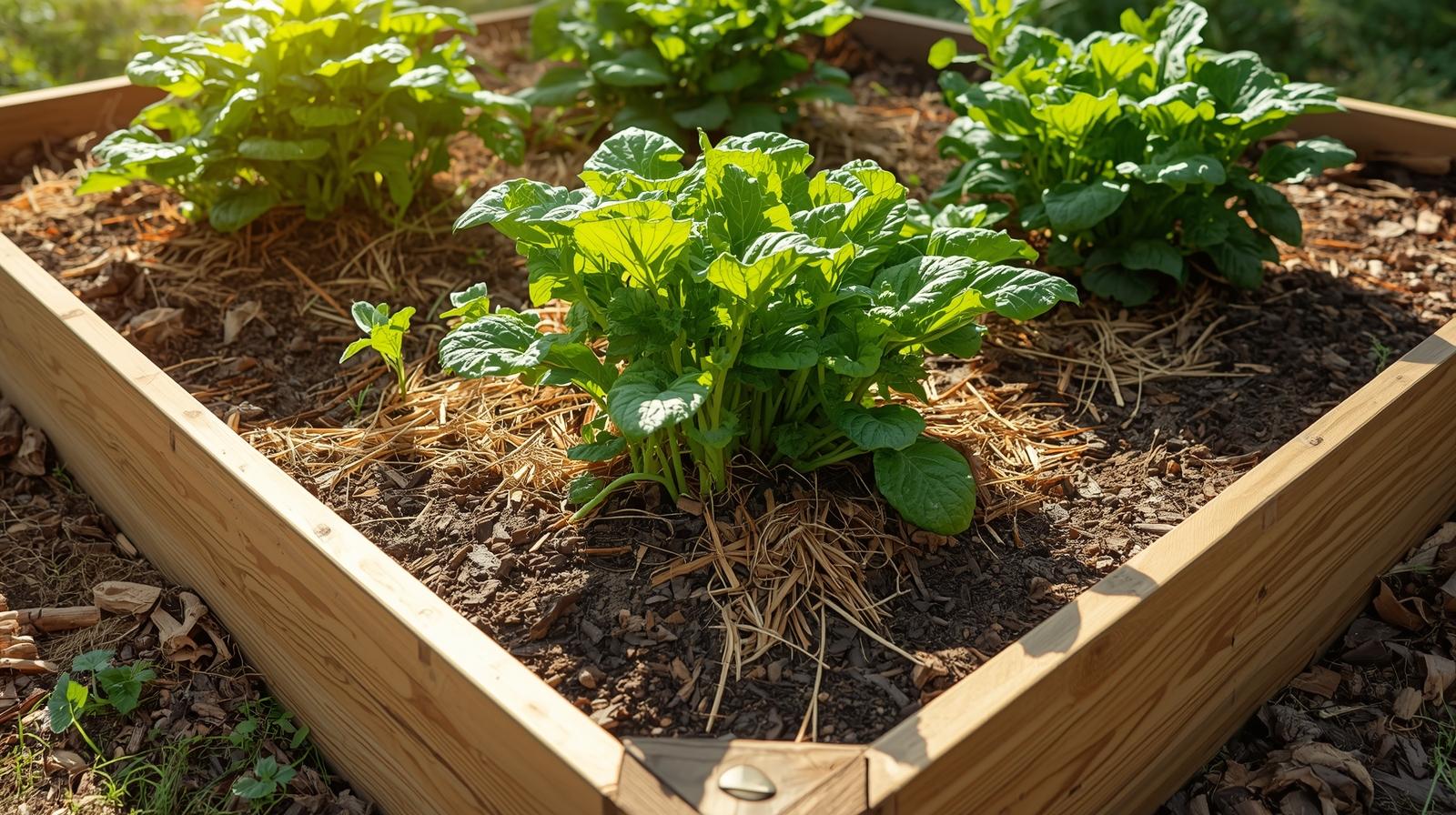
- Add layers of mulch, compost, and cardboard on top rather than mixing in.
- This builds soil upward over time and virtually eliminates further settling.
- Popularized by Charles Dowding and supported by soil health research, this method preserves soil structure and biology.
When to Rebuild or Reinforce Beds
Consider major intervention if:
- More than 8–10 inches lost after two seasons.
- Frames are rotting, bowing severely, or pulling apart.
- Drainage has become chronically poor.
In these cases, empty the bed, reinforce or replace frames, and refill using prevention techniques above.
Real-World Examples and Case Studies
- Case 1: A beginner filled beds with 100% homemade compost (mostly kitchen scraps and leaves). Result: 10-inch drop in year one. Fix: Switched to annual compost top-dressing and now maintains perfect levels with no-dig mulching.
- Case 2: Beds on recently tilled lawn soil sank unevenly due to subsoil air pockets. Solution: Added internal bracing and cardboard base; subsequent beds were placed on undisturbed ground with excellent stability.
- Case 3: Gardener using commercial “raised bed mix” (high peat content) saw rapid 6-inch drop. Prevention learned: Now blends 50% native topsoil for density and less settling.
These patterns match thousands of reports from gardening communities and extension hotlines nationwide.
Frequently Asked Questions (FAQ Section)
Why is my raised bed soil sinking unevenly? Uneven settling usually indicates pockets of high organic matter, inconsistent compaction during filling, or ground irregularities beneath the bed.
How long does it take for raised bed soil to stop settling? Most significant settling occurs in the first 6–12 months. By year two, volume loss is typically less than 5% annually with proper maintenance.
Can I use only compost in raised beds, or will it settle too much? Pure compost will settle dramatically (often 40–60%). Always blend with topsoil or other structural components for stability.
Is settling worse in clay vs. sandy native soils underneath? Clay subsoils can cause more structural sinking if not prepared; sandy soils drain faster but may shift more. Proper site leveling mitigates both.
Should I worry about settling affecting plant roots? Minor settling rarely harms established plants. Severe drops can expose roots—monitor and top off promptly to prevent stress.
How do I calculate how much extra soil to buy for topping off? Measure current drop depth across the bed, multiply by bed area (length × width), then add 20% buffer. Example: 4-inch average drop in 4×8 bed = 10.7 cubic feet needed.
Conclusion
New raised beds settling is a natural and expected part of the process—driven primarily by organic matter decomposition, compaction, and water movement. Armed with the right knowledge, you can dramatically reduce settling through smart material choices, careful filling techniques, strategic overfilling, and thorough site preparation.
For existing beds that have already settled, simple topping off, structural reinforcement, and no-dig maintenance will restore stability and productivity quickly. Over time, these practices lead to richer, more resilient soil that supports abundant harvests season after season.
Implement these strategies confidently, and your raised beds will reward you with years of reliable performance. If you’ve dealt with settling in your own garden, share your experience in the comments—I’d love to hear what worked for you.
Happy gardening!