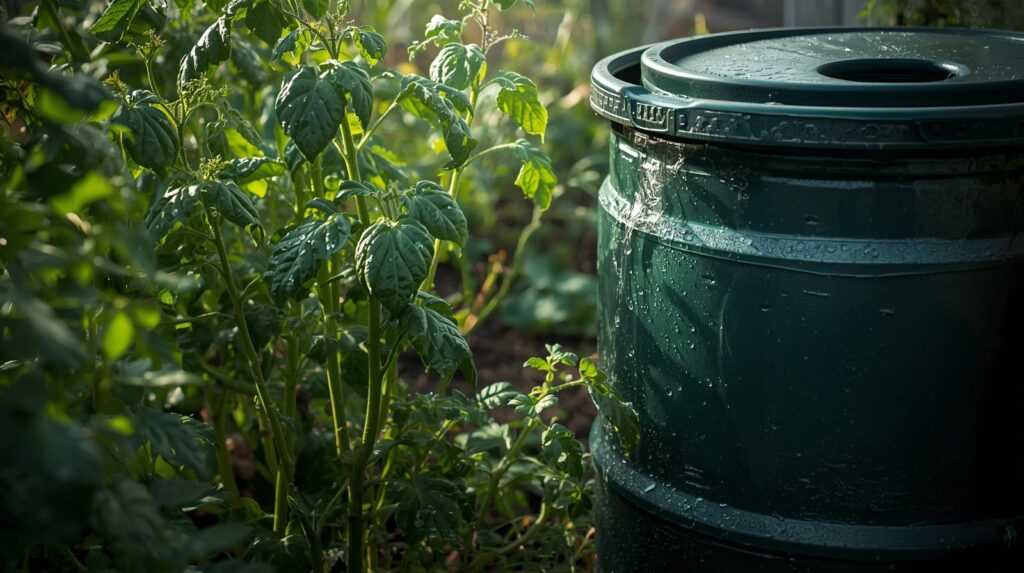
Water is the lifeblood of every successful vegetable garden—but for many gardeners, it’s also one of the biggest challenges. Rising water costs, seasonal droughts, watering restrictions, and inconsistent rainfall make it harder than ever to keep vegetables healthy and productive. That’s exactly why rain barrels for veggie gardens have become one of the smartest, most practical tools for modern gardeners who want better harvests without wasting water.
Imagine capturing free, chemical-free rainwater every time it rains—and using it to grow stronger tomatoes, leafy greens, peppers, and root crops. Rain barrels don’t just save water; they improve soil health, reduce plant stress, and give you more control over irrigation during dry spells.
As someone who has worked with home growers and small-scale agricultural systems for years, I’ve seen firsthand how even a simple rain barrel setup can dramatically improve vegetable garden performance. In this in-depth guide, you’ll learn exactly how rain barrels work, why they’re ideal for vegetable gardens, how to choose and install the right system, and how to use rainwater safely and effectively for maximum yields.
What Are Rain Barrels and How Do They Work?
Understanding Rain Barrels
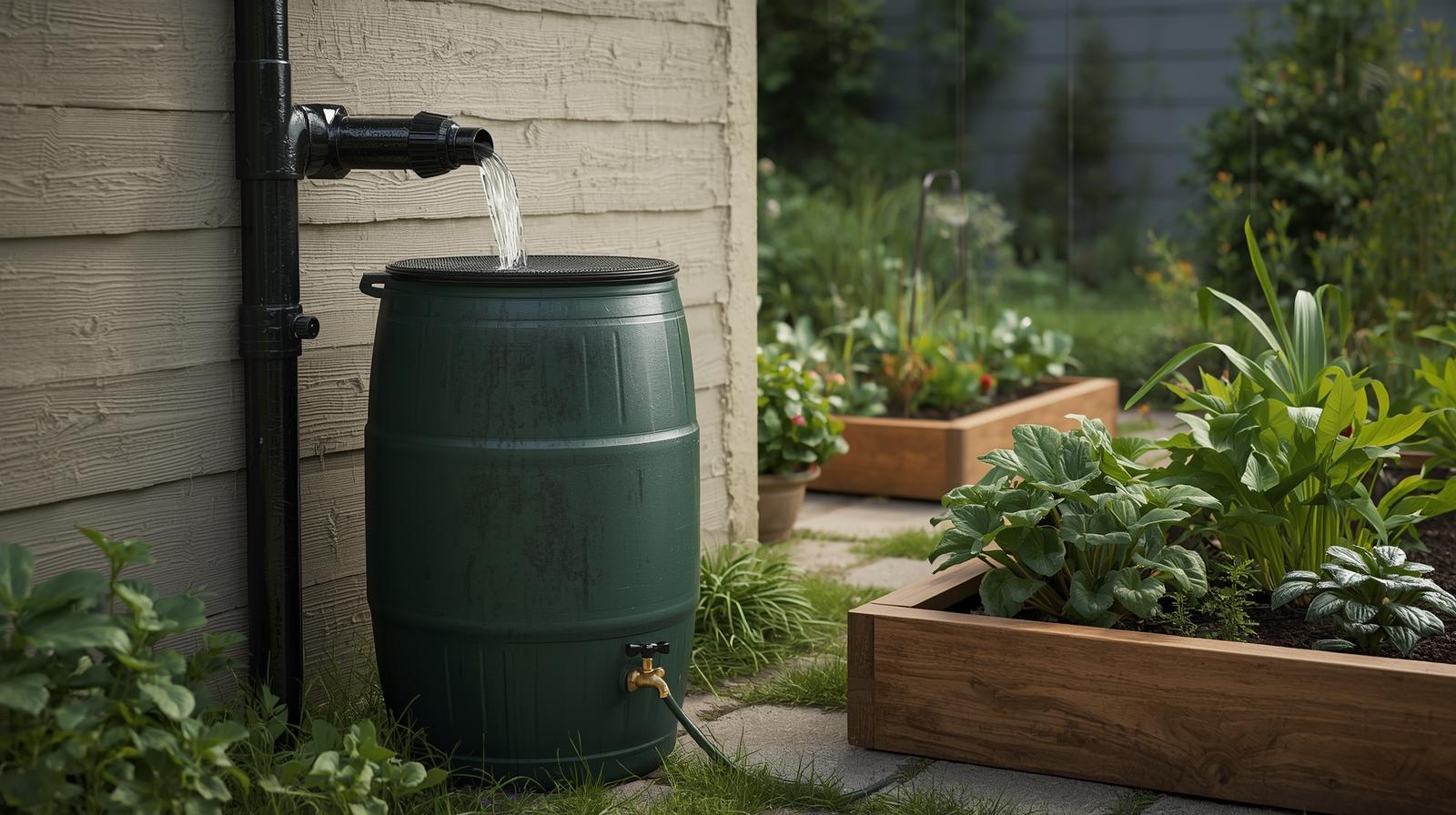
A rain barrel is a container designed to collect and store rainwater that flows from your roof through gutters and downspouts. Instead of letting this valuable water run off into storm drains, a rain barrel captures it so you can reuse it in your vegetable garden.
Most rain barrels range from 40 to 80 gallons in capacity, though larger systems can store hundreds of gallons when multiple barrels are connected.
Key Components of a Rain Barrel System
A properly designed rain barrel system typically includes:
-
The barrel – Food-safe plastic, resin, or sealed wood containers are most common
-
Lid or screen – Prevents debris, insects, and animals from entering
-
Spigot or outlet valve – Allows easy access to water
-
Overflow outlet – Redirects excess water away from foundations
-
Downspout diverter – Channels rainwater from gutters into the barrel
Each component plays an important role in keeping collected rainwater clean, safe, and easy to use.
How Rainwater Collection Works
When rain falls on your roof, it travels through gutters and downspouts. A diverter or cut downspout directs that water into the barrel. Once full, excess water exits through the overflow valve and is safely diverted away from your home.
A surprising amount of water can be collected this way. For example:
-
1 inch of rain on a 1,000 sq. ft. roof = over 600 gallons of water
Even a single rain barrel can fill up quickly during a moderate rainstorm.
Why Rain Barrels Are Ideal for Veggie Gardens
Rainwater vs. Tap Water for Vegetables
One of the biggest advantages of rain barrels for veggie gardens is water quality. Rainwater is naturally soft and free from many of the chemicals found in municipal tap water.
Tap water often contains:
-
Chlorine or chloramine
-
Dissolved salts
-
Minerals that can alter soil pH over time
Vegetables—especially leafy greens, beans, and root crops—tend to perform better when watered with untreated rainwater. Healthier soil microbes, improved nutrient uptake, and reduced salt buildup all contribute to stronger plant growth.
Benefits of Rain Barrels for Vegetable Growth
Using rainwater consistently can lead to:
-
Healthier root systems due to improved soil structure
-
Reduced transplant shock for seedlings
-
More consistent moisture levels, preventing blossom end rot and cracking
-
Improved yields and flavor in many crops
From an agricultural standpoint, stable and appropriate water availability is one of the most important factors in crop success—and rain barrels help deliver exactly that.
Environmental and Sustainability Advantages
Rain barrels also support sustainable gardening practices by:
-
Conserving potable water
-
Reducing stormwater runoff and erosion
-
Lowering demand on municipal water systems
-
Supporting eco-friendly and regenerative gardening methods
For gardeners focused on long-term soil health and sustainability, rainwater harvesting is a natural fit.
Choosing the Right Rain Barrels for Veggie Gardens
Selecting the Right Size and Capacity
The best rain barrel size depends on:
-
Garden size
-
Local rainfall patterns
-
Available space
General guidelines:
-
Small raised-bed garden: 40–55 gallon barrel
-
Medium backyard veggie garden: 1–2 barrels (80–110 gallons total)
-
Large or intensive garden: Multiple connected barrels (150+ gallons)
Many experienced gardeners start with one barrel and expand as they see the benefits.
Food-Safe Materials Matter
Because the water will be used on edible crops, it’s critical to choose food-safe containers. Look for barrels made from:
-
BPA-free plastic
-
FDA-approved food-grade materials
Avoid barrels that previously held chemicals, detergents, or non-food substances.
Store-Bought vs. DIY Rain Barrels
Store-bought rain barrels
-
Professionally designed
-
Integrated overflow and screens
-
Higher upfront cost
DIY rain barrels
-
Lower cost
-
Customizable
-
Require careful material selection
Both options can work well if designed properly. The key is safety, durability, and ease of use.
How to Install Rain Barrels for Veggie Gardens (Step-by-Step)
Choosing the Best Location
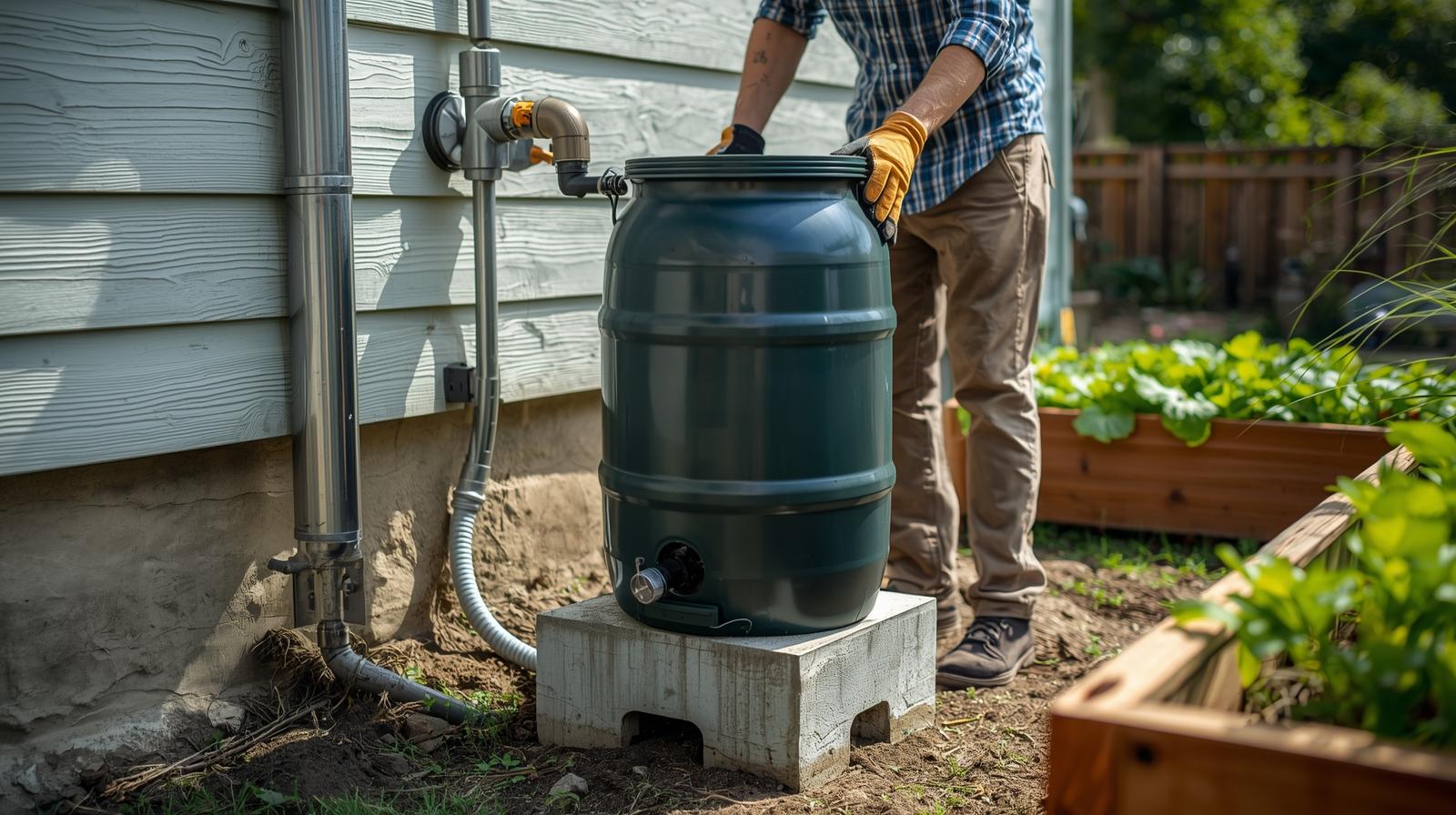
Proper placement is essential for efficiency and safety. Install rain barrels:
-
Near a downspout
-
Close to vegetable beds
-
On a level, stable surface
-
Slightly elevated for gravity-fed watering
Placing the barrel on concrete blocks or a sturdy stand increases water pressure and improves flow.
Basic Installation Steps
-
Measure and cut the downspout at the correct height
-
Attach a downspout diverter or elbow
-
Position the rain barrel securely
-
Install the spigot and overflow outlet
-
Test the system during rainfall
Always direct overflow water away from your home’s foundation.
Connecting Multiple Rain Barrels
For gardeners with larger veggie gardens, linking barrels increases storage capacity. Barrels can be connected at the base or near the top using hoses or PVC fittings, allowing them to fill evenly.
This setup is especially helpful in regions with infrequent but heavy rainfall.
How to Use Rain Barrels Effectively in Vegetable Gardens
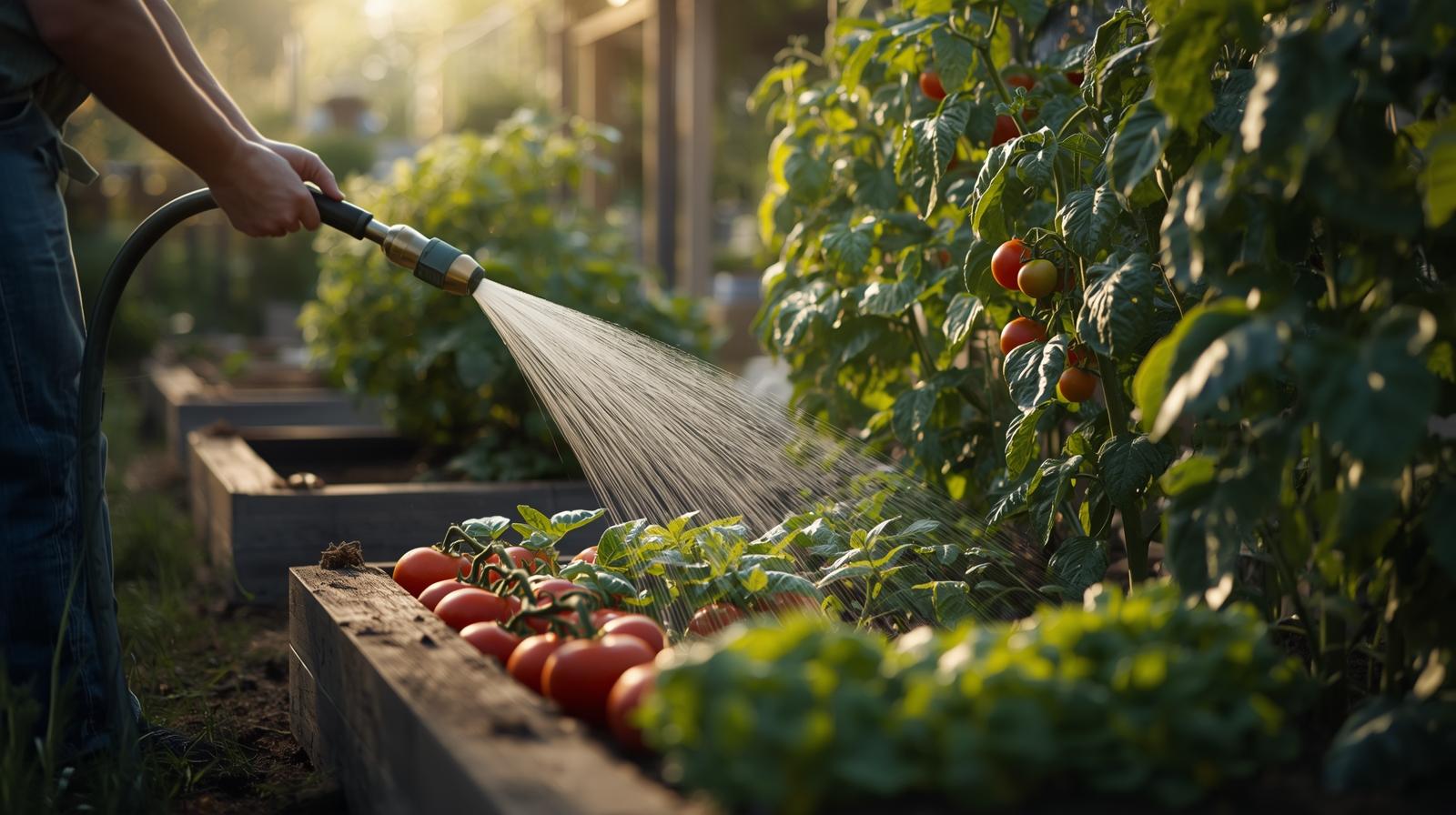
Best Ways to Water Using Rain Barrels
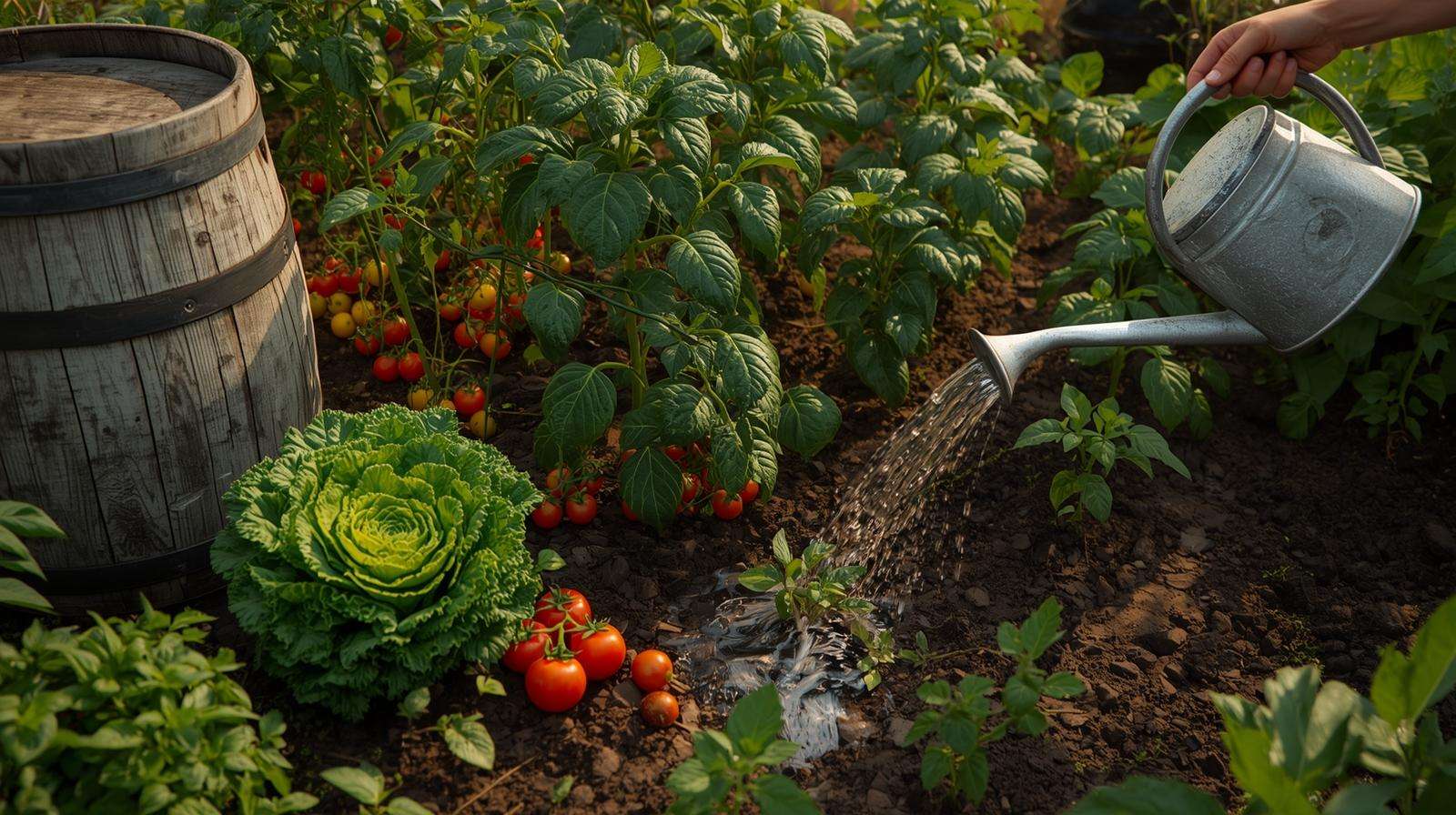
Rain barrels work best with:
-
Watering cans
-
Gravity-fed soaker hoses
-
Low-pressure drip irrigation systems
Because rain barrels rely on gravity rather than pumps, they’re ideal for slow, deep watering—exactly what vegetable roots prefer.
When and How Much to Water Vegetables
Watering needs vary by crop, growth stage, and weather conditions. In general:
-
Water deeply, not frequently
-
Focus on early morning watering
-
Adjust based on rainfall and soil moisture
Rainwater is especially valuable during hot, dry periods when municipal watering restrictions may be in place.
Maintenance and Safety Best Practices for Rain Barrels in Veggie Gardens
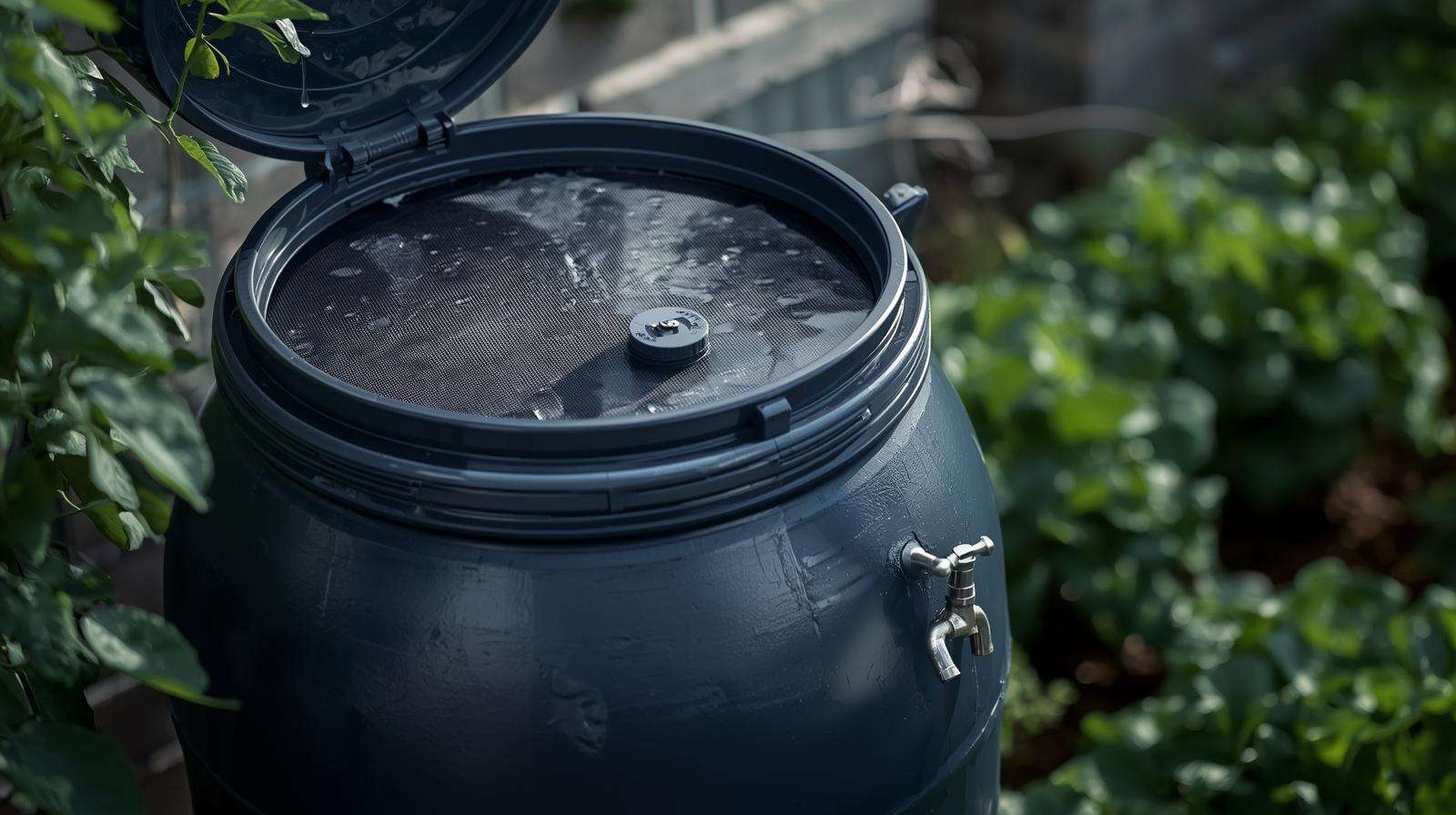
Proper maintenance is what separates a rain barrel that lasts for decades from one that becomes a nuisance. When managed correctly, rain barrels are safe, clean, and extremely reliable for vegetable gardening.
Keeping Rainwater Clean and Safe
Rainwater is naturally clean, but once it flows over a roof and sits in a container, it needs basic protection. Follow these expert-recommended practices:
-
Use a fine mesh screen on the barrel opening to block leaves, debris, and insects
-
Install a first-flush diverter to redirect the initial roof runoff (which may contain dust or bird droppings) away from the barrel
-
Keep the barrel sealed except for screened openings
From an agricultural hygiene standpoint, this minimizes microbial buildup and keeps water quality high for edible crops.
Preventing Mosquitoes and Pests
One of the most common concerns with rain barrels is mosquitoes. In reality, mosquitoes only breed in standing water when access is available.
Best prevention methods:
-
Use tightly fitted lids
-
Cover all openings with mosquito-proof mesh
-
Drain or circulate water regularly
A properly sealed rain barrel will not become a mosquito breeding ground.
Seasonal Maintenance Tips
During the growing season
-
Inspect screens and spigots monthly
-
Flush sediment once or twice per season
-
Check for leaks or cracks
Winterizing rain barrels (cold climates)
-
Drain barrels completely before freezing temperatures
-
Disconnect from downspouts
-
Store upside down or in a sheltered area
This protects the barrel and ensures it’s ready for spring planting.
Common Rain Barrel Mistakes to Avoid
Experienced growers consistently warn against:
-
Using non–food-safe containers
-
Allowing overflow to pool near foundations
-
Placing barrels on unstable surfaces
-
Leaving barrels uncovered
Avoiding these mistakes improves safety and long-term performance.
Is Rain Barrel Water Safe for Edible Vegetables?
Addressing Food Safety Concerns
This is one of the most frequently asked questions—and understandably so.
From a horticultural and agricultural perspective:
-
Rainwater is safe for soil-level irrigation
-
Avoid spraying directly onto edible leaves close to harvest
-
Wash all produce thoroughly before consumption
These are the same best practices recommended for any irrigation source, including wells and municipal water.
Root vs. Leaf Crops: Best Practices
-
Root crops (carrots, potatoes, beets): Ideal candidates for rainwater
-
Fruiting crops (tomatoes, peppers): Excellent response to rainwater irrigation
-
Leafy greens: Water at soil level rather than overhead
Following these guidelines ensures both productivity and safety.
Expert Tips to Maximize Rain Barrel Efficiency in Veggie Gardens
Combine Rain Barrels with Mulching
One of the most powerful combinations in sustainable gardening is rainwater harvesting paired with organic mulch.
Benefits include:
-
Reduced evaporation
-
More consistent soil moisture
-
Improved soil structure
Straw, wood chips, shredded leaves, and compost all work well around vegetable plants.
Use Gravity to Your Advantage
Elevating rain barrels even 12–18 inches increases water pressure significantly. This allows:
-
Faster filling of watering cans
-
Better flow through soaker hoses
-
More even irrigation
This simple step makes rain barrels far more functional.
Match Crop Layout to Water Access
Experienced growers often place:
-
High-water-demand crops (lettuce, cucumbers) closer to rain barrels
-
Drought-tolerant crops (herbs, beans) farther away
This reduces labor and improves watering efficiency.
Real-World Example: How Rain Barrels Improved a Backyard Veggie Garden
A home gardener with a 400-square-foot vegetable garden installed two 55-gallon rain barrels connected to a single downspout. Prior to installation, the garden relied entirely on municipal water during summer.
Results after one growing season:
-
Reduced outdoor water use by over 40%
-
Healthier tomato and pepper plants during heat waves
-
Fewer issues with blossom end rot
-
Improved soil moisture consistency
This type of outcome is common when rain barrels are used correctly and consistently.
Cost, Savings, and Return on Investment
Initial Setup Costs
Typical rain barrel costs:
-
DIY system: Low cost (basic materials)
-
Store-bought barrel: Moderate investment
-
Multi-barrel systems: Higher upfront cost
However, rain barrels often pay for themselves within a few seasons through water savings alone.
Long-Term Water and Garden Savings
Beyond reduced water bills, gardeners often see:
-
Lower plant replacement costs
-
Improved yields
-
Less reliance on emergency watering during droughts
From an agricultural efficiency standpoint, rain barrels offer one of the highest returns for the lowest investment.
Frequently Asked Questions About Rain Barrels for Veggie Gardens
How many rain barrels does a veggie garden need?
Most home gardens start with one or two barrels. Larger gardens benefit from linked systems.
Can rain barrels be used during watering restrictions?
In many areas, yes—because collected rainwater is often exempt. Always check local regulations.
Do rain barrels work in low-rainfall regions?
Yes, especially when combined with mulch and efficient irrigation practices.
How long can rainwater be stored?
Rainwater can be stored for weeks if barrels are sealed, shaded, and maintained properly.
Final Thoughts: Are Rain Barrels Worth It for Veggie Gardens?
Rain barrels are more than just a water-saving tool—they’re a practical, proven way to grow healthier vegetables with less waste and lower costs. When used correctly, rain barrels for veggie gardens provide clean water, improve soil health, and give gardeners resilience against drought and rising water prices.
From both a professional agricultural perspective and real-world gardening experience, rainwater harvesting is one of the smartest upgrades you can make. Whether you’re growing a few raised beds or a large backyard plot, rain barrels help you work with nature instead of against it.
If your goal is healthier plants, better yields, and a more sustainable garden, installing a rain barrel system is a step well worth taking.