
Imagine stepping out to your backyard garden one crisp morning, coffee in hand, only to discover that your lush raised bed greens—those tender lettuce leaves and budding tomatoes you’ve nurtured for weeks—have been ravaged overnight. Half-eaten stems, dug-up soil, and tiny footprints tell the tale: critters have struck again. If this sounds painfully familiar, you’re not alone. Thousands of home gardeners face this heartbreak every season, losing hard-earned harvests to rabbits, squirrels, deer, and more.
The good news? Critter-proofing raised beds is entirely achievable with the right strategies. In this comprehensive guide, we’ll dive deep into proven, practical methods to protect your raised garden beds from animals, ensuring you enjoy the full bounty of your vegetable garden. Drawing from over 15 years of hands-on organic gardening experience—including trial-and-error on my own suburban plot—I’ll share reliable techniques that have saved countless crops without resorting to harmful chemicals or expensive gadgets.
Whether you’re a beginner building your first raised bed or a seasoned grower dealing with persistent pests, this article covers everything from identifying invaders to implementing multi-layered defenses. By the end, you’ll have a customizable plan to animal-proof your raised beds effectively and affordably.
Understanding the Enemy – Common Garden Critters and Their Behaviors
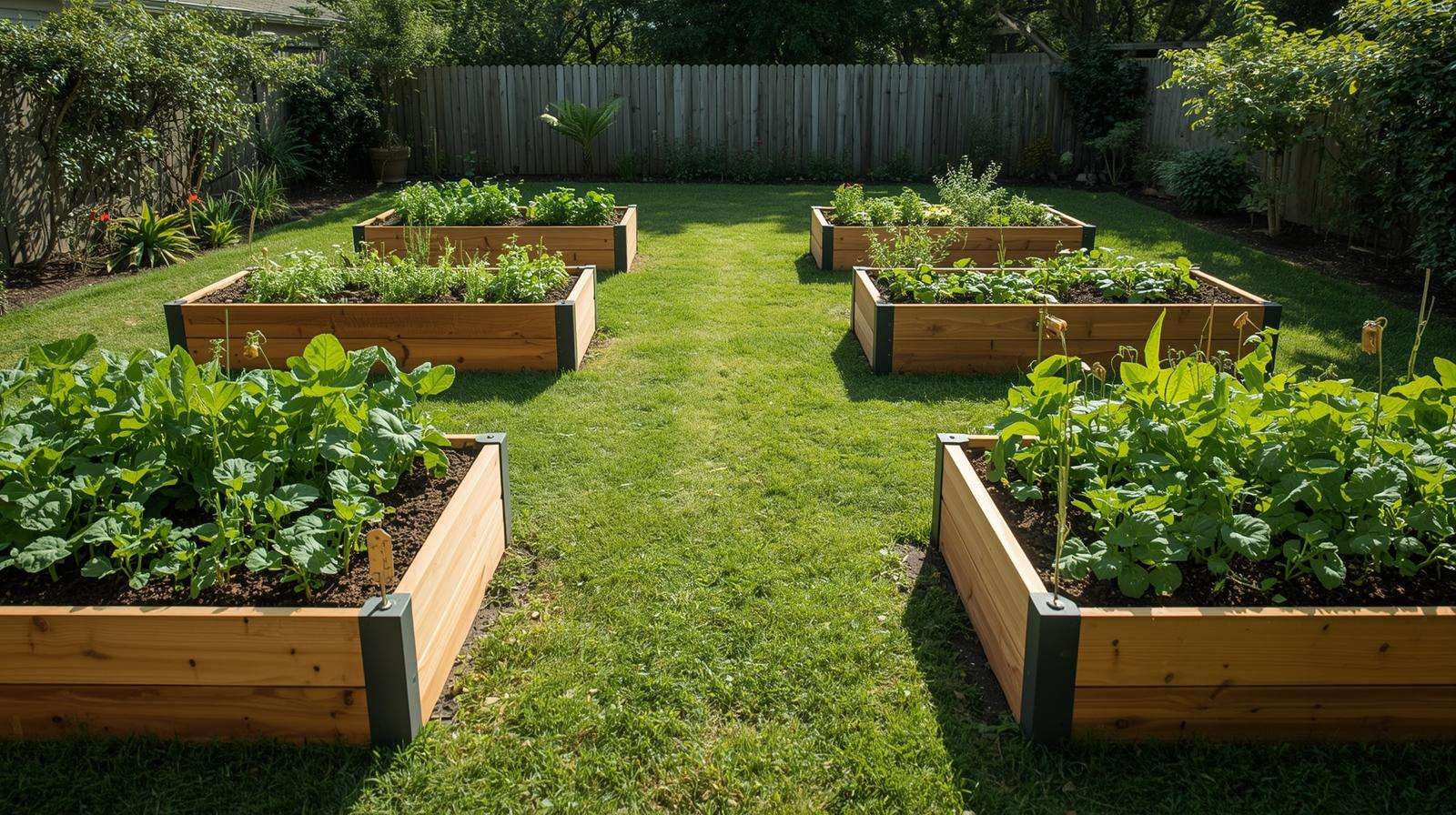
The foundation of successful critter-proofing raised beds lies in knowing your adversaries. Misidentifying the pest can lead to wasted effort and ongoing damage. Different animals have unique habits, entry methods, and weaknesses, so accurate diagnosis allows for targeted protection.
Rabbits and Hares
Rabbits are among the most common culprits in raised bed gardens, especially in suburban and rural areas. These prolific breeders love tender young shoots, leaves, and even bark. Signs of rabbit damage include clean, angled cuts on plants (about 45 degrees, like a knife slice) and small, round droppings resembling cocoa puffs. They can jump up to 2 feet high but rarely climb, making height-based barriers effective.
Squirrels and Chipmunks
Squirrels and chipmunks are agile diggers and climbers, often targeting seeds, bulbs, and ripening fruits like tomatoes or strawberries. Look for partially eaten produce left behind (squirrels take a few bites and move on) or shallow holes where they’ve buried—or unearthed—nuts. Chipmunks create small burrow entrances near beds.
Groundhogs (Woodchucks)
Groundhogs are voracious eaters capable of devastating an entire raised bed in one visit. They burrow extensively and can climb low fences. Damage appears as large sections of plants missing, with wide tunnels (up to 8 inches in diameter) nearby. These pests are active during the day, making sightings more likely.
Deer
In areas near woods or fields, deer pose a major threat. They browse at night, reaching up to 6 feet high. Evidence includes ragged, torn leaves (no clean cuts) and hoof prints. Deer can easily leap over low barriers, so taller protections are essential.
Rodents (Voles, Mice, Moles)
Subterranean pests like voles create runway-like paths under mulch and eat roots from below, causing plants to wilt suddenly. Moles tunnel for insects but disrupt soil; mice nibble seeds. Look for small holes, gnawed roots, or surface runways.
Birds and Other Occasional Pests
Birds peck at fruits and seedlings, while raccoons or opossums might raid for corn or melons. Scattered seeds or peck marks indicate birds; overturned soil suggests larger nocturnal visitors.
By observing damage patterns early—ideally at dawn or dusk—you can tailor your critter-proofing strategy precisely, saving time and resources.
Prevention Starts with Smart Raised Bed Design
The most effective way to protect raised garden beds from animals begins at the design stage. Thoughtful construction can deter many pests before they become a problem, often at little extra cost.
Optimal Height and Placement for Deterrence
Raised beds are inherently advantageous because elevation limits access for some critters. For rabbits and groundhogs, aim for at least 24-36 inches high—taller beds (up to 48 inches) provide wheelchair accessibility and better deer resistance. My own 36-inch beds have drastically reduced rabbit incursions compared to ground-level plots.
Place beds away from natural cover like fences, shrubs, or woodpiles that offer hiding spots. Open, sunny locations in the center of your yard make pests feel exposed, naturally discouraging visits.
Choosing the Right Materials
Opt for durable, chew-resistant materials. Cedar or redwood naturally repel insects and last 10-20 years without treatment. Metal beds (galvanized steel or aluminum) are virtually indestructible against chewing. Avoid pressure-treated lumber with older chemicals; modern ACQ-treated is safer but still not ideal for organic gardens.
Bottom Barriers to Stop Burrowing Pests
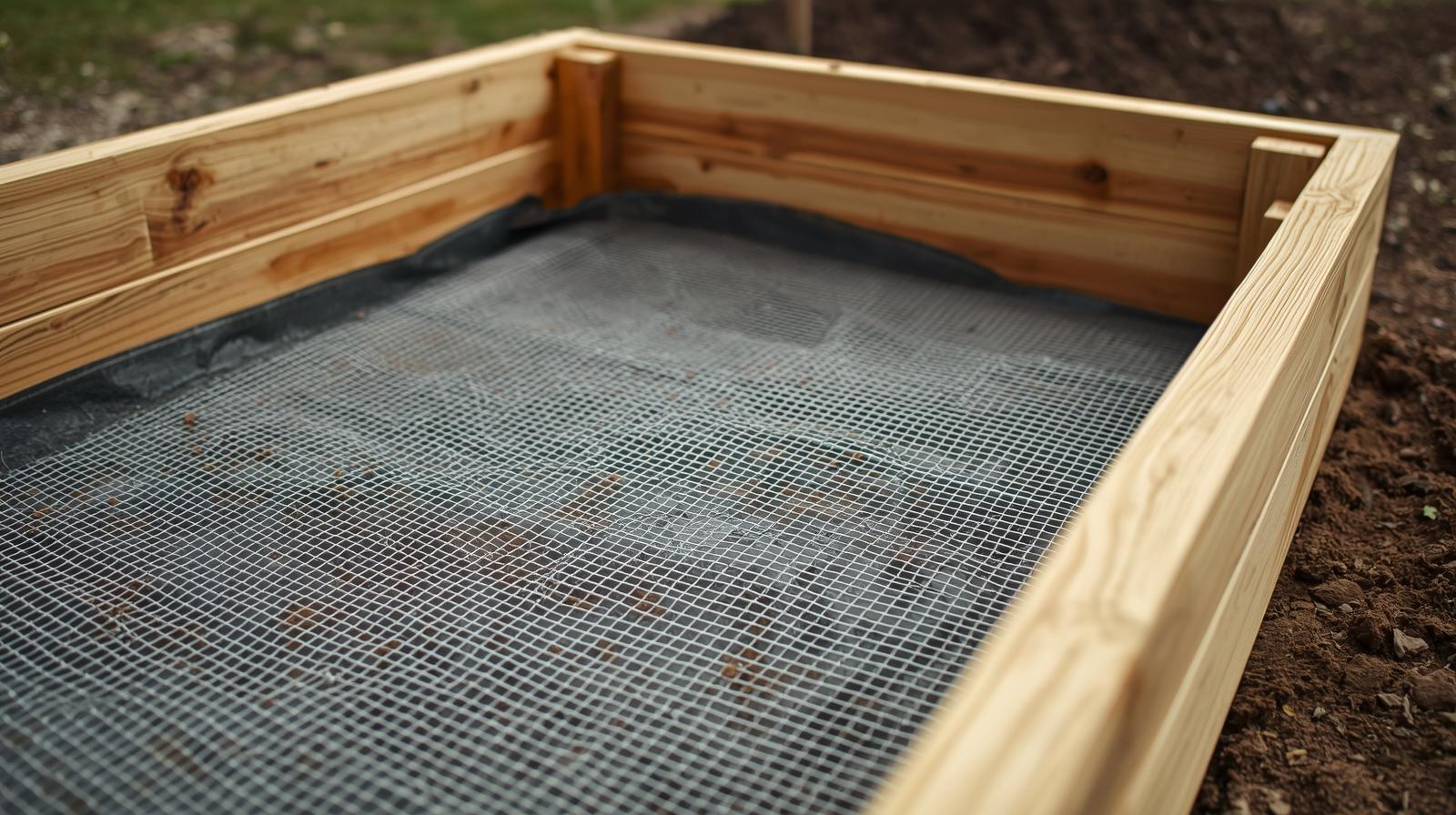
Burrowing rodents are a hidden threat in raised beds, attacking roots unseen. The gold standard is lining the bottom with 1/4-inch or 1/2-inch hardware cloth (galvanized steel mesh). Unlike chicken wire, which rusts quickly and has larger openings voles can squeeze through, hardware cloth lasts decades and blocks even mice.
Installation tips: Cut the mesh to fit, extending it 18-24 inches up the sides for extra security against climbers. Secure with staples or landscape fabric pins, then add a layer of landscape fabric over the mesh to prevent soil sifting through while allowing drainage. Fill with quality soil mix. This one-time investment has protected my beds from voles for years.
Location Strategies
Consider wind direction for scent-based repellents and proximity to water sources that attract wildlife. Grouping beds together creates a larger “fortress” easier to fence than scattered ones.
Physical Barriers – The Most Reliable First Line of Defense
Physical barriers offer the highest success rate for critter-proofing raised beds because they provide consistent, non-toxic protection. When properly installed, they stop pests cold.
Fencing Solutions for Raised Beds
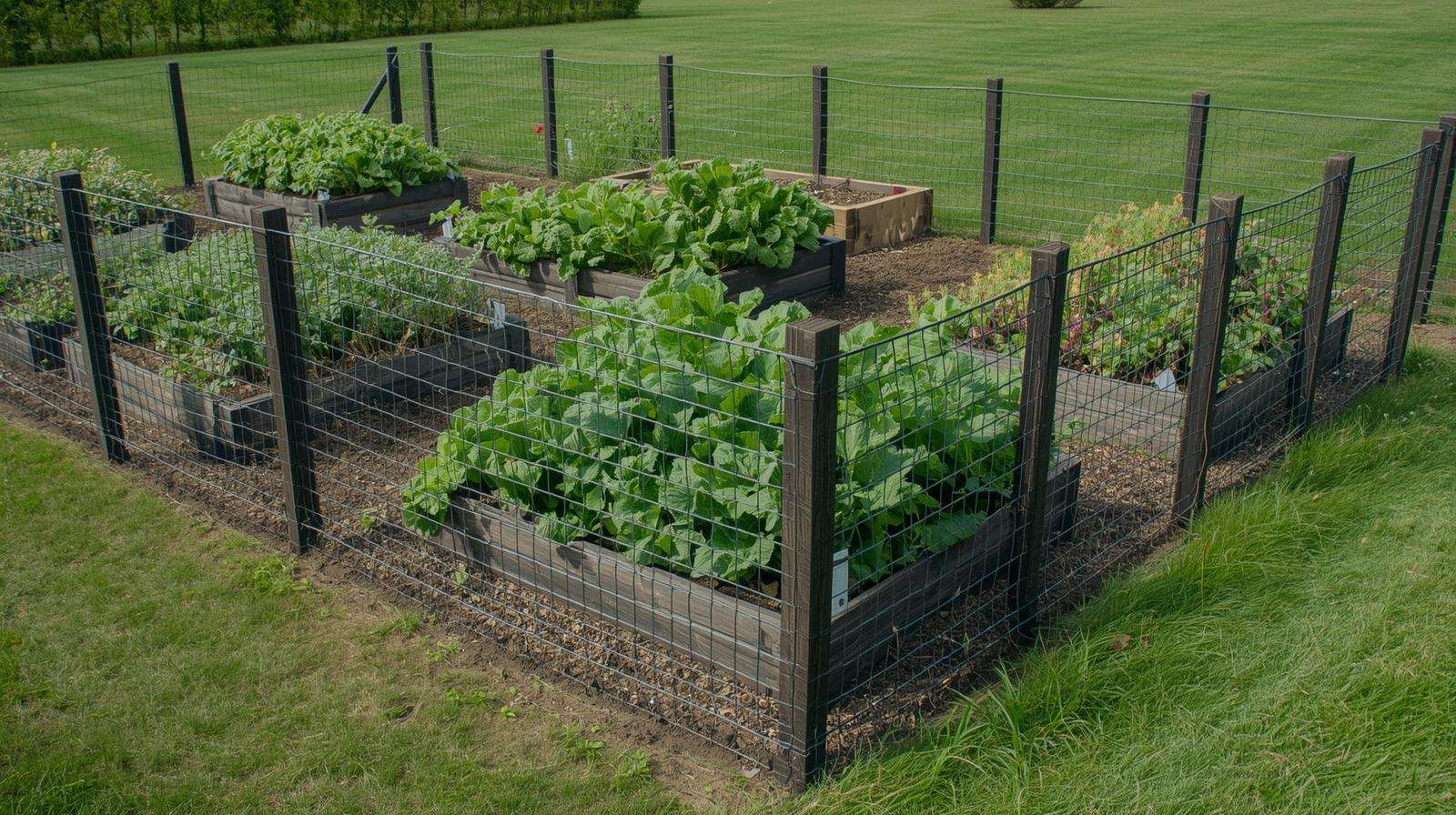
Enclosing your raised beds with fencing is often the simplest, most effective method. For rabbits and small mammals, use 48-inch poultry netting or chicken wire buried 6-12 inches deep and bent outward in an L-shape to deter digging.
For comprehensive protection, build a frame around the bed using PVC pipes or wood, then attach hardware cloth. A popular design: 4-foot tall panels with a 2-foot apron buried or staked down. Removable hoops allow easy access for harvesting.
Step-by-step for a basic fence:
- Measure your bed perimeter.
- Install corner posts (2×2 wood or metal stakes).
- Attach mesh, ensuring no gaps larger than 1 inch at the bottom.
- Add a top rail for stability.
- Gate option: Use zip ties for a flexible entry.
Cost: Around $50-100 per 4×8 bed, depending on materials.
Row Covers and Netting
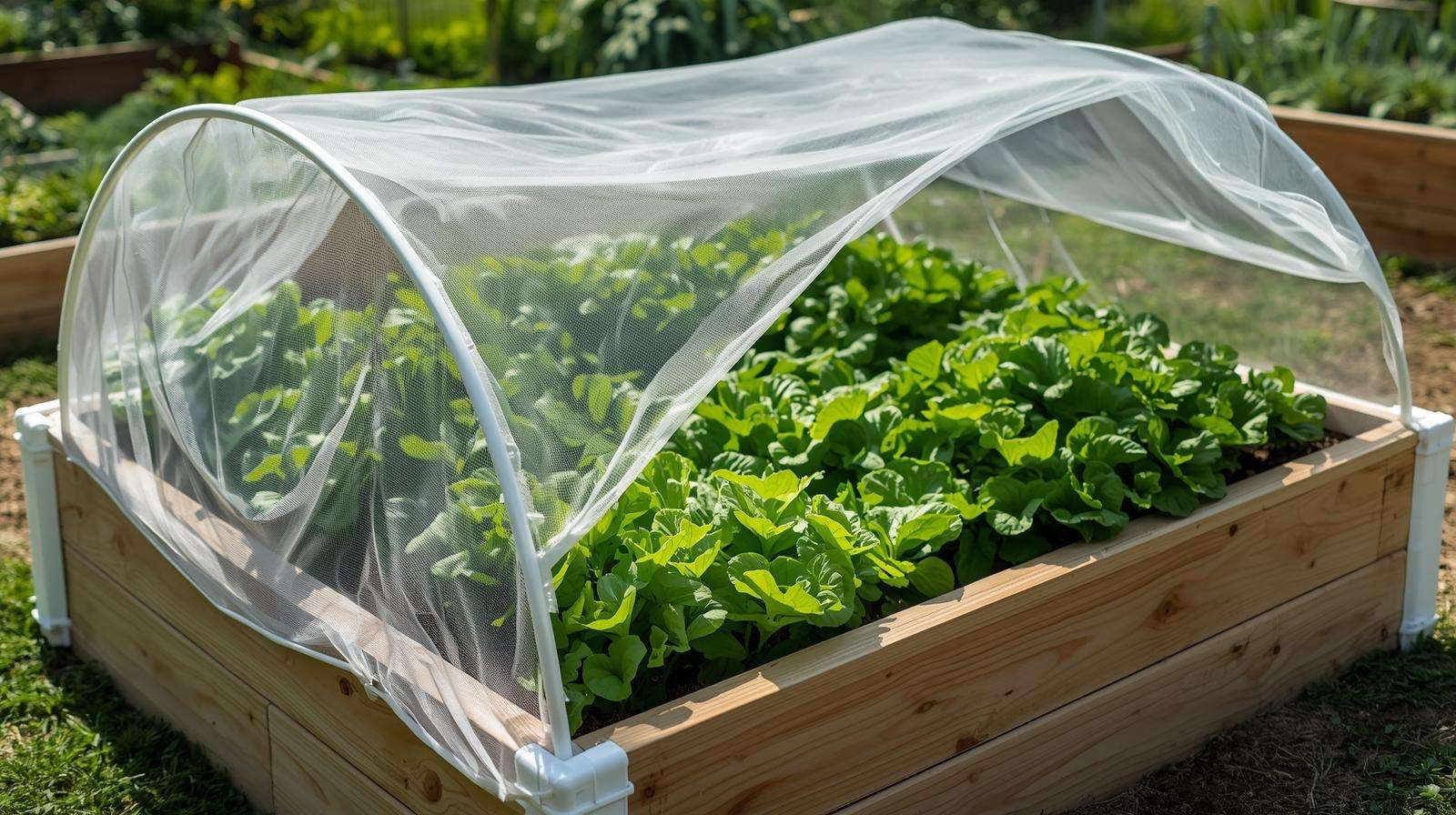
Lightweight row covers (floating fabric) protect against insects and birds while allowing light and water through. For mammals, use heavier bird netting or deer netting draped over hoops.
Pros: Affordable, easy to install seasonally. Cons: Must remove for pollination; can trap heat in summer.
Individual Plant Cages and Cloches
For high-value plants like tomatoes, use wire cages or DIY cloches from old bottles. Tomato cages wrapped in hardware cloth create mini fortresses.
Top Covers and Hoops
PVC hoop houses covered in netting provide full enclosure. Bend 1/2-inch PVC into arches, secure in rebar stakes, and cover with appropriate mesh. This versatile system doubles for season extension.
Durability comparison: Hardware cloth (20+ years) > PVC netting (5-10 years) > Chicken wire (3-5 years, prone to rust).
These barriers, combined with design elements, form the backbone of reliable animal-proof raised beds.
Natural and Organic Deterrents
While physical barriers provide the strongest defense, layering in natural deterrents enhances your critter-proofing raised beds strategy—especially for gardeners committed to organic methods. These approaches exploit animals’ senses of smell, taste, and fear, often at low cost and with minimal environmental impact.
Repellent Plants (Companion Planting)
Companion planting is a time-tested technique that uses strong-scented plants to mask or repel pests. Interplanting these around or within your raised beds creates a natural buffer zone.
Effective options include:
- Marigolds: Their pungent aroma deters rabbits and deer; French marigolds also repel nematodes in soil.
- Garlic and Onions: Strong sulfur compounds offend most mammals. Plant bulbs around bed perimeters.
- Hot Peppers: Capsaicin irritates mouths and noses—grow habaneros or cayenne as borders.
- Mint and Herbs: Spearmint, peppermint, or rosemary overwhelm sensitive noses. Contain mint in pots to prevent spreading.
- Alliums and Lavender: Additional deer repellents with proven anecdotal and research-backed success.
In my experience, a border of garlic and marigolds reduced rabbit visits by 80% in one season. Combine with flowers like nasturtiums, which attract beneficial insects while deterring pests.
Homemade and Commercial Repellents
Sprays offer temporary but renewable protection, ideal for supplementing barriers.
Homemade recipes:
- Cayenne Pepper Spray: Mix 2 tablespoons cayenne, 1 tablespoon dish soap, and 1 gallon water. Strain and spray plants weekly. Reapply after rain.
- Garlic-Hot Pepper Blend: Blend 4 cloves garlic, 2 hot peppers, and water; strain and add soap. Effective against squirrels and rabbits.
- Egg-Based Spray: Blend rotten eggs with water for a putrescent smell that mimics predator cues.
Commercial options like Liquid Fence or Plantskydd use similar natural ingredients (dried blood meal, egg solids) and often last longer. University extension studies show these reduce browsing by 70-90% when applied consistently.
Application tips: Spray in the evening, target new growth, and rotate formulas to prevent adaptation.
Scare Tactics and Motion-Activated Devices
Visual and auditory deterrents work best in combination and with frequent changes.
- Reflective Items: Hang CDs, aluminum pie tins, or Mylar tape—the flashing light startles birds and deer.
- Fake Predators: Decoy owls, snakes, or coyotes can help initially. Move them every few days.
- Motion-Activated Tools: Solar-powered sprinklers (like ScareCrow) blast water at intruders; ultrasonic devices emit high-frequency sounds inaudible to humans.
I’ve found motion sprinklers particularly effective against deer in open yards—they learn quickly to avoid the area. For best results, deploy early in the season before pests establish habits.
Natural deterrents shine when integrated with barriers, creating a multi-sensory defense that’s humane and eco-friendly.
Advanced and Multi-Layered Strategies for Stubborn Critters
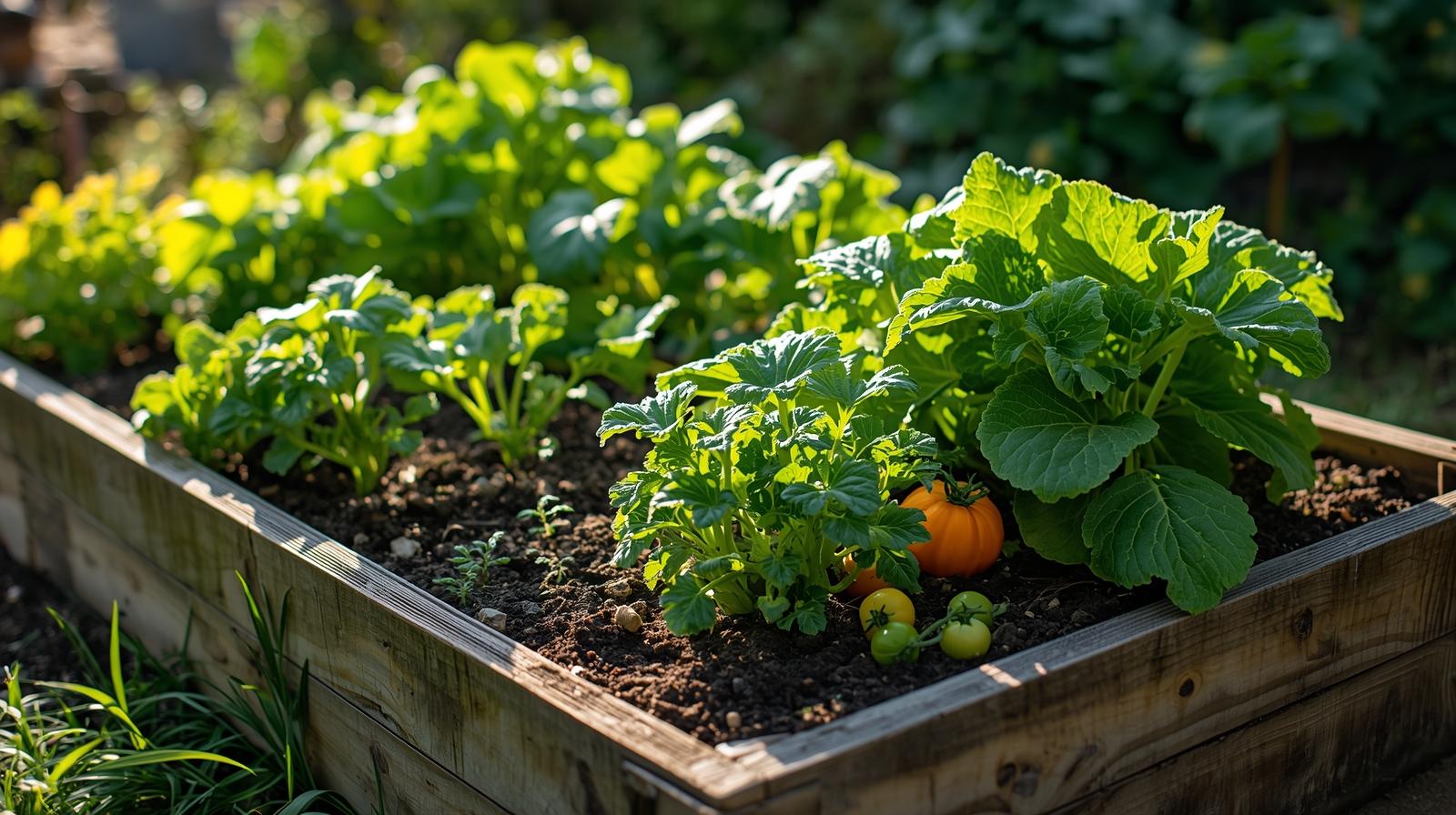
When basic methods fall short—often with intelligent or abundant wildlife—a layered “defense in depth” approach is essential for fully animal-proof raised beds.
The key principle: No single method is foolproof, but combining three or more (e.g., hardware cloth bottom + tall fencing + repellents) achieves near-100% success.
For persistent deer or groundhogs, consider low-voltage electric fencing. Use two or three strands around the bed perimeter (one at nose height, one at ground level). Modern solar chargers deliver a safe but memorable shock. Check local regulations and opt for humane models.
Trapping and relocation: Live traps baited with apples or peanut butter work for groundhogs or squirrels. However, always follow state wildlife laws—many require permits, and relocation can spread disease. Prevention is always preferable to removal.
Adapt to local patterns: In my region, voles surge in fall, so I reinforce bottom barriers then. Monitor trail cameras (affordable motion-activated models) to identify peak activity times and adjust tactics.
A real-world example from my garden: After initial rabbit damage, I installed 36-inch hardware cloth fencing with a buried apron, added garlic borders, and placed motion lights. Zero losses for five consecutive years.
Maintenance, Monitoring, and Long-Term Success
Critter-proofing raised beds isn’t set-it-and-forget-it. Ongoing vigilance ensures lasting protection.
Establish a routine:
- Inspect weekly for gaps, rust, or chew marks.
- Repair immediately—pests exploit weaknesses quickly.
- Clean up fallen fruit and weeds that attract animals.
- Adjust seasonally: Tighter netting in spring for young rabbits; taller barriers in fall for hungry deer.
Track successes and failures in a garden journal. Over time, consistent protection reduces wildlife pressure as animals seek easier targets elsewhere.
Expert Tips & Common Mistakes to Avoid
From years of advising fellow gardeners and testing methods myself, here are pro insights:
- Use hardware cloth, not chicken wire: Chicken wire’s larger hex openings allow small rodents through, and it rusts faster underground.
- Bury barriers deeply and flare outward: An L-shaped apron prevents digging under fences.
- Elevate beds higher than you think needed: 24 inches stops most rabbits, but 36+ inches adds peace of mind.
- Rotate deterrents every 1-2 weeks: Animals habituate quickly to static scares.
- Avoid toxic repellents like mothballs: They harm soil biology and can poison pets/wildlife.
- Don’t rely solely on repellents: They’re weather-dependent and less reliable than physical barriers.
- Plant sacrificial crops: A patch of clover away from beds can distract rabbits.
Steering clear of these pitfalls has saved me countless hours and plants.
FAQs
What is the cheapest way to critter-proof a raised bed?
Start with a bottom layer of hardware cloth ($20-40 for a 4×8 bed) and DIY chicken wire fencing. Add homemade sprays for under $100 total—highly effective for most small pests.
Will hardware cloth rust or harm plants?
Galvanized hardware cloth resists rust for 20+ years when buried properly. It doesn’t leach harmful chemicals into soil and allows roots to grow through while blocking pests.
How do I protect raised beds from deer without ugly fencing?
Use tall beds (48+ inches) combined with motion-activated sprinklers and strong-smelling repellents like Irish Spring soap shavings or commercial deer sprays. Angled outward netting can be nearly invisible.
Are there any critter-proof raised bed kits worth buying?
Yes—brands like Gardener’s Supply or Birdies offer metal beds with integrated mesh bottoms and optional enclosures. They’re pricier but durable and quick to assemble.
Can I use mothballs or other household items as repellents?
No—mothballs contain naphthalene, toxic to soil organisms, pets, and children. Stick to food-grade or approved natural options for safety.
Critter-proofing your raised beds doesn’t have to be an endless battle. By understanding common pests, starting with smart design and reliable physical barriers, layering natural deterrents, and maintaining vigilance, you can protect your garden harvest season after season.
These methods—refined through my own decade-plus of organic gardening successes and setbacks—offer a balanced, effective approach that’s humane, affordable, and sustainable. Implement a multi-layered plan tailored to your local wildlife, and you’ll spend less time worrying about pests and more time enjoying fresh, homegrown produce.
Ready to secure your raised beds? Start with pest identification and a basic barrier this week. Share your experiences or questions in the comments below—I’d love to hear how these tips work for you. For more agricultural tips and guidelines, subscribe to our newsletter.