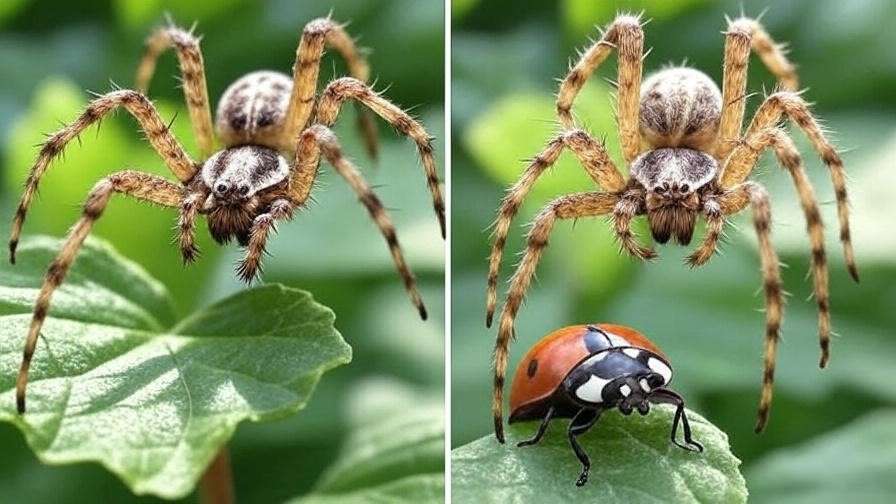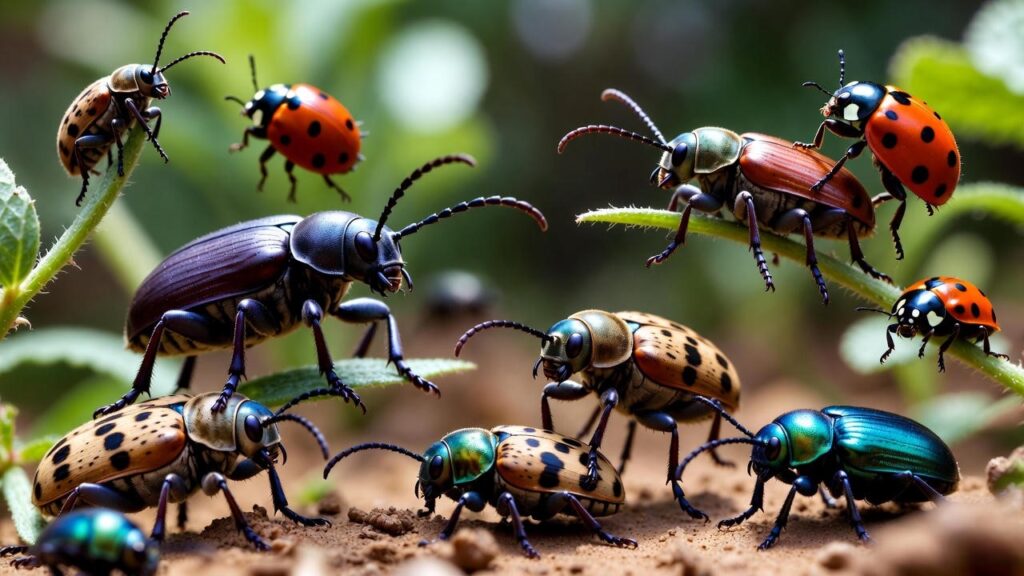
Imagine flipping on the kitchen light in the middle of the night only to see a dark, shiny insect darting across the floor. Your heart races—it’s a cockroach, right? The kind that signals filth, disease, and an immediate call to the exterminator. But wait: before reaching for the spray, take a closer look. In countless cases, especially in gardens, farms, and rural homes, that “roach” is actually one of the many beetles that look like roaches—harmless outdoor dwellers that wandered indoors or, even better, powerful predators that devour crop-damaging pests.
Misidentifying these insects leads to unnecessary pesticide use, harming beneficial species and disrupting ecosystems. As an entomologist with over 15 years of experience advising farmers on integrated pest management (IPM) and sustainable agriculture, I’ve seen this confusion firsthand. This in-depth guide will equip you with expert knowledge to accurately distinguish beetles that look like roaches, understand their roles in natural pest control, and harness beneficial beetles to protect your crops and garden organically.
Whether you’re a commercial farmer battling slugs in vegetable fields or a home gardener seeking eco-friendly solutions, mastering identification transforms potential panic into empowerment. Let’s dive into the science-backed differences and practical strategies for leveraging these allies.
Why Misidentification Happens: The Common Confusion Between Beetles and Cockroaches
Cockroaches have earned a notorious reputation as household pests, carrying pathogens and thriving in unsanitary conditions. It’s no wonder that spotting a similar-looking insect triggers alarm. However, many beetles share superficial traits with roaches, leading to frequent mix-ups.
These similarities include oval or elongated bodies, dark brown to black coloration, shiny exoskeletons, and rapid movement. Both groups are often 0.5 to 2 inches long, nocturnal or active in low light, and prefer damp, leafy environments. In agricultural settings, ground-dwelling beetles can appear in crop residues or mulch, mimicking roach habitats.
The real-world consequences are significant. Panicked responses often involve broad-spectrum insecticides, which kill non-target organisms, including pollinators and predatory insects essential for biological control. Studies from universities like Cornell and the University of California show that overuse of chemicals reduces biodiversity, increases pest resistance, and contaminates soil and water.
In sustainable farming, correct identification is key to IPM—an approach endorsed by the USDA that prioritizes natural enemies over chemicals. By recognizing beetles that look like roaches as potential allies, you avoid disrupting these balances and promote healthier, more resilient agroecosystems.

(Visual comparison: Side-by-side images highlighting differences between ground beetles and cockroaches)
Key Differences: How to Tell Beetles Apart from Cockroaches
Entomologists use reliable morphological and behavioral cues for accurate identification. Arm yourself with a magnifying glass, phone camera for close-ups, or even a simple jar for temporary capture and release.
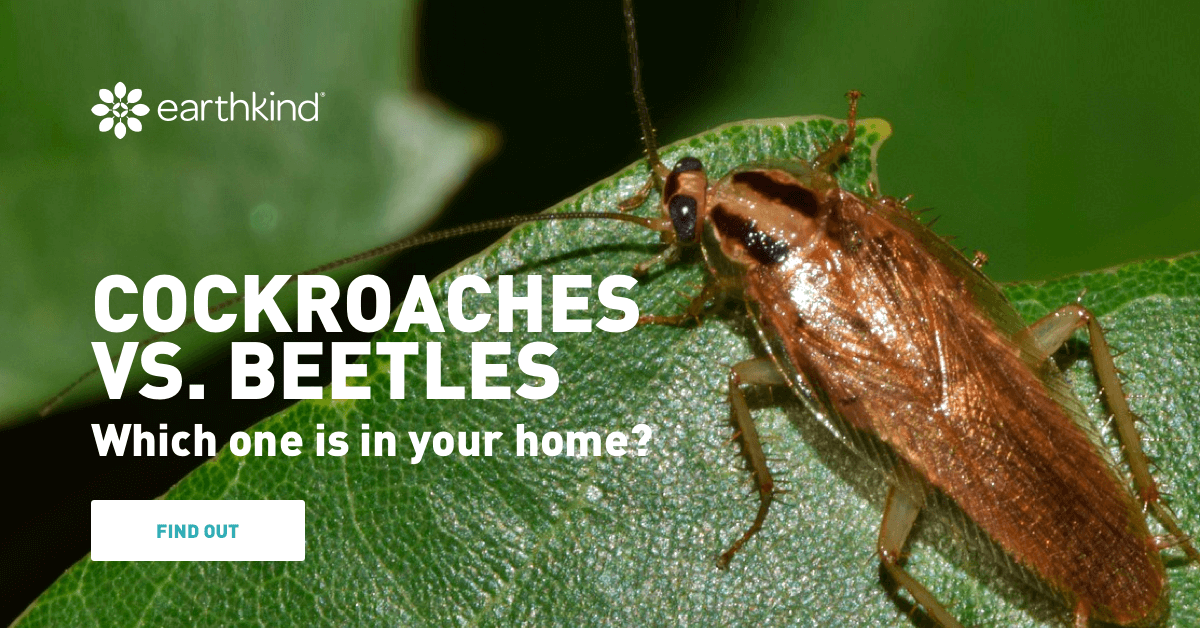
Physical Characteristics Comparison
The most telling features are antennae, wing covers, and body structure:
- Antennae: Cockroaches boast long, thin, thread-like antennae often longer than their bodies, constantly waving. Beetles have shorter, segmented antennae—sometimes elbowed, clubbed, or feathery.
- Body Shape: Roaches are flattened dorsoventrally to slip into tight cracks. Many similar beetles, like ground beetles, have a more convex, domed, or elongated form.
- Wing Covers: Cockroaches have soft, leathery forewings (tegmina) that overlap at the tips. Beetles possess hard, shell-like elytra that meet in a straight line down the back, protecting hind wings.
- Head and Pronotum: In roaches, the head is often shielded by a large pronotum. Beetles typically show a more exposed head with strong mandibles.
- Legs: Both have spiny legs for running, but beetle legs are often sturdier, adapted for digging or climbing.
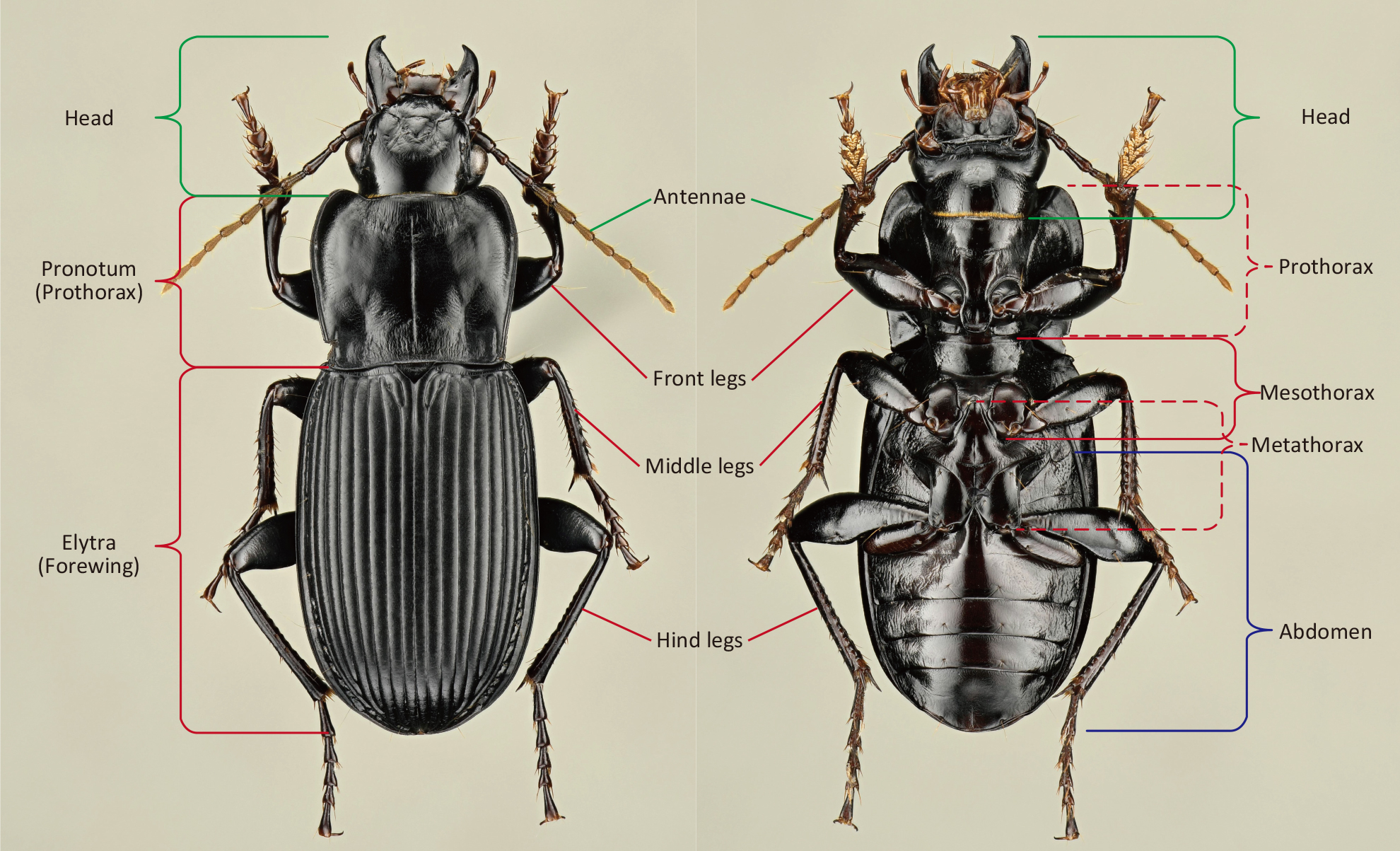
(Close-up of a ground beetle showing short antennae and straight elytra midline)
Behavioral Differences
Behavior provides additional clues:
- Movement: Roaches freeze or scatter erratically under light. Ground beetles run steadily and purposefully.
- Habitat Preferences: True cockroaches seek warm, humid indoor spaces with food and water. Many look-alike beetles are outdoor species that enter homes accidentally, especially during weather changes.
- Infestation Signs: Roaches produce musty odors, fecal specks (like black pepper), oothecae (egg cases), and shed skins. Beneficial beetles appear singly or in small numbers without these signs.
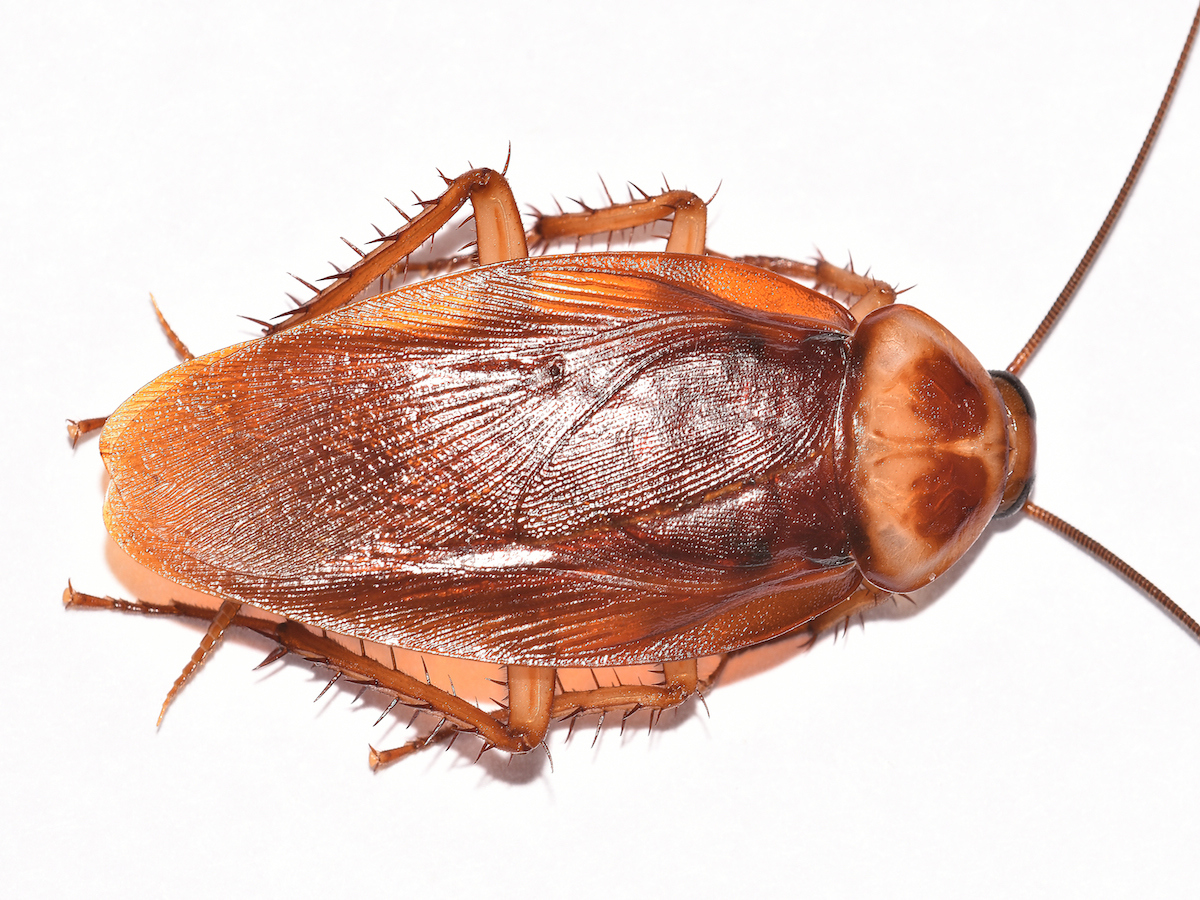
(Cockroach close-up emphasizing long antennae and overlapping wing covers)
Expert Tip: Quick Field Identification Table
| Feature | Cockroach | Beetle (e.g., Ground Beetle) |
|---|---|---|
| Antennae | Long, thin, thread-like (body length or longer) | Short, segmented, often elbowed or clubbed |
| Body Shape | Flat, oval for hiding in cracks | More rounded, elongated, or domed |
| Wing Covers | Leathery tegmina, overlapping at tips | Hard elytra, straight midline seam |
| Movement | Erratic darting, freezes in light | Steady, fast running |
| Habitat | Indoors, moist/dark areas near resources | Outdoors, soil, leaf litter; accidental indoors |
| Odor/Droppings | Musty smell, pepper-like feces | No odor, no significant droppings |
This table, based on standard entomological references like those from the Entomological Society of America, allows quick assessments in the field.
Common Beetles Mistaken for Roaches
Several beetle species top the list of roach imposters, particularly in agricultural and garden settings.
Ground Beetles (Carabidae Family)
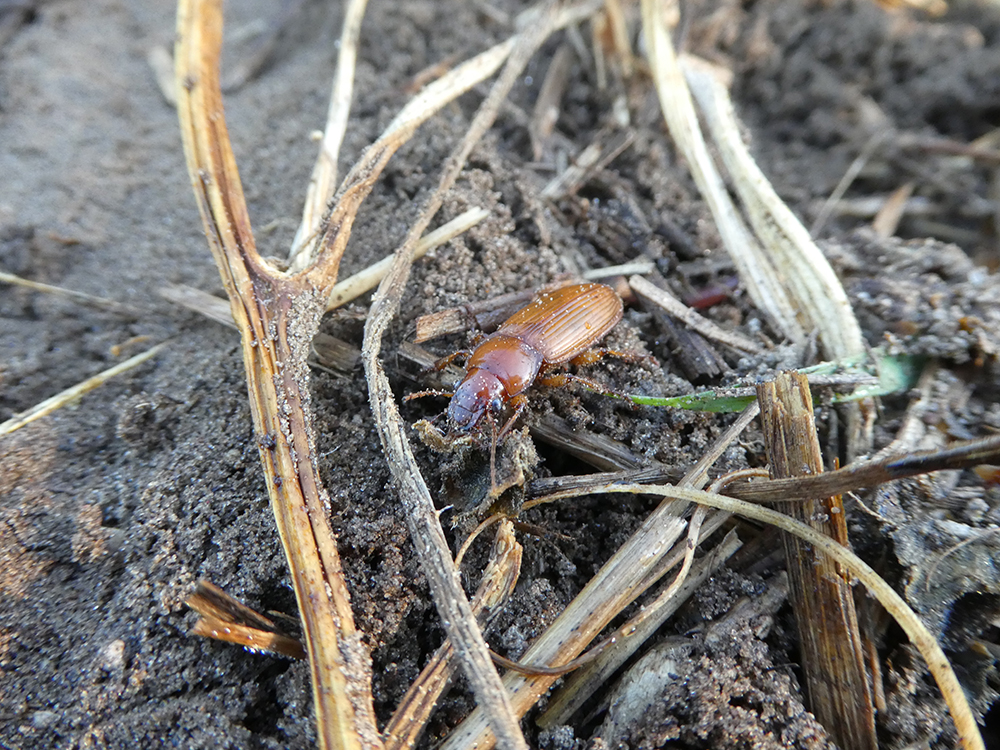
Ground beetles are the most frequently misidentified. Species like Pterostichus or Carabus are shiny black or dark brown, 0.5–1.5 inches long, and excellent runners—perfectly mimicking oriental or American cockroaches.
Why the confusion? Their speed, color, and size fool even experienced observers at a glance. Key differentiators: Ridged elytra, visible mandibles, and shorter antennae.
Habitat: They thrive in gardens, fields, under rocks, logs, or mulch. They enter homes during rain or cold snaps but don’t breed indoors.
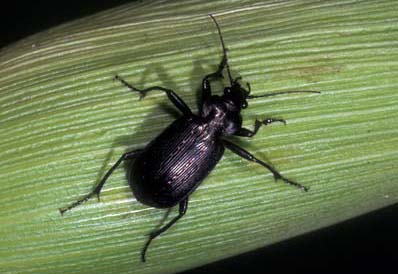
(Ground beetle examples showing diagnostic features)
June Bugs (May/June Beetles – Scarabaeidae Family)
These clumsy, reddish-brown to black beetles emerge in late spring/early summer, attracted to lights at night. Adults are 0.5–1 inch long and can bump into windows or walls, resembling larger roaches.
Mix-up reason: Nocturnal activity and size similarity to smokybrown cockroaches. Differences: Lamellate (fan-like) antennae, hard shell, and plant-feeding habits (larvae are white grubs in soil).

Other Common Look-Alikes
- Giant Water Bugs (Belostomatidae): Aquatic “toe-biters” with raptorial front legs; sometimes found near water sources.
- Wood-Boring Beetles (e.g., Longhorned Beetles): Elongated bodies, long antennae (but banded or spotted patterns distinguish them).
- Palmetto Bugs: Actually a regional name for certain large roaches, but sometimes confused with darkling beetles.
In farming contexts, ground beetles dominate misidentifications due to their abundance in crop fields.

(Close-up of a June bug beetle)
Beneficial Beetles: Nature’s Pest Controllers
Far from being pests, many beetles that look like roaches are voracious predators that play a crucial role in biological pest control. These natural enemies help suppress harmful insects, reducing the need for chemical interventions in farms and gardens. Research from organizations like the Xerces Society and extension services (e.g., Oregon State University) consistently shows that conserving predatory beetles can decrease pest populations by 50–90% in certain crops.
Ground Beetles as Top Predators
The Carabidae family, commonly known as ground beetles, includes over 40,000 species worldwide, with hundreds beneficial in agricultural systems. These nocturnal hunters actively pursue prey on the ground, making them ideal for controlling soil-dwelling and low-foliage pests.
A single adult ground beetle can consume 50–200 pests during its lifecycle, targeting slugs, snails, cutworms, cabbage root flies, aphids, and even Colorado potato beetle eggs. Larvae are equally predatory, often hunting in the soil where many pest larvae reside.
In vegetable crops like potatoes, lettuce, and brassicas, ground beetles significantly reduce damage. A long-term study by Rothamsted Research in the UK found that fields with high ground beetle diversity experienced up to 70% less slug damage, leading to higher yields and reduced molluscicide use. Similarly, in U.S. corn and soybean systems, they help manage rootworms and armyworms.
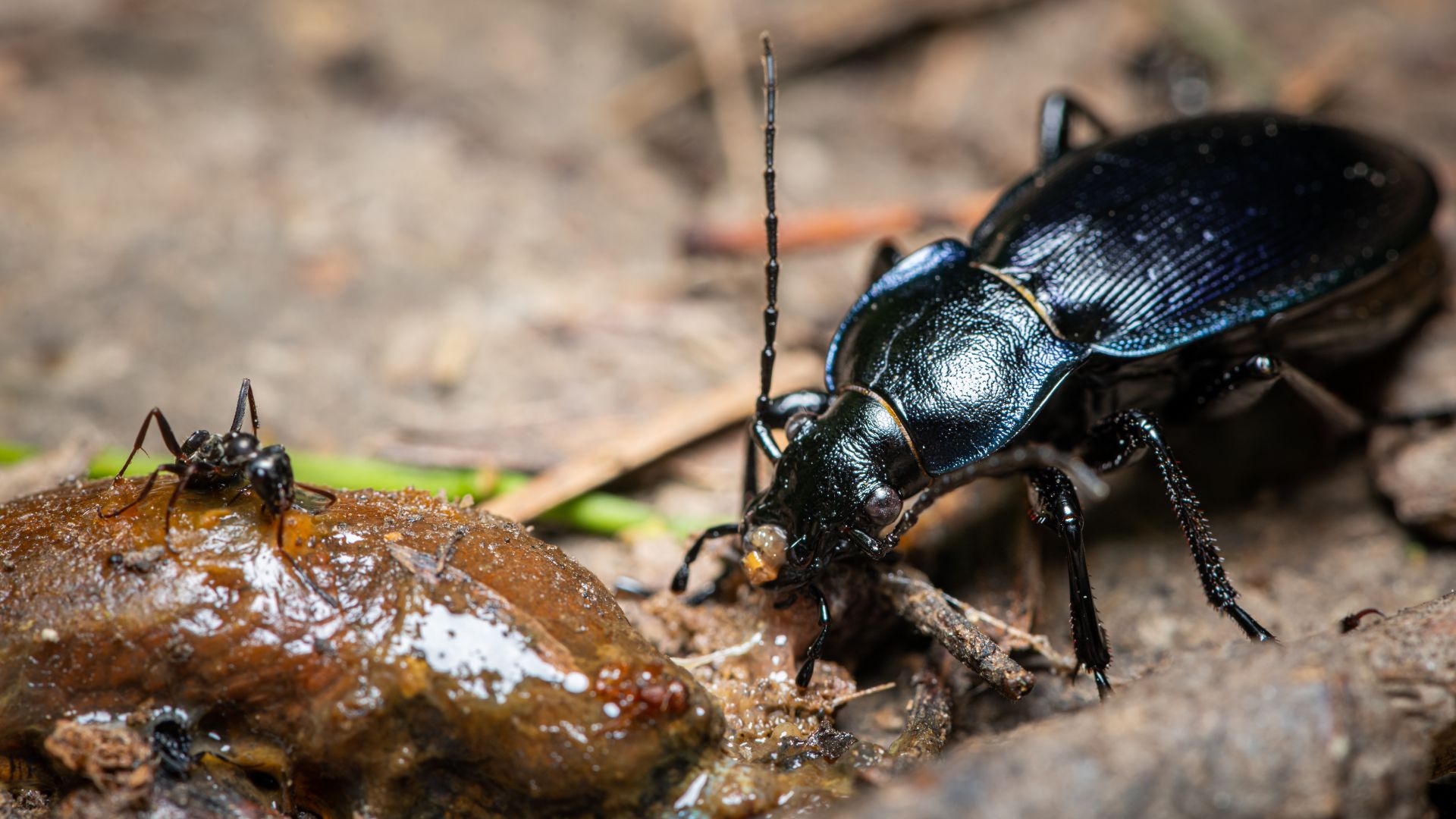
(Ground beetles actively hunting slugs—a prime example of natural pest suppression)
Other Beneficial Beetles
While ground beetles lead the charge, other species contribute substantially:
- Lady Beetles (Coccinellidae): Iconic aphid predators. Both adults and larvae devour hundreds of aphids, scale insects, mites, and small caterpillars daily. In orchards and row crops, they prevent outbreaks that could defoliate plants.


n aphids, demonstrating classic biological control)
- Rove Beetles (Staphylinidae): Slender, fast-moving predators with short wing covers (often mistaken for earwigs or roaches). They target fly larvae, fungus gnat eggs, root maggots, and thrips—excellent in greenhouses and moist soils.
(Rove beetles in action as effective garden predators)
- Soldier Beetles (Cantharidae): Soft-winged, often on flowers, feeding on aphids, grasshopper eggs, and caterpillars while pollinating as a bonus.
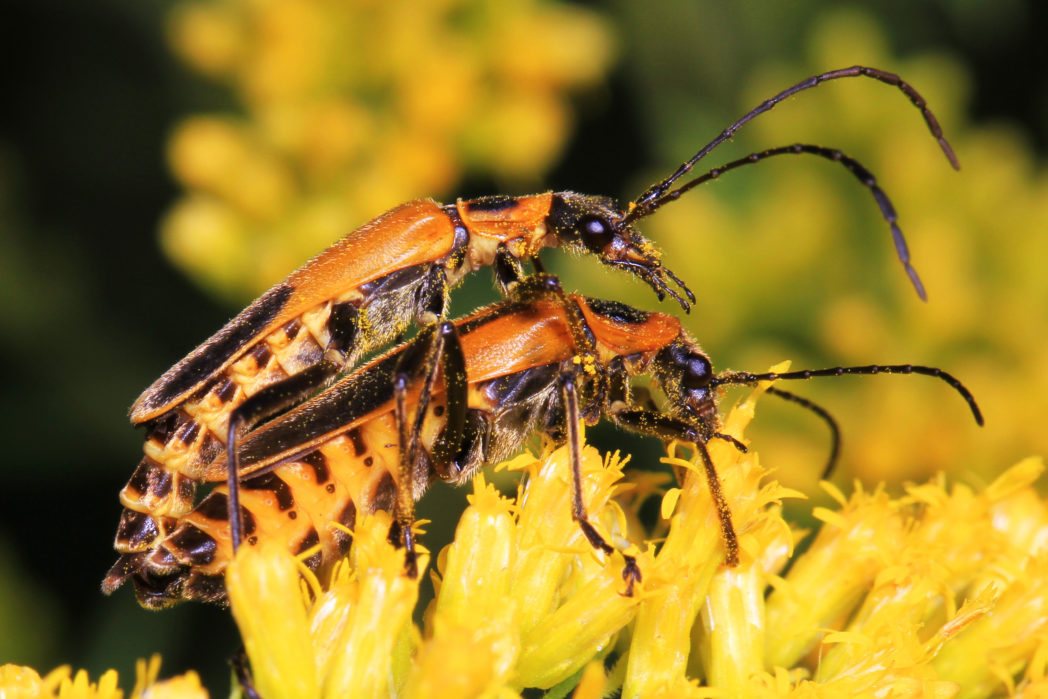
(Soldier beetles targeting pests on plants)
These beetles form a cornerstone of biodiversity in agroecosystems, supporting organic and regenerative farming practices.
How to Attract and Support Beneficial Beetles for Natural Pest Control
Building habitats is the most effective, long-term strategy. Unlike chemical controls, enhancing beetle populations provides ongoing, self-sustaining pest management.
Habitat Creation
- Beetle Banks: Permanent raised ridges (1–2 feet high, 6–10 feet wide) sown with perennial grasses like fescue or Dactylis glomerata at field edges. These provide overwintering sites protected from tillage and sprays. UK trials show beetle banks can increase predatory beetle densities by 10–20 times, exporting predators into crops each spring.
(Examples of beetle banks integrated into farm landscapes)
- Mulches and Cover Crops: Organic mulches (straw, wood chips) and living cover crops (clover, vetch) maintain soil moisture, reduce weeds, and offer refuge. No-till systems preserve beetle larvae in the soil profile.
(Mulched areas and cover crops creating ideal ground beetle habitats)
Planting Strategies
Incorporate diverse hedgerows and flower strips with umbellifers (dill, fennel, carrot family) and composites (yarrow, daisies) for adult nectar and pollen. Leave “untidy” corners with logs, stones, and leaf litter for shelter.
Management Practices
- Pesticide Reduction: Select narrow-spectrum or organic-approved options (e.g., neem, spinosad) applied only when thresholds are met. Avoid neonicotinoids, which harm beetles.
- Monitoring: Use pitfall traps (buried cups with preservative) or nighttime flashlight searches to track populations.
- Augmentation: For quick boosts, purchase ladybugs or rove beetles from biological control suppliers like Arbico Organics or Koppert. Release in evenings near pest hotspots.
Expert Insight: Case Studies
European farms implementing beetle banks and reduced tillage report 50–80% slug control without chemicals. In California vineyards, cover crops boosted ground beetle numbers, cutting leafhopper damage. Midwest U.S. vegetable growers using IPM with habitat enhancements reduced insecticide applications by 70%, per USDA-SARE reports.
When It’s Actually a Cockroach: What to Do
Despite similarities, if features confirm a true cockroach (long antennae, overlapping wings, musty odor):
Prioritize non-toxic methods: Improve sanitation (remove food/water), seal entry points, use sticky traps or gel baits (boric acid-based). Diatomaceous earth or essential oil barriers work as repellents. For heavy infestations, consult certified IPM professionals to avoid broad sprays.
FAQs
Q: Are ground beetles harmful to humans? A: Absolutely not. They don’t bite humans (or rarely, mildly), carry diseases, or damage structures. They’re completely beneficial outdoors.
Q: Can I buy beneficial beetles for my farm? A: Yes—reputable suppliers offer ladybugs, rove beetles, and predatory ground beetles. However, habitat creation yields better long-term results than repeated releases.
Q: How do I know if beetles are controlling pests effectively? A: Scout regularly for pest damage and beetle presence. Reduced pest numbers, healthier plants, and fewer chemical needs indicate success.
Q: Do beneficial beetles work in greenhouses? A: Yes, especially rove beetles against soil pests like fungus gnats and shore flies. Maintain moist conditions and introduce commercially reared species.
Q: What’s the best way to avoid killing beneficial beetles? A: Always identify insects before acting. Use targeted treatments, apply during low beetle activity, and prioritize cultural/habitat controls.
Conclusion
Mastering the distinction between beetles that look like roaches and actual cockroaches is a game-changer for sustainable agriculture. Many of these look-alikes—particularly ground beetles and their allies—are powerful natural pest controllers that reduce reliance on synthetic pesticides, enhance biodiversity, and improve crop resilience.
By creating supportive habitats like beetle banks, mulches, and diverse plantings, you invite these free workforce members to protect your fields and gardens year-round. Embrace identification skills and IPM principles to turn common misidentifications into opportunities for eco-friendly farming success.
Implement these strategies today, and watch your ecosystem thrive—healthier soil, fewer pests, and bountiful harvests without the environmental costs.