
Picture this: It’s early spring, and your tender vegetable seedlings in raised beds are just emerging. Suddenly, aphids swarm, threatening to devastate your crops before they even get started. But in a nearby garden using thoughtful overwintering practices, ladybugs and lacewings awaken from their winter refuges right in the raised beds and surrounding debris, quickly devouring the pests and restoring balance naturally.
This scenario highlights a common challenge for raised bed gardeners: intense early-season pest pressure due to a lack of resident beneficial insects. The solution lies in raised beds and overwintering beneficial insects—simple, intentional habits that create safe winter habitats, ensuring predators and pollinators emerge early to provide free, effective natural pest control.
As a horticulturist with over 15 years of experience in sustainable gardening and collaboration with university extensions and the Xerces Society for Invertebrate Conservation, I’ve seen firsthand how these practices transform gardens. Backed by research from Penn State Extension, Xerces Society guidelines, and entomologists, this guide shares proven strategies to support overwintering beneficial insects in raised beds, reducing pesticide needs and boosting ecosystem health for stronger yields.
Why Overwintering Beneficial Insects Matters for Raised Bed Gardeners
Beneficial insects—predators like ladybugs and parasitic wasps, plus pollinators like native bees—play a crucial role in organic pest management and pollination. Without safe overwintering sites, their populations crash, leading to pest explosions in spring.
Many native insects overwinter locally rather than migrating. Adults hibernate in leaf litter or debris, while eggs, larvae, or pupae shelter in plant stems, soil, or cocoons. Raised beds offer advantages like superior drainage and warmer soil, promoting earlier emergence. However, they often become “too tidy”—heavy cleanup or thick wood mulches remove critical shelters, blocking access for ground-nesters or stem-dwellers.
Studies from the Xerces Society show diverse overwintering habitats can reduce pest damage by 50–90% by allowing beneficials to outpace pests. This aligns with integrated pest management (IPM), minimizing chemical interventions while enhancing biodiversity, soil health, and resilience against climate variability.

(Caption: Raised beds with light leaf mulch and standing stems provide ideal overwintering habitat, insulating soil and sheltering insects.)
Key Beneficial Insects and Their Overwintering Needs
Understanding specific needs helps tailor raised bed practices effectively.
- Ladybugs (Lady Beetles): Adults overwinter in clusters under leaf litter or debris, emerging to feast on aphids and mites.
- Green Lacewings: Larvae (“aphid lions”) pupate in loose debris; adults seek sheltered spots.
- Ground and Rove Beetles: Hibernate in soil or mulch, preying on slugs, eggs, and larvae at ground level.
- Native Bees and Solitary Wasps: About 70% of native bees are ground-nesters needing bare, sunny soil patches; others use hollow or pithy stems.
- Parasitic Wasps and Hoverflies: Eggs or pupae in stems, litter, or soil; tiny wasps parasitize caterpillars and aphids.
- Butterflies/Moths (e.g., Swallowtails, Fritillaries): Chrysalises or caterpillars in leaf litter or attached to stems.
These insects target common raised bed pests like aphids, caterpillars, spider mites, and slugs, often preventing outbreaks before they start.

Simple Habits to Create Overwintering Habitat in Raised Beds
Implement these low-effort habits to turn raised beds into winter sanctuaries.
Habit 1: Delay Fall Cleanup Leave perennial stems standing at 8–24 inches (cut in late winter if needed). This provides nesting tubes and attachment points for chrysalises. Allow seed heads for bonus bird food.
Habit 2: Strategic Mulching and Leaf Litter Use light layers of shredded leaves or compost (2–4 inches). Avoid thick wood chips that block soil access. Mulch bed fronts heavily for aesthetics, leave backs lighter or bare for insects (per Penn State Extension recommendations).
Habit 3: Leave Plant Debris Intentionally Scatter fallen leaves for insulation. Bundle cut stems into brush piles at bed edges.
Habit 4: Provide Bare Soil Patches Expose sunny, well-drained soil areas (at least 10–20% of bed edges) for ground-nesting bees.
Habit 5: Build Supplemental Habitats Create DIY insect hotels with bundled hollow stems (e.g., elderberry, raspberry) or drilled wood blocks. Place at bed corners.

Best Plants to Include in and Around Raised Beds for Year-Round Support
Choose perennials with pithy/hollow stems or late-season nectar for dual benefits.
- Coneflower (Echinacea), Asters, Goldenrod: Hollow stems for nesting; late blooms.
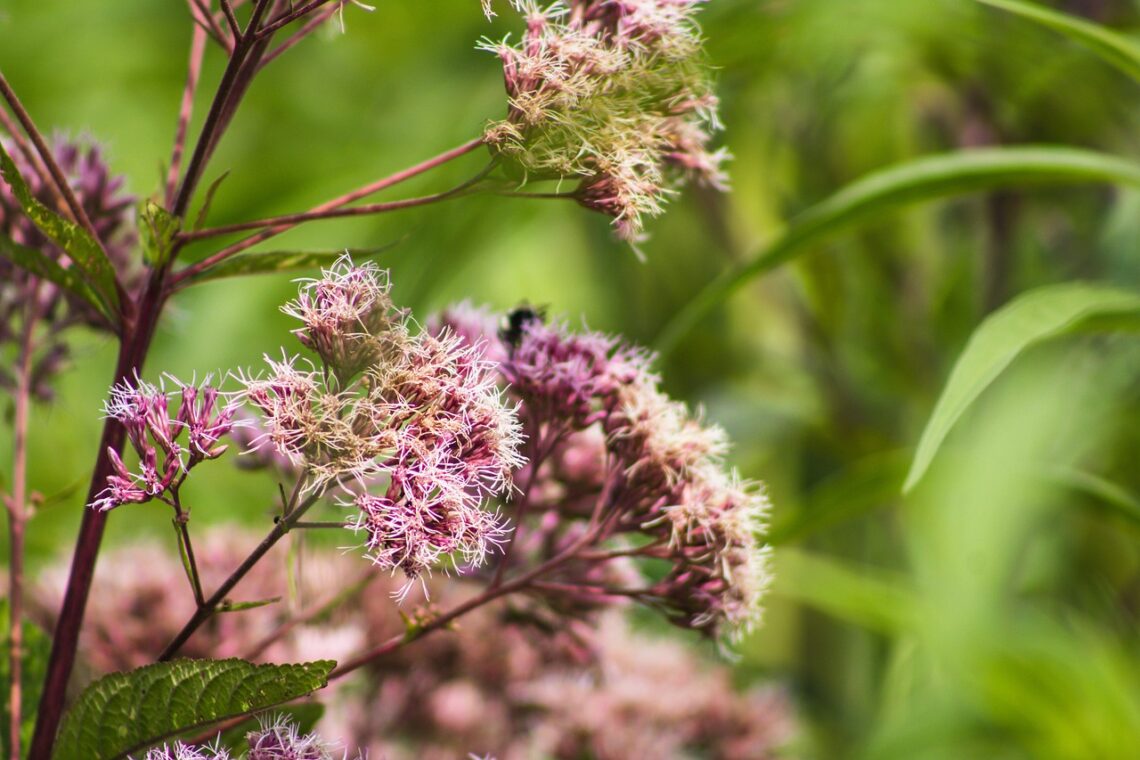
- **Mountain Mint, Joe-Pye Weed, Yarrow: Attract adults; provide debris.
- Umbellifers (Dill, Fennel, Cilantro let to bolt): Draw parasitic wasps.
- Grasses/Sedges (e.g., Little Bluestem): Cover and stems.
- Native Options: Rattlesnake master, cup plant for thick stems.
Plant borders around beds for habitat connectivity.
Step-by-Step Winter Preparation Timeline for Raised Beds
- Early Fall: Stop deadheading; let herbs flower and bolt.
- Mid-Fall: Selective cleanup—remove only diseased material; add light mulch.
- Late Fall: Scatter leaves; expose bare soil; build brush piles.
- Winter: Add snow as natural insulation if available.
- Early Spring: Delay full cleanup until consistent 50°F (10°C) temperatures to allow emergence.
Common Mistakes to Avoid and Troubleshooting
Even well-intentioned gardeners can unintentionally harm overwintering beneficial insects. Here are the most frequent pitfalls in raised bed management, along with solutions.
Mistake 1: Over-Cleaning in Fall Raking and removing every leaf, stem, and debris creates a barren landscape devoid of shelter. This eliminates hibernation sites for ladybugs, lacewings, and ground beetles.
Solution: Adopt a “messy is best” approach. Leave at least 50–70% of debris undisturbed.
Mistake 2: Heavy Wood Chip Mulch Thick layers (over 4 inches) of coarse wood chips prevent ground access and retain too much moisture, drowning soil-dwelling larvae

Solution: Switch to shredded leaves, straw, or compost for lighter, insect-friendly insulation.
Mistake 3: Using Broad-Spectrum Pesticides Even organic sprays can kill beneficials alongside pests, disrupting the balance.
Solution: Practice true IPM—monitor, tolerate minor damage, and use targeted methods like hand-picking or neem only as a last resort.
Mistake 4: Ignoring Diseased Material Leaving infected plants spreads pathogens.
Solution: Remove and destroy (burn or trash) only clearly diseased foliage; compost healthy debris.
Mistake 5: Premature Spring Cleanup Cutting stems or tilling too early disturbs emerging insects.
Solution: Wait until daytime temperatures consistently reach 50–60°F (10–15°C) for several weeks.
Troubleshooting Regional Challenges:
- Cold Climates (Zones 3–5): Extra leaf layers or snow cover insulate; avoid compacting snow over beds.
- Wet Climates: Ensure good drainage in raised beds to prevent rot; use raised brush piles for drier shelter.
- Dry/Arid Areas: Focus on stem habitats and insect hotels, as leaf litter decomposes quickly.
Expert Insights and Advanced Tips
Entomologists from the Xerces Society emphasize that “leaving the leaves” and standing stems can increase beneficial insect populations by 200–300% in just one season. Dr. Scott Hoffman Black, Xerces Executive Director, notes: “Gardens managed for biodiversity become self-regulating ecosystems, where predators keep pests in check without intervention.”
Advanced strategies:
- Layered Habitats: Combine ground cover (leaves), mid-layer (stems/brush), and structures (insect hotels) for multi-species support.
- Connectivity: Link raised beds with perennial borders or wild edges to allow insect movement.
- Monitoring: Use a garden journal or apps to track beneficial sightings—adjust practices based on observations.
- Integration with Soil Health: Pair overwintering habits with no-till and cover crops (e.g., crimson clover) for microbial benefits that indirectly support insects.
FAQs
Will leaving debris attract unwanted pests? Yes, some pests overwinter too—but in diverse habitats, beneficial insects emerge earlier and in greater numbers, quickly suppressing pests. Research shows balanced systems favor predators.
How soon will I see results? Many gardeners notice fewer aphids and more ladybugs the following spring. Full benefits build over 2–3 years as populations establish.
Is this suitable for small or urban raised beds? Absolutely—focus on corners, edges, or one “wild” bed section. Even balcony containers can include mini insect hotels.
What about very cold winters? Debris and mulch provide excellent insulation; piled leaves can protect down to -20°F (-29°C) when layered properly.
Should I buy and release beneficial insects? Releasing store-bought ladybugs often fails (many fly away). Creating local habitat supports native species better, which are adapted to your region.
Can I compost the debris in spring? Yes—after insects emerge, compost healthy material to return nutrients while avoiding disturbance during winter.
By adopting these simple habits in your raised beds—delaying cleanup, strategic mulching, leaving stems, and planting supportive perennials—you create vital overwintering refuges for beneficial insects. The payoff is profound: natural pest control that reduces work and chemicals, healthier plants, abundant pollination, and a thriving garden ecosystem.
Start small this season—perhaps leave one bed “messy” as an experiment. Observe the difference next spring: fewer pest outbreaks, more buzzing life, and the satisfaction of gardening in harmony with nature.
Your raised beds can become biodiversity hotspots, contributing to broader conservation while delivering practical benefits. For region-specific advice, reach out to your local extension service or native plant society.
Happy gardening—and here’s to a pest-free, vibrant season ahead!