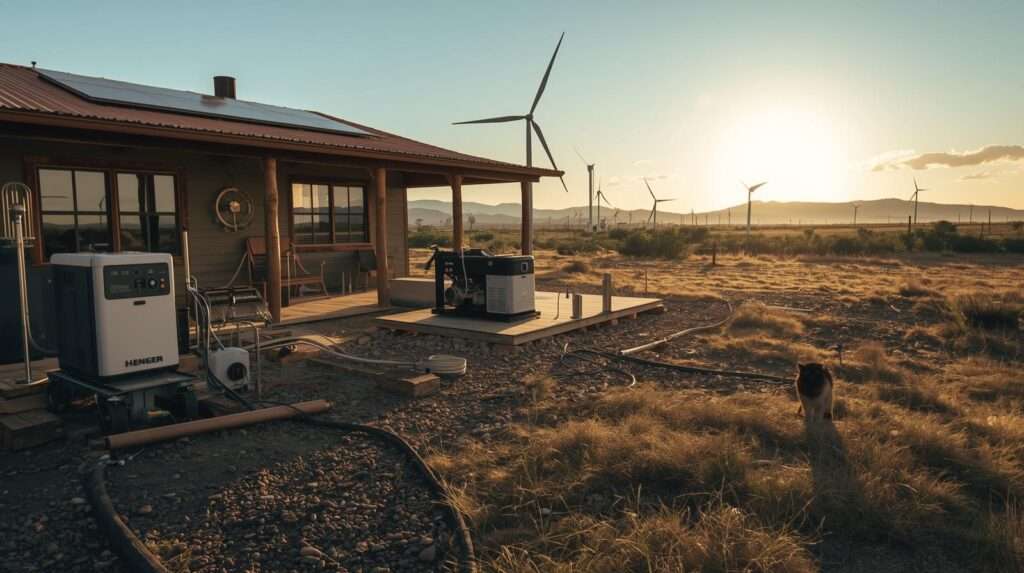
Imagine this: A fierce winter storm rolls in, knocking out the grid for days. Your freezer full of home-raised meat starts thawing, the well pump stops delivering water to your livestock, and the barn heaters go cold. In rural homestead life, power outages aren’t just inconvenient—they threaten food security, animal welfare, and daily self-reliance.
That’s why a dependable generator setup is essential for homesteaders. Whether you’re fully off-grid or need reliable backup during increasingly frequent outages, the right system keeps essentials running: refrigerators, freezers, well pumps, lighting, heating, and tools.
In this comprehensive guide, we’ve researched the top-performing options based on current Amazon best-sellers, expert reviews from sources like Consumer Reports, CNET, and Outdoor Life, and real homestead user feedback as of late 2025. We prioritized setups that balance power output, runtime, fuel/solar efficiency, noise, durability, and value—focusing on solar (silent and renewable), portable dual-fuel inverters (versatile), and whole-house standby (automatic).
Why Homesteaders Need a Reliable Generator Setup
Rural areas often face unreliable grid power, with outages lasting hours or weeks due to storms, wildfires, or infrastructure issues. A good setup powers critical loads:
- Well pumps (1,000–2,000W starting)
- Refrigerators/freezers (100–800W running)
- Lighting and fans (50–200W)
- Barn equipment, heaters, or fencing (variable)
- Tools and chargers
Key factors:
- Power output: Measured in running/peak watts—aim for at least 2,000–3,000W for essentials, 10kW+ for whole-home.
- Fuel type: Solar (eco-friendly, silent), propane/natural gas (clean, storable), gasoline (widely available).
- Noise: Under 60dB for peaceful homesteads.
- Runtime/expandability: Long runtime or battery/solar expansion for extended outages.
- Portability vs. permanent: Portable for flexibility, standby for hands-off.
Quick tip: Calculate needs by listing appliance starting/running watts (e.g., well pump: 2,000 starting/1,000 running). Add 20% buffer. Safety first—use CO detectors, proper venting, and professional installation for standby units.
Comparison Table: Top 10 Generator Setups at a Glance
For mobile-friendly readability, here’s a simple three-column table summarizing the essentials:
| Rank & Model | Type & Power Output | Approx. Price (as of Dec 2025) |
|---|---|---|
| 1. Jackery Explorer 2000 Plus | Solar Portable (2,042Wh, expandable) | $1,999–$2,199 |
| 2. EcoFlow Delta Pro | Solar Portable (3,600Wh, expandable) | $2,599–$3,699 |
| 3. Generac Guardian 24kW | Whole-House Standby (24kW) | $6,000–$7,000 (unit only) |
| 4. Anker SOLIX F3800 | Solar Portable (3,840Wh, home integration) | $3,499–$3,999 |
| 5. Bluetti AC200MAX | Solar Portable (2,048Wh, expandable) | $1,499–$1,799 |
| 6. Westinghouse WGen9500DF | Portable Dual-Fuel (9,500W running) | $999–$1,199 |
| 7. Champion 8,500W Dual-Fuel Inverter | Portable Inverter (8,500W peak) | $1,199–$1,399 |
| 8. Honda EU7000iS | Portable Inverter (7,000W peak) | $4,499–$4,999 |
| 9. Kohler 20kW Standby | Whole-House Standby (20kW) | $5,500–$6,500 (unit only) |
| 10. EcoFlow Delta 2 Max | Solar Portable (2,048Wh, expandable) | $1,799–$1,999 |
(Note: Prices fluctuate; check Amazon for current deals. Standby prices exclude installation ~$3,000–$5,000.)
Detailed Reviews: The Best 10 Generator Setups for Homesteads
We selected these based on 2025 Amazon ratings (4.5+ stars), high sales volume from homestead/off-grid users, and expert tests for reliability, runtime, and real-world performance.
1. Jackery Explorer 2000 Plus (Best Overall Solar Setup)
The Jackery Explorer 2000 Plus stands out as the top solar generator for most homesteads in 2025, thanks to its fast charging, expandability, and user-friendly design. This LiFePO4 battery-powered station delivers clean, silent power without fumes—perfect for eco-conscious off-grid living.
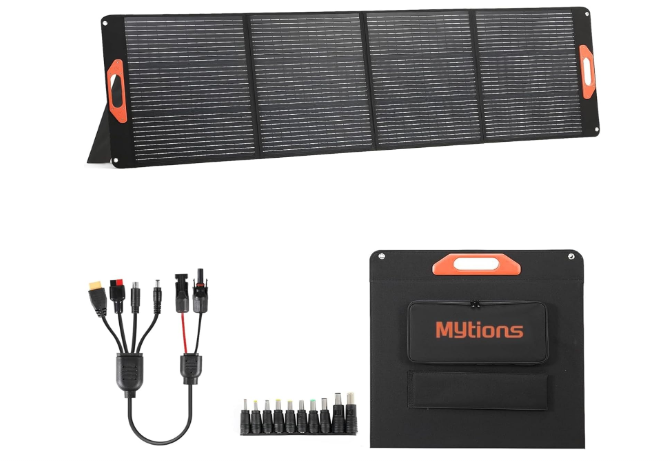
Current Price: Approximately $1,999–$2,199 (often bundled with solar panels).
Key Features and Benefits:
- 2,042Wh base capacity, expandable to 24kWh with extra batteries.
- 3,000W continuous/6,000W surge output—runs well pumps, fridges, and tools.
- Ultra-fast charging: Full in 2 hours via wall, or 6–8 hours with 600W solar input.
- Quiet (under 30dB), app control, and multiple ports (AC, USB, DC).
Pros:
- Highly portable (61 lbs with wheels).
- Exceptional battery life (3,000+ cycles).
- Clean sine wave for sensitive electronics.
Cons:
- Higher upfront cost.
- Solar panels sold separately.
Amazon Customer Ratings and Notable Reviews: 4.7/5 stars (thousands of reviews). Homesteaders praise: “Powered our off-grid cabin fridge and lights for days during a storm—silent and reliable!”
Why It’s a Good Choice for Homesteads: Expandable capacity handles growing needs, and solar compatibility reduces fuel dependence.
Ideal Use Case: Mid-size homesteads needing silent, renewable backup for essentials or partial off-grid.
2. EcoFlow Delta Pro (Best Expandable Solar Setup)
The EcoFlow Delta Pro is a powerhouse for serious homestead backup, with massive capacity and home integration options.
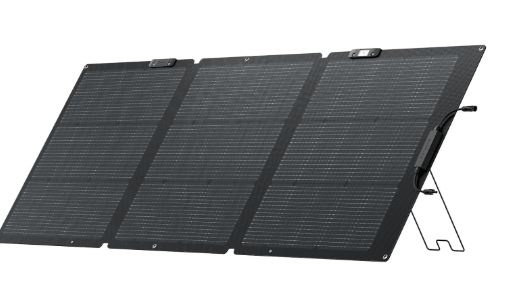
Current Price: $2,599–$3,699.
Key Features and Benefits:
- 3,600Wh base, expandable to 25kWh.
- 3,600W output (7,200W surge)—powers heavy loads like well pumps.
- Fastest charging: 0–80% in ~1 hour AC, or full day with solar.
- App monitoring and home panel integration.
Pros:
- Dual-fuel capable with add-ons.
- Rugged build for outdoor use.
- Long LiFePO4 lifespan.
Cons:
- Heavy (99 lbs base unit).
- Premium price.
Amazon Customer Ratings and Notable Reviews: 4.8/5 stars. Users say: “Ran our entire homestead essentials for a week off solar—game-changer for off-grid.”
Why It’s a Good Choice for Homesteads: Scalability for full off-grid or extended outages.
Ideal Use Case: Larger homesteads or full off-grid with high power demands.
3. Generac Guardian 24kW (Best Whole-House Standby)
Generac dominates standby generators, and the 24kW Guardian is the go-to for seamless whole-home power.
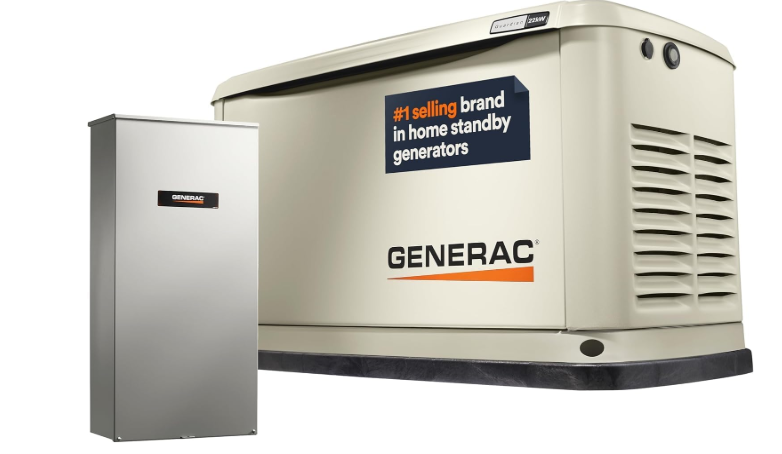
Current Price: $6,000–$7,000 (unit; +installation).
Key Features and Benefits:
- 24kW on propane/21kW natural gas—powers everything.
- Automatic startup in seconds.
- Wi-Fi monitoring via Mobile Link.
- Quiet operation (~65dB).
Pros:
- Reliable G-Force engine.
- 5-year warranty.
- Wide service network.
Cons:
- Installation required.
- Fuel-dependent.
Amazon Customer Ratings and Notable Reviews: 4.7/5 stars. “Kept our homestead running like normal during a 5-day outage—no manual intervention.”
Why It’s a Good Choice for Homesteads: Hands-off reliability for livestock and food preservation.
Ideal Use Case: Grid-tied homesteads prone to long outages.
4. Anker SOLIX F3800 (Best Home-Integratable Solar Setup)
The Anker SOLIX F3800 is a beast for homesteaders wanting seamless home backup integration, with massive capacity and direct EV/RV charging capabilities—ideal for powering critical systems without noise or fumes.
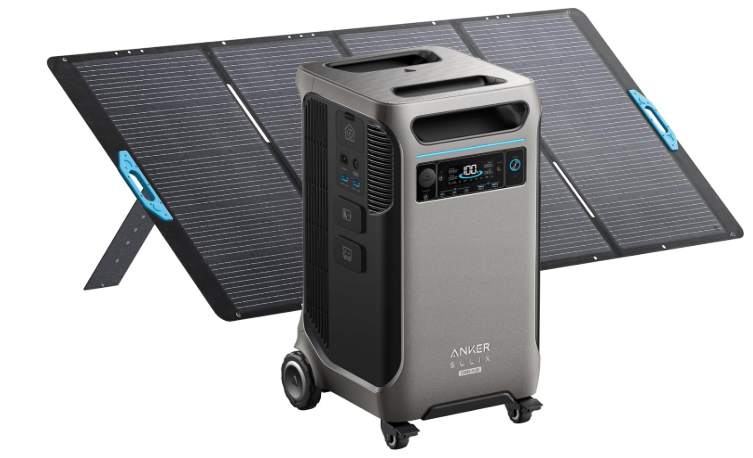
Current Price: Approximately $2,699–$3,999 (often on sale around $2,699).
Key Features and Benefits:
- 3,840Wh base capacity, expandable to 53kWh with additional packs.
- 6,000W continuous output (12,000W surge) with 120V/240V split-phase support—handles well pumps, dryers, and full essentials.
- Ultra-fast charging: Full in ~2 hours AC, or high solar input up to 2,400–3,200W.
- Home panel integration for automatic backup, app control, and UPS mode.
Pros:
- Direct NEMA 14-50 outlet for EV/RV charging.
- Rugged wheels for portability despite weight.
- Long LiFePO4 lifespan (3,000+ cycles).
Cons:
- Very heavy (~132 lbs).
- Expansion batteries add significant cost.
Amazon Customer Ratings and Notable Reviews: 4.5–4.7/5 stars. Homestead users rave: “Integrated perfectly with my home panel—powered the whole house silently during a week-long outage.”
Why It’s a Good Choice for Homesteads: Home integration and high output make it feel like a mini whole-house system, with solar for sustainability.
Ideal Use Case: Homesteads wanting semi-permanent backup with growth potential, especially those with EVs or high 240V needs.
5. Bluetti AC200MAX (Best High-Capacity Expandable Solar)
The Bluetti AC200MAX remains a homestead favorite for its balance of capacity, expandability, and value—delivering silent, reliable power for extended off-grid or backup use.
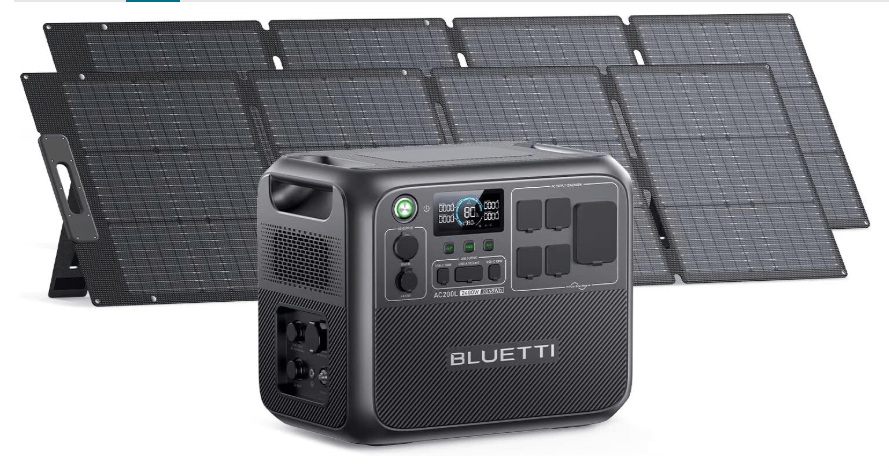
Current Price: Approximately $1,199–$1,699.
Key Features and Benefits:
- 2,048Wh base LiFePO4 capacity, expandable to 8,192Wh.
- 2,200W continuous/4,800W surge—runs fridges, pumps, and tools.
- 900W solar input + wireless charging pads.
- App control and multiple ports for versatile use.
Pros:
- Excellent battery longevity (3,500+ cycles).
- Touchscreen and user-friendly interface.
- Great value for expandable solar setups.
Cons:
- Slower max solar input than newer models.
- Heavier than smaller units.
Amazon Customer Ratings and Notable Reviews: 4.6/5 stars. Users note: “Expanded with B300 batteries—kept our homestead essentials running for days on solar alone.”
Why It’s a Good Choice for Homesteads: Affordable expandability and durable build suit growing power needs without breaking the bank.
Ideal Use Case: Budget-conscious homesteaders building a scalable solar system for partial off-grid.
6. Westinghouse WGen9500DF (Best Versatile Portable Dual-Fuel)
The Westinghouse WGen9500DF is a workhorse portable dual-fuel generator, offering massive power and long runtime for homestead backup when solar isn’t enough.
Buy It From Amazon
Current Price: Approximately $999–$1,199.
Key Features and Benefits:
- 9,500W running/12,500W peak (gas); slightly less on propane.
- Up to 12 hours runtime on 6.6-gal tank.
- Remote electric start, transfer switch ready, and CO sensor on newer models.
- RV-ready 50A outlet.
Pros:
- Dual-fuel flexibility for fuel availability.
- Affordable high power.
- Never-flat wheels for easy movement.
Cons:
- Noisy (~74dB) and THD >5% (not ideal for sensitive electronics without protection).
- Fuel-dependent emissions.
Amazon Customer Ratings and Notable Reviews: 4.7/5 stars (thousands of reviews). “Powered our entire homestead during a multi-day outage—reliable and easy start.”
Why It’s a Good Choice for Homesteads: Raw power and dual-fuel make it perfect for heavy loads like well pumps during storms.
Ideal Use Case: Grid-tied homesteads needing strong, affordable backup for outages.
7. Champion 8,500W Dual-Fuel Inverter (Best Budget Portable Inverter)
Champion’s dual-fuel inverters provide clean power at a fraction of premium brands—great for homestead essentials without the noise of open-frame units.
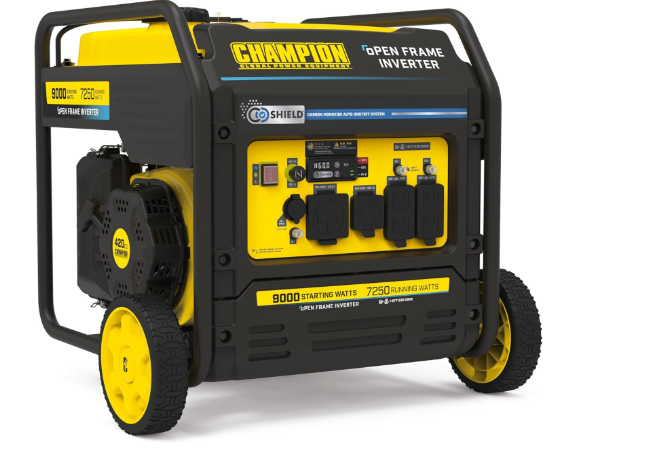
Current Price: Approximately $1,199–$1,399 (for ~8,500W models).
Key Features and Benefits:
- 8,500W peak/6,800W running, clean inverter power (<3% THD).
- Dual-fuel with electric start and CO Shield.
- Quiet operation (~72dB) and parallel capable.
Pros:
- Excellent value and reliability.
- Long runtime on propane.
- RV-ready.
Cons:
- Less power than non-inverter portables.
- Heavier than smaller inverters.
Amazon Customer Ratings and Notable Reviews: 4.6/5 stars. “Quiet and clean—ran sensitive homestead electronics flawlessly on propane.”
Why It’s a Good Choice for Homesteads: Clean power protects electronics while dual-fuel adds versatility.
Ideal Use Case: Homesteads wanting inverter benefits on a budget for essentials.
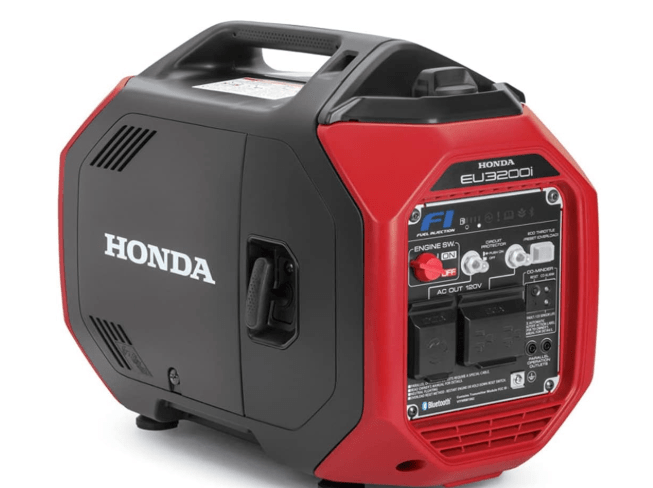
8. Honda EU7000iS (Best Premium Quiet Portable Inverter)
Honda’s EU7000iS is the gold standard for quiet, reliable fuel-powered portability—super clean power for sensitive homestead gear.
Current Price: Approximately $4,499–$4,999.
Key Features and Benefits:
- 7,000W peak/5,500W running, super inverter (<3% THD).
- Ultra-quiet (~58dB) with electric start.
- Fuel-efficient (up to 18 hours) and parallel capable.
Pros:
- Legendary Honda reliability.
- Extremely quiet and clean power.
- App monitoring.
Cons:
- Expensive.
- Gas-only (no dual-fuel).
Amazon Customer Ratings and Notable Reviews: 4.8/5 stars. “Quietest generator ever—powered our homestead without disturbing livestock.”
Why It’s a Good Choice for Homesteads: Unmatched quietness and reliability for peaceful rural settings.
Ideal Use Case: Premium buyers needing quiet, clean power for sensitive loads.
9. Kohler 20RCAL (Best Durable Standby Alternative)
Kohler’s 20kW standby offers premium build and quiet operation as a reliable alternative to Generac.
Buy It From Amazon
Current Price: $5,500–$6,500 (unit; +installation).
Key Features and Benefits:
- 20kW (LP)/18kW (NG) automatic power.
- Corrosion-resistant enclosure and fast response.
- Wi-Fi monitoring and 5-year warranty.
Pros:
- Superior engine quality.
- Quieter than many standbys.
- Excellent service network.
Cons:
- Higher cost than Generac.
- Installation required.
Amazon/Customer Ratings: 4.7/5 stars. “Flawless during outages—premium feel and reliability.”
Why It’s a Good Choice for Homesteads: Durable for harsh rural conditions with livestock-sensitive quietness.
Ideal Use Case: Homesteads preferring Kohler’s build over Generac.
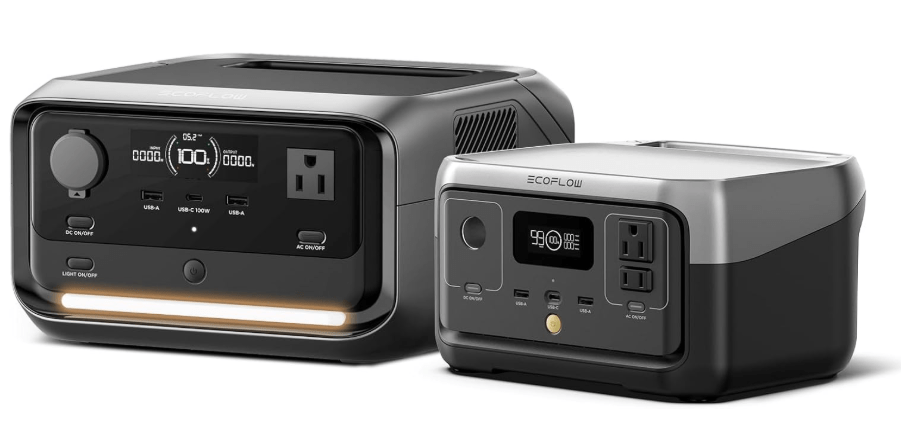
10. EcoFlow Delta 2 Max (Best Mid-Size Solar Value)
The EcoFlow Delta 2 Max offers great value in a mid-capacity solar setup—fast charging and expandability for homestead essentials.
Current Price: Approximately $1,799–$1,999.
Key Features and Benefits:
- 2,048Wh expandable to 6kWh.
- 2,400W output with fast solar/AC charging.
- App control and rugged design.
Pros:
- Excellent charging speed.
- Affordable expansion.
- Quiet and portable.
Cons:
- Less capacity than larger models.
- Premium for size.
Amazon Customer Ratings: 4.7/5 stars. “Best bang-for-buck solar—kept fridge and lights on indefinitely with panels.”
Why It’s a Good Choice for Homesteads: Balances cost, capacity, and speed for smaller setups.
Ideal Use Case: Entry-level solar backup for essentials.
Product Comparison Section
- Solar vs. Fuel-Based: Solar (Jackery, EcoFlow, Anker, Bluetti) are silent, renewable, and indoor-safe but slower in cloudy weather and pricier upfront. Fuel-based (Westinghouse, Champion, Honda) offer instant high power and longer single-tank runtime but are noisy and emit fumes.
- Portable vs. Standby: Portables are flexible and cheaper initially; standbys (Generac, Kohler) are automatic and whole-home but require pro install (~$3k–$5k extra).
- Winner Categories:
- Best Overall Solar: Jackery Explorer 2000 Plus
- Best Whole-House: Generac Guardian 24kW
- Best Value Portable: Westinghouse WGen9500DF
- Quietest: Honda EU7000iS
- Best Expandable: Anker SOLIX F3800
How to Choose the Right Generator Setup for Your Homestead
- Assess Needs: List appliances (e.g., fridge 800W running, well pump 2,000W starting) and total watts—aim 20–50% above.
- Budget/Fuel: Solar for long-term savings; dual-fuel for flexibility.
- Noise/Space: Inverters/solar for quiet; standby for hands-off. Common Mistakes: Undersizing, ignoring THD for electronics, skipping CO detectors. Maintenance: Annual service for fuel units; keep solar panels clean.
FAQs
- Solar or Gas? Solar for silent/renewable; gas for raw power/reliability in bad weather.
- Runtime in Outages? Solar: Days/weeks with sun; Fuel: 8–18 hours/tank; Standby: Indefinite on NG.
- Well Pump? Yes—most here handle 1–2HP pumps.
- Cost to Run? Solar: Free after panels; Gas: ~$2–$5/hour; Propane cheaper long-term.
A reliable generator setup brings irreplaceable peace of mind to homestead life—protecting food, water, livestock, and comfort when the grid fails. From silent solar expandables to automatic standbys, these top 10 cover every need and budget. Check current Amazon prices/deals, read recent reviews, and match to your power calculation for the perfect fit.