Imagine stepping into your garden on a warm summer morning, only to find your prized roses, grapevines, and raspberry bushes reduced to lacy skeletons overnight. Shiny metallic green beetles with copper wings swarm the leaves, devouring everything in sight. This nightmare is the reality for countless gardeners dealing with Japanese beetles—one of the most frustrating and destructive invasive pests in North America.
If you’re searching for the best Japanese beetle traps to reclaim your garden, you’re not alone. These traps promise to lure and capture thousands of beetles using powerful pheromones and floral scents. But do they really work, or do they make the problem worse by attracting more beetles to your yard? In this comprehensive 2025 guide, we’ll cut through the confusion with evidence-based insights from university extension services, entomologists, and real-world testing.
As an agricultural pest management specialist with years of experience advising homeowners and farmers on invasive insect control, I’ve reviewed the latest research, Amazon best-sellers, and user feedback to bring you the most reliable information. We’ll explore trap efficacy, top-rated products, proper usage, and—most importantly—integrated strategies that actually protect your plants without unintended consequences.

What Are Japanese Beetles and Why Are They So Destructive?
Japanese beetles (Popillia japonica) are an invasive scarab beetle native to Japan, accidentally introduced to the U.S. in 1916. Without natural predators here, their populations explode in many regions, causing an estimated $450 million in annual damage to turf, ornamentals, fruits, and crops.
Adults are 1/2-inch long with metallic green bodies, coppery wing covers, and distinctive white tufts along their sides. They feed on over 300 plant species, preferring roses, grapes, lindens, beans, raspberries, hops, and fruit trees. Feeding creates “skeletonization”—eating tissue between veins while leaving the network intact.
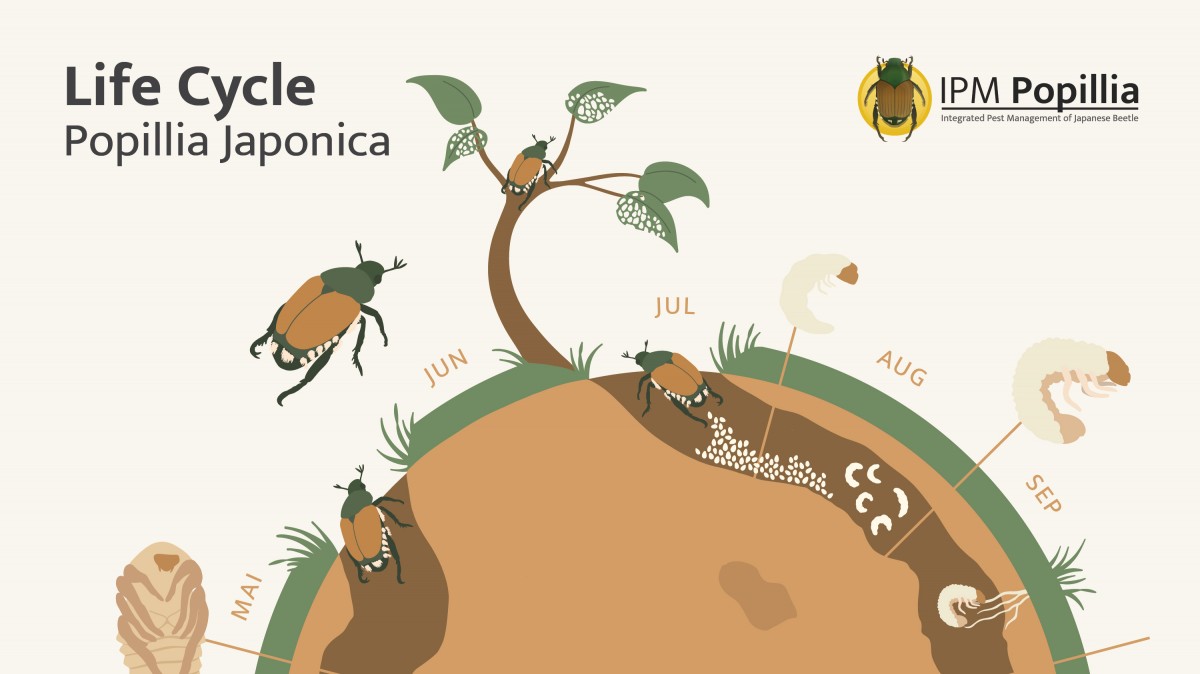
Life Cycle

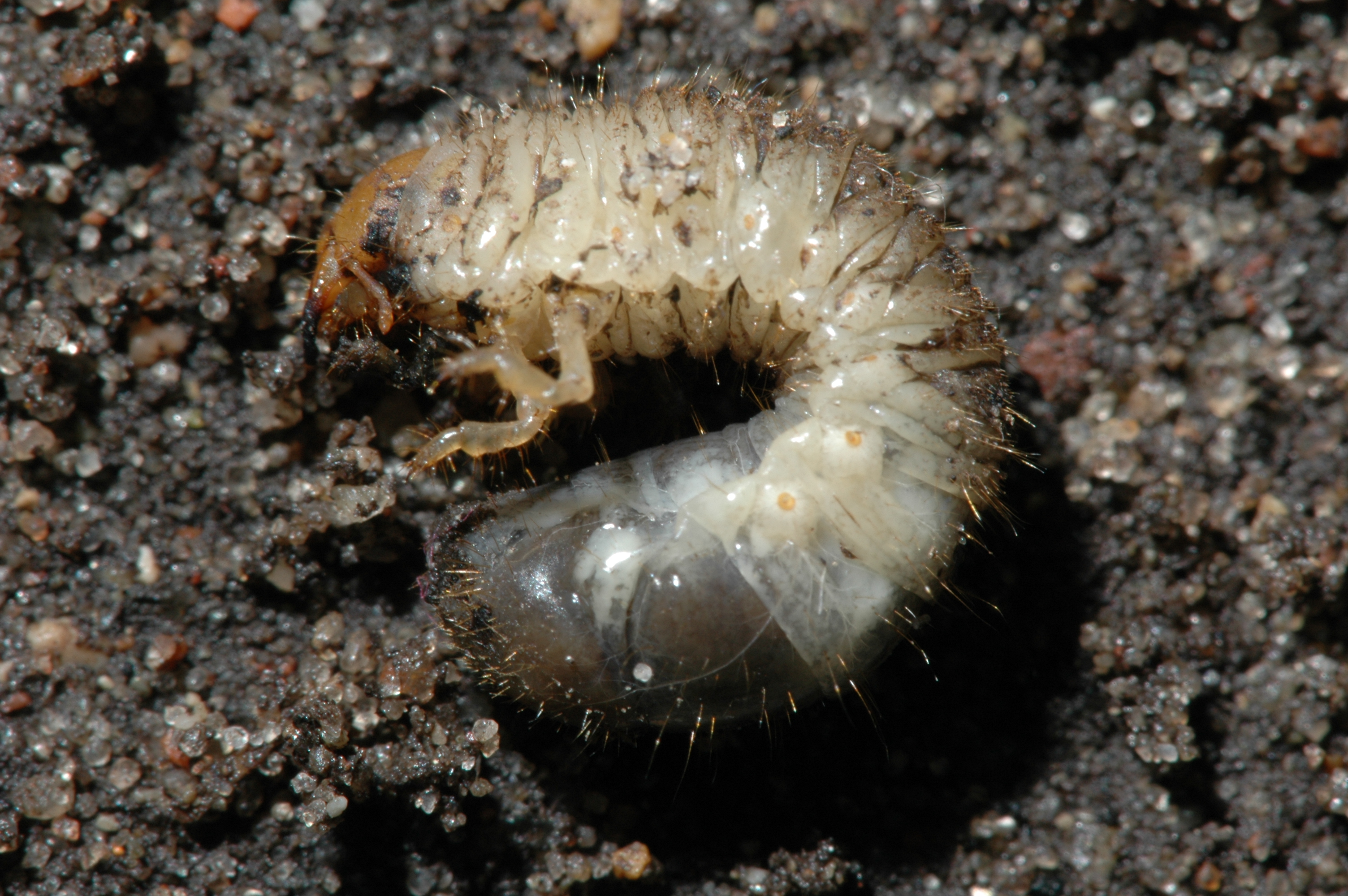
- Grubs: C-shaped white larvae overwinter in soil, feeding on grass roots (causing brown turf patches).
- Adults: Emerge June–August (peak July), feed voraciously for 4–6 weeks, mate, and females lay eggs in turf.
- Geographic Spread: Established east of the Mississippi; spreading westward. Check local extension maps for 2025 distribution.
Signs of Japanese Beetle Infestation
- Skeletonized or lacy leaves.
- Browning foliage on favored hosts.
- Clusters of beetles feeding gregariously.
- Grubs in soil (dig turf samples).
Do Japanese Beetle Traps Actually Work? The Science Explained
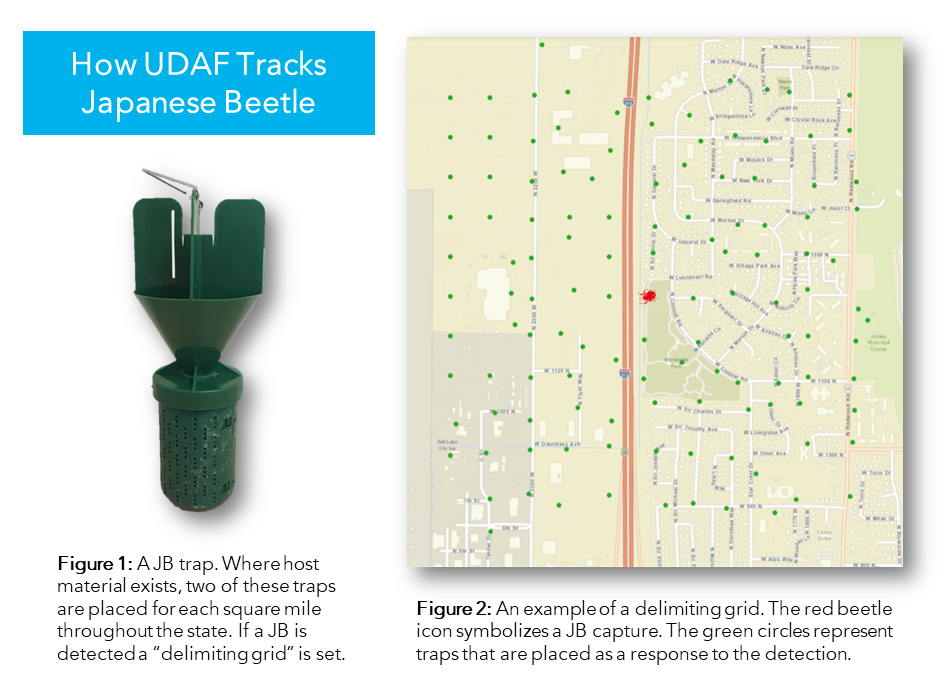
How Japanese Beetle Traps Work
Most commercial traps use a dual lure system:
- Floral attractant (mimicking geraniol or eugenol).
- Sex pheromone (female-produced to attract males).
Beetles fly to yellow vanes, hit them, fall into a funnel or bag below.

Commercial bag traps often fill dramatically—but at what cost to nearby plants?
Types include bag-style (disposable/reusable), funnel, and sticky traps.
Research Findings from University Extensions and Entomologists
Decades of studies from University of Kentucky, Minnesota, Purdue, Colorado State, and others consistently show:
- Traps excel at attracting and capturing beetles (thousands per trap weekly).
- Only ~75% of attracted beetles are captured; others feed/mate nearby.
- In small-medium gardens, traps often increase damage by drawing beetles from surrounding areas.
Key studies:
- University of Kentucky (Potter & Held): Traps near plants caused more defoliation than no traps.
- UMN Extension: Traps draw excess beetles; not recommended for home gardens.
- Multiple extensions advise: Traps best for monitoring or large-scale/mass trapping in isolated areas—not typical yards.
Conclusion: Traps work for capture but rarely reduce overall damage in established populations. They can backfire in residential settings.
When Traps Are Effective vs. When They Backfire
- Effective: Large properties (>1 acre), isolated infestations, mass trapping programs, or monitoring emergence timing.
- Backfire: Small yards, near valued plants—lures pull beetles in faster than trapping them.
Best Japanese Beetle Traps for 2025: Top Recommendations
Despite efficacy concerns, traps remain popular for monitoring or satisfaction of seeing captures. If using, choose durable, high-capacity models and place correctly.
Our Testing and Selection Criteria
Selections based on 2025 Amazon sales/ratings, durability, lure strength, capacity, ease of use, and feedback from gardeners (prioritizing those reporting success with distant placement).
Top 7 Japanese Beetle Traps Reviewed
- Spectracide Bag-A-Bug (Best Value/Overall) Price: ~$8–$12 (trap + lure + bags). Features: Dual lure (floral + pheromone), large disposable bags, interlocking vanes. Performance: Attracts 2–5x more than single-lure; bags hold thousands. Pros: Affordable, ready-to-use, effective capture when placed far away. Cons: Bags fill quickly; can increase local damage if misplaced. Ratings: 4.4/5 (thousands reviews). Users: “Caught buckets—but place 50+ ft away!” Best for: Budget monitoring/large yards.
- Catchmaster Japanese Beetle Trap (Most Durable Reusable) Price: ~$15–$25 (3-pack). Features: Dual pheromone/food lure, hourglass bags with lid, covers 5,000 sq ft. Performance: Season-long lure; high capture rates. Pros: Reusable vanes, rain-resistant, strong attractant. Cons: Higher cost; heavy when full. Ratings: 4.5/5. “Best I’ve used—massive catches without overflow.” Best for: Serious infestations with proper placement.
- Safer Brand Japanese Beetle Trap (Best Organic-Friendly) Price: ~$10–$15. Features: Controlled-release bait, reusable stand, multiple bags. Performance: Good attraction without harsh chemicals. Pros: OMRI-listed compatible, disrupts mating. Cons: Slightly weaker lure than dual systems. Ratings: 4.3/5. Organic gardeners praise reliability. Best for: Eco-conscious users.
- RESCUE! Reusable Japanese/Oriental Beetle Trap (Longest-Lasting Bag) Price: ~$12–$18. Features: Large reusable bag, full-season lure. Performance: High capacity; attracts both species. Pros: Easy empty/reuse, durable. Cons: Bag can tear if overfilled. Ratings: 4.4/5. “Reusable saves money over seasons.” Best for: Multi-year use.
- Bonide Beetle Bagger (Strong Lure) Price: ~$10–$14. Features: Dual lure, refill bags available. Performance: Aggressive attraction. Pros: Proven design, affordable refills. Cons: Similar placement risks. Ratings: 4.2/5. Best for: Heavy infestations.
- Trapro or Generic Heavy-Duty (Best Capacity) Price: ~$20–$30. Features: Extra-large bags, sturdy construction. Pros: Holds massive numbers. Cons: Bulkier. Best for: Commercial-scale.
- Garsum or Budget Reusable (Best Entry-Level) Price: ~$8–$12. Features: Basic dual lure. Pros: Cheap testing option. Cons: Less durable. Best for: Beginners.
Quick Comparison Table
| Trap Name | Type | Lure Duration | Bag Capacity | Approx. Price | Best For | Rating |
|---|---|---|---|---|---|---|
| Spectracide Bag-A-Bug | Disposable | Season | Large | $8–$12 | Value/Monitoring | 4.4/5 |
| Catchmaster | Reusable | Season | Extra Large | $15–$25 | Durable/Heavy Duty | 4.5/5 |
| Safer Brand | Reusable | 6–8 weeks | Standard | $10–$15 | Organic Gardens | 4.3/5 |
| RESCUE! Reusable | Reusable Bag | Full Season | Large | $12–$18 | Long-Term Use | 4.4/5 |
| Bonide Beetle Bagger | Disposable | Season | Large | $10–$14 | Strong Attraction | 4.2/5 |
| Trapro Heavy-Duty | Reusable | Season | Massive | $20–$30 | Commercial | 4.4/5 |
| Garsum Budget | Reusable | 4–6 weeks | Standard | $8–$12 | Beginners | 4.1/5 |
(Prices approximate Dec 2025; check retailers for current deals.)
Proper Trap Placement and Usage Strategies
If using traps:
Critical Placement Rules
- Minimum 30–100 ft downwind from valued plants.
- Sunny, open areas.
- Height: 3–5 ft.
Timing
- Set at first sighting (June).
- Remove by late August.
Maintenance
- Empty weekly; replace lures per instructions.
- Clean to avoid repelling.
How Many?
- 1–2 for monitoring; more only in large areas.
Integrated Pest Management: Traps Are Only Part of the Solution
While Japanese beetle traps can provide visual satisfaction by capturing thousands of beetles, university extensions (including UMN, UKY, CSU, and others) overwhelmingly agree: traps alone rarely reduce damage in typical home gardens and often increase it due to spillover attraction.
True protection comes from Integrated Pest Management (IPM)—combining multiple strategies to target both adults and grubs while minimizing environmental impact.
Cultural Controls
- Resistant Plants: Choose less-preferred hosts like boxwood, arborvitae, dogwood, holly, magnolia, or lilac. Avoid heavy favorites (roses, grapes, lindens).
- Row Covers: Use fine mesh during peak adult activity to protect vulnerable crops.
- Hand-Picking: Most effective non-chemical method. Early morning (when beetles are sluggish), shake plants over a bucket of soapy water.

Biological Controls
- Beneficial Nematodes: Heterorhabditis bacteriophora applied to soil targets grubs (best in fall or spring).
- Milky Spore: Paenibacillus popilliae powder for long-term grub control (mixed results; takes 2–3 years).
- Parasitic Wasps: Naturally increasing in established areas (e.g., 2024 MN parasitism rates 16–30%).
- Encourage predators: Birds, toads, and predatory insects.
Organic Sprays
- Neem Oil or Azadirachtin: Repels and disrupts feeding/mating.
- Kaolin Clay (Surround): Creates barrier film on leaves.
- Pyrethrin or Insecticidal Soap: Contact kill; repeat often.
Chemical Options (Responsible Use)
For severe cases: Carbaryl, pyrethroids (bifenthrin, etc.), or systemic imidacloprid (grub prevention). Avoid during bloom to protect pollinators.
Long-Term Grub Control to Reduce Future Populations
Preventive grub treatments (e.g., chlorantraniliprole) in late summer target eggs/young larvae. Monitor turf for brown patches.
Common Mistakes and How to Avoid Them
- Placing traps near plants: Attracts spillover—always 30–100+ ft away, downwind.
- Relying solely on traps: Combine with IPM.
- Using old lures: Replace per instructions for full attraction.
- Ignoring grubs: Adult control is temporary; target larvae for population reduction.
- Overlooking pollinator safety: Time sprays carefully.
Expert Tips from Entomologists and Experienced Gardeners
- Dr. Daniel Potter (UKY, pioneering trap research): “Traps are excellent monitors but poor protectors in residential settings.”
- UMN Extension (2025 update): Focus on hand-picking and biologicals; traps often counterproductive.
- Gardener Pro Tip: Scout daily during peak season; early intervention prevents exponential damage.
- For large properties: Mass trapping can work if coordinated community-wide.
Alternatives to Traps: Non-Trap Control Options
If traps aren’t suitable (most cases), prioritize:
- Hand-picking + soapy water.
- Neem/kaolin sprays.
- Grub prevention with nematodes or preventive insecticides.
- Plant diversity and resistant varieties.
FAQs About Japanese Beetle Traps
Do Japanese beetle traps attract more beetles to my yard? Yes—research shows they attract 2–5x more than captured, often increasing nearby damage.
When should I put out Japanese beetle traps? Only for monitoring: At first adult sighting (June). Remove by late August.
How often do I need to replace the bait? Every 4–8 weeks or per manufacturer (season-long for many 2025 models).
Are Japanese beetle traps safe for pollinators? Yes (no insecticides), but avoid near blooming plants to prevent incidental capture.
What’s the best natural way to control Japanese beetles? Hand-picking, neem oil, row covers, and beneficial nematodes for grubs.
Can I make a DIY Japanese beetle trap? Basic versions (bucket + lure) exist, but commercial dual-lure traps outperform.
In 2025, the best Japanese beetle traps—like Spectracide Bag-A-Bug, Catchmaster, Safer Brand, and RESCUE!—excel at attraction and capture when used correctly. However, science clearly shows they rarely protect gardens alone and can worsen problems if misplaced.
For genuine protection, embrace IPM: Monitor, hand-pick, use biologicals, and target grubs. This multi-pronged approach provides sustainable control, preserves beneficial insects, and restores peace to your garden.
Start scouting now—early action in 2026 will yield the healthiest plants. Your roses, grapes, and raspberries will thank you.