Aquaponics is often presented as a miracle farming system—one that grows food effortlessly, uses almost no water, and practically runs itself. Scroll through social media or marketing pages and you’ll see bold promises of instant harvests and passive income. Unfortunately, this hype has created widespread confusion and unrealistic expectations. That’s why Common Aquaponics Myths continue to mislead growers, farmers, and sustainability enthusiasts around the world.
The reality is this: aquaponics can be one of the most efficient and sustainable food production methods available—but only when it’s understood correctly. Myths don’t just distort expectations; they cause system failures, wasted money, unhealthy fish, and frustrated growers who abandon aquaponics altogether.
This article cuts through the noise.
Drawing from real-world experience, scientific principles, and proven grower practices, this guide will debunk the most common aquaponics myths, explain what actually works, and help you make informed decisions—whether you’re a beginner, an educator, or a small-scale or commercial producer.
If you’ve ever wondered:
-
Is aquaponics really low-maintenance?
-
Can it be profitable?
-
Is it beginner-friendly or overly complex?
-
Are fish treated ethically?
You’re in the right place.
Understanding Aquaponics Before Debunking the Myths
Before we dismantle misinformation, it’s essential to understand what aquaponics actually is—and what it isn’t.
What Aquaponics Really Is
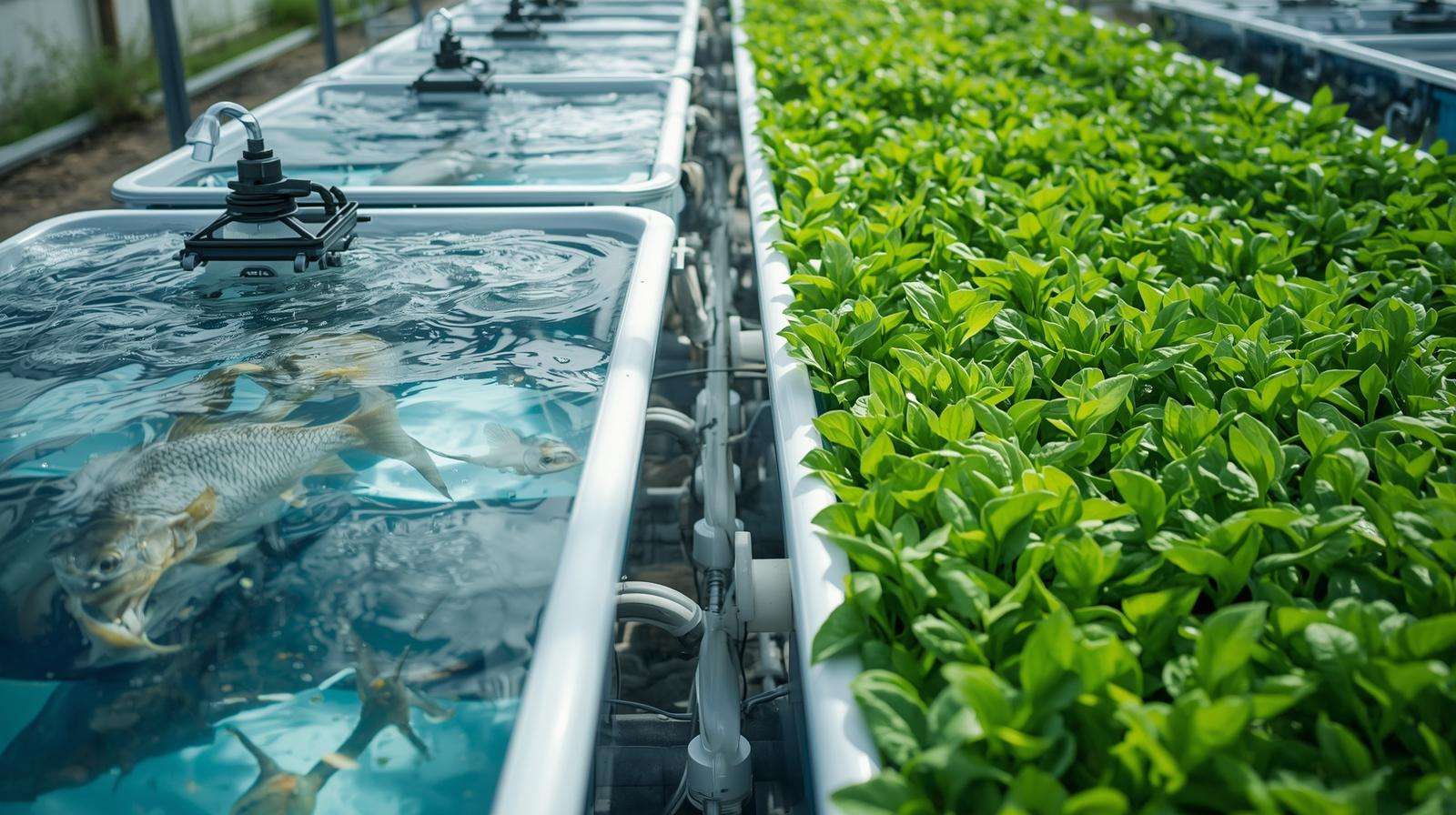
Aquaponics is a closed-loop food production system that combines:
-
Aquaculture (raising fish)
-
Hydroponics (soilless plant cultivation)
-
Beneficial bacteria that convert fish waste into plant nutrients
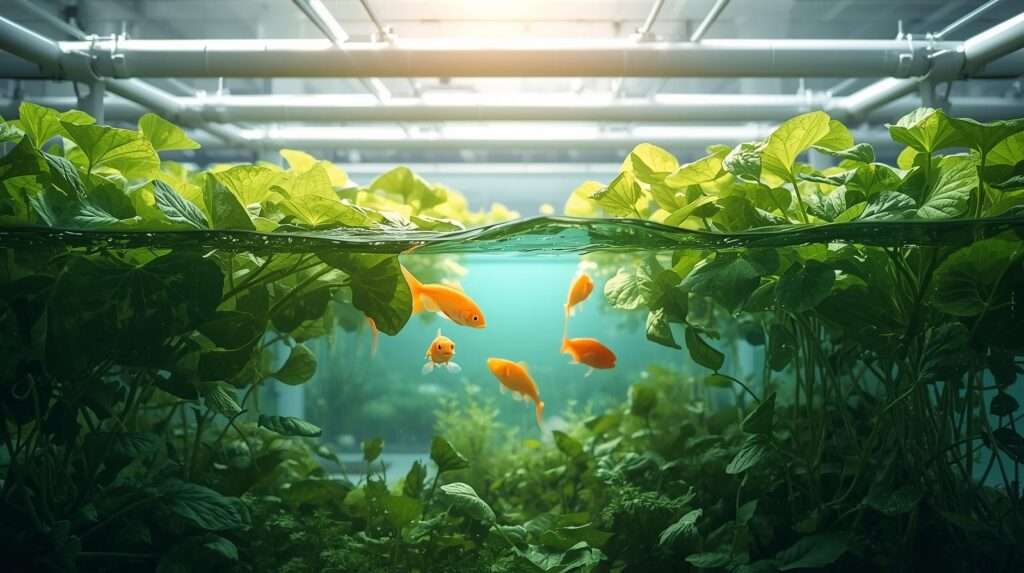
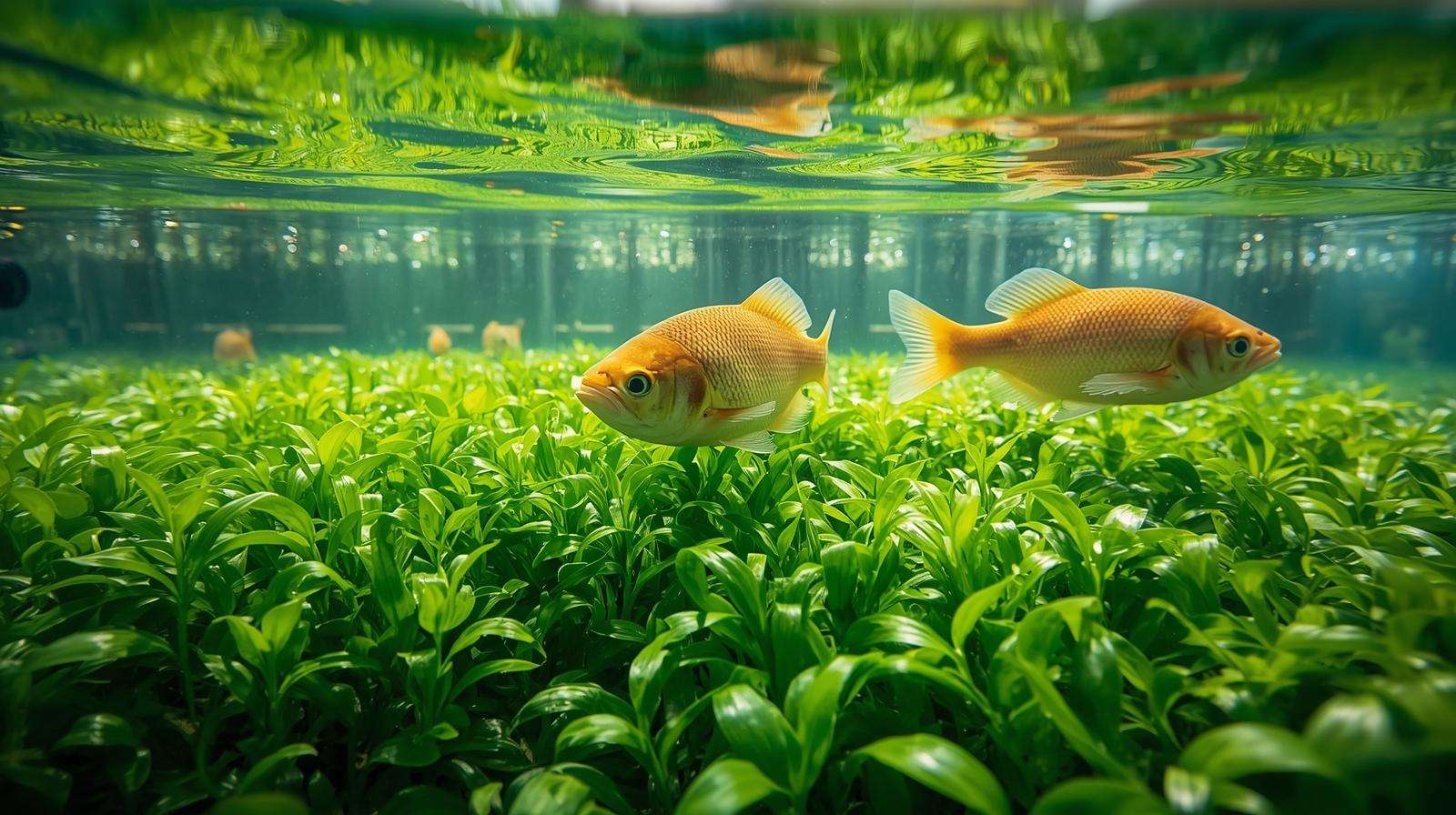
Fish produce ammonia-rich waste → bacteria convert it into nitrates → plants absorb nutrients → clean water returns to the fish.
It’s not magic. It’s biology.
How Aquaponics Systems Function in Real-World Conditions
In practice, aquaponics systems require:
-
Stable water chemistry
-
Oxygenation
-
Temperature control
-
Balanced fish stocking
-
Ongoing observation
Unlike soil farming, you’re managing an ecosystem, not just crops. When one part is neglected, the entire system feels it.
Why Aquaponics Myths Spread So Easily
Aquaponics myths persist because:
-
Early failures are rarely discussed publicly
-
Marketing oversimplifies complex systems
-
Short-term demonstrations hide long-term challenges
-
New growers mistake “sustainable” for “effortless”
Understanding these dynamics helps explain why aquaponics is often misunderstood.
Common Aquaponics Myths Debunked
This section addresses the most widespread and damaging misconceptions—clearly, honestly, and without hype.
Myth 1: Aquaponics Is “Set It and Forget It”
This is one of the most dangerous aquaponics myths.
While aquaponics reduces labor compared to traditional farming, it is not maintenance-free.
Reality:
-
Water parameters must be monitored
-
Fish must be fed appropriately
-
Plants require pruning and harvesting
-
Pumps and aeration must be checked
What aquaponics does eliminate is:
-
Weeding
-
Soil tilling
-
Synthetic fertilizers
But biological systems demand attention. Successful growers don’t “set and forget”—they observe and adjust.
Myth 2: Aquaponics Produces Food Faster Than Any Other Method
Many believe aquaponics accelerates growth beyond natural limits.
Reality:
-
Aquaponics growth rates are comparable to hydroponics
-
Faster than soil in poor conditions
-
Slower than optimized hydroponic systems for some crops
Growth speed depends on:
-
Temperature
-
Fish feed quality
-
Plant selection
-
System maturity
Aquaponics shines in stability and sustainability, not instant yields.
Myth 3: Aquaponics Is Too Complicated for Beginners
This myth discourages countless potential growers.
Reality:
Aquaponics is not inherently complicated—it’s poorly explained.
Beginner-friendly systems:
-
Media-bed systems
-
Small backyard setups
-
Educational kits
Most failures happen because beginners:
-
Overstock fish
-
Ignore water testing
-
Follow incomplete advice
With proper guidance, aquaponics is absolutely beginner-accessible.
Myth 4: Aquaponics Is Only for Leafy Greens
Yes, leafy greens thrive—but that’s not the full story.
Reality:
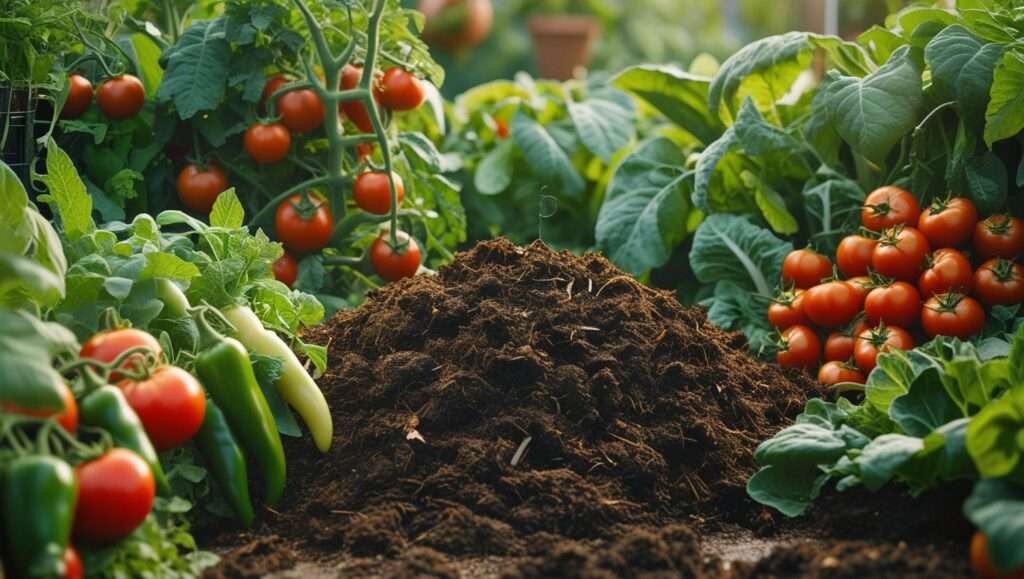
Aquaponics can grow:
-
Tomatoes
-
Cucumbers
-
Peppers
-
Strawberries
-
Okra (in warm systems)
However, fruiting crops require:
-
Higher nutrient loads
-
Mature systems
-
Better environmental control
Leafy greens are recommended for beginners—not because aquaponics is limited, but because they’re forgiving.
Myth 5: Aquaponics Is Not Profitable
This myth often comes from failed business models—not failed systems.
Reality:
Aquaponics profitability depends on:
-
Scale
-
Crop selection
-
Market access
-
Energy efficiency
-
Labor costs
Aquaponics is not a get-rich-quick scheme, but it can be profitable when:
-
Targeting high-value crops
-
Selling locally
-
Minimizing overhead
Many failures result from unrealistic expectations, not flawed technology.
Myth 6: Fish Always Suffer in Aquaponics Systems
Ethical concerns are valid—but often misunderstood.
Reality:
When managed properly:
-
Fish experience stable water conditions
-
Stress is often lower than in intensive aquaculture
-
Waste buildup is controlled naturally
Fish suffer only when:
-
Overstocked
-
Overfed
-
Oxygen-deprived
-
Neglected
Responsible aquaponics prioritizes fish welfare as system health.
Myth 7: Aquaponics Uses Less Water Than Any Other Farming Method
This myth is partially true—but often exaggerated.
Reality:
Aquaponics uses:
-
~90% less water than soil farming
-
Similar water levels to hydroponics
Water savings depend on:
-
Climate
-
System design
-
Evaporation control
Aquaponics excels in water-scarce regions, but it’s not water-free.
Myth 8: Any Fish Can Be Used in Aquaponics
A costly misconception.
Reality:
Fish must match:
-
Water temperature
-
Local regulations
-
Feed availability
Common aquaponics fish:
-
Tilapia
-
Catfish
-
Carp
-
Trout (cold systems)
-
Ornamental fish (small systems)
Poor fish selection causes more failures than pump issues.
Myth 9: Aquaponics Is Automatically Organic
This myth creates legal and marketing problems.
Reality:
Aquaponics is not automatically certified organic.
Certification depends on:
-
Fish feed ingredients
-
Regional organic standards
Aquaponics can be ecological and sustainable without formal organic certification.
What Actually Works in Aquaponics (Evidence-Based Practices)
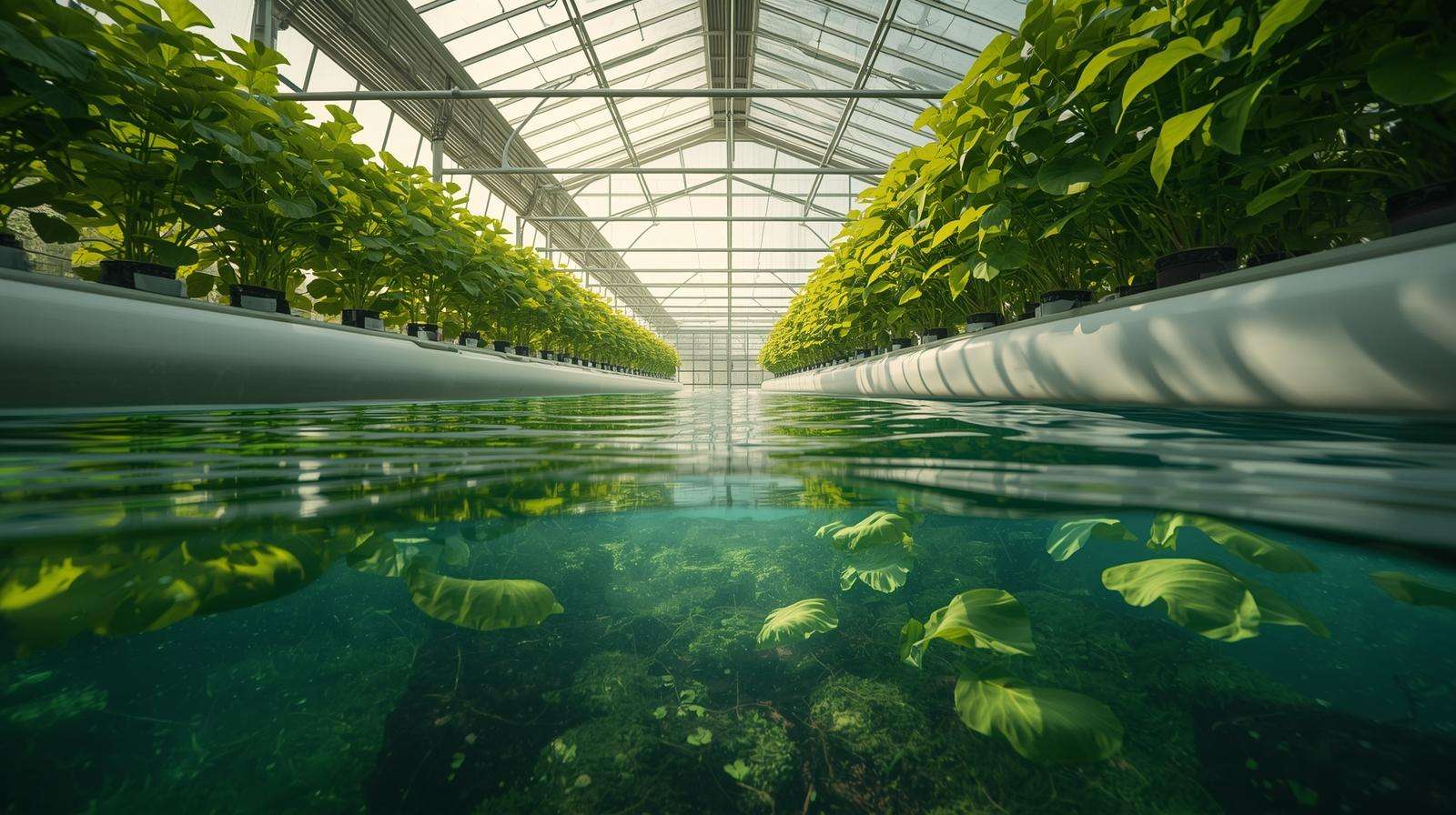
Proven System Designs
-
Media-Based Systems
-
Best for beginners
-
Natural filtration
-
Flexible crop options
-
-
Deep Water Culture (DWC)
-
Commercial-scale efficiency
-
Excellent for leafy greens
-
Requires precise management
-
-
Hybrid Systems
-
Combine media beds and DWC
-
Higher productivity
-
More complexity
-
Key Factors for Long-Term Success
-
Consistent water testing
-
Quality fish feed
-
Proper stocking density
-
Temperature stability
-
Backup systems for power failures
Lessons Learned from Real Aquaponics Failures
One of the most valuable—but rarely discussed—sources of insight in aquaponics comes from systems that failed. These failures are not proof that aquaponics doesn’t work; rather, they reveal why myths are so dangerous.
The Most Common Reasons Aquaponics Systems Fail
1. Overstocking Fish
Beginners often add too many fish too early, believing more fish equals more nutrients. In reality, this leads to ammonia spikes, stressed fish, and plant failure.
2. Ignoring the Nitrogen Cycle
Many systems fail before they ever mature. Beneficial bacteria need time to establish. Skipping or rushing this phase is a critical mistake.
3. Poor Water Quality Monitoring
Aquaponics is forgiving—but not blind. pH, ammonia, nitrites, and nitrates must be monitored, especially in early stages.
4. Overreliance on Online “Hacks”
Short-form advice often omits context. What works in one climate or system can destroy another.
5. Underestimating Energy Dependence
Aquaponics relies on pumps and aeration. No backup power = catastrophic loss.
Key takeaway:
Most failures are management failures, not system failures.
Aquaponics vs Other Growing Methods: An Honest Comparison
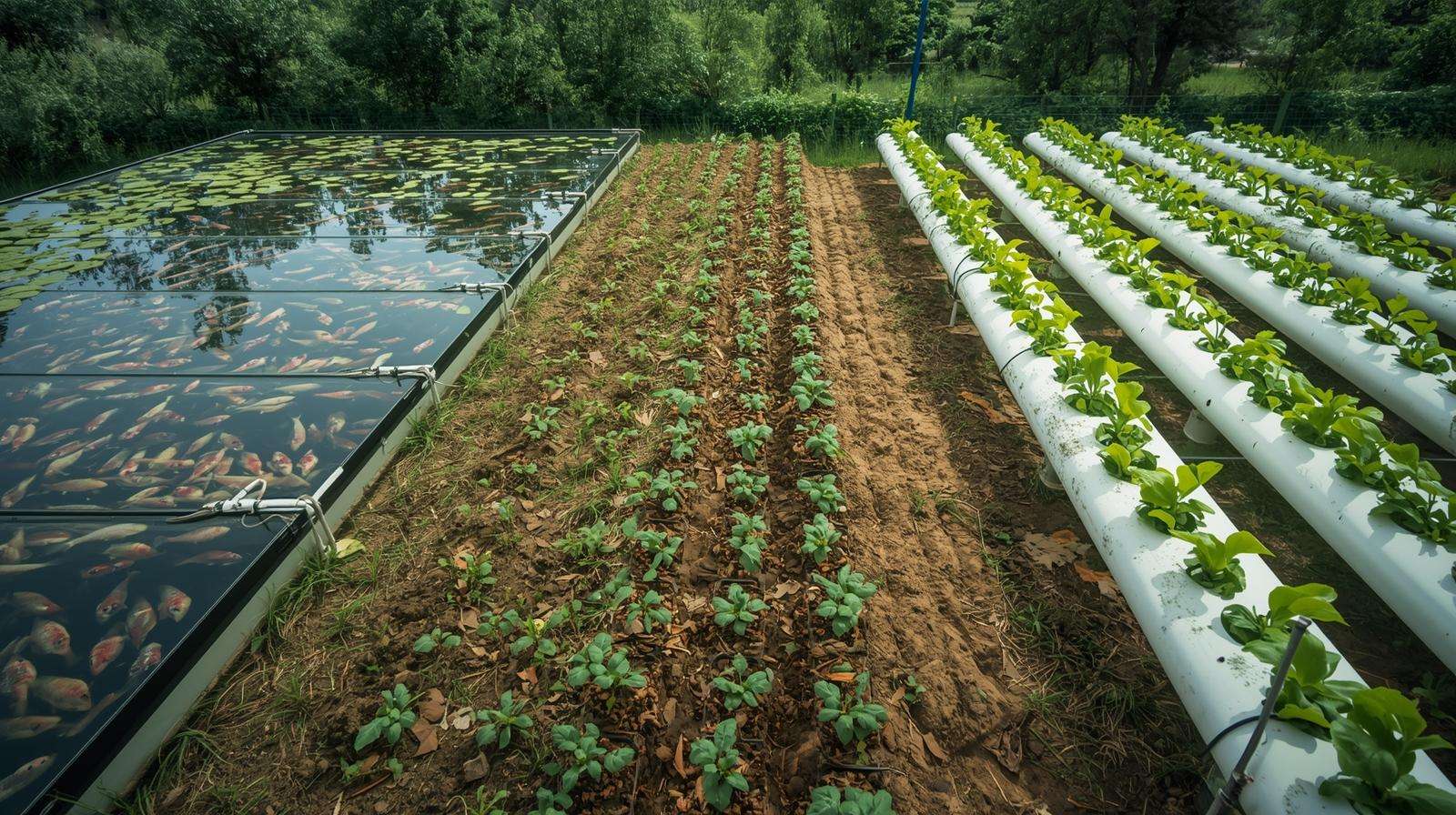
To truly debunk common aquaponics myths, it’s essential to compare aquaponics realistically against alternatives—without bias or exaggeration.
Aquaponics vs Soil Farming
Aquaponics Advantages
-
No soil degradation
-
Reduced pest pressure
-
Faster nutrient uptake
-
Year-round production potential
Soil Farming Advantages
-
Lower startup costs
-
No electricity dependency
-
Easier scalability in rural areas
Verdict:
Aquaponics excels where land or water is limited; soil remains dominant where space and labor are abundant.
Aquaponics vs Hydroponics
Aquaponics Advantages
-
No synthetic fertilizers
-
Closed-loop nutrient recycling
-
Improved sustainability profile
Hydroponics Advantages
-
Faster plant growth for some crops
-
Precise nutrient control
-
Easier standardization at scale
Verdict:
Aquaponics prioritizes ecological balance; hydroponics prioritizes speed and uniformity.
Who Should (and Shouldn’t) Consider Aquaponics
Understanding who aquaponics is for helps prevent disappointment and wasted investment.
Aquaponics Is Ideal For
-
Schools and educational programs
-
Small-scale commercial growers
-
Urban and peri-urban farmers
-
Water-scarce regions
Aquaponics May Not Be Ideal For
-
Growers seeking zero maintenance
-
Those without electricity access
-
Investors expecting rapid ROI
-
Operations lacking technical oversight
Aquaponics rewards patience, observation, and learning—not shortcuts.
Expert Tips for Avoiding Aquaponics Misinformation
To protect yourself from misleading advice:
Red Flags to Watch For
-
“No maintenance required”
-
“Guaranteed profits”
-
“No testing needed”
-
“Any fish works”
-
“Instant organic certification”
What to Look for Instead
-
Data-backed recommendations
-
Region-specific guidance
-
Long-term case studies
-
Transparency about failures
-
Emphasis on system balance
Pro tip:
If advice ignores fish health, it’s incomplete.
Frequently Asked Questions About Common Aquaponics Myths
Is aquaponics really beginner-friendly?
Yes—when started small and approached with education rather than hype.
How long does it take to see results?
Leafy greens can be harvested within weeks, but system stability takes several months.
Can aquaponics be sustainable long-term?
Absolutely. Many systems operate for years with minimal water input when properly managed.
Is aquaponics suitable for commercial farming?
Yes—but only with realistic expectations, strong planning, and local market alignment.
What is the biggest misconception about aquaponics?
That it removes the need for skill. In truth, aquaponics shifts skills—from soil management to ecosystem management.
The Future of Aquaponics: Beyond the Myths
As climate change, water scarcity, and urbanization intensify, aquaponics is gaining renewed attention—not as a miracle, but as a tool.
Emerging trends include:
-
Integration with renewable energy
-
Modular urban food systems
-
Educational and community-based farms
-
Improved fish feed sustainability
-
Smarter monitoring technologies
The future belongs to realistic, science-based aquaponics, not exaggerated promises.
Conclusion: Separating Aquaponics Facts from Fiction
The persistence of common aquaponics myths has done more harm than good—discouraging capable growers and setting unrealistic expectations for newcomers. Aquaponics is not effortless, instant, or universally profitable. But when approached with knowledge, patience, and respect for biological systems, it is one of the most resilient and sustainable food production methods available today.