Imagine this: You step into your backyard or rooftop in Barishal, excited about your very first vegetable garden. You’ve planted rows of vibrant seedlings, dreaming of fresh, homegrown brinjal (eggplant), okra, and leafy greens for your family’s meals. Weeks later, disappointment sets in—wilted plants, no fruits, or an invasion of pests. This heartbreaking scenario is all too common for new gardeners, but the good news is most of these setbacks are completely preventable.
Beginner gardening mistakes plague nearly everyone starting out, from overenthusiastic planting to ignoring basic soil and watering needs. With Bangladesh’s tropical climate—hot, humid, and blessed with abundant rainfall during the monsoon—these errors can be amplified, but they also create unique opportunities for success when handled right. As someone with over two decades of hands-on experience in tropical vegetable gardening (including guiding home gardeners across the Barisal Division), I’ve seen countless beginners transform their failures into bountiful harvests by learning what not to do.
In this comprehensive guide, we’ll cover the top 15 beginner gardening mistakes—drawn from real-world trials, insights from agricultural extensions, and proven practices in tropical regions like ours. You’ll get step-by-step fixes, expert tips tailored to our warm, rainy climate, and a clear roadmap to your first thriving harvest. By avoiding these pitfalls, you’ll save time, money, and frustration while growing nutritious vegetables like bottle gourd, spinach, okra, and more. Let’s turn your garden dreams into reality.
Why Beginners Make These Mistakes (and Why It Matters)
New gardeners often dive in with excitement but little planning. Overwhelm from conflicting online advice, impulse buys at local nurseries, and underestimating our tropical challenges (heavy rains, high humidity, and pests) lead to common errors. The impact? Wasted seeds, dead plants, and discouragement—studies and extension reports show many beginners quit after their first season.
But here’s the silver lining: Every expert gardener started exactly where you are. Mistakes are the fastest teachers. By addressing them head-on, you’ll build a strong foundation for sustainable, productive gardening in our fertile delta soil. Your first successful harvest isn’t just food—it’s confidence and self-sufficiency.
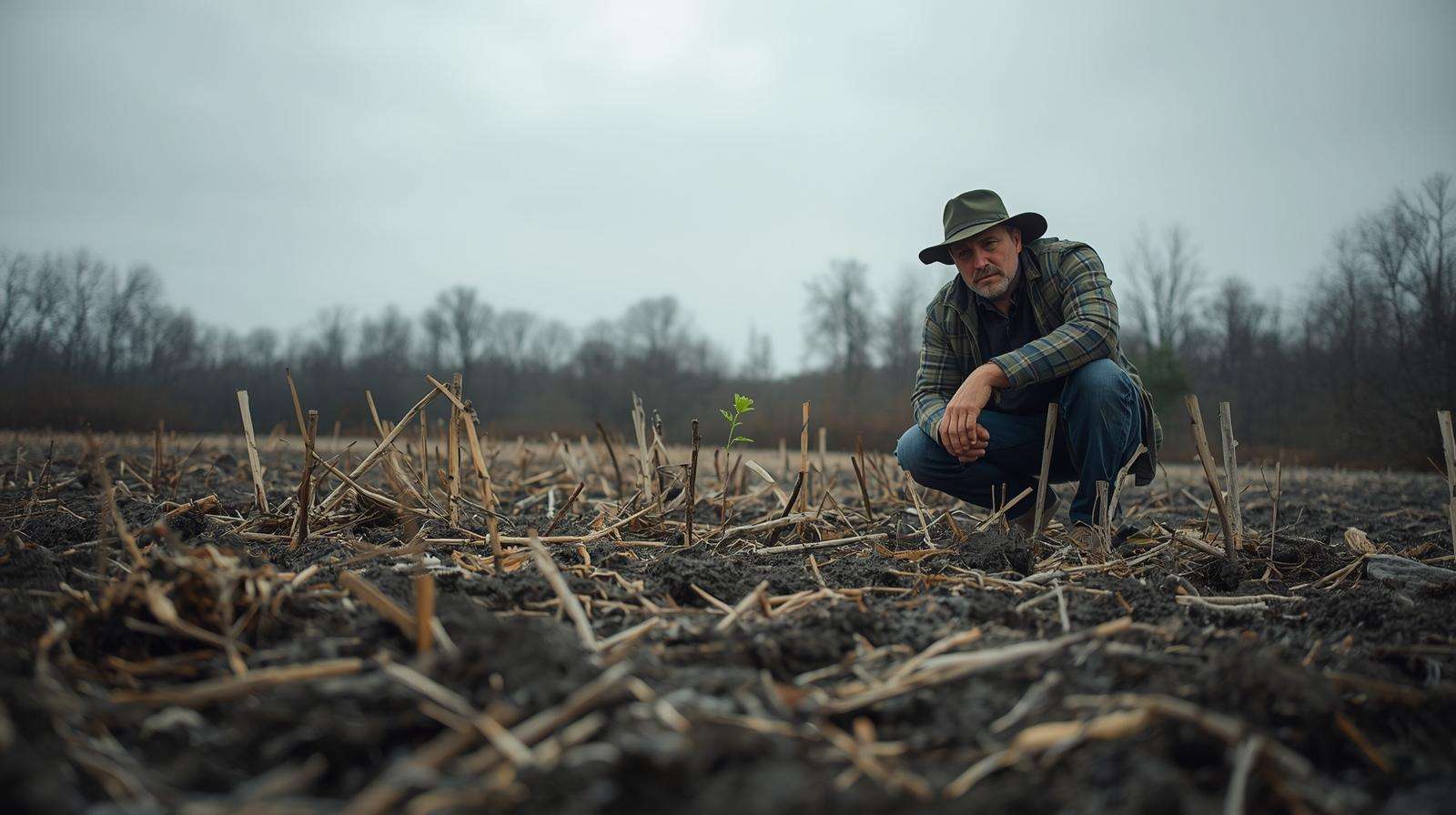
The Top 15 Beginner Gardening Mistakes to Avoid
Here are the most frequent pitfalls, ranked by how often they derail new tropical gardeners. Each includes why it happens, the consequences, and practical, step-by-step solutions.
- Starting Too Big or Planting Too Much Too Soon Excitement leads to massive plots or dozens of varieties. In our humid climate, a large garden quickly becomes overwhelming to maintain during heavy monsoon rains. Consequences — Neglect, weed overgrowth, and burnout. How to Avoid/Fix — Begin small: Start with a 4×6 foot bed or 4-6 containers. Choose 3-5 easy crops. Expand gradually. Pro Tip — In Barishal’s warm weather, succession planting (staggering sowings every 2-3 weeks) keeps your harvest steady without overload.
- Ignoring Sunlight Requirements Many place sun-loving crops in partial shade under trees or buildings. Consequences — Leggy, low-yielding plants; poor fruit set in tomatoes or brinjal. How to Avoid/Fix — Most veggies need 6-8 hours of direct sun. Observe your space: Morning sun is ideal to avoid scorching afternoon heat. Use reflective surfaces or trellises if needed. Pro Tip — In tropical heat, provide afternoon shade for delicate greens like spinach using shade nets.
- Poor Soil Preparation & Skipping Soil Testing Planting directly in compacted or nutrient-poor garden soil. Consequences — Stunted growth, yellow leaves, disease susceptibility. How to Avoid/Fix — Test pH (aim for 6.0-7.0) via local agriculture office or simple kits. Amend with compost, cow dung, or vermicompost. Build raised beds for better drainage in rainy seasons. Pro Tip — Our alluvial soils are fertile—add organic matter yearly to maintain structure.
- Overwatering or Underwatering Inconsistent watering, especially during monsoons. Consequences — Root rot from excess water; wilting and cracking fruits from drought. How to Avoid/Fix — Use the finger test: Water when top 2 inches feel dry. Mulch heavily. Install drip irrigation for consistency. Pro Tip — Rainy season often provides enough—focus on drainage to prevent waterlogging.
- Planting Too Early (or Ignoring Seasonal Timing) Starting heat-sensitive crops too soon in residual cool periods. Consequences — Frost isn’t an issue here, but extreme heat or early rains can kill seedlings. How to Avoid/Fix — Follow local calendars: Sow monsoon veggies (okra, bottle gourd) in late spring/early monsoon. Use apps or extension services for timing. Pro Tip — In Barishal, monsoon (June-September) is prime for water-loving crops; dry season (November-February) suits others.
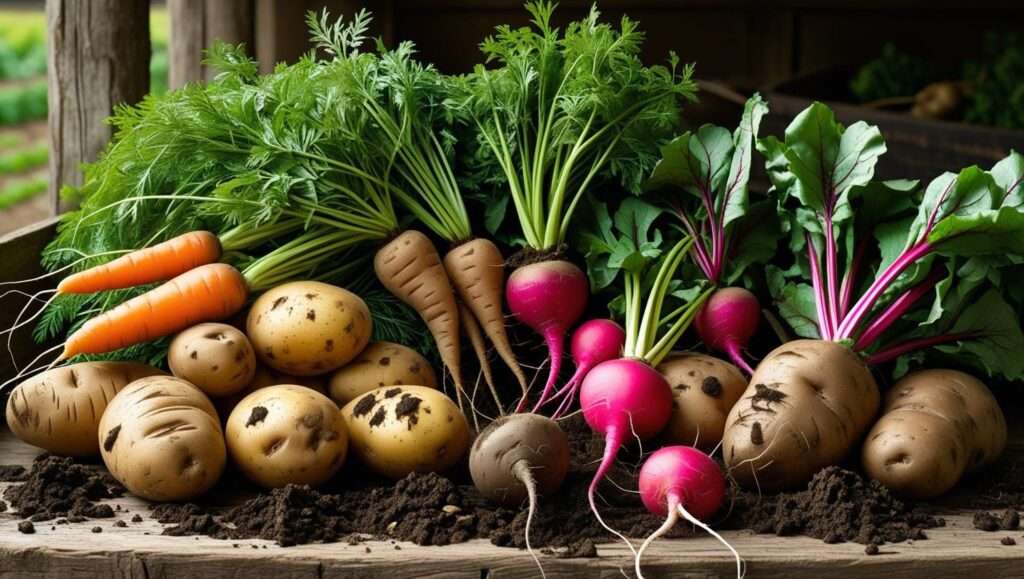
- Choosing Difficult Plants First Jumping straight to finicky tomatoes or peppers. Consequences — Low success rate discourages beginners. How to Avoid/Fix — Start easy: Radishes, beans, lettuce, amaranth (data), or Malabar spinach thrive in tropics. Pro Tip — Bangladeshi favorites like bottle gourd, okra, and kangkong are forgiving and fast-growing.
- Improper Spacing & Overcrowding Planting too densely for airflow. Consequences — Fungal diseases explode in humidity. How to Avoid/Fix — Follow seed packet spacing—e.g., 18-24 inches for brinjal. Thin seedlings early. Pro Tip — Good airflow is crucial; use vertical trellises for climbers.
- Buying Impulse Plants/Seeds Without a Plan Grabbing whatever looks good at the market. Consequences — Wrong varieties for season/climate die quickly. How to Avoid/Fix — Plan first: List needs, research varieties (e.g., heat-tolerant hybrids). Buy from trusted sources. Pro Tip — Choose local heirlooms adapted to our climate.
- Neglecting Mulching Leaving soil bare. Consequences — Weeds, moisture loss, soil erosion in rains. How to Avoid/Fix — Apply 2-3 inches of organic mulch (rice straw, dried leaves). Pro Tip — Mulch suppresses weeds and cools roots in heat.
- Forgetting to Harden Off Seedlings/Transplants Moving indoor-raised plants straight outside. Consequences — Transplant shock. How to Avoid/Fix — Gradually expose to sun/wind over 7-10 days. Pro Tip — Essential in our intense sun.
- Poor Pest & Disease Prevention Waiting until problems appear. Consequences — Rapid spread in humidity. How to Avoid/Fix — Use companion planting (marigolds), neem oil, barriers. Inspect daily. Pro Tip — Common issues: Fruit borers, aphids—prevent with early intervention.
- Not Rotating Crops or Reusing Soil Planting same family year after year. Consequences — Soil depletion, recurring diseases. How to Avoid/Fix — Rotate families (e.g., no repeated solanaceae). Pro Tip — Add compost between cycles.
- Skipping Regular Maintenance (Weeding, Pruning, Harvesting) Letting tasks pile up. Consequences — Overgrowth, reduced yields. How to Avoid/Fix — Daily 10-minute checks; harvest promptly. Pro Tip — Regular picking boosts production.
- Using Wrong or Excess Fertilizer Over-fertilizing without knowing needs. Consequences — Burnt roots, imbalanced growth. How to Avoid/Fix — Soil test first; use balanced organic options. Pro Tip — Compost tea is safe and effective.
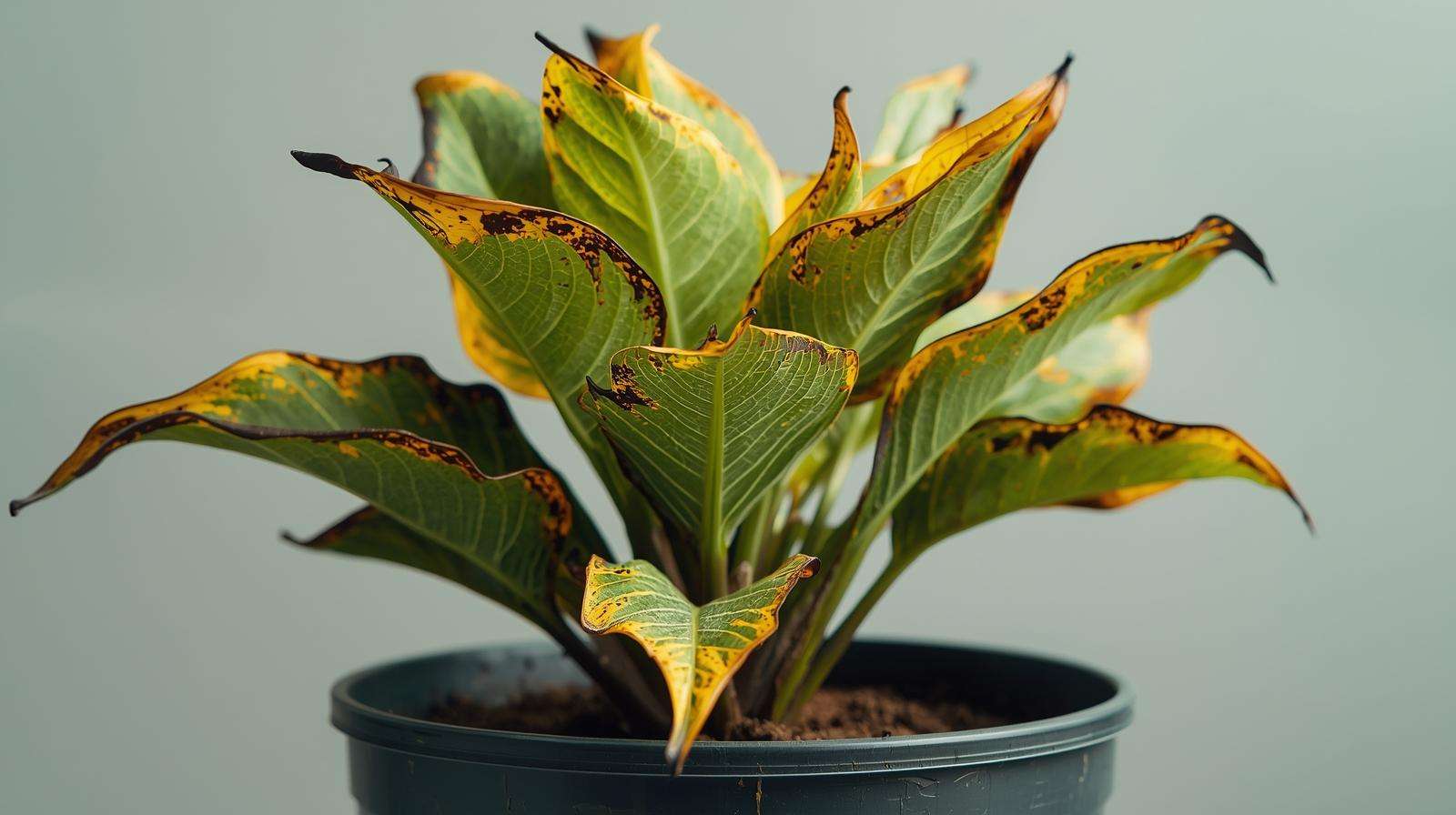
Giving Up After Early Setbacks Viewing failures as personal defeats. Consequences — Quitting before success. How to Avoid/Fix — Keep a journal; treat as experiments. Pro Tip — Persistence pays off—many thrive on second try.
IV. Quick-Reference Checklist: Your Beginner Success Roadmap
Use this printable checklist to stay on track from planning to harvest. Tailored for Barishal’s tropical climate, where heavy monsoon rains (June–September) and warm, humid conditions dominate.
Pre-Season Planning (Now – Before Planting)
- Map your space: Ensure 6–8 hours of direct sunlight daily (morning sun preferred to avoid intense afternoon heat).
- Test soil: Check pH (ideal 6.0–7.0) and amend with compost or well-rotted cow dung.
- Start small: Limit to 4–6 easy crops in a 4×6 ft bed or containers.
- Plan timing: Use local seasonal calendar (monsoon for water-loving crops; post-monsoon/dry for others).
- Gather essentials: Seeds/seedlings from trusted nurseries, mulch (rice straw or dried leaves), neem oil for pests.
Planting Phase
- Harden off seedlings: 7–10 days gradual outdoor exposure.
- Space properly: Follow packet guidelines (e.g., 18–24 inches for brinjal/okra).
- Mulch heavily: 2–3 inches to retain moisture and suppress weeds.
- Water wisely: Finger test—water only when top 2 inches dry; ensure good drainage to prevent waterlogging.
Maintenance & Monitoring
- Daily quick checks (10 mins): Look for pests, weeds, wilting.
- Weekly tasks: Weed, prune, harvest ripe produce promptly.
- Pest prevention: Companion plant marigolds; apply neem weekly if needed.
- Fertilize smartly: Use balanced organic (compost tea) after soil test.
Harvest & Beyond
- Pick regularly: Encourages more production (especially okra, beans).
- Rotate crops next season: Avoid planting same family in same spot.
- Journal everything: Note successes/mistakes for next time.
Print this, laminate it, and keep it in your garden shed—many beginners find it transforms chaotic efforts into steady progress.
V. Bonus: Step-by-Step Plan for Your First Thriving Harvest
Here’s a practical, adaptable plan for Barishal’s climate (tropical, with monsoon June–September bringing heavy rain, followed by dry/cooler winter November–February). Focus on easy, high-yield, locally adapted crops that forgive beginner errors.
Recommended Starter Crops (Forgiving & Fast-Growing in Tropics):
- Monsoon/Pre-Monsoon (April–September): Okra (dherosh), bottle gourd (lau), yard-long beans, amaranth (lal/data shak), spinach (palong shak), kangkong (kolmi shak).
- Post-Monsoon/Winter (October–March): Radish, leafy greens (mustard shak, bathua), brinjal (eggplant) in sheltered spots, beans. These thrive in our humid, fertile delta soils and provide quick wins—many ready in 45–60 days.
Month-by-Month Timeline (Adapt to Your Exact Conditions):
- January–March (Cool/Dry Season) — Ideal for starting seeds indoors. Prepare beds, add compost. Sow radish, spinach, mustard greens. Start okra/bottle gourd seeds indoors for transplant after pre-monsoon rains.
- April–May (Pre-Monsoon/Heat) — Harden and transplant. Plant heat-tolerant climbers (bottle gourd, beans) with trellises. Mulch heavily to combat heat.
- June–September (Monsoon Peak) — Focus on water-loving crops: Okra, bottle gourd, amaranth, kangkong. Ensure raised beds or good drainage to avoid rot. Harvest continuously—regular picking boosts yields.
- October–December (Post-Monsoon/Cool) — Transition to winter veggies. Re-amend soil, plant radish, leafy greens. Enjoy peak harvests from summer crops.
Essential Tools & Supplies (Budget-Friendly):
- Containers/raised beds (for poor drainage areas).
- Compost, cow dung, neem oil.
- Trellis/netting for climbers.
- Watering can or drip system.
- Journal/app for tracking.
Resources — Consult local Department of Agricultural Extension (DAE) offices in Barishal for free advice/seeds. Apps like “From Seed to Spoon” or Bangla gardening groups on Facebook. Books: “Vegetable Cultivation in Bangladesh” guides.
This plan can yield your first harvest in as little as 45 days with okra or spinach—proving gardening success is achievable!
VI. Common Troubleshooting FAQs
Q: Why are my tomato/brinjal leaves turning yellow? A: Often overwatering (root rot) or nutrient deficiency. Check drainage; soil test for nitrogen/pH. Fix with balanced compost.
Q: How do I know if I’m overwatering in monsoon? A: Leaves yellow/drop, soil stays soggy. Ensure raised beds, mulch, and avoid watering during heavy rain.
Q: My plants look healthy but no fruits—why? A: Poor pollination (humidity), overcrowding, or insufficient sun. Hand-pollinate, thin plants, provide 6+ hours sun.
Q: What are common pests in Barishal gardens? A: Fruit borers, aphids, whiteflies. Prevent with neem, marigolds; inspect daily and remove early.
Q: Can I grow vegetables on a rooftop in the city? A: Absolutely! Use containers, ensure weight support, good drainage. Monsoon crops excel here.
Q: How much water do seedlings need? A: Keep soil moist but not wet—mist gently. Overwatering kills more beginners than drought.
Q: Why did my transplants wilt after moving outside? A: Transplant shock. Always harden off gradually over a week.
Q: Best way to start seeds in humid climate? A: Use trays with good drainage; cover lightly. Avoid direct heavy rain on tiny seedlings.
These answers address the most frequent questions from new tropical gardeners—saving you trial-and-error time.
VII. Conclusion
You’ve now uncovered the top beginner gardening mistakes that trip up most new growers in our tropical Bangladeshi climate—from starting too ambitiously to ignoring drainage during monsoons. By avoiding these pitfalls and applying the fixes, step-by-step plans, and checklists in this guide, you’re set up for a thriving first harvest of fresh, homegrown okra, bottle gourd, spinach, and more.
Remember: Gardening is a journey of joy, learning, and resilience. Our fertile Barishal soil and abundant rains are gifts—treat early setbacks as experiments, not failures. Your first ripe brinjal or handful of greens will taste incredible because you grew it yourself.
Start small, stay consistent, and enjoy the process. Your garden will reward you with nutrition, savings, and pride.
Ready to get started? Subscribe to our newsletter for seasonal tips tailored to Barishal, share your biggest gardening fear (or early win) in the comments below, and check out our related guides:
- Best Beginner Vegetables for Tropical Bangladesh
- How to Test & Amend Garden Soil in the Delta
- Monsoon-Proof Pest Control for Home Gardens
Happy gardening—your thriving harvest awaits! 🌱🥒