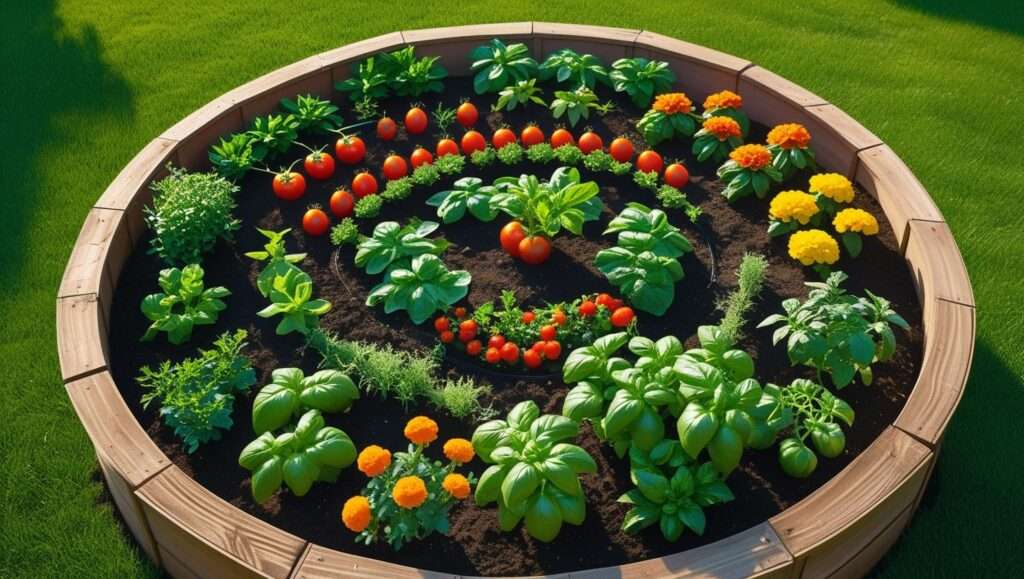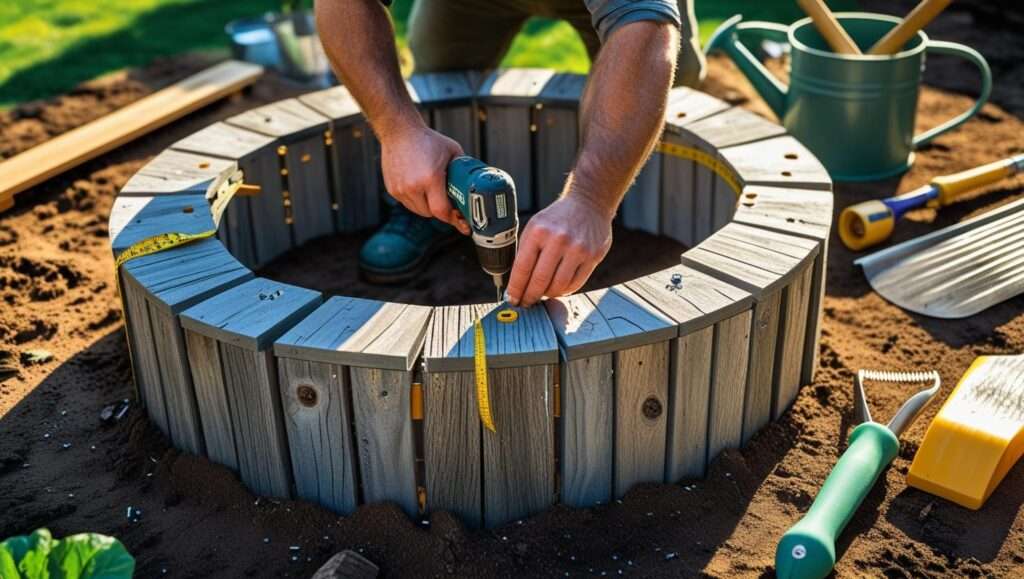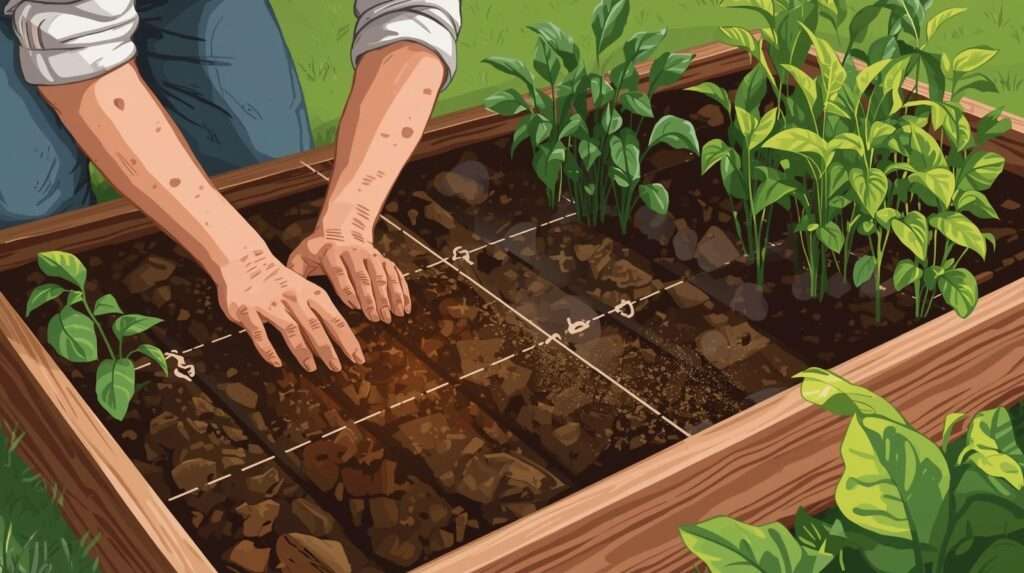
You’ve invested time and money into building your first raised bed garden—perhaps picturing rows of vibrant tomatoes, crisp lettuce, and bushy herbs thriving in perfect soil. But instead, your plants look leggy, yields are disappointing, weeds take over, or everything wilts despite daily watering. If this sounds familiar, you’re not alone. Raised bed gardening promises easier access, better drainage, and higher productivity in limited spaces, yet beginners often stumble into the same pitfalls that turn excitement into frustration.
The focus keyword “raised bed mistakes” gets searched by thousands of new gardeners each season because avoiding these errors can make the difference between a bountiful harvest and a disappointing one. As someone who’s gardened for over 15 years, designed dozens of raised bed setups for home growers, and studied recommendations from university extension services like those from Penn State, Oregon State, and Iowa State, I’ve seen these issues repeatedly. The good news? Most are preventable with simple planning and adjustments.
In this comprehensive guide, we’ll cover the 10 most common raised bed mistakes new gardeners make, explain why they happen, their real-world consequences, and proven ways to avoid or fix them. Whether you’re starting your first vegetable garden, expanding an existing setup, or troubleshooting poor performance, these insights will help you build healthier soil, grow more productively, and enjoy the process. Let’s dive in and turn potential setbacks into successes.
Mistake #1: Building Beds That Are Too Wide or Too Long
One of the top raised bed mistakes beginners make is creating beds wider than 4 feet or excessively long without considering accessibility. The result? You can’t reach the center without stepping in the soil, causing compaction that restricts root growth and water infiltration.
Why it hurts your garden: Compacted soil reduces oxygen availability to roots, leading to stunted plants, poor nutrient uptake, and increased disease risk. Long beds (over 12-15 feet) become cumbersome to navigate, especially when plants mature and sprawl.
Ideal dimensions: Keep width at 3-4 feet for easy reach from both sides—3 feet if you have mobility concerns, 4 feet for most adults. Length should max at 8-12 feet to avoid awkward maneuvering; multiples of 4 or 8 feet minimize lumber waste.
How to avoid or fix it:
- Test reach before building: Lie a string or board across the planned width and see if you can comfortably touch the middle.
- For existing wide beds, add internal stepping stones, narrow paths, or divide into smaller sections.
- Pro tip: In small yards, 4×4-foot square beds are beginner-friendly and maximize space without overwhelming maintenance.
Mistake #2: Choosing the Wrong Location (Poor Sunlight or Drainage)
Placing your raised bed in a shady spot or low-lying area is a classic error that dooms crops before they start. Vegetables need 6-8 hours of direct sunlight daily; less leads to leggy, low-yielding plants prone to fungal issues.
Impact: Insufficient light reduces photosynthesis, while poor drainage causes waterlogging and root rot—especially problematic in raised beds that can hold excess moisture if sited badly.
Requirements and how to choose wisely:
- Map sunlight: Observe your yard over a full day (or use a sun calculator app) to find the sunniest south-facing spot.
- Ensure level ground and good natural drainage; avoid tree roots or low areas where water pools.
- Expert insight: In northern climates, prioritize maximum sun exposure; on slopes, raised beds naturally improve drainage. If shade is unavoidable, opt for shade-tolerant crops like lettuce, spinach, or herbs.
Mistake #3: Using Poor-Quality or Wrong Soil Mix
Filling beds with cheap bagged “topsoil” or garden soil straight from the bag is one of the most damaging raised bed mistakes. These often compact heavily, lack nutrients, or contain weeds/pathogens.
Common issues: Heavy clay soils drain poorly and compact; low-organic mixes starve plants of nutrients over time.
Best practice soil mix: Aim for a balanced, well-draining blend. A reliable recipe (supported by sources like Garden Betty and university extensions) is:
- 40-50% high-quality topsoil (loamy, screened)
- 30-50% compost (well-aged, organic)
- 10-20% aeration material (coarse sand, perlite, or vermiculite for drainage)
Avoid “Mel’s Mix” (1/3 peat, 1/3 compost, 1/3 vermiculite) for large beds due to cost and acidity concerns—opt for more topsoil-based blends for longevity.
How to avoid: Buy in bulk from reputable suppliers; test pH and nutrients annually. Add amendments like worm castings or aged manure for extra fertility.
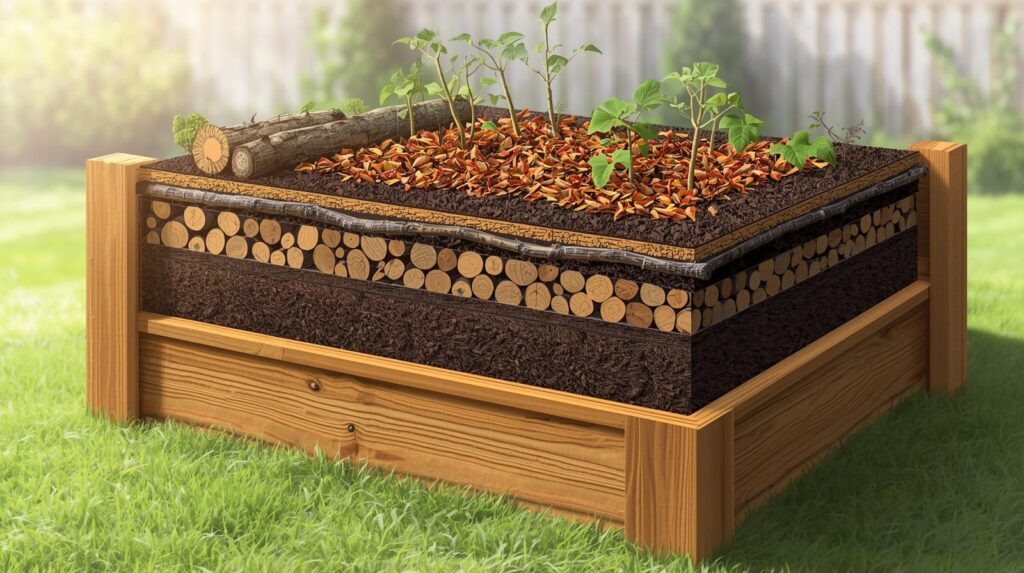
Pro advice: Layer hugelkultur-style with logs/branches at the bottom for long-term moisture and nutrient release.
Mistake #4:Overcrowding Plants (Ignoring Spacing)

New gardeners get excited and plant too densely, ignoring seed packet guidelines. This leads to competition for light, water, and nutrients, resulting in smaller harvests and higher disease pressure.
Consequences: Crowded plants foster powdery mildew, poor air circulation, and stunted growth. For example, tomatoes need 18-24 inches; planting at 12 inches invites fungal issues.
Guidelines to follow:
- Use square-foot gardening: Divide beds into 1-foot squares and follow recommended plants per square (e.g., 1 tomato, 4 lettuce, 9 beets).
- Thin seedlings early and plan layouts on paper or apps like Garden Planner.
- Example: In a 4×8 bed, limit to 2-3 tomato plants per side row for optimal airflow.
Mistake #5: Skipping or Using the Wrong Weed Barrier
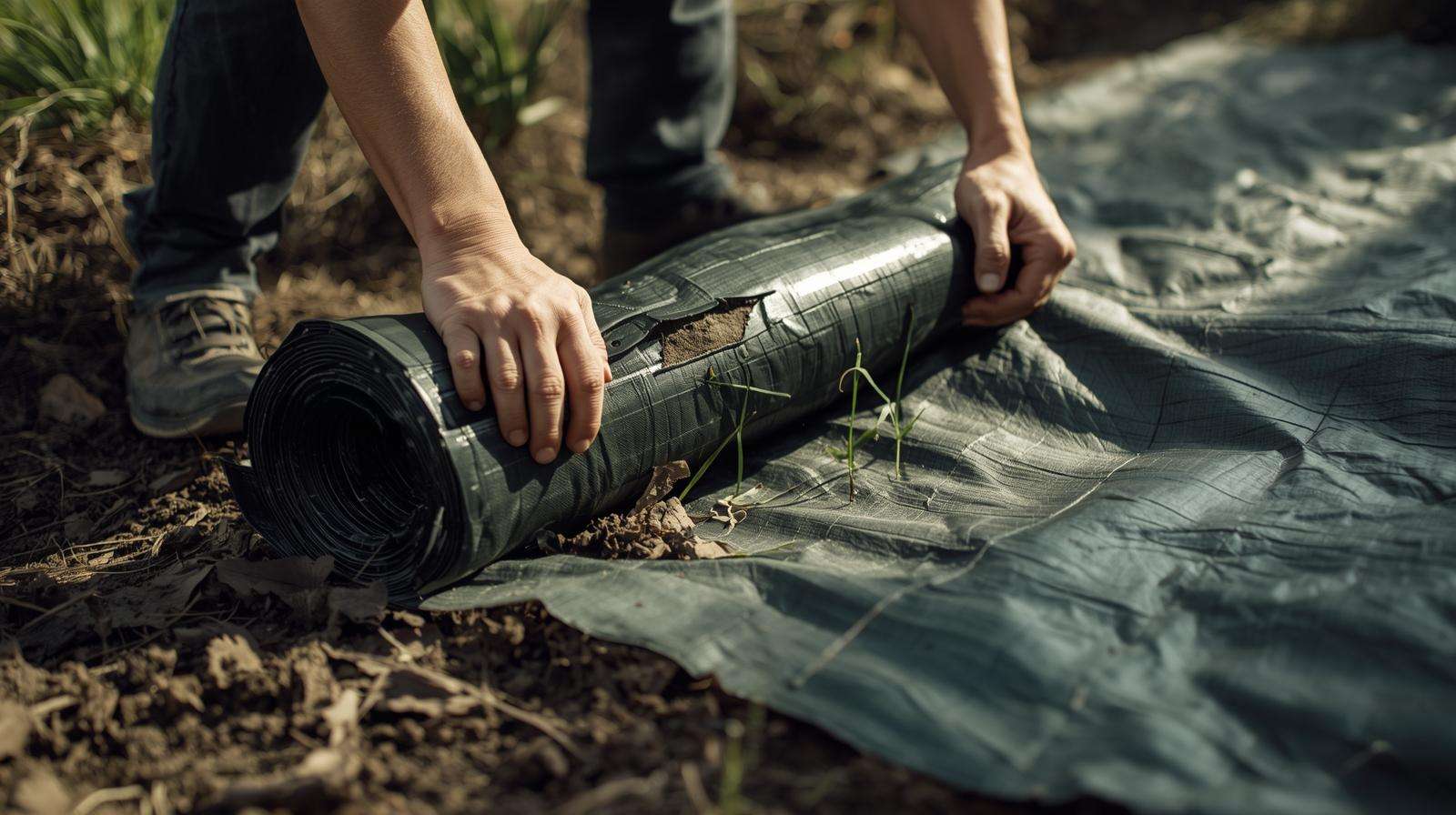
Many beginners lay landscape fabric expecting weed control, only to find it clogs drainage, harbors pests, or lets weeds root on top. Others skip barriers entirely and battle perennial weeds from below.
Best options: On native soil, use cardboard or multiple layers of newspaper as a biodegradable barrier, topped with 3-4 inches of mulch (straw, wood chips, or compost). Avoid plastic fabrics long-term—they break down poorly.
How to fix: Remove fabric if present; solarize soil pre-build by covering with clear plastic for 4-6 weeks in summer to kill weeds.
Mistake #6: Watering Incorrectly (Over/Underwatering)
Raised beds dry out faster than in-ground gardens due to better drainage and exposure, yet beginners often water inconsistently or overhead in heat, promoting disease.
Signs of trouble: Wilting (under), yellow leaves/root rot (over), or fungal spots.
Solutions:
- Install drip irrigation or soaker hoses for deep, even watering.
- Mulch heavily to retain moisture; water in the morning.
- Finger test: Soil should be moist 2 inches down—adjust based on weather and crop needs (e.g., tomatoes need consistent moisture to prevent cracking).
Mistake #7: Using Unsafe or Low-Quality Materials
Building with old pressure-treated wood (especially pre-2004 CCA) or thin lumber risks chemical leaching or quick rot.
Recommendations (updated 2025 guidelines): Use naturally rot-resistant cedar or redwood, galvanized steel, or untreated modern ACQ-treated lumber. Avoid old railroad ties.
Expert note: Modern treatments are low-risk per extension services, but line beds with plastic if concerned. Invest in durable materials—cedar lasts 10-20 years.
Mistake #8: Neglecting Crop Rotation and Succession Planting
Growing the same family (e.g., tomatoes year after year) depletes soil and builds pests/diseases.
Benefits: Rotation prevents nutrient drain; succession maximizes space (e.g., plant radishes after lettuce).
Implementation: Follow a 3-4 year family rotation (nightshades, brassicas, legumes, etc.). Use quick crops for succession.
Example: Year 1: Tomatoes/peppers → Year 2: Beans/peas → Year 3: Leafy greens.
Mistake #9: Forgetting Mulch or Ongoing Maintenance
Bare soil invites weeds, evaporation, and temperature swings.
Why mulch matters: Suppresses weeds, retains moisture, regulates soil temp.
Types: Organic like straw (weed-free), wood chips, or compost.
Ongoing care: Replenish soil annually, scout pests early, prune for airflow.
Mistake #10: Planting the Wrong Crops or at the Wrong Time
Ignoring local frost dates or climate leads to failed crops (e.g., heat-sensitive lettuce in summer).
Solutions: Choose varieties suited to your zone; use cool-season (spinach) vs. warm-season (tomatoes) charts. Companion plant for pest control.
Bonus: Succession calendar—sow every 2-3 weeks for continuous harvest.
Bonus Expert Tips for Raised Bed Success
- Amend soil seasonally with compost.
- Practice integrated pest management: Encourage beneficials, use row covers.
- Companion planting examples: Basil with tomatoes for flavor/pest repulsion.
- Maintenance checklist: Spring prep, mid-season mulch refresh, fall cleanup.
Common Questions About Raised Bed Mistakes (FAQ)
What’s the biggest mistake beginners make with raised beds? Overcrowding and poor soil choice top the list—both fixable with planning.
How deep should a raised bed be? 12-18 inches for most veggies; deeper (24+) for root crops or poor native soil.
Can I use treated wood for vegetable raised beds? Modern ACQ-treated is generally safe per experts, but cedar/redwood preferred for organics.
Why are my raised bed plants not growing? Often poor light, compacted/wrong soil, or inconsistent water—diagnose with the checklist above.
How often should I water raised beds? 1-2 inches per week, more in heat; use mulch and drip systems for efficiency.
Avoiding these 10 raised bed mistakes transforms your gardening experience from trial-and-error to reliable abundance. Start small, observe your setup, and adjust as you learn—gardening rewards patience and observation. With proper location, dimensions, soil, spacing, and care, your raised beds can produce more food with less effort than traditional rows.
Have you encountered any of these raised bed mistakes? Share your story or questions in the comments—I’d love to help troubleshoot. For more agricultural tips, check our guides on best soil for raised beds or vegetable garden planning. Happy gardening—your best harvest awaits!