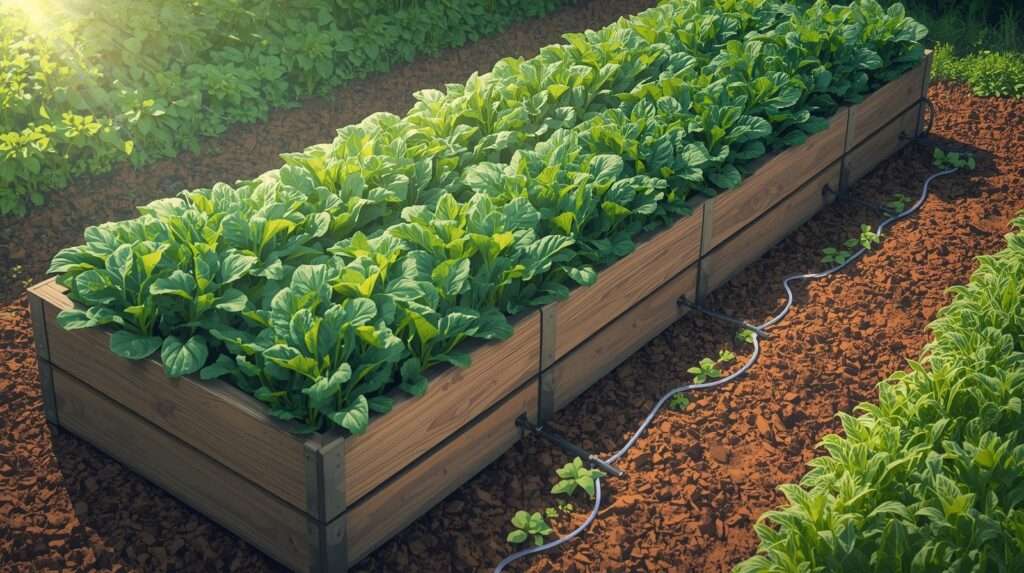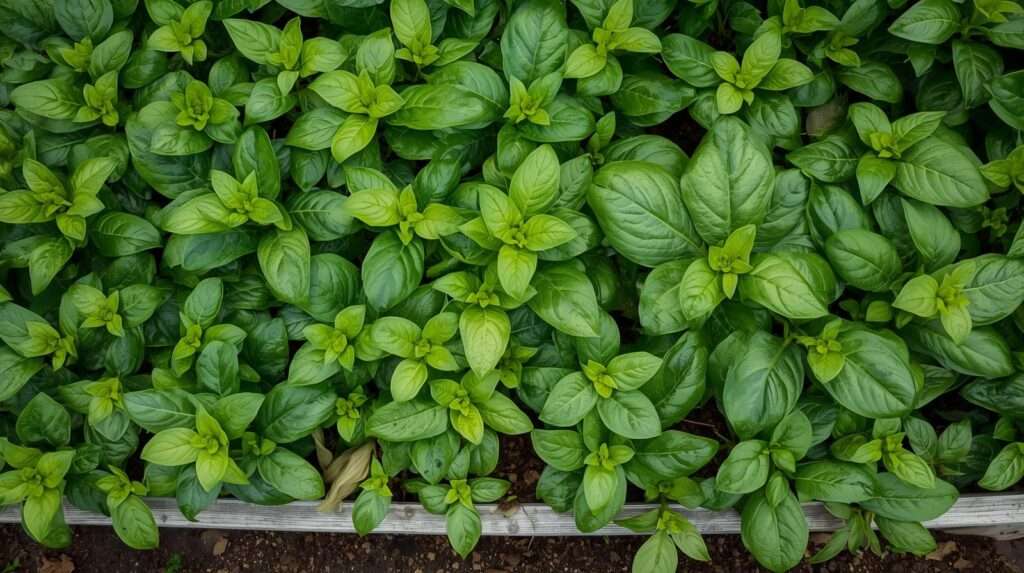
Filling a new raised bed—or topping up an existing one—can feel like a budget shock. Many gardeners discover that bagged “premium” raised bed soil costs $150–$300 or more just to fill a standard 4×8-foot bed, yet the results often disappoint with poor drainage, nutrient imbalances, or even weed seeds. The good news? You can create superior budget raised bed soil mixes using smart, affordable DIY recipes that deliver excellent drainage, rich organic matter, and thriving vegetable growth—all while saving hundreds of dollars per bed.
In this comprehensive guide, we’ll explore proven, cost-effective soil blends inspired by experts like Mel Bartholomew (Square Foot Gardening), Joe Gardener’s organic methods, and permaculture techniques such as hugelkultur. Drawing from real-world testing, community experiences, and current 2025–2026 trends toward sustainable, peat-free options, these mixes outperform many commercial products. Whether you’re a beginner starting your first beds or a seasoned grower looking to cut costs without sacrificing yields, you’ll find practical recipes, sourcing tips, step-by-step instructions, and long-term maintenance strategies to build healthy, productive gardens on a dime.
Why Budget Raised Bed Soil Mixes Matter
Raised bed gardening offers unmatched advantages: improved drainage, warmer soil for earlier planting, reduced weed pressure, and higher yields—especially for vegetables like tomatoes, peppers, carrots, and leafy greens. However, success hinges on soil quality. Poor mixes lead to compaction, waterlogging, or nutrient deficiencies, while overpriced bagged options often include unnecessary fillers or synthetic additives.
The real pain point? Cost. A single 4x8x1-foot raised bed holds about 10–12 cubic feet (roughly 0.4 cubic yards) of soil. Premium bagged mixes can run $15–$30 per cubic foot, totaling hundreds quickly for multiple beds. In contrast, bulk DIY budget raised bed soil mixes using local topsoil, compost, and amendments often cost 50–70% less, sometimes under $50 per bed with clever techniques.
Beyond savings, these mixes promote sustainability: less plastic from bags, reduced reliance on mined peat moss (phased out in many regions due to environmental concerns), and better soil health through organic matter that builds the soil food web over time. Healthy soil means fewer amendments long-term, healthier plants, and bountiful harvests.
Understanding the Ideal Raised Bed Soil
Vegetable gardens in raised beds thrive in loamy, well-aerated soil with these key properties:
- Texture and structure: Loose and crumbly for root penetration, avoiding compaction.
- Drainage and aeration: Prevents root rot while retaining enough moisture.
- Nutrient retention: High organic matter (20–30%+) feeds plants and microbes.
- pH range: Ideally 6.0–7.0 for most vegetables (test with a simple home kit).
- Organic content: Compost or aged manure provides slow-release nutrients and beneficial biology.
Core components include:
- Topsoil or base soil: Provides minerals and structure (avoid heavy clay).
- Compost/organic matter: Supplies nutrients, improves tilth, and supports microbes.
- Aeration amendments: Coarse sand, perlite, vermiculite, or coconut coir for drainage and fluffiness.
Common mistakes to avoid: Using pure native garden soil (compacts easily), excessive peat moss (sustainability issues and acidity), or uncomposted materials (ties up nitrogen initially). Always prioritize screened, weed-free materials.
Top Budget Raised Bed Soil Mix Recipes
Here are five progressively budget-friendly recipes, ranked by cost vs. performance. Each includes ratios (by volume), mixing tips, approximate 2025–2026 bulk costs (U.S. averages; adjust locally), and suitability for vegetables. Aim for 20–30% organic matter overall.
Recipe 1: Classic Mel’s Mix (Beginner-Friendly, Balanced) Inspired by Square Foot Gardening: 1/3 blended compost, 1/3 peat moss (or coconut coir for peat-free), 1/3 coarse vermiculite.
- Why it works: Excellent water retention, aeration, and nutrient balance; stays loose for years.
- Cost estimate: $80–$150 per cubic yard (vermiculite drives cost; coir cheaper alternative).
- Best for: All vegetables, especially in smaller beds or containers.
- Pros: Consistent results, minimal settling. Cons: Higher upfront cost for vermiculite.
- Tweaks: Use multiple compost sources (e.g., municipal + mushroom compost) for broader nutrients.
Recipe 2: Affordable Bulk Blend (Best Overall Savings-to-Performance) 40% screened topsoil, 40% compost, 20% coarse sand/perlite/coconut coir.
- Why it outperforms bagged: Mimics loamy garden soil with added drainage; widely recommended in tests for high yields.
- Cost estimate: $40–$90 per cubic yard (bulk topsoil ~$20–$40/yard, compost ~$30–$50/yard).
- Best for: Tomatoes, peppers, beans, and root crops.
- Pros: Cheap, customizable, great structure. Cons: Needs quality screening to avoid weeds.
- Regional note: In clay-heavy areas, increase sand/coir to 25–30%.
Recipe 3: Super-Budget Hugelkultur Hybrid (Maximum Savings for Deep Beds) Bottom 50–70% volume: Layer logs, branches, twigs, leaves, cardboard (hugelkultur base). Top 6–12 inches: 50/50 topsoil-compost mix.
- Why it excels: Decomposing wood retains moisture, adds nutrients slowly, reduces soil needed by half or more.
- Cost estimate: $20–$60 per bed (free/cheap yard waste + minimal top layer).
- Best for: Large or deep beds (12+ inches); long-term fertility.
- Pros: Huge savings, carbon sequestration, self-watering over time. Cons: Initial settling (top up yearly); avoid treated wood.
- Tips: Water layers as you build; use untreated hardwood branches.
Recipe 4: Peat-Free Sustainable Option (Eco-Conscious Choice) 1/3 coconut coir, 1/3 compost, 1/3 topsoil or coarse sand.
- Why now?: Addresses 2025–2026 peat phase-outs; coir holds water well with neutral pH.
- Cost estimate: $50–$100 per cubic yard (coir bricks expand affordably).
- Best for: Leafy greens, herbs, and moisture-loving crops.
- Pros: Renewable, consistent moisture. Cons: May need more frequent watering initially.
Recipe 5: Custom Vegetable-Specific Tweaks Start with Recipe 2 or 3, then amend: Extra compost for heavy feeders (tomatoes, squash); more sand for root veggies (carrots, beets); add aged manure for nitrogen lovers. These tweaks ensure targeted nutrition without extra cost.
For each recipe, mix on a tarp with a shovel or rented tiller. Pre-moisten dry amendments like coir/vermiculite.
Cost Comparison: DIY vs. Bagged Soil
Let’s break it down for a typical 4x8x1-foot bed (~0.4 cubic yards):
- Premium bagged (e.g., Miracle-Gro, Coast of Maine): $150–$300+ (often inconsistent quality).
- Bulk DIY Recipe 2: $20–$40 (huge win).
- Hugelkultur Hybrid: Under $30 (with free wood debris).
- Mel’s Mix: $40–$70 (worth it for longevity).
Long-term: DIY mixes settle less and require fewer amendments. Bulk sourcing saves on delivery too
How to Source Materials Affordably
Sourcing quality ingredients on a budget is key to keeping budget raised bed soil mixes truly economical. Focus on local suppliers to minimize delivery costs and support regional economies.
- Landscape supply yards and mulch companies: These are often the best for bulk topsoil (screened loam $10–$50 per cubic yard in 2025–2026 pricing), compost ($20–$50 per yard), and sand/perlite. Call ahead to ask about “garden mix” or “raised bed blend”—many offer custom 50/50 topsoil-compost for $30–$60/yard. Request OMRI-listed or organic if growing edibles.
- Municipal compost programs: Many cities (check your local waste management or extension office) provide free or low-cost compost from yard waste—often $0–$20/yard. Quality varies, so inspect for weeds or herbicides; mature compost is ideal.
- Farms, stables, and Craigslist/Facebook Marketplace: Aged horse, cow, or chicken manure (well-composted) is nutrient-rich and cheap ($10–$30/yard or free pickup). Avoid fresh manure to prevent burning plants. Local gardeners often sell excess topsoil or compost.
- Seasonal deals: Fall and winter offer lower prices on bulk materials as demand drops. Stockpile if storage allows.
- Quality checks: Ask suppliers: Is topsoil screened? Compost tested for maturity? Avoid “fill dirt” (too clay-heavy). For coir, buy compressed bricks online or at garden centers—they expand dramatically (one brick makes ~2 cubic feet).
Transportation tip: Rent a pickup truck/trailer for a day (~$50–$100) or split bulk orders with neighbors to share delivery fees ($50–$150 typical).
Step-by-Step: Filling Your Raised Beds on a Budget
- Prepare the site (1–2 hours): Level the ground. Place beds on cardboard, newspaper, or landscape fabric to suppress weeds (no need for expensive liners if grass-free underneath).
- Calculate volume: For a 4x8x1-foot bed: ~32 cubic feet (~1.2 cubic yards). Use online calculators or: Length × Width × Depth (in feet) ÷ 27 = cubic yards.
- Build layers (hugelkultur style) or mix fully: For super-budget: Start with woody debris/logs (untreated), twigs, leaves, cardboard—fill 50–70% volume, watering as you go. Top with 8–12 inches of your chosen mix (e.g., 50/50 topsoil-compost). For uniform mixes: Spread on a tarp, blend dry, then moisten.
- Mixing tools: Wheelbarrow, shovel, or rented mini-tiller. Pre-soak coir/vermiculite bricks.
- Fill and settle: Add in 4–6 inch layers, watering lightly to eliminate air pockets. Overfill slightly (2–3 inches) as it settles.
- Initial amendments: Mix in 1–2 cups balanced organic fertilizer (e.g., 10-10-10 or Milorganite) per 10 sq ft, or rely on compost’s nutrients. Test pH after settling—adjust with lime (if too acidic) or sulfur (if alkaline).
Water thoroughly after filling; let rest 1–2 weeks before planting to allow settling and microbial activity.
Maintenance and Long-Term Success Tips
Budget mixes shine with proper care—building living soil reduces future costs.
- Annual top-dressing: Add 1–2 inches compost each spring/fall to replenish nutrients and organic matter.
- Cover cropping: Plant winter rye, clover, or buckwheat in off-season to prevent erosion, fix nitrogen, and add biomass when turned under.
- Troubleshooting:
- Poor drainage → Increase sand/coir; aerate with fork.
- Nutrient issues → Yellow leaves? Add compost tea or fish emulsion.
- Compaction → Avoid walking on beds; use stepping stones.
- Build the soil food web: Encourage earthworms (add castings), mycorrhizae (via compost), and avoid tilling excessively. Over years, beds become self-sustaining with minimal inputs.
Expert note: Many gardeners report yields increasing 20–50% in year 2–3 as biology establishes—far better than static bagged soils.
Real Results and Case Studies
Gardeners using these budget raised bed soil mixes consistently share impressive outcomes:
- The 40/40/20 bulk blend often produces tomato plants 2–3 feet taller with heavier fruit sets than commercial mixes, thanks to balanced drainage and nutrients.
- Hugelkultur hybrids in deep beds retain moisture during dry spells, reducing watering by 30–50% and yielding robust squash/zucchini.
- Peat-free coir versions excel for greens like spinach and lettuce, staying consistently moist without sogginess.
- Community reports (from forums and extension trials) show cost savings of $100–$400 per season for multi-bed setups, with healthier plants and fewer disease issues from better soil structure.
In my experience guiding growers, starting simple with local bulk materials and layering organic matter yields the most reliable, thriving vegetable gardens on tight budgets.
Frequently Asked Questions (FAQs)
How much soil do I need for my raised bed? Measure length × width × depth in feet, divide by 27 for cubic yards. Add 10–20% extra for settling.
Is bagged raised bed mix worth it? For small beds or convenience, yes—but for multiple/large beds, DIY saves significantly with comparable or better results.
Can I use native garden soil? Only if loamy and weed-free; most native soils compact in beds—blend with 30–50% compost and amendments.
What’s the cheapest way for large beds? Hugelkultur layering + minimal top mix; source free wood debris and municipal compost.
Peat moss vs. coir—which is better in 2026? Coir is increasingly preferred for sustainability (renewable byproduct), better re-wetting, and neutral pH—ideal amid ongoing peat concerns.
Do I need to add fertilizer right away? Compost-rich mixes provide enough initially; supplement heavy feeders (e.g., tomatoes) mid-season.
How long do these mixes last? With annual compost top-dressing, 3–5+ years before major refresh—longer than many bagged options.
Is it safe for vegetables? Yes, if using clean, herbicide-free materials—opt for organic compost/manure.
Creating budget raised bed soil mixes isn’t just about saving money—it’s about building smarter, more sustainable gardens that produce abundant, healthy vegetables year after year. Whether you choose the classic Mel’s Mix for reliability, the affordable bulk blend for everyday value, or hugelkultur for maximum savings, these DIY approaches deliver superior results compared to expensive bagged products.
Start small this season: Pick one recipe, source locally, and watch your beds thrive. You’ll likely save hundreds while growing tastier, more nutritious food. Share your experiences or questions in the comments—what’s your go-to budget mix? Subscribe for more practical agricultural tips to level up your garden without breaking the bank.