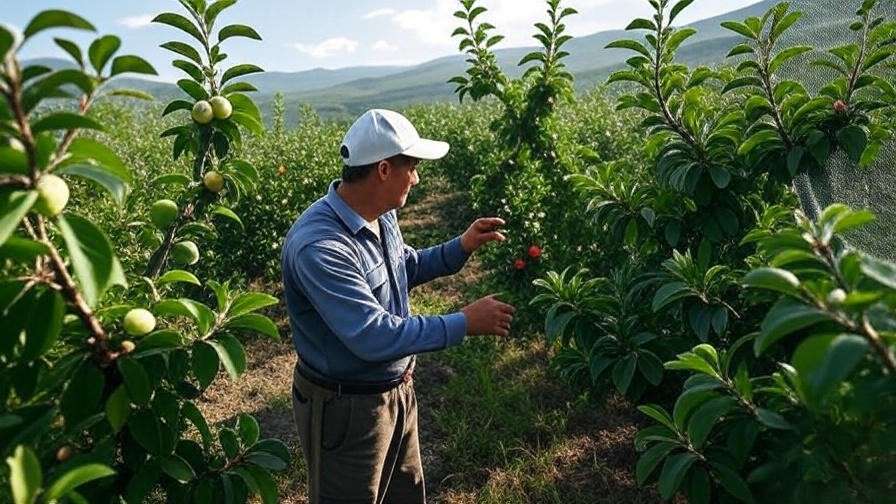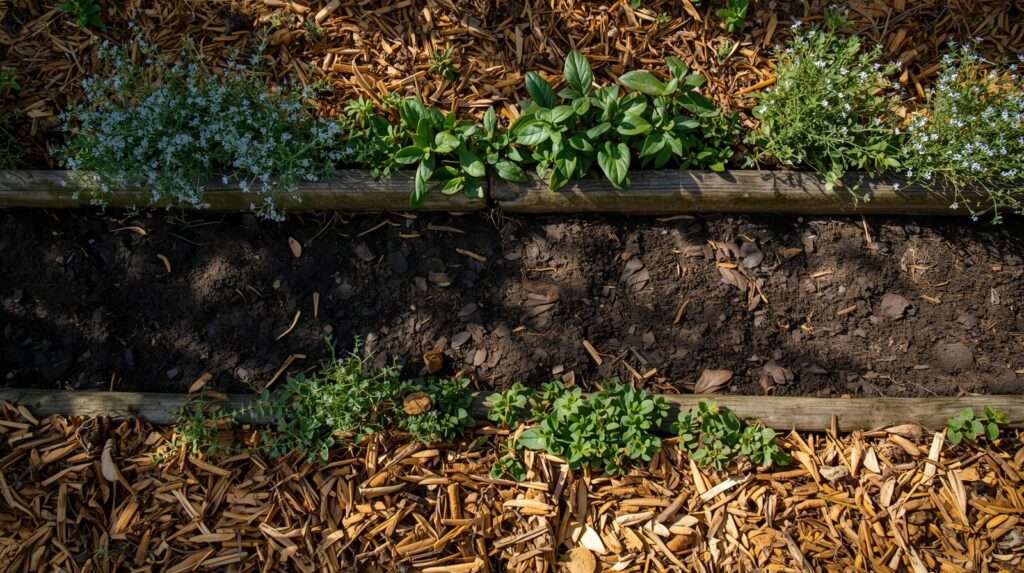
Imagine spending hours every week mowing between rows, battling persistent weeds, applying herbicides, or watching your soil erode during heavy rains—all while your fruit trees struggle with nutrient competition and inconsistent moisture. For many orchard owners, whether managing a small hobby plot or a commercial operation, orchard floor maintenance becomes one of the biggest time and cost drains. The good news? You can transform your orchard floor into a low-maintenance system that supports healthier trees, boosts yields, and slashes labor inputs.
Low-maintenance orchard floors focus on strategic ground covers, mulches, and management techniques that minimize ongoing effort while delivering real benefits: better soil health, reduced erosion, improved water retention, natural weed suppression, and even contributions to tree nutrition through processes like nitrogen fixation. Research from institutions like Washington State University (WSU), Cornell University, and Oregon State University shows that well-designed low-input systems can enhance tree vigor, fruit quality, and long-term sustainability without constant intervention.
In this comprehensive guide, we’ll explore proven strategies drawn from university trials, extension resources, and practical grower experiences. Whether you’re in a dry climate like the Intermountain West, a humid region, or somewhere in between, these approaches help solve common problems: high maintenance costs, soil degradation, rodent pressure, and competition for resources. By the end, you’ll have a clear roadmap to implement low-maintenance orchard floors that work for your specific setup—saving time, money, and effort while promoting resilient, productive trees.
Why Orchard Floor Management Matters
The orchard floor isn’t just “ground”—it’s a dynamic part of your ecosystem that directly influences tree health, productivity, and profitability. A well-managed floor supports soil structure, nutrient cycling, water infiltration, and biological activity, while a neglected one leads to compaction, erosion, nutrient leaching, and increased pest issues.
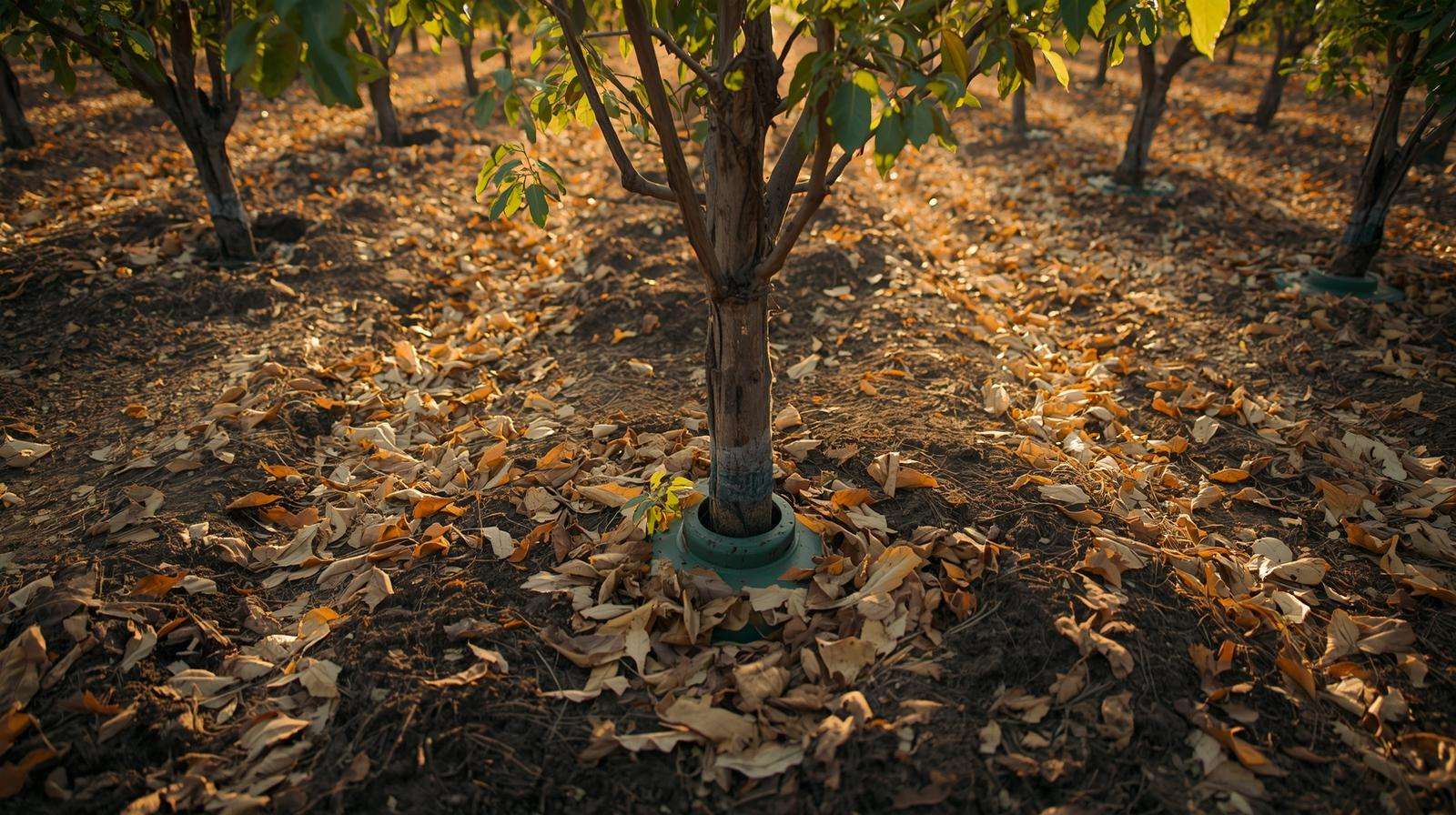
Key roles of the orchard floor include:
- Soil protection and health — Vegetation or mulch prevents erosion, reduces compaction from equipment, and builds organic matter over time.
- Water and nutrient management — Covers retain moisture, reduce evaporation, and cycle nutrients, minimizing irrigation needs and fertilizer reliance.
- Weed and pest regulation — Dense, low-growing covers suppress weeds naturally, while diverse plantings attract beneficial insects and reduce habitat for rodents or damaging pests.
- Machinery access and operations — A stable, firm surface allows safe movement of equipment, especially in wet conditions, and facilitates harvest.
Common challenges with traditional systems—such as frequent mowing of tall grasses, herbicide strips that expose soil to erosion, or bare tillage that degrades structure—drive up costs and environmental impact. Low-maintenance alternatives address these by shifting to perennial, self-regulating systems.
Studies highlight the payoffs: WSU research on cover crops and mulches shows improved soil carbon, better tree root distribution, and reduced inputs. Cornell trials demonstrate that adapted systems lead to comparable or better yields with less labor. For organic growers, these practices are essential for certification, as they maintain soil quality without synthetic chemicals.
Investing in low-maintenance orchard floors pays dividends in healthier trees, higher-quality fruit, lower operational costs, and greater resilience to climate stresses like drought or heavy rains.
Understanding Low-Maintenance Orchard Floor Systems
Traditional orchard floor management often relies on a “weed-free strip” under trees (via herbicides or tillage) combined with mowed grass alleys. While effective short-term, this demands regular inputs and can harm soil biology.
Modern low-maintenance systems integrate living mulches, organic mulches, and hybrid designs for minimal intervention:
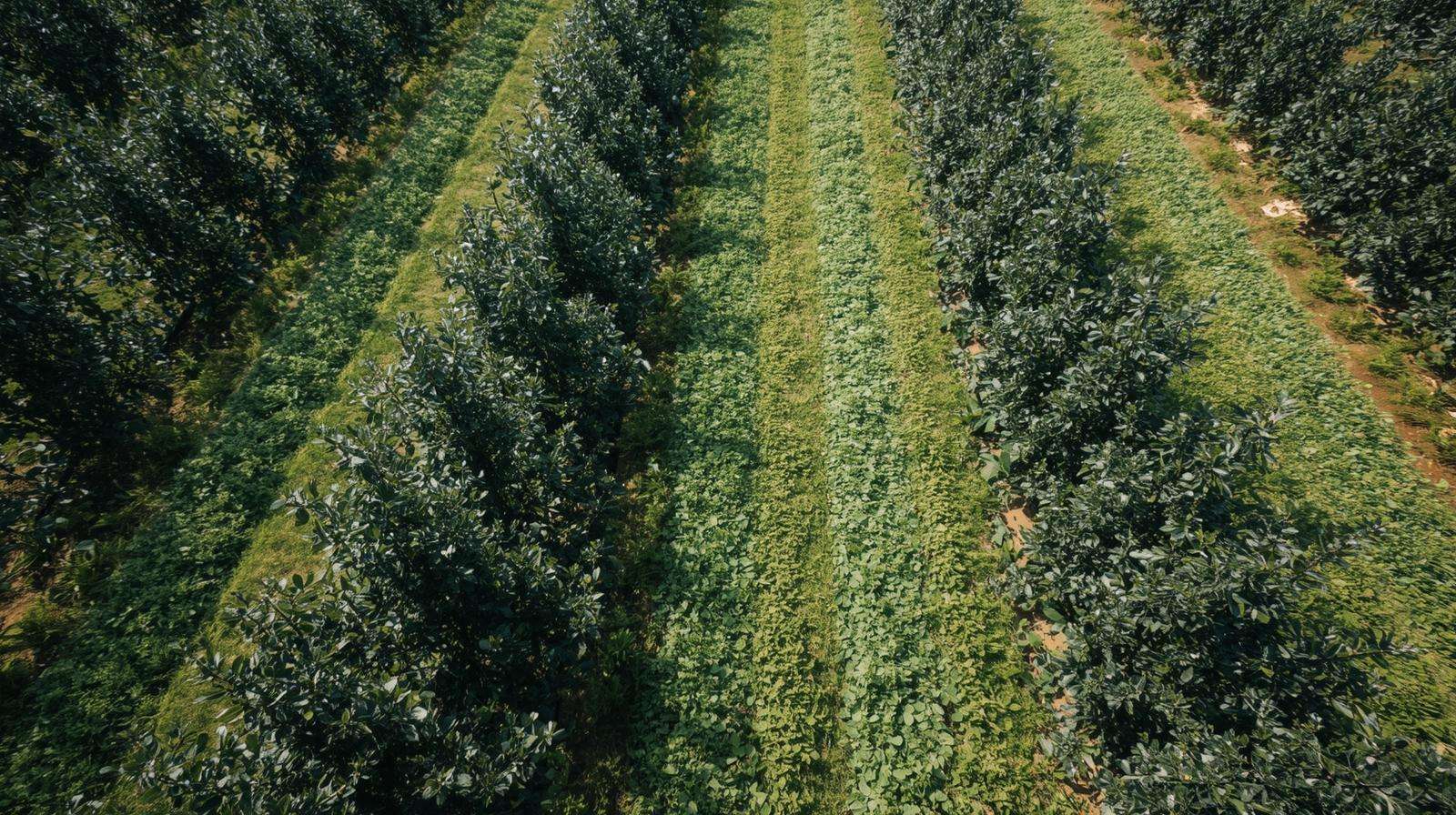
- Hybrid “sandwich” systems — Mulched or vegetation-free tree rows (2.5–6 feet wide) flanked by low-growing cover crop alleys. This reduces competition near roots while providing alley benefits like traction and erosion control.
- Full living mulch — Persistent, low-growing plants across the floor, mowed infrequently.
- Mulch-dominant — Thick organic layers, especially in rows, with minimal vegetation elsewhere.
Core principles:
- Minimize direct competition in the tree root zone (drip line area).
- Maximize ecosystem services in alleys (nitrogen fixation, biodiversity, soil cover).
- Balance vegetation to avoid excess water use or rodent habitat.
Key factors influencing choice:
- Climate and irrigation — Drought-prone areas favor drought-tolerant grasses; irrigated setups support legumes.
- Soil type — Sandy soils benefit from moisture-retaining mulches; clay soils need good drainage.
- Tree age and density — Young trees need more protection from competition; mature ones tolerate more vegetation.
- Production type — Organic systems prioritize living mulches and mulches; conventional may incorporate selective herbicides.
These systems draw from decades of research, including WSU’s cover crop trials and Cornell’s long-term sustainability studies, emphasizing multiple benefits with reduced effort.
Best Low-Maintenance Ground Covers for Orchard Alleys
Selecting the right ground cover for alleys is key to low upkeep. Focus on perennial, low-growing species that require infrequent mowing (2–4 times/year) and provide ecosystem services.
Drought-Tolerant Grasses
Fine fescues stand out for low-maintenance orchards:
- Hard fescue, creeping red fescue, sheep fescue — These form dense, low turf needing mowing only 2–3 times annually. They excel in drought, offer good traction for equipment, and compete minimally with trees.
- Establishment: Seed at 10–20 lbs/acre after soil prep and weed control. Irrigate initially if needed.
- Other grasses: Perennial ryegrass blends or orchardgrass in irrigated, cooler areas, but they may need more mowing.
WSU and Intermountain Fruit resources recommend these for Pacific Northwest and similar climates, noting excellent erosion control and low competition.
Legume-Based Mixes for Nitrogen Fixation
Legumes add free nitrogen (via rhizobia bacteria), reducing fertilizer needs:
- White clover or microclover — Persistent, low-growing, and adaptable. White Dutch clover fixes 50–170 lbs N/acre/year in good stands, suppresses weeds, and supports pollinators. Microclover is even lower-profile.
- Blends — Mix with fine fescues for balanced growth and reduced pure-legume risks.
- Benefits: Improved soil fertility, biodiversity, reduced runoff.
- Considerations: Higher water use than grasses; avoid in very dry, non-irrigated sites. Some rodent attraction possible, though studies show variable impact—manage height to minimize.
University trials (e.g., WSU, UGA Extension) confirm clovers’ value in pecans, apples, and other fruits, with proper inoculation essential for fixation.
Other Living Mulches and Forbs
For added diversity:
- Sweet alyssum, yarrow, or low wildflower mixes attract beneficial insects.
- Use sparingly in mixes to enhance pest control without increasing maintenance.
Comparison Table (conceptual for article):
| Cover Type | Mowing Frequency | Nitrogen Contribution | Drought Tolerance | Best For |
|---|---|---|---|---|
| Fine Fescues | 2–3x/year | Low | High | Dry climates |
| White/Microclover | 3–4x/year | High (50–170 lbs) | Medium | Irrigated/organic |
| Grass-Clover Mix | 3x/year | Medium-High | Medium-High | Balanced systems |
Mulching Strategies: The Ultimate Low-Effort Option
Mulching provides near-instant benefits with reapplication every 2–3 years.
Organic Mulches
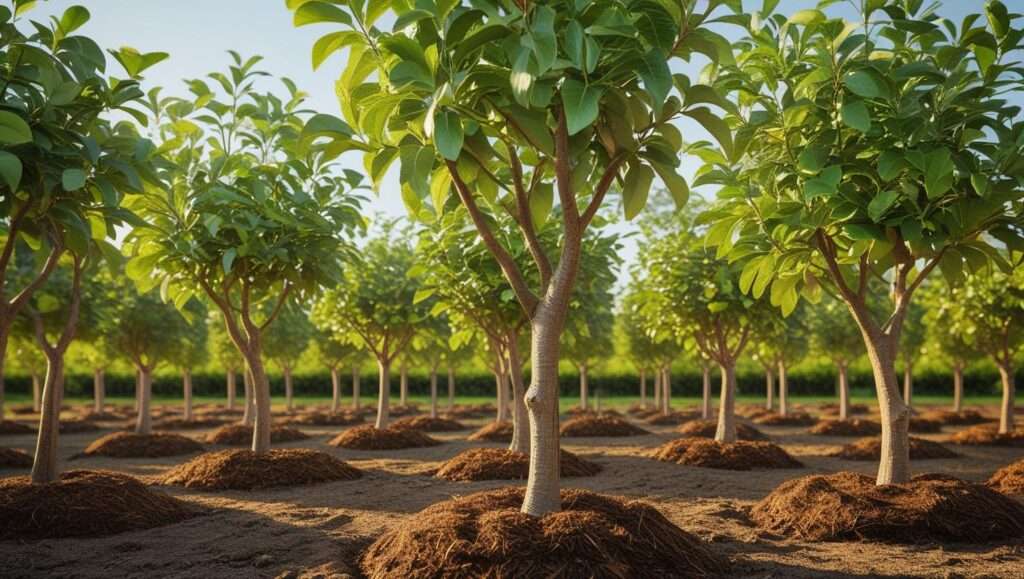
- Wood chips (arborist or ramial) — Top choice: Suppress weeds, retain moisture (reduce irrigation 20–50%), build soil organic matter, support fungal networks beneficial to trees. Apply 4–6 inches deep, avoiding trunk contact (“volcano” piles cause rot).
- Other options — Compost, straw, or “mow and blow” clippings band nutrients near trees.
- Benefits: WSU studies show enhanced tree establishment, yields, and soil properties; slow nutrient release avoids deficiencies.
Inorganic or Fabric Options
- Landscape fabric or gravel in rows for long-term weed control.
- Pros: Durable, low reapplication.
- Cons: Less soil health benefit; monitor for rodents.
Best practices: Apply in spring/fall before weeds germinate; refresh as needed. Avoid dyed chips to prevent chemical leaching.
Integrated Management Techniques for Minimal Upkeep
Effective low-maintenance requires smart ongoing practices:
- Mowing — Keep at 3–4 inches; mow 2–4 times/year, alternating sides if needed. Late-fall mowing reduces rodent habitat.
- Weed control — Spot-treat or use mulch; avoid broad tillage.
- Rodent/pest management — Maintain vegetation height; use mulch barriers.
- Soil amendments — Compost applications; leverage cover crop clippings.
- Water/erosion — Mulch excels in dry areas; covers stabilize slopes.
These integrate for a self-sustaining system.
Step-by-Step Implementation Guide
Implementing a low-maintenance orchard floor requires thoughtful planning and execution to ensure success with minimal long-term effort. Follow this phased approach, adapted from extension guidelines (e.g., WSU, Cornell, Intermountain Fruit) and field trials.
- Assess Your Current Orchard Begin with a thorough evaluation: Conduct a soil test (pH, nutrients, organic matter, texture) through your local extension service. Map climate and irrigation—drought-prone areas need drought-tolerant options like fine fescues, while irrigated sites can support legumes. Note tree age, spacing, rootstock vigor, existing weeds/pests (e.g., rodents), and slope for erosion risk. Identify problem areas: young trees are sensitive to competition, mature ones tolerate more vegetation.
- Plan and Design the System Decide on zones:
- Tree rows (typically 4–6 ft wide under drip line): Prioritize weed suppression via mulch or fabric.
- Alleys: Plant low-maintenance covers for benefits like erosion control and nitrogen. Use a hybrid sandwich system for most setups—mulched rows + grass/legume alleys. Select species based on your conditions (refer to comparison table earlier). Calculate seeding rates (e.g., fine fescues 10–20 lbs/acre; clover mixes 5–10 lbs/acre). Budget for initial costs: seed (~$100–300/acre), mulch (wood chips often free via arborist services or ChipDrop), equipment.
- Site Preparation and Establishment
- Control existing weeds: Use shallow tillage, smother crops (e.g., buckwheat summer cover), or spot herbicides (if conventional). Avoid deep tillage to preserve soil structure.
- Improve soil: Amend pH/nutrients per soil test; incorporate compost if organic matter is low (<3%).
- Timing: Seed alleys in late summer/early fall for cool-season grasses/legumes (best establishment before winter). For new orchards, establish covers before or soon after planting trees.
- Seeding method: Broadcast and lightly rake/harrow; roll for seed-to-soil contact. Irrigate gently if dry. For mulch: Apply 4–6 inches deep in rows post-planting, keeping 6 inches from trunks.
- First-Year Care and Transition Monitor establishment: Water as needed (especially legumes); mow high (4+ inches) if weeds emerge to favor desired plants. Protect young trees from competition with narrow mulch strips. Expect some adjustment—covers may take 1–2 years to fully establish and suppress weeds.
- Ongoing Maintenance Calendar
- Spring: Spot-weed if needed; mow alleys once growth reaches 6–8 inches.
- Summer: Mow 2–3 more times (keep 3–4 inches); “mow and blow” clippings toward trees for nutrients.
- Fall: Final mow to reduce rodent habitat; apply mulch refresh if thin.
- Winter: Monitor erosion on slopes. Troubleshoot: Adjust mowing if competition arises; use selective tools for persistent weeds.
- Cost-Benefit Analysis Initial investment: $200–800/acre (seed, mulch transport). Savings: Reduced mowing (from 8–12x/year to 2–4x), herbicide/fertilizer cuts (clover can supply 50–150 lbs N/acre), irrigation reductions (mulch retains moisture). WSU trials show wood chip mulch yielding ~$5,000/acre economic benefit over tillage in some cases through better yields and lower inputs.
This structured rollout minimizes risks and maximizes benefits.
Case Studies and Real-World Examples
Real-world applications and research trials provide strong evidence for these strategies.
- WSU Organic Apple Trials (Wenatchee, WA): In multiple studies by David Granatstein, wood chip mulch in tree rows combined with living mulches or grass alleys outperformed tillage. One three-year Gala apple trial showed wood chips providing superior weed suppression, larger fruit size, and nearly $5,000/acre economic advantage over tillage—due to better moisture retention, soil organic matter buildup, and tree growth. Legume covers (e.g., clover) added nitrogen, though monitored for vole activity (managed by height control).
- Cornell University Fine Fescue Systems: Ian Merwin’s long-term research recommends fine-leaf fescue alleys with herbicide or mulch strips. These low-mow grasses (2–3 times/year) delivered optimal yields, tree growth, and lowest maintenance costs over 17+ years. Systems avoided excess nitrogen issues while improving soil biology and reducing erosion.
- Intermountain West Drought-Tolerant Approaches: Hard fescue or sheep fescue alleys suit non-irrigated or low-water sites. These perennials establish quickly, require minimal mowing, provide traction, and control erosion without competing heavily with trees.
- Organic and Regenerative Examples: In Pacific Northwest organic orchards, sandwich systems (mulch rows + clover-grass alleys) boosted soil carbon, supported pollinators, and maintained yields. One study noted clover fixing significant N while voles preferred cover over trees. Regenerative practices—tall vegetation periods for photosynthesis, mulch for fungal support—enhanced soil function and resilience.
These cases show adaptability across climates, with consistent gains in sustainability and profitability.
Potential Challenges and Solutions
No system is perfect—anticipate and mitigate issues:
- Early Competition with Young Trees: Solution: Use narrow mulch strips (4–6 ft) in rows for first 3–5 years; select low-growing, non-aggressive covers; irrigate/fertilize adequately during establishment.
- Rodent Pressure (Voles, Gophers): Legumes/mulch can attract them. Solution: Mow alleys short in fall/winter; avoid thick mulch near trunks; monitor and use traps/barriers if needed. Studies show managed height reduces habitat without eliminating benefits.
- Establishment Failures: Poor germination from weeds/dry conditions. Solution: Proper prep (weed control, seed timing); inoculate legumes; provide initial irrigation.
- Weed Shifts or Persistence: Perennials may invade. Solution: Spot-treat or mow strategically; diverse mixes outcompete weeds over time.
- Transitioning Existing Orchards: Gradual phase-in: Start with mulch in rows, overseed alleys progressively.
Patience yields results—most systems improve after year 2–3.
Low-maintenance orchard floors—through strategic ground covers like fine fescues and white clover, organic mulches like wood chips, and integrated techniques—offer a practical path to healthier trees, better yields, and significantly reduced workload. These approaches build soil health, conserve water, suppress weeds naturally, and support biodiversity while cutting costs on mowing, herbicides, and fertilizers.
Start small: Test a section of your orchard, monitor soil and tree response, and adapt. Consult local extension services for region-specific advice, conduct soil tests, and consider trialing mixes. With the right setup, your orchard floor becomes an asset rather than a chore—promoting resilient, productive trees for years to come.
(Word count so far: ~3,700)
FAQs
1. What’s the best low-maintenance cover for dry climates? Hard fescue, sheep fescue, or creeping red fescue—drought-tolerant grasses needing only 2–3 mows/year and minimal water once established.
2. How much nitrogen does white clover fix in an orchard? In good stands, 50–170 lbs/acre/year, depending on conditions—enough to offset much fertilizer need in organic systems.
3. Will mulch or clover attract rodents? Possibly, especially thick layers or dense legumes. Mitigate by keeping mulch away from trunks, mowing short in fall, and monitoring populations.
4. Can these strategies work in certified organic orchards? Yes—mulches, living covers, and reduced tillage align with organic standards and often improve soil quality for certification.
5. How often should I mow low-maintenance covers? Typically 2–4 times/year at 3–4 inches height—far less than traditional grass.
6. Is wood chip mulch safe around trees? Yes, if applied properly (4–6 inches deep, no trunk contact to avoid rot). Use aged or arborist chips for best results.
7. What if my orchard is on a slope? Prioritize covers or mulches for erosion control; fine fescues excel here with dense root systems.
8. How long until I see benefits? Establishment takes 1–2 years; soil health, water savings, and reduced labor improve noticeably by year 3.
9. Can I combine clover and grass? Yes—grass-clover mixes balance nitrogen fixation, drought tolerance, and low growth for excellent results.
10. Where can I source seeds or mulch? Local seed suppliers, NRCS Plant Materials Centers, arborist services (ChipDrop app), or extension recommendations.