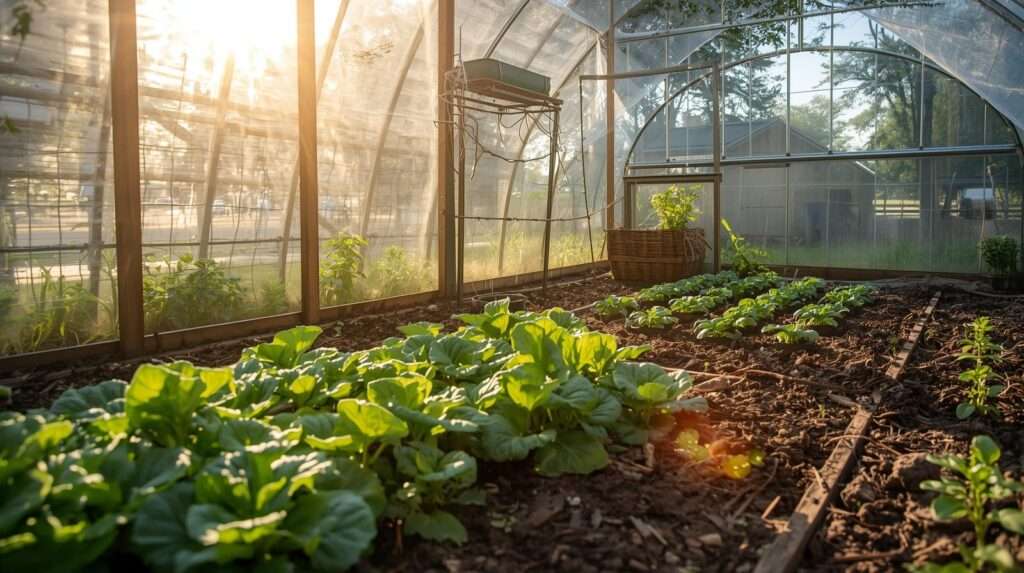
Imagine harvesting crisp kale,sweet carrots, and vibrant Swiss chard well into December or even January—while your neighbors have already packed away their garden tools for the winter. For many home gardeners and small-scale farmers in regions with shorter growing seasons, the arrival of the first frost signals the end of fresh homegrown produce. But what if you could add weeks or even months to your harvest with techniques that require almost no daily effort and very little cost? Minimum-effort season extension
Minimum-effort season extension is the answer. These proven, low-maintenance strategies allow you to protect your crops from early frosts, warm the soil passively, and keep growing food longer—without expensive greenhouses, daily watering, or constant monitoring. Whether you’re in a temperate climate like much of Bangladesh, the northern United States, or parts of Europe, these methods can extend your growing season by 4–12 weeks (or more) with setups that take just a few hours to install and almost no ongoing work.
In this comprehensive guide, we’ll cover the most effective, beginner-friendly techniques backed by university extension services, experienced growers, and real-world results. You’ll learn exactly how to choose the right crops, create passive heat traps, use simple row covers, build DIY cold frames, and optimize your garden’s microclimate—all while keeping your workload to a bare minimum. By the end, you’ll have a clear, step-by-step plan to enjoy more fresh, homegrown food for far less effort than you ever thought possible.
Let’s dive in and discover how to make your garden work harder—so you don’t have to.
Why Minimum-Effort Season Extension Matters for Home Gardeners and Small Farmers
In many parts of the world, the traditional growing season lasts only 5–7 months. Early spring frosts delay planting, and fall frosts cut harvests short. This forces gardeners to either:
- Accept a limited harvest window
- Spend hours preserving food through canning, freezing, or drying
- Rely on store-bought produce during the off-season
With rising food prices and a growing desire for fresh, organic, chemical-free vegetables, extending the season has become more important than ever.
The good news? You don’t need a high tunnel, heated greenhouse, or daily labor to make it happen. Minimum-effort season extension focuses on passive protection and smart planning—methods that set up once and deliver results for weeks or months with almost no intervention.
Key benefits include:
- More fresh produce – Enjoy garden-fresh salads, greens, and root vegetables long after most gardens have shut down.
- Lower grocery bills – Reduce your dependence on expensive off-season imports.
- Better flavor and nutrition – Cold-hardy crops often taste sweeter after a light frost.
- Reduced food waste – Harvest only what you need, when you need it.
- Year-round gardening satisfaction – Keep your hands in the soil and your garden productive even in winter.
These techniques are especially valuable for busy people—parents, professionals, retirees—who want maximum results with minimal daily work.
Understanding the Basics: How Plants Respond to Cold and How to Protect Them
Before we get into specific methods, let’s understand why plants suffer in cold weather and how simple protections can make a big difference.
Frost vs. Freeze: What Actually Kills Plants?
- Light frost (29–32°F / -1.7 to 0°C): Damages tender leaves and flowers but often spares roots and hardy greens.
- Hard freeze (below 28°F / -2.2°C): Kills most above-ground growth of non-hardy plants.
- Soil temperature is often more important than air temperature. Frozen soil prevents roots from taking up water, even if the plant itself survives the cold.
How Protection Works
The best low-effort methods create a microclimate that:
- Traps daytime heat and releases it slowly at night
- Blocks wind (which removes heat rapidly)
- Prevents frost from settling directly on leaves
- Allows light to reach plants while providing insulation
Passive solar principles are key: Dark surfaces absorb heat during the day and radiate it back at night. Lightweight covers trap this warmth like a blanket. These simple physics-based solutions require no electricity or daily attention.
Top Minimum-Effort Techniques to Extend Your Season
Here are the most effective, low-maintenance methods ranked by ease of implementation and impact.
1. Choose Cold-Hardy and Fast-Maturing Varieties
The easiest way to extend your season is to grow plants that naturally tolerate cold better than others.
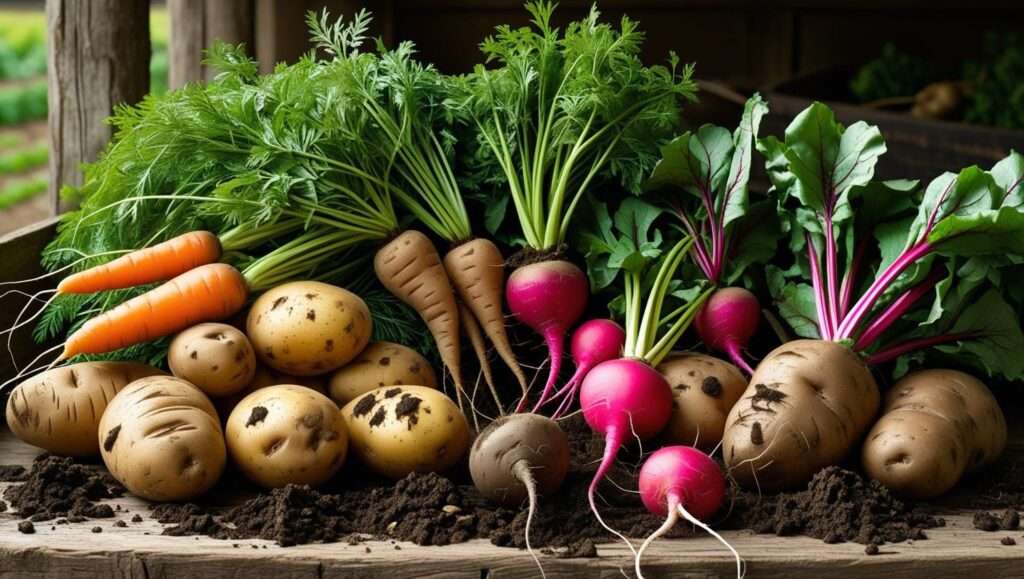
Top cold-hardy vegetables (survive light to moderate frosts):
- Kale (especially ‘Lacinato’/Dinosaur and ‘Red Russian’)
- Collard greens
- Spinach (‘Bloomsdale’ or ‘Winter Bloomsdale’)
- Swiss chard (‘Bright Lights’)
- Arugula
- Mâche (corn salad)
- Mustard greens
- Radishes
- Beets
- Carrots (‘Napoli’, ‘Danvers’, ‘Cosmic Purple’)
- Leeks
- Brussels sprouts
- Broccoli (‘Calabrese’ types)
- Cabbage (especially savoy types)
Fast-maturing varieties allow you to plant later in summer and still harvest before hard freezes. Look for “short-season” or “cold-tolerant” labels in seed catalogs.
Pro tip: Plant a mix of varieties—some for early fall harvest and others bred specifically for overwintering.
2. Use Raised Beds and Dark Mulches for Passive Soil Warming
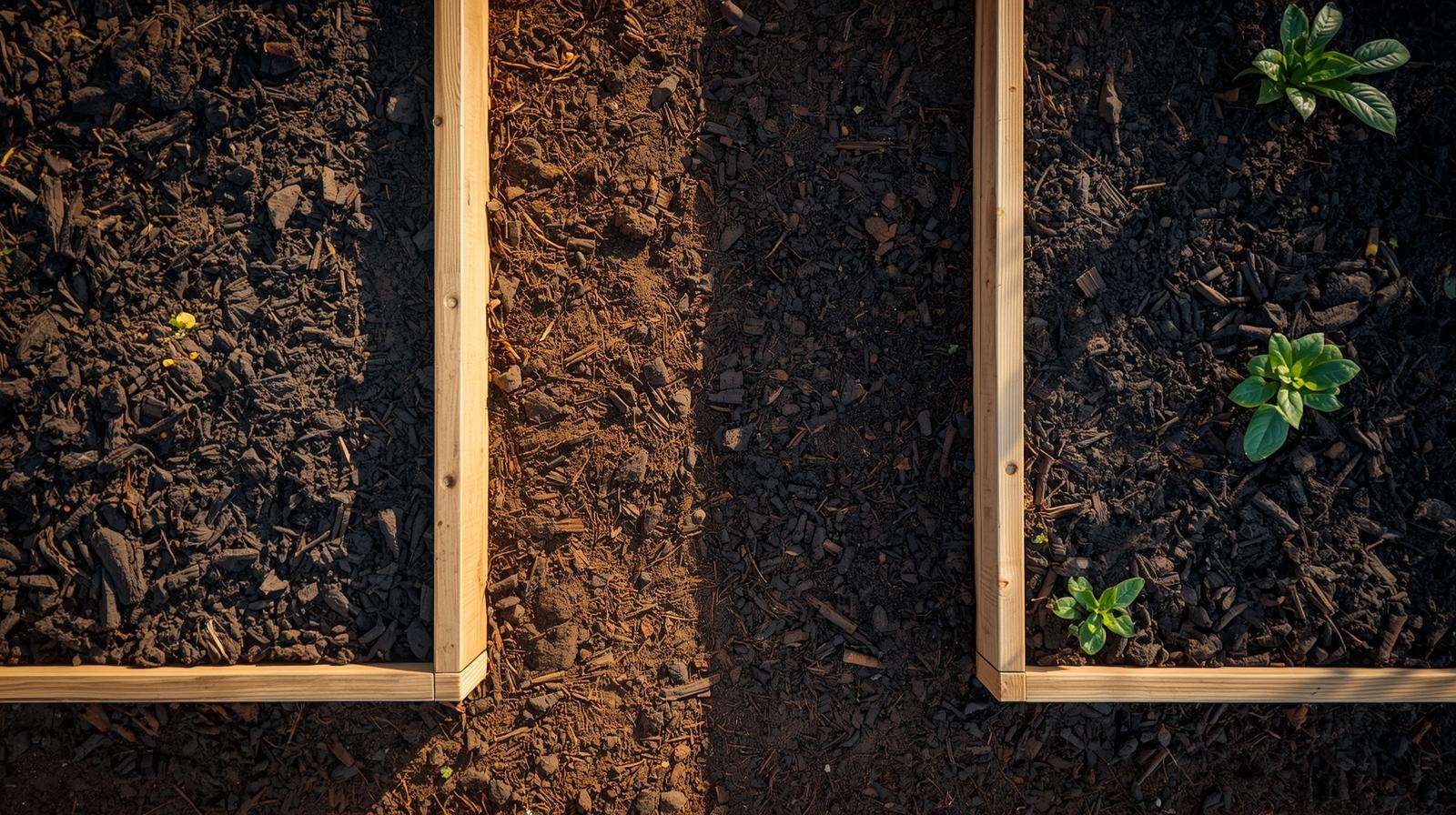
Raised beds warm up faster in spring and stay warmer longer in fall because:
- Soil is above ground level, exposed to more sunlight
- Better drainage prevents cold, wet soil
- Dark mulches absorb solar heat
Best low-effort mulches:
- Black plastic sheeting (cheap and effective)
- Black landscape fabric
- Dark-colored organic mulches (composted leaves, straw, or wood chips)
How to use:
- In early spring, cover the soil with black plastic or fabric to warm it 5–10°F (3–6°C) faster than bare soil.
- Leave it in place through the growing season.
- In fall, the same dark cover traps heat and protects roots from deep freezing.
Bonus benefit: These mulches also suppress weeds, reducing maintenance even further.
3. Floating Row Covers and Low Tunnels: The Easiest Protection
Floating row covers (also called frost blankets or Agribon) are lightweight, breathable fabric that lets light, air, and water through while trapping heat.
How much extension do they provide?
- Lightweight covers (0.5–1.0 oz/yd²): +4–8°F protection, extends season by 4–6 weeks
- Medium-weight covers (1.5–2.0 oz/yd²): +6–10°F protection, extends by 6–10 weeks
- Heavy-weight covers (2.5+ oz/yd²): +10–12°F protection, can overwinter many crops
Low tunnels (simple hoops covered with row cover fabric) add even more protection and are easy to set up.
Materials needed:
- Row cover fabric (Agribon AG-19 or similar)
- 9–10 gauge wire hoops or ½-inch PVC pipe
- Sandbags, rocks, or soil to secure edges
Setup in under 30 minutes:
- Insert hoops every 4–6 feet along the bed.
- Drape fabric over hoops.
- Secure edges with soil, rocks, or clips.
- On warm days above 50°F (10°C), vent one side to prevent overheating.
Maintenance: Almost none. Check occasionally after heavy rain or snow, but most setups last all season with minimal attention.
4. Cold Frames and Cloches: DIY Mini Greenhouses
Cold frames are simple boxes with a clear, slanted lid (often old windows) that create a protected microclimate.
Cloches are individual plant covers—recycled plastic jugs, milk bottles, or glass jars.
Best uses:
- Start seeds 4–6 weeks earlier in spring
- Protect late-season crops from early frosts
- Overwinter hardy greens and root crops
DIY cold frame (under $50 or free with recycled materials):
- Build a rectangular frame from wood, straw bales, or cinder blocks
- Use an old window, clear plastic sheeting, or polycarbonate panel as the lid
- Angle the lid south for maximum sun
- Prop open on warm days
Cloche method:
- Cut the bottom off large plastic bottles
- Place over individual plants
- Remove cap for ventilation
5. Succession Planting and Strategic Timing
Succession planting is one of the most powerful—and completely passive—ways to stretch your harvest window without adding extra structures or daily work.
How it works:
- Instead of planting everything at once, stagger your sowings every 2–3 weeks.
- This creates a continuous supply of fresh vegetables rather than one big harvest followed by nothing.
Minimum-effort succession strategy for season extension:
- Early spring (February–March in Barishal-like climates): Start cold-hardy greens (spinach, kale, arugula, lettuce) under row covers or in cold frames.
- Late spring/early summer: Plant a second round of the same crops directly in the garden.
- Mid-to-late summer (July–August): Sow fast-maturing, cold-tolerant crops for fall and early winter harvest: radishes (25–30 days), baby carrots (50–60 days), beets, turnips, Asian greens, mustard, and overwintering varieties of kale and spinach.
- Fall planting (September–October): Direct-sow garlic, shallots, and overwintering onions for next year’s early harvest.
Pro tip: Use the same row covers you already have in place. Simply lift one side, harvest what’s ready, and plant the next succession underneath—no extra setup required.
This single technique, combined with frost protection, can easily add 6–10 weeks of continuous fresh harvests with almost zero additional effort.
6. Site Selection and Microclimate Optimization
The location of your garden beds can add 2–4 weeks of extra growing time with no materials or labor required.
Key principles for creating warmer microclimates:
- South-facing slopes or walls: These receive maximum winter sun and are sheltered from north winds.
- Windbreaks: Plant or install evergreen hedges, bamboo screens, or even a simple fence on the north and west sides to block cold winds.
- Heat sinks: Place large, dark-colored rocks, water barrels, or bricks around beds. They absorb daytime heat and slowly release it at night (a passive version of a thermal mass heater).
- Avoid low-lying areas: Cold air sinks into valleys and frost pockets—plant on slightly higher ground when possible.
Low-effort hack: If you can’t move your garden, create instant microclimates by:
- Placing black-painted 55-gallon drums filled with water along the north side of beds (they act as free heat batteries).
- Planting tall sunflowers or corn on the north side in summer—they become a natural windbreak and sun-trap for fall crops.
These tweaks cost almost nothing and require no maintenance, yet they can raise temperatures by 5–10°F in the critical early morning and late evening hours.
7. Overwintering Hardy Crops
Some crops don’t just survive winter—they actually improve in flavor and can be harvested fresh all season long.
Best overwintering vegetables (with proper protection):
- Kale, collards, and Swiss chard — Survive down to 10–15°F (-12 to -9°C) under row covers.
- Leeks — Extremely cold-hardy; mulch heavily and harvest as needed.
- Carrots, beets, parsnips, and turnips — Leave in the ground under thick straw or leaf mulch (8–12 inches deep). The soil acts as a natural refrigerator—roots stay crisp and sweet.
- Garlic and shallots — Plant in fall; they overwinter effortlessly and produce large bulbs the following spring/summer.
- Mâche (corn salad) and winter spinach — These European favorites thrive under snow and light frost.
How to overwinter with minimum effort:
- Mulch heavily with straw, leaves, or compost in late fall.
- Cover with medium- or heavy-weight row covers or low tunnels before the first hard freeze.
- Harvest only what you need—leave the rest in the ground.
Many gardeners in temperate climates report harvesting fresh greens and roots straight from the garden in January and February with this approach.
Step-by-Step Implementation: Building Your Minimum-Effort System
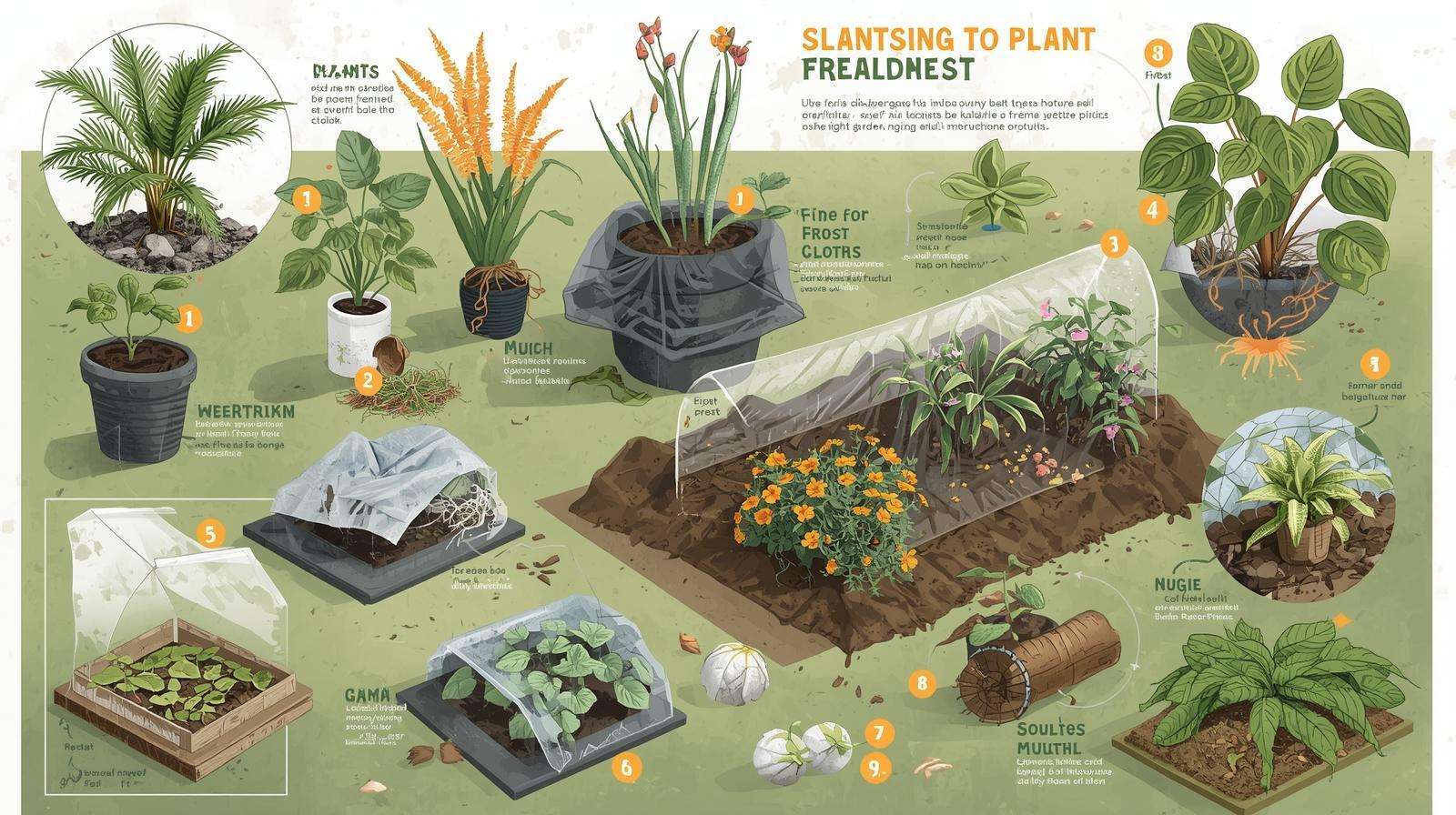
Here’s a realistic, low-cost plan you can start this season.
Spring Setup (February–March)
- Select cold-hardy varieties and order seeds.
- Build or prepare raised beds.
- Apply black plastic mulch to warm soil.
- Install low tunnels or floating row covers over early plantings.
Summer Maintenance (April–August)
- Succession plant every 2–3 weeks.
- Keep row covers on tender crops until danger of frost has passed.
- Water less frequently—covers reduce evaporation.
Fall Preparation (September–November)
- Plant late-season successions of hardy greens and roots.
- Add extra mulch around overwintering crops.
- Reinforce low tunnels and secure row covers against wind.
- Place heat sinks (rocks, water barrels) around beds.
Total estimated cost for a 4-bed system (20–30 m²):
- Row cover fabric (reusable): $40–60
- Hoops (PVC or wire): $20–30
- Black mulch plastic: $15–25
- Recycled materials for cold frames/cloches: $0–30
- Grand total: Under $150 — and most items last 5+ years.
Common mistakes to avoid:
- Forgetting to vent covers on warm days → overheating and plant damage.
- Not securing edges properly → wind can lift covers and expose plants.
- Planting tender varieties under protection → they still won’t survive hard freezes.
Real-World Examples and Case Studies
- University of Maine Extension trials showed that simple low tunnels with medium-weight row covers extended the harvest of spinach and kale by 8–10 weeks, with yields comparable to unextended seasons.
- Home gardener in Zone 6 (similar to parts of northern Bangladesh in winter chill): Using only raised beds, black mulch, and floating row covers, harvested fresh kale, carrots, and leeks from November through March—adding nearly 4 months of fresh produce.
- Small farm in Vermont: Combined succession planting, cold frames made from old windows, and overwintered garlic under straw mulch—reduced their off-season grocery bill by over 60% while spending less than 10 hours total on season-extension tasks.
These examples prove that even in regions with harsh winters, minimum-effort methods deliver impressive results.
Expert Insights and Tips from Seasoned Growers
“Row covers are the single best investment for season extension. They’re cheap, reusable, and require almost no maintenance once installed.” — Dr. Mark Hutton, University of Maine Cooperative Extension vegetable specialist
Pro tips:
- Water less under covers—soil stays moister longer.
- Use a simple soil thermometer ($10) to monitor when soil reaches 45–50°F (7–10°C) for planting hardy crops.
- For pest control: Row covers also block many insects—no sprays needed.
- In areas with heavy snow, choose sturdy hoops and brush snow off gently to prevent collapse.
FAQs
How much extra time can I realistically add to my season? With a combination of cold-hardy varieties, row covers/low tunnels, and mulch, most gardeners add 6–12 weeks. In milder climates like Barishal, you can often push into January or February.
Do these methods work in tropical or subtropical areas? Yes! While frost may not be the issue, row covers and shade cloth protect against heavy rains, extreme heat, and pests—extending the productive season in both directions.
What’s the difference between low tunnels and high tunnels? Low tunnels are short (18–24 inches high), inexpensive, and perfect for home gardens. High tunnels (hoop houses) are taller and more permanent—better for commercial production but require more investment and maintenance.
Can I use these techniques without buying anything new? Absolutely. Use recycled plastic bottles as cloches, old bedsheets as lightweight covers, and straw bales or fallen branches for windbreaks.
How do I store my row covers for next year? Shake off dirt, dry completely, fold loosely, and store in a dry shed or garage. They’ll last 5–10 years with proper care.
Minimum-effort season extension doesn’t require fancy equipment, daily labor, or large budgets. By choosing the right cold-hardy varieties, using simple row covers and low tunnels, optimizing your site’s microclimate, and practicing smart succession planting, you can easily add weeks or months of fresh homegrown food to your year.
Start small: Try one or two techniques this season—perhaps a few low tunnels over your kale and spinach beds—and watch how much longer your garden keeps producing. You’ll be amazed at how little work it takes to enjoy garden-fresh meals far beyond the traditional growing season.
Ready to get started? Grab some row cover fabric, plant a late succession of hardy greens, and prepare to harvest well into winter. Your future self (and your taste buds) will thank you.