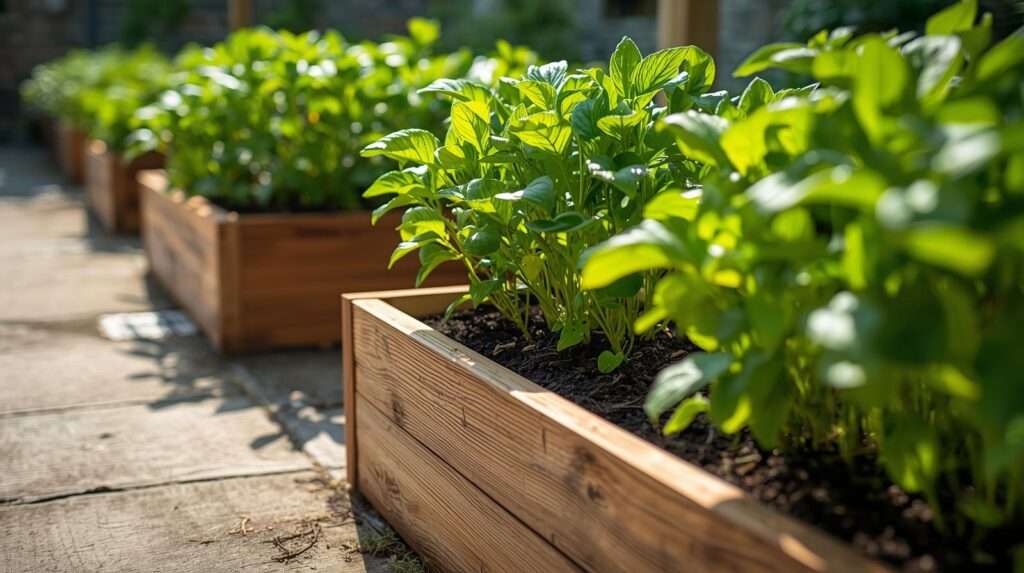
Imagine turning your bare concrete patio, driveway, or rooftop into a lush, productive vegetable garden bursting with tomatoes, lettuce, peppers, and herbs — all without a single square inch of natural soil beneath your feet. For millions of urban gardeners, balcony growers, and homeowners with limited yard space, this dream is entirely achievable. The secret? The right soil mixes for beds on concrete.
Gardening directly on impermeable surfaces like concrete presents unique challenges that standard garden soil or basic potting mix simply cannot overcome. Poor drainage, rapid soil drying, extreme temperature fluctuations, and even potential concrete leaching can quickly turn your raised bed dreams into disappointment. But with the correct soil composition, thoughtful layering, and proven recipes, you can create thriving raised garden beds that outperform many in-ground gardens.
In this ultimate, expert-level guide, I’ll walk you through everything you need to know about creating the best soil mixes for raised beds on concrete. Drawing from decades of urban gardening experience, university extension research, and real-world testing in hot, humid climates like Bangladesh and beyond, you’ll discover:
- Why concrete changes everything about soil performance
- The essential ingredients every successful mix must include
- 5 battle-tested soil recipes (including adaptations of Mel’s Mix)
- Step-by-step mixing, filling, and maintenance instructions
- Vegetable-specific recommendations
- Troubleshooting tips and long-term soil health strategies
Whether you’re starting your first patio garden or optimizing an existing setup, this comprehensive resource will help you grow healthier, more productive plants — even in the toughest locations.
Let’s dive in.
Why Gardening on Concrete Requires a Special Soil Approach
The Unique Challenges of Impermeable Surfaces
When you place a raised garden bed on concrete, you lose the natural benefits that in-ground gardening provides:
- No natural drainage — Excess water cannot percolate downward, increasing the risk of waterlogging at the bottom of the bed or rapid runoff that can stain your patio.
- Accelerated heating and drying — Concrete absorbs and radiates heat, causing soil temperatures to spike 10–20°F higher than ground-level beds on sunny days. This dramatically increases evaporation rates.
- Limited root cooling and nutrient buffering — Plants cannot send roots deep into cooler, nutrient-rich subsoil.
- Potential pH and mineral interactions — Over time, concrete can slowly release lime, slightly raising soil pH (especially in older, unsealed surfaces).
- Weight and structural concerns — Heavy, water-saturated soil mixes can strain patios or balconies if not properly supported.
The Rewards of Getting It Right
When you address these challenges with the right soil mix for raised beds on concrete, the benefits are remarkable:
- Higher yields per square foot thanks to controlled, optimized growing conditions
- Healthier root systems and fewer disease issues
- Extended growing seasons in hot climates
- Sustainable urban food production with minimal water waste
The key is building a lightweight, well-aerated, moisture-retentive, nutrient-rich soil that performs exceptionally well in an artificial environment.
Essential Factors to Consider Before Choosing or Mixing Soil
Before you start mixing, evaluate these critical factors:
Bed Depth Recommendations
- Minimum depth: 12 inches for most leafy greens, herbs, and shallow-rooted vegetables
- Recommended depth: 15–18 inches for tomatoes, peppers, eggplants, and bush beans
- Ideal depth: 24+ inches for root crops (carrots, beets, potatoes) and deep-rooted plants
Deeper beds provide better insulation against concrete heat and allow more stable moisture levels.
Drainage Solutions
Even the best soil mix needs help on concrete. Consider:
- Elevating beds 1–2 inches using bricks, pavers, or adjustable feet
- Adding a 2–4 inch bottom drainage layer (gravel, expanded clay pellets, or coarse wood chips)
- Installing weep holes or small drainage channels at the base
- Using landscape fabric or geotextile to prevent soil loss while allowing excess water to escape
Soil Weight and Structural Considerations
A fully saturated 4×8×1.5-foot raised bed can weigh over 1,500–2,000 pounds. Always confirm your patio or balcony can support this load. Lightweight mixes (high in compost, coir, and vermiculite) reduce weight significantly compared to heavy topsoil blends.
Climate and Location Factors
In hot, sunny climates (common in many parts of South Asia, the southern U.S., and Mediterranean regions), prioritize moisture retention and heat resistance. In cooler, wetter climates, focus on excellent aeration and drainage.
Core Components of the Perfect Soil Mix for Concrete-Based Beds
A successful soil mix for raised beds on concrete must balance four key functions:
- Nutrient supply — Primarily from high-quality compost
- Moisture retention — From peat moss, coconut coir, or aged compost
- Aeration and drainage — From vermiculite, perlite, coarse sand, or pumice
- Structure and stability — From a small percentage of quality topsoil or garden loam (optional)
Recommended Ingredients and Their Roles
| Ingredient | Primary Role | Pros | Cons | Best For |
|---|---|---|---|---|
| High-quality compost | Nutrient supply, microbial life | Rich in nutrients, improves structure | Can be heavy, variable quality | All mixes |
| Coconut coir | Moisture retention, lightweight | Sustainable, excellent water holding | Needs pre-soaking, low nutrients | Hot climates |
| Peat moss | Moisture retention, acidity | Great water holding, lightweight | Non-renewable, environmental concerns | Cooler climates |
| Vermiculite | Aeration, moisture retention | Holds water and nutrients, lightweight | Can compact over time | Most mixes |
| Perlite | Drainage and aeration | Excellent drainage, very lightweight | Dusty, low nutrient holding | Drainage-focused mixes |
| Coarse sand | Drainage, weight addition | Inexpensive, improves structure | Heavy, can compact | Budget mixes |
| Worm castings | Nutrient boost, microbial enhancer | Slow-release nutrients, beneficial microbes | Expensive in large quantities | Premium mixes |
Important note: Avoid using 100% bagged potting mix or pure garden soil. Potting mixes are often too light and dry out too quickly on concrete, while garden soil compacts and drains poorly without amendments.
Top Recommended Soil Mix Recipes – Tested & Proven
Here are five proven soil mix recipes for raised beds on concrete, each optimized for different budgets, climates, and plant types. All ratios are by volume.
1. Classic Mel’s Mix Adaptation for Concrete Beds
This famous Square Foot Gardening mix, slightly modified for hard surfaces, remains one of the most reliable options.
Ingredients:
- 1/3 high-quality compost blend (mix of at least 3–5 sources: manure, mushroom, worm, leaf mold, etc.)
- 1/3 coarse vermiculite
- 1/3 coconut coir (pre-moistened) or peat moss
Why it works on concrete:
- Exceptional drainage and aeration prevent waterlogging
- High moisture retention combats rapid drying
- Lightweight (important for patios)
Best for: Intensive vegetable production, beginners, most climates
Approximate cost (for a 4×8×1.5 ft bed): $120–180 USD (varies by region)
2. Budget-Friendly Balanced Raised Bed Mix
Ingredients:
- 40–50% quality screened topsoil or garden soil
- 30–40% well-aged compost or composted manure
- 10–20% perlite + coarse sand or vermiculite mix
Why it works:
- More affordable than vermiculite-heavy mixes
- Good balance of structure, nutrients, and drainage
Best for: Larger beds, cost-conscious gardeners, moderate climates
Approximate cost: $60–100 USD for the same bed size
3. Premium Moisture-Retaining Mix for Hot Climates
Ingredients:
- 1/3 high-quality compost
- 1/3 coconut coir (pre-moistened)
- 1/3 equal mix of vermiculite and perlite
- 10–15% worm castings or organic slow-release fertilizer
Why it excels:
- Superior water-holding capacity
- Excellent heat resistance
- Lightweight and sustainable
Best for: Tropical/subtropical regions, sunny patios, water conservation
4. Heavy-Duty Drainage-Focused Mix
Bottom layer (2–4 inches): Coarse gravel, expanded clay pellets, or wood chips covered with landscape fabric
Top soil mix:
- 50% compost-rich blend
- 30% quality topsoil
- 20% coarse sand + perlite
Best for: Areas with poor runoff, heavy rainfall, or clay-heavy compost
5. Fully Organic & Sustainable Custom Blend
Ingredients:
- 40% homemade or locally sourced compost
- 30% coconut coir or leaf mold
- 20% vermiculite/perlite
- 10% aged manure, worm castings, biochar, or rock dust
Emphasize renewable, local, and organic sources whenever possible.
Step-by-Step Guide: How to Mix, Fill, and Prepare Your Beds
Creating the perfect soil mix for raised beds on concrete is straightforward when you follow a systematic process. Here’s how to do it right.
Tools and Safety Tips
- Tools needed: Wheelbarrow or large tarp, shovel or garden fork, measuring container (bucket or 5-gallon pail), gloves, dust mask (especially when handling perlite/vermiculite).
- Safety: Wear a mask when mixing dry ingredients to avoid inhaling dust. Work in a well-ventilated area.
Calculating Soil Volume Needed
Use this simple formula: Length (ft) × Width (ft) × Depth (ft) = Cubic feet needed Convert to cubic yards if buying in bulk: Divide cubic feet by 27.
Examples:
- 4 ft × 8 ft × 1.5 ft = 48 cubic feet (~1.8 cubic yards)
- 4 ft × 4 ft × 1 ft = 16 cubic feet
Add 10–15% extra
Mixing Techniques
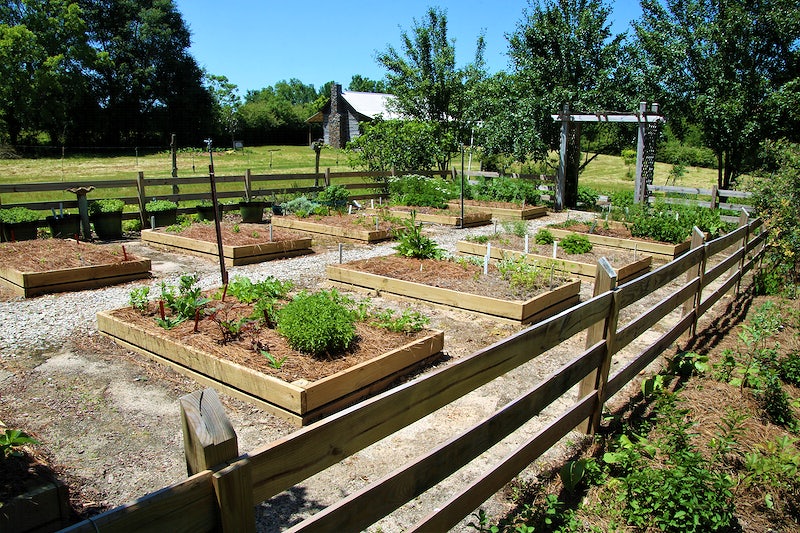
- Spread a large tarp on the ground or use a wheelbarrow.
- Measure and add ingredients in layers (e.g., compost first, then vermiculite/coir, then perlite).
- Mix thoroughly with a shovel or fork until uniform — no streaks of single ingredients.
- For large volumes, rent a cement mixer or use multiple wheelbarrows.
Layering Strategy
- Bottom drainage layer (2–4 inches): Gravel, expanded clay, or coarse wood chips. Cover with landscape fabric to prevent soil loss.
- Main soil mix: Fill to within 1–2 inches of the top.
- Top layer: 1–2 inches of mulch (straw, bark, or shredded leaves) after planting.
Initial Watering and Settling
- Water deeply until excess drains out the bottom.
- Allow 24–48 hours for settling.
- Top up with additional mix if needed.
Maintenance Tips for Long-Term Success on Concrete
Watering Best Practices
- Water deeply but infrequently — aim for 1–2 inches per week (more in hot weather).
- Use drip irrigation or soaker hoses for even distribution and less evaporation.
- Water early in the morning to reduce fungal issues.
- In very hot climates, consider self-watering reservoirs or ollas.
Mulching to Combat Heat and Evaporation
A 2–3 inch layer of organic mulch:
- Reduces soil temperature by 10–15°F
- Cuts water loss by up to 50%
- Suppresses weeds
- Adds nutrients as it breaks down

Seasonal Amendments and Top-Dressing
- Spring: Add 1–2 inches of fresh compost or worm castings.
- Mid-season: Side-dress heavy feeders (tomatoes, peppers) with organic fertilizer.
- Fall: Incorporate cover crop residues or aged manure.
Monitoring pH, Nutrients, and Soil Compaction
- Test soil pH every 6–12 months (aim for 6.0–7.0 for most vegetables).
- Use a refractometer or home test kit for nutrient levels.
- Gently aerate the top 4–6 inches annually with a broadfork to prevent compaction.
Troubleshooting Common Issues
- Overheating roots: Increase mulch depth, use light-colored beds, add shade cloth during peak heat.
- Poor drainage/runoff: Check bottom layer and add more perlite/vermiculite.
- Nutrient deficiencies: Yellow leaves often indicate nitrogen shortage — top-dress with compost tea.
- Concrete-related concerns: If pH rises over time, apply elemental sulfur or use acidic amendments like pine needles.
Vegetable-Specific Soil Recommendations
| Crop Type | Recommended Mix | Depth Needed | Key Adjustments |
|---|---|---|---|
| Leafy greens (lettuce, spinach, kale) | Classic Mel’s Mix or Budget Mix | 12–15 inches | Higher moisture retention |
| Herbs (basil, cilantro, mint) | Any mix | 12 inches | Good drainage to prevent root rot |
| Root vegetables (carrots, beets, radishes) | Drainage-Focused or Organic Blend | 18–24 inches | Loose texture, no large clumps |
| Fruiting crops (tomatoes, peppers, eggplants) | Premium Moisture-Retaining Mix | 18+ inches | High compost, slow-release nutrients |
| Heavy feeders (corn, squash) | Add extra worm castings/compost | 18+ inches | Frequent top-dressing |
Expert Insights & Real-World Case Studies
University extension services (e.g., University of Florida IFAS, Texas A&M AgriLife) consistently recommend high-aeration, compost-rich mixes for container and raised bed gardening on hard surfaces.
In hot, humid regions like Bangladesh and Southeast Asia, gardeners using coconut coir-based mixes report 30–50% less watering compared to traditional soil.
Case Study: A 4×8 ft bed on a concrete rooftop in Dhaka using the Premium Mix produced over 50 kg of mixed vegetables in one season — far exceeding local in-ground yields — thanks to consistent moisture and nutrient levels.
Frequently Asked Questions (FAQs)
Can I use pure potting soil in raised beds on concrete? No — it dries out too quickly and lacks structure. Always amend with compost and drainage materials.
How deep should my raised bed be on a patio? At least 12 inches for most crops; 18–24 inches for best results.
Will concrete affect soil pH over time? Possibly — older concrete can leach lime, raising pH slightly. Test annually and amend as needed.
What’s the cheapest effective soil mix? The Budget-Friendly Balanced Mix using local topsoil and compost.
How do I prevent staining on the concrete? Elevate beds slightly, use a bottom drainage layer, and direct runoff away from surfaces.
Can I reuse the soil mix next season? Yes — top-dress with fresh compost, remove old roots, and amend as needed.
Is coconut coir better than peat moss? For sustainability and in hot climates, yes — it holds water longer and is renewable.
How often should I water raised beds on concrete? More frequently than in-ground beds — check soil moisture 2–3 inches down daily in hot weather.
Conclusion: Start Your Concrete Garden Today
Gardening on concrete isn’t just possible — with the right soil mixes for beds on concrete, it can be incredibly rewarding. Whether you choose the classic Mel’s Mix adaptation, a budget blend, or a premium hot-climate formula, the key is balancing drainage, moisture retention, and nutrients.
Now it’s your turn:
- Measure your bed space.
- Pick one of the recipes above.
- Gather ingredients and start mixing!
Your concrete patio or balcony can become a thriving food-producing oasis. Share your progress, photos, or questions in the comments — I’d love to hear how your garden grows.
Happy planting!