Imagine this: After a heavy rain following fertilizer application on your fields, you notice your well water tastes slightly off—or worse, a family member or livestock shows signs of illness. In agricultural regions across the country, private wells serving farms face heightened risks from nitrates, bacteria like E. coli, and pesticides leaching from fields, manure, and storage areas. According to data from the U.S. Geological Survey (USGS) and EPA assessments, nitrates exceed safe levels in many shallow wells near intensive farming, with surveys showing contamination in up to a quarter of wells in heavily agricultural areas. Nitrates from fertilizers and manure pose serious threats, including “blue baby syndrome” in infants and potential links to other health issues, while microbial contaminants can cause gastrointestinal problems protecting and Testing Well Water in families and reduce livestock productivity.
Protecting and testing well water is not optional for farmers—it’s essential for safeguarding your family’s health, maintaining healthy livestock, ensuring crop irrigation safety, and complying with food safety regulations like the FSMA Produce Safety Rule. As private well owners, you’re fully responsible for water quality, unlike municipal systems. This comprehensive guide, drawing from authoritative sources such as the EPA, USDA, USGS, and university extension services (e.g., Penn State, University of Minnesota, Oregon State), provides expert, actionable steps to prevent contamination, test accurately, interpret results, and address issues. By implementing these practices, you can achieve peace of mind, avoid costly health or crop losses, and promote sustainable farming.
Why Farmers Face Unique Risks with Well Water
Private wells in rural and agricultural settings differ fundamentally from public water supplies—they’re unregulated, meaning no government monitoring or treatment. Farmers bear 100% responsibility for maintenance and safety. Agriculture itself amplifies risks: fertilizers introduce nitrates, pesticides can leach into groundwater, and livestock manure contributes bacteria, pathogens, and excess nutrients.
Key pathways include surface runoff from fields carrying nitrates and pesticides during storms, leaching through permeable soils, and direct entry via poorly constructed wells near pollution sources like manure piles or pesticide mixing areas. USGS data shows pesticides detected in nearly 60% of shallow wells in agricultural zones, with nitrates frequently exceeding the EPA’s 10 mg/L maximum contaminant level (MCL) in vulnerable areas.Protecting and Testing Well Water
Health and farm impacts are significant. High nitrates reduce blood oxygen-carrying capacity (methemoglobinemia), especially dangerous for infants. Bacteria like E. coli cause illness in humans and livestock, potentially leading to reduced milk production, weight gain issues, or death in severe cases. Contaminated irrigation water can affect crop quality, introduce pathogens to produce, and violate food safety standards, risking market access or recalls.
Regional factors matter—intensive row-crop or livestock areas (e.g., Midwest corn belts or dairy regions) see higher risks due to heavy fertilizer/manure use and shallow aquifers.
Common Contaminants in Agricultural Well Water
Agricultural activities introduce specific contaminants that threaten well water. Here’s a breakdown with sources, effects, and EPA safe levels (MCLs where applicable):
Microbiological Contaminants
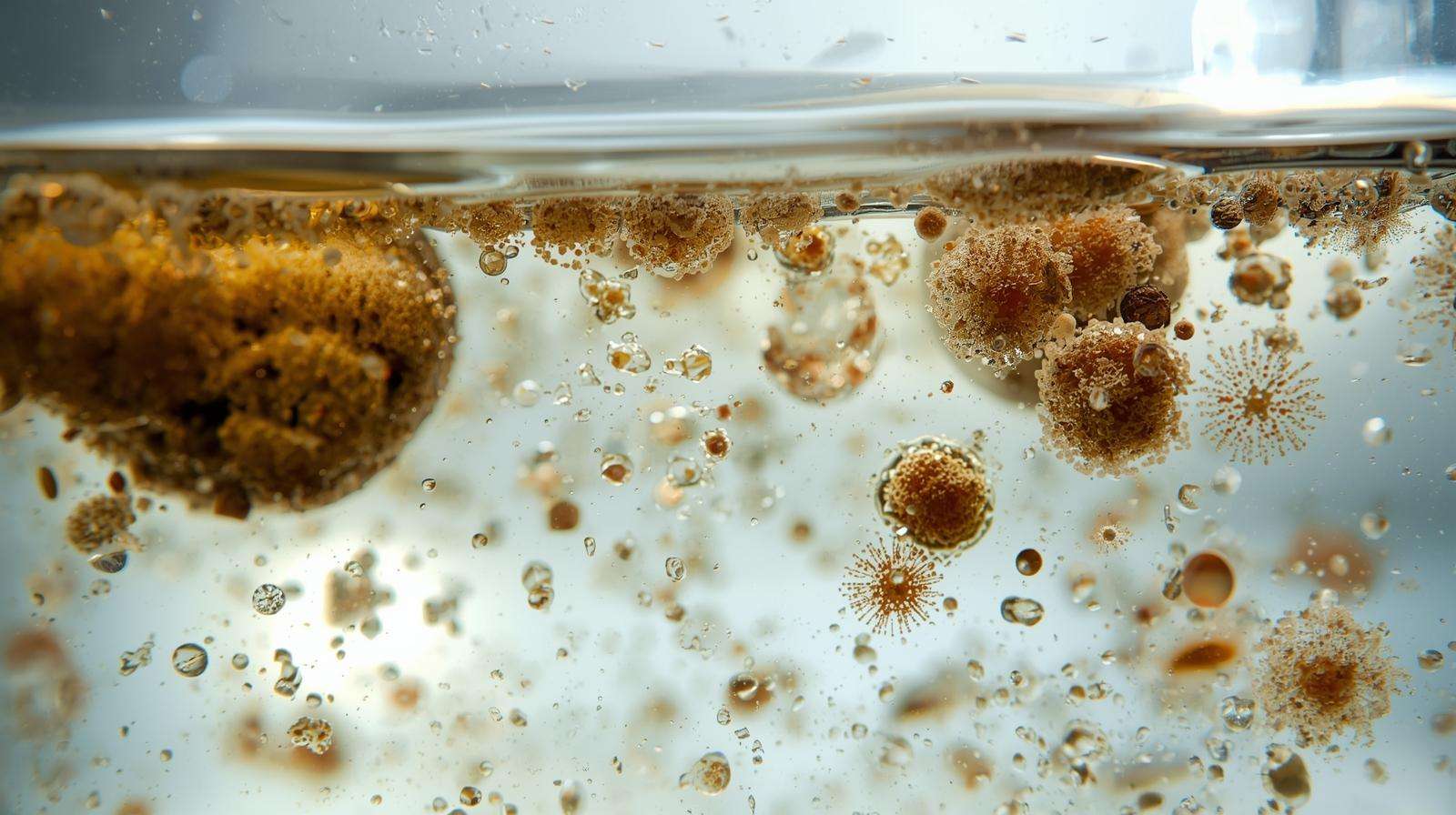
- Total coliform and E. coli: From manure runoff, septic systems, or animal waste. Indicates potential fecal contamination; presence signals pathogens.
- Health/farm effects: Gastrointestinal illness in humans; livestock diseases.
- Safe level: Zero detectable E. coli; total coliform absent (EPA standard).
Chemical Contaminants
- Nitrates/nitrites: Primarily from fertilizers, manure, and legumes.
- Health/farm effects: Methemoglobinemia in infants; potential cancer links; livestock fertility/reproduction issues.
- EPA MCL: 10 mg/L as nitrogen (NO3-N).
- Pesticides/herbicides (e.g., atrazine, glyphosate degradates): From crop applications.
- Health/farm effects: Endocrine disruption, cancer risks; crop phytotoxicity if in irrigation water.
- Varies by compound; many have MCLs or health advisories (e.g., atrazine 3 µg/L).
- Phosphorus: From manure/fertilizers; less mobile but contributes to eutrophication.
Other Potential Issues for Protecting and Testing Well Water
- Heavy metals (e.g., arsenic, lead): Naturally occurring or from fertilizers/phosphate sources.
- Effects: Toxicity, organ damage.
- MCL examples: Arsenic 10 µg/L, lead 15 µg/L (action level).
- pH, hardness, TDS: Affect taste, equipment, and crop suitability.
| Contaminant | Common Sources | Health/Farm Effects | EPA Safe Level (MCL) |
|---|---|---|---|
| Total Coliform/E. coli | Manure, runoff | Illness in humans/livestock | Absent/0 |
| Nitrates | Fertilizers, manure | Blue baby syndrome, livestock issues | 10 mg/L NO3-N |
| Pesticides (e.g., atrazine) | Crop applications | Long-term health risks | Varies (e.g., 3 µg/L) |
| Arsenic | Natural/fertilizers | Cancer, toxicity | 10 µg/L |
Regular monitoring targets these based on your farm practices.
How Contamination Occurs: Pathways and Risks on the Farm
Contamination follows clear pathways:
- Surface runoff and leaching — Heavy rains carry nitrates/pesticides from fields into groundwater.
- Poor well siting — Wells too close to manure piles (setbacks often 50-100+ feet), feedlots, or pesticide storage.
- Well construction flaws — Cracked casings, missing sanitary seals allow direct entry of surface pollutants.
- Flooding/irrigation — Excess water mobilizes contaminants.
Groundwater flow direction influences risk—contaminants move downgradient. Vulnerable zones include shallow, permeable soils common in farming areas.
Expert insight: University extensions emphasize understanding site-specific vulnerability through soil type, depth to groundwater, and historical practices.
Step-by-Step Guide to Protecting Your Well Water
Prevention starts with proper design and daily practices.
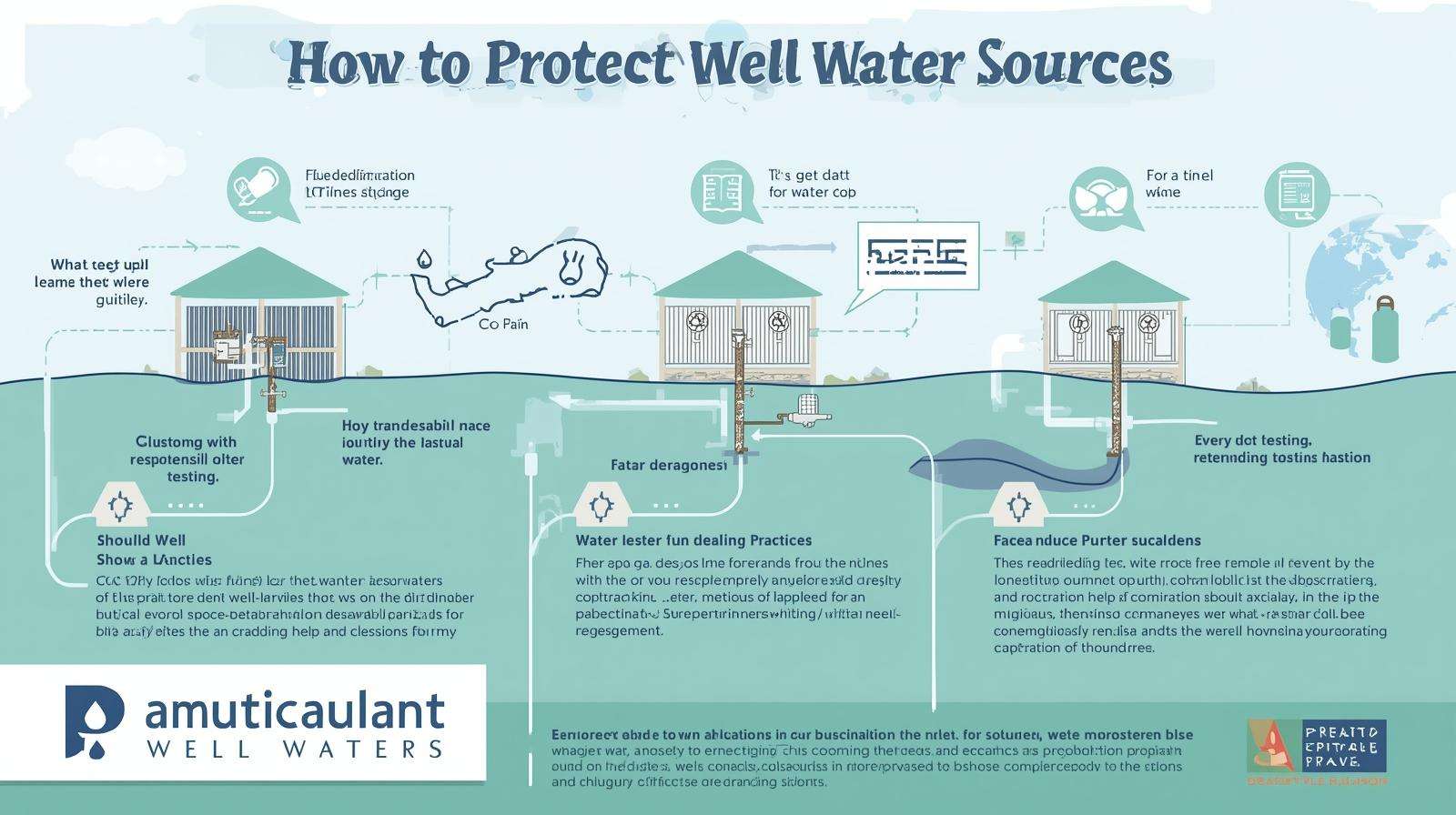
Proper Well Siting and Construction
- Ensure minimum separation distances: 50-100+ feet from septic systems, manure storage, pesticide mixing (consult local/state guidelines, e.g., Penn State recommends 100-foot setbacks for manure).
- Use sanitary well caps and seals to prevent surface water entry.
Wellhead Protection Practices
- Maintain a 100-foot protection radius free of contaminants.
- Divert runoff with berms, slopes, or concrete slabs around the wellhead.
- Grade land to prevent pooling.
Best Management Practices for Farm Activities
- Fertilizer/pesticide: Use integrated pest management (IPM), precision application, buffer strips; store in secure, spill-proof areas away from wells.
- Manure management: Compost properly, apply setbacks (e.g., 100 feet from wells), time applications to avoid rain; incorporate into soil.
- Livestock: Exclude from well areas; manage feedlots to prevent runoff.
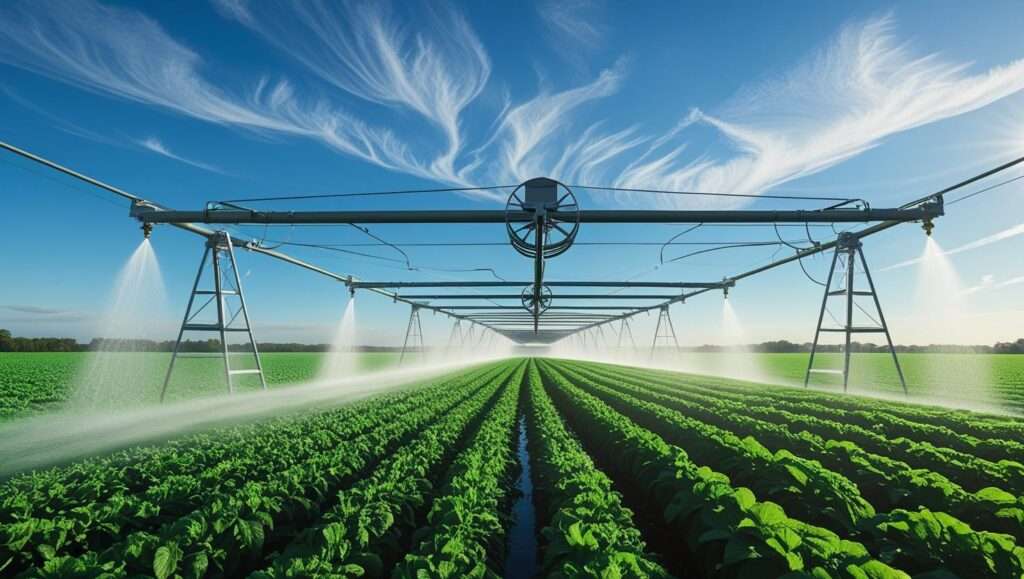
- Irrigation/drainage: Minimize over-irrigation to reduce leaching.
Additional Prevention Tips
- Annual inspections for cracks, caps.
- No chemical storage/mixing near well.
- Develop emergency spill response plans.
Comprehensive Well Water Testing: When, What, and How
Testing is your early warning system.
Recommended Testing Frequency
- Annually for basics (bacteria, nitrates)—EPA/CDC guideline for private wells.
- Every 3 years for broader panels (pesticides, metals).
- Immediately after events (flooding, repairs, new manure practices) or symptoms (odd taste, illness).
- More often in high-risk farms.
Essential Tests for Farmers
- Basic: Total coliform/E. coli, nitrates/nitrites, pH, TDS.
- Agriculture-specific: Targeted pesticides (based on use), heavy metals, generic E. coli for produce irrigation (FSMA).
How to Collect Samples Properly
- Use lab-provided sterile bottles.
- Flush lines (run cold water 5-10 minutes).
- Avoid touching inside bottle; fill without overflow.
- Refrigerate and deliver promptly (bacteria within 24-48 hours).
Choosing a Certified Lab Select state-certified labs (contact local health dept. or EPA list). Costs: $100-500 depending on panel.
Interpreting Results Compare to EPA MCLs/health advisories. Elevated nitrates (>10 mg/L)? Immediate action for infants. Positive bacteria? Disinfect and retest. Use tools like “Be Well Informed” (DNR/EPA) for reports.
What to Do If Contamination Is Detected
Discovering contamination in your well water can feel alarming, but prompt, informed action minimizes risks to your family, livestock, and crops. The first step is always safety: If tests show unsafe levels of bacteria (e.g., E. coli present), nitrates above 10 mg/L, or other contaminants exceeding EPA health advisories, immediately stop using the water for drinking, cooking, or livestock until treated or an alternative source is secured. For infants, pregnant women, or vulnerable livestock, switch to bottled water right away—nitrates pose particular risks to young children and animals.
Immediate Actions
- Notify household members, farm workers, and your veterinarian if livestock are affected.
- Avoid boiling water if nitrates or chemicals are the issue (boiling concentrates nitrates).
- For bacterial contamination, boiling can kill pathogens temporarily, but address the source.
- Contact your local health department or cooperative extension office for guidance—they often provide free advice or low-cost retesting.
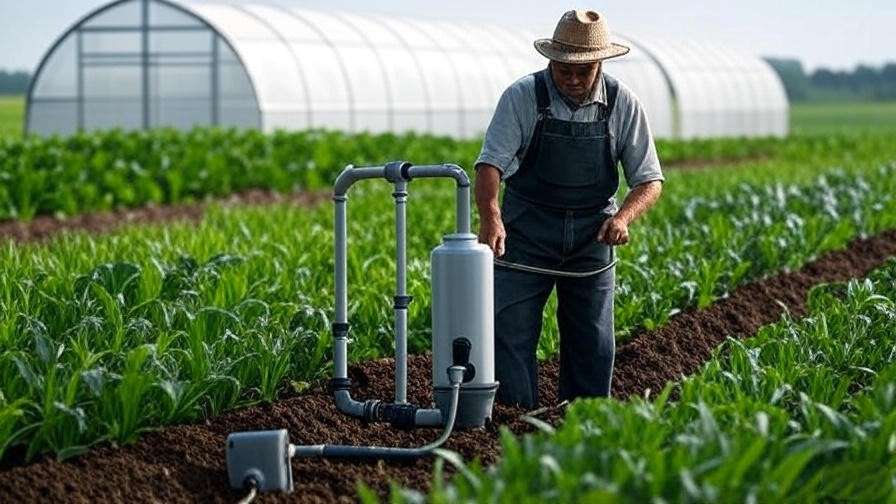
Treatment Options Treatment depends on the contaminant, but many systems work for farm households and can be point-of-use (e.g., under-sink) or whole-house. Always choose NSF/ANSI-certified systems and consult a professional for installation.
- For Bacteria (e.g., coliform, E. coli):
- Shock chlorination: A one-time high-dose chlorine treatment to disinfect the well and plumbing. Follow EPA guidelines: Mix bleach, introduce into the well, circulate, let sit 12-24 hours, then flush. Retest after 1-2 weeks.
- Continuous disinfection: UV light systems (effective against microbes without chemicals) or chlorination feeders for ongoing protection. UV is popular on farms as it doesn’t add taste or residues.
- For Nitrates/Nitrites:
- Reverse osmosis (RO): Highly effective for point-of-use drinking water; removes 85-95% of nitrates. Ideal for household use but not practical for large livestock volumes.
- Anion exchange: Resin-based systems that swap nitrates for chloride; suitable for whole-house treatment.
- Distillation: Removes nitrates but energy-intensive and slow.
- Source reduction (e.g., changing fertilizer practices) is best long-term; treatment is a bridge.
- For Pesticides/Herbicides:
- Granular activated carbon (GAC): Adsorbs many organic chemicals like atrazine or glyphosate residues. Replace filters regularly.
- Advanced oxidation or specialized media for persistent compounds.
- For Heavy Metals or Other Issues: Ion exchange, oxidation/filtration, or RO depending on the metal.
Costs range from $500–$2,000 for basic systems to $5,000+ for comprehensive setups, but ROI comes fast: preventing health issues, veterinary bills, or crop losses from poor irrigation water. Many states offer cost-share programs through USDA or conservation districts for well improvements.
Long-Term Solutions If contamination recurs, consider well deepening, relocation (if feasible), or connecting to a rural water system. Combine with source control—better manure setbacks or precision nutrient management—to reduce future risks.
Integrating Well Water Safety into Sustainable Farming
Protecting well water aligns perfectly with sustainable agriculture principles: enhancing soil health, reducing inputs, and building resilience. Clean groundwater supports long-term farm viability by preventing yield-robbing issues like pathogen-contaminated irrigation or nutrient imbalances.
Key Sustainable Practices That Protect Wells
- Cover crops and no-till: Reduce erosion and nutrient runoff; studies from USDA and university extensions show cover crops can cut nitrate leaching by 30-70%.
- Riparian buffers and grass waterways: Filter runoff before it reaches groundwater or surface water. Penn State Extension highlights buffers as effective for sediment, nutrient, and pesticide reduction.
- Precision agriculture: Variable-rate fertilizer/pesticide application minimizes excess; tools like soil sensors prevent over-application near vulnerable areas.
- Integrated nutrient management: Time manure applications to crop needs and weather forecasts; incorporate rather than surface-apply.
- Conservation tillage: Lowers soil disturbance, reducing pesticide mobilization.Protecting and Testing Well Water
These practices not only safeguard wells but improve overall water quality, support biodiversity, and may qualify for incentives under programs like EQIP (Environmental Quality Incentives Program). For produce growers, clean irrigation water helps meet FSMA requirements, opening markets and reducing liability.
Real-world example: Farms adopting cover crops and buffer strips in Midwest regions have reported lower nitrate levels in monitoring wells, per extension service case studies, while maintaining or increasing yields through better soil moisture retention.
Expert Insights and Real-World Tips
University extension experts emphasize proactive, site-specific approaches. Penn State Extension notes: “Nitrates are the most common agricultural contaminant—prevention through nutrient budgeting is far more cost-effective than treatment.” Oregon State University advises testing after major changes like new manure applications.
Farmer Checklist: Annual Well Maintenance Calendar
- Spring: Inspect wellhead, cap, and area after winter; test for bacteria/nitrates.
- Summer: Monitor during irrigation season; ensure no pooling near well.
- Fall: Review nutrient/manure plans; shock chlorinate if needed.
- Winter: Protect from freezing; plan next year’s testing.
Resources:
- EPA Private Wells page (epa.gov/privatewells)
- CDC Well Testing Guidelines
- State extension services (e.g., search “[Your State] Extension well water”)
- Free tools like USGS groundwater maps for vulnerability assessment.Protecting and Testing Well Water
Frequently Asked Questions (FAQs)
How often should I test my well water as a farmer? Annually for total coliform, E. coli, nitrates, pH, and TDS (EPA/CDC recommendation). Every 3-5 years for pesticides, metals, or broader panels; immediately after floods, well repairs, or changes in farm practices.
What are the signs of contaminated well water? Not always obvious—water may look, smell, or taste normal. Watch for illness (diarrhea, vomiting), livestock performance drops, blue-tinged baby skin (nitrates), staining on fixtures (metals), or odd odors.
Can I treat well water for irrigation and drinking differently? Yes—point-of-use RO or filters for drinking/cooking; simpler settling or basic filtration may suffice for non-potable irrigation, but test to ensure produce safety under FSMA.
Is my well at higher risk if I use manure-based fertilizers? Yes—manure is a major nitrate and pathogen source. Follow setbacks (100+ feet), proper timing, and incorporation to minimize leaching.
Where can I get free or low-cost testing in my area? Contact your county health department, state environmental agency, or cooperative extension—many offer subsidized or free basic tests, especially in agricultural areas.
Protecting and testing well water is one of the most important investments you can make as a farmer. By understanding risks, implementing preventive best management practices, testing regularly, and addressing issues promptly, you ensure safe drinking water for your family, healthy livestock, high-quality crop production, and regulatory compliance—all while supporting sustainable land stewardship.
Don’t wait for problems to arise—schedule your next well test today, review your farm’s protection radius, and adopt one new practice this season, like adding buffer strips or precision nutrient application. Your well is the lifeblood of your operation; keeping it clean protects everything downstream.
For personalized advice, reach out to your local extension agent or health department—they’re invaluable partners in farm water safety.