You’re turning over the rich, dark soil in your vegetable patch in Barishal, preparing beds for the upcoming season of brinjal, okra, or leafy greens, when suddenly you spot them: plump, white, C-shaped creatures wriggling among the roots. Your stomach drops. Are these grubs in my soil silently destroying my plants, chewing through roots, and threatening this year’s harvest? It’s a common panic moment for gardeners and small-scale farmers alike—especially in our warm, humid tropical climate where soil pests thrive during the monsoon and post-monsoon periods.
The good news? Not every grub you find spells disaster. Some are harmless decomposers helping break down organic matter and improve soil structure, while others—particularly the larvae of scarab beetles—can indeed sever fine roots, stunt growth, cause wilting, and reduce yields in crops like potatoes, carrots, beans, and even young fruit trees. In regions like Barisal Division, with its fertile alluvial soils and high moisture, white grubs (often called “white root grubs” locally) can become more noticeable in vegetable gardens, rice paddies edges, or home plots after heavy rains.
This comprehensive guide draws from entomology principles, university extension research (such as Penn State, Purdue, NC State, and regional agricultural insights), and practical experience in tropical/subtropical gardening. We’ll cover accurate identification, realistic damage assessment, when to worry (and when not to), and—most importantly—safe, effective, organic-leaning control methods that protect your edible crops, beneficial insects, and soil health. By the end, you’ll know exactly how to handle grubs in my soil without resorting to harsh chemicals that could harm pollinators or contaminate your harvest.
What Are Grubs in Garden Soil? Understanding the Basics
Grubs are the larval stage of various scarab beetles (family Scarabaeidae). These beetles lay eggs in moist, organic-rich soil, and the hatching larvae—known as grubs—spend months to years underground feeding before pupating into adults.
The classic life cycle includes:
- Eggs: Tiny, white, laid in clusters near the soil surface during warm, wet months (often summer/monsoon in tropical areas).
- Larvae (grubs): The damaging phase, lasting 1–3 years depending on species. They feed on plant roots and decaying organic matter.
- Pupae: Transitional stage in soil chambers.
- Adults: Emerge to feed on foliage (e.g., beetles skeletonizing leaves) and lay eggs again.
In gardens, grubs prefer moist, thatch-rich, or high-organic soils—common in Bangladesh’s vegetable plots where compost, manure, and irrigation create ideal conditions. Not all are pests: Some scarab larvae (like certain dung or flower beetles) primarily decompose organic material and aerate soil. Harmful ones target living roots, especially in turf, vegetables, and young perennials.
In tropical climates like Barishal, warm temperatures accelerate development, and high humidity favors egg survival and larval growth. Common culprits include species related to Phyllophaga (May/June beetles), Holotrichia (white grubs in South Asian crops), or introduced scarabs.
How to Identify Grubs in Your Soil
Proper identification is crucial—control methods vary by species.
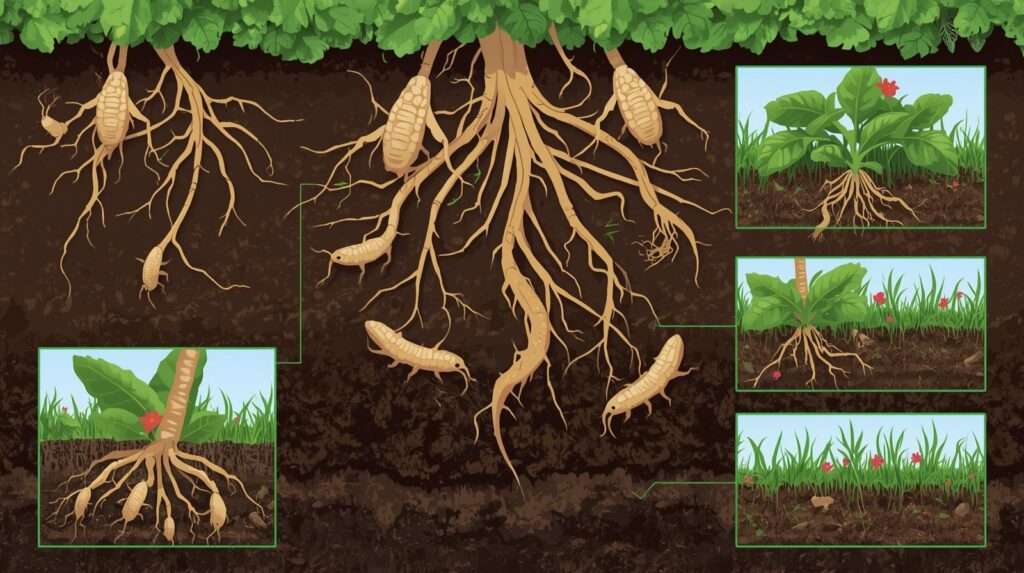
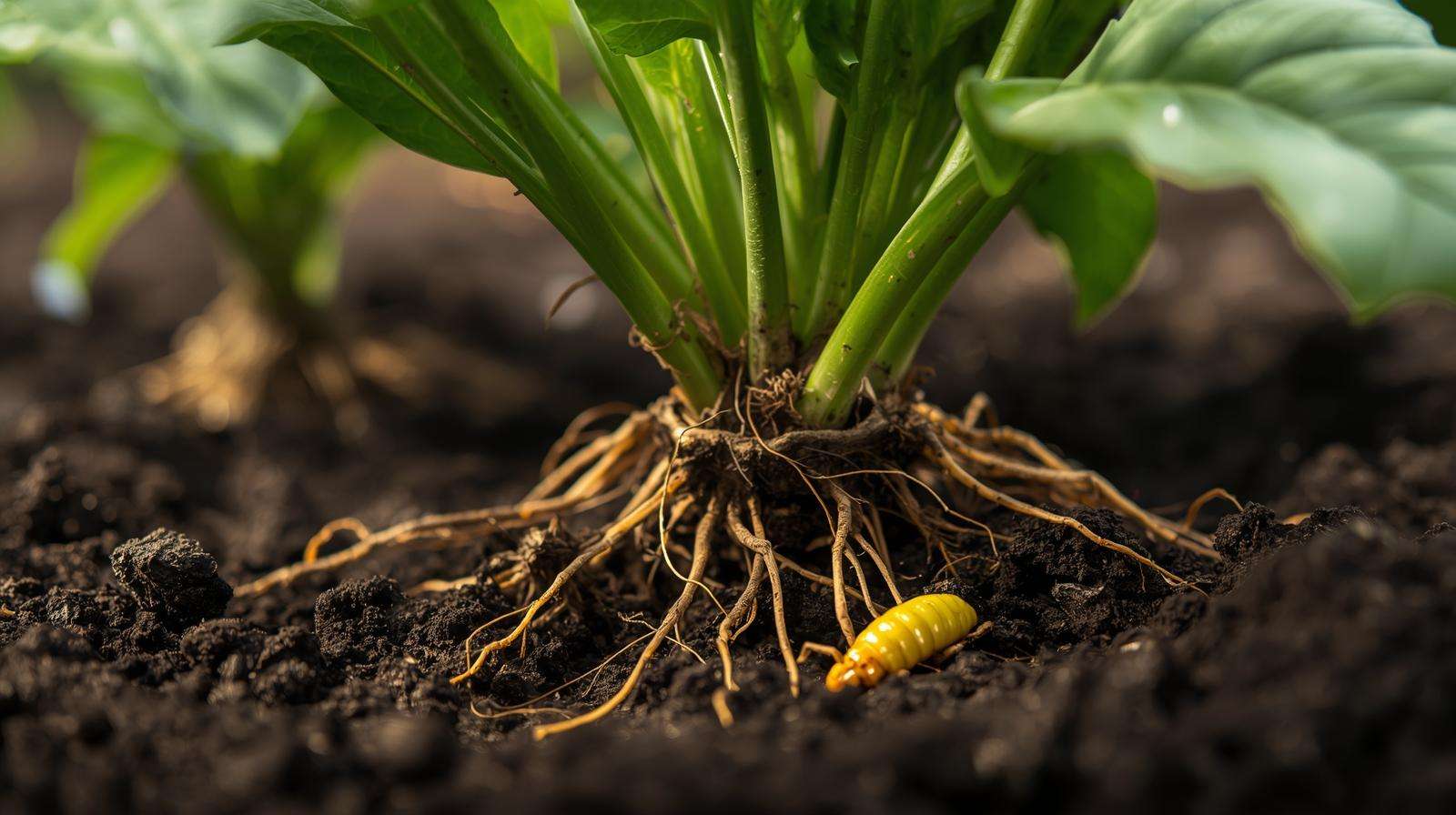
Physical Description Most damaging grubs share traits: creamy-white, C-shaped body; distinct brown head capsule; six short legs near the head; and a grubby rear end. Mature ones measure ½–1.5 inches (1–4 cm), depending on type. They curl tighter when disturbed or exposed to light.
Common Types Use a hand lens (10x magnification) to examine the “raster pattern”—the arrangement of spines/hairs on the underside of the abdomen near the anal slit. This is the gold standard for ID, as recommended by extension services like Ohio State and Penn State.
Here’s a comparison table of frequent garden/lawn grubs:
- Japanese Beetle Grub (Popillia japonica): V-shaped raster pattern; transverse anal slit. Highly destructive; common in introduced areas. Size: ~1 inch.
- Masked Chafer Grubs (Cyclocephala spp.): Zigzag or parallel rows of spines; Y- or V-shaped anal slit. Prevalent in warm soils.
- May/June Beetle Grubs (Phyllophaga spp.): “Zipper-like” raster (two parallel rows). Native in many regions; larger (up to 1.5–2 inches).
- Oriental/Asiatic Garden Beetle Grubs: Straight/parallel raster lines. Smaller; often in gardens.
- Regional Tropical White Grubs (e.g., Holotrichia spp. in South Asia): Similar C-shape; raster varies but often dense spines. Affect crops like bajra, potato, sugarcane.
Signs of Presence
- Plants wilt despite watering (drought-like symptoms).
- Stunted growth, yellowing leaves, poor vegetable yields.
- Plants pull up easily with chewed/missing roots.
- Secondary damage: Birds, chickens, or moles digging for grubs.
- Soil feels spongy or uneven.
DIY Inspection Method Dig a 1 sq ft (30×30 cm) area 3–6 inches deep in affected spots. Count grubs. Thresholds (from extension guidelines):
- <5–8 per sq ft: Usually tolerable in healthy gardens.
- 8–15+: Monitor closely; action if damage visible.
15–20: Treat promptly, especially in vegetables.
In Barishal’s humid conditions, sample after rains when grubs move higher.
Are Grubs in My Soil Killing My Plants? Assessing Damage
The short answer: Sometimes yes, sometimes no—and the difference lies in grub density, plant type, soil conditions, and timing.
Grubs damage plants primarily by feeding on roots. They chew through fine feeder roots first (the ones responsible for water and nutrient uptake), then move to larger structural roots in heavy infestations. This root pruning mimics drought stress even when the soil is moist—plants wilt during the day, recover slightly at night, show yellowing lower leaves, and eventually stop growing or die back.
Typical Symptoms in Vegetable Gardens
- Sudden wilting of otherwise healthy-looking plants (especially seedlings and transplants).
- Stunted growth and smaller-than-normal leaves or fruit.
- Reduced yields (e.g., fewer okra pods, smaller brinjal, sparse spinach).
- Plants that pull out of the ground with almost no root system attached.
- Patchy areas of decline that spread slowly over weeks.
In Barishal’s warm, humid climate, damage often becomes noticeable during the dry season following monsoon (November–March), when plants rely more heavily on root systems and grubs are still actively feeding before pupating.
Crops Most at Risk
- Root vegetables: carrots, radishes, beets, potatoes (grubs eat directly into tubers).
- Transplanted seedlings: brinjal (eggplant), tomato, chilli, cauliflower.
- Legumes: beans, peas (young roots are tender).
- Young fruit trees and perennials: guava, papaya, banana suckers (can delay establishment for years).
When Grubs Are NOT the Main Problem It’s easy to blame grubs for every wilted plant. Rule out these common mimics first:
- Overwatering or poor drainage → root rot (brown, mushy roots vs. cleanly chewed).
- Underwatering or drought stress → uniform wilting, crisp leaves.
- Nutrient deficiencies (especially nitrogen or potassium) → yellowing patterns specific to leaves.
- Fungal diseases (Fusarium, Verticillium wilt) → vascular discoloration in stem cross-section.
- Nematodes → swollen root knots or lesions (different from grub chew marks).
Damage Thresholds – When to Act University extension services (e.g., Penn State, University of Maryland, ICAR regional guidelines) provide these general action thresholds for home gardens and small farms:
- 0–5 grubs per square foot: Almost never warrants treatment. Low numbers can actually benefit soil by aerating and decomposing organic matter.
- 6–10 grubs per square foot: Monitor closely. Tolerable in established, vigorous gardens with good soil health.
- 11–15+ grubs per square foot: Economic/action threshold in most vegetable crops—treatment recommended if plants show clear symptoms.
- 20+ grubs per square foot: Severe infestation. Immediate intervention needed to prevent major loss.
In tropical/subtropical soils with high organic content (common in Barishal from compost and manure use), thresholds can sometimes be slightly higher before visible damage appears—healthy plants with abundant fine roots can tolerate more feeding.
Quick Expert Tip Cross-check grub damage by gently lifting a symptomatic plant. If roots look neatly severed or missing entirely (not rotted), and you find matching grubs nearby, they are likely the culprit. If roots are brown/black and slimy, look toward fungal issues instead.
Safe and Effective Ways to Control Grubs Organically
This is the heart of the article—practical, low-risk solutions that protect your edible crops, pollinators, earthworms, and long-term soil biology. We prioritize biological and cultural methods first, as chemical options (even “safer” ones) carry risks in vegetable gardens.
Prevention First – Stop the Next Generation The best control starts before eggs are laid:
- Hand-pick adult beetles in early evening when they feed on foliage (shake branches over a bucket of soapy water).
- Reduce attractive egg-laying sites: Keep thatch low in lawns; avoid overwatering; remove thick layers of undecomposed organic mulch near crop roots.
- Encourage natural predators: Install bird feeders, perches, or small ponds to attract kingfishers, mynas, drongos, and bulbuls (very effective in Bangladesh). Toads, frogs, ground beetles, and parasitic wasps also help.
Cultural & Mechanical Controls
- Expose grubs to predators: During light cultivation or bed preparation, leave soil turned for a few hours—birds and chickens will feast.
- Deep watering strategy: In small beds, water heavily once or twice to drown or force grubs deeper (less effective in heavy clay soils).
- Solarization (small-scale): In hot months, cover moist soil with clear plastic for 4–6 weeks to kill eggs and young larvae via heat (works best before planting).
- Crop rotation: Avoid planting the same susceptible crops in the same spot for 2–3 years.
Biological Controls – The Most Effective Organic Options These methods target grubs specifically while leaving beneficial insects largely unharmed.
- Beneficial Nematodes (Heterorhabditis bacteriophora or Steinernema feltiae/carpocapsae)
- Tiny parasitic worms that seek out and infect grubs, releasing bacteria that kill within 24–48 hours.
- Best timing: Apply when soil temperature is 15–30°C (common in Barishal year-round except coolest months) and soil is moist.
- How to apply: Mix nematode powder/suspension in water, apply with watering can or sprayer in late afternoon/evening (UV kills them). Follow with light watering to move them into soil.
- Efficacy: 70–95% control in trials when applied correctly.
- Availability: Increasingly available through agricultural suppliers in Bangladesh or online (look for “entomopathogenic nematodes”).
- Cost: Moderate, but one application can provide season-long protection.
- Milky Spore Powder (Paenibacillus popilliae – formerly Bacillus popilliae)
- Bacterial disease specific to Japanese beetle grubs (and some related species).
- Long-term: Once established, provides 10–20 years of suppression.
- Drawback: Slow to establish (1–3 years); less effective against other grub species common in South Asia.
- Bacillus thuringiensis galleriae (Btg) (e.g., BeetleGONE, grubsGONE)
- Newer strain targets multiple scarab larvae.
- Applied as soil drench or mixed into compost/soil.
- Safe for edibles; works faster than Milky Spore.
Natural Home Remedies – Variable Results
- Insecticidal soap drench: Mix 2–3 tbsp dish soap (unscented) per gallon of water; drench soil to bring grubs to surface for hand-picking or bird predation (temporary).
- Neem oil soil drench: Azadirachtin disrupts feeding and molting. Moderate efficacy; repeat every 7–10 days.
- Diatomaceous earth (food-grade): Sprinkle on soil surface and lightly rake in. Kills by abrasion when grubs move; less effective deep in soil.
When Conventional Options Become Necessary For severe infestations threatening entire beds or high-value crops, low-toxicity synthetic options like imidacloprid or chlorantraniliprole exist (systemic or soil-applied). Use only as last resort, follow label exactly, and observe pre-harvest intervals strictly. Organic certification and pollinator safety make biological methods far preferable in home vegetable gardens.
Comparison Table: Organic Grub Control Methods
| Method | Efficacy | Speed | Duration | Cost | Ease of Use | Best For | Edible Crop Safety |
|---|---|---|---|---|---|---|---|
| Beneficial Nematodes | High | 1–2 weeks | Season-long | Medium | Medium | Most gardens | Excellent |
| Milky Spore | High* | 1–3 years | 10–20 years | Medium | Easy | Japanese beetle areas | Excellent |
| Btg (BeetleGONE) | Medium-High | 1–3 weeks | 1 season | Medium | Easy | Broad scarab control | Excellent |
| Hand-picking / Birds | Medium | Immediate | Short-term | Free | Easy | Light infestations | Excellent |
| Neem drench | Medium | 1–2 weeks | Short-term | Low | Easy | Preventive / mild cases | Good |
| Soap drench | Low-Medium | Immediate | Very short | Very low | Easy | Spot treatment | Good |
*High only for susceptible species; slower establishment.
Long-Term Prevention: Building Grub-Resistant Soil and Gardens
The most sustainable way to keep grub populations low is to create a garden ecosystem that naturally suppresses them. This Integrated Pest Management (IPM) approach combines cultural practices, biological diversity, and proactive monitoring—far more effective long-term than any single treatment.
Boost Beneficial Insects and Wildlife
- Attract birds: Install simple perches, nesting boxes, or a small birdbath. In Barishal, local species like common mynas, bulbuls, drongos, and even kingfishers are voracious grub eaters. A single bird family can consume hundreds of grubs per season.
- Encourage amphibians and reptiles: Maintain moist, sheltered areas (e.g., leaf litter piles or small ponds) to support toads, frogs, and skinks.
- Support predatory insects: Ground beetles, rove beetles, parasitic wasps (e.g., Tiphia spp.), and ants prey on grubs. Avoid broad-spectrum sprays; plant diverse flowers (marigolds, cosmos, sunflowers) to provide nectar.
Focus on Soil Health Healthy, biologically active soil grows resilient plants with extensive root systems that better tolerate some feeding.
- Add well-decomposed compost or vermicompost annually to feed soil microbes without creating excessive thatch-like layers attractive to egg-laying beetles.
- Maintain balanced organic matter: Aim for 3–6% organic content in vegetable beds—enough for fertility, not so much that it favors scarab larvae.
- Improve drainage in heavy clay soils common in Barishal (raised beds, organic amendments like rice husk or coir) to discourage egg survival.
- Use cover crops (e.g., dhaincha, sunn hemp, or cowpea) in off-seasons to disrupt grub life cycles and add nitrogen.
Integrated Pest Management Practices

- Crop rotation: Rotate susceptible crops (root vegetables, brassicas) with less-preferred ones (onions, garlic, maize) for at least 2–3 years.
- Companion planting: Interplant strong-scented herbs like garlic, marigold, coriander, or mint around vulnerable crops—some evidence suggests they deter adult beetles from laying eggs.
- Seasonal monitoring: Check soil in early monsoon (June–July) when adults are active, and again in post-monsoon (October–November) when larvae are largest.
- Trap crops: Plant small sacrificial patches of highly attractive crops (e.g., maize or sorghum) away from main beds to concentrate beetles and grubs for targeted removal.
Regional Tips for Barishal and Similar Tropical Areas
- Monsoon timing is key: Adult beetles emerge and lay eggs during heavy rains (June–September). Reduce irrigation in non-crop areas during this window to limit egg survival.
- In rice–vegetable systems common locally, avoid planting vegetables immediately after rice harvest in grub-prone fields—wait or rotate.
- Leverage local resources: Many agricultural extension offices (DAE upazila offices) and Krishi clinics in Barishal can help identify local grub species and sometimes supply or recommend biological agents.
With these habits, many gardeners report grub issues dropping dramatically after 2–3 seasons as natural enemies increase and soil biology improves.
Frequently Asked Questions (FAQs)
Are all grubs bad for my garden? No. Many are beneficial decomposers that break down organic matter, improve soil structure, and aerate the soil. Only root-feeding scarab larvae (white grubs) cause significant plant damage. Identification is key.
How do I know if the grubs are Japanese beetle larvae or another type? Examine the raster pattern under the tail end with a magnifying glass. Japanese beetle grubs have a distinct V-shaped pattern of spines. In Barishal, local white grubs (Holotrichia or similar) often have denser, irregular spine arrangements. When in doubt, collect samples and consult local agricultural extension or upload clear photos to gardening forums.
Can I safely eat vegetables grown in soil that had grubs? Yes, absolutely. Grubs feed underground on roots and do not enter edible parts. Once controlled, there is no residue risk with organic methods like nematodes or hand removal. Even with soil-applied treatments, follow pre-harvest intervals if any product was used.
Do beneficial nematodes harm earthworms, plants, or people? No. Entomopathogenic nematodes specifically target insect larvae with suitable body openings and hemolymph. They are completely safe for earthworms, plants, animals, and humans. They are a WHO-classified low-risk biological control agent.
What’s the best time to apply grub controls in a warm climate like Barishal? Apply biological controls (nematodes, Btg) when grubs are young and actively feeding near the surface—typically late monsoon to early dry season (September–December). Soil should be moist and temperatures above 15–18°C. Avoid midday heat and direct sun during application.
Will neem oil or soap drenches completely eliminate grubs? No—they provide partial, short-term suppression and work best as part of a multi-method strategy. Nematodes or Btg offer far superior kill rates for established infestations.
Finding grubs in my soil can be alarming, but it’s rarely a death sentence for your garden. With accurate identification, realistic damage assessment, and timely use of safe biological controls like beneficial nematodes, you can protect your vegetables, fruit trees, and soil health without harming the ecosystem you’ve worked hard to build.
Start small: Perform a simple soil dig test in problem areas today. If numbers are low, focus on prevention and predators. If higher, apply nematodes this season and build long-term resilience through soil care and diversity. In Barishal’s fertile, humid conditions, a balanced, biologically rich garden is not just possible—it’s the most reliable way to keep grubs (and most other pests) in check year after year.
Healthy soil grows healthy plants. Keep observing, keep learning, and enjoy the harvest you deserve.