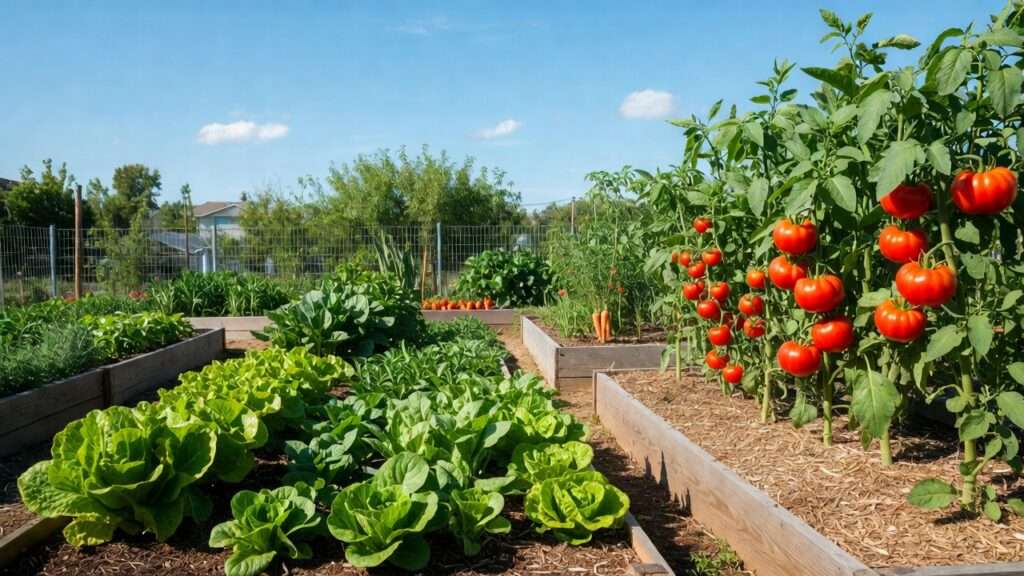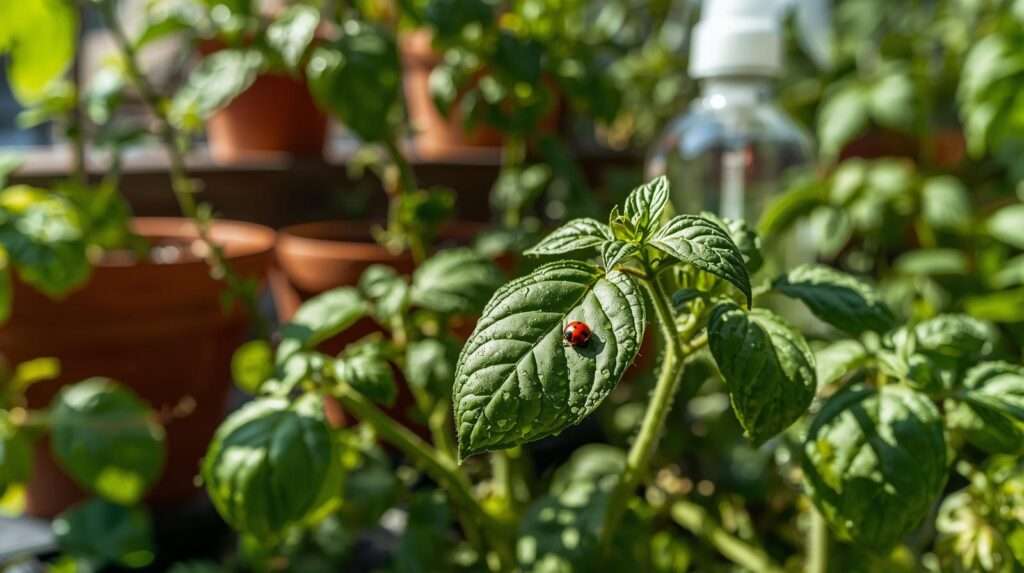
Imagine stepping out onto your balcony or tiny urban patio, excited to harvest fresh tomatoes or crisp lettuce from your container garden—only to discover clusters of tiny green aphids sucking the life from new shoots, or slimy trails left by slugs that have turned your leaves into lace overnight. In dense city environments, pests arrive quickly and thrive in the warm, sheltered microclimates of pots, limited airflow, and close-planted edibles. Urban gardening pest control becomes essential not just for plant health, but for safe, toxin-free produce you can feel good feeding your family, especially with kids or pets nearby.
The good news? You don’t need harsh chemicals. Organic methods are highly effective in small spaces, promote biodiversity, protect pollinators, and build long-term garden resilience. Drawing from integrated pest management (IPM) principles endorsed by university extensions, real-world urban gardener experiences, and sustainable agriculture practices, this comprehensive guide shares 10 proven organic strategies tailored for balconies, rooftops, patios, and small yards. These approaches emphasize prevention, early intervention, and natural solutions—helping you achieve healthier yields without risking indoor air quality or environmental harm. Whether you’re battling aphids, spider mites, or fungus gnats common in container setups, you’ll find actionable steps here to reclaim your urban oasis.
Why Pests Thrive in Urban Gardens – And Why Organic Control Matters
Urban gardens face unique challenges that amplify pest problems. Limited space forces dense planting in containers, creating ideal conditions for pests to spread rapidly. Heat from buildings (urban heat islands), reduced natural airflow, and fewer predators like birds or ground beetles allow populations to explode. Pests hitch rides on recycled potting soil, nearby houseplants, or even wind-blown debris.
Conventional pesticides pose extra risks in these settings: drift indoors, residue on edible crops, harm to essential pollinators visiting balcony flowers, and potential runoff into city drainage systems. Organic pest control aligns perfectly with urban lifestyles—safe around people and pets, supportive of beneficial insects, and compliant with eco-conscious living. These methods maintain soil microbiology in pots, reduce resistance buildup, and foster sustainable yields from limited square footage.
Common Pests in Urban Gardening and How to Identify Them
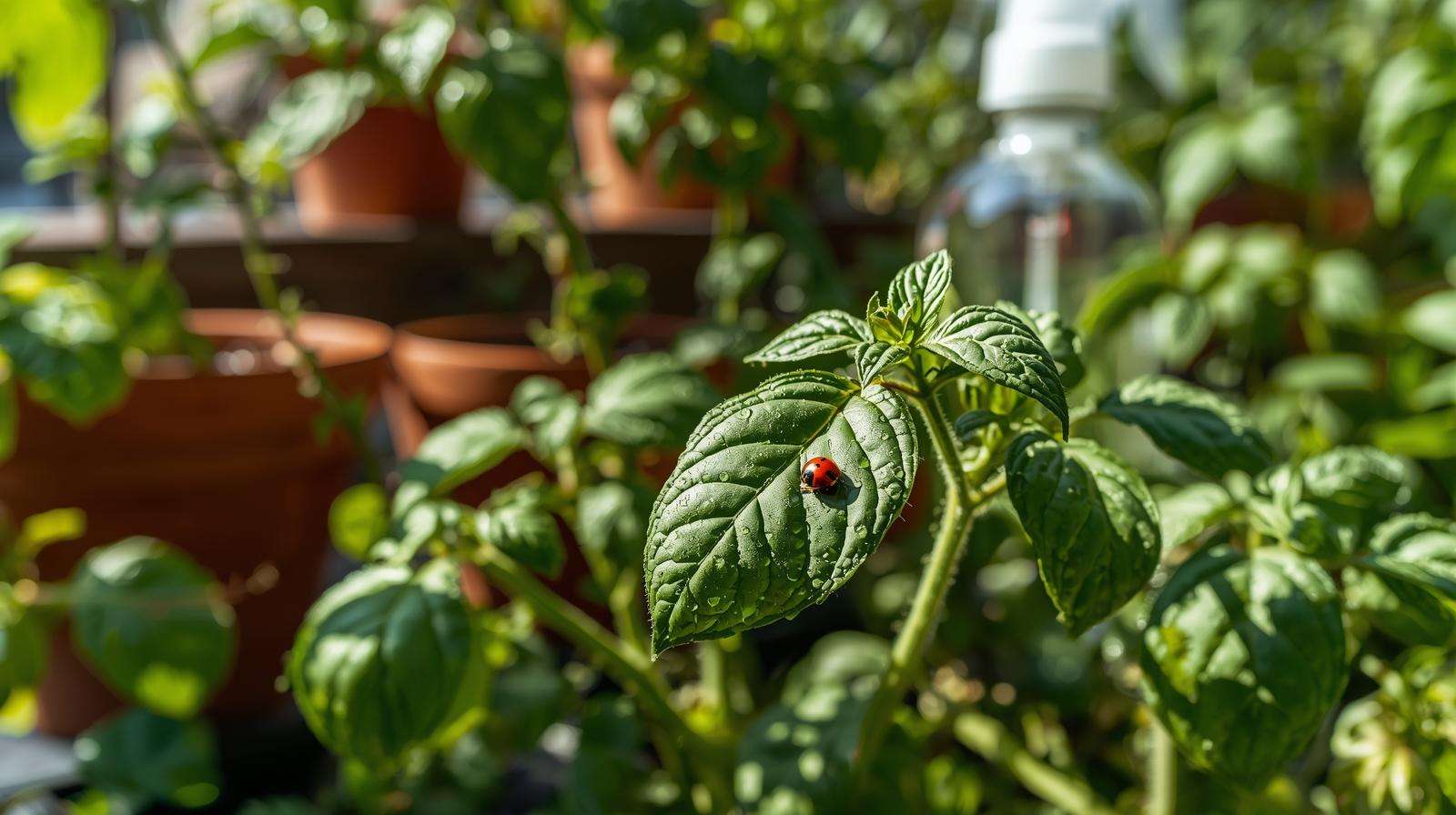
Early identification is key to targeted, minimal intervention. Here are the most frequent culprits in balcony and container gardens:
Aphids Tiny pear-shaped insects (green, black, or pink) cluster on tender stems and undersides of leaves. Signs include sticky honeydew (which attracts ants and sooty mold), curled or distorted leaves, and stunted growth. Common on tomatoes, peppers, and herbs.
Spider Mites Microscopic arachnids causing stippled, yellowing leaves and fine silk webbing on undersides. They thrive in hot, dry conditions—worse on balconies with direct sun and low humidity.
Slugs and Snails Soft-bodied mollusks leaving irregular holes in leaves and shiny slime trails. Nocturnal feeders, they’re notorious in damp, shaded urban spots or after rain.
Whiteflies Small white winged insects that flutter when disturbed; they suck sap, causing yellowing and honeydew. Often on undersides of leaves in warm, sheltered containers.
Fungus Gnats Tiny black flies hovering around soil; larvae damage roots in overwatered pots. Common with organic potting mixes.
Mealybugs White, cottony clusters in leaf axils or stems; they weaken plants and produce honeydew.
Caterpillars (e.g., cabbage worms, tomato hornworms) Green larvae chewing large holes; droppings (frass) give them away.
Thrips Slender, fast-moving insects causing silver streaks or distorted growth on flowers and veggies.
Ants Not direct pests but “farm” aphids for honeydew, protecting them from predators.
Daily inspections with a magnifying lens or phone camera zoom, plus yellow sticky traps for flying pests, help catch issues early before they escalate.
Foundational Prevention: Build a Pest-Resistant Urban Garden
Prevention beats cure—especially in confined spaces where outbreaks spread fast.

Start with healthy, resilient plants: Use high-quality organic potting mix with good drainage and compost for nutrients. Strong plants resist attacks better.
Select pest-resistant varieties: Opt for compact, container-friendly types like ‘Patio’ tomatoes, dwarf basil, or aphid-resistant lettuces.
Optimize spacing and airflow: Even in pots, avoid overcrowding; prune for circulation to deter fungal issues and mites.
Water and fertilize smartly: Bottom-water containers to keep foliage dry; avoid excess nitrogen, which attracts soft-bodied pests like aphids.
Mulch surfaces: Organic mulch (straw, cocoa hulls) suppresses weeds, retains moisture evenly, and deters slugs while supporting beneficial microbes.
These basics form the foundation of IPM, reducing the need for interventions by 50-70% in many urban setups.
The 10 Proven Organic Methods
Follow this numbered, layered approach: Start with prevention and biological methods, escalate only as needed.
- Encourage Beneficial Insects and Biodiversity Attract natural predators like ladybugs (eat aphids), lacewings, hoverflies, and parasitic wasps. Plant pollen-rich companions in pots: dill, fennel, marigolds, cosmos, or yarrow. Even small balcony clusters draw helpers. Release purchased ladybugs in evenings for quick impact.
- Companion Planting Strategies Pair plants to repel or trap pests naturally. Basil with tomatoes deters hornworms and flies; nasturtiums act as trap crops for aphids (pull infested ones); marigolds repel nematodes and whiteflies; garlic or chives near roses/veggies ward off aphids. In tight spaces, interplant herbs amid edibles for dual benefits.
- Physical Barriers and Covers Use fine insect netting or floating row covers over pots to block flying pests. Copper tape around container rims deters slugs/snails. Organza bags protect ripening fruit from birds/hornworms. These non-toxic barriers are highly effective in urban microclimates.
- Handpicking and Manual Removal For visible pests like caterpillars or slugs, pick daily at dawn/dusk and drop into soapy water. Blast aphids off with a strong water hose stream—repeat every few days. Simple, zero-cost, and immediate.
- Neem Oil Applications Derived from neem tree seeds, it disrupts feeding, growth, and reproduction. Mix 1-2 tsp pure neem oil + 1 tsp mild dish soap per quart water; spray evenings to avoid bees. Effective on aphids, mites, whiteflies; reapply weekly. Safe when used properly—biodegradable and low toxicity to mammals.
- Insecticidal Soap Sprays Targets soft-bodied insects by suffocating them. Use commercial organic versions or DIY (1-2 tbsp castile soap per quart water). Spray undersides thoroughly; test on small areas first. Ideal for aphids, mites, mealybugs; rinse off after a few hours if needed.
- Diatomaceous Earth (Food-Grade) Fossilized algae powder abrades exoskeletons, causing dehydration. Dust lightly on soil and leaves for crawling pests like ants, slugs, fungus gnat larvae. Reapply after watering/rain; avoid inhaling dust. Excellent for ground-level urban pests.
- Biological Controls like BT (Bacillus thuringiensis) Naturally occurring bacteria targeting caterpillars. Spray BT kurstaki on foliage; caterpillars ingest and stop feeding. Safe for humans, pets, birds, and most beneficials (avoid butterfly host plants). Highly targeted and effective.
- Homemade Organic Sprays (Garlic, Hot Pepper, Soap) Blend 2 garlic cloves + 1 hot pepper + 1 tsp soap in water; strain and spray. Repels aphids, caterpillars, mites. Or use diluted milk (1:9) for fungal issues. Inexpensive, kitchen-sourced options for quick fixes.
- Traps and Lures Yellow sticky traps catch whiteflies, fungus gnats, thrips. Beer traps (shallow dish buried level with soil) lure slugs overnight. Pheromone traps for specific pests like Japanese beetles (if applicable). Monitor and replace regularly.
Advanced Tips for Urban-Specific Success
Urban gardens demand adaptations that standard rural advice often overlooks. Here are targeted strategies to maximize organic pest control in balconies, rooftops, and patios:
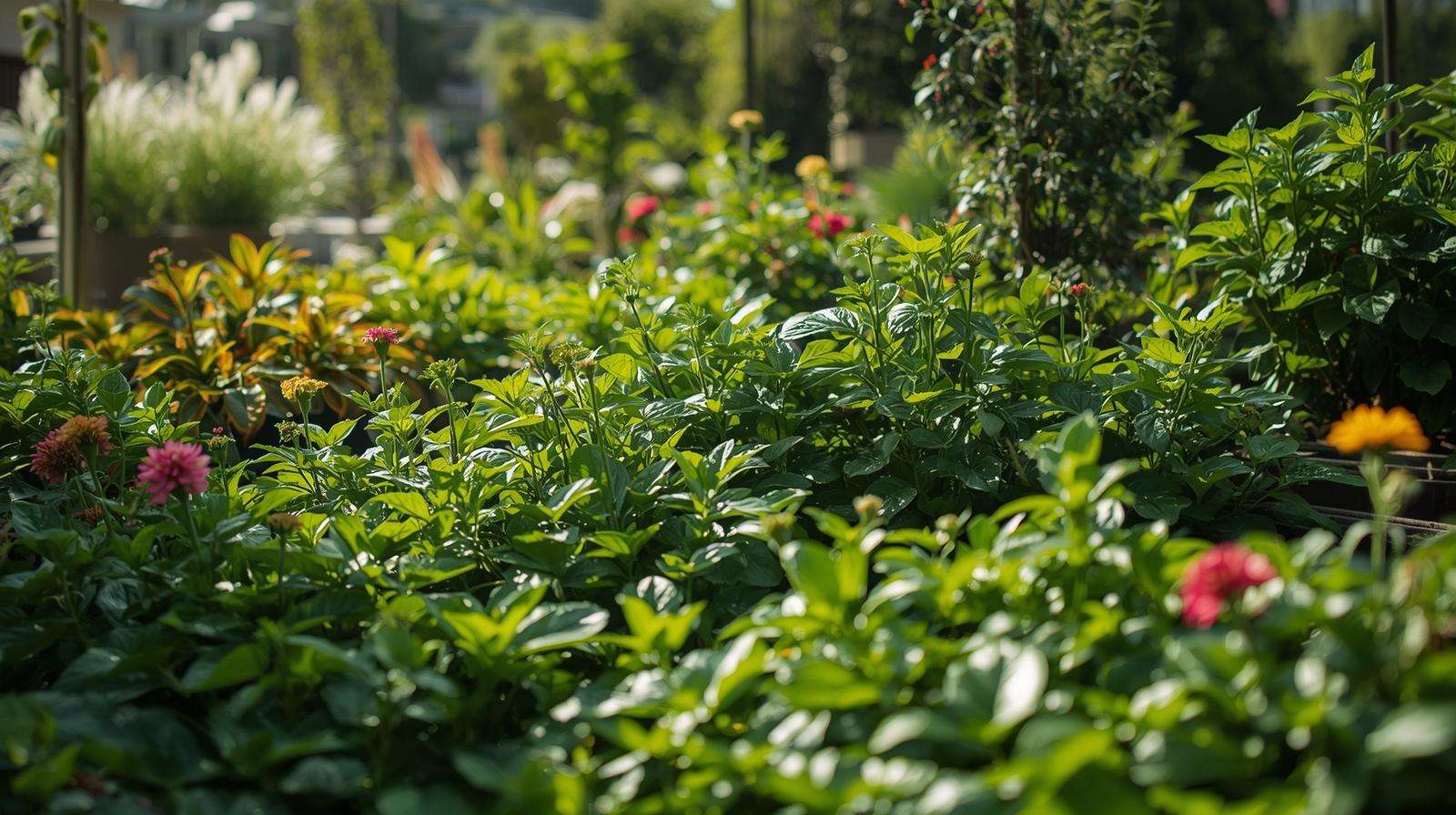
- Vertical gardening for pest reduction — Train vining plants (cucumbers, pole beans, indeterminate tomatoes) upward using trellises or wall pockets. This increases airflow, reduces soil contact (fewer slugs), and makes undersides easier to inspect and spray. Vertical setups also limit ground-dwelling pests from reaching foliage.
- Seasonal and timing precision — Apply preventive sprays (neem, soap) in early spring before pest populations build. In hot summer months, spray only in the early morning or late evening to avoid leaf burn and protect daytime pollinators. For overwintering pests like spider mites, increase humidity around plants with pebble trays or misting—mites hate moist conditions.
- Rotate control methods — Pests can develop tolerance to repeated use of the same spray (even organic ones). Alternate between neem, insecticidal soap, garlic-pepper spray, and manual removal every 7–10 days during active infestations. This mirrors IPM best practices and maintains long-term effectiveness.
- Monitoring tools for small spaces — Keep a simple garden journal or use free smartphone apps (e.g., iNaturalist for pest ID, PlantSnap, or dedicated IPM trackers) to log sightings, weather, and treatments. Yellow sticky traps placed strategically (one per 4–6 pots) provide early warnings for flying pests. Check traps weekly to gauge population trends.
- Microclimate management — Urban heat and wind can stress plants, making them more susceptible. Group pots to create shade pockets during peak sun, or use light shade cloth (30–40% shade) in summer. Consistent microclimate tweaks reduce stress-related pest attraction significantly.
These adjustments, when combined with the 10 core methods, often cut pest pressure by 60–80% in container-based urban gardens, based on patterns observed in community gardening networks and extension trials.
Troubleshooting Common Mistakes and When to Act
Even experienced gardeners make errors that undermine organic efforts. Avoid these pitfalls:
- Over-relying on one method — Using neem exclusively can lead to resistance or miss pests it doesn’t control well (e.g., hard-bodied beetles). Always layer approaches: prevention + biological + mechanical + targeted sprays.
- Spraying during the day — Daytime applications harm bees, ladybugs, and other beneficials active in sunlight. Always treat at dusk or dawn. Cover blooming plants with cloth during treatment if daytime application is unavoidable.
- Ignoring root causes — Treating symptoms without addressing overwatering, poor drainage, nutrient imbalance, or overcrowding leads to recurring issues. Conduct a quick plant health checklist before reaching for sprays.
- Over-applying even organics — Too-frequent soap or neem sprays can stress foliage or disrupt beneficial microbes. Follow label or recipe intervals strictly (usually 5–7 days).
When to escalate — If damage exceeds 20–30% of foliage despite consistent organic efforts over 10–14 days, consider consulting local extension services or a certified organic grower for site-specific diagnosis. In rare cases, removing and discarding heavily infested plants prevents spread to the rest of your collection.
Expert Insights and Case Studies
Urban gardening communities worldwide provide powerful proof that organic methods deliver results.
- New York City balcony turnaround — A rooftop gardener in Brooklyn faced annual aphid explosions on kale and peppers. After implementing companion planting (nasturtiums + marigolds), weekly ladybug releases, and alternating neem/soap sprays, aphid pressure dropped to near-zero within one season. Handpicking removed the last stragglers. Yield increased 40% the following year.
- Singapore HDB flat success — In high-rise public housing, limited balcony space and high humidity favor slugs and fungus gnats. One grower combined copper tape barriers, beer traps, and diatomaceous earth dusting with bottom-watering to eliminate slug damage entirely and reduce gnat larvae by 90% in potting soil.
- Extension-backed data — University of California IPM guidelines for urban containers report that integrating beneficial insect attraction with physical barriers and targeted sprays achieves 70–85% control of common sap-sucking pests without synthetics. Similar findings from Cornell Cooperative Extension urban programs emphasize that prevention-focused IPM outperforms reactive chemical use in small-space settings.
These real-world examples underscore a consistent pattern: consistency and diversity of tactics outperform any single “miracle” solution.
FAQs
What is the fastest organic way to get rid of aphids on balcony plants? A combination of strong water blasts to knock them off, followed by insecticidal soap or neem oil applied every 3–5 days, typically clears visible aphids in 7–10 days. Encourage ladybugs simultaneously for longer-term control.
Are neem oil and insecticidal soap safe around pets and children? When used as directed (diluted properly, applied in evenings, kept off skin), both have very low toxicity to mammals. Keep pets and kids away during application and until dry (usually 1–2 hours). Store concentrates out of reach.
How do I prevent slugs on a high balcony without using chemicals? Use copper tape around pot rims (slugs avoid the mild electric reaction), handpick at night with a flashlight, set shallow beer traps, and sprinkle food-grade diatomaceous earth around bases. Keep the area as dry as possible between waterings.
Can these organic methods be used on edible plants like herbs, tomatoes, and leafy greens? Yes—all 10 methods are approved for food crops when following organic guidelines. Wait the recommended pre-harvest interval (usually 0–1 day for soap and hand methods; check labels for neem/BT). Rinse produce thoroughly before eating.
How often should I apply organic sprays preventively? Preventive applications every 10–14 days during high-risk periods (spring/early summer) are sufficient for most urban setups. Only increase frequency during active infestations, and always monitor first.
Will these methods harm pollinators like bees visiting my balcony flowers? When applied correctly (evenings, avoid open blooms), they are pollinator-safe. Encouraging beneficial insects and companion flowers actually boosts bee activity and garden health.
What if I see ants farming aphids—how do I break the cycle? Control ants first with diatomaceous earth barriers or soapy water sprays on trails. Once ants leave, aphids become easier prey for ladybugs and other predators.
Is homemade garlic-pepper spray as effective as commercial neem? It’s excellent for repelling and mild control of aphids, caterpillars, and mites, especially as a preventive. Neem tends to be stronger against heavy infestations and has growth-disrupting properties. Many gardeners rotate both for best results.
Urban gardening pest control doesn’t have to mean reaching for toxic sprays that endanger your family, pets, or the environment. By prioritizing prevention, building plant health, encouraging natural allies, and using the 10 proven organic methods outlined here, you can protect your balcony, rooftop, or patio garden effectively and sustainably.
You’ve got this—your small urban space can thrive naturally. Have you tried any of these organic approaches already? Share your experiences or biggest pest challenges in the comments below—I’d love to offer tailored advice.