In hot-climate regions like parts of South Asia, the southern United States, or tropical zones worldwide, summer temperatures regularly climb above 95°F (35°C), turning chicken coops into potential death traps for flocks. Heat stress strikes fast: birds pant heavily, stop eating, drop egg production by up to 50%, suffer from poor shell quality, reduced weight gain in broilers, and—in severe cases—face sudden mortality. For small-to-medium sustainable farms and homesteads integrating poultry with crop systems, these losses hit hard, disrupting income from eggs/meat, wasting feed, and undermining animal welfare goals.
Keep chicken coop cool in summer isn’t just a backyard tip—it’s essential for resilient, productive agriculture in warming climates. Chickens lack sweat glands and rely on panting and evaporation for cooling, but above ~85°F (29°C) with high humidity, these mechanisms fail quickly. Their normal body temperature hovers at 104–107°F (40–42°C), so ambient heat quickly overwhelms them.
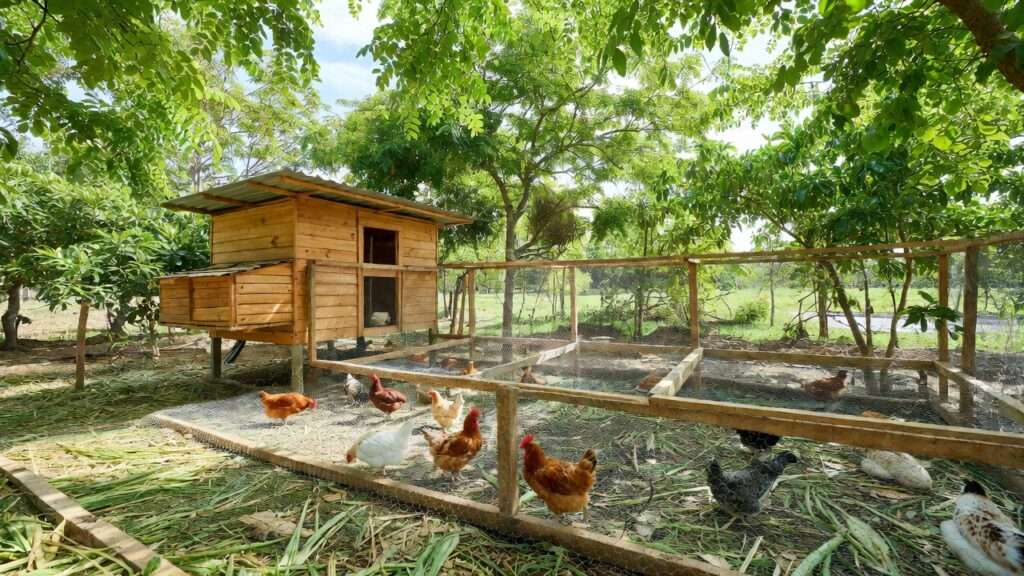
As an agricultural expert with over 15 years consulting on tropical and subtropical poultry systems (including integrated farming in hot, humid areas), I’ve seen firsthand how sustainable, low-input strategies—rooted in natural ventilation, shade from agroforestry, water management, and nutritional tweaks—can maintain flock health and output even during brutal heat waves. These methods go beyond temporary fixes: they tie poultry care into broader farm practices like crop rotation borders for shade, mulch from residues for ground cooling, and rainwater harvesting for misters.
In this comprehensive guide, we’ll cover science-backed, practical ways to prevent heat stress, boost resilience, and align poultry with sustainable agriculture. You’ll learn site planning, passive design upgrades, hydration/nutrition protocols, DIY hacks, and long-term integration tactics—far more depth than typical listicles. By implementing these, many farms I’ve advised have kept production drops under 10–15% instead of 40–50%, while cutting energy costs and enhancing biodiversity.
Let’s dive in and protect your flock this summer—and build systems that last through changing climates.
Understanding Heat Stress in Chickens: Why It Matters on Farms
Heat stress occurs when environmental temperature and humidity exceed a bird’s ability to dissipate heat. Chickens are particularly vulnerable because they don’t sweat; they pant to evaporate moisture from respiratory tracts and spread wings to increase surface area for convective cooling. But panting becomes inefficient above 85–90°F (29–32°C), especially with humidity over 60–70%, leading to respiratory alkalosis (from CO2 loss) and metabolic strain.
Key physiological impacts include:
- Reduced feed intake (birds eat less to lower internal heat from digestion).
- Shifted energy from growth/egg production to survival.
- Weakened immune function, increasing disease risk.
- In layers: thinner shells, lower volume, pale yolks.
- In broilers/meat birds: slower gains, poorer feed conversion.
On sustainable farms, these effects compound. Heat-stressed flocks mean lower revenue from eggs/meat, higher feed waste, potential antibiotic use (contrary to organic goals), and welfare concerns that affect certifications or direct sales. Climate variability makes this worse—sudden spikes or prolonged waves hit harder than gradual changes.
University extensions like Penn State and Arizona Cooperative Extension emphasize that proactive management (ventilation, shade, cool water) prevents most issues. Studies show evaporative cooling and airflow can drop effective temperatures 10–20°F, while nutritional support (vitamins C/E, electrolytes) mitigates oxidative damage.
For integrated farms, linking coop cooling to crop systems—e.g., planting shade trees that double as fodder or windbreaks—creates synergy: trees cool birds, birds fertilize soil, residues mulch runs.
Signs Your Flock Is Suffering – Early Warning Checklist
Spotting heat stress early saves lives. Monitor daily, especially mid-morning to late afternoon.
Mild/early signs:
- Light panting with beak open.
- Wings slightly away from body.
- Reduced activity, more sitting/shading.
- Increased drinking, less eating/foraging.
Moderate signs:
- Heavy, rapid panting.
- Wings fully spread/drooped.
- Lethargy, reluctance to move.
- Pale combs/wattles (from poor circulation).
- Diarrhea or watery droppings.
Severe/danger signs (act immediately!)**:
- Extreme panting, gasping.
- Staggering, disorientation, collapse.
- Unconsciousness or seizures.
- Very pale or bluish combs.
Quick checklist for daily rounds:
- Observe from afar first—note panting or wing spread.
- Check combs/wattles color and hydration (pinch skin on back; should snap back quickly).
- Monitor water intake (should double/triple in heat).
- Count eggs/production drops.
- Listen for labored breathing.
If severe signs appear, isolate affected birds in a cool, shaded, ventilated spot; dip feet/wings in cool (not ice-cold) water; offer electrolytes; and call a vet if no improvement in 30–60 minutes. Prevention beats treatment—use the strategies below to stay ahead.
Site Selection and Long-Term Farm Integration
The best cooling starts before building or relocating the coop.
Choose high, well-drained sites with good airflow—avoid low spots where heat/humidity pools. Face openings toward prevailing winds (often south/southwest in many regions) for natural cross-breeze.
Sustainable integration tips:
- Plant fast-growing shade trees (e.g., moringa, leucaena, willow, poplar) 10–20 feet from coop/run edges. These provide dappled shade, reduce ground heat reflection, and offer fodder/leaves chickens love. In agroforestry systems, trees in rotation borders or silvopasture zones supply mulch (from prunings) to cool soil in runs.
- Use crop rotation strips nearby—tall sunflowers, corn, or legumes cast seasonal shade and provide windbreaks without blocking airflow.
- Position coops near existing tree lines or plant vine-covered trellises (e.g., passionfruit, grapes) for living shade structures.
- Avoid overcrowding runs; rotational paddocks with mobile tractors let birds access fresh, shaded forage while preventing bare, hot dirt.
Real farms using silvopoultry (trees + poultry) report happier, more ranging birds, lower stress, and dual benefits: manure enriches tree crops, trees buffer heat.
Optimizing Coop Design for Passive Cooling
Poor design traps heat—focus on passive, low-energy features.
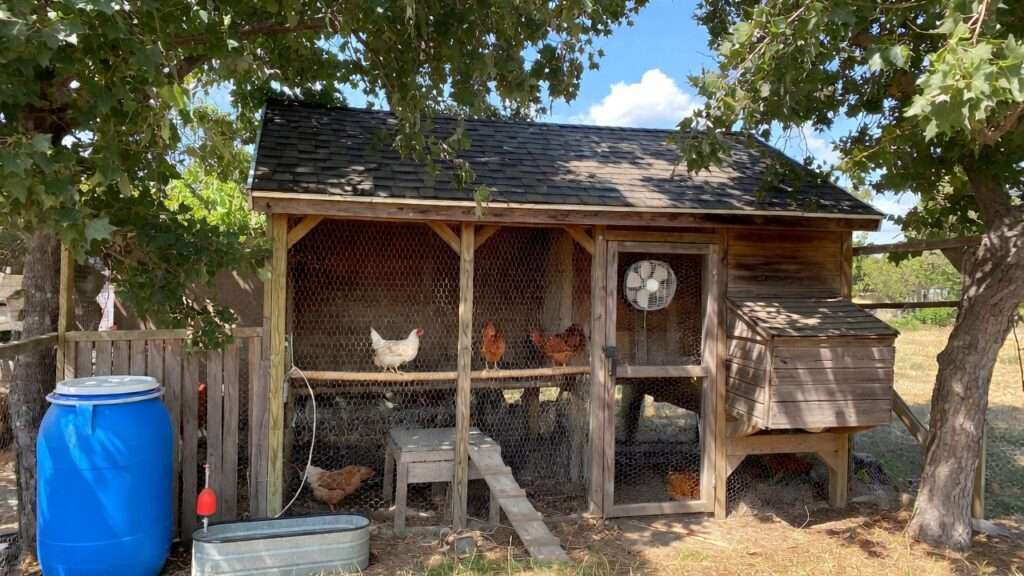
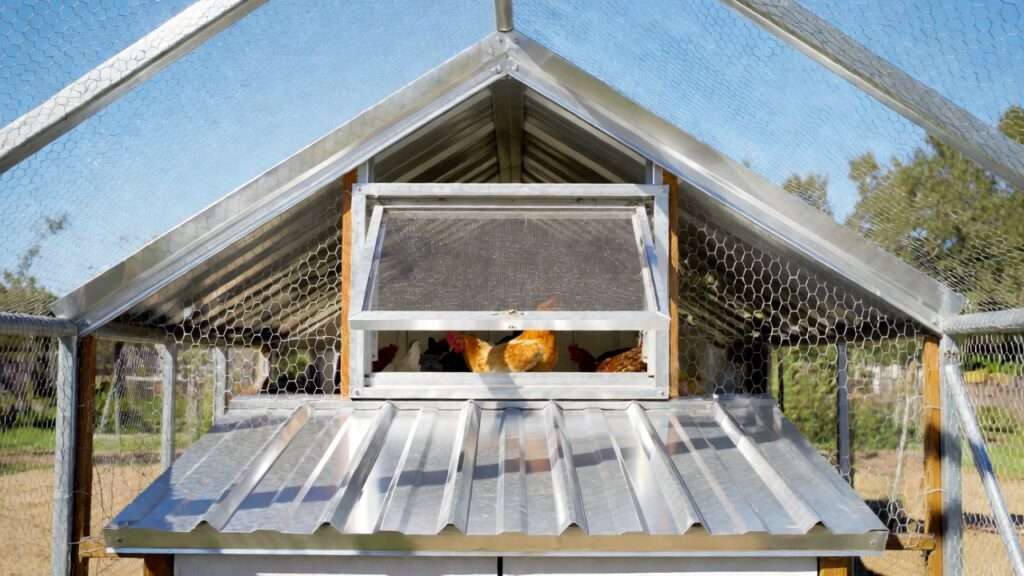
Ventilation Essentials Cross-ventilation is king: install large, screened windows/vents on opposite walls for airflow. Add ridge vents or cupolas to exhaust hot air (hot air rises). Keep at least 1 sq ft of vent per bird, more in heat. Wire mesh sides allow breeze while deterring predators. Avoid blocking with deep litter in summer—use thin layers or sand for better airflow.
Roofing and Insulation Choices Use light-colored metal roofs (reflects sun) with radiant barriers underneath. Green/living roofs with low-water plants (e.g., sedums) or crop vines add insulation and cooling via evapotranspiration. Insulate walls if needed, but prioritize breathability over sealed designs.
Materials for Hot Climates Elevate coops 1–2 feet for under-floor airflow. Use breathable walls (hardware cloth over wood). Solar-powered fans as backup for still days—position to pull air through, not blow directly on birds.
These upgrades cost little long-term and align with sustainable building.
Providing Natural and Low-Cost Shade Solutions
Shade reduces solar load dramatically.
- Temporary: 70–90% shade cloth over runs (UV-resistant, breathable).
- Permanent: Agroforestry—plant fruit/nut trees (apple, pear, mulberry) or nitrogen-fixers around perimeters. Fast-growers like moringa establish in 1–2 years.
- Ground cover: Maintain grass or mulch runs with crop residues (straw, leaves) to cut reflected heat (Penn State recommends grass to reduce solar reflection).
- Mobile setups: Chicken tractors moved to shaded crop borders daily.
Birds under trees range more, forage better, and stay calmer.
Advanced Ventilation and Airflow Techniques
Beyond basics:
- Natural: Stack effect (low inlets, high outlets).
- Mechanical: Solar circulation fans or low-watt exhaust.
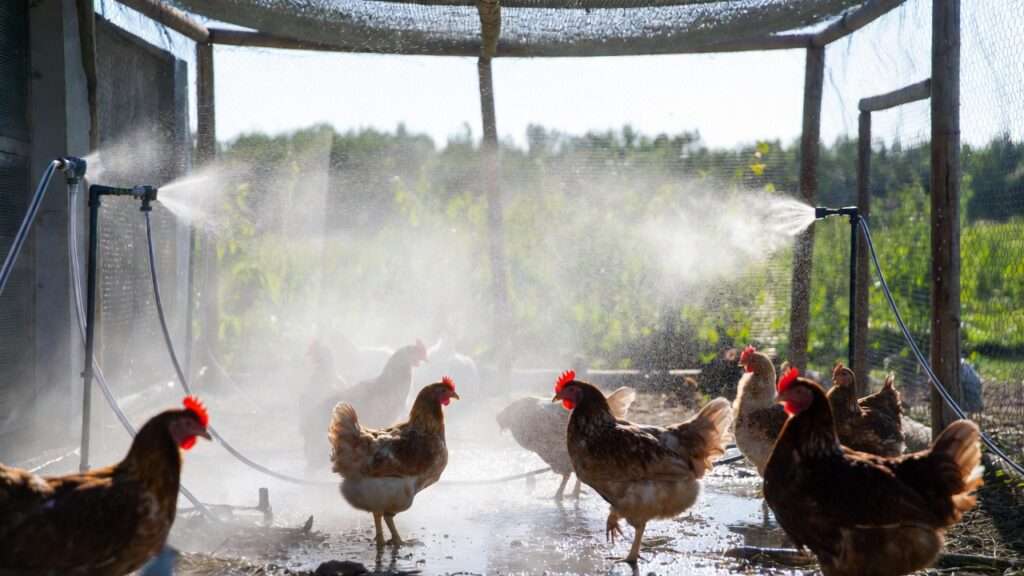
- Evaporative: Misters/foggers using harvested rainwater (effective in dry heat; less so humid). Shallow pans for wading.
- Night cooling: Open coops at night for cooler air flush.
Hydration and Nutrition Strategies to Beat the Heat
Hydration is the single most critical factor in helping chickens survive and perform during summer heat. A bird can lose 10% of its body weight in water within hours under severe stress, and dehydration accelerates every other symptom.
Cool, Fresh Water Management
- Provide at least 2–3 times the normal water volume per bird during heat waves (a 5–6 lb laying hen normally drinks ~0.5 pints/day; in heat, expect 1–1.5 pints or more).
- Use multiple watering stations (one per 8–10 birds) placed in shaded areas to prevent fighting and ensure access.
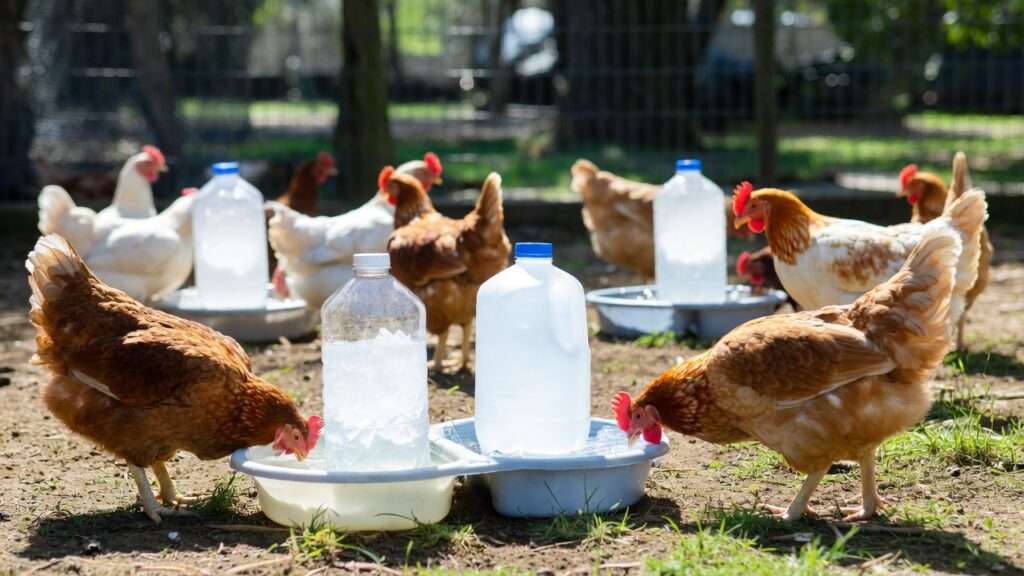
- Keep water cool: Bury containers partially in the ground, wrap with wet burlap, place in insulated coolers with ice packs (not directly on ice—too cold shocks the system), or float frozen 2-liter bottles/jugs that birds peck at as they melt.
- Add electrolytes and vitamins: Use poultry-specific electrolyte solutions (commercial brands or homemade: 1 tsp salt + 1 tsp baking soda + 1 tbsp sugar per gallon of water for short-term use—limit to 3–5 days to avoid imbalance). Add vitamin C (200–500 mg/gallon) and vitamin E/selenium supplements, as research shows these reduce oxidative stress and improve heat tolerance.
- Clean daily: Algae and bacteria grow fast in warm water—scrub stations and refresh frequently.
Feeding Adjustments
- Shift feeding to early morning and late evening when temperatures are lowest—birds eat less during peak heat anyway.
- Offer high-quality, nutrient-dense feed so they get maximum nutrition from smaller intakes. Reduce protein slightly in layers (16–17% instead of 18%) to lower metabolic heat from digestion, but never drop below requirements.
- Supplement with cooling herbs and produce: Grow or offer mint, basil, cilantro, oregano (antioxidant and respiratory support), watermelon rinds, cucumber slices, frozen berries, or chopped kale. These provide hydration and enrichment.
- Farm tie-in: Use excess or “seconds” from crop rotation (e.g., overgrown greens, cull vegetables) as supplemental feed—chickens convert them efficiently while staying cooler than on dry grain alone.
Nutritional studies (e.g., from the Journal of Poultry Science) confirm that ascorbic acid (vitamin C) and electrolytes significantly lower mortality and maintain egg production under heat stress.
Quick-Fix and DIY Cooling Hacks That Work
These low-cost, immediate solutions bridge the gap while you implement longer-term changes.
- Frozen Treats & Bottles: Fill plastic bottles or milk jugs with water, freeze overnight, and place 2–3 in the coop/run each morning. Birds peck and lie against them. Replace as they thaw.
- Misting Systems: Set up low-pressure misters (garden hose attachments) on timers for 1–2 minutes every 30–60 minutes during peak heat. Use rainwater barrels for sustainability. Effective in dry heat; avoid overuse in high humidity to prevent wet litter issues.
- Shallow Dust Baths with Cool Soil: Dig shallow pits in shaded runs and fill with a mix of soil, sand, and wood ash. Moisten slightly in the morning—birds dust bathe and cool off simultaneously.
- Reflective Barriers & Roof Sprinklers: Attach aluminum foil or white-painted boards to the south/west sides to deflect sun. Lightly sprinkle roof with a hose midday (uses little water, evaporative cooling drops interior temp 5–10°F).
- Ice Blocks with Herbs: Freeze trays of water mixed with chopped mint or garlic—place in feeders for licking/pecking.
These hacks are favorites among small-farm operators in hot regions because they’re cheap, use on-farm resources, and deliver fast relief.
Monitoring, Maintenance, and Seasonal Prep
Prevention requires routine.
Daily Monitoring
- Morning walk: Check water levels, signs of stress, egg output.
- Midday: Verify shade coverage, airflow, bird behavior.
- Evening: Ensure birds are calm and drinking before roosting.
Pre-Summer Coop Audit (April–May in Northern Hemisphere)
- Clean vents, replace shade cloth if worn.
- Plant or prune shade trees/vines.
- Stock electrolytes, freeze bottle supply.
- Test misting/fan systems.
Record-Keeping Track daily high/low temps, egg numbers, mortality (if any), and interventions. Patterns reveal what works best on your specific farm microclimate.
Common Mistakes to Avoid in Hot-Climate Poultry Management
- Overcrowding coops/runs—heat builds faster with more bodies.
- Relying only on fans without passive ventilation—power outages kill.
- Ignoring early panting—waiting for collapse is too late.
- Using dark-colored roofing or tarps—absorbs heat like an oven.
- Feeding exclusively in the heat of day—wasted feed and digestive heat.
- Poor water hygiene—warm, dirty water spreads disease faster in heat.
Case Studies and Real Farm Examples
Case 1: Small Tropical Homestead in Bangladesh (Barisal-like climate) A 200-layer farm integrated moringa and banana trees around mobile coops. Added ridge vents, shade cloth, and frozen bottle stations. Result: Egg drop stayed at 8–12% during 38–40°C waves (vs. neighbor’s 45% drop). Moringa leaves supplemented feed, cutting costs.
Case 2: Regenerative Farm in Southern U.S. Used silvopasture—pecan trees over rotational paddocks with chicken tractors. Rainwater misters and electrolyte water. Production held 85–90% of normal through 100°F+ spells. Manure enriched orchard soil.
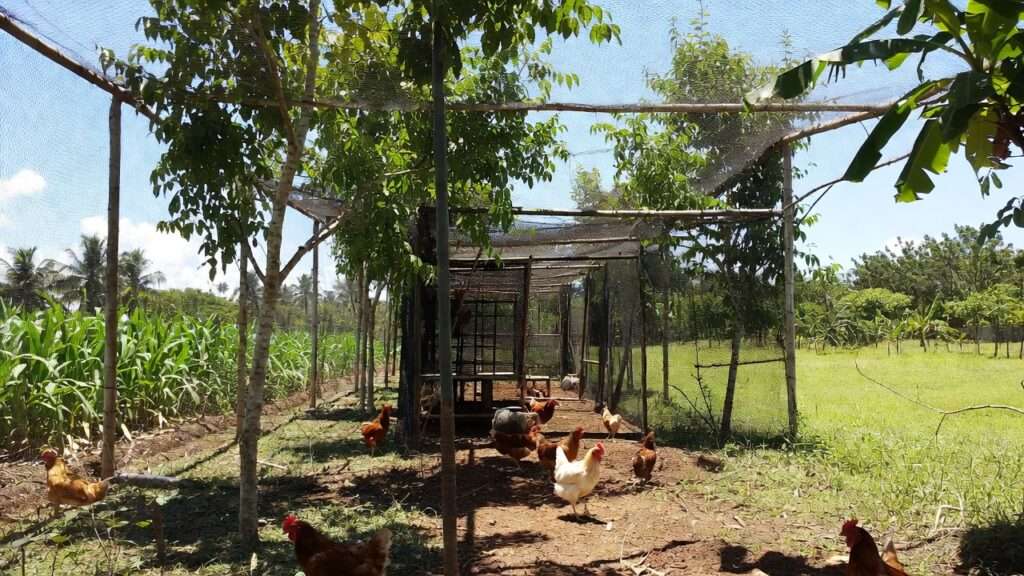
Case 3: Medium-Scale Layer Operation in India Switched to white metal roofing, cross-ventilation, and crop-residue mulching in runs. Vitamin C + electrolytes in water. Mortality fell from 5–7% to <1% in summer.
These examples show sustainable integration outperforms conventional methods in cost, resilience, and welfare.
FAQs: Keep Chicken Coop Cool in Summer
How hot is too hot for chickens? Above 85–90°F (29–32°C) with humidity, heat stress begins. Above 95–100°F (35–38°C), mortality risk rises quickly without intervention.
Can I use fans without electricity? Yes—solar-powered circulation fans work well. Position to pull hot air out, not blow directly on birds (can dry respiratory tracts).
What chicken breeds handle heat best? Mediterranean breeds (Leghorns, Andalusians, Minorcas) and some hybrids (Rhode Island Red crosses) tolerate heat better due to larger combs and lighter feathering.
Is air conditioning necessary for coops? Rarely. Passive ventilation, shade, and evaporative methods usually suffice on sustainable farms—AC is expensive and energy-intensive.
How do I keep water cool without buying special equipment? Bury buckets halfway, wrap with wet towels, add frozen bottles, or place in shaded pits.
Can heat stress affect egg quality permanently? Short-term heat reduces shell thickness and volume, but birds usually recover fully within 2–4 weeks once cooled.
Does overcrowding make heat worse? Yes—more birds = more body heat and CO₂. Aim for 2–4 sq ft per bird in coop, 8–10 sq ft in run.
Are frozen treats safe for chickens? Yes, in moderation—watermelon, berries, frozen veggies. Avoid too much sugar or dairy.
Conclusion
Keeping a chicken coop cool in summer on a hot-climate farm doesn’t require expensive technology—it requires thoughtful, sustainable design and management. By combining site selection with natural shade from trees and crops, excellent passive ventilation, smart hydration and nutrition, and quick DIY relief methods, you can protect your flock, maintain productivity, and build long-term resilience against rising temperatures.
Start small: Pick 2–3 strategies this season (shade trees, frozen bottles, electrolyte water) and monitor results. Over time, integrate poultry fully into your farm’s ecosystem—crop rotation borders become living shade, manure feeds the soil, and your birds thrive even in brutal heat.