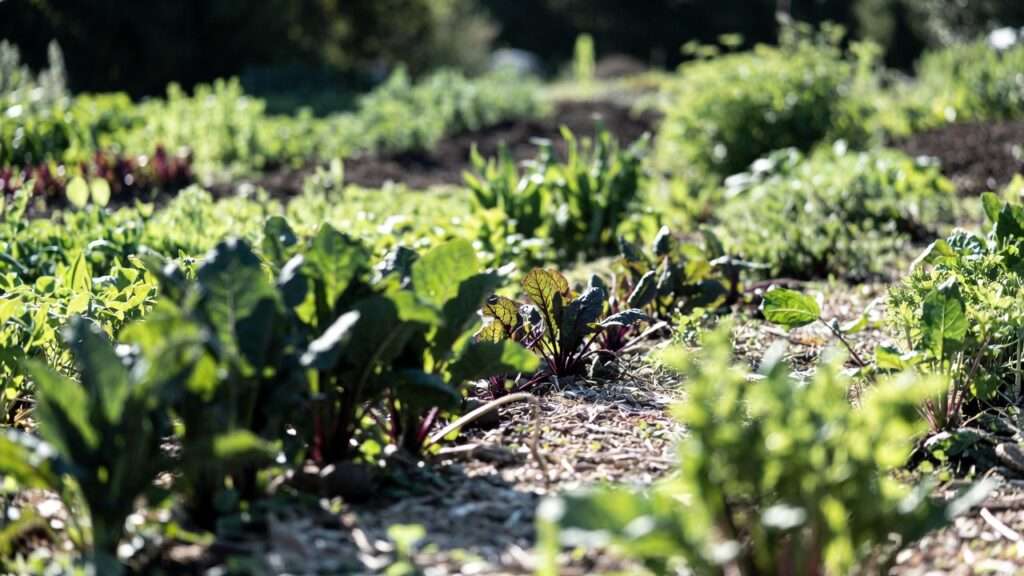
Imagine stepping into your garden on a crisp December morning, brushing aside a light dusting of snow or frost, and harvesting vibrant kale, sweet carrots, and tender spinach straight from the soil—while most neighbors’ gardens sit barren. This isn’t a fantasy; it’s the reality of a well-planned fall and winter vegetable garden. By extending your growing season into the cooler months, you can enjoy fresh, homegrown produce rich in nutrients, reduce grocery bills, and experience the satisfaction of year-round gardening.
Many gardeners stop planting after summer, intimidated by shorter days, dropping temperatures, and the threat of frost. Common challenges include figuring out the right timing, selecting crops that won’t bolt or freeze, and protecting plants from cold snaps. This comprehensive guide solves those problems head-on. Drawing from university extension research, seasoned horticultural practices, and real-world experience, we’ll cover everything you need for success: understanding your climate, choosing the best cold-hardy vegetables, precise planting schedules, effective frost protection techniques, ongoing maintenance, and troubleshooting tips.
Whether you’re in USDA Zone 5 with harsh winters or Zone 9 with milder conditions, these strategies will help you build a productive fall and winter vegetable garden. Let’s turn your off-season into a bounty of flavorful, nutrient-dense harvests.
Why Grow a Fall and Winter Vegetable Garden?
Extending your garden into fall and winter offers advantages that surpass spring and summer growing. Cooler temperatures slow bolting in leafy greens, reduce pest pressure (many insects hibernate or slow down), and allow soil to retain moisture more effectively with less evaporation. Root crops like carrots and parsnips actually become sweeter after light frosts, as cold converts starches to sugars—a natural process that enhances flavor.
Nutritionally, cold-stressed plants often pack more vitamins; for example, kale and Brussels sprouts develop higher levels of antioxidants and vitamin C in response to chill. Economically, harvesting through winter cuts reliance on store-bought produce, which can be pricey and less fresh during off-seasons. Environmentally, it promotes sustainability by maximizing your garden space and supporting local food security.
From my experience advising home gardeners and drawing on resources like university extensions (e.g., Oregon State, SDSU, and others), fall/winter gardens thrive because they leverage nature’s cycles: fewer weeds, reduced watering needs, and crops that taste better when stressed by cold. The result? Healthier eating, lower costs, and a rewarding connection to your food source year-round.
Understanding Your Climate and Timing: The Key to Success
Success in a fall and winter vegetable garden hinges on timing—plant too early, and summer heat stresses seedlings; too late, and crops won’t mature before hard freezes. Start by determining your average first fall frost date (use tools like the Old Farmer’s Almanac or USDA Plant Hardiness Zone Map by entering your ZIP code). This date is your backward-planning anchor.
Calculate planting windows using “days to maturity” from seed packets or catalogs, subtracting from your frost date with a 2–4 week buffer for slower cold-season growth. For example, if your first frost is October 15 and a crop takes 60 days, plant by mid-August.
Account for your USDA hardiness zone:
- Zones 3–5: Focus on very hardy crops with heavy protection; short seasons limit options.
- Zones 6–7: Good for many cold-hardy varieties; row covers extend harvests.
- Zones 8–10: Mild winters allow overwintering and broader crop choices.
Microclimates matter too—south-facing spots, windbreaks, or urban heat islands can add weeks of protection. Soil temperature is crucial; most cool-season seeds germinate best at 40–70°F.
Quick Reference Table: Sample First Frost Dates and Planting Windows (Adjust for Your Zone)
- Zone 5 (e.g., northern U.S.): First frost ~Sept 20–Oct 10 → Start brassicas July–early Aug, greens Aug–Sept.
- Zone 7 (e.g., mid-Atlantic): First frost ~Oct 15–Nov 15 → Brassicas Aug, roots/greens Sept.
- Zone 9 (e.g., southern U.S.): First frost rare → Plant through fall for winter harvest.
Use regional planting calendars from extension services for precision. Track weather forecasts closely in fall—early cold snaps can be mitigated with preparation.
Best Cold-Hardy Vegetables for Fall and Winter
The cornerstone of a thriving fall and winter vegetable garden is selecting varieties bred or proven for cold tolerance. Categorize by hardiness:
- Very hardy (survive 20°F/-7°C or lower, often to teens or single digits with mulch): Kale, collards, Brussels sprouts, leeks, parsnips, spinach (savoy types), garlic (planted fall for spring).
- Hardy (25–28°F): Broccoli, cabbage, carrots, beets, turnips, Swiss chard, mustard greens.
- Semi-hardy (light frost only, 28–32°F): Lettuce, arugula, radishes, kohlrabi.
Here are top recommendations with details:
Leafy Greens (H3)
These thrive in cool weather and provide continuous harvests via “cut-and-come-again.”
- Kale: Lacinato (Dinosaur), Winterbor, Red Russian—survives to 0°F with protection; sweeter after frost.
- Spinach: Winter Bloomsdale, Tyee—savoy-leaved types best; germinates in cold soil.
- Swiss Chard: Fordhook Giant, Bright Lights—handles freezes well.
- Collards: Georgia Southern, Blue Max—extremely hardy.
- Arugula and Mustard Greens: Fast-growing, peppery flavor intensifies in cold.
Root Crops (H3)
Cold converts starches to sugars, making them tastier.
- Carrots: Scarlet Nantes, Autumn King—store in ground under mulch.
- Beets: Detroit Dark Red—dual harvest (greens + roots).
- Parsnips: All American—needs frost for best sweetness.
- Turnips and Radishes: Quick-maturing; radishes ready in 25–30 days.
Brassicas (H3)
Nutrient powerhouses; start as transplants for fall.
- Broccoli: Calabrese types like Piracicaba—side shoots extend harvest.
- Brussels Sprouts: Long Island Improved—improves after freezes.
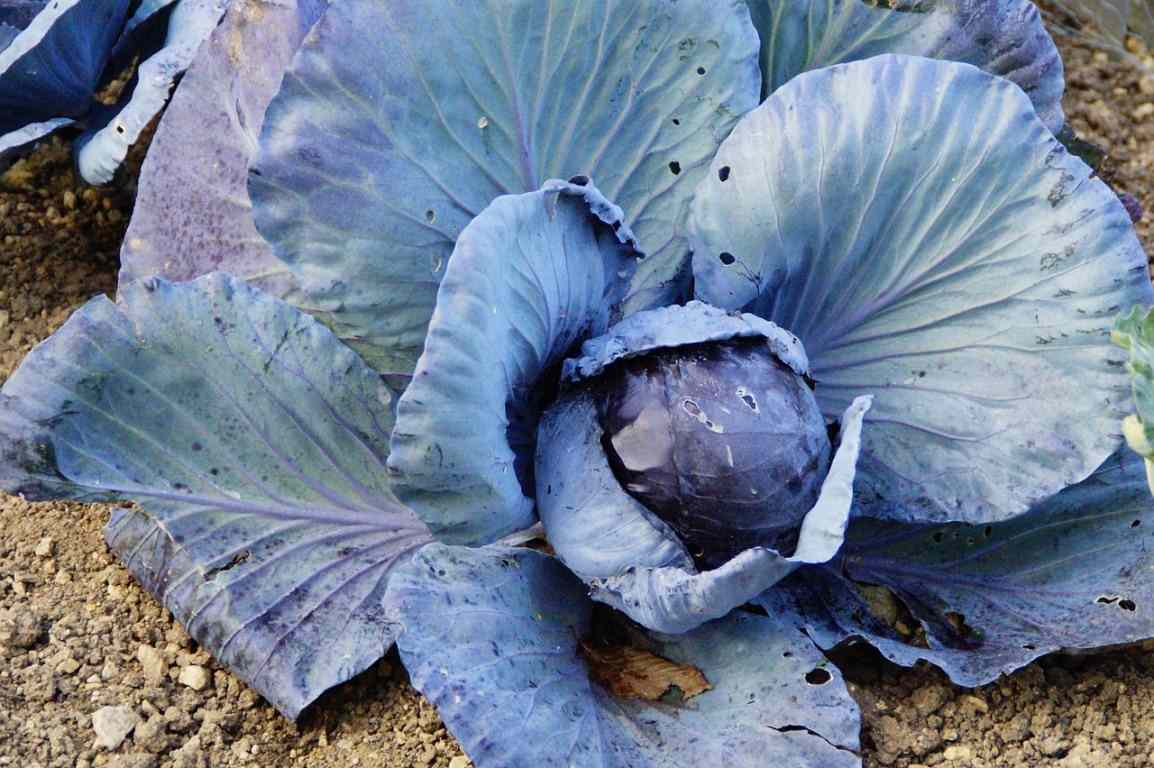
- Cabbage: Savoy varieties for hardiness.
- Cauliflower and Kohlrabi: Protect heads/stems.
Others (H3)
- Leeks: Bleu de Solaise—blanch for tenderness.
- Garlic: Plant cloves in fall for large spring bulbs.
- Lettuce: Winter-density types like Winter Marvel.
Cold-Hardy Vegetables Table
| Vegetable | Hardiness Temp (°F) | Days to Maturity | Best Varieties | Planting Method |
|---|---|---|---|---|
| Kale | 0 to -10 | 50–70 | Lacinato, Winterbor | Direct or transplant |
| Spinach | 10 to 20 | 40–50 | Winter Bloomsdale, Tyee | Direct sow |
| Carrots | 15 to 25 | 60–80 | Scarlet Nantes, Autumn King | Direct sow |
| Broccoli | 20 to 26 | 60–100 | Piracicaba | Transplant |
| Brussels Sprouts | 10 to 20 | 90–120 | Long Island Improved | Transplant |
| Leeks | 0 to 10 | 90–120 | Bleu de Solaise | Transplant |
Choose disease-resistant, short-season varieties. Succession plant greens every 2–3 weeks for steady supply.
Step-by-Step Planting Guide
Once you’ve selected your cold-hardy crops and confirmed your timing window, proper planting sets the foundation for a successful fall and winter vegetable garden. Fall planting differs from spring in several key ways: soil is warmer initially (ideal for germination), days are shortening (which slows growth later), and moisture levels are often more consistent.
-
Prepare the Soil (Late Summer/Early Fall) Test your soil pH and nutrient levels—most cool-season vegetables prefer slightly acidic to neutral soil (6.0–7.0). Amend with well-rotted compost or aged manure to boost organic matter, which improves drainage and nutrient retention in winter. Avoid high-nitrogen fertilizers at this stage; they encourage soft, frost-sensitive growth. Clear summer crop residues, weeds, and debris to reduce disease carryover. Lightly till or fork the top 8–12 inches, then rake smooth. Raised beds warm faster in spring but cool quicker in fall—consider them if drainage is poor.
-
Choose Starting Methods
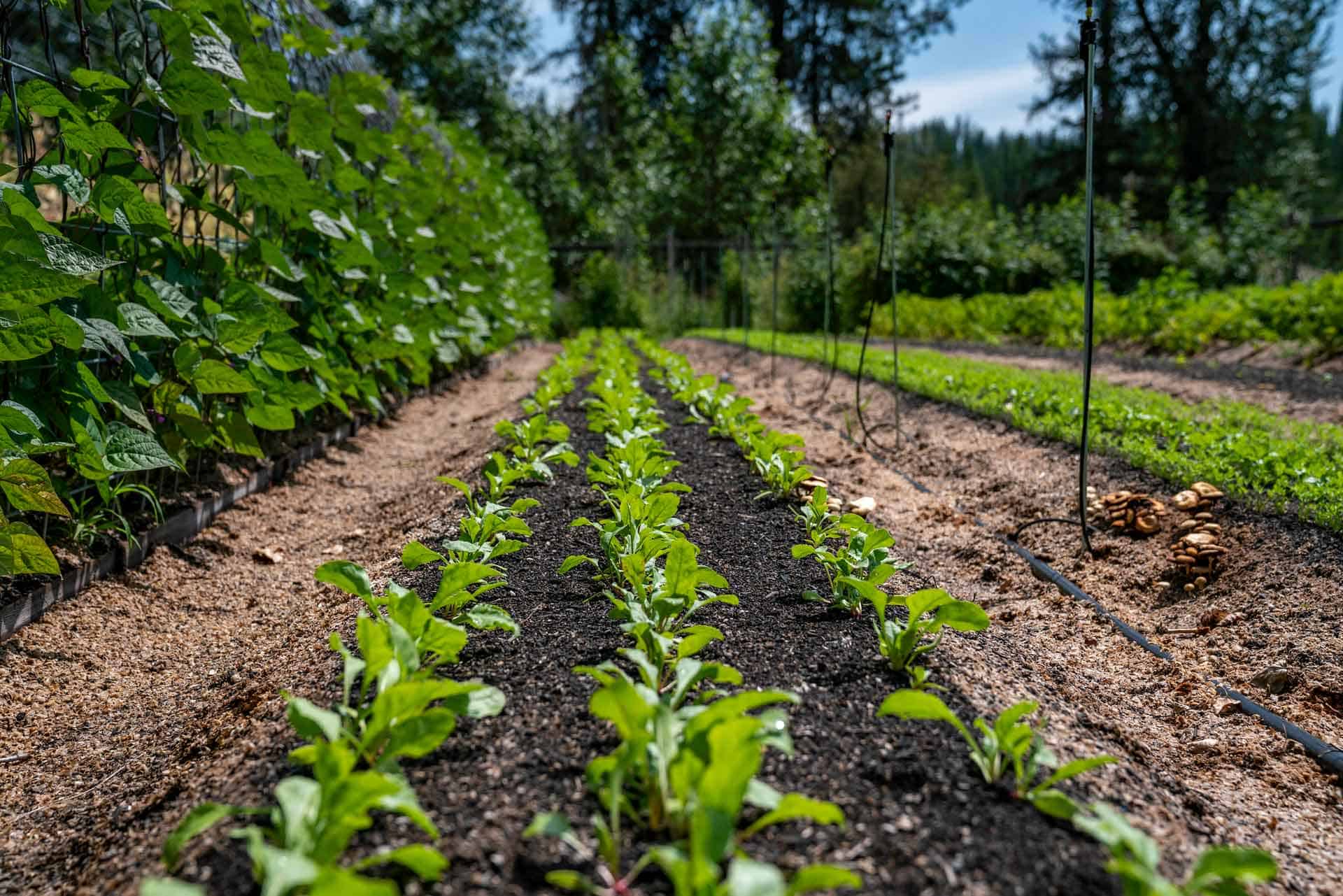
- Direct sowing: Best for root crops (carrots, beets, radishes, parsnips, turnips) and many greens (spinach, arugula, mustard). Seeds germinate reliably when soil is 40–70°F.
- Transplants: Ideal for brassicas (broccoli, cauliflower, Brussels sprouts, cabbage, kale) and leeks. Start seeds indoors 4–8 weeks before transplant date or purchase hardened-off seedlings from a reputable nursery. Transplants give a head start in regions with shorter fall seasons.
-
Planting Timeline & Techniques Follow this general sequence (adjust ±2 weeks based on your first frost date):
- Mid-July to mid-August: Start broccoli, Brussels sprouts, cauliflower, cabbage transplants; direct sow kale, collards.
- Late August to mid-September: Direct sow spinach, arugula, mustard greens, radishes, turnips, beets, carrots; transplant kale, lettuce.
- September to early October (milder zones): Sow lettuce, Swiss chard, overwintering spinach, garlic cloves (pointy end up, 2 inches deep).
Spacing guidelines:
- Leafy greens: 6–12 inches apart in rows 12–18 inches apart.
- Root crops: Thin to 2–4 inches (carrots), 3–6 inches (beets).
- Brassicas: 18–24 inches apart.
Plant slightly deeper than in spring to protect roots from freeze-thaw cycles. Water gently after planting to settle soil around roots.
-
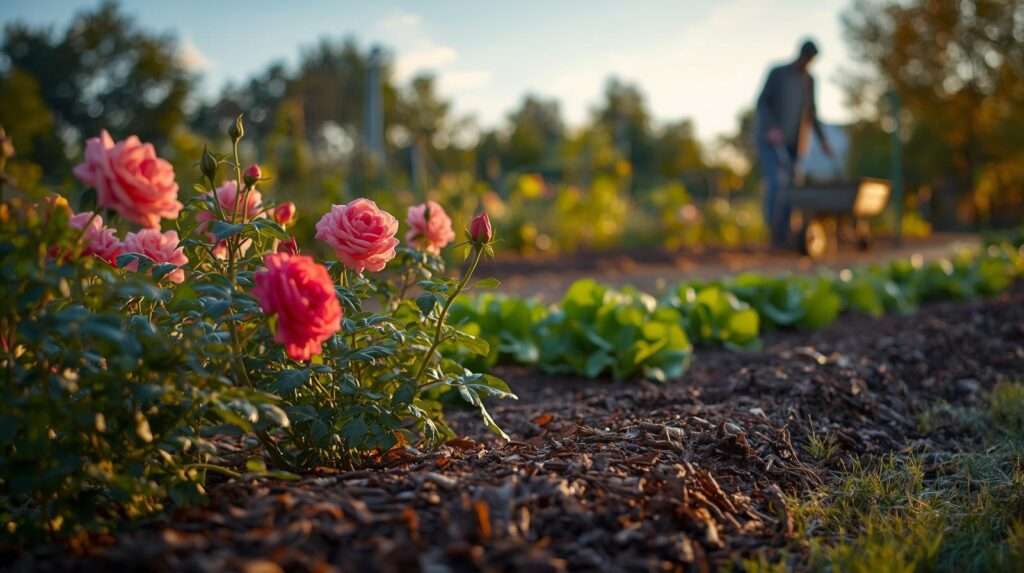
Mulch Immediately Apply 2–4 inches of straw, shredded leaves, or compost around plants (keeping mulch away from stems to prevent rot). Mulch moderates soil temperature, retains moisture, suppresses weeds, and protects shallow roots during light freezes.
-
Companion Planting Ideas for Fall/Winter Pair pest-repelling plants: onions or garlic near brassicas to deter aphids; nasturtiums as trap crops for slugs. Interplant fast radishes between slower parsnips or leeks.
With these steps, your plants will establish strong root systems before cold weather arrives, giving them the resilience needed to thrive through winter.
Protecting Your Garden from Cold and Frost
Cold protection is often the make-or-break factor in fall and winter vegetable gardening. Understanding the difference between frost and freeze is essential:
- Frost: Occurs when air temperature drops to 32°F (0°C) or below, but ground may remain warmer. Light frost (29–32°F) damages tender growth; many hardy crops tolerate it.
- Freeze/Hard freeze: Below 28°F (-2°C) for several hours; can kill even hardy plants without protection.
Effective Protection Methods (Ranked by Effectiveness and Ease)
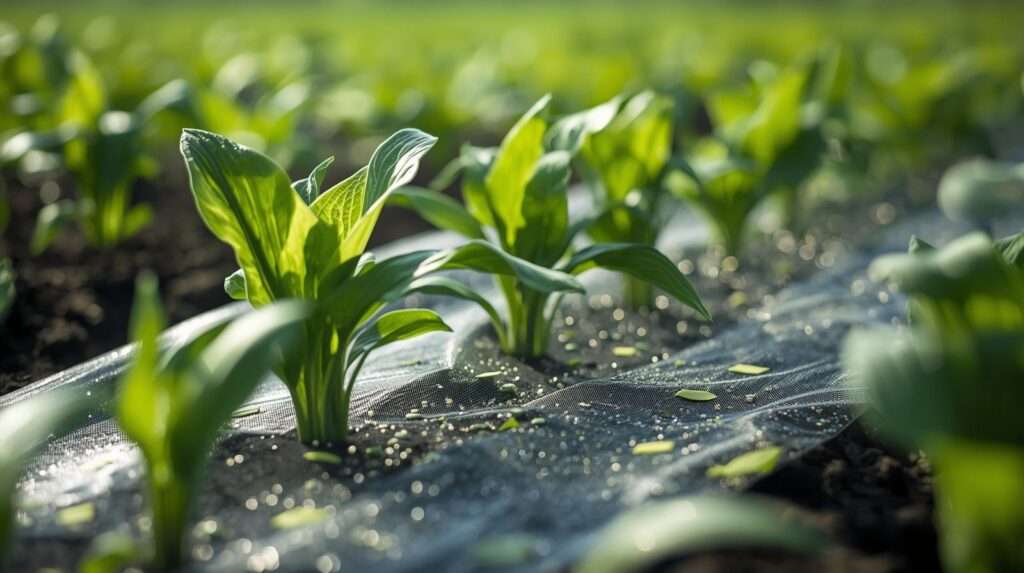
- Row Covers / Floating Row Covers The most reliable and widely recommended option. Lightweight spun-bonded polyester (e.g., Agribon AG-19 or Reemay) provides 4–8°F of protection; heavier weights offer up to 10°F. Drape loosely over hoops or stakes to create an air pocket—secure edges with soil, rocks, or clips. Remove or vent during warm days (>50°F) to prevent overheating.
- Mulching for Root Crops Pile 8–12 inches of straw or leaves over carrots, beets, parsnips, and leeks in late fall. Mark rows with stakes. Crops stay harvestable well into winter, even under snow in many zones.
- Cold Frames and Mini Hoop Houses Low tunnels made from PVC hoops and clear plastic or polycarbonate panels can extend the season by 4–8 weeks. Cold frames (wooden boxes with hinged glass/plastic lids) work well for greens and small brassicas. Vent daily on sunny days.
- Watering Before a Freeze Wet soil holds more heat than dry soil. Thoroughly water the evening before a predicted frost—soil releases stored heat slowly overnight.
- Strategic Placement & Microclimate Use Plant near south-facing walls, fences, or evergreen windbreaks for radiated heat. Container gardens can be moved into a garage or porch during extreme cold.
- Cloches and Water Jugs Individual plastic milk jugs (bottom removed) or commercial cloches protect small plants. Fill jugs with water and place around plants—the water releases heat as it freezes.
When to Cover Cover when forecasts predict 32°F or below, especially with clear skies (radiative cooling is strongest). Remove covers during the day if temperatures rise above 45–50°F to allow pollination (for any late blooms) and prevent mold.
Common Mistakes to Avoid
- Using plastic sheeting directly on plants (traps cold and causes burn).
- Leaving covers on too long during warm spells (overheating kills plants).
- Ignoring wind—secure covers tightly.
With these techniques, gardeners in Zone 6 routinely harvest kale and spinach through January, and Zone 8–9 gardeners can grow almost year-round with minimal effort.
Maintenance Tips for Thriving Winter Crops
Once your fall and winter vegetable garden is planted and protected, consistent but low-maintenance care keeps plants healthy through the coldest months. Winter gardening actually requires less frequent intervention than summer—cooler temperatures slow growth, reduce evaporation, and suppress many pests—but vigilance in a few key areas ensures maximum productivity.
- Watering Plants need significantly less water in fall and winter due to lower evaporation and slower growth. Aim for deep, infrequent watering: about 1 inch every 7–14 days, depending on rainfall and soil type. Check soil moisture by sticking your finger 2–3 inches down—if it’s dry at that depth, water. Always water in the morning so foliage dries before nightfall, reducing fungal risk. Avoid overwatering; soggy soil in cold weather invites root rot. In regions with regular winter rain (common in zones 7+), you may rarely need to irrigate at all.
- Fertilizing Heavy feeding isn’t necessary. Apply a light side-dressing of compost or a balanced organic fertilizer (e.g., 4-4-4 or fish emulsion) at planting or in early fall. Avoid high-nitrogen products after September—they promote tender new growth vulnerable to freezes. Cold-hardy greens and roots perform best with moderate fertility; excess nitrogen can reduce cold tolerance.
- Pest and Disease Management One of the biggest advantages of winter growing is dramatically reduced pest pressure. Most common summer insects (aphids, caterpillars, flea beetles) become inactive or die off below 50°F. However, watch for: – Slugs and snails (active in damp, cool conditions) → Use diatomaceous earth, beer traps, or copper tape. – Aphids on brassicas → Blast with water or apply insecticidal soap if populations spike. – Fungal issues (powdery mildew, botrytis) → Ensure good air circulation, avoid overhead watering, and space plants properly. Remove any diseased leaves promptly and dispose of them away from the garden.
- Weeding and Monitoring Weeds grow slowly in cold weather, making this season easier to stay ahead. Pull any that appear to prevent competition. Regularly inspect plants for frost damage (wilted or blackened tissue), nutrient deficiencies (yellowing leaves), or rodent activity (chewed stems—use hardware cloth or repellents if needed).
- Snow Management Light snow actually insulates plants. Heavy, wet snow can crush row covers or bend stems—gently brush it off hoops and covers if accumulation exceeds 4–6 inches.
With these minimal inputs, many gardeners report spending less than 30 minutes per week maintaining a productive winter plot.
Common Mistakes and Troubleshooting
Even experienced gardeners encounter setbacks in fall and winter. Here are the most frequent issues and how to correct or prevent them:
- Planting Too Late Symptom: Crops don’t reach harvestable size before hard freezes. Fix: Always use your first frost date + days to maturity + 2–3 week buffer. Start earlier next season.
- Inadequate or Poorly Secured Protection Symptom: Frozen or mushy leaves after a cold snap. Fix: Use proper row covers with hoops (not flat on plants), secure edges completely, and cover before temperatures hit 32°F.
- Choosing the Wrong Varieties Symptom: Bolting greens or poor root development. Fix: Stick to proven cold-hardy, short-season, or overwintering cultivars listed earlier.
- Overwatering or Poor Drainage Symptom: Yellowing leaves, root rot. Fix: Ensure raised beds or amended soil for drainage; water only when needed.
- Forgetting to Vent Covers Symptom: Overheating and plant stress on sunny winter days. Fix: Open or remove covers when daytime temperatures exceed 45–50°F.
Learning from these mistakes turns potential failures into future successes.
Harvesting, Storing, and Enjoying Your Winter Bounty
The payoff of a fall and winter vegetable garden is fresh produce when it’s scarcest—and often at peak flavor.
- Harvesting Tips – Leafy greens: Use cut-and-come-again method—snip outer leaves, leaving the central growing point. Harvest in the morning after frost for crisp texture. – Roots: Pull as needed; many (carrots, parsnips, beets) sweeten and store best when left in-ground under mulch until use. – Brassicas: Cut broccoli heads when tight; side shoots continue producing. Harvest Brussels sprouts from bottom up after a few frosts for best flavor.
- Storage Methods – In-ground: Ideal for carrots, parsnips, leeks (under deep mulch). – Root cellar/cool garage: Store beets, turnips, cabbage at 32–40°F with high humidity. – Refrigerator: Greens last 1–3 weeks wrapped in damp paper towels in perforated bags. – Freezing: Blanch and freeze kale, spinach, broccoli for later use.
- Simple Recipe Ideas – Roasted winter root medley (carrots, parsnips, beets with olive oil and herbs). – Kale and white bean soup. – Sautéed Swiss chard with garlic. – Fresh spinach salad with citrus vinaigrette (even in January).
Frequently Asked Questions (FAQ)
What vegetables grow best in winter? Very hardy options like kale, collards, spinach, leeks, parsnips, Brussels sprouts, and carrots perform best. In milder zones, add broccoli, cabbage, and Swiss chard.
How do I protect plants from hard freezes? Use row covers on hoops (4–10°F protection), mulch heavily for roots, water soil the evening before, and place near heat-retaining structures.
Can I grow a fall and winter vegetable garden in containers? Yes—use large pots (15+ gallons) with good drainage. Move to sheltered spots or a garage during extreme cold. Greens and radishes work especially well.
What’s the easiest crop for beginners in winter? Kale or spinach. Both are forgiving, extremely cold-hardy, and provide continuous harvests via cut-and-come-again.
Do I need a greenhouse for winter vegetables? No. Most gardeners succeed with just row covers, cold frames, or mulch. A greenhouse is a bonus for extending even further or starting seeds earlier.
Will snow damage my winter garden? Light snow insulates; heavy snow should be gently brushed off covers to prevent crushing.
How late can I plant garlic? Plant cloves in fall (September–November, depending on zone) so roots establish before ground freezes. Harvest next summer.
A thriving fall and winter vegetable garden transforms the “off-season” into one of the most rewarding parts of the year. By understanding your climate, choosing proven cold-hardy crops, planting on schedule, protecting against freezes, and providing minimal but smart care, you can enjoy fresh, nutrient-dense produce from fall through early spring—even in surprisingly cold regions.
Start small if you’re new: try a single raised bed with kale, spinach, carrots, and garlic. Experiment, track what works in your microclimate, and expand each year. The rewards—better flavor, lower grocery bills, reduced food miles, and the joy of harvesting in winter—make every effort worthwhile.
Ready to get started? Check your first frost date today, pick a few varieties, and prepare your soil. Your future self will thank you when you’re picking fresh greens while the rest of the neighborhood relies on store-bought produce.