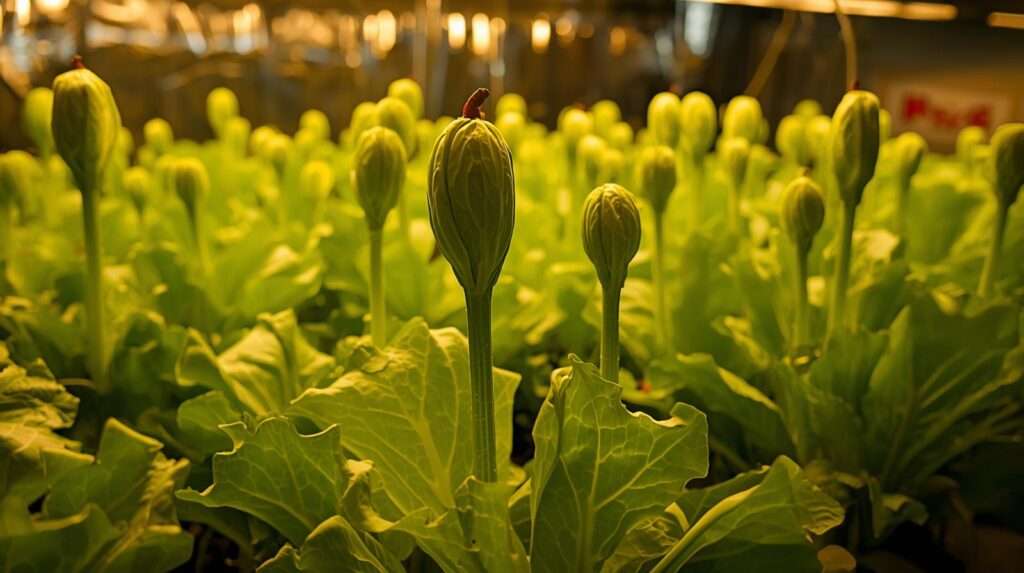
Have you ever walked into your grow room expecting crisp, tender lettuce — only to find tall stems shooting upward, leaves turning bitter, and the first signs of flower buds forming? Few things frustrate indoor growers more than lettuce bolting indoors under lights, especially when everything seemed perfectly controlled just days before.
The good news: bolting indoors is not random. It is predictable, diagnosable, and preventable.
In this comprehensive guide, you’ll learn exactly why lettuce bolts under grow lights, how environmental factors like temperature, photoperiod, and light intensity trigger flowering, and the proven strategies professional indoor growers use to maintain lush, vegetative growth. Whether you grow in soil, coco coir, or hydroponics, this article will help you regain control of your indoor lettuce production.
What Is Lettuce Bolting? (Understanding the Core Problem)
Before fixing the issue, you must understand what’s happening inside the plant.
The Biological Process Behind Bolting
Bolting is the natural transition from vegetative growth (leaf production) to reproductive growth (flower and seed production). Lettuce (Lactuca sativa) is a cool-season crop genetically programmed to produce seeds when it senses environmental stress — especially heat and long daylight hours.
When lettuce perceives stress signals:
-
Gibberellin hormones increase.
-
Stem elongation accelerates.
-
Energy shifts away from leaf expansion.
-
Flower stalk development begins.
From a plant survival standpoint, bolting is logical. From a grower’s standpoint, it’s disastrous.
Signs Your Indoor Lettuce Is Bolting
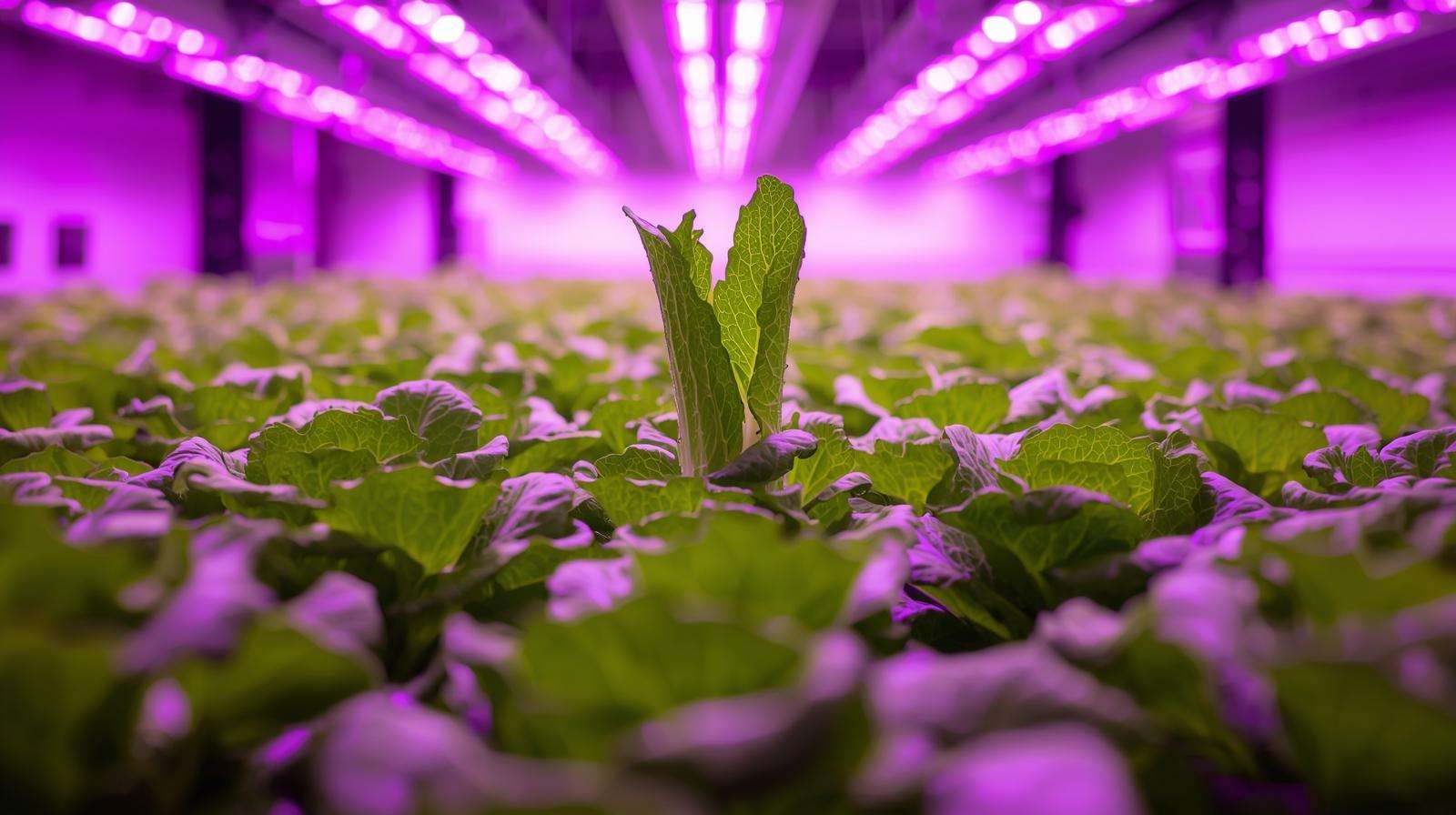
Early detection is critical. Look for:
-
Rapid vertical stem elongation (the plant suddenly “stretches”)
-
Thicker central stem
-
Leaves becoming narrower and more upright
-
Bitter taste developing
-
Visible flower stalk emerging from the center
If you notice these signs early, you may still salvage quality through corrective environmental adjustments.
Why Bolting Ruins Leaf Quality
As lettuce prepares to flower:
-
Latex compounds increase, causing bitterness.
-
Leaf texture becomes tougher.
-
Nutrient allocation shifts away from edible tissue.
-
Market value and culinary quality decline.
For commercial growers, bolting reduces yield consistency. For home growers, it ruins salads.
Why Lettuce Bolting Indoors Under Lights Happens
Many growers assume bolting is only caused by outdoor heat. However, indoor systems can unintentionally recreate “summer stress” conditions.
Let’s examine the most common triggers.
Excessive Light Intensity
Modern LED grow lights are powerful — often more powerful than lettuce requires.
Lettuce thrives at a PPFD (Photosynthetic Photon Flux Density) range of:
100–250 µmol/m²/s
When light intensity exceeds 300–400 µmol/m²/s consistently:
-
Photosynthetic stress increases.
-
Leaf temperature rises.
-
The plant interprets this as high summer sun exposure.
-
Bolting hormones activate.
Common mistake: Placing high-output LEDs too close to the canopy.
Incorrect Photoperiod (Too Many Light Hours)
Lettuce is sensitive to day length. Extended photoperiods simulate long summer days.
While lettuce can tolerate 14–16 hours of light for vegetative growth, pushing to 18–24 hours may:
-
Accelerate metabolic stress
-
Trigger flowering responses
-
Increase tip burn and bitterness
Indoor growers often assume “more light equals faster growth.” For lettuce, moderation produces better results.
Heat Stress From Grow Lights
Even if your room thermometer reads 70°F (21°C), leaf surface temperatures under LEDs may be higher.
Optimal temperature range for lettuce:
-
Day: 60–70°F (15–21°C)
-
Night: 55–65°F (13–18°C)
Temperatures consistently above 72°F (22°C) significantly increase bolting risk.
In small grow tents, inadequate ventilation can cause microclimates 5–10 degrees warmer than ambient readings.
Nutrient Imbalances
Improper nutrient management can push lettuce toward stress.
Common problems include:
-
Excess nitrogen leading to rapid, weak growth
-
High EC levels in hydroponics (>2.0 mS/cm)
-
Salt accumulation in container media
-
Inconsistent nutrient delivery
Recommended hydroponic EC range for lettuce:
1.2–1.8 mS/cm
Balanced feeding encourages steady vegetative growth rather than stress-induced flowering.
Water Stress and Root Zone Issues
Inconsistent watering triggers stress hormones.
Problems include:
-
Allowing media to dry excessively
-
Poor oxygenation in hydroponics
-
Overwatering causing root suffocation
-
Warm nutrient solution (>72°F / 22°C)
Ideal root zone temperature:
60–68°F (15–20°C)
Stable moisture and oxygen availability reduce stress signals that promote bolting.
Variety Selection Mistakes
Genetics matter more than most growers realize.
Some lettuce varieties are highly sensitive to heat and long days. Others are bred specifically for bolt resistance.
Fast-bolting types often include:
-
Certain romaine cultivars
-
Traditional heirloom loose-leaf varieties
Bolt-resistant types are often labeled:
-
“Slow-bolt”
-
“Heat tolerant”
-
“Summer crisp”
Indoor growers using the wrong variety often struggle repeatedly despite good environmental control.
Ideal Growing Conditions to Prevent Lettuce Bolting Indoors
Preventing bolting requires optimizing four main variables:
-
Light intensity
-
Photoperiod
-
Temperature
-
Nutrition and watering
Let’s break down each.
Perfect Light Setup for Leafy Growth
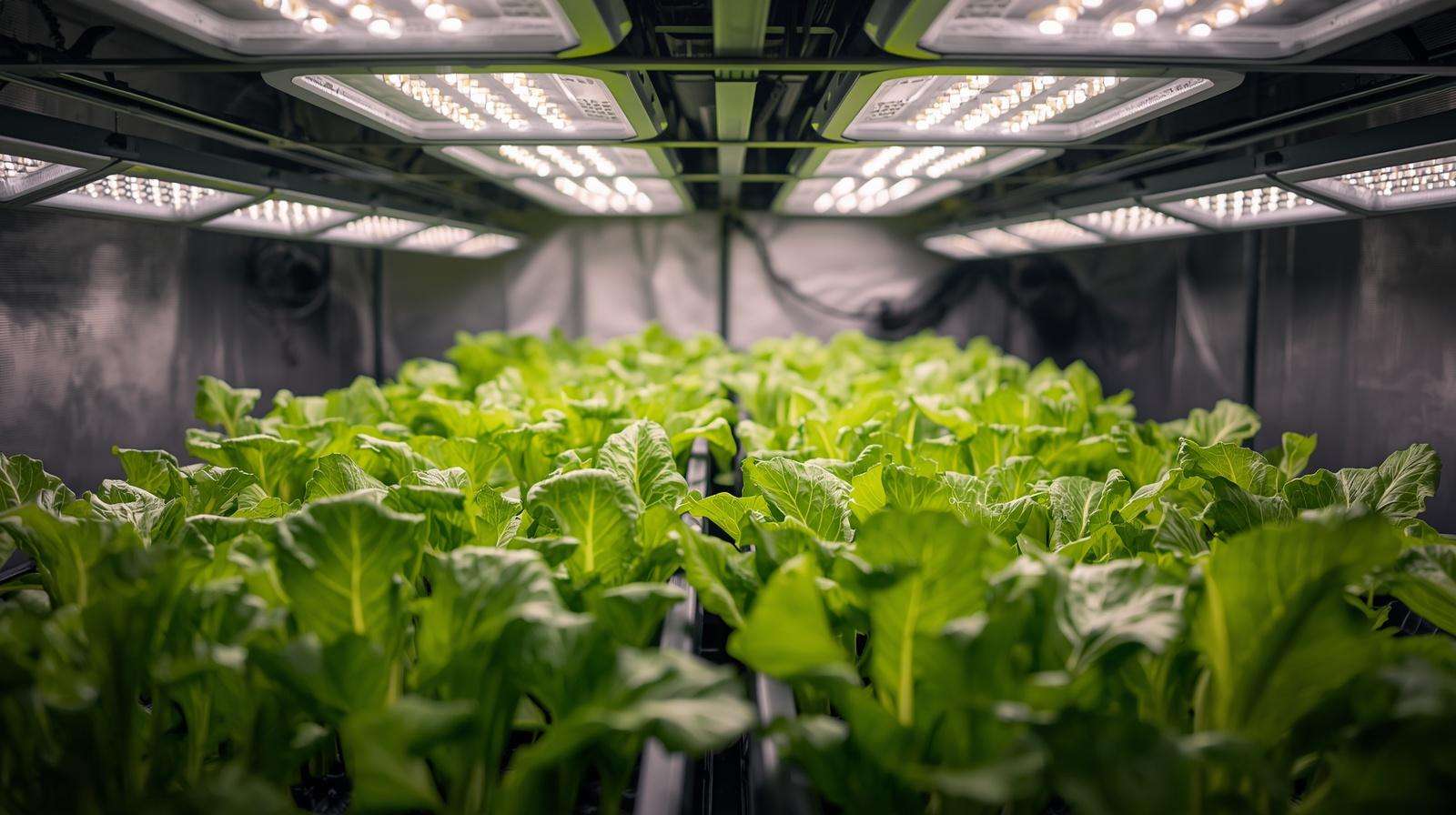
To maintain vegetative growth:
-
Maintain PPFD between 150–200 µmol/m²/s
-
Keep LED fixtures 12–24 inches above canopy (depending on output)
-
Use dimmable drivers when possible
-
Measure with a PAR meter instead of guessing
Target Daily Light Integral (DLI):
12–17 mol/m²/day
Higher DLI may increase stress without improving leaf quality.
Optimal Temperature and Humidity
Temperature consistency matters more than extreme precision.
Recommended conditions:
-
Day: 65–68°F (18–20°C)
-
Night: 60–63°F (15–17°C)
-
Relative humidity: 50–70%
High humidity combined with high temperature increases stress and disease pressure.
Use:
-
Inline exhaust fans
-
Oscillating fans for air circulation
-
Thermostat-controlled ventilation
-
Portable AC if needed
In professional controlled environment agriculture (CEA), microclimate stability is prioritized over maximum growth speed.
Correct Photoperiod for Different Growth Stages
Seedlings:
-
14–16 hours of light
Vegetative growth:
-
14–16 hours is ideal
Avoid:
-
18–24 hours for lettuce
More hours do not equal better yield. Balanced photoperiod prevents premature flowering.
Nutrient Management for Steady Vegetative Growth
For soil growers:
-
Use balanced, mild nitrogen levels
-
Avoid heavy feeding
-
Monitor runoff EC
For hydroponic systems:
-
Maintain EC 1.2–1.8 mS/cm
-
Keep pH between 5.5–6.5
-
Replace nutrient solution regularly
-
Prevent nutrient solution overheating
Excess fertility accelerates metabolic processes that may contribute to bolting.
Proper Watering and Root Zone Care
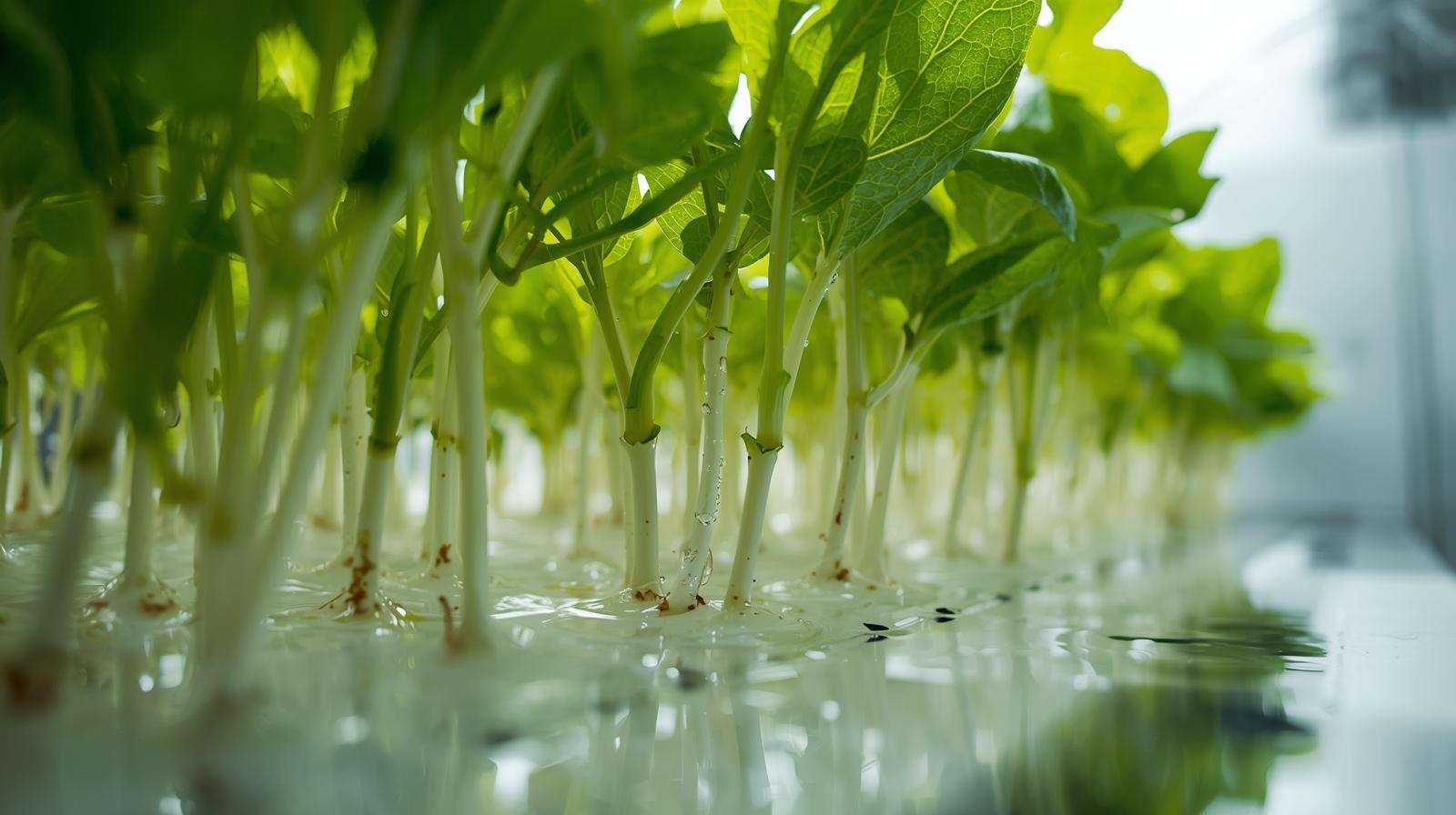
Consistency is key.
-
Maintain even moisture
-
Avoid dramatic dry-back cycles
-
Ensure proper drainage
-
Provide dissolved oxygen in hydroponics
Healthy roots support stable vegetative growth.
How to Stop Lettuce From Bolting (If It Has Already Started)
This is the most difficult question growers ask.
Can You Reverse Bolting?
In most cases, once the flowering process begins, it cannot be fully reversed.
However, early intervention may slow progression.
If stem elongation has just begun:
-
Lower temperature immediately
-
Reduce light intensity slightly
-
Adjust photoperiod to 14 hours
-
Harvest outer leaves quickly
Emergency Cooling Strategies
-
Increase ventilation
-
Raise light fixtures
-
Add clip-on fans
-
Lower room temperature 3–5°F
-
Run lights during cooler nighttime hours
Small adjustments can significantly delay flowering progression.
Harvest Timing Strategy
If bolting progresses:
-
Harvest immediately for best remaining quality
-
Remove central stem
-
Use leaves in cooked dishes if bitterness develops
For commercial growers, early harvest preserves profitability.
Best Lettuce Varieties for Indoor Growing Under Lights
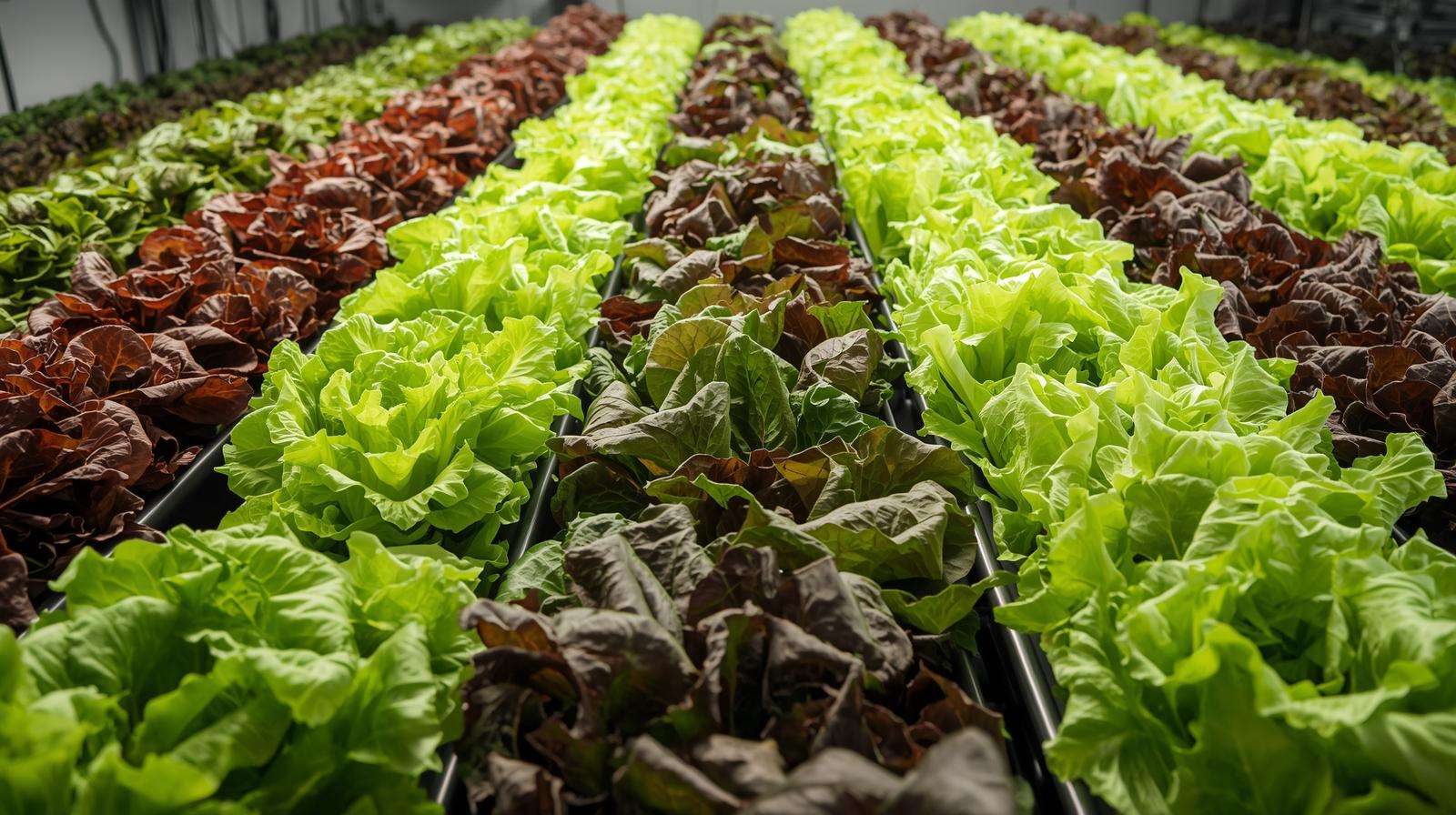
Genetic selection is one of the most overlooked prevention strategies.
Bolt-Resistant Butterhead Varieties
-
Adriana
-
Rex
-
Buttercrunch (improved strains)
Slow-Bolting Romaine Types
-
Jericho
-
Sparx
-
Coastal Star
Best Loose-Leaf Varieties
-
Green Star
-
Black Seeded Simpson (heat-selected lines)
-
Red Sails
Hydroponic-Friendly Cultivars
Look for varieties specifically marketed for:
-
Controlled environment production
-
Hydroponics
-
Vertical farming systems
Seed companies often list bolt tolerance in descriptions.
Advanced Grower Tips to Prevent Bolting Long-Term
For serious indoor growers and commercial operators, precision matters.
Monitor PPFD With a Light Meter
Guessing light intensity is unreliable.
A PAR meter ensures:
-
Even canopy coverage
-
No hotspots
-
Proper DLI calculation
Use Daily Light Integral (DLI) Calculations
DLI integrates:
Light intensity × photoperiod
Instead of increasing light hours, optimize DLI within safe lettuce thresholds.
Manage Microclimates in Grow Tents
Heat often accumulates:
-
Near ceilings
-
Around light fixtures
-
In stagnant corners
Use airflow mapping techniques to detect warm zones.
Succession Planting Strategy
Plant new lettuce every 1–2 weeks.
If one batch bolts early, another is ready for harvest.
This reduces total loss risk.
Apply Controlled Environment Agriculture (CEA) Best Practices
Professional greenhouse and vertical farm operators prioritize:
-
Environmental stability
-
Genetic selection
-
Monitoring tools
-
Data-driven adjustments
Adopting even basic CEA principles dramatically reduces bolting frequency.
Common Mistakes Indoor Growers Make
-
Running LEDs too close to canopy
-
Using 24-hour light cycles
-
Ignoring nighttime temperature spikes
-
Overfertilizing seedlings
-
Choosing outdoor summer varieties for indoor setups
-
Failing to monitor nutrient solution temperature
Correcting these errors often eliminates bolting problems entirely.
Quick Troubleshooting Checklist
If your lettuce is bolting indoors under lights, ask:
-
Is temperature above 72°F?
-
Is PPFD above 250 µmol/m²/s?
-
Is photoperiod longer than 16 hours?
-
Is EC above 1.8 mS/cm?
-
Is airflow insufficient?
-
Is root zone temperature too warm?
Systematically adjust one factor at a time.
Frequently Asked Questions
How long should grow lights stay on for lettuce?
14–16 hours per day is optimal for vegetative growth.
Does LED light cause lettuce to bolt faster?
LEDs do not inherently cause bolting. Excess intensity and heat buildup do.
Can bolted lettuce still be eaten?
Yes, but it may taste bitter. Cooking reduces bitterness.
Why is my hydroponic lettuce bolting quickly?
Likely causes include high nutrient solution temperature, excessive light, or high EC.
What temperature causes lettuce to bolt indoors?
Consistent temperatures above 72°F (22°C) significantly increase bolting risk.
Is 24-hour light safe for lettuce?
Not recommended. It increases stress and bolting likelihood.
Final Thoughts: Growing Crisp, Sweet Lettuce Indoors Without Bolting
Lettuce bolting indoors under lights is not a mystery — it is a response to environmental stress signals that growers can control.
By:
-
Optimizing light intensity
-
Managing photoperiod
-
Maintaining cool temperatures
-
Balancing nutrition
-
Selecting bolt-resistant varieties
You can consistently produce tender, flavorful lettuce year-round.
Indoor growing gives you one major advantage over outdoor cultivation: environmental control. When you use that advantage strategically, bolting becomes rare rather than routine.