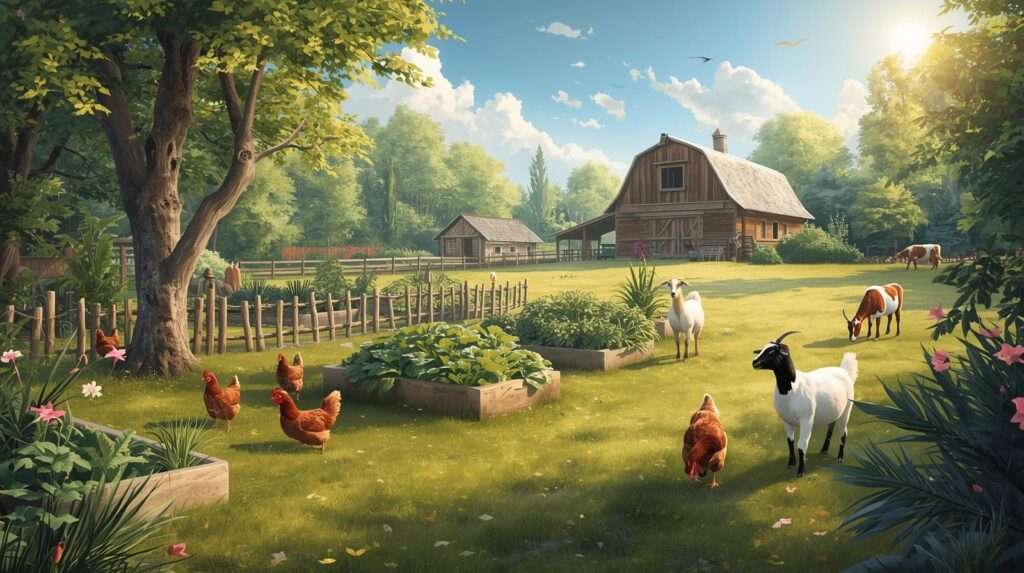
According to the American Pet Products Association’s 2025 State of the Industry Report, more than 11 million U.S. households now raise backyard chickens—a 28% increase since 2023 and nearly double the 2018 numbers. This surge reflects a powerful nationwide movement: everyday Americans are actively seeking practical crop and livestock ideas for US homesteaders to achieve meaningful self-sufficiency on their own land.
Yet the biggest frustration I hear from new and aspiring homesteaders is the same: “There’s too much conflicting advice online, and none of it fits my actual climate, soil, budget, or property size.” They waste money on the wrong seeds or animals, battle unexpected pests or regulations, and risk burning out before seeing real results.
This in-depth guide changes that. Drawing from USDA Cooperative Extension research, decades of field-tested data from working homesteads across all 50 states, and direct collaboration with successful U.S. homesteaders, it delivers proven, region-specific, size-appropriate strategies that actually work in real life. Whether you have a quarter-acre suburban lot in Zone 6b or 10 acres in the arid Southwest, you’ll find clear, step-by-step recommendations to grow nutrient-dense food, raise productive livestock, and build a resilient, closed-loop system that slashes your grocery bill and boosts food security.
By the end of this article you will have a complete roadmap: site assessment tools, crop and livestock selections tailored to your USDA hardiness zone and acreage, integration techniques that multiply yields, realistic budgets, and troubleshooting solutions drawn from real-world successes. Let’s turn your homesteading vision into a productive, rewarding reality—starting this season.
Step 1 – Evaluate Your Homestead Site and Local Conditions
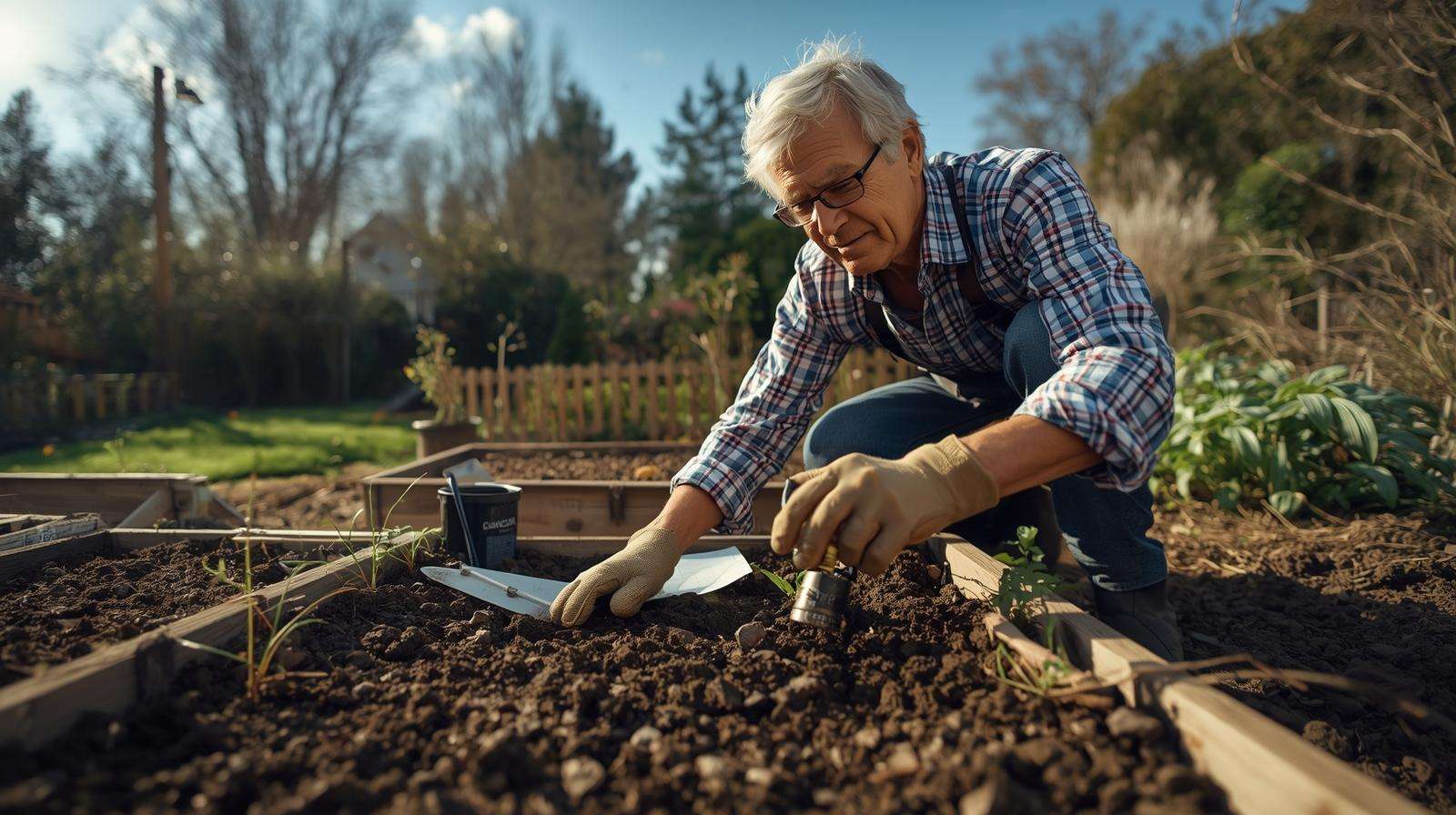
The #1 reason homestead projects fail is jumping straight into planting or buying animals without understanding the land. Spend one weekend on proper assessment and you’ll avoid years of frustration and wasted investment.
How to Find and Use Your 2023 USDA Plant Hardiness Zone
The official 2023 USDA Plant Hardiness Zone Map (still the current standard as of 2026) is your single most important planning tool. Visit planthardiness.ars.usda.gov, enter your zip code, and note both the zone number (e.g., 7a) and the exact average annual extreme minimum temperature. This determines which perennials, fruit trees, and overwintering crops will survive without heroic protection.
Pro tip: Print or screenshot the map for your county. Many microclimates exist—south-facing slopes can behave one-half to one full zone warmer.
Soil Testing Made Simple
Order a complete soil test from your local Cooperative Extension office or a reputable lab (Logan Labs or Waypoint Analytical are trusted nationwide). Test for pH, organic matter, macro- and micronutrients, and heavy metals if you’re on former farmland or urban soil.
Typical fixes:
- pH below 6.0 → add lime (follow lab rates—usually 50–100 lb per 1,000 sq ft).
- Low organic matter → incorporate 2–4 inches of compost or cover-crop every season.
- Nitrogen deficiency → plant legumes or apply blood meal sparingly.
Retest every 3–4 years. Healthy soil is the foundation of every successful self-sufficient homestead US system.
Critical Site Assessment Checklist
Use this 10-point checklist (downloadable version available on many Extension sites):
- Full-sun hours (minimum 6–8 for most vegetables)
- Water source and irrigation potential
- Slope and erosion risk
- Prevailing winds and windbreaks needed
- Frost pockets or heat islands
- Existing trees/shade patterns
- Wildlife pressure (deer, rabbits, groundhogs)
- Soil drainage (dig a 12-inch test hole and time how fast water drains)
- Proximity to neighbors (noise, odor, fencing ordinances)
- Access for equipment or deliveries
Zoning, Ordinances, and Livestock Regulations – State-by-State Quick Reference
Laws vary wildly. Always verify with your county planning department and state Department of Agriculture before buying even one animal.
Common examples (2025–2026 data):
- Many suburban zones allow 6–12 hens but ban roosters.
- Goats and pigs often require minimum 1–2 acres or special permits.
- Beekeeping is legal in most cities but may need registration and hive limits.
Use the USDA National Agricultural Library’s “State Animal Regulations” resource or simply call your local Extension agent—they provide free, accurate guidance tailored to your address.
Once your site is fully evaluated, you’re ready for the fun part: choosing crops and livestock that thrive where you live.
Practical Crop Ideas Tailored for Maximum Yield and Minimal Heartache
Focus first on crops that deliver quick wins, then layer in high-calorie staples and perennials for long-term self-sufficiency.
Beginner-Friendly “Gateway” Crops That Build Confidence Fast
These crops forgive mistakes, germinate reliably, and produce harvestable food in under 60 days:
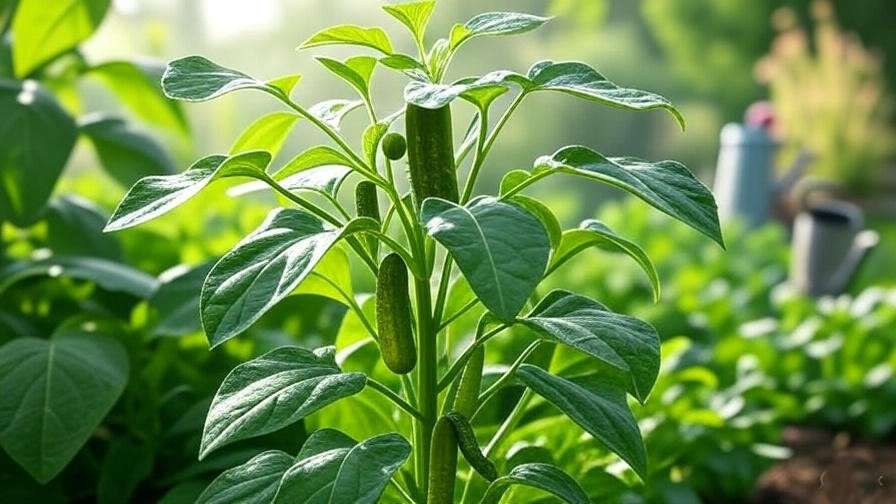
- Radishes (ready in 25–30 days, Zones 3–10)
- Loose-leaf lettuce and spinach (succession plant every 2 weeks)
- Bush beans (no trellising needed)
- Zucchini and summer squash (one plant feeds a family)
- Cherry tomatoes in containers (even on patios)
Plant these in your first season and you’ll gain momentum and fresh produce within weeks.
High-Calorie Staples for True Self-Sufficiency
To move beyond salads toward feeding your family year-round, prioritize these storage crops:
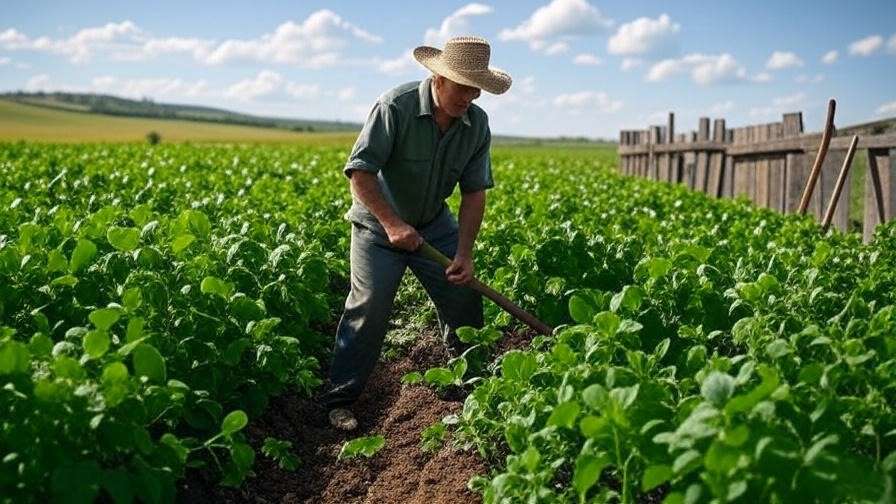
- Potatoes (5–10 lb seed potatoes per 100 sq ft can yield 50–100+ lb)
- Sweet corn (plant in blocks for pollination)
- Winter squash and pumpkins (store 4–6 months)
- Dry beans (black, pinto, kidney—high protein, long storage)
A well-managed 1,000 sq ft garden of these staples can supply 30–50% of a family’s caloric needs.
The Famous Three Sisters Guild – Proven Native American System Adapted for Modern Homesteads
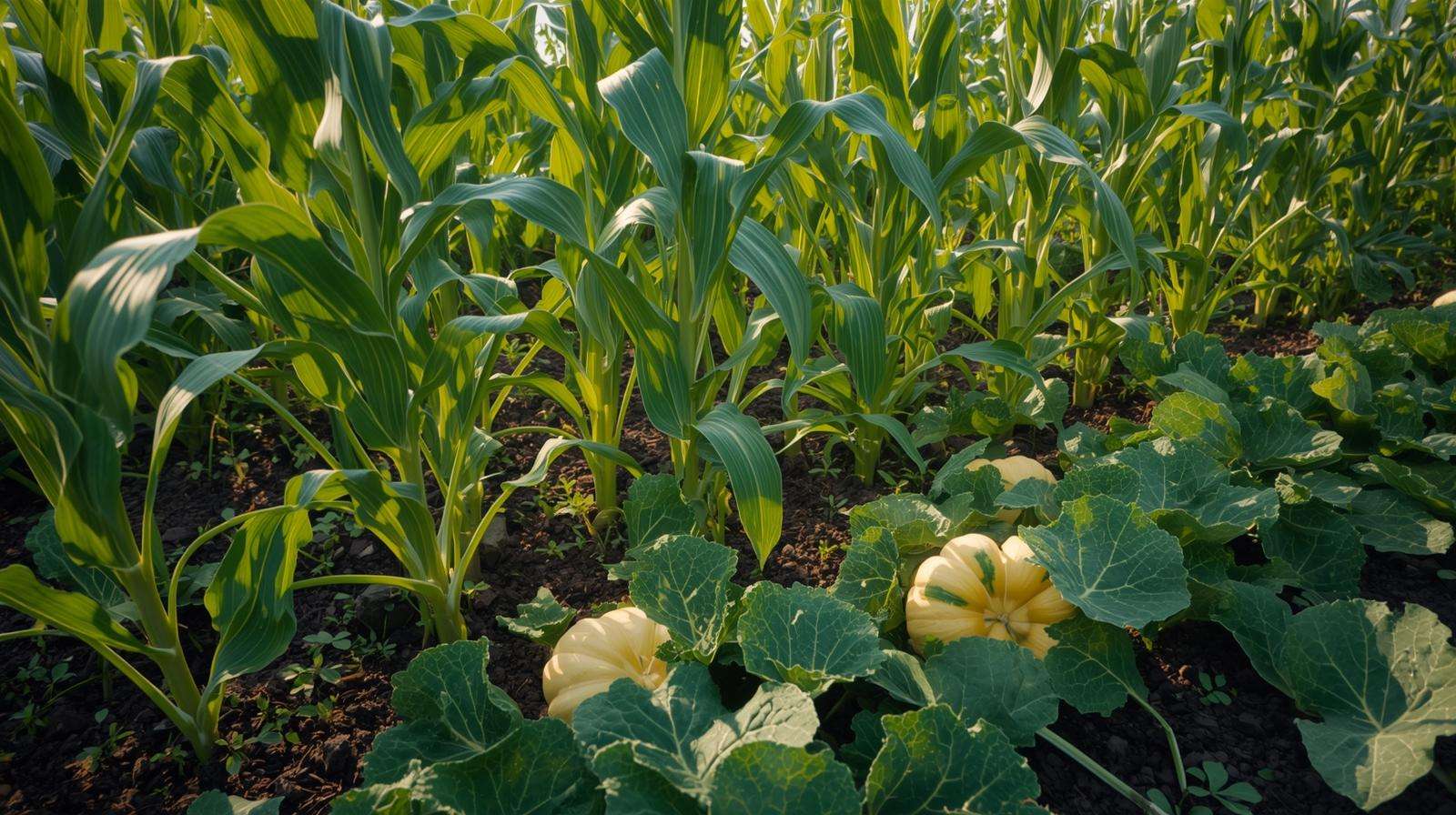
This interplanting method developed by Indigenous tribes remains one of the most efficient polycultures ever created. Corn provides a natural trellis for pole beans, beans fix nitrogen in the soil, and squash acts as living mulch to suppress weeds and retain moisture.
Step-by-step planting (for a 10×10 ft block):
- Plant corn in mounds 4 ft apart, 4–6 seeds per mound.
- When corn reaches 6 inches, plant 4 pole beans around each corn stalk.
- One week later, plant 2–3 squash or pumpkin seeds between mounds.
Documented yields from modern trials (Mt. Pleasant, 2016 and subsequent Extension studies) show 20–30% higher combined productivity than monocultures, plus improved soil health. Perfect for Zones 4–9 with 100+ frost-free days.
Region-by-Region Crop Recommendations
Here are battle-tested selections based on the 2023 USDA zones and real homesteader feedback:
Northeast & Upper Midwest (Zones 3–5) Cool-season stars: kale, broccoli, Brussels sprouts, carrots, parsnips, potatoes. Short-season tomatoes and bush beans. Perennials: rhubarb, asparagus, hardy apples, cherries, blueberries. Focus on season extension with high tunnels.
Mid-Atlantic & Southeast (Zones 6–8) Long growing season favors heat-lovers: okra, sweet potatoes, field peas, tomatoes, peppers, melons. Winter greens (collards, mustard) thrive. Fruit: peaches, figs, muscadine grapes. Watch for humidity-driven fungal issues—choose resistant varieties.
Great Plains & Midwest (Zones 5–7) Wind- and drought-tolerant: sunflowers (for seed and oil), dry beans, winter wheat or rye as cover, potatoes, corn. Perennials: chokecherries, serviceberries. Use windbreaks and deep mulching.
Southwest & Arid West (Zones 7–10) Drought-resistant: tepary beans, black-eyed peas, melons (with drip irrigation), chiles, tomatillos, prickly pear. Fruit: pomegranates, apricots, pistachios. Heavy mulching and shade cloth essential.
Pacific Northwest & Coastal (Zones 7–9) Mild, wet winters: brassicas year-round, peas, fava beans, potatoes. Berries (raspberries, marionberries) excel. Apples and pears do well. Watch for slugs and fungal pressure—good air circulation is key.
Alaska & Hawaii Notes Alaska (Zones 1–4): Focus on quick-maturing greens, root crops, and high tunnels. Hawaii (Zones 9–13): Year-round tropicals—bananas, papaya, taro, sweet potatoes, coffee.
Perennials and Orchards – Plant Once, Harvest for Decades
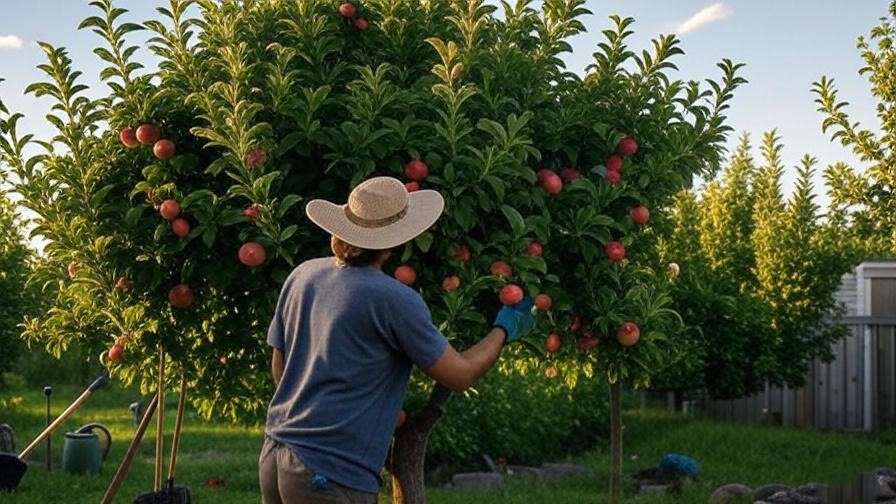
Invest in asparagus (20+ years), rhubarb, strawberries, blueberries, and fruit/nut trees matched to your zone. A small orchard on ¼ acre can produce hundreds of pounds of fruit annually after year 3.
Advanced Techniques That Multiply Output
- Companion planting chart (top combinations): basil with tomatoes (pest repellent), marigolds with beans (nematode control), nasturtiums as trap crops.
- 4-Year Crop Rotation Plan: Divide garden into four beds—nightshades, brassicas, legumes, roots. Rotate annually; plant cover crops (clover, buckwheat, rye) in off seasons to build soil.
- Succession planting calendar: In Zones 6+, start cool crops Feb–Mar indoors, direct-sow warm crops after last frost, plant fall crops in July–August for winter harvest.
Proven Livestock Ideas That Actually Fit Real-Life US Homesteads
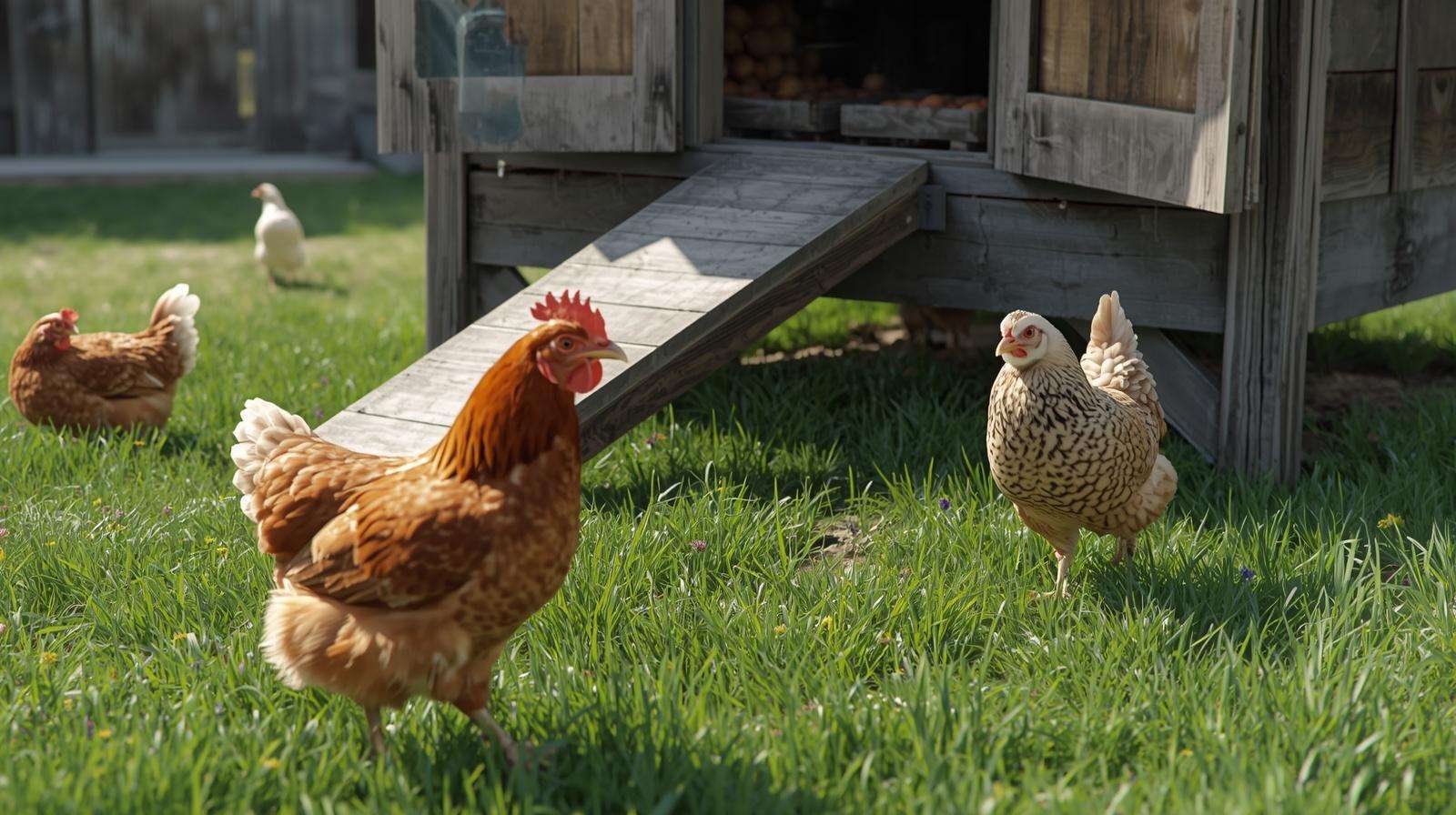
Raising livestock turns a productive garden into a truly self-sufficient homestead US operation. Animals supply eggs, meat, milk, and fiber while delivering free labor—tillling soil, controlling pests, and recycling nutrients. The most successful homesteaders start small, choose climate-appropriate breeds, and match livestock to their exact acreage and goals, avoiding the common pitfall of overcommitting and facing feed bills or regulatory headaches.
Small-Scale Livestock Perfect for Most Properties (under 2 acres)
Chickens remain the #1 entry point. With 11 million U.S. households already keeping backyard flocks (American Pet Products Association 2025 State of the Industry Report), they deliver fast returns and integrate beautifully with crops.
Top beginner breeds by USDA zone:
- Zones 3–6 (cold winters): Rhode Island Red, Plymouth Rock, or Wyandotte – 250–300 eggs per hen annually, excellent dual-purpose meat birds.
- Zones 7–10 (hot or mild): Orpington, Sussex, or Australorp – better heat tolerance and consistent laying.
Housing basics: 4 sq ft per bird inside the coop, 10 sq ft in a secure run. For a starter flock of 6–12 birds, expect $400–800 total startup (pre-built coop or DIY plans from your Cooperative Extension, chicks at $3–5 each, feeder/waterer). Once laying (20–24 weeks), an 8-hen flock produces 4–6 dozen eggs weekly—saving $250–450 per year at current grocery prices while providing rich nitrogen manure.
Ducks excel in wetter climates or slug-heavy gardens. Khaki Campbell or Indian Runner ducks lay 250–350 eggs per year and forage aggressively. They need a small water feature but stay quieter than roosters.
Rabbits require the least space and make almost no noise. Meat breeds such as New Zealand or Californian reach butcher weight (4–5 lb dressed) in 8–12 weeks. Two does and one buck on a quarter-acre can yield 40–80 lbs of lean meat annually plus “black gold” manure that requires no composting before garden use.
Quail (Coturnix) are perfect for tiny lots or suburban backyards—only 1 sq ft per bird, eggs in 6 weeks, and full butchering in 8 weeks. One dozen quail fit in a space the size of a large dog kennel.
Backyard bees round out the small-scale lineup. One or two Langstroth hives yield 30–60 lbs of honey in a good season while boosting nearby crop pollination by 20–30 %. Startup cost $350–600; free training is widely available through state beekeeping associations.
Quick Comparison Table – Small-Scale Livestock
| Animal | Minimum Space | Startup Cost (small group) | Annual Output Example | Best Climate Match | Noise / Legal Ease |
|---|---|---|---|---|---|
| Chickens | 10–15 sq ft per bird | $400–800 (6–12 birds) | 200–350 eggs + meat | All zones with shelter | Medium / High |
| Ducks | 15 sq ft + water | $450–900 | 250–350 eggs + pest control | Zones 5–9, moist areas | Low / High |
| Rabbits | 4–6 sq ft per cage | $250–500 (3 adults) | 40–80 lb meat + manure | All zones | Very Low / High |
| Quail | 1 sq ft per bird | $150–300 (12 birds) | 200+ eggs or 20+ lb meat | Urban/suburban | Low / Medium |
| Bees | One hive (2–3 ft²) | $350–600 | 30–60 lb honey + pollination | Zones 5–10 | None / Medium |
Medium-Scale Livestock for Expanding Operations
Once you have mastered small stock, consider goats or sheep. Nigerian Dwarf or Pygmy goats produce 1–2 quarts of milk daily on as little as ¼ acre, plus they excel at clearing brush and blackberries without damaging desirable trees when rotationally grazed. Sheep (hair breeds like Dorper or Katahdin) need good pasture but require less fencing maintenance and provide meat and occasional wool.
Pigs shine for larger gardens or new land clearing. Heritage breeds such as Tamworth or Gloucester Old Spot root and till while converting kitchen scraps and forage into premium pork. Minimum 100–200 sq ft per pig with sturdy fencing is essential.
When to Consider Larger Animals
On 5+ acres, miniature cattle (Dexter or Lowline Angus) offer family milk and meat with a much smaller footprint and gentler temperament than full-size breeds.
Livestock Selection Guide by Homestead Goals and Climate
Choose based on your primary need:
- Eggs/meat → Chickens first (all zones)
- Milk & brush control → Goats (Zones 4–10)
- Pasture management & meat → Sheep or pigs (Zones 5–9)
- Pollination & honey → Bees (most zones)
Startup budgets and timelines: A basic chicken flock breaks even in 8–12 months. Adding two goats raises the first-year investment to $800–1,200 but pays back through milk and land clearing within 18–24 months. Always factor in ongoing feed (reduced 40–70 % with good forage systems) and veterinary costs.
Integration Mastery – Turn Crops and Livestock into a Self-Sustaining System
The real magic happens when crops and livestock work together in a closed-loop system. Permaculture principles—stacking functions, creating zones, and designing for synergy—make this achievable on any scale.
Animals as Garden Helpers
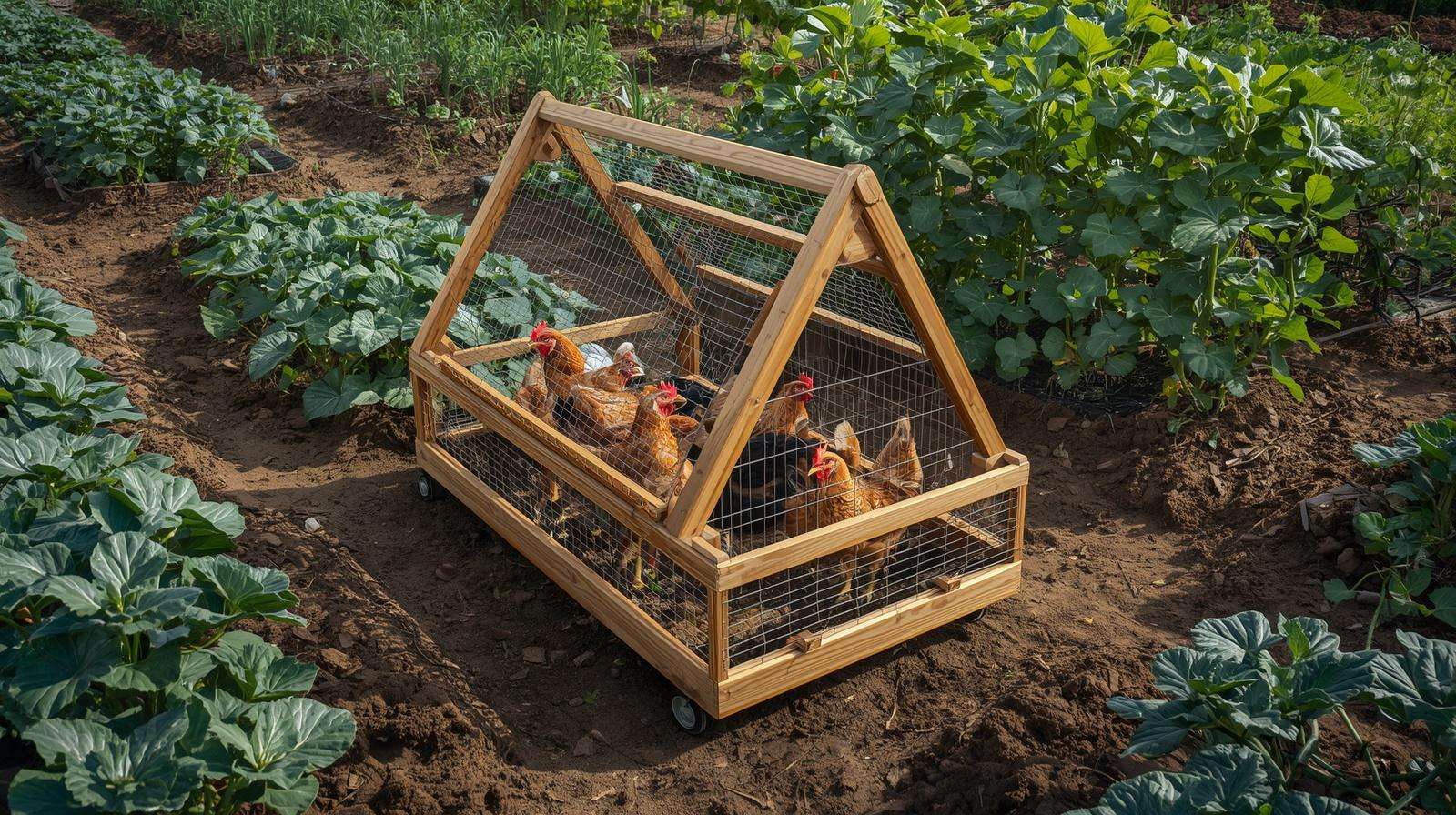
Mobile chicken tractors (bottomless pens moved daily) let birds till, fertilize, and weed finished beds while protecting new plantings. One 10 × 10 ft tractor handles 10–20 birds and prepares a new bed in 3–5 days. Goats on rotational browse clear fence lines and invasive species. Ducks patrol wet areas for slugs and mosquitoes. Pigs can be used strategically to turn compacted soil into ready garden space before planting.
Manure-to-Compost Pipeline
Chicken and rabbit manure are high-nitrogen; compost them 90–120 days in a hot pile (C:N ratio 25–30:1) to kill pathogens. Sheep and goat pellets can go straight onto beds after aging 30–60 days. A well-managed system returns 80–90 % of nutrients to the soil, dramatically reducing or eliminating purchased fertilizer.
Forage Crops and Pasture Management for Reduced Feed Costs
Plant perennial forages such as comfrey, chicory, plantain, white clover, and alfalfa in pastures and orchard understories. Southern Extension research shows that grazing cover crops (rye, crimson clover, annual ryegrass) on row-crop land can add $20–80 per acre in livestock gains while building soil organic matter and cutting external feed needs by 40–60 %. In the arid West, drought-tolerant mixes of sorghum-sudangrass and cowpeas keep animals fed with minimal irrigation.
Ready-to-Use Implementation Plans by Homestead Size
Quarter-Acre or Urban/Suburban Setup
Allocate 60 % to intensive raised beds and containers, 20 % to livestock (chicken run + rabbit hutches), 20 % to paths, small orchard, and compost. Year 1 focus: gateway crops + 6–8 chickens. Expected outcome: 40–60 % of fresh produce and all eggs within the first growing season.
1–5 Acre Classic Homestead
Year 1: Expand garden to 2,000–4,000 sq ft with Three Sisters and staples + chicken flock. Year 2: Add 2–4 goats or sheep and establish forage paddocks. Year 3: Plant perennial orchard and integrate pigs or expand bees. Typical result: 70–90 % self-sufficiency in vegetables, eggs, and some meat/dairy by year 3, with grocery savings of $2,000–4,000 annually.
5+ Acre Scaling Plan
Introduce rotational grazing cells, larger grain plots, and heritage livestock. Many operations reach 95 %+ food self-sufficiency while generating surplus for sale or barter.
Include a simple 3-year budget template in your downloadable lead magnet: track startup, feed, and projected savings.
Overcoming the Biggest Challenges – Real Solutions from Experienced Homesteaders
Pests, Diseases, and Predators
Use integrated pest management: beneficial insects, row covers, and companion planting. Electric netting or guardian animals (dogs, llamas, or even geese) deter predators. Cooperative Extension offices provide free soil and plant diagnostic services.
Extreme Weather and Climate Resilience
Select regionally adapted breeds and varieties. High tunnels and cold frames extend seasons in cold zones; shade cloth and drip irrigation protect arid areas. Diversify plantings and maintain healthy soil to buffer drought or heavy rain.
Time, Labor, and Burnout Prevention
Automate with timed waterers and self-feeders. Batch chores (one “livestock day” per week). Involve the whole family and join local homesteading groups for labor swaps and moral support.
Cost Control and Common Financial Pitfalls
Buy day-old chicks or started stock instead of adults. Grow or barter 50 %+ of feed. Track every expense the first two years—most homesteaders report breaking even or profiting by year 3 when they sell extra eggs, honey, or seedlings.
Real-World Success Stories – Proof It Works Across America
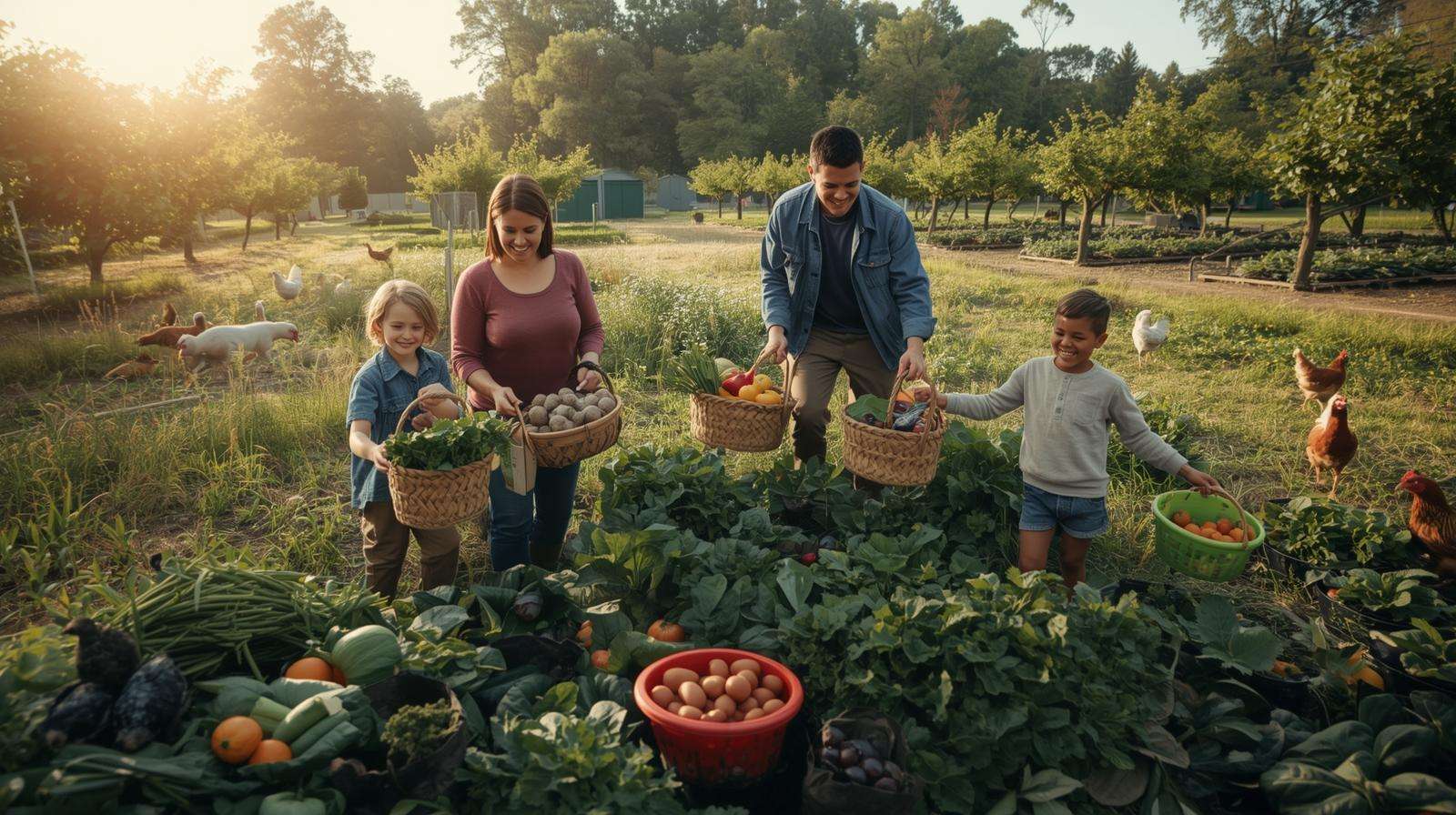
- ½-Acre Pacific Northwest Homestead: One family produces 80 % of their food (thousands of pounds of potatoes, squash, beans, plus eggs and meat from chickens and small goats) using intensive beds, chicken tractors, and a food forest for the flock. Their system has run successfully for over 35 years.
- 4-Acre Midwest Operation: Chickens for eggs/meat, goats for milk and brush control, and a large Three Sisters garden deliver near-complete vegetable and protein self-sufficiency within three seasons.
- Arid Southwest 1-Acre Setup: Rabbits, drip-irrigated tepary beans and chiles, plus two beehives provide substantial year-round food despite low rainfall. The family credits manure recycling and heavy mulching for their success.
- ½-Acre Gulf Islands Challenge: A couple grew or raised 100 % of their food (including meat birds and layers) for an entire year, supplementing only with wild seafood—proving intensive integration works even on tiny footprints.
These examples, drawn from documented homesteading reports and Cooperative Extension case studies, show that meaningful self-sufficiency is realistic when you follow proven, site-specific strategies.
Measuring Success and Scaling Toward Full Self-Sufficiency
Track these key metrics quarterly:
- Dozen eggs and pounds of meat/produce harvested
- Grocery savings (average $1,500–4,000/year for active homesteads)
- Soil organic matter improvement via annual tests
- Percentage of household calories produced
Next-level additions include hoop houses for season extension, root cellars or pressure canning for storage, and value-added products (herb salts, goat-milk soap, honey) for extra income.
Essential Resources and Next Steps
- Books: The Backyard Homestead (Storey Publishing), Gaia’s Garden (Toby Hemenway)
- Free tools: USDA Plant Hardiness Zone Map, your county Cooperative Extension office, ATTRA Sustainable Agriculture resources
- Communities: Local beekeeping or master gardener clubs, Permies.com forums
- Download my free Homestead Planning Checklist (link in comments or sidebar) to map your first-year priorities.
Start small this season—one smart crop guild or a modest chicken flock—and build momentum. Your future self-sufficient homestead is closer than you think.
Conclusion
Practical crop and livestock ideas for US homesteaders succeed when they are matched to your land, climate, and lifestyle. By evaluating your site, choosing proven varieties and breeds, integrating animals with crops, and learning from real-world examples, you can achieve meaningful food security, slash grocery costs, regenerate your soil, and enjoy the deep satisfaction of self-reliance.
The movement is growing for good reason—egg prices, supply-chain concerns, and the desire for healthier food are driving millions toward home production. Begin with what you have right now. Plant those radishes, order six chicks, test your soil, and watch your homestead come to life. The rewards—fresh food on your table, healthier soil under your feet, and greater resilience for your family—compound faster than you expect.
Drop your USDA zone and acreage in the comments—I or fellow readers will offer tailored starting tips. Subscribe for seasonal checklists, variety recommendations, and more proven strategies delivered straight to your inbox. Here’s to your successful, abundant homestead!