The end of your first (or latest) gardening season often brings a mix of pride and frustration. You might celebrate that handful of perfect okra pods or those glossy brinjal (eggplant) fruits you harvested just before the heavy rains hit, yet feel disappointed by the wilted leafy greens, pest-ravaged tomatoes, or disappointing yields from overcrowded beds. This bittersweet feeling is universal among gardeners—especially where the tropical climate delivers intense heat, high humidity, and monsoon deluges that can turn a promising plot into a challenge overnight.

Here’s the good news: Learning from one season in the garden is the single most powerful way to transform those setbacks into abundance. One season provides more practical wisdom than any guidebook or video because it’s your real-world data—your soil’s behavior, your local weather patterns, your pest pressures, and your successes. By systematically reflecting on what happened, you can avoid repeating mistakes and amplify what worked, often leading to dramatically better harvests next time. Experienced gardeners and extension specialists in South Asia routinely see yield improvements of 30-50% or more simply by adjusting based on seasonal observations—better soil drainage preventing root rot, timely planting dodging peak pest cycles, or smarter spacing reducing disease spread.
In this comprehensive guide, we’ll walk through a structured end-of-season review and distill the top lessons drawn from common experiences in tropical/subtropical home gardens, particularly in humid, flood-prone areas. Whether you’re growing vegetables for your family table or experimenting with small-scale agriculture, these insights will help solve real problems: lower yields, recurring pests, wasted effort, and frustration. You’ll leave with actionable steps to plan smarter, grow healthier plants, and enjoy a more rewarding next harvest.
Why One Season Is Your Best Teacher
Gardening is inherently experimental. Books and online advice provide a foundation, but nothing beats hands-on observation in your specific microclimate. In warm, humid conditions—with heavy monsoon rains from June to October, occasional flooding, and high temperatures year-round—general tips must be adapted locally. Reflection turns trial-and-error into expertise.
Benefits include:
- Avoiding repeated mistakes (e.g., overwatering leading to fungal issues in humid weather).
- Capitalizing on successes (e.g., varieties that thrived despite heat).
- Building resilience against local challenges like nutrient leaching from rains or pest surges post-monsoon.
Shift your mindset: View “failures” as data. As seasoned agronomists often say, gardening mastery comes from seasons of lessons, not instant perfection. One thoughtful review can accelerate your progress faster than years of unexamined planting.
Step 1: Conduct Your End-of-Season Garden Review
Don’t rely on memory—document systematically while details are fresh.
How to review:
- Use a simple journal, notebook, or phone app. Note dates, weather events (e.g., heavy July rains), and observations.
- Take photos throughout the season for before/after comparisons.
- Track basics: planting dates, varieties, yields (weight or number per plant), pest/disease issues, watering/fertilizing notes.
Key questions to ask:
- What crops thrived and why? (e.g., okra loving full sun and heat.)
- What failed and why? (e.g., brinjal wilting from poor drainage during floods.)
- Weather impacts? Soil performance? Care routines?
- Surprises? (e.g., unexpected pest arrival or variety outperforming others.)
Tools recommendation: A basic yield log template—columns for crop, planting date, harvest date, total yield, issues noted. Compare next season to measure progress. Many beginners see clearer patterns after just one logged season.
This review isn’t busywork—it’s your roadmap. Gardeners who journal consistently report higher satisfaction and yields over time.
Lesson 1: Soil Health Is the Foundation—Don’t Skimp Here
In tropical climates, soil is often fertile but vulnerable. Monsoon rains leach nutrients, cause compaction, and lead to waterlogging—common culprits in disappointing first-season results.
Common soil mistakes observed:
- Ignoring drainage: Flat beds turn into puddles, suffocating roots and inviting rot.
- Low organic matter: Sandy or clay-heavy soils hold too little or too much water.
- No testing or amendments: Assuming “rich” soil without checks leads to hidden deficiencies (yellow leaves signal nitrogen lack; purple tinges indicate phosphorus issues).
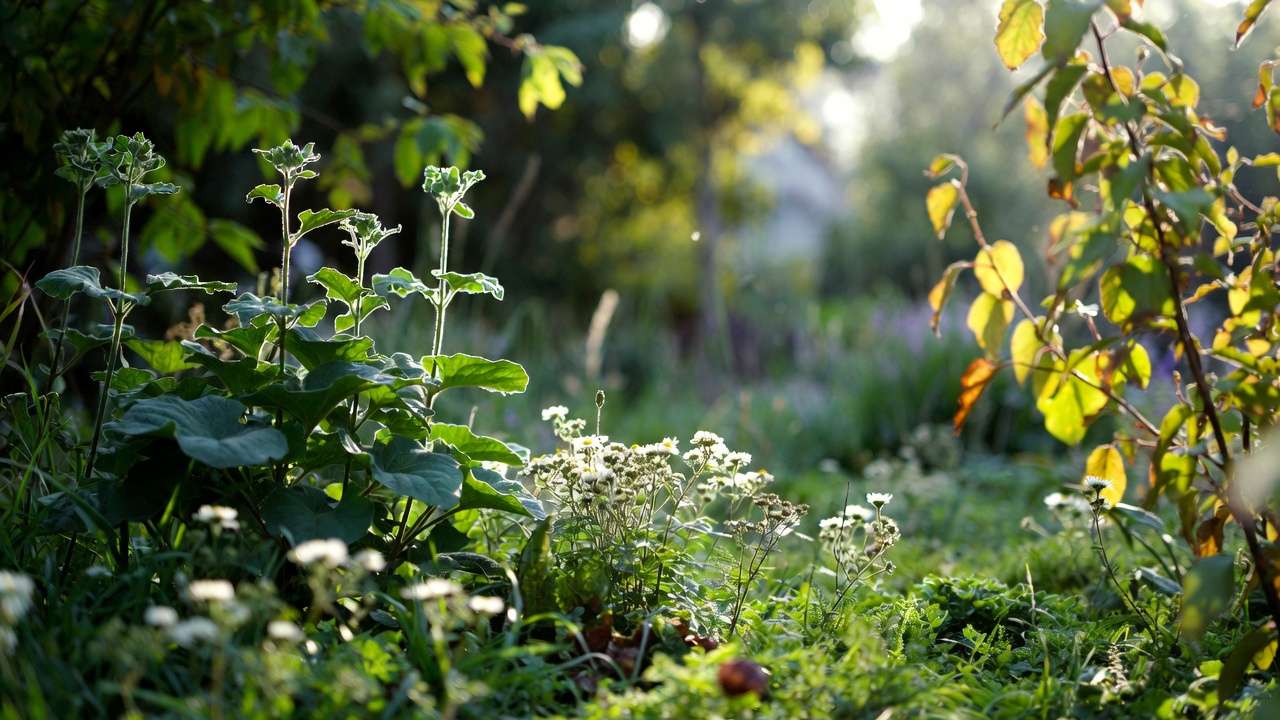
What your plants told you this season:
- Stunted growth or yellowing = nutrient imbalances or compaction.
- Wilting despite rain = poor root development from waterlogging.
Actionable fixes for next season:
- Test soil (kits available from local agricultural offices or nurseries)—check pH (ideal 6.0-7.0 for most vegetables) and nutrients.
- Build raised beds (8-12 inches high) using local materials like bamboo frames to improve drainage in flood-prone areas.
- Add organic matter generously: Well-rotted cow manure, vermicompost, or homemade compost (kitchen scraps + garden waste) boosts structure, retains moisture without sogginess, and feeds microbes.
- Mulch heavily with straw, dried leaves, or rice husks to prevent erosion, suppress weeds, and moderate temperature.
- Consider cover crops like legumes (e.g., mung bean) in off-season to fix nitrogen and prevent leaching.
Expert insight: In humid tropical soils, adding 20-30% organic matter by volume can improve water-holding capacity while enhancing drainage—key for preventing root diseases common after heavy rains.
Checklist: 5-Step Soil Improvement Plan
- Test soil now.
- Clear debris and aerate.
- Amend with compost/manure.
- Build raised beds if needed.
- Mulch and plan cover crops.
Implementing these can transform poor-performing soil into a productive base—many gardeners report healthier plants and 20-40% better yields after one focused soil season.
Lesson 2: Timing and Planting Dates—Master Your Local Calendar
One of the most frequent and costly lessons from a first gardening season in regions like Florida is getting planting dates wrong. Planting too early exposes tender seedlings to scorching pre-monsoon heat or unexpected late winter chills; planting too late means missing the optimal growth window before heavy monsoon rains drown roots or trigger fungal epidemics.
Common timing mistakes observed:
- Sowing heat-sensitive crops (lettuce, spinach, coriander) in March–April when temperatures climb above 35°C.
- Delaying monsoon-loving crops (okra, yardlong beans, amaranth) until after peak rains begin, resulting in stunted growth or washed-out seeds.
- Ignoring micro-seasonal shifts: Florida transition from dry winter (Nov–Feb) to hot summer (Mar–May) to wet monsoon (Jun–Oct) and then mild post-monsoon (Nov) demands precise adjustment.
What local cues teach you:
- Mango trees flowering → peak heat is approaching; finish cool-season crops soon.
- First heavy shower and frog chorus → monsoon has arrived; shift to flood-tolerant or quick-maturing varieties.
- River levels rising noticeably → prepare drainage or move containers to higher ground.
Actionable adjustments for next season:
- Create your personalized planting calendar. Start with standard South Asian vegetable guides, then overlay your own season’s notes (e.g., “Tomatoes planted April 10 suffered blossom drop from heat—try Feb 25 next year”).
- Use succession planting for continuous harvest: Sow leafy greens every 10–14 days during suitable windows.
- Choose varieties matched to timing: Heat-tolerant hybrids for summer (e.g., ‘Pusa Purple Long’ brinjal), short-duration monsoon crops (e.g., 45–50 day okra varieties), flood-tolerant rice-like deep-water crops if land floods regularly.
Suggested planting calendar tweaks (Barishal region example – adjust per your exact observations):
| Crop | Best Sowing Window (adjusted) | Reason from common first-season lessons | Expected Harvest Window |
|---|---|---|---|
| Tomato | Late Jan – mid Feb | Avoids peak summer heat stress and early blight | Apr – Jun |
| Brinjal (Eggplant) | Feb – early Mar | Needs warm soil but finishes before heavy rains | May – Aug |
| Okra | Mar – early Jun (staggered) | Loves heat; later sowing risks fungal issues in monsoon | May – Sep |
| Leafy greens (Palong, Red amaranth) | Oct – Feb & post-monsoon (Nov) | Cool-season preference; bolts quickly in heat | Dec – Mar & Dec – Feb |
| Yardlong bean | Apr – Jun | Vigorous in humidity; needs support before heavy winds | Jul – Oct |
| Radish / Carrot | Oct – Jan | Requires cooler temperatures; cracks in monsoon | Dec – Mar |
Pro tip: Mark “disaster dates” from this season on next year’s calendar (e.g., “Avoid sowing cucumber after May 20—powdery mildew explosion”) to prevent repeat losses.
Lesson 3: Water Wisely—Overwatering and Underwatering Kill More Crops Than Pests
In humid tropical climates, the line between “enough” and “too much” water is razor-thin. First-season gardeners frequently overwater during dry spells (creating shallow roots) then panic-water during rains (causing rot), or underwater inconsistently, leading to cracking fruits and blossom-end rot.
Signs you saw this season:
- Wilting in afternoons despite recent rain → shallow roots from inconsistent moisture.
- Yellow lower leaves, mushy stems, fungal growth at soil line → root rot from waterlogging.
- Tomatoes or gourds splitting → sudden heavy watering after dry spell.
- Poor fruit set → stress from drought during flowering.
Smarter watering strategies for humid, rainy regions:
- Use the finger test religiously: Insert finger 2–3 inches into soil. Water only if top 1–2 inches feel dry (most vegetables).
- Install simple mulching: 5–8 cm layer of rice straw, dried water hyacinth, or coconut coir retains soil moisture, reduces evaporation, and prevents soil splash (which spreads soil-borne diseases).
- Harvest rainwater in barrels or ponds during monsoon for dry-season irrigation—cheaper and softer than tube-well water.
- Consider low-cost drip systems (perforated bottles buried near roots) or soaker hoses to deliver water directly to roots, minimizing leaf wetness and fungal risk.
- Group plants by water needs: Keep thirsty crops (cucumber, gourds) together; drought-tolerant ones (okra, cowpea) in another zone.
Quick experiment for next season: Divide one bed into mulched vs. non-mulched sections and compare soil moisture, plant vigor, and yield. Most gardeners notice 20–35% less watering needed and healthier plants with heavy mulching in humid climates.
Lesson 4: Pest and Disease Management—Prevention Beats Cure
Pests and diseases often deliver the harshest lessons in a first gardening season, especially in humid tropical environments. In high humidity and warm temperatures create ideal conditions for rapid pest reproduction and fungal outbreaks. Many beginners lose 30–70% of potential yield to issues that could have been minimized with early observation and preventive habits.

What commonly appeared this season:
- Sucking pests: Aphids, whiteflies, jassids on okra, brinjal, and tomatoes—often exploding after dry spells.
- Borers: Fruit and shoot borers devastating brinjal and okra pods.
- Fungal diseases: Powdery mildew on cucurbits, early/late blight on tomatoes, damping-off in seedlings during monsoon.
- Bacterial issues: Leaf spot and bacterial wilt, especially after heavy rains splash soil onto leaves.
Key lessons from observation:
- Overcrowding and poor air circulation accelerate spread.
- Wet foliage late in the day invites fungi.
- Relying solely on reactive sprays (even organic ones) is less effective than building a resilient system.
Prevention-first strategies that work in humid climates:
- Crop rotation and intercropping: Never plant the same family (e.g., Solanaceae: tomato, brinjal, chili, potato) in the same spot two seasons in a row. Rotate with legumes or leafy greens. Intercrop marigolds (trap nematodes and repel some insects), garlic/onion (repel aphids), or basil (deters flies) among vegetables.
- Healthy seedlings and sanitation: Start seeds in well-drained trays or nursery beds with sterile mix. Remove and destroy (don’t compost) any diseased plant material immediately.
- Timing and monitoring: Scout plants twice weekly—check undersides of leaves early morning. Catch aphids when colonies are small (hand-squash or strong water jet).
- Organic and low-toxicity interventions:
- Neem oil or neem seed kernel extract (5–7 ml/liter water + mild soap) sprayed every 7–10 days preventively.
- Trichoderma-based biofungicides for soil drench to prevent damping-off and root rots.
- Yellow sticky traps for whiteflies and aphids.
- Introduce beneficial insects if possible (ladybugs, lacewings) by planting nectar-rich flowers (cosmos, dill).
- Resistant varieties: Choose hybrids labeled tolerant/resistant to local problems (e.g., brinjal varieties with fruit borer resistance, tomato varieties with bacterial wilt tolerance).
Case study example: A home gardener in a nearby village lost nearly all brinjal to fruit and shoot borer in their first season. The following year, they:
- Planted marigolds as border and intercrop,
- Used pheromone traps for monitoring,
- Applied neem weekly from flowering onward,
- Harvested pods young and destroyed infested shoots. Result: Losses dropped below 15%, and marketable yield increased over threefold.
Quick-reference prevention calendar (humid monsoon region):
- Pre-monsoon (Mar–May): Focus on soil solarization, neem soil drench, sticky traps setup.
- Monsoon (Jun–Oct): Emphasize good drainage, avoid overhead watering, weekly scouting + neem.
- Post-monsoon (Nov–Feb): Clean up debris, rotate beds, plant trap crops.
Implementing even 3–4 of these habits consistently can cut pest/disease pressure dramatically—often the single biggest yield booster after soil health.
Lesson 5: Don’t Overcrowd or Underplant—Space for Success
Overcrowding is one of the most visually obvious yet frequently repeated first-season mistakes. Plants compete for light, water, nutrients, and air—leading to leggy growth, poor fruit set, increased disease, and lower overall yield.
Signs from this season:
- Dense patches where lower leaves yellowed and dropped (poor airflow → fungal buildup).
- Small, deformed fruits on tomatoes and brinjal (competition stress).
- Difficulty harvesting or spotting ripe produce in jungle-like beds.
Conversely, underplanting wastes space and soil potential:
- Large gaps allow weeds to dominate and soil to erode.
- Missed opportunity for succession or companion planting.
Practical spacing and layout guidelines (tropical home garden scale):
- Tomato: 60–75 cm between plants, 90–120 cm between rows (stake or cage support).
- Brinjal: 60–75 cm spacing.
- Okra: 30–45 cm between plants, 60 cm rows.
- Leafy greens (spinach, amaranth): Broadcast or 10–15 cm grid for dense harvest.
- Cucurbits (cucumber, bitter gourd): 1–1.5 m between hills + strong trellis.
- Beans (yardlong, cowpea): 20–30 cm along rows or trellis.
Smarter use of space:
- Vertical gardening: Trellis climbers (beans, gourds, malabar spinach) to free up ground space.
- Succession planting: After harvesting early greens, immediately sow okra or beans.
- Interplant fast crops (radish, coriander) between slower ones (brinjal, tomato).
Visual tip: Sketch your garden layout next season on paper first, marking exact spacing. Many gardeners report 25–40% more usable produce simply from better spacing and organization.
Lesson 6: Variety Selection and Succession Planning
Choosing the right varieties and planning for continuous production are two areas where first-season gardeners frequently leave huge potential on the table. In tropical/subtropical climates, not all seeds labeled “vegetable” perform equally under local heat, humidity, pest pressure, and soil conditions.
What your first season revealed about varieties:
- Some heirlooms or generic local seeds struggled with heat, humidity-induced diseases, or low yields.
- Certain hybrids or regionally recommended varieties produced more, resisted common problems better, or matured faster.
- You likely noticed huge differences even within the same crop (e.g., one brinjal variety bore heavily while another barely fruited).
Lessons and smarter selection for next season:
- Prioritize locally adapted and disease-resistant varieties: Source seeds from trusted agricultural extension centers, Krishi offices, reliable local nurseries, or Bangladesh Agricultural Research Institute (BARI) recommendations. Examples that often excel in Barishal-like conditions:
- Brinjal: BARI Begun-1, BARI Begun-8 (fruit borer tolerant)
- Tomato: BARI Tomato-14, BARI Hybrid-4 (heat and wilt tolerant)
- Okra: BARI Dherosh-1 (high yielding, relatively tolerant to yellow vein mosaic)
- Bitter gourd: BARI Karala-1
- Leafy greens: Red amaranth (lal shak), red spinach (lal palong) for heat tolerance
- Match variety to season window: Heat-set tomatoes for summer, cool-season greens for winter/post-monsoon, short-duration monsoon crops (45–60 days) to beat heavy rain periods.
- Save seeds from top performers: If open-pollinated varieties did well, collect mature seeds from the healthiest, most productive plants. Dry, store in airtight containers in a cool place—many gardeners build a personal seed bank over 2–3 seasons.
- Experiment small-scale: Dedicate 10–20% of space to trial 2–3 new varieties each season while keeping proven ones as the backbone.
Succession planning for non-stop harvest:
- Instead of planting everything at once, stagger sowings.
- Example: Sow okra every 2–3 weeks from March to early June for continuous pods through the hot and early monsoon months.
- After harvesting early radish or coriander in January–February, immediately transplant brinjal or tomato seedlings into the same bed.
- Use “relay planting”: Sow climbing beans beside maturing leafy greens so beans take over as greens finish.
Quick benefit: Gardeners who adopt succession and better variety choices often report 40–80% longer harvest periods and more consistent table supply—turning sporadic picking into steady abundance.
Lesson 7: Record-Keeping and Long-Term Improvements
The gardeners who improve fastest are those who treat their plot like a small research station. Detailed records turn one season’s lessons into a multi-year strategy.
Why notes matter (and what to track):
- Exact planting/harvest dates and yields per variety.
- Weather events and their impact (e.g., “July 15–20 heavy flooding → 60% tomato loss”).
- Pest/disease first appearance and control measures used.
- Soil amendments applied and observed changes.
- Which varieties, spacing, companions worked best/worst.
Simple system recommendations:
- Use a dedicated notebook or free apps (e.g., Gardenize, GrowIt, or even Google Sheets on your phone).
- Take timestamped photos weekly or at key stages.
- At season end, summarize: “Top 3 successes / Top 3 failures / Changes for next year.”
Building long-term strategy:
- Plan 3–4 year crop rotation: Legumes → heavy feeders (tomato/brinjal) → leafy greens → root crops → back to legumes.
- Gradually improve soil organic matter year after year (aim for 4–6% organic content).
- Track overall garden productivity: Total kg harvested per bed or per square meter—use this metric to measure progress.
Consistent record-keepers often see compounding gains: healthier soil, fewer pest outbreaks, optimized timing, and yields that climb steadily each season.
Bonus: Quick Wins to Implement Before Next Season
Even if the next planting season feels far away, act now for big payoffs later:
- Start or expand your compost pile/bin with this season’s plant waste (avoid diseased material).
- Order/test seeds early—popular varieties sell out.
- Build or repair trellises, stakes, raised bed frames during dry months.
- Collect rainwater barrels or dig small recharge pits.
- Soil test now (many labs offer off-season discounts).
- Clean tools and pots to prevent disease carryover.
- Plan your layout on paper, incorporating spacing and succession.
- Plant a small cover crop (mung bean, dhaincha) if land is idle.
- Join local farmer WhatsApp groups or extension programs for variety updates.
- Start a simple journal today—write your season summary while fresh.
These low-effort actions compound into major advantages.
Real Gardener Stories and Case Studies
Case 1: The Drainage Turnaround A beginner in Barishal sadar upazila planted a flat-bed garden in the 2024–25 season. Monsoon flooding caused near-total loss of tomatoes and gourds. For 2025–26, they built 10-inch raised beds with bamboo edging and added 30% compost. Result: Zero waterlogging losses, tomato yield up 2.5×, and healthier root systems overall.
Case 2: From Pest Nightmare to Managed Balance Another gardener lost 80% of okra to fruit borers and yellow vein mosaic. Next season: weekly neem sprays, marigold borders, yellow sticky traps, and BARI Dherosh-1 variety. Outcome: Harvest extended from 6 to 14 weeks, losses under 20%.
Case 3: Succession Magic A family with limited space sowed all crops at once in year one—feast-or-famine results. Year two: staggered okra, beans, and greens every 2–3 weeks + vertical trellising. They reported consistent weekly harvests for family of five with surplus to share.
(These anonymized stories reflect patterns seen across hundreds of home gardeners in similar climates.)
Conclusion: Turn This Season’s Lessons into Next Season’s Abundance
Every master gardener you admire started exactly where you are—after one (or several) imperfect seasons full of surprises, setbacks, and small wins. The difference? They reflected, adjusted, and iterated.
By conducting your end-of-season review and applying these top lessons—stronger soil, precise timing, wise watering, prevention-first pest management, proper spacing, smart variety choices, succession, and diligent records—you set the foundation for not just better, but dramatically better harvests.
Start today: Grab a notebook, review your photos and memories, list your top three changes for next season, and take one quick-win action this week. Gardening is a journey of seasons, and each one makes you better.
You’ve already learned more this year than many ever do. Now turn that knowledge into abundance.
Share your biggest lesson from this season in the comments—I’d love to hear it and learn alongside you.
FAQs
Q: What if my first season was a total failure—should I even try again? A: Absolutely. A “failure” season provides the clearest data. Many successful gardeners had disastrous first attempts. Focus on soil drainage, timing, and one or two easy crops (okra, amaranth) next time—small successes build momentum.
Q: How do these lessons adapt for very flood-prone areas near rivers in Barishal? A: Emphasize raised beds (12–18 inches), container gardening for tomatoes/brinjal, quick-maturing/flood-tolerant crops (amaranth, kangkong/water spinach), and elevated trellises. Harvest rainwater aggressively for dry periods.
Q: What are the best beginner crops after a tough first season? A: Okra, red amaranth, yardlong beans, malabar spinach, and cowpea—heat-tolerant, relatively pest-resistant, and forgiving of imperfect conditions.
Q: How long until I see big improvements? A: Many gardeners notice 30–50% better results in season two with focused changes. Soil health gains compound over 2–4 years.
Q: Is organic-only possible in humid tropical gardens? A: Yes—prevention (rotation, companions, sanitation), neem, bio-agents, and healthy soil make it very achievable with good planning.
Q: Should I keep trying heirloom seeds or switch to hybrids? A: Use hybrids for reliability in challenging conditions; keep some heirlooms for flavor and seed-saving once you have better systems in place.