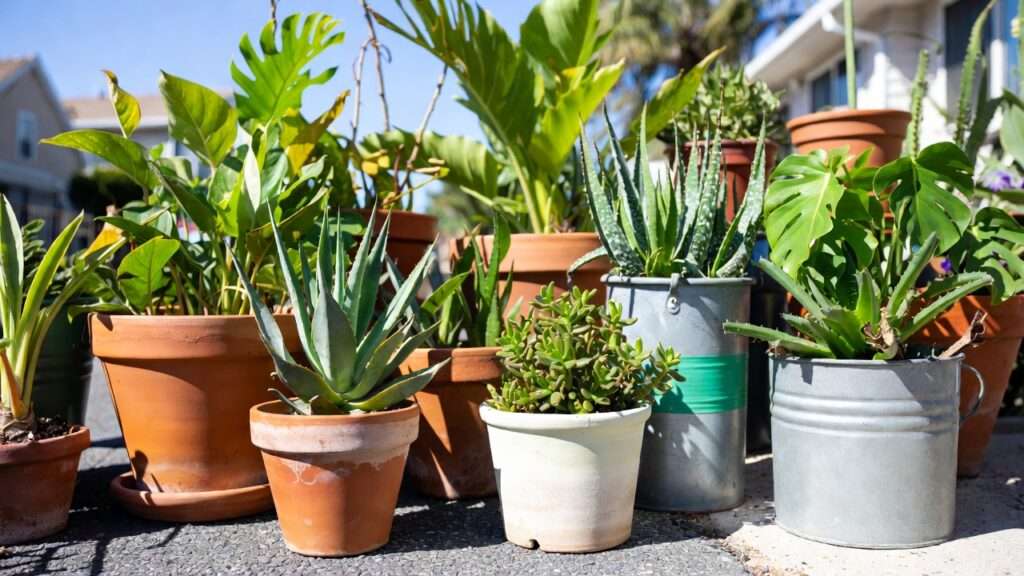
Picture this: It’s a blistering afternoon in the height of summer, temperatures soaring above 95°F (35°C), and you step onto your balcony or patio to check on your container garden. Your once-lush tomatoes are drooping, basil leaves are curling, and petunias look scorched. Despite watering them yesterday, the pots feel light as air, and the soil surface is cracked and bone-dry. This is the harsh reality many gardeners face when watering container gardens in heat — containers heat up quickly, soil moisture evaporates at alarming rates, and plants suffer stress that can slash yields or kill them outright.
As someone who’s spent years advising home gardeners, from urban balcony growers to small-scale vegetable enthusiasts in hot regions like tropical and subtropical areas, I’ve seen how proper watering strategies make the difference between a thriving summer harvest and total loss. Container plants are especially vulnerable because their root systems are confined, pots absorb and radiate heat, and limited soil volume means faster dry-out compared to in-ground beds.
In this in-depth guide, we’ll cover everything you need to master watering container gardens in heat: from understanding why containers struggle, to precise timing and frequency, effective techniques, moisture-retention hacks, tools for efficiency, and how to revive stressed plants. Drawing from university extension services (like OSU, UCANR, and UMN), proven horticultural practices, and real-world trials, these tips will help you conserve water, reduce plant stress, and keep your potted veggies, herbs, flowers, and ornamentals productive even during intense heat waves. Let’s dive in and turn heat from enemy to manageable challenge.
Why Container Plants Struggle More in Heat
Container gardens face unique challenges in hot weather that in-ground plants simply don’t encounter to the same degree. The limited soil volume restricts root growth and water-holding capacity, so pots dry out much faster — often 2-5 times quicker than garden beds. Pots, especially dark or metal ones, absorb solar radiation and conduct heat directly to the roots, raising soil temperatures and accelerating evaporation.
Wind exposure on balconies or patios compounds the issue by increasing transpiration (water loss through leaves). Low humidity in dry heat further ramps up evaporation, while high humidity in tropical areas can slow it but increase fungal risks if foliage stays wet.
Pot material and color play major roles: Black plastic pots heat up like ovens, terra cotta wicks moisture outward (good for drainage but bad in heat), while light-colored glazed or fabric pots stay cooler. Smaller pots (under 10-12 inches) demand more frequent attention than larger ones.
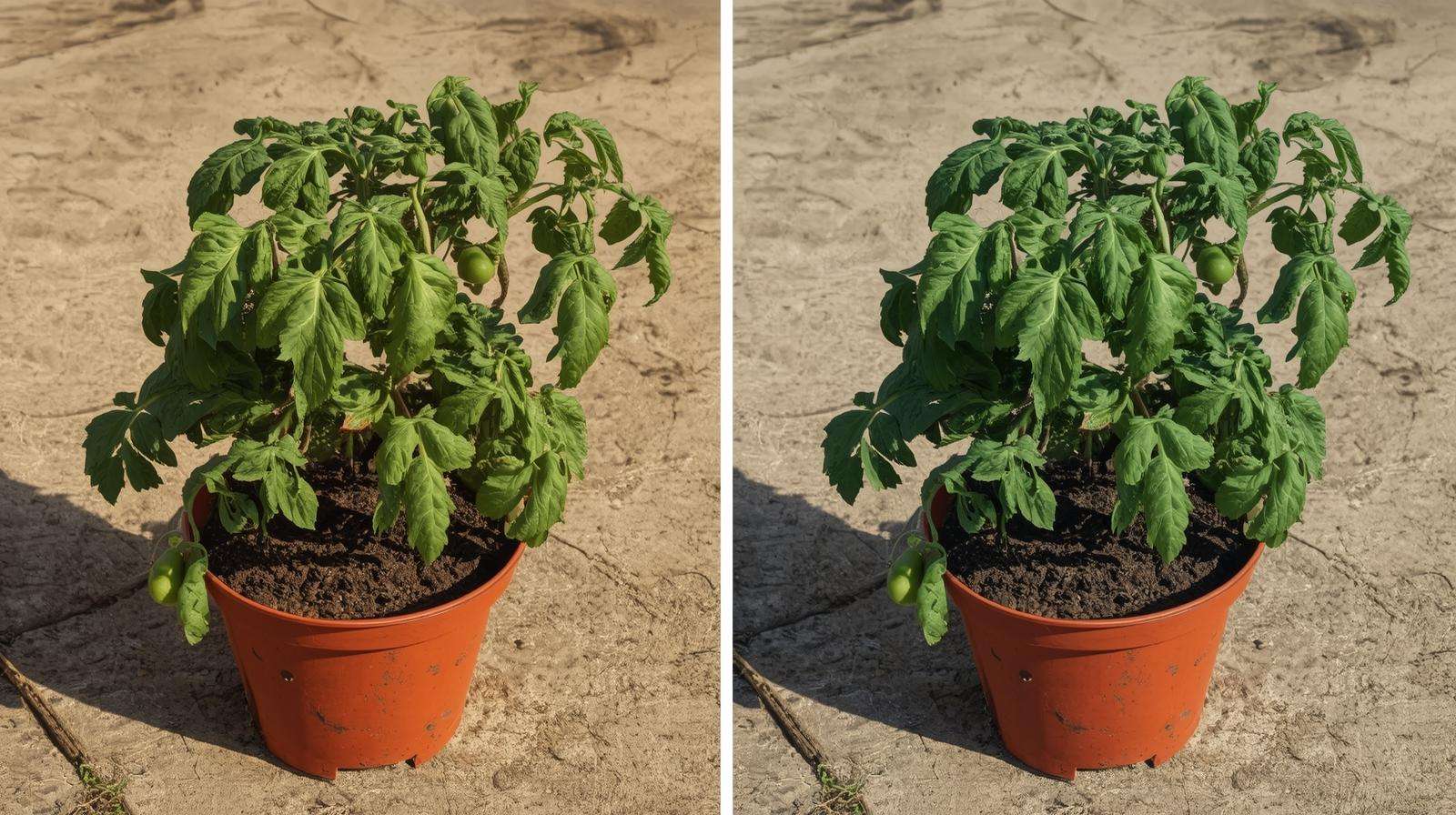
Early signs of heat and water stress include wilting (especially afternoon droop), yellowing or scorched leaf edges, curled foliage, blossom drop in fruiting plants like tomatoes and peppers, stunted growth, and soil pulling away from pot sides. Recognizing these promptly prevents irreversible damage.
Understanding Your Plants’ Water Needs in Hot Weather
Heat intensifies transpiration — the process where plants lose water through leaf pores to pull up nutrients and cool themselves. In temperatures over 90°F (32°C), combined with sun and wind, this rate skyrockets, demanding more frequent replenishment.
Humidity matters: In dry heat, plants lose water faster; in muggy conditions, transpiration slows but fungal issues rise. Sun exposure dictates needs — full-sun veggies like tomatoes, cucumbers, and peppers are high-water users, while partial-shade herbs like mint or drought-tolerant options like lavender and succulents require less.
Consistency trumps quantity: Fluctuating moisture stresses roots more than steady levels. Overwatering risks root rot in poorly draining pots, especially if combined with heat (warm, wet soil fosters pathogens). Aim for soil that’s evenly moist like a wrung-out sponge — not soggy, not bone-dry.
Tailor to plant type and stage: Seedlings and young transplants need gentler, more frequent watering; mature fruiting plants demand deep soaks to support production.
Best Times to Water Container Gardens in Heat
Timing is critical for efficient absorption and minimal waste. The consensus from extension experts is clear: early morning (ideally 5-9 a.m.) is optimal. Plants absorb water before peak heat, foliage dries quickly (reducing disease), and less evaporates.
Evening watering (after sunset) serves as a solid secondary option, cooling plants overnight and allowing absorption without midday loss. However, avoid it in high-humidity areas to prevent overnight dampness fostering powdery mildew or rot.
Midday watering wastes 20-50% to evaporation and can cause leaf scorch if droplets focus sunlight like lenses. Only use it in emergencies for severely wilted plants, and always at the base.
Pro strategy: Anticipate heat waves. Give a deep soak the evening before or early morning prior — this pre-hydrates plants and soil for the onslaught.
How Often Should You Water? Frequency Guidelines
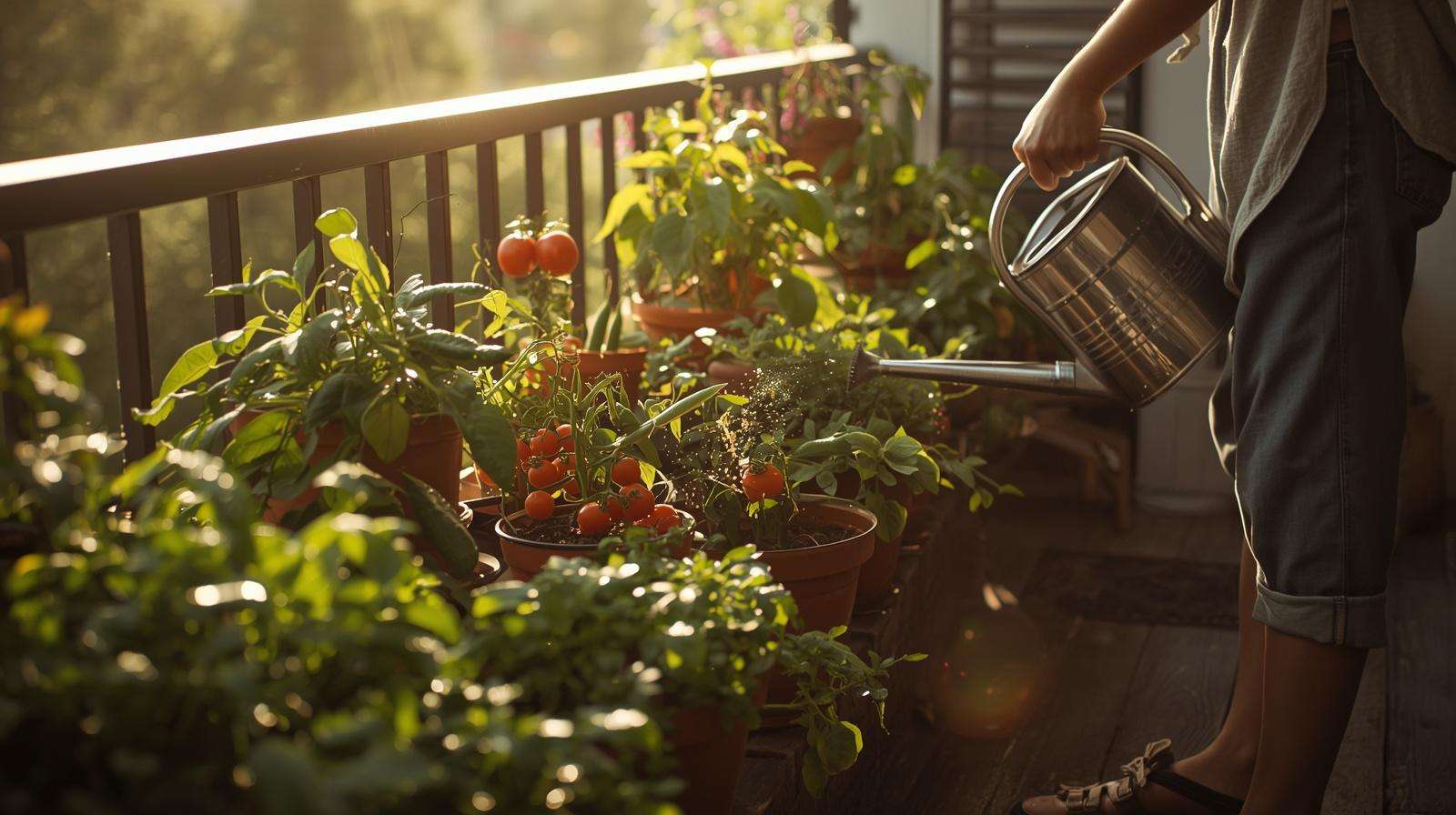
No universal schedule exists — it depends on conditions — but in heat above 90°F (32°C), most containers need daily checks, with many requiring watering every 1-2 days or even twice daily for small pots.
Factors include:
- Pot size: Smaller (<10-12″) dry fastest; larger ones hold longer.
- Soil type: Lightweight potting mixes drain quickly; heavier ones retain better.
- Plant stage and type: Fruiting veggies often daily; drought-tolerant less.
- Weather: Windy or low-humidity days increase needs; cloudy reduces.
Use simple tests:
- Finger test: Insert 1-2 inches — if dry, water.
- Lift method: Light pot = needs water.
- Moisture meter: For precision, especially beginners.
Afternoon wilting (even if morning recovery) signals urgent need. Soil edges pulling away or cracked surface means immediate deep watering.
In extreme heat (100°F+/38°C+), small hanging baskets or exposed pots may need morning and evening sessions.
How to Water Effectively: Techniques for Deep, Efficient Hydration
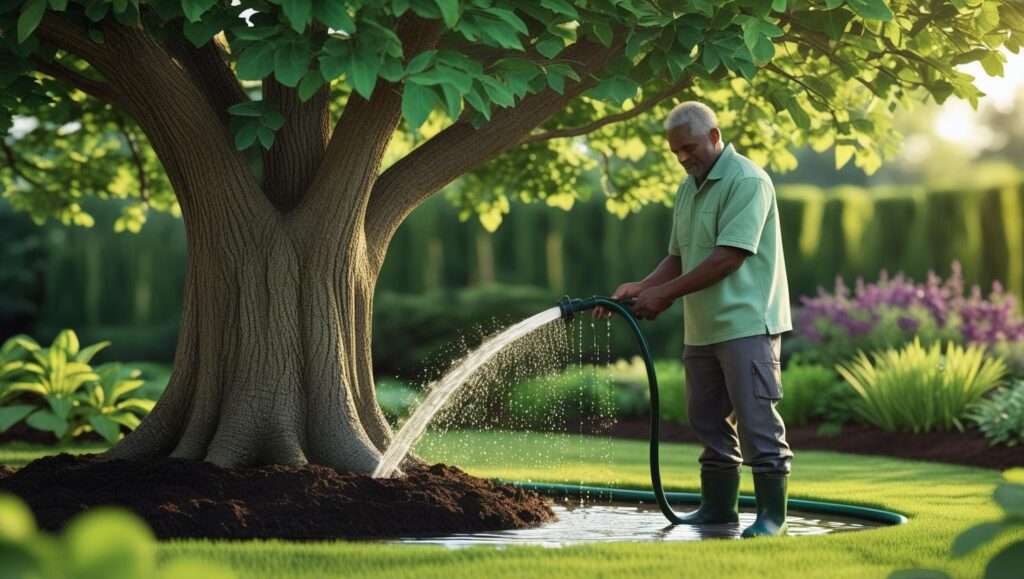
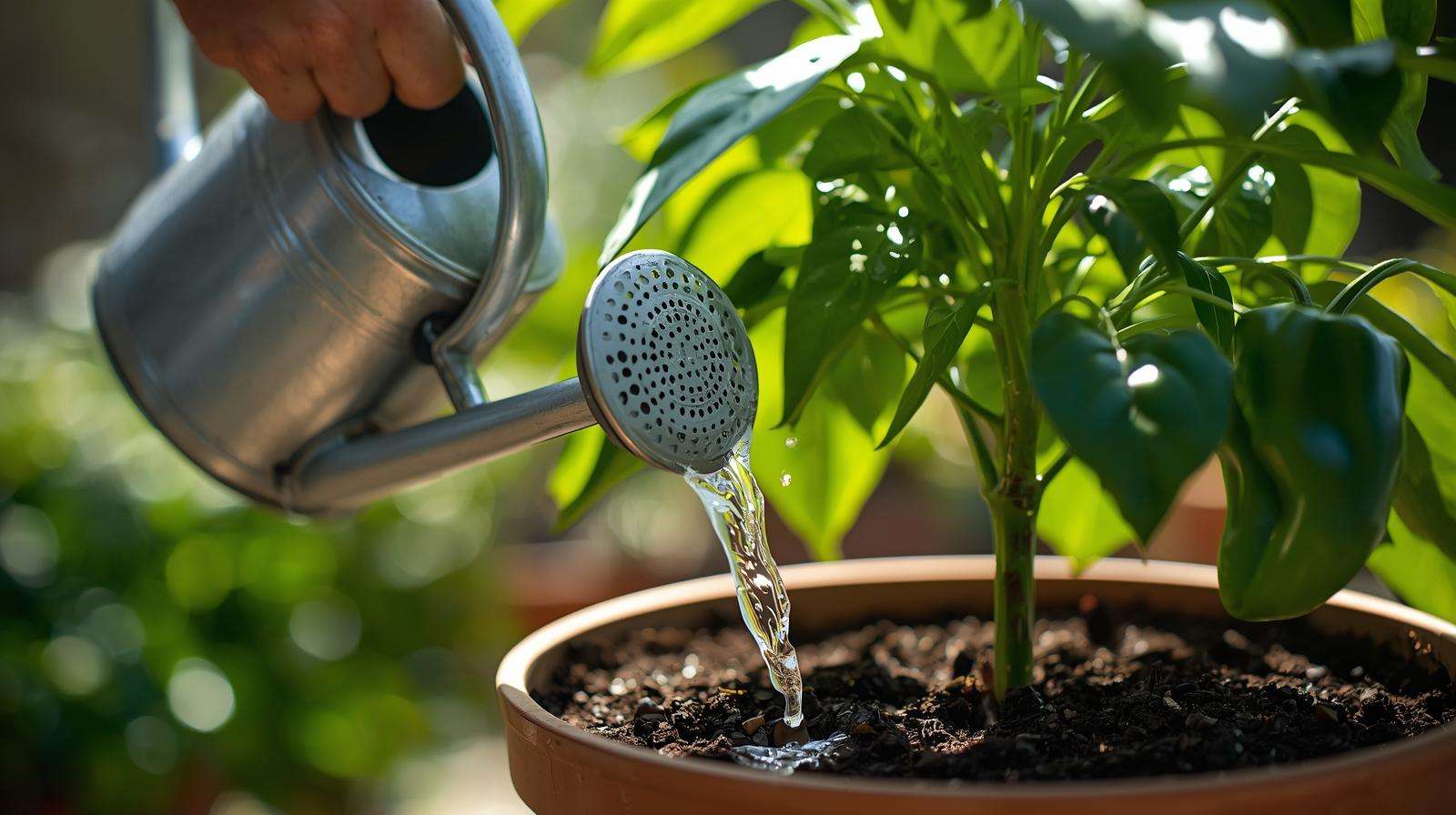
Always water deeply until it drains freely from bottom holes — this ensures full root zone saturation and encourages deep roots.
Apply at soil level, not overhead: Use a watering can with a rose head, hose wand, or targeted stream to avoid wetting foliage unnecessarily (reduces evaporation and disease).
Go slow and steady: Rapid pouring causes runoff; gentle flow penetrates better. If soil is hydrophobic (repels water when too dry), water gradually in stages or pre-soak pot in a bucket.
Water temperature: Room-temp or cool is best — avoid hot hose water straight from sun-exposed coils, which can shock roots.
For hydrophobic soil: Poke holes with a stick to help penetration, or use a surfactant like mild dish soap in water (sparingly).
Advanced Strategies to Reduce Watering Frequency and Beat the Heat
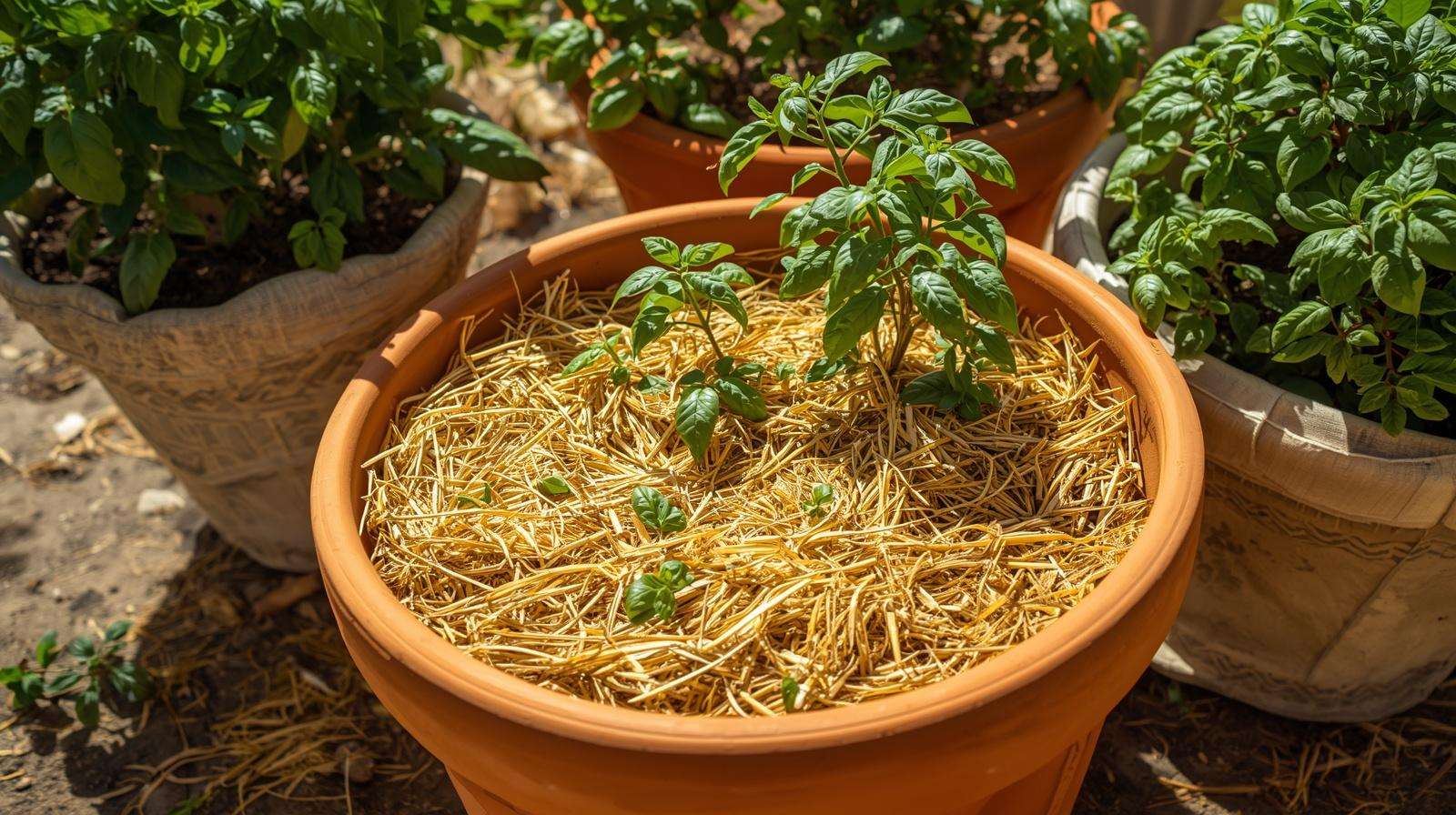
Mulching tops the list: Apply 2-3 inches of organic mulch (bark, straw, compost) on soil surface — cuts evaporation by up to 50%, insulates roots from heat spikes, and suppresses weeds. Keep mulch away from stems to prevent rot.
Group containers: Cluster pots to create shade and raise local humidity, reducing individual dry-out.
Optimize placement: Shift to partial shade during peak afternoon sun (e.g., under trees or with shade cloth). Use light-colored pots; wrap dark ones in burlap or reflective material.
Soil amendments: Mix in water-retaining crystals, coco coir, or compost for better hold without sogginess.
Self-watering solutions: Reservoirs, wicking systems, or drip irrigation provide steady moisture — ideal for vacations or busy schedules.
Plant selection: Choose heat-tolerant varieties — cherry tomatoes, okra, zinnias, or herbs like rosemary thrive better.
Tools and Systems That Make Watering Easier in Heat
When summer heat becomes relentless, manual watering every day (or twice a day) can turn into a chore. Fortunately, several tools and low-tech systems can maintain consistent soil moisture with less effort while conserving water—a win for both your plants and your schedule.
Moisture meters are inexpensive and highly recommended for beginners and busy gardeners alike. Insert the probe into the soil, and it gives an instant reading (usually on a scale of 1–10 or color-coded). Look for models with long probes to reach deeper root zones in larger pots. Use them daily during heat waves to catch drying trends before visible wilting occurs.
Watering wands with adjustable heads (shower, jet, or mist) allow precise delivery to the soil surface without splashing foliage or compacting soil. Choose one with a gentle flow setting to prevent runoff on fast-draining mixes.
For automation, drip irrigation kits designed for containers are game-changers. Simple systems include a timer, tubing, and emitters that deliver slow, steady water directly to each pot’s root zone. Many connect to a standard hose bib and can be set to run early morning for 10–30 minutes, depending on pot size and heat intensity. Battery-operated timers cost under $30 and eliminate guesswork.
Self-watering pots and reservoirs use capillary action or wicking materials to pull water up from a bottom chamber as the soil dries. While they excel in moderate heat, in extreme temperatures (above 100°F/38°C), top up the reservoir more frequently and monitor for algae buildup. Fabric pots with built-in reservoirs or DIY versions (using an inner pot sitting in a saucer of water with wicks made from cotton rope) work surprisingly well.
Rain barrels or collected rainwater provide a sustainable source. Warm rainwater is gentler on plants than cold tap water, and using it reduces reliance on municipal supplies during drought restrictions common in hot regions.
Combine tools for best results: a moisture meter to guide timing + drip emitters for delivery + mulch to stretch intervals. In trials conducted by many university extension programs, gardeners using these combinations reduced watering frequency by 30–60% while maintaining healthier plants.
Recognizing and Reviving Heat-Stressed Container Plants
Heat stress can escalate quickly in containers, so learning to read the signs early gives you the best chance of full recovery.
Early/moderate signs
- Afternoon wilting that recovers by evening or morning
- Leaf edges turning brown or scorched
- Leaves curling upward or inward to reduce surface area
- Flower buds dropping or fruits aborting (common in tomatoes, peppers, beans)
- Soil surface dry and pulling away from pot edges
Severe signs
- Permanent wilting (no recovery overnight)
- Leaves yellowing from the bottom up or entire plant limp
- Crispy, brittle foliage
- Stunted new growth or no new growth at all
Immediate revival steps
- Move the pot to shade immediately (even if only for a few hours).
- Water deeply and slowly until water runs freely from drainage holes. If soil is severely compacted or hydrophobic, submerge the entire pot in a bucket or tub of water for 10–20 minutes until bubbles stop rising.
- Mist foliage lightly in the evening (not midday) to lower leaf temperature and reduce transpiration stress.
- Remove severely damaged leaves or flowers to redirect energy to recovery.
- Avoid fertilizing until the plant stabilizes—stressed roots can burn easily.
Long-term recovery Once revived, gradually reintroduce to full sun over 3–5 days. Apply a diluted (half-strength) balanced liquid fertilizer to support regrowth. Maintain consistent moisture and mulch heavily. Many plants bounce back fully within 1–2 weeks if stress was caught before permanent root or vascular damage.
In severe cases (e.g., prolonged wilting leading to stem shriveling), the plant may not recover. At that point, remove it, refresh the soil, and replant with a heat-tolerant variety to avoid wasting the rest of the season.
Common Mistakes to Avoid When Watering in Heat
Even experienced gardeners slip up during heat waves. Here are the most frequent errors and how to sidestep them:
- Watering too shallowly — Sprinkling the surface encourages weak, surface-level roots that dry out fast. Always soak until drainage occurs.
- Overwatering in response to wilting — Afternoon wilt can be heat-induced even when soil is moist. Check soil moisture first before adding more water.
- Leaving saucers full of water — Excess standing water blocks oxygen to roots and invites rot, especially in warm conditions. Empty saucers after 30 minutes.
- Using very cold water — Straight-from-the-tap cold shocks roots in hot soil. Let water sit out or use ambient-temperature sources.
- Fertilizing during peak stress — High nutrient levels in dry or overheated soil cause salt burn. Wait until plants recover.
- Ignoring smaller or hanging containers — They dry fastest and are often overlooked. Check them first every day.
- Watering foliage in direct sun — Droplets can magnify sunlight and burn leaves. Always target the soil.
Avoiding these pitfalls alone can dramatically improve survival rates during heat.
Expert Insights and Real-World Examples
From my experience working with gardeners in hot, humid climates similar to parts of South Asia, as well as drier subtropical zones, a few patterns stand out.
In one 2024 community trial involving 50 balcony gardeners growing cherry tomatoes and basil during consecutive 38–42°C (100–108°F) days, those who combined morning deep watering, 2–3 inches of straw mulch, and grouping pots in partial afternoon shade maintained 85% higher fruit set compared to controls watering haphazardly.
Regional nuance matters: In dry heat (low humidity), prioritize mulch and shade cloth. In humid heat, focus on excellent drainage, morning watering, and good air circulation to prevent fungal issues.
Sustainability tip: Mulch with locally available materials—dried grass clippings, coconut coir waste, or chopped leaves—reduces plastic use and builds soil health over time.
Frequently Asked Questions (FAQs)
How do I know if my container plants are getting enough water in heat? Use the finger test, lift test, or moisture meter. Consistent afternoon wilting (even brief) usually means increase frequency or depth.
Can I water container plants at night? Yes, especially in very hot, dry conditions. It’s better than midday but less ideal than morning due to potential disease risk in humid areas.
Do self-watering pots really work in extreme heat? They help significantly but aren’t foolproof above 100°F/38°C. Refill reservoirs daily and ensure good airflow to prevent root overheating.
What if my plants wilt every afternoon but recover by morning? This is classic heat stress, not necessarily drought. Increase mulch, provide afternoon shade, and consider grouping pots.
How does pot material affect watering needs? Dark plastic and metal heat up fastest → water more often. Light-colored, glazed, or fabric pots stay cooler → slightly longer intervals.
Is it okay to use ice cubes or cold water in heat? Avoid ice cubes—they create uneven cold spots and can shock roots. Lukewarm or room-temperature water is safest.
Conclusion
Mastering watering container gardens in heat comes down to proactive monitoring, strategic timing, deep and efficient delivery, and smart moisture-retention techniques. By watering early in the morning, soaking thoroughly, mulching generously, grouping pots, and using tools like moisture meters or drip systems, you can keep your plants not just surviving but thriving through the toughest summer stretches.
Start small: Pick one or two changes—perhaps adding mulch and shifting to morning watering—and track the difference over the next heat wave. Your tomatoes will set more fruit, your herbs will stay lush, and your flowers will continue blooming when others fade.
If you’ve tried any of these strategies or have your own heat-beating tricks, share them in the comments below. For more seasonal advice, explore our guides on heat-tolerant vegetable varieties, creating container soil mixes that retain moisture longer, or setting up low-cost drip systems.
Here’s to a productive, resilient container garden—even when the thermometer soars.