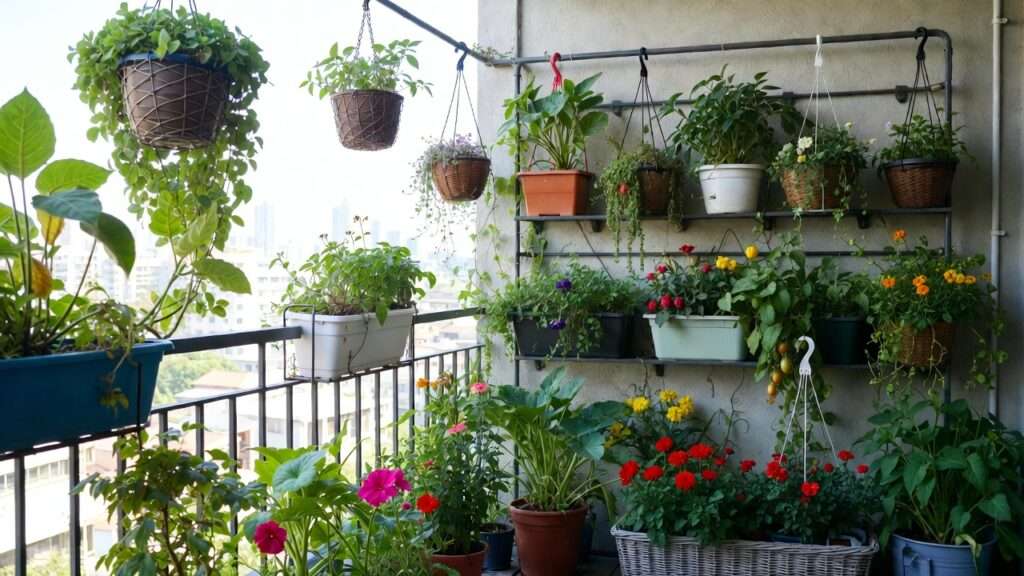
Imagine stepping onto your balcony or small patio and being greeted not by bare railings and empty walls, but by a lush cascade of vibrant green foliage, colorful blooms, and even fresh vegetables or herbs ready for harvest. In today’s urban living—where apartments, compact homes, and limited outdoor areas are the norm—many gardeners feel frustrated by the lack of space for traditional planting. The good news? Vertical gardening on railings and walls turns those underused vertical surfaces into productive, eye-catching gardens that maximize every inch available. This approach not only solves the common problem of “no space to grow” but also boosts yields, adds privacy, improves air quality, and brings natural beauty to small balconies, patios, and tiny yards.
As an agricultural expert with years of experience helping urban gardeners in regions like Bangladesh and beyond create thriving edible landscapes, I’ve seen firsthand how vertical techniques can transform limitations into opportunities. Whether you’re a beginner apartment dweller in Barishal dreaming of homegrown veggies or a seasoned grower looking to optimize your small yard, this comprehensive guide provides step-by-step advice, proven plant selections, DIY setups, maintenance strategies, and real-world insights to help you succeed. Let’s dive in and turn your limited space into a bountiful green oasis.
Why Choose Vertical Gardening on Railings and Walls?
Vertical gardening isn’t just a trendy solution—it’s a practical, high-impact method backed by horticultural principles that deliver measurable benefits, especially in space-constrained environments.
First and foremost, it excels at space efficiency. Traditional horizontal gardening requires ground area that many urban dwellers simply don’t have. By growing upward on railings, walls, trellises, and hanging systems, you can multiply your growing area several times over—often 2-3 times more productive per square foot than flat beds, according to studies on intensive urban farming techniques. This is ideal for balconies (where floor space is premium), patios (where you want to keep seating areas clear), and small yards (where you can layer greenery without crowding pathways).
Plant health improves too. Elevated plants enjoy better airflow, reducing risks of fungal diseases like powdery mildew or root rot that plague ground-level crops in humid climates. Sunlight distribution is often more even, especially on south- or west-facing walls that reflect heat and light. Vertical setups also deter some ground pests, as many insects struggle to climb.
Aesthetically and functionally, these gardens shine. Railings draped with trailing flowers or climbers create natural privacy screens, blocking unsightly views or neighbors while softening harsh urban lines. Wall-mounted systems add insulation (reducing heat gain in summer), attract pollinators for better yields, and contribute to urban biodiversity and cleaner air by filtering pollutants.
Environmentally, vertical gardening supports sustainability: it promotes water-efficient container growing, encourages reuse of materials (like old gutters or pallets), and reduces the carbon footprint associated with store-bought produce. In hot, humid areas common in tropical regions, these setups can even moderate microclimates around your home.
In short, if you’re dealing with limited outdoor space but crave fresh herbs, veggies, or a beautiful retreat, vertical gardening on railings and walls offers one of the most rewarding paths forward.
Assessing Your Space: Key Considerations Before Starting
Success starts with realistic evaluation—rushing in without this step is a top reason gardens fail.
Begin with sunlight exposure, the single biggest factor in plant success. Track how many hours of direct sun your railings and walls receive daily (use a sun calculator app or simple observation over a week). Full-sun spots (6+ hours) suit tomatoes, peppers, and most herbs; partial shade (4-6 hours) works for lettuce, spinach, and many trailing flowers; heavy shade limits options to ferns or shade-loving foliage.
Next, assess structural safety. Balconies and railings have weight limits—typically 20-50 kg per square meter in apartments, but always check your building regulations or landlord guidelines. Factor in wet soil weight (containers can add 10-20 kg each when saturated), wind load (especially on higher floors), and potential swaying. For walls, ensure they’re sturdy (brick/concrete preferred over drywall) and use appropriate anchors.
Consider microclimate elements: Walls reflect heat (great for heat-loving plants but risky for delicate ones), railings expose plants to wind (choose compact or trailing varieties), and urban humidity or monsoon rains demand excellent drainage.
Finally, prepare a quick checklist:
- Measuring tape for dimensions
- Sun journal
- Weight calculator (soil + pots + plants + water)
- Level and drill (if mounting)
- Lightweight potting mix and drainage materials
Taking time here prevents costly mistakes and sets you up for long-term thriving.
Best Structures and DIY Setups for Railings and Walls
The right structure makes all the difference—choose based on your space, budget, and skill level.
Railings-Specific Ideas
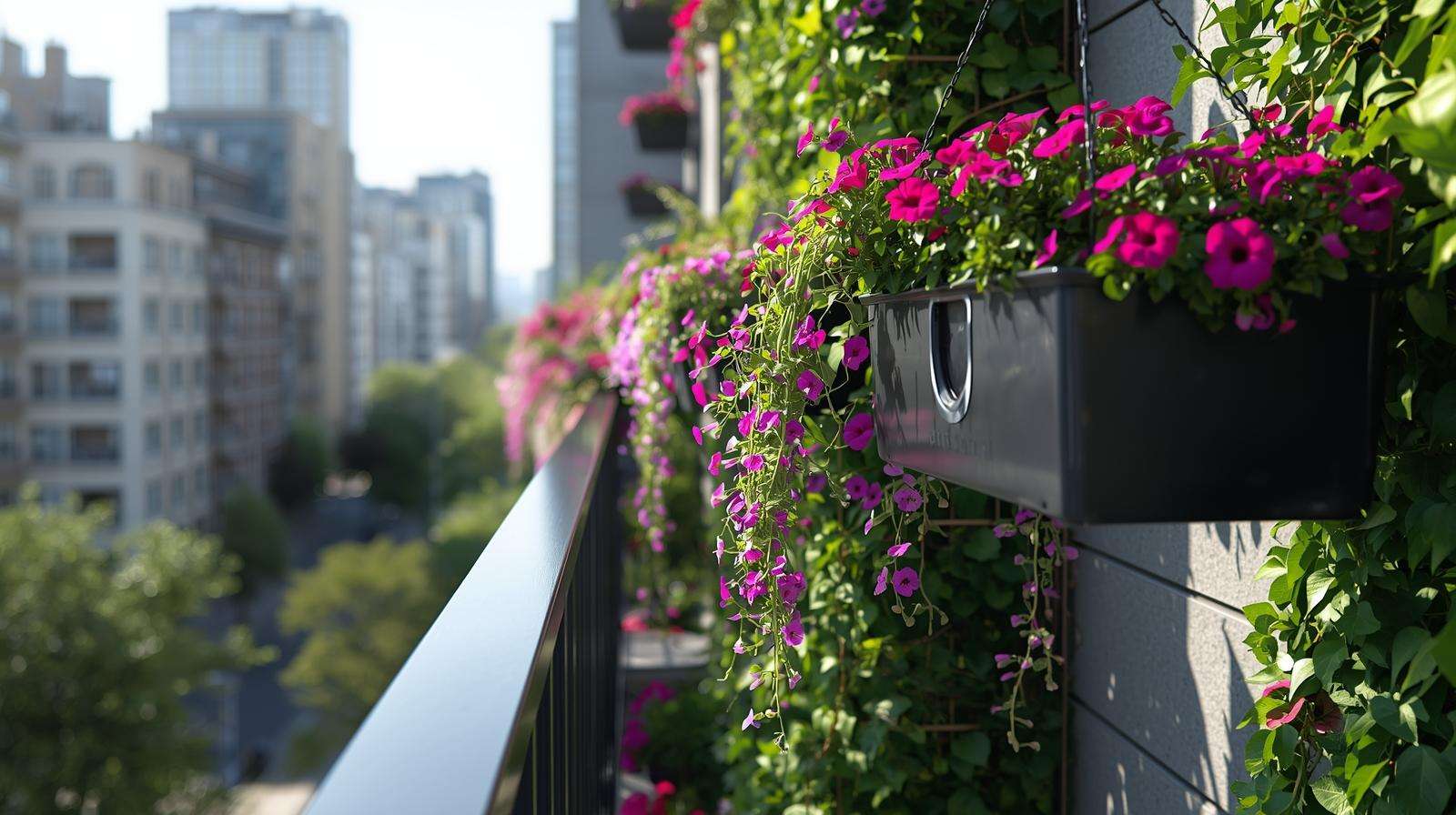
Railings are perfect for quick, non-permanent installs. Over-the-railing planters (rectangular boxes that hook or clamp on) are renter-friendly and space-saving. Hanging baskets or coco liners draped over the top support trailing plants beautifully. For more capacity, use adjustable railing clamps with pots or install gutter sections along the length for a cascading herb garden. Chicken wire or netting attached to railings supports lightweight climbers without drilling.
Wall-Mounted Options
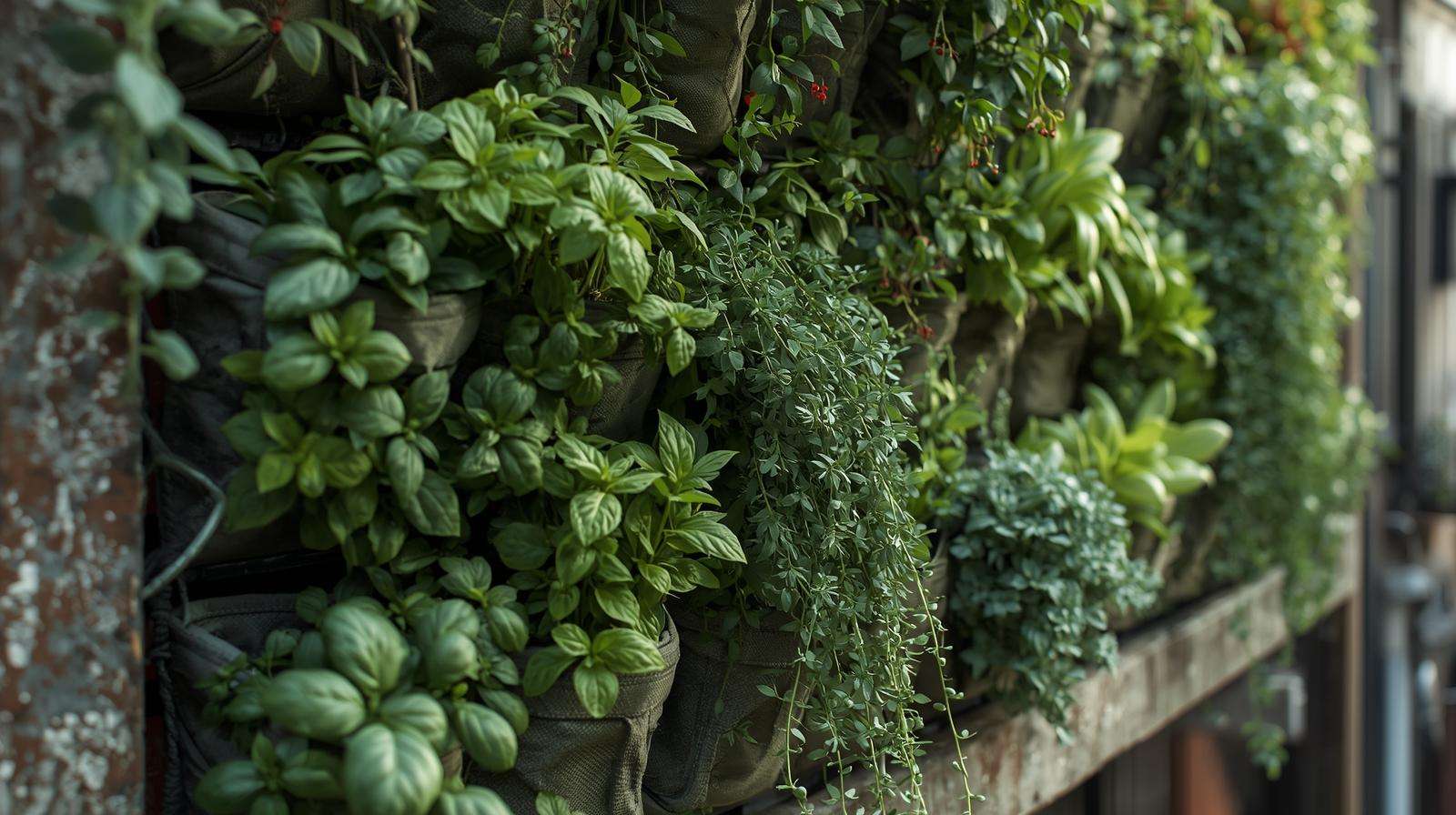
Walls offer endless potential. Fabric pocket planters (felt or recycled materials) are lightweight, affordable, and great for herbs/succulents. Modular plastic or metal grid systems allow customizable arrangements. For a polished look, mount individual pots on brackets or shelves. Living wall frames with irrigation channels suit ambitious projects but require more upkeep.
Hybrid and Advanced Setups
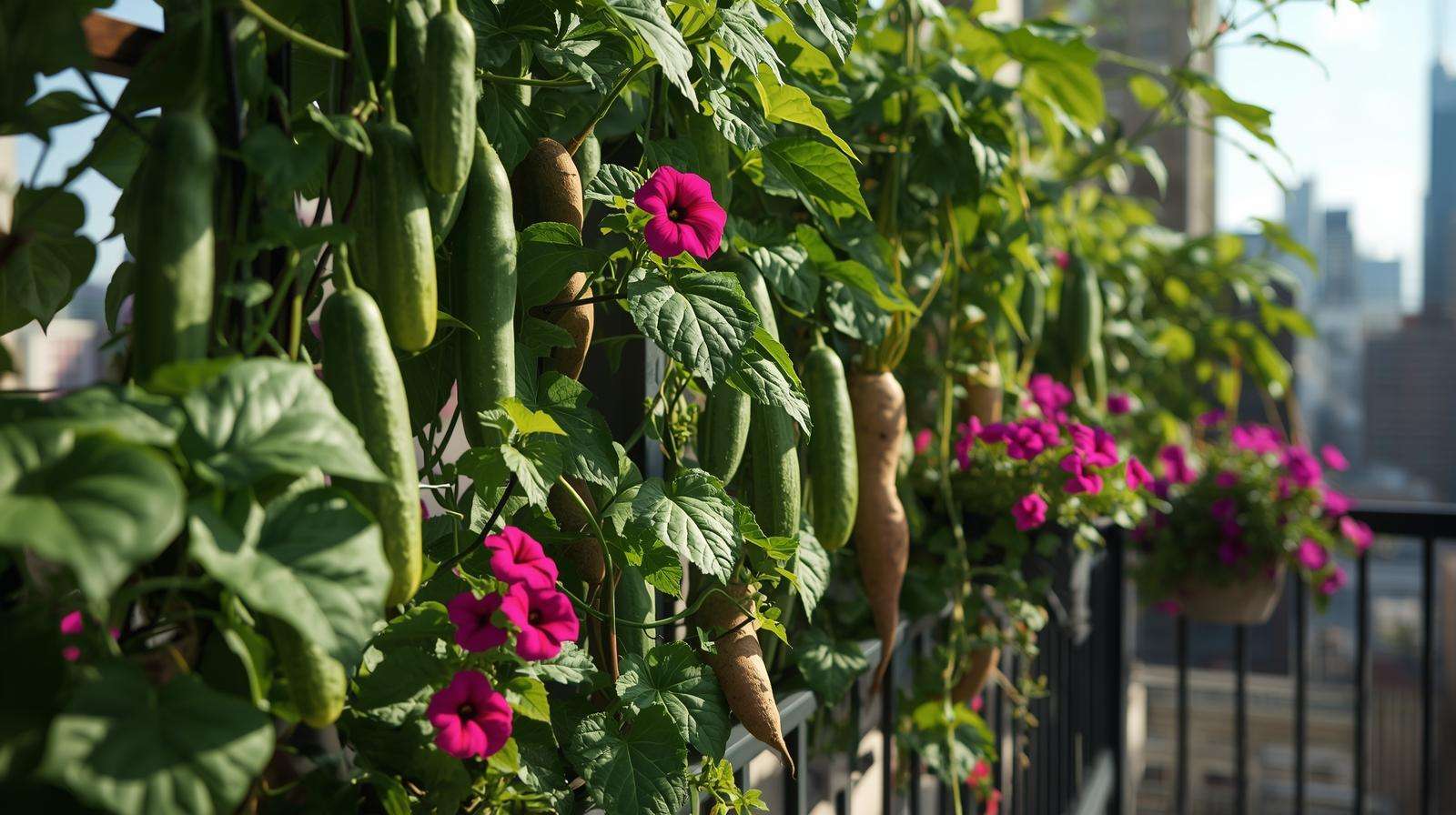
Combine elements: Attach trellises or wire mesh to railings/walls for vining crops like beans or cucumbers. Repurpose materials—old wooden pallets (sanded and lined for safety), ladders leaned against walls, or PVC pipes drilled for pockets—for budget-friendly options. Sturdy conduit frames or rebar grids provide industrial strength.
DIY Safety Essentials: Always use galvanized hardware to prevent rust, distribute weight evenly, secure with multiple anchors, and test stability before planting. Avoid overloading; start small and scale up.
These setups turn blank surfaces into functional art while prioritizing safety and ease.
Choosing the Best Plants for Vertical Gardening on Railings and Walls
Plant selection matches your conditions to growth habit—climbers for trellises, trailers for railings, compact for pockets.
Climbers and Vining Plants (Ideal for Trellises)
These reach upward naturally:
- Vegetables: Pole beans, cucumbers, peas, indeterminate tomatoes, Malabar spinach (heat-tolerant).
- Fruits: Climbing strawberries, dwarf grapes (on strong supports).
- Flowers: Morning glory, clematis, jasmine, honeysuckle (fragrant privacy).
Trailing and Cascading Plants (Perfect for Railings and Hanging)
Spill over edges for dramatic effect:
- Herbs: Thyme, oregano, creeping rosemary, mint (contain invasive types).
- Flowers: Petunias, calibrachoa, lobelia, verbena, ivy geraniums.
- Foliage: Sweet potato vine, creeping Jenny (bright accents).
Compact and Low-Maintenance Choices (For Walls and Pots)
Shallow-rooted and resilient:
- Succulents/stonecrop (sunny, drought-tolerant).
- Herbs: Basil, parsley, chives.
- Edibles: Lettuce mixes, radishes, bush beans.
- Shade-tolerant: Ferns, pothos.
Quick Selection Guide (imagined table format for reference):
- Full Sun: Tomatoes, peppers, petunias, herbs like basil.
- Partial Shade: Lettuce, spinach, ferns, trailing lobelia.
- Edible Focus: Pole beans, strawberries, Malabar spinach.
- Ornamental: Jasmine, calibrachoa, ivy.
Choose disease-resistant varieties suited to your climate for best results.
Step-by-Step Guide to Setting Up Your Vertical Garden
- Plan and Design: Sketch your layout, note sun patterns, calculate plant numbers (e.g., 4-6 per railing meter).
- Gather Materials: Lightweight potting mix (coco coir/perlite blend for drainage), containers, structures, hooks/brackets, slow-release fertilizer.
- Install Securely: Mount structures level and firm; use no-drill clamps for renters.
- Prepare Soil: Mix in perlite/vermiculite for aeration; ensure drainage holes.
- Plant Properly: Space according to mature size, plant deep for stability, add supports for climbers.
- Water and Feed Initially: Soak thoroughly; apply balanced fertilizer.
This methodical approach ensures a strong foundation.
Maintenance Tips for Thriving Vertical Gardens
Once your vertical garden is planted, consistent care is what separates a mediocre setup from a truly productive and beautiful one. Vertical systems have unique needs compared to ground beds—primarily faster drying and more frequent nutrient demands—so tailored maintenance is essential.
Watering Strategies Vertical gardens dry out quicker than traditional ones because of increased air exposure, smaller soil volumes, and often warmer microclimates near walls. Check soil moisture daily (especially in hot Barishal summers or windy balcony conditions) by sticking your finger 2–3 cm into the top layer. Water when the top inch feels dry.
- Use a long-spout watering can or hose wand to reach upper pockets without disturbing plants.
- Install a simple drip irrigation kit (affordable online or DIY with perforated tubing) for consistent moisture—highly recommended for larger walls or railings.
- In monsoon season, ensure excellent drainage to prevent waterlogging; elevate pots slightly if needed.
- Morning watering is best to reduce evaporation and fungal risk. Avoid overhead watering on dense foliage to prevent mildew.
Nutrient Management Containers leach nutrients faster, so fertilize regularly.
- Start with a balanced slow-release granular fertilizer mixed into the potting soil at planting.
- Supplement every 2–4 weeks with a liquid organic fertilizer (fish emulsion, seaweed extract, or compost tea) diluted to half strength.
- For edible crops, focus on potassium and phosphorus for fruiting (e.g., tomato or bean fertilizers); nitrogen for leafy greens.
- Foliar feeding (spraying diluted nutrients on leaves) works well for quick uptake in vertical setups.
- Monitor for yellowing lower leaves (nitrogen deficiency) or poor fruit set (potassium shortage) and adjust accordingly.
Pruning, Training, and Support Regular pruning keeps plants compact and encourages bushier, more productive growth.
- Pinch tips of vining plants (tomatoes, beans, cucumbers) to promote side shoots.
- Train climbers by gently tying stems to trellises with soft plant ties or twist ties—avoid tight knots that can girdle stems.
- Remove dead or diseased foliage promptly to maintain airflow and reduce pest/disease pressure.
- For heavy fruiting plants like tomatoes or melons, add extra support slings made from old stockings or fabric strips.
Pest and Disease Control Good airflow in vertical gardens helps, but vigilance is still key.
- Inspect undersides of leaves weekly for aphids, spider mites, or whiteflies (common in humid climates).
- Use natural controls first: strong water sprays, neem oil solution (1–2 tsp per liter water + a drop of dish soap), or insecticidal soap.
- Introduce beneficial insects like ladybugs if pests persist.
- Prevent fungal issues with proper spacing, morning watering, and copper-based fungicide sprays only as needed.
- Rotate plant families yearly (avoid planting tomatoes in the same pockets consecutively) to break disease cycles.
Seasonal Care
- Summer/Pre-monsoon: Provide afternoon shade cloth if heat exceeds 35°C to prevent scorching.
- Monsoon: Reduce watering, improve drainage, and stake plants against wind.
- Winter: Move tender plants (basil, petunias) to sunnier, sheltered spots or indoors if nights drop below 10–12°C.
- Mulch container tops with coconut coir or bark to retain moisture and suppress weeds.
With these habits, your vertical garden will stay vibrant and productive year-round.
Common Mistakes to Avoid (and How to Fix Them)
Even experienced gardeners make errors in vertical systems—here are the most frequent ones and practical solutions.
- Overwatering or Underwatering Symptom: Soggy soil → root rot; dry soil → wilting. Fix: Use moisture meters or the finger test consistently. Add more perlite/vermiculite to mixes for better drainage.
- Ignoring Weight Limits and Structural Integrity Symptom: Sagging railings, cracked walls, or safety hazards. Fix: Never exceed 50% of rated capacity. Distribute weight evenly. Reinforce with extra brackets if needed. Get professional advice for high-rise balconies.
- Poor Plant Selection for Conditions Symptom: Leggy, unproductive, or dying plants. Fix: Match light, heat, and wind tolerance (e.g., avoid delicate ferns on windy full-sun railings).
- Inadequate Drainage Symptom: Yellow leaves, mushy roots. Fix: Ensure every container has multiple drainage holes. Add a 2–3 cm layer of gravel or broken pottery at the bottom.
- Neglecting Support for Heavy Crops Symptom: Broken stems, fallen fruit. Fix: Install sturdy trellises early and use slings for melons, pumpkins, or heavy tomato clusters.
- Skipping Regular Maintenance Symptom: Overgrown tangles, pest outbreaks, nutrient decline. Fix: Set a weekly 15–20 minute “garden check” routine: prune, water, inspect, feed.
Avoiding these pitfalls dramatically increases success rates.
Real-World Examples and Case Studies
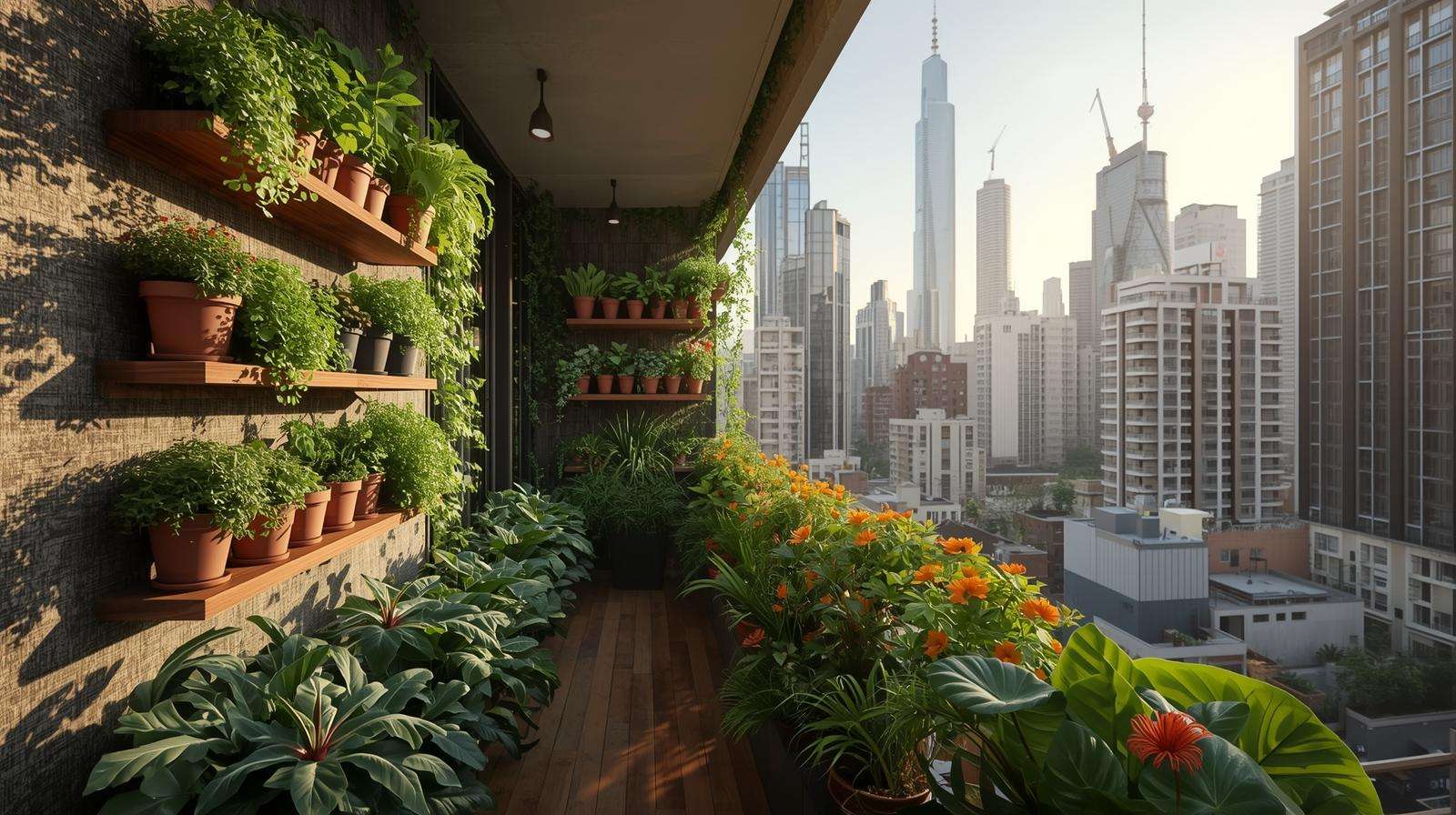
Example 1: Apartment Balcony Transformation (Barishal Apartment Dweller) A 4th-floor renter started with three over-the-railing rectangular planters and two wall-mounted pocket strips. She planted trailing petunias and calibrachoa for color, pole beans and Malabar spinach for edibles, and basil/oregano in pockets. Within three months, the railing became a living privacy screen, yielding enough beans for weekly meals and herbs for daily cooking. Total cost: under ৳5,000 using repurposed gutters and clamps.
Example 2: Small Patio Wall Garden A family with a 2×3 meter patio installed a modular grid system on the north-facing wall (partial shade). They grew lettuce, spinach, mint, and ferns, plus cascading lobelia for beauty. The setup provided fresh salad greens year-round and cooled the patio area noticeably during summer.
Example 3: Budget DIY Success Using discarded wooden pallets (sanded and lined with landscape fabric), one gardener created a vertical herb wall on a sunny railing. Thyme, rosemary, and chives thrived, with minimal watering thanks to coco coir mix. Harvest: enough herbs to replace store-bought for six months.
These stories show realistic yields: a 2–3 meter railing can produce 5–15 kg of vegetables/herbs annually with good care.
FAQs: Answering Common Questions
How much weight can balcony railings safely hold? Most modern apartment railings support 20–50 kg/m², but always verify with your building authority or engineer. Stay under 50% capacity for safety.
What are the easiest beginner plants for vertical setups? Pole beans, Malabar spinach, trailing petunias, mint (in contained pots), and compact lettuce varieties—low-maintenance and forgiving.
Can I grow vegetables year-round on a balcony? Yes, in tropical climates like Barishal. Focus on heat-tolerant crops in summer (beans, okra) and cool-season greens in winter (spinach, radish).
How do I prevent soil from spilling in wall pockets? Use high-quality felt pockets with reinforced bottoms, add a thin layer of gravel on top, and avoid overwatering.
Is vertical gardening suitable for hot/humid climates? Absolutely—choose heat-tolerant varieties, ensure airflow, and water consistently. Malabar spinach, yardlong beans, and many herbs excel here.
What’s the best way to water hard-to-reach plants? Long-spout cans, drip lines, or self-watering reservoirs inserted into pockets.
Conclusion: Start Your Vertical Journey Today
Vertical gardening on railings and walls is one of the most empowering ways to reclaim growing space in urban environments. By turning blank railings and walls into productive green layers, you solve the core problem of limited outdoor area while enjoying fresh food, natural beauty, privacy, and environmental benefits.
Start small—perhaps with a single railing planter or pocket strip—and build confidence from there. Track what thrives in your specific microclimate, adjust as you go, and soon you’ll have a thriving vertical oasis.
If you’re in Barishal or any urban setting, this method is especially powerful: it works with our heat, humidity, and monsoon patterns when done thoughtfully. Experiment, enjoy the process, and share your progress—your small space can become remarkably abundant.
Happy gardening!