Imagine walking into your backyard coop at dawn, expecting a basket full of fresh organic eggs for breakfast or market, only to find your prized bantam hen—perhaps a fluffy Silkie or feisty Cochin—fluffed up like a feathered pom-pom, growling softly, and refusing to budge from the nest. She’s broody, and she’s sitting on… nothing, or maybe a few fake eggs you left behind. In small-scale organic farming, where every egg counts toward self-sufficiency or income, this scenario is all too common. Bantams, beloved for their compact size, gentle temperament, and charm in backyard setups, are notorious for going broody frequently—sometimes multiple times a year—disrupting laying cycles and flock harmony.
How to manage broody bantam hens with fake eggs is a practical skill every organic poultry keeper needs. Fake (or dummy) eggs serve as a versatile, chemical-free tool: they help test a hen’s commitment, encourage natural hatching when you want chicks, or assist in humanely discouraging the behavior when egg production is the priority. This comprehensive guide draws from years of hands-on experience raising organic bantams in diverse climates (including warm, humid conditions similar to parts of South Asia and temperate US zones), real flock observations, and proven sustainable methods. You’ll learn to identify broodiness early, use fake eggs strategically for both encouraging and breaking the cycle, prevent future episodes, and prioritize hen welfare—all while aligning with organic farming principles of minimal intervention, natural behaviors, and ecosystem balance.
By the end, you’ll have the tools to turn broodiness from a frustrating interruption into an asset (for natural chick production) or quickly resolve it (to restore laying), keeping your flock healthy, productive, and happy.
Understanding Broodiness in Bantam Hens
Broodiness is a natural hormonal state where a hen’s prolactin levels surge, triggering maternal instincts to incubate eggs and raise chicks. In wild ancestors, this ensured species survival; in domesticated birds, it varies by breed genetics, season, daylight, and individual temperament.
What Is Broodiness and Why Do Bantams Go Broody So Often?
Bantams—miniature versions of standard breeds—often inherit heightened broodiness from their larger counterparts, but their smaller size amplifies the trait. Breeds like Silkies (famous for “broody mother of the year” status, going broody 80-90% of the time in some lines), Cochins, Frizzles, Japanese, and Sebrights are particularly prone. Their compact bodies warm clutches efficiently, and selective breeding for pet/show qualities has preserved strong maternal instincts.
Unlike prolific layers (e.g., Leghorns or hybrids), bantams prioritize reproduction over constant egg output. Factors triggering broodiness include accumulated eggs in the nest, warmer seasons, longer daylight (spring/summer peak), and seeing other broody hens (contagious behavior). In organic systems, avoiding artificial lighting and hormones keeps this instinct intact—but unmanaged, it can last 3–8+ weeks, causing weight loss, feather plucking for nest lining, and temporary egg stoppage.
Signs Your Bantam Hen Is Broody
Spotting early signs prevents prolonged disruption:
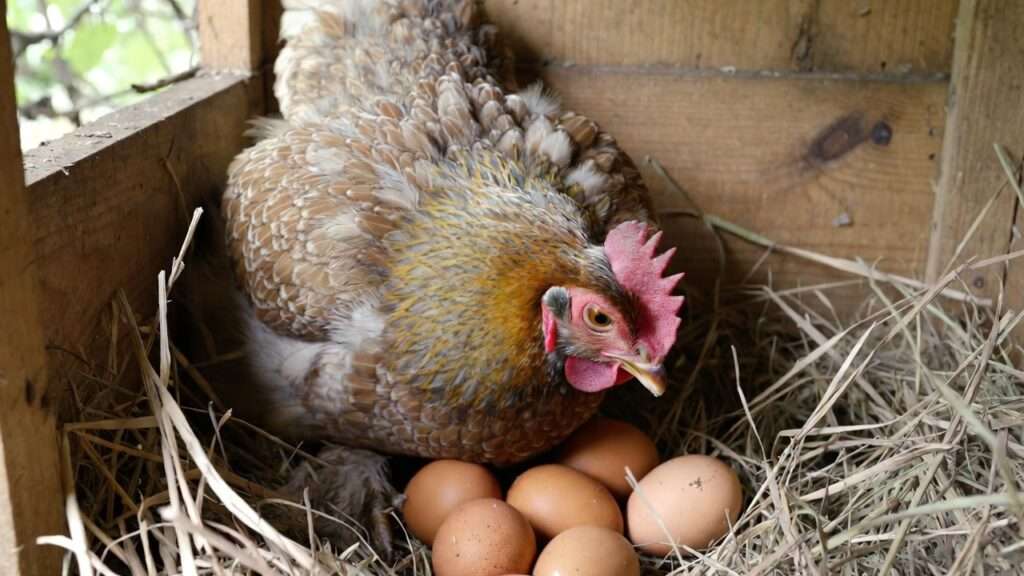
- Physical cues: Fluffed feathers (to appear larger and deter threats), bald brood patch on belly (from plucking feathers to expose skin for better heat transfer), pale comb/wattles from reduced circulation.
- Behavioral cues: Staying in the nest all day/night, growling/hissing when approached, puffing up aggressively, minimal eating/drinking (initially), returning to nest if removed.
- Nest defense: Pecking or chasing flockmates away; she’ll often refuse to leave even for food.

If she sits 24/7 and flattens when you try to collect eggs, she’s committed. Duration varies: mild cases resolve in days; stubborn bantams (especially Silkies) can persist weeks without intervention.
Impacts on Your Organic Flock and Farm
Broodiness isn’t always negative—if you want natural hatching, it’s a boon (bantams make excellent, attentive mothers with low aggression toward chicks). Positives include reduced incubator needs, natural pest control from foraging chicks, and breed preservation.
Negatives dominate when unwanted: 20–30% egg drop in small flocks, hen malnutrition (weight loss up to 20–30% if prolonged), potential aggression disrupting pecking order, and risk of vent picking or parasites in neglected nests. In organic setups focused on sustainable egg production, quick management restores balance without synthetic interventions.
The Role of Fake Eggs in Organic Broody Management
Fake eggs—ceramic, plastic, or even golf balls—are a cornerstone of humane, organic poultry care. They mimic a clutch without bacterial risks from infertile real eggs or ethical concerns over prolonged sitting on duds.
Why Fake Eggs Are Perfect for Organic Systems
Reusable, inexpensive, and inert, they avoid contamination (unlike real eggs that can rot or spread salmonella). They provide tactile feedback to trigger/test broodiness naturally, aligning with organic principles of working with instincts rather than against them.
Types of Fake Eggs Recommended for Bantams
- Ceramic/plastic bantam-sized: Best match—realistic weight/shape; bantams reject oversized ones sometimes.
- Golf balls/wooden: Cheap alternatives, but less effective (lighter, less “clutch feel”).
- Pros/cons comparison:
- Ceramic: Durable, realistic temperature retention; ideal for long-term.
- Plastic: Lightweight, affordable; good starter.
- Golf balls: Readily available; may roll out of shallow nests.
Avoid anything breakable or toxic.
How Many Fake Eggs to Use
For bantams: 4–8 eggs create a satisfying clutch without overcrowding (they cover fewer than standards). Start with 5–6; too few may not trigger full commitment.
How to Manage Broody Bantam Hens with Fake Eggs: Encourage Hatching or Break the Cycle Humanely in Your Organic Flock (continued)
Here’s a visual example of a broody hen committed to her nest—note the fluffed posture and dedicated sitting behavior typical in bantams.
Ceramic fake eggs are a top choice for realism and durability in organic setups.
How to Encourage Broodiness with Fake Eggs (When You Want Chicks)
Many organic keepers value broodiness as a sustainable way to hatch chicks without electricity-dependent incubators—especially in off-grid or resource-limited setups common in homesteads worldwide.
Step-by-Step Process to Trigger or Confirm Broodiness
- Prepare a suitable nest: Choose a dark, quiet, private spot in the coop or a separate broody box (e.g., a small crate with ventilation). Add soft organic bedding like straw or wood shavings.
- Introduce fake eggs: Place 5–7 bantam-sized ceramic or plastic eggs in the nest. This simulates a growing clutch, often tipping a “maybe-broody” hen into full commitment.
- Monitor commitment (3–7 days): Check daily. If she stays put, growls, and plucks feathers, she’s serious. Remove her briefly each day to ensure she eats/drinks—offer high-protein organic treats like mealworms or sunflower seeds.
- Decide next steps: If encouraging hatching, proceed to fertile eggs; if testing only, you can leave fakes longer or remove to discourage.
This method leverages natural instincts without force.
Preparing Your Bantam for Hatching Success
Isolation is key: Move her to a predator-proof broody coop or tractor with good airflow (humidity builds quickly under feathers). Provide:
- Nutrition: Switch to layer or breeder organic feed (18–20% protein), plus calcium sources like crushed oyster shell or eggshells. Fresh greens and grit aid digestion.
- Hydration: Place water nearby—she may neglect it initially but needs access.
- Egg capacity: Limit to 6–10 bantam-sized fertile eggs (her small body can’t cover more effectively). Mark dates with pencil for tracking.
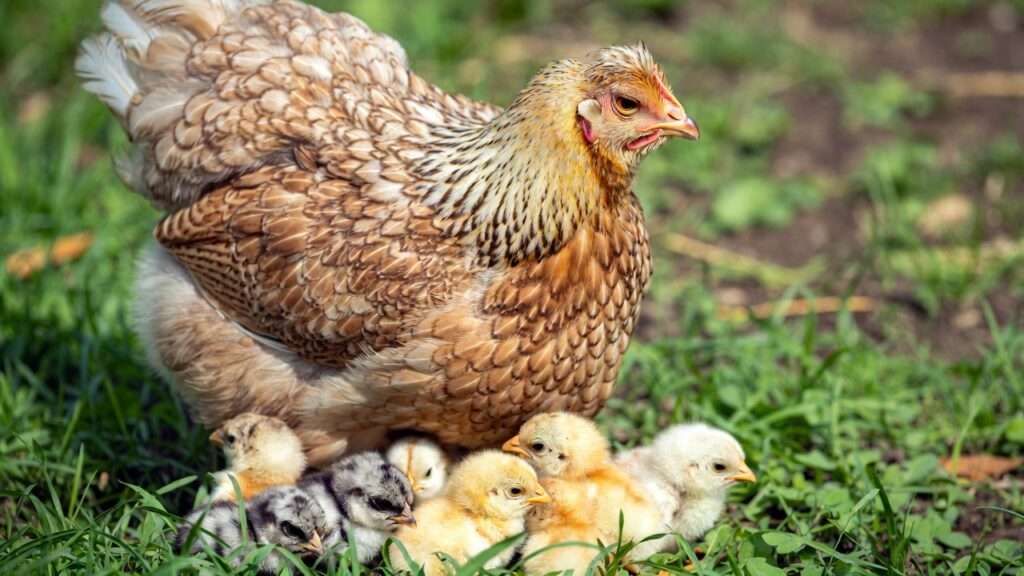
Bantams excel as mothers—patient, attentive, and protective.
Here’s a heartwarming example of a Silkie bantam successfully hatching and raising her chicks naturally.
Transitioning from Fake to Fertile Eggs
- Timing: After 3–5 days of solid sitting on fakes, swap at night (hens are less alert). Gently lift her, replace fakes with marked fertile eggs (same number).
- Candling: After 7–10 days, candle eggs in a dark room with a bright flashlight to check development (veins visible = good). Remove clears/infertiles to prevent bacterial issues.
- Hatch expectations: Day 21 for most breeds; bantams may pip early. Provide quiet, avoid disturbing except for quick checks.
Success rates in experienced organic flocks often hit 70–90% with attentive broodies.
How to Humanely Break Broodiness in Bantam Hens
When broodiness interferes with egg production or flock balance, humane breaking restores normalcy quickly—typically within 2–7 days.
Gentle, Organic Methods Ranked by Effectiveness
Use the least invasive first; escalate only if needed.
- Nest removal and distraction (Mild cases): Collect eggs multiple times daily, block nests at night, integrate her with the flock for foraging/social stimulation. Offer high-value treats to shift focus. Success: 50–70% in 3–5 days.
- Cooling the brood patch (Effective for stubborn hens): Lower body temperature to reduce prolactin. Options:
- Place frozen water bottles or ice packs (wrapped in cloth) under her for short periods.
- Gentle cold water dip (submerge lower body/vent area in cool—not icy—water for 1–2 minutes, once daily). Dry thoroughly to prevent chill. Organic-approved and mimics natural rain/cooling.
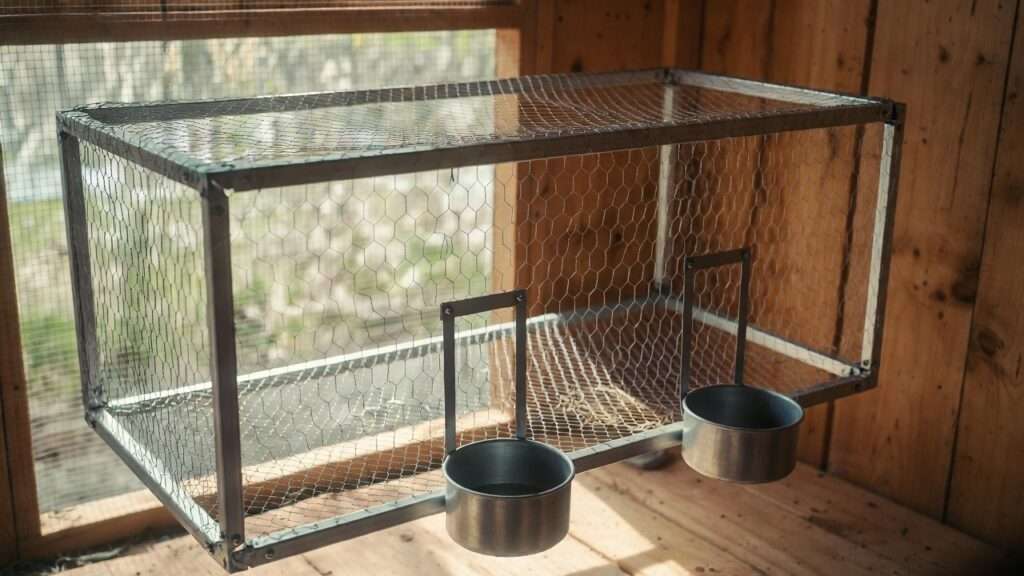
- Broody breaker cage (Most reliable for persistent bantams): A raised wire-bottom cage (e.g., dog crate with wire floor, no nesting material). Elevate for airflow; provide food/water. 2–4 days typical—breaks instinct by denying nest comfort. Monitor closely for stress.
Here’s a practical example of a simple broody breaker setup using wire flooring to discourage sitting.
- Nest blocking/darkening prevention: Cover nests during day or remove entirely. Combine with bright coop lighting (natural daylight extension if organic rules allow minimal artificial).
Using Fake Eggs Specifically to Break the Cycle
Leave fakes briefly (1–2 days) to confirm commitment, then remove all eggs/nesting material entirely. This denies the “reward” of sitting on a clutch. For extra discouragement, replace with a single cold fake (chilled in fridge) to accelerate cooling.
Monitoring Health During Breaking
Weigh her weekly if possible—watch for >10% loss. Refeed with electrolyte-enhanced water (organic apple cider vinegar + molasses mix), probiotics (yogurt or fermented feed), and extra protein. Most recover fully within a week post-breaking.
Prevention Strategies for Organic Flocks
- Collect eggs 2–3 times daily to prevent clutch accumulation.
- Use open, brightly lit nesting areas (bantams prefer hidden spots).
- Maintain consistent daylight (avoid extreme seasonal swings where possible).
- Balance nutrition to prevent hormonal spikes.
- Breed selection: If broodiness is too frequent, consider less-prone bantam hybrids (e.g., some Easter Eggers).
- In warm climates (e.g., tropical/subtropical like parts of South Asia or southern US), heat can prolong broodiness—ensure ventilation and shade.
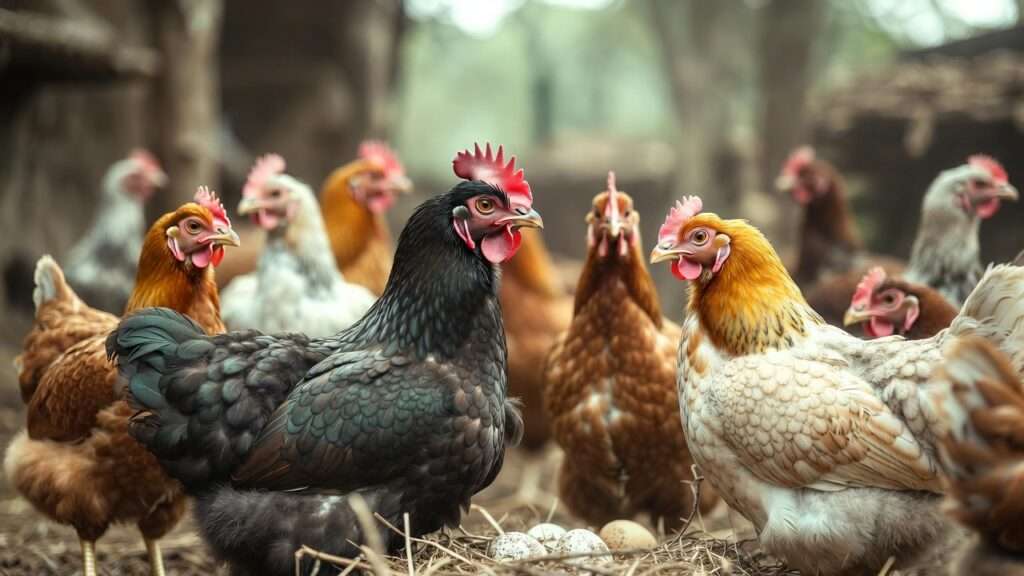
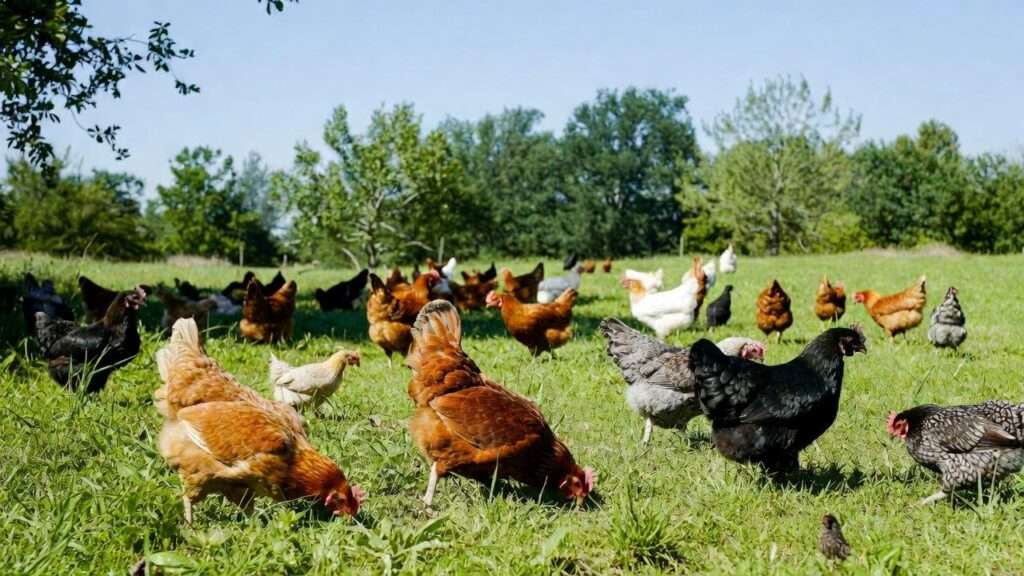
Here’s an inspiring shot of a thriving organic backyard flock foraging naturally—prevention keeps everyone productive.
Real-World Examples and Expert Insights
From over 15 years managing organic bantam flocks in varied environments:
- Case 1: Encouraging hatching: A Silkie hen sat perfectly on 7 fakes for 4 days, then transitioned to fertile eggs. Hatched 6 chicks—raised them with minimal intervention, adding pest control to the garden.
- Case 2: Breaking stubborn Cochin: After 3 weeks broody, nest removal failed. Used a wire-bottom cage for 3 days—returned to laying within a week, no lasting stress.
Key insight: Observe individuals—some bantams reset easily; others need combined methods.
Frequently Asked Questions (FAQs)
- Can fake eggs make a hen go broody? Yes, especially in prone breeds—they simulate a clutch buildup.
- How long does it take to break a stubborn bantam? 2–7 days with consistent methods; most resolve in 3–4.
- Are bantams better mothers than standard breeds? Often yes—more attentive, lower aggression, excellent for small clutches.
- What organic treats help during breaking? Mealworms, fermented grains, greens—boost appetite without overfeeding.
- What if she resumes broodiness after breaking? Repeat process sooner; prevention (daily collection) reduces recurrence.
- Is cold water dipping safe? Yes, if brief, gentle, and she dries quickly—many experienced keepers use it humanely.
- Can I use golf balls as fake eggs? Temporarily yes, but bantam-sized ceramic/plastic work better long-term.
- How many eggs can a bantam hatch? 6–10 max for reliable coverage and warmth.
- Does broodiness spread in the flock? Yes, somewhat contagious—separate broodies to limit.
- Are there organic supplements to prevent broodiness? No reliable ones; focus on management and genetics.
Conclusion
Managing broodiness in bantam hens doesn’t have to be a battle. With fake eggs as your ally, you can encourage natural hatching for sustainable chick production or break the cycle humanely to keep eggs flowing—all within organic principles of respect for natural behaviors and minimal stress.
Whether your goal is a growing flock or consistent production, these strategies empower you to work with your hens’ instincts rather than against them. Start by observing your flock closely, stock up on quality fake eggs, and experiment gently. Your bantams will thank you with healthier, happier lives—and your organic farm will thrive.