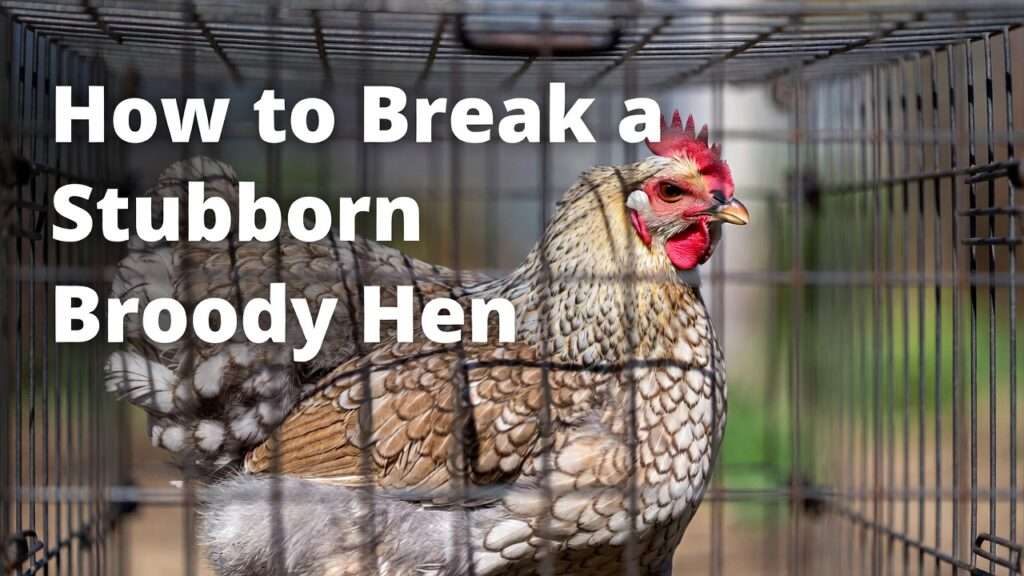
Picture this: It’s early morning in your backyard coop, and you’re eagerly collecting eggs for breakfast. But one nest box remains occupied—your reliable layer, usually out scratching and foraging by now, is puffed up like a feathered football, clucking low and refusing to move. She’s broody, and not just mildly—she’s stubbornly determined, sitting tight for days or even weeks with no fertile eggs in sight. In small-scale organic farming and backyard poultry setups across the US and globally, this scenario is all too common, halting egg production and frustrating keepers who rely on consistent harvests.
How to break a stubborn broody hen is a frequent search for homesteaders and organic farmers facing persistent cases where basic tricks fail. Broodiness is a natural hormonal state driven by prolactin, triggered by warm conditions, accumulated eggs, or breed instincts. While some hens snap out of it quickly, stubborn ones—especially in breeds like Silkies, Buff Orpingtons, Cochins, or Wyandottes—can cling to the behavior, leading to weight loss, reduced flock harmony, and lost eggs (often 20–40 fewer per cycle).
The good news? You can reset her humanely using natural, welfare-focused techniques that align with organic farming principles—no hormones, no cruelty. This in-depth guide, informed by years of backyard poultry management, community expertise from forums like BackyardChickens.com, and proven small-farm practices, outlines step-by-step methods starting gentle and escalating only for the toughest cases. You’ll learn why methods work (primarily by cooling the hen’s underbelly and disrupting nesting instincts), realistic timelines, prevention strategies, and common pitfalls to avoid. By the end, you’ll have the tools to restore laying quickly while keeping your hens healthy and happy.
Whether you’re in a suburban US backyard or a rural homestead anywhere, these approaches prioritize animal welfare and sustainability—key pillars of organic agriculture.
Understanding Broodiness in Chickens
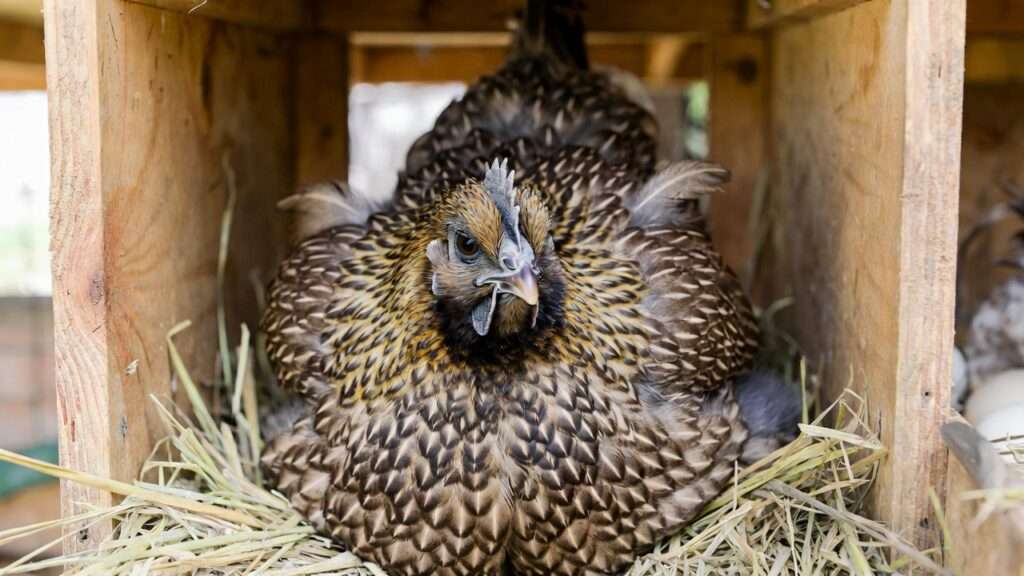
Broodiness occurs when a hen’s body shifts into “mother mode.” The hormone prolactin surges, causing her to sit persistently on eggs (or imaginary ones) to incubate them. Classic signs include:
- Fluffed-up feathers and a hunched posture
- Low, growling clucks or “broody grumbles”
- Refusing to leave the nest, even when removed
- Aggressive pecking when disturbed
- Large, infrequent droppings (from holding them while sitting)
- A bare brood patch on the belly from plucking feathers to transfer heat
This behavior peaks in spring and summer due to longer daylight and warmer temperatures, mimicking ideal hatching conditions. Certain breeds are notorious for strong maternal instincts: Silkies top the list for near-constant broodiness, followed by Cochins, Orpingtons, Dorkings, and some Wyandottes or Brahmas. Hybrids like Rhode Island Reds or Leghorns rarely go broody, making them favorites for consistent egg production.
In organic backyard flocks, broodiness disrupts more than egg supply—it can cause the hen to lose weight (she eats and drinks minimally), increase parasite risks from inactivity, and spark pecking order issues as flock dynamics shift. If you’re not planning to hatch chicks naturally (a valid organic option), addressing it promptly benefits her long-term health and your farm’s productivity.
Importantly, broodiness isn’t a “problem” in every context. If you have fertile eggs and want natural hatching, let her proceed—many heritage breeds excel as mothers. But for egg-focused operations, intervention is often necessary.
Why Stubborn Broodies Are Harder to Break
Not all broodies are equal. Mild cases resolve with simple distractions, but stubborn ones dig in deeper. Factors include:
- Prolonged hormone exposure: If she’s sat for over a week unchecked, prolactin levels stay elevated.
- Breed genetics: Persistent breeds like Silkies or Orpingtons have stronger instincts.
- Environmental reinforcement: Warm weather, soft dark nests, and easy egg access prolong the cycle.
- Repeated failed attempts: Inconsistent removal teaches her she can return.
The core trigger? Warmth under the belly signals “incubate.” Soft bedding and enclosed spaces reinforce it. Humane breaking focuses on safely cooling her vent area, denying nesting comfort, and encouraging normal behaviors like foraging and dust bathing. This natural reset avoids stress while being effective.
Step-by-Step Humane Methods to Break a Broody Hen
Always start with the gentlest options and escalate only if needed. Monitor her closely for eating, drinking, and signs of distress.
Start with the Least Invasive Approaches
Method 1: Frequent Removal and Distraction Gently lift her from the nest (wear gloves if she’s peckish) and place her with the flock far from the coop. Scatter scratch grains, mealworms, or greens to encourage foraging. Repeat 4–6 times daily, especially at dusk—place her on the roost after dark when vision is poor. Block nest boxes at night with boards or curtains.
This works well for mild cases by disrupting the routine and promoting activity. In organic setups, it leverages natural behaviors without confinement. Success rate drops for stubborn hens who sprint back to the nest.
Method 2: Cooling with Frozen Items Replace eggs (real or fake) with frozen water bottles, hard ice packs, or gel packs wrapped in cloth. The cold against her belly lowers temperature, signaling hormones to drop. Refresh as they thaw.
Some keepers report success in 1–2 days, but stubborn hens may ignore it, sitting until items warm. Use in moderate weather; avoid extreme cold.
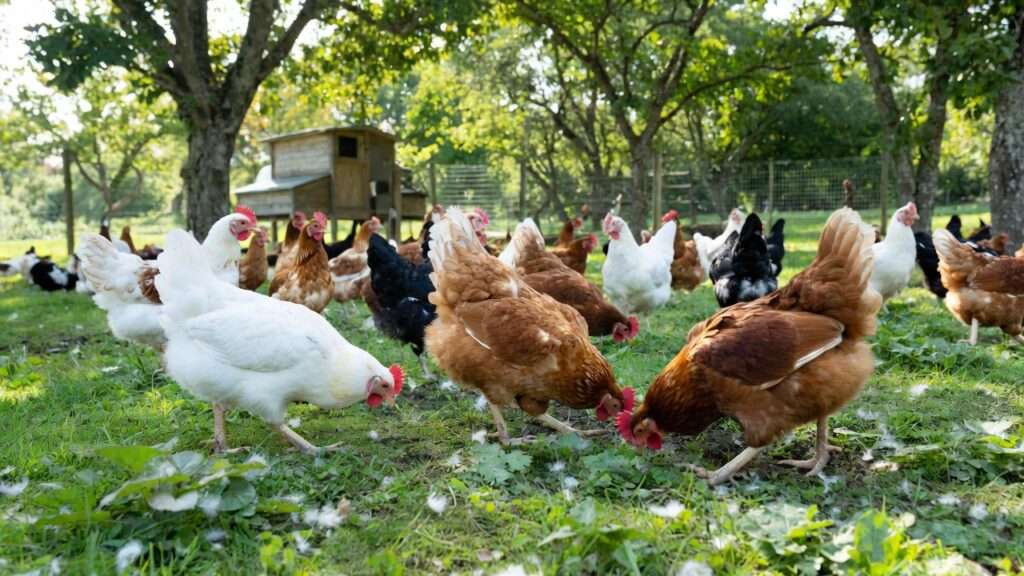
Method 3: Daytime Free-Range Lockout Lock her out of the coop during daylight hours, allowing free-ranging with the flock. Return her to the roost at dusk. This forces exercise, foraging, and socialization—key to resetting instincts.
Great for organic flocks emphasizing natural behaviors. Combine with distractions like treat-filled toys. May take 3–5 days for persistent cases.
Escalating for Stubborn Cases: The Broody Buster Crate
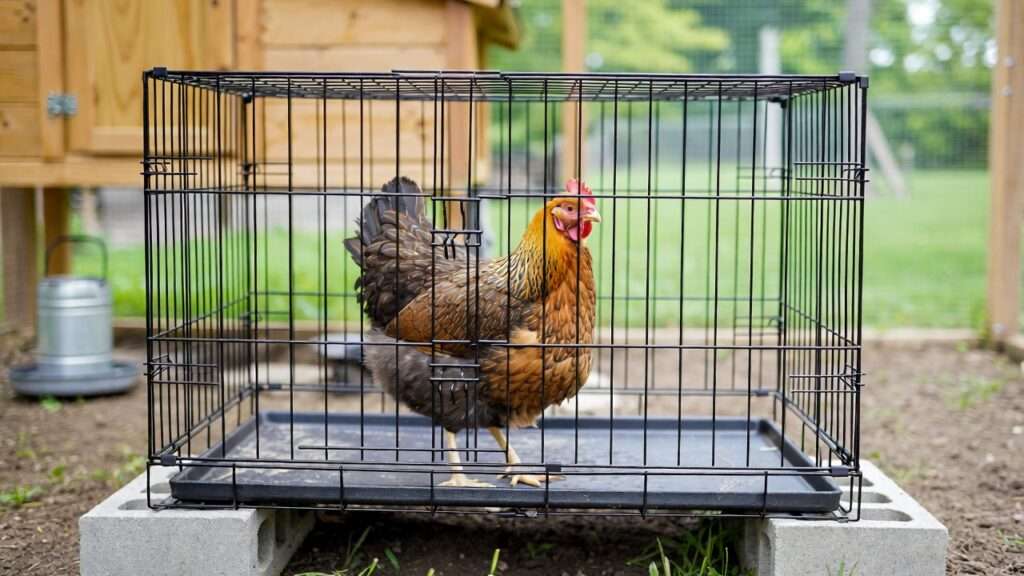
For truly stubborn broodiness, the elevated wire crate (often called “broody buster” or “chicken jail”) is the gold standard—widely endorsed by experienced keepers for fast, reliable results.
Setup:
- Use a large dog crate, rabbit hutch, or wire cage (minimum 2×3 feet for comfort).
- Wire or hardware cloth bottom—no bedding to prevent nesting.
- Elevate on blocks, sawhorses, or legs for maximum airflow under her belly.
- Place in a bright, ventilated, busy area (near the run but separate for safety).
- Provide food, water, and optionally a low perch for resting.
- Predator-proof and shaded in hot weather.
Duration: Typically 2–4 days for most stubborn cases; up to 5–7 days for extreme ones. Check daily—release one morning when she no longer puffs up or returns to nests. If she races back, repeat another cycle.
Why it works: Constant belly cooling halts the hormonal loop, while no soft surface denies the nesting urge. Mild social isolation adds gentle stress without harm.
Safety notes:
- Ensure constant access to feed/water (high-protein layer feed helps recovery).
- Monitor weight and behavior—most hens eat normally once adjusted.
- Avoid in extreme heat/cold; add a gentle fan if needed.
- Clean daily to prevent soiling.
Variations: For ultra-stubborn hens in warm climates, combine with brief cool water dips (see below).
Advanced/Last-Resort Options
Gentle Cool Water Dunk Submerge only her vent and underbelly in lukewarm-to-cool water for 30–60 seconds (never full immersion or ice-cold in winter). Dry with a towel and return to crate. This shocks the system but resets hormones quickly. Use sparingly—once or twice max—and only if crate alone fails after 4–5 days. Avoid stressing dehydrated or weak hens.
Comparison of Methods
| Method | Effectiveness for Stubborn Cases | Time Required | Invasiveness | Success Rate (Community Reports) |
|---|---|---|---|---|
| Frequent Removal/Distraction | Low | 3–10+ days | Low | 40–60% |
| Frozen Items | Medium | 2–5 days | Low | 50–70% |
| Daytime Lockout | Medium-High | 3–7 days | Medium | 60–80% |
| Elevated Wire Crate | High | 2–7 days | Medium | 85–95% |
| Cool Water Dunk | Very High (last resort) | 1–4 days | High | 90%+ when combined |
How Long Does It Usually Take? Realistic Timelines
Timelines vary by persistence and promptness:
- Mild broodiness: 1–3 days with removal/distraction.
- Average stubborn: 3–5 days in crate.
- Extremely stubborn: 5–10 days, possibly with repeated cycles or dunk.
- Post-break: She may resume laying in 1–2 weeks as hormones normalize and she regains condition.
Watch for success signs: Reduced puffing, active foraging, dust bathing, flock integration, and no nest returns. Patience pays—rushing reintegration can reset progress.
Preventing Future Broodiness in Your Organic Flock
Once you’ve successfully broken a stubborn broody hen, the next priority is keeping her—and the rest of your flock—from slipping back into the behavior. Prevention is far easier than cure, especially in organic systems where chemical interventions are off the table. Here are the most effective, natural strategies used by experienced small-scale farmers and backyard poultry keepers worldwide.
1. Choose Less Broody Breeds (or Know Your Breed’s Tendencies) If egg production is your primary goal, prioritize breeds with low broodiness tendencies:
- Leghorns, Anconas, Hamburgs, and most production hybrids (e.g., Golden Comets, ISA Browns)
- Rhode Island Reds and Plymouth Rocks are moderately broody but manageable
High-broody breeds like Silkies (can go broody multiple times a year), Cochins, Orpingtons, Brahmas, and Dorkings require more proactive management. Many homesteaders keep a mix: broody-prone hens for natural hatching when desired, and non-broody layers for consistent eggs.
2. Daily Egg Collection—Multiple Times if Needed The single biggest trigger for broodiness is a clutch of eggs accumulating in the nest. Hens interpret this as “time to incubate.”
- Collect eggs at least once daily, preferably twice (morning and late afternoon).
- In hot climates or large flocks, check mid-day during peak laying season.
- Remove fake eggs or golf balls if you use them to train hens to lay in certain boxes—replace them only after collection.
3. Optimize Nest Box Design and Environment Make nests less appealing for sitting:
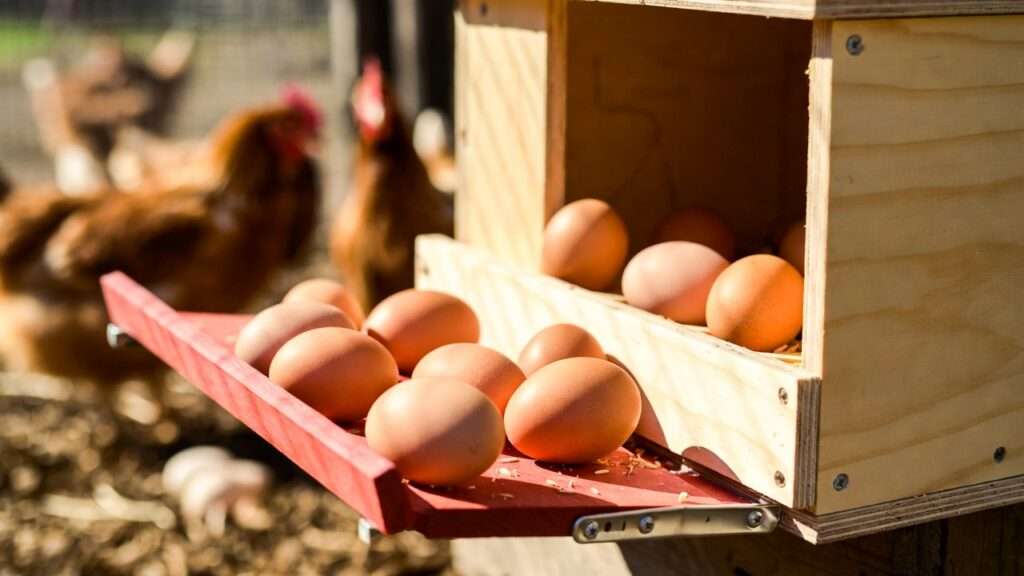
- Use roll-away nest boxes (eggs roll into a collection tray out of reach). These are widely available commercially or easy to DIY with sloped floors.
- Keep nests bright and open—avoid dark, enclosed boxes with heavy curtains. Use white or light-colored interiors to reduce the cozy, cave-like feel.
- Limit nest boxes to 1 per 4–5 hens to prevent overcrowding and egg piling.
- Elevate nests slightly (18–24 inches off the ground) to discourage floor-laying, which can lead to hidden clutches.
4. Increase Daylight Exposure and Activity Broodiness often intensifies in spring/summer with longer natural daylight.
- Ensure hens get 14–16 hours of light daily (natural or supplemental in winter).
- Maximize free-ranging time—active hens focused on foraging are less likely to sit.
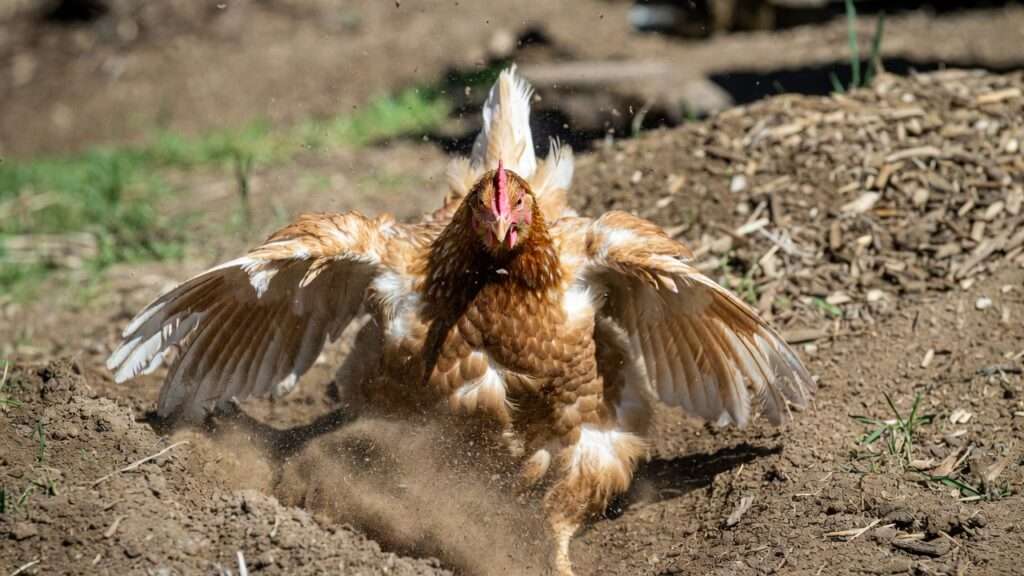
- Provide enrichment: dust baths, perches, treat-dispensing toys, or hanging greens to keep them engaged.
5. Nutrition and Health Support A hen in peak laying condition is less prone to broodiness.
- Feed a high-quality layer ration with 16–18% protein, adequate calcium (oyster shell free-choice), and balanced vitamins.
- Avoid overfeeding treats or scratch that lower overall protein intake.
- Keep internal parasites under control with regular diatomaceous earth in dust baths or herbal dewormers (common in organic systems).
- Monitor body condition—underweight or stressed hens sometimes go broody as a survival response.
6. Seasonal and Flock Management Tips
- In regions with distinct seasons (much of the US, Europe, parts of Asia), broodiness peaks from March–July. Increase monitoring during this window.
- Introduce younger pullets gradually—they often disrupt older broody hens by occupying nests.
- If you allow natural hatching occasionally, separate broody hens early so others don’t copy the behavior.
Implementing even 3–4 of these strategies dramatically reduces broodiness incidence in most flocks.
Common Mistakes to Avoid
Even well-intentioned keepers can unintentionally prolong broodiness. Here are the top errors:
- Inconsistent removal: Taking her off the nest once or twice a day lets her return and reinforces the habit.
- Using harsh or unnecessary methods too soon: Full cold baths or prolonged isolation without monitoring can cause stress, dehydration, or injury—reserve these for last-resort cases.
- Ignoring eating/drinking in the crate: Some hens refuse food initially; offer tempting treats (mealworms, yogurt, chopped greens) and ensure fresh water is always accessible.
- Releasing her back too early: If she still puffs up or runs to the nest within hours, put her back in the crate for another day or two.
- Neglecting post-break recovery: After 3–7 days confined, she may be thin—boost protein and let her rest before expecting full egg production.
Expert Insights & Real-Life Examples
From decades of combined experience shared in poultry communities (BackyardChickens, The Chicken Chick, homesteading forums, and organic farm networks):
- “My persistent Silkie sat for 12 days straight. Nothing worked until I used an elevated wire dog crate with no bedding. On day 4 she was out dust bathing with the flock. Best method hands-down.” — Common sentiment from dozens of keepers with stubborn cases.
- “For my Orpingtons, the crate + small fan for extra airflow broke even the worst ones in 3 days during summer.” — Warm-climate poultry keepers frequently add ventilation.
- “I let my Cochin hatch twice a year, then crate-break her afterward. She bounces back and lays well for 8–9 months.” — Balanced approach for heritage-breed lovers.
In organic and regenerative farming contexts, the emphasis remains on working with natural behaviors rather than against them—using broodiness for hatching when it fits your goals, and gentle resets when it doesn’t.
Frequently Asked Questions (FAQ)
Is breaking a broody hen cruel? No—when done humanely (especially with the crate method), it causes minimal stress and improves her long-term health by preventing prolonged fasting, weight loss, and feather damage. Letting a non-broody hen sit indefinitely on infertile eggs is more detrimental.
Can I let her hatch chicks instead of breaking her? Absolutely—if you have fertile eggs and space for chicks. Many organic keepers use broody hens as natural incubators and mothers, saving on electricity and supporting heritage genetics.
What if she won’t eat or drink in the crate? Most hens adjust within 12–24 hours. Offer high-value treats (mealworms, chopped veggies, wet mash) in small amounts near the food dish. Ensure water is clean and accessible. If she still refuses after day 2, release her briefly under supervision and retry.
How soon after breaking will she lay eggs again? Typically 7–21 days. She needs time to regain condition and for hormones to fully reset. Some resume in as little as 5–10 days; others take longer if they were broody for weeks.
Are there natural herbs or supplements to prevent broodiness? Evidence is anecdotal. Some keepers use sage, mint, or oregano in feed or nesting material (mild hormone-modulating effects reported), but management (egg collection, nest design) is far more reliable.
Will she go broody again right away? Possible but less likely if you address triggers. Most hens take weeks to months before another cycle, especially with good prevention.
Can I use the crate method in winter? Yes, but place it in a sheltered, draft-free spot with extra bedding around (not under) her for warmth. Avoid if temperatures drop below freezing without supplemental heat.
My hen lost a lot of weight—how do I help her recover? Offer free-choice high-protein treats (black oil sunflower seeds, scrambled eggs, mealworms), layer pellets, and electrolyte water for a week. She’ll usually regain condition quickly once active again.
What if the crate method doesn’t work after 7 days? Rare, but possible in extreme cases. Try a second cycle after a 1–2 day break, add a gentle fan for cooling, or use a brief cool-water dunk. Consult a local poultry vet if she shows signs of illness.
Do all broody hens need breaking? No—if she’s a good mother and you want chicks, let her. Breaking is for egg-focused flocks or when broodiness is unwanted.
Conclusion
Breaking a stubborn broody hen doesn’t have to be stressful for you or harmful to her. By starting with gentle distractions, escalating to the highly effective elevated wire crate method when needed, and following up with strong prevention habits, you can restore egg production in days rather than weeks—all while upholding humane, organic farming values.
The key principles remain consistent: cool the belly, deny the nest, encourage natural activity. Monitor closely, be patient, and adjust based on your hen’s response and your local climate.
Your flock—and your egg basket—will thank you.