Imagine this: You’ve finally carved out that perfect sunny spot in your backyard, tilled the soil, and planted rows of vibrant tomatoes, crisp lettuce, and bushy beans. By midsummer, your first harvests are coming in — fresh, flavorful, and incredibly satisfying. But the next season rolls around, and something’s off. Your tomatoes look stunted, pests swarm earlier than before, and the soil feels compacted and tired. Yields drop, frustration sets in, and many new homesteaders quietly abandon their dream of self-sufficiency.
This story plays out far too often for beginners eager to embark on how to start your homestead journey. The good news? A simple, time-tested practice can prevent this common downfall and set your homestead up for long-term success: crop rotation. As an agricultural expert with years of guiding aspiring homesteaders across the United States and globally — from small urban plots in temperate zones to larger subsistence gardens in varied climates — I’ve seen crop rotation transform struggling gardens into thriving, resilient food-producing systems. Drawing from USDA guidelines, university extension resources (like those from Cornell, Iowa State, and WSU), and proven homesteading methods, this comprehensive guide will walk you through essential crop rotation strategies tailored for beginners. You’ll learn how to build healthy soil naturally, reduce pests and diseases without heavy chemicals, boost yields, and make your homestead sustainable from year one.
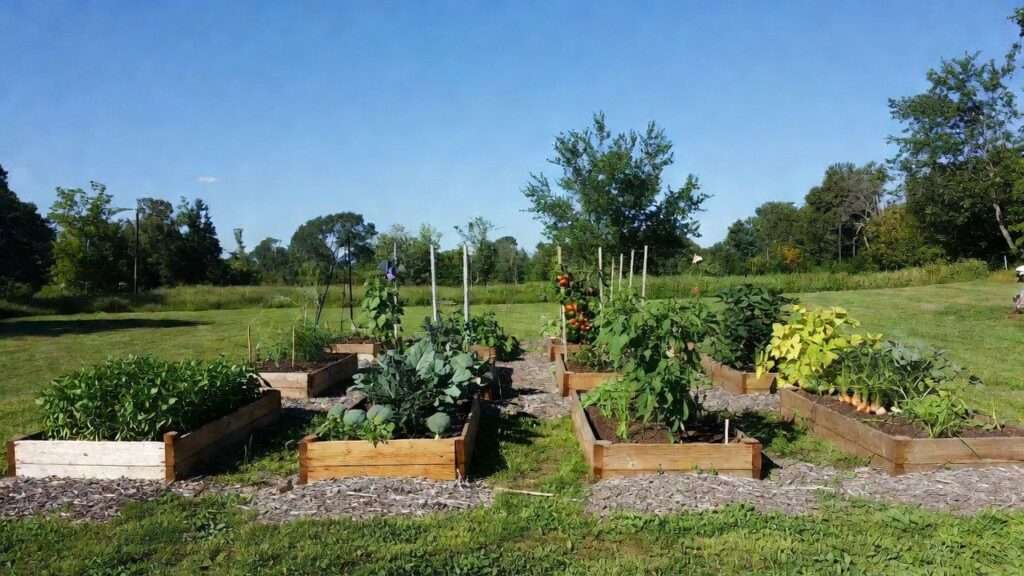
Whether you’re working with a 1/4-acre backyard in the Midwest, a raised-bed setup in a coastal region, or adapting to subtropical conditions, these strategies address the core need of new homesteaders: practical, low-cost steps to avoid early failures and grow more food reliably.
Why Crop Rotation Is a Must-Know First Step for New Homesteaders
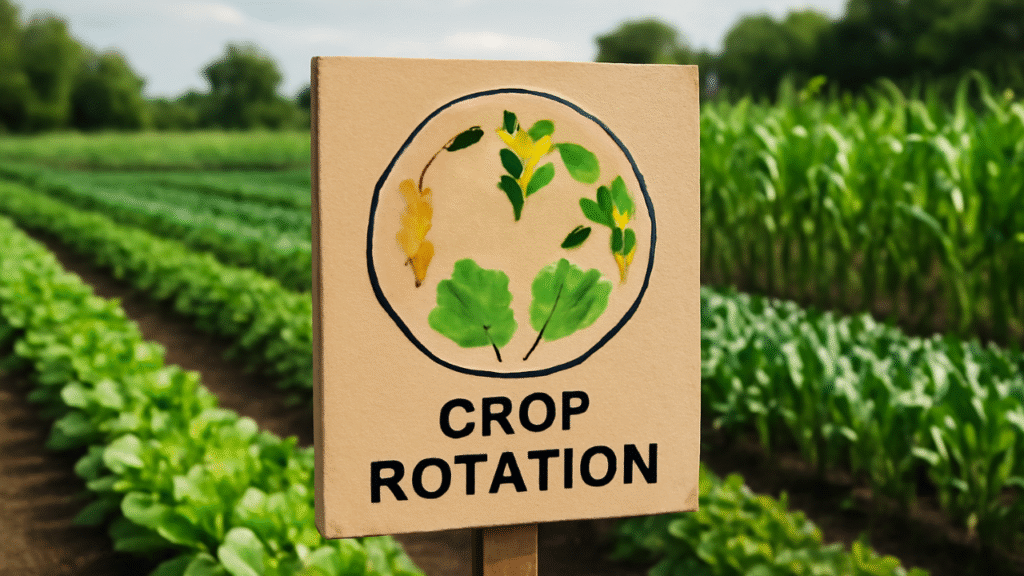
Crop rotation is the practice of systematically changing the location of crop families in your garden each season (or year) rather than planting the same types in the same spot repeatedly. This ancient technique — used by farmers worldwide for centuries — is especially powerful for small-scale homesteaders because it tackles multiple challenges at once.
The primary benefits include:
- Preventing soil nutrient depletion: Different plants draw varying nutrients. Heavy feeders like tomatoes (nightshades) deplete nitrogen and potassium, while legumes fix nitrogen back into the soil. Rotating balances usage and replenishes fertility naturally, reducing the need for synthetic fertilizers.
- Reducing pests and diseases naturally: Many insects and pathogens (e.g., blight in tomatoes or clubroot in brassicas) build up in soil when their host plants stay in place. Moving families disrupts life cycles, often cutting pest pressure by significant margins without pesticides.
- Improving soil structure and health: Diverse roots — deep taproots from carrots, fibrous from grasses — enhance aeration, water infiltration, and organic matter buildup. USDA resources emphasize that rotations with cover crops increase soil organic matter, supporting microbial life essential for nutrient cycling.
- Boosting yields and resilience: Studies and extension trials show rotated gardens often yield 10-30% more over time, with better drought tolerance and fewer failures — crucial in variable US climates (e.g., hot summers in the South or wet winters in the Pacific Northwest) or global regions with monsoons or dry spells.
For beginners, crop rotation is ideal because it’s low-effort once planned, requires no special equipment, and delivers high impact on small plots. It’s a foundational skill that supports self-sufficiency goals like growing enough vegetables for your family year-round.
Understanding Crop Families: The Foundation of Effective Rotation
Effective rotation starts with grouping plants by botanical family, as family members share similar nutrient needs, pest vulnerabilities, and disease risks.
Here are the most common homestead vegetable families with examples (adaptable to US and global contexts):
- Nightshades (Solanaceae): Tomatoes, peppers, eggplants, potatoes. Heavy feeders prone to blight, verticillium wilt, and hornworms.
- Brassicas (Brassicaceae/Cruciferae): Broccoli, kale, cabbage, cauliflower, Brussels sprouts, kohlrabi, radishes, turnips. Nutrient-hungry; susceptible to clubroot and cabbage worms.
- Legumes (Fabaceae): Beans (bush/pole), peas, fava beans. Nitrogen-fixers that improve soil for following crops.
- Cucurbits (Cucurbitaceae): Cucumbers, squash (summer/winter), pumpkins, melons, zucchini. Sprawling vines prone to powdery mildew and squash bugs.
- Alliums/Onions (Amaryllidaceae/Alliaceae): Onions, garlic, leeks, chives. Generally light feeders; help deter pests.
- Roots/Chenopods (various, including Apiaceae for carrots, Chenopodiaceae for beets): Carrots, beets, parsnips, Swiss chard, spinach. Improve soil structure with deep roots.
- Leafy Greens/Composites (Asteraceae): Lettuce, endive, chicory. Light feeders that thrive after nitrogen-rich predecessors.
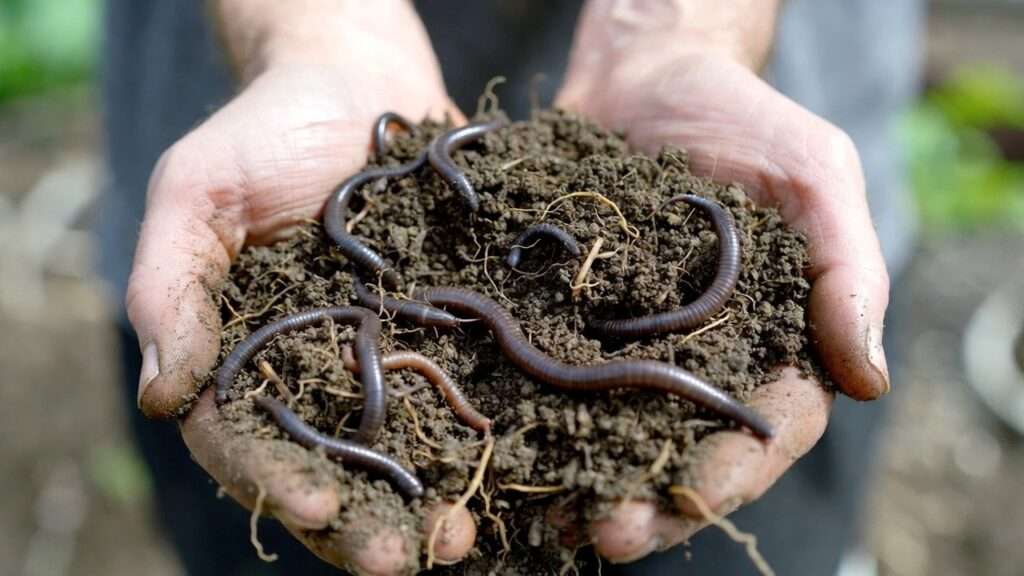
Table: Common Crop Families and Rotation Notes
| Family | Examples | Nutrient Impact | Key Risks | Rotation Tip |
|---|---|---|---|---|
| Nightshades | Tomatoes, peppers, potatoes | Heavy feeders (N, K) | Blight, nematodes | Follow with legumes or brassicas |
| Brassicas | Broccoli, kale, cabbage | Heavy feeders | Clubroot, flea beetles | Avoid after other brassicas |
| Legumes | Beans, peas | Nitrogen-fixers | Few; root rots possible | Plant after heavy feeders |
| Cucurbits | Squash, cucumbers | Moderate feeders | Powdery mildew, vine borers | Rotate widely |
| Alliums | Onions, garlic | Light feeders | Onion maggots | Good after brassicas |
| Roots | Carrots, beets | Moderate; deep roots | Root flies | Follow legumes for loose soil |
Simple Crop Rotation Systems for Beginners
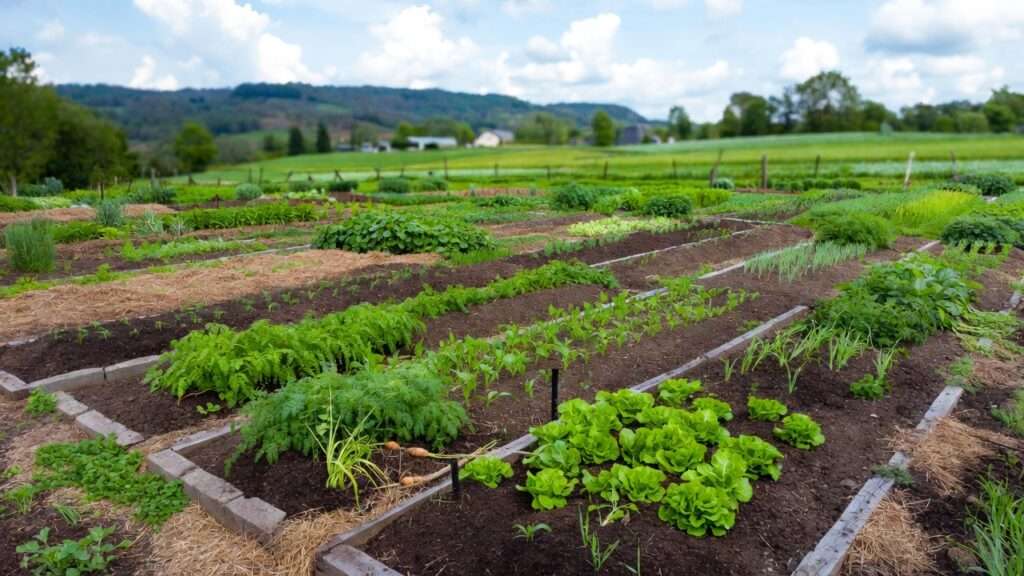
Now that you understand crop families, let’s move to actual systems you can implement right away — even if your homestead is just a few raised beds, a 20×20 ft plot, or a patchwork of containers. The goal for beginners is simplicity: choose a system that matches your space, keeps records easy, and delivers noticeable improvements within 1–2 seasons.
Option 1: The Classic Four-Group Rotation (Most Recommended for Small Homesteads)
This is the gold standard for new homesteaders with at least four distinct growing areas (beds, rows, or sections). It follows a logical nutrient and pest-break sequence:
- Group 1 – Legumes (soil builders) Beans (bush, pole, lima), peas (snow, snap, shelling), fava beans, cowpeas, peanuts (in warmer zones). → These fix atmospheric nitrogen, leaving the soil richer for the next crop.
- Group 2 – Brassicas / Heavy Leafy Greens (heavy feeders) Broccoli, kale, collards, cabbage, cauliflower, Brussels sprouts, kohlrabi, turnips, radishes, arugula, mustard greens. → They thrive on the nitrogen left by legumes and help suppress weeds with dense canopy.
- Group 3 – Nightshades / Fruiting Crops (heavy feeders) Tomatoes, peppers (bell, hot), eggplants, potatoes, tomatillos, ground cherries. → They love the balanced fertility and benefit from the pest disruption caused by previous groups.
- Group 4 – Roots, Onions & Light Feeders / Cucurbits Carrots, beets, parsnips, radishes (if not already in brassicas), onions, garlic, leeks, shallots, cucumbers, summer squash, zucchini. → These crops loosen soil structure and have fewer overlapping pest issues with the previous groups.
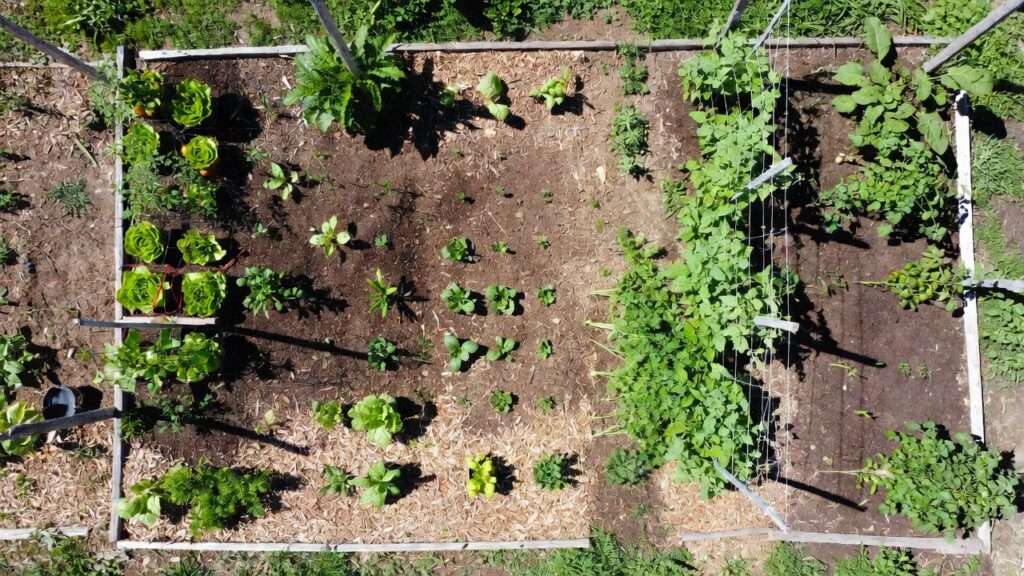
How it cycles (example for a 4-bed layout):
- Year 1: Bed 1 = Legumes, Bed 2 = Brassicas, Bed 3 = Nightshades, Bed 4 = Roots/Cucurbits
- Year 2: Bed 1 = Brassicas, Bed 2 = Nightshades, Bed 3 = Roots/Cucurbits, Bed 4 = Legumes
- Year 3: Bed 1 = Nightshades, Bed 2 = Roots/Cucurbits, Bed 3 = Legumes, Bed 4 = Brassicas
- Year 4: Bed 1 = Roots/Cucurbits, Bed 2 = Legumes, Bed 3 = Brassicas, Bed 4 = Nightshades
After four years the cycle repeats. Many homesteaders report noticeably darker, crumblier soil and fewer pest outbreaks by year three.
Option 2: The Three-Group Rotation (Perfect for Very Small Plots or Raised Beds)
If you have only three distinct areas or prefer even simpler planning:
- Legumes & Soil Builders → beans, peas, clover cover crop
- Brassicas & Leafy Greens → broccoli family + lettuce, spinach, chard
- Fruiting + Roots → tomatoes/peppers + carrots, beets, onions, garlic, squash
Cycle every three years. This is especially popular among urban and suburban homesteaders in places like California, the Northeast U.S., the UK, Australia, and urban Bangladesh where space is limited.
Option 3: The Two-Year “Block” Rotation (Ultra-Simple Starter)
Divide your garden into two halves:
- Half A: Legumes → followed by brassicas/leafy
- Half B: Nightshades/fruiting → followed by roots/cucurbits
Switch halves each year. While not as ideal long-term (shorter break between same-family crops), it’s far better than no rotation and gives beginners confidence before scaling up.
Visual Suggestion: Sketch a simple grid on paper or use free garden-planning apps like Garden Planner, GrowVeg, or even Google Sheets. Label each bed with the current year’s group.
Adaptations for Climate Zones
- Cooler / shorter-season regions (Pacific Northwest, northern Europe, parts of Canada, northern U.S.): Prioritize brassicas, roots, and quick-maturing legumes.
- Hot / humid regions (Southeast U.S., southern Asia including Bangladesh, parts of India): Emphasize heat-tolerant beans, okra (as a nightshade alternative), sweet potatoes (instead of Irish potatoes), and cucurbits.
- Dry / arid zones (Southwest U.S., parts of Australia, Middle East): Include drought-resistant cover crops (cowpeas, sunn hemp) between cycles.
Step-by-Step: How to Plan and Implement Crop Rotation on Your Homestead
Follow these actionable steps to get started this season:
- Assess Your Current Space and Soil
- Measure your growing area and divide it into logical beds or zones.
- Get a basic soil test (pH, N-P-K, organic matter). In the U.S., contact your local Cooperative Extension office (often free or low-cost). Globally, many agricultural universities or government labs offer affordable kits.
- Make a Wish List of Crops
- Write down every vegetable, herb, or fruit you want to grow.
- Group them by family using the chart earlier.
- Choose Your Rotation System
- Start with the four-group or three-group plan based on space.
- Decide on a cycle length (3–4 years minimum for most families).
- Map Year 1
- Draw or digitally create your garden layout.
- Assign groups to each section for the current or upcoming season.
- Incorporate Cover Crops & Green Manures
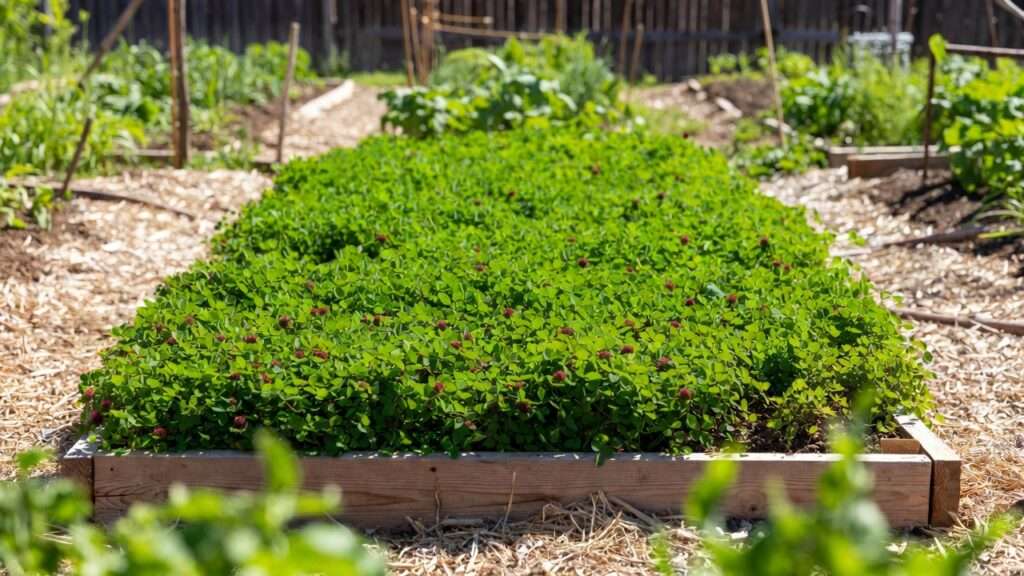
- After harvesting main crops, sow clover, vetch, rye, buckwheat, or Austrian winter peas. These prevent erosion, suppress weeds, and add biomass.
- In mild-winter areas, grow winter-kill cover crops (oats + field peas) that die back naturally.
- Keep Records
- Use a simple notebook, spreadsheet, or apps like Planter, From Seed to Spoon, or even photos labeled by bed and year.
- Note what grew where, observed pests/diseases, soil-test results, and yields.
- Adjust Annually
- Each fall or early spring, shift groups one position forward and plan the next year.
Pro Tip: Start small. Even rotating just your main vegetable beds while keeping perennial herbs and berries in permanent spots is better than doing nothing.