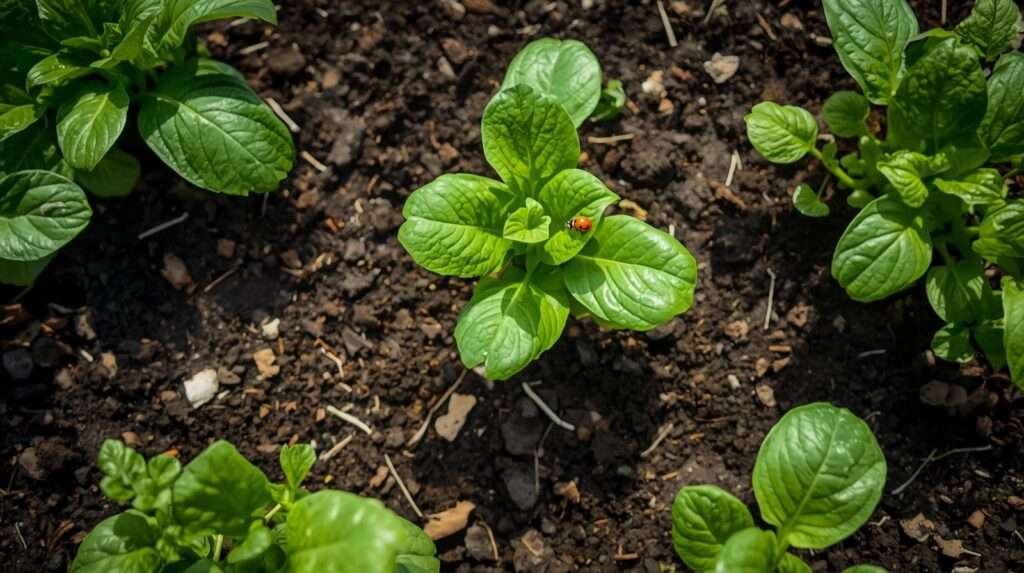
One week your raised beds look lush, green, and full of promise — the next, you notice ragged leaves, yellowing plants, or seedlings collapsing overnight. Sound familiar? If so, you’re not alone. Many growers struggle with identifying what’s invading your raised beds, especially when symptoms appear suddenly and resemble multiple problems at once.
Raised bed gardening offers excellent drainage, improved soil structure, and higher yields — but it also creates a concentrated environment where pests, diseases, and soil issues can spread quickly if not detected early. Misdiagnosing the cause often leads to wasted money on unnecessary pesticides, fertilizer misuse, or even crop loss.
As an agricultural practitioner and extension-style advisor, I’ve worked with home gardeners and small-scale farmers across diverse climates, and one truth remains consistent: accurate diagnosis is the foundation of successful pest and crop management. In this comprehensive guide, you’ll learn how to correctly identify what’s damaging your raised beds using practical field-tested methods, proven observation techniques, and science-based solutions.
By the end of this article, you’ll know how to quickly distinguish between pest damage, plant disease, and soil-related stress — and take action with confidence.
Why Accurate Identification Matters in Raised Bed Gardening
The Risks of Guesswork
One of the most common mistakes gardeners make is treating symptoms rather than causes. For example, spraying insecticides for yellowing leaves caused by nutrient deficiency wastes resources and harms beneficial insects.
Misdiagnosis often leads to:
-
Overuse of chemical pesticides and fertilizers
-
Destruction of beneficial organisms like lady beetles and parasitic wasps
-
Resistance development in pest populations
-
Soil microbiome imbalance and long-term fertility decline
From a sustainability and cost-efficiency perspective, guessing can do more harm than good.
The Benefits of Early and Correct Diagnosis
When you correctly identify the problem early:
-
Crops recover faster with targeted treatment
-
You minimize financial losses
-
You reduce unnecessary chemical inputs
-
Yields improve consistently over time
Accurate diagnosis is a key pillar of Integrated Pest Management (IPM) — a globally recommended, science-backed approach to crop protection.
Step-by-Step Process for Identifying What’s Invading Your Raised Beds
Step 1: Observe Plant Symptoms Carefully
Start with a systematic visual inspection.
Look for:
Leaf Damage Patterns
-
Irregular holes → likely chewing insects
-
Fine speckling → spider mites
-
Smooth circular cuts → leafcutter bees
Discoloration Clues
-
Yellowing between veins → nutrient deficiency
-
Uniform yellowing → overwatering or root issues
-
Brown spots with halos → fungal disease
Growth Abnormalities
-
Stunted growth → root pests or compaction
-
Twisted leaves → viral infection or herbicide drift
Expert Tip: Always inspect multiple plants before concluding.
Step 2: Inspect the Soil and Root Zone
Raised beds can conceal soil-borne problems beneath the surface.
Check for:
-
Soft, blackened roots (root rot)
-
White larvae or grubs
-
Excessively wet or compacted soil
Healthy roots should appear firm and white. Any discoloration suggests underlying stress or infection.
Step 3: Look for Active Culprits
Timing matters.
-
Inspect early morning for caterpillars
-
Check evenings for slugs and snails
-
Examine undersides of leaves for aphids or mites
Simple tools help:
-
Sticky traps
-
Hand lens (10x magnification)
-
White paper shaking test (for mites)
Common Pests Found in Raised Beds (and How to Identify Them)
Chewing Insects

Common chewing pests include caterpillars, beetles, and grasshoppers.
Signs:
-
Ragged holes
-
Skeletonized leaves
-
Missing leaf edges
How to Confirm:
Look for droppings (frass) and visible larvae.
Management Tip: Hand-picking and biological control (Bt sprays) are highly effective.
Sap-Sucking Pests

Includes aphids, whiteflies, and spider mites.
Signs:
-
Curling leaves
-
Sticky honeydew
-
Yellow stippling
Management Tip: Encourage natural predators and apply neem-based sprays if necessary.
Soil-Dwelling Pests

Common offenders include cutworms, root maggots, and wireworms.
Signs:
-
Sudden seedling collapse
-
Cut stems at soil level
-
Weak root systems
Management Tip: Use collars around seedlings and improve soil sanitation.
Nocturnal Invaders

Slugs and snails thrive in moist raised beds.
Signs:
-
Slime trails
-
Irregular night feeding
Management Tip: Use traps, barriers, and moisture management.
Plant Diseases That Mimic Pest Damage
Fungal Diseases

Common fungal problems include powdery mildew, leaf spot, and damping-off.
Identification Clues:
-
Powdery coatings
-
Circular lesions
-
Rapid spread in humid weather
Prevention focuses on airflow, spacing, and sanitation.
Bacterial Infections
Symptoms include:
-
Water-soaked lesions
-
Rapid plant collapse
-
Foul-smelling rot
These spread quickly via water splash and contaminated tools.
Viral Diseases

Signs:
-
Mosaic patterns
-
Leaf curling
-
Stunted growth
Viruses often spread through insect vectors like aphids.
Non-Biological Causes Often Mistaken for Pests
Nutrient Deficiencies
Common patterns:
-
Nitrogen deficiency → pale leaves
-
Potassium deficiency → scorched edges
-
Calcium deficiency → blossom end rot
Conduct soil tests for confirmation.
Water Stress (Overwatering vs Underwatering)
-
Overwatering → yellowing + root rot
-
Underwatering → wilting + dry soil
Raised beds drain quickly but still require monitoring.
Soil Imbalance Issues
-
pH extremes block nutrient uptake
-
Compaction restricts roots
-
Poor drainage leads to disease
Maintain soil pH between 6.0–7.0 for most vegetables.
Diagnostic Tools Every Raised Bed Gardener Should Use
Essential Low-Cost Tools
-
Hand lens
-
Soil thermometer
-
Sticky traps
-
Notebook for tracking changes
Advanced Testing Options
-
Soil lab testing
-
Moisture meters
-
Digital pH testers
These tools significantly improve diagnostic accuracy.
Region-Specific Challenges (Tropical & Humid Climates)
Gardeners in humid climates frequently encounter:
-
Leaf miners
-
Thrips
-
Fungal outbreaks during rainy seasons
Dry seasons often increase mite populations due to heat stress.
Preventive Strategies to Keep Raised Beds Pest-Free
Cultural Practices
-
Crop rotation
-
Proper spacing
-
Sanitation
Biological Controls
-
Beneficial insects
-
Companion planting
Physical Barriers & Organic Solutions
-
Row covers
-
Mulching
-
Neem oil sprays
Quick Diagnosis Chart (Practical Reference)
| Symptom | Likely Cause | How to Confirm | Action |
|---|---|---|---|
| Ragged holes | Caterpillars | Check undersides | Hand-pick |
| Yellow spots | Mites | Paper test | Spray neem |
| Wilting seedlings | Cutworms | Soil check | Use collars |
Expert Tips for Faster and More Accurate Identification
-
Inspect twice weekly
-
Track seasonal patterns
-
Photograph symptoms
-
Avoid rushing treatments
Frequently Asked Questions (FAQs)
Why do raised beds attract more pests than ground gardens?
Because they offer concentrated nutrients, warmth, and dense planting environments.
How often should I inspect my raised beds?
At least twice weekly, daily during peak season.
Can healthy soil prevent pest invasions?
Yes — strong plants resist pests better.
What’s the safest treatment if unsure?
Start with observation and mild organic controls.
Conclusion: Take Control of Your Raised Beds with Confident Diagnosis
Successfully identifying what’s invading your raised beds requires patience, observation, and knowledge. Once you master symptom recognition and follow a systematic approach, you’ll respond quickly and effectively to any issue.
By combining preventive care with informed decision-making, you can protect your crops, reduce losses, and enjoy consistent harvests season after season.