You step into your garden early in the morning and notice movement across your leafy greens — tiny insects crawling along stems, hovering over flowers, and hiding beneath leaves. Your first instinct might be to reach for a spray bottle. But what if many of those insects are actually helping your plants thrive?
Understanding Good Bugs vs Bad Bugs in Raised Beds is one of the most important skills any gardener or grower can develop. Raised beds naturally attract a wide range of insects because they offer warmth, shelter, concentrated nutrients, and dense plant growth. While some insects damage crops, many others play essential roles in pollination, pest control, and soil health.
As an agricultural advisor working with both small-scale farmers and home gardeners, I’ve seen how misidentifying insects often leads to unnecessary pesticide use, reduced yields, and disrupted ecosystems. This guide will help you confidently distinguish beneficial insects from harmful pests using field-tested techniques, science-backed strategies, and practical experience.
By the end, you’ll know exactly which bugs to protect, which to manage, and how to maintain a balanced raised bed ecosystem naturally.
Why Understanding Good Bugs vs Bad Bugs in Raised Beds Matters
The Role of Insects in Healthy Garden Ecosystems
Insects are not just visitors — they are active participants in plant health and productivity. In a well-balanced raised bed:
-
Pollinators increase fruit set and crop yields
-
Predatory insects control pest outbreaks
-
Decomposers recycle organic matter into plant nutrients
Research across agricultural systems shows that diversified insect populations significantly improve crop resilience and reduce chemical dependency.
Risks of Misidentifying Insects
Misidentification often causes:
-
Destruction of beneficial predators
-
Secondary pest outbreaks
-
Increased reliance on chemical inputs
-
Long-term ecological imbalance
For example, killing lady beetles may trigger aphid population explosions within days.
How to Identify Insects in Raised Beds Like an Expert
Step-by-Step Observation Process
Professional growers follow a structured inspection method:
1. Examine Plant Damage Patterns
-
Chewed leaves → chewing insects
-
Yellowing or curling → sap feeders
-
Stunted growth → root pests
2. Observe Behavior
-
Hovering insects often pollinate
-
Fast runners are often predators
-
Clustered colonies suggest pests
3. Inspect Hidden Areas
-
Undersides of leaves
-
Stem joints
-
Soil surface and mulch layers
Consistency is key — inspect at least twice weekly during peak growing seasons.
Tools That Improve Identification Accuracy
You don’t need expensive equipment. Essential tools include:
-
Hand lens (10x magnification)
-
Sticky monitoring traps
-
Smartphone camera for zoom inspection
-
Notebook for symptom tracking
These simple tools dramatically improve accuracy.
When and Where to Inspect
Timing improves results:
-
Morning: caterpillars and beetles
-
Afternoon: pollinators
-
Evening: slugs and nocturnal pests
Seasonal awareness also helps predict outbreaks.
Good Bugs in Raised Beds (Beneficial Insects You Should Protect)
Predatory Insects That Control Pests

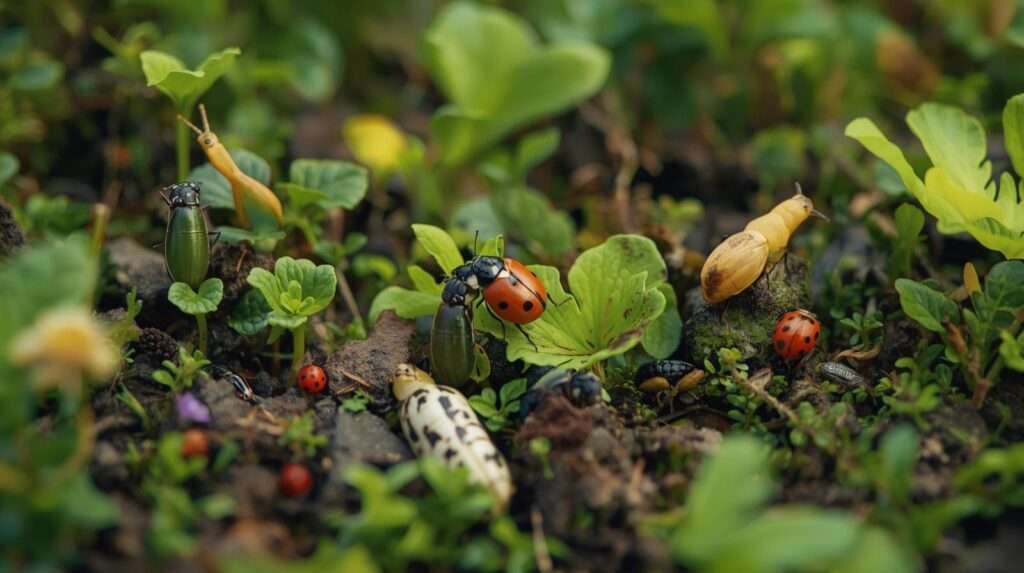
Lady Beetles (Ladybugs)
-
Target pests: aphids, mites, whiteflies
-
Identification: red/orange body with black spots
-
Benefit: both larvae and adults are effective predators
Lacewings
-
Target pests: aphids, caterpillars
-
Identification: delicate green wings; larvae resemble tiny alligators
Praying Mantises
-
Target pests: wide range of insects
-
Identification: triangular head and folded forelegs
Ground Beetles
-
Target pests: slugs, larvae, soil pests
-
Habitat: under mulch and debris
Parasitic Insects That Suppress Pest Populations

Parasitic Wasps
-
Lay eggs inside pests
-
Evidence: swollen aphid “mummies”
Tachinid Flies
-
Target caterpillars and beetles
-
Resemble houseflies but beneficial
Pollinators That Boost Crop Yield

Bees
Essential for fruiting vegetables like tomatoes and cucumbers.
Hoverflies
Adults pollinate; larvae consume aphids.
Butterflies
Support biodiversity and pollination.
Soil Builders and Decomposers

Springtails
Break down organic matter and improve soil structure.
Rove Beetles
Bad Bugs in Raised Beds (Common Garden Pests to Watch For)
Chewing Pests

Common examples:
-
Caterpillars
-
Beetles
-
Grasshoppers
Signs:
-
Ragged holes
-
Skeletonized foliage
Sap-Sucking Pests

Includes:
-
Aphids
-
Whiteflies
-
Spider mites
Signs:
-
Yellowing leaves
-
Sticky residue
-
Stunted growth
Soil-Dwelling Pest
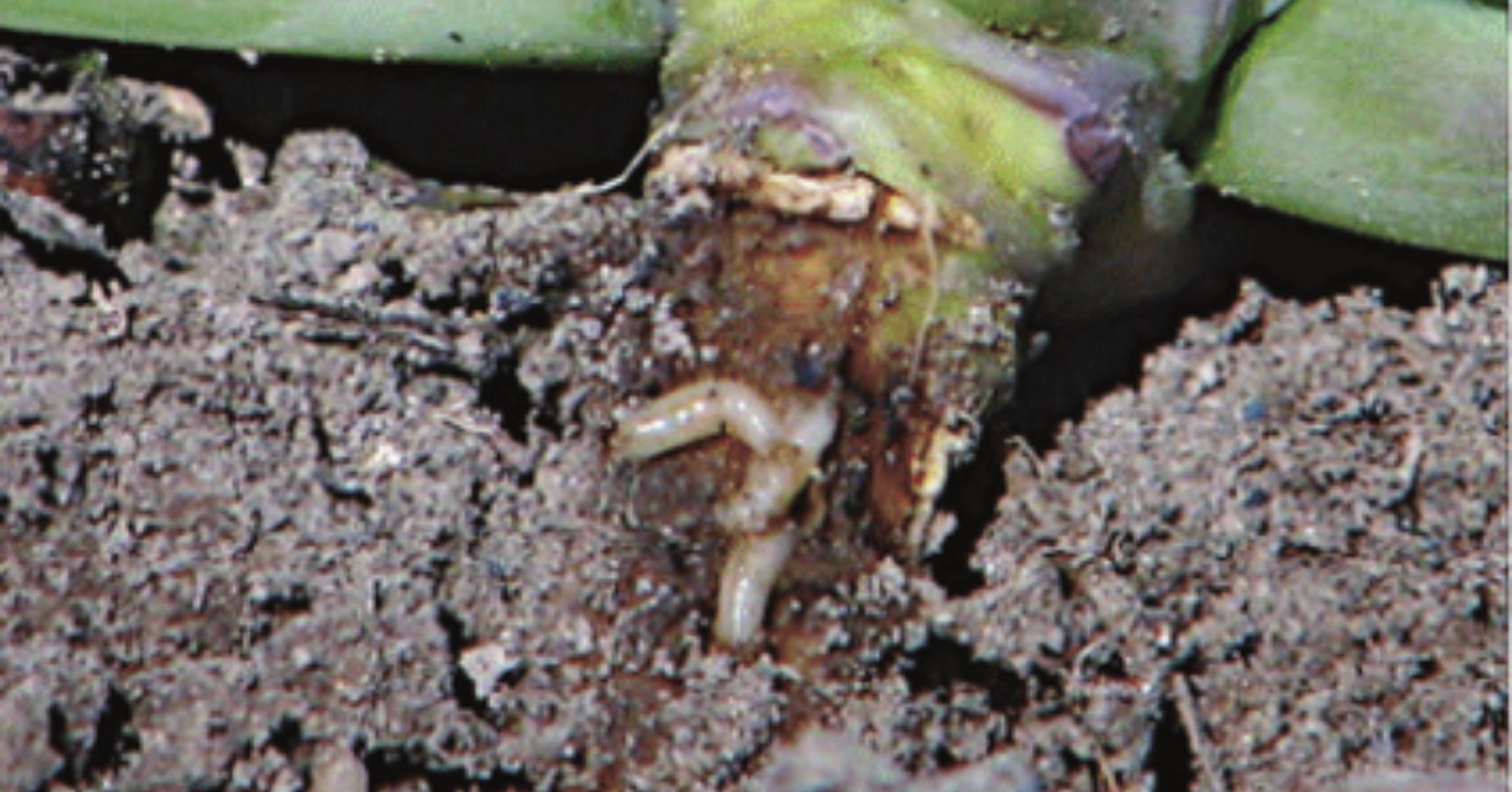
Examples:
-
Cutworms
-
Root maggots
-
Wireworms
Signs: wilting seedlings, weak roots.
Slugs and Snails (Non-Insect Invaders)
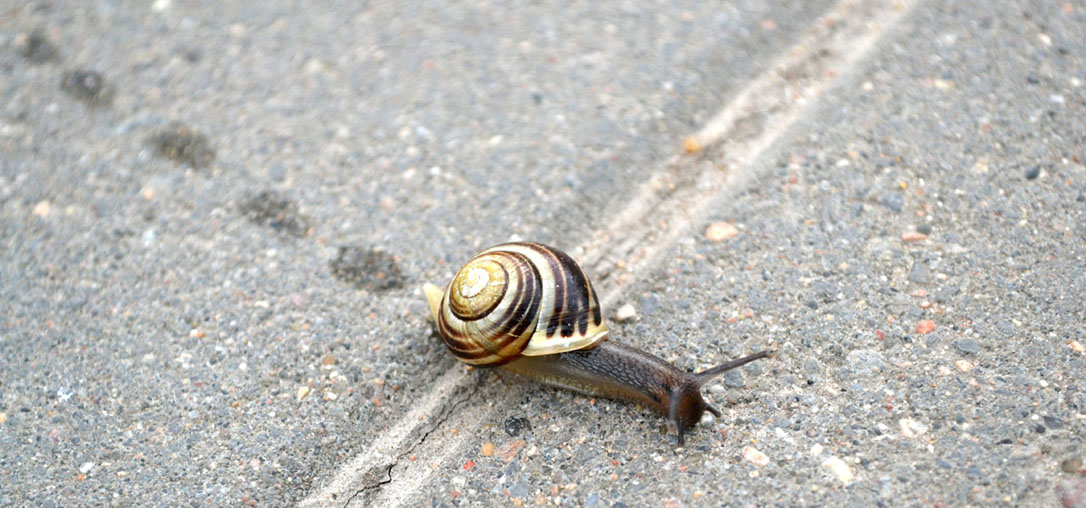
Signs: slime trails and night feeding damage.
Quick Comparison Guide: Good Bugs vs Bad Bugs in Raised Beds
| Insect | Type | Key Traits | Effect | Action |
|---|---|---|---|---|
| Lady beetle | Good | Spotted shell | Eats aphids | Protect |
| Lacewing | Good | Delicate wings | Eats pests | Protect |
| Aphid | Bad | Soft clusters | Damages plants | Control |
| Caterpillar | Bad | Chewing larva | Leaf damage | Manage |
How to Attract and Support Beneficial Insects Naturally
Plant Diversity and Companion Planting
Include:
-
Marigolds
-
Dill
-
Coriander
-
Sunflowers
These attract predators and pollinators.
Providing Shelter and Habitat
-
Mulch for ground beetles
-
Insect hotels
-
Minimal disturbance practices
Reducing Harmful Practices
Avoid broad-spectrum pesticides and excessive fertilizer use.
How to Control Harmful Bugs Without Hurting Beneficial Ones
Integrated Pest Management (IPM)
-
Monitor regularly
-
Treat only when needed
Physical and Mechanical Controls
-
Hand removal
-
Barriers
-
Sticky traps
Organic and Biological Solutions
-
Neem oil
-
Insecticidal soap
-
Beneficial nematodes
Seasonal Pest Trends in Raised Beds
Spring
Aphids and caterpillars dominate.
Summer
Beetles and mites increase.
Rainy Season
Fungal pests and slugs thrive.
Common Mistakes Gardeners Make
-
Spraying too early
-
Ignoring beneficial insects
-
Overcrowding plants
Expert Tips for Maintaining Balance
-
Inspect regularly
-
Keep records
-
Rotate crops
Frequently Asked Questions (FAQs)
How can I tell if an insect is beneficial or harmful?
Observe feeding behavior and plant response.
Should I remove all bugs?
No — balance is essential.
What’s safest for vegetables?
Use targeted organic solutions.
Do beneficial insects really work?
Yes — they significantly reduce pest populations.
Conclusion: Build a Balanced Raised Bed Ecosystem
Understanding Good Bugs vs Bad Bugs in Raised Beds empowers you to manage pests naturally while supporting beneficial species. With consistent monitoring, thoughtful planting strategies, and eco-friendly control methods, you can protect your crops while maintaining ecological balance.
A thriving raised bed isn’t pest-free — it’s balanced. 🌿🐞