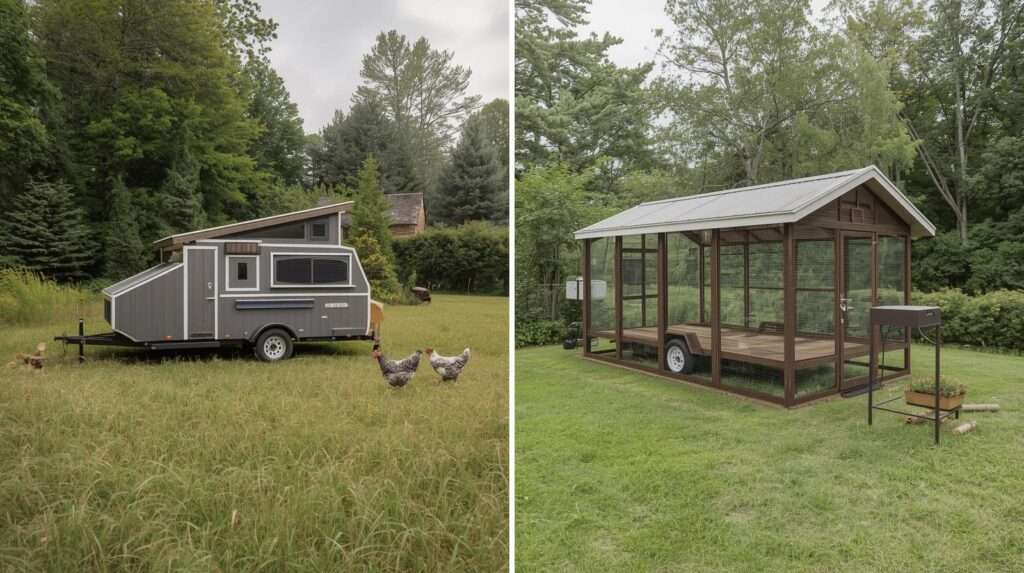
Many poultry keepers only realize the importance of proper housing after problems begin — falling egg production, disease outbreaks, predator attacks, or excessive labor demands. If you’re deciding between housing systems, understanding Mobile vs Permanent Coops is essential before investing time and money.
Whether you’re a backyard poultry enthusiast, small-scale farmer, or commercial grower, your coop choice directly affects flock health, productivity, operational efficiency, and long-term sustainability. Raised incorrectly, chickens experience stress, parasite buildup, poor ventilation, and weather exposure — all of which reduce profitability and welfare.
As someone who has advised farmers across different climates and production systems, I’ve seen how choosing the right coop model can significantly improve results. This comprehensive guide provides a practical, science-based comparison of mobile and permanent chicken coops, helping you evaluate costs, labor, climate adaptability, predator protection, and management goals. By the end, you’ll have a clear framework for selecting the best system for your operation.
Understanding the Basics of Chicken Housing Systems
What Is a Mobile Coop?
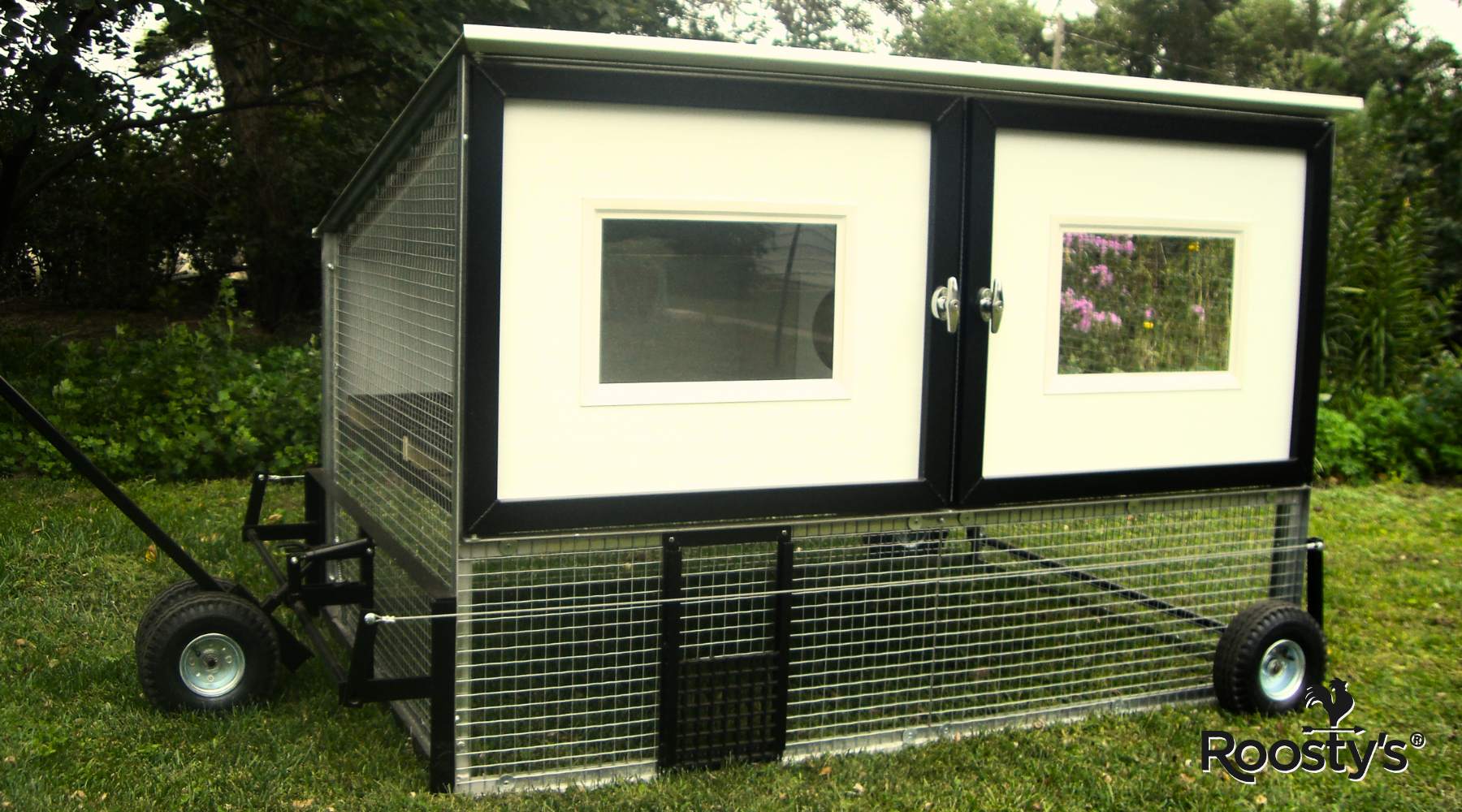
A mobile coop (often called a chicken tractor or movable coop) is a portable housing system designed to be relocated regularly across pasture or garden space.
Key Characteristics:
-
Lightweight construction using wood, PVC, or metal frames
-
Wheels or skids for movement
-
Open-bottom or mesh flooring designs
-
Typically used in rotational grazing systems
Common Use Cases:
-
Pasture-raised poultry systems
-
Small farms practicing regenerative agriculture
-
Backyard setups with adequate outdoor space
Mobile coops are especially popular among growers seeking natural feeding systems and improved manure distribution.
What Is a Permanent Coop?

A permanent coop is a fixed structure built to house chickens year-round in one location.
Key Characteristics:
-
Durable construction (wood, concrete, metal roofing)
-
Attached runs or enclosed outdoor areas
-
Stable nesting and roosting systems
-
Integration with feeders, waterers, and automation
Common Use Cases:
-
Backyard flocks
-
Commercial egg production
-
Areas with harsh climates
Permanent coops are ideal for stability, security, and long-term flock management.
Mobile vs Permanent Coops: Key Differences at a Glance
| Factor | Mobile Coops | Permanent Coops |
|---|---|---|
| Initial Cost | Moderate | High |
| Labor Requirement | High (frequent moving) | Low |
| Predator Protection | Moderate | Strong |
| Egg Production Impact | Often higher (less stress) | Stable |
| Waste Management | Natural distribution | Requires cleaning |
| Climate Suitability | Mild climates | All climates |
| Scalability | Limited | High |
Each system has advantages depending on your priorities and conditions.
Advantages of Mobile Coops (When Mobility Works Best)
Improved Pasture Management and Soil Health
Mobile coops distribute manure evenly across grazing areas, improving soil fertility and reducing nutrient concentration. This aligns well with sustainable farming practices and rotational grazing systems.
Additionally, frequent movement reduces parasite buildup — a major advantage over stationary housing.
Lower Feed Costs Through Foraging
Pasture-raised chickens supplement their diets with:
-
Grasses
-
Seeds
-
Insects
Research indicates pasture systems can reduce feed costs by up to 20% under optimal conditions.
Reduced Disease Pressure
Because mobile coops shift locations frequently:
-
Pathogen buildup is minimized
-
Bedding stays cleaner
-
Airflow remains better
This significantly reduces respiratory disease risks.
Flexibility for Small Farms and Backyard Growers
Mobile systems adapt easily to changing land use, seasonal rotations, and crop integration.
Challenges of Mobile Systems
Despite benefits, challenges include:
-
Labor-intensive relocation
-
Exposure to extreme weather
-
Limited flock capacity
-
Predator vulnerability in some designs
Proper design and planning are essential for success.
Advantages of Permanent Coops (When Stability Wins)
Stronger Predator Protection
Permanent coops allow for:
-
Reinforced walls and floors
-
Secure wire mesh
-
Locked doors
These features significantly reduce predator losses from foxes, dogs, snakes, and raptors.
Better Climate Control
Permanent housing supports:
-
Insulation for cold weather
-
Ventilation systems for heat
-
Controlled lighting schedules
These features improve laying performance year-round.
Easier Daily Management
Fixed coops allow automation:
-
Automatic feeders
-
Nipple watering systems
-
Egg collection setups
This reduces labor and increases efficiency.
Higher Capacity for Larger Flocks
Permanent systems scale better for commercial operations.
Challenges of Permanent Systems
Common issues include:
-
Waste accumulation
-
Disease concentration
-
Higher initial investment
Good sanitation practices mitigate these risks.
Climate Considerations: Choosing the Right Coop for Your Region
Hot and Humid Climates
Mobile coops perform well due to airflow but must include shade structures. Permanent coops require strong ventilation and heat mitigation.
Cold and Temperate Regions
Permanent coops provide better insulation and frost protection. Mobile systems require weatherproofing.
Rainy and Flood-Prone Areas
Raised permanent coops and movable designs on elevated skids work best.
Cost Breakdown: Mobile vs Permanent Coops
Initial Construction Costs
-
Mobile: lower materials, simpler design
-
Permanent: higher investment for durability
Long-Term Maintenance Expenses
Mobile coops require repair from movement wear; permanent coops need bedding and sanitation maintenance.
Labor and Time Investment Comparison
Mobile systems require daily effort; permanent systems require periodic cleaning.
Productivity and Welfare Impact
Egg Production Differences
Pasture-raised hens often produce richer eggs with improved yolk color.
Bird Health and Behavior
Mobile systems encourage:
-
Natural scratching
-
Dust bathing
-
Exercise
Permanent systems provide stability and protection.
Stress Levels and Natural Behaviors
Lower stress improves productivity and immunity.
Which System Fits Your Farming Goals? (Decision Framework)
Best Choice for Backyard Poultry Keepers
Small flocks often benefit from permanent setups due to convenience.
Best Choice for Small-Scale Farmers
Mobile coops support diversified operations.
Best Choice for Commercial Producers
Permanent systems ensure scalability and consistency.
Hybrid Systems: Combining Mobile and Permanent Approaches
Many producers use hybrid models:
-
Permanent night housing
-
Daytime pasture access
-
Seasonal mobility adjustments
Common Mistakes to Avoid
-
Ignoring predator threats
-
Underestimating labor
-
Poor ventilation planning
Expert Tips for Building or Buying the Right Coop
-
Allow 3–4 sq ft per bird indoors
-
Ensure cross-ventilation
-
Use durable materials
Frequently Asked Questions (FAQs)
Which coop type is best for beginners?
Permanent coops are easier to manage initially.
Are mobile coops safe from predators?
Yes, if properly designed and monitored.
Can I convert a permanent coop into a mobile one?
Possible but often inefficient.
How much space do chickens need?
At least 8–10 sq ft outdoor space per bird.
Conclusion: Make the Right Choice for Long-Term Success
Understanding Mobile vs Permanent Coops allows you to select a housing system aligned with your climate, budget, labor capacity, and production goals. Both systems can succeed with proper planning.
Choose carefully — your flock’s health, productivity, and sustainability depend on it. 🐔🌱