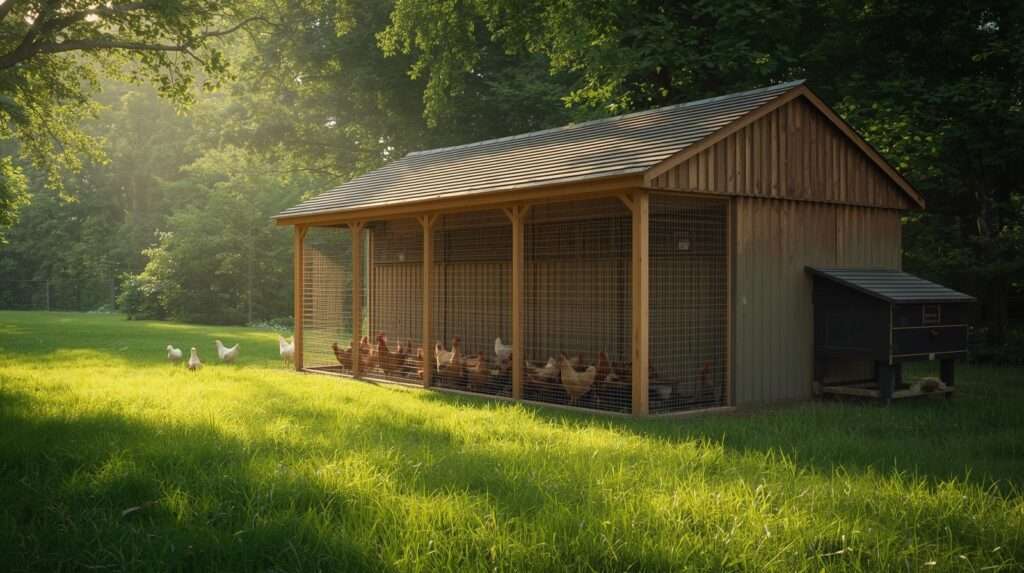
It often starts quietly — a few hens panting in the shade, wings slightly lifted, egg production dipping without explanation. Then the heatwave intensifies, and suddenly birds stop eating, collapse, or even die. If you’ve ever searched how to Keep My Chicken Coop Cool in Brutal US Summers, you already understand how dangerous extreme heat can be for poultry.
Unlike many animals, chickens cannot sweat. They rely on panting and behavioral adaptations to regulate body temperature, making them especially vulnerable during prolonged heatwaves. In my experience advising backyard keepers and small-scale poultry farmers across hot regions, I’ve seen firsthand how poor coop ventilation, overcrowding, and inadequate water management quickly escalate into serious welfare and productivity issues.
This guide provides practical, science-based, and field-tested strategies to help you prevent heat stress, maintain flock health, and sustain egg production — even during the harshest summer conditions.
Table of Contents
ToggleUnderstanding Heat Stress in Chickens (Expert Overview)
Why Chickens Struggle in Extreme Heat
Chickens are physiologically sensitive to heat due to several factors:
-
No sweat glands: Cooling relies heavily on panting
-
Feather insulation: Feathers trap body heat in high temperatures
-
High metabolic rate: Digestive heat production increases internal temperature
-
Humidity effects: High humidity reduces evaporative cooling efficiency
These factors make proactive cooling essential.
Signs of Heat Stress in Chickens
Early recognition prevents losses. Watch for:
-
Rapid panting and open-mouth breathing
-
Wings held away from the body
-
Lethargy and inactivity
-
Pale combs and wattles
-
Reduced appetite and egg production
-
Watery droppings
Severe cases may involve collapse and seizures.
Temperature Thresholds to Watch
-
80–85°F (27–29°C): Mild stress begins
-
90°F (32°C): Productivity declines
-
95°F+ (35°C): High mortality risk
Humidity increases danger significantly.
Coop Design Factors That Affect Summer Temperatures
Orientation and Sun Exposure
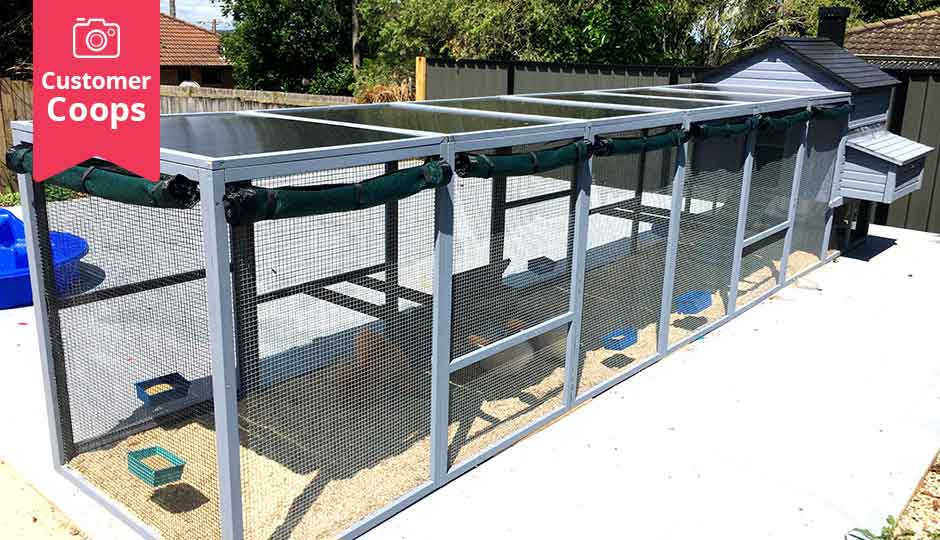
Position coops where:
-
Morning sun reaches birds
-
Afternoon shade dominates
Trees and shade cloth reduce internal temperatures significantly.
Ventilation and Airflow Principles

Good airflow removes heat and ammonia buildup.
Key practices:
-
Install cross-ventilation openings
-
Use ridge vents for hot air escape
-
Keep vents open year-round
Roofing Materials and Heat Retention
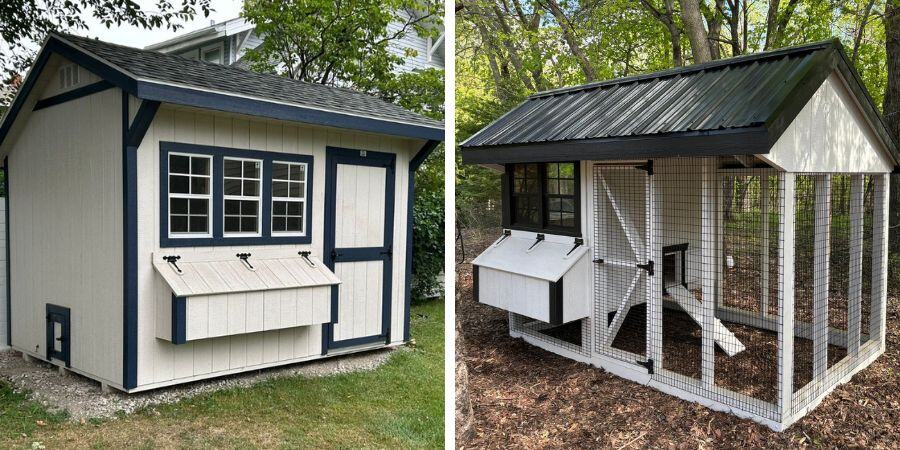
Metal roofs heat quickly unless insulated. White or reflective coatings reduce heat absorption.
Coop Size and Stocking Density
Overcrowding raises temperatures dramatically. Follow guidelines:
-
3–4 sq ft per bird inside
-
8–10 sq ft per bird outdoors
Practical Ways to Keep My Chicken Coop Cool in Brutal US Summers
Improve Ventilation Immediately (Top Priority)
Quick actions:
-
Open all vents and windows
-
Replace solid panels with mesh
-
Install small coop fans safely
Air movement is the fastest cooling solution.
Provide Shade Strategically
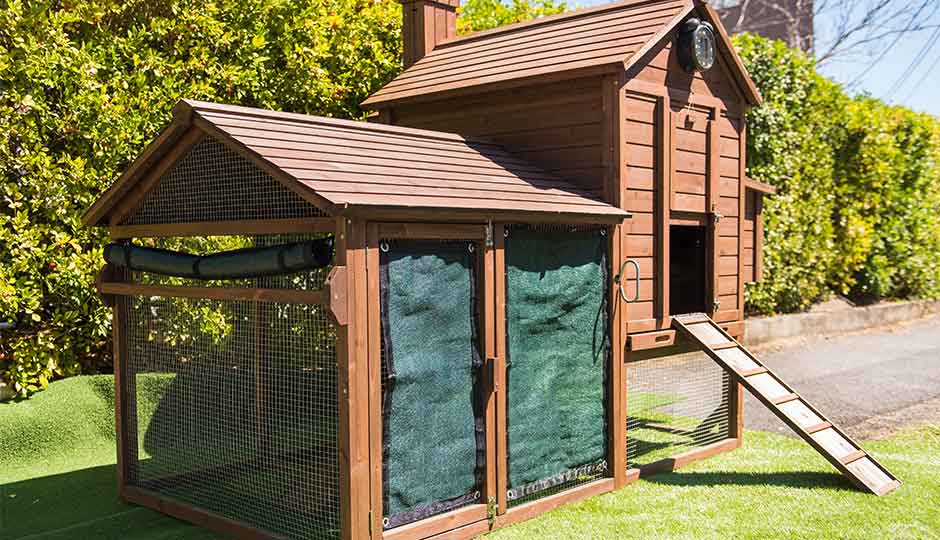
Effective shade methods:
-
70% shade cloth
-
Natural tree cover
-
Portable tarps
Shade lowers temperatures by several degrees.
Use Cooling Methods That Actually Work
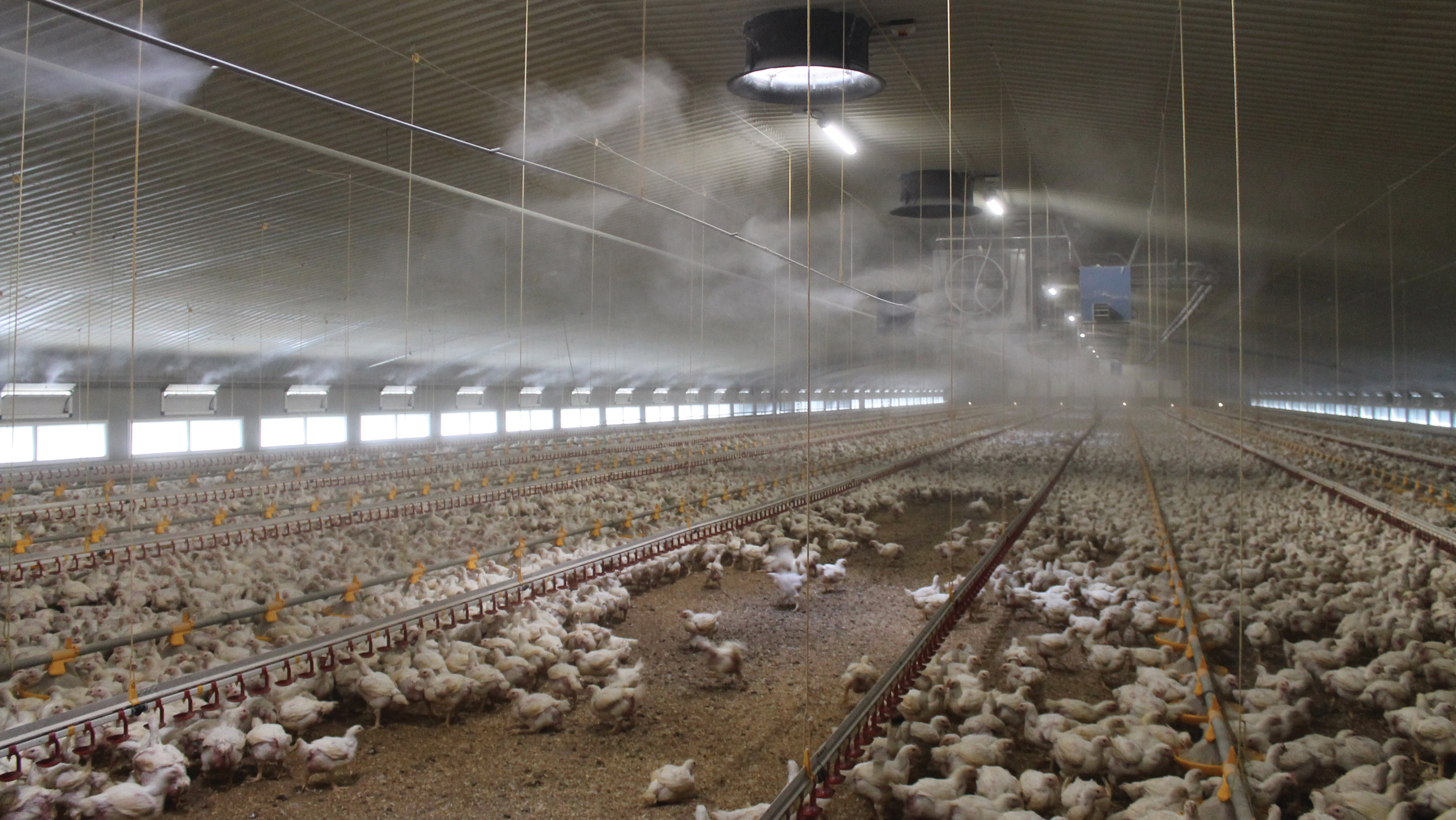
Practical techniques:
-
Frozen water bottles near roosts
-
Light misting in dry climates
-
Damp sand or soil areas
Avoid over-wetting bedding.
Optimize Hydration Strategies
Hydration prevents heat exhaustion:
-
Add electrolytes during heatwaves
-
Provide multiple water stations
-
Use shaded or insulated waterers
Clean water frequently to prevent bacterial growth.
Adjust Feeding Practices During Heatwaves
Feed early morning or evening. Offer:
-
Wet mash
-
Watermelon
-
Cucumbers
Reduce heavy grain feeding during peak heat.
Advanced Cooling Strategies for Extreme Heat Zones
Evaporative Cooling Systems
Useful in dry climates:
-
Foggers
-
Evaporative pads
Avoid in humid regions.
Solar-Powered Ventilation Options
Solar fans reduce reliance on electricity and improve airflow.
Insulation Techniques for Hot Climates
Use reflective insulation panels to reduce heat penetration.
Outdoor Run Cooling Strategies
Dust Bath Areas and Cooling Zones

Dust bathing helps regulate temperature and parasite control.
Ground Surface Management
Grass stays cooler than bare soil. Mulching reduces heat reflection.
Water Features and Mud Patches
Small mud areas allow birds to cool naturally.
Emergency Heatwave Action Plan (Checklist)
Immediate steps:
-
Move birds into shade
-
Add electrolytes
-
Increase airflow
-
Monitor hourly
Seek veterinary care for collapse cases.
Common Mistakes That Increase Heat Stress
-
Overcrowding
-
Poor coop design
-
Ignoring humidity
Breed Differences and Heat Tolerance
Heat-Tolerant Breeds
Leghorns, Fayoumis, Andalusians adapt well.
Breeds Requiring Extra Care
Orpingtons and Brahmas struggle more.
Expert Tips for Long-Term Summer Coop Management
-
Prepare before heat season
-
Monitor with thermometers
-
Maintain ventilation systems
Frequently Asked Questions (FAQs)
How hot is too hot for chickens?
Above 95°F is dangerous.
Can fans alone keep chickens cool?
Fans help but must be combined with shade and hydration.
Should I spray chickens with water?
Light misting helps; soaking is harmful.
Do laying hens handle heat differently?
Yes — production drops under stress.
Conclusion: Protect Your Flock Before Heat Becomes a Crisis
Learning how to Keep My Chicken Coop Cool in Brutal US Summers protects your flock from preventable stress and losses. With proper ventilation, hydration, shade, and planning, chickens remain productive even in extreme temperatures.
Start preparing before the next heatwave — your flock depends on it. 🐔🌞