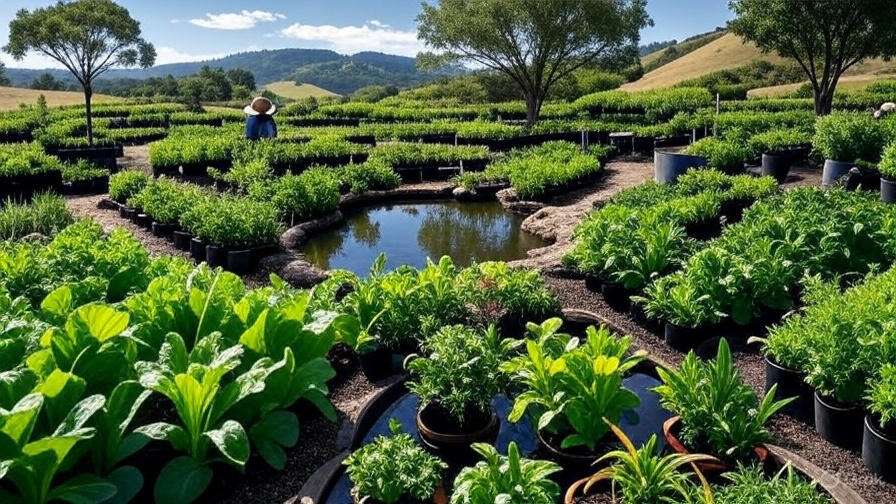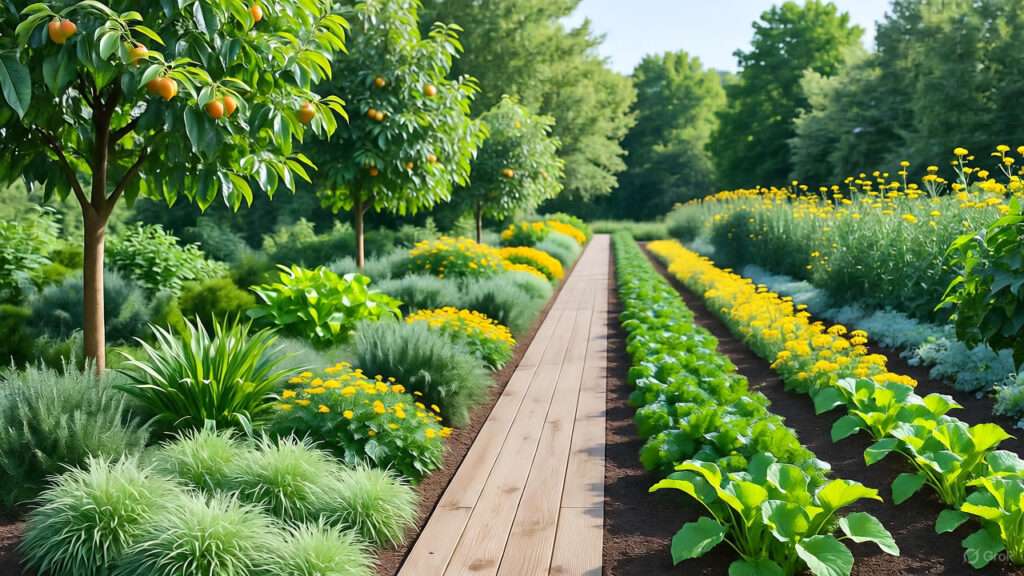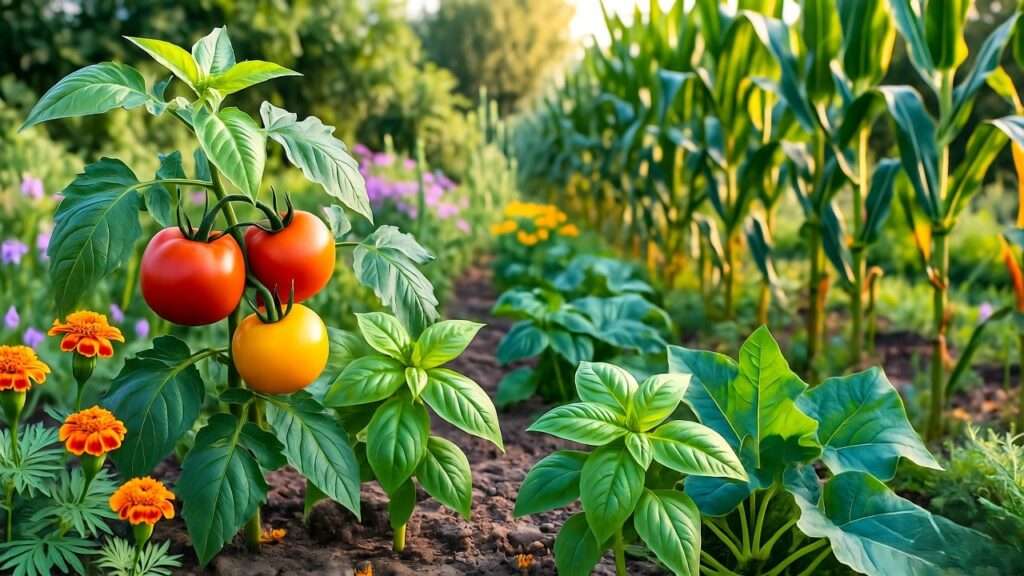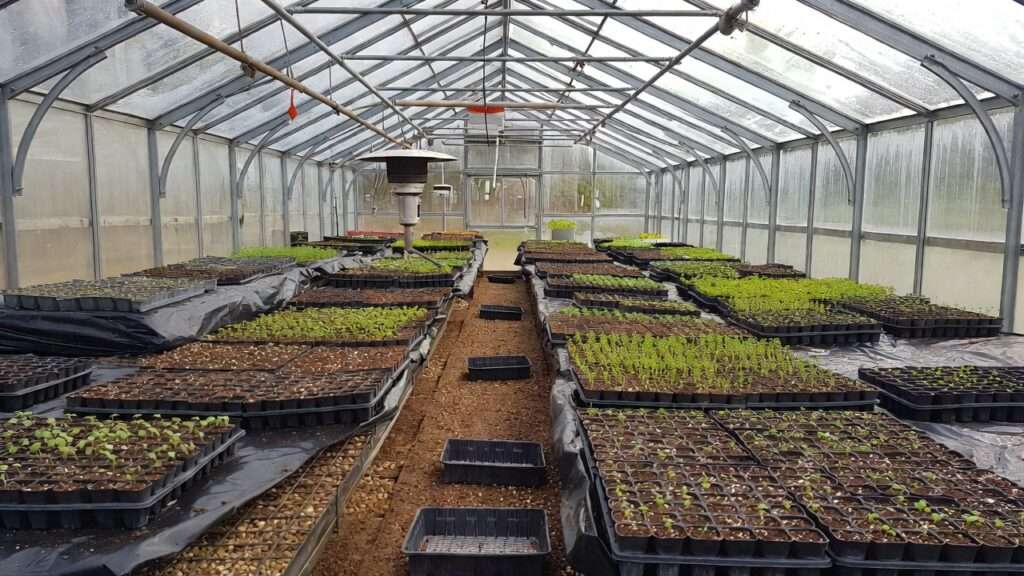
Starting hundreds of seedlings in a greenhouse can transform your garden from modest to abundant, especially when guided by permaculture principles. Whether you’re building a resilient food forest, supplying a small homestead, or preparing for market-scale planting, this approach extends growing seasons, boosts germination rates, and creates self-sustaining systems that minimize waste and energy use. Many gardeners face common frustrations: poor germination in cold soils, leggy plants from insufficient light or heat, high electricity bills for heaters, or chaos when scaling up trays. This comprehensive guide solves those problems with proven, low-input strategies drawn from permaculture ethics—earth care, people care, and fair share—while incorporating biointensive techniques and passive solar methods.
As a permaculture practitioner with experience designing greenhouse systems for diverse climates (from USDA zones 3–10 in the US to temperate and subtropical regions globally), I’ve helped homesteaders and small farmers start thousands of seedlings sustainably. By observing natural cycles, catching and storing energy, and integrating renewable resources, you can achieve higher success rates, healthier transplants, and true spring abundance without relying heavily on fossil fuels or synthetic inputs.
Why Start Hundreds of Seedlings in a Greenhouse? Permaculture Benefits
Scaling seed starting to hundreds of plants aligns perfectly with permaculture’s emphasis on producing abundance while regenerating the earth. In a greenhouse, you control microclimates to extend seasons dramatically—starting cool-season crops like kale and lettuce 4–8 weeks before your last frost date, and warm-season favorites like tomatoes and peppers 8–12 weeks ahead.
Key permaculture advantages include:
- Abundance for food forests and self-sufficiency: Start perennials, annuals, and polycultures (e.g., companion planting guilds) to support biodiversity and soil health.
- Resilience against climate variability: Protected environments buffer against erratic weather, early/late frosts, or extreme events common in changing global climates.
- Energy and resource efficiency: Passive solar gain, compost heat, and reusable trays reduce inputs, embodying “catch and store energy” and “produce no waste.”
- Diversity and integration: Sow mixed trays for succession planting, pest resistance, and nutrient cycling—core to permaculture’s “use and value diversity.”
In practice, starting hundreds allows you to create layered systems: early brassicas for spring greens, followed by summer solanaceae, and perennials for long-term yields. This beats buying plugs, cuts costs, and ensures organic, locally adapted stock.
Choosing the Right Greenhouse Setup for Large-Scale Seed Starting
Your greenhouse is the foundation. For hundreds of seedlings, prioritize designs that maximize light, minimize heat loss, and support permaculture zoning.
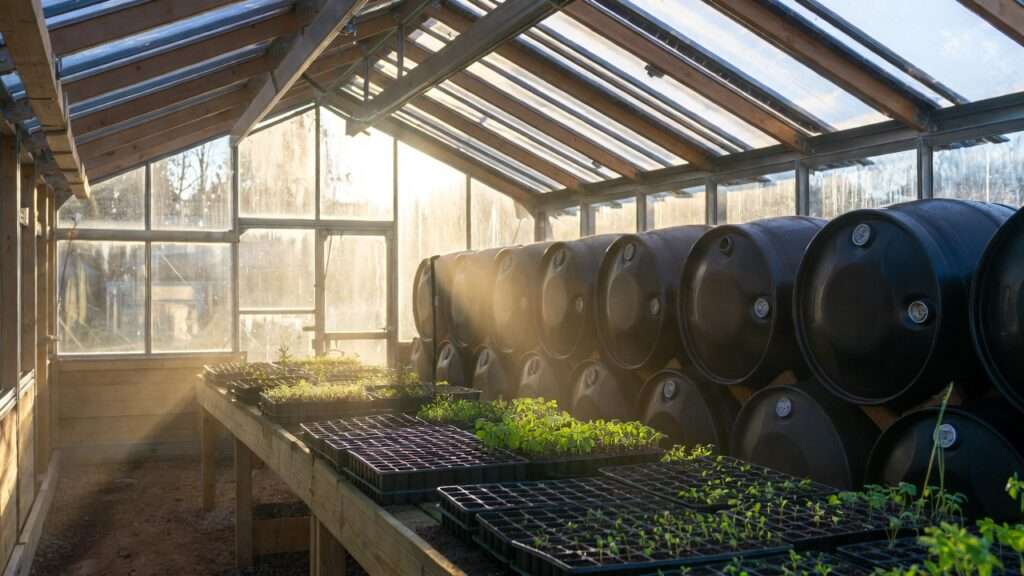
- Passive solar greenhouses (e.g., hoop houses or attached lean-tos) excel in sustainability. Orient east-west for maximum winter sun capture in northern hemispheres. Use thermal mass like water barrels (painted black) or stone to store daytime heat for nights.
- Heated options for colder zones (USDA 3–6): Polycarbonate panels retain heat better than single-layer plastic; add insulation curtains or bubble wrap for extreme lows.
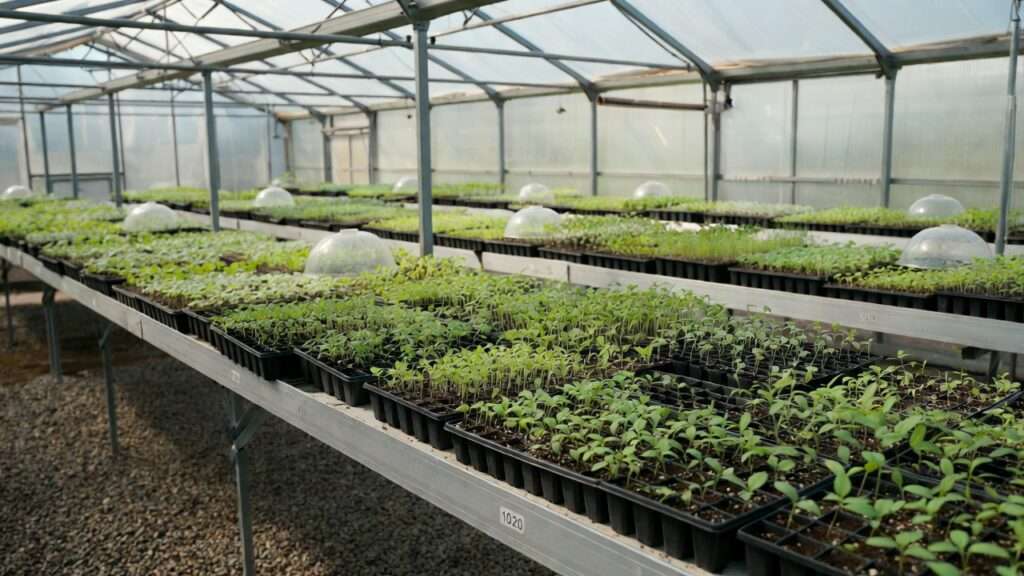
- Layout for scale: Use sturdy benches or rolling carts to hold 20–50+ 1020 trays (standard 10×20-inch flats). Zone areas: high-heat germination zone near the south wall, cooler growing-on zone for established seedlings.
- Permaculture integration: Place near water catchment and compost piles for easy nutrient cycling. Add beneficial insect habitats (e.g., flowering edges) for natural pest control.
Globally, adaptations vary: In cooler European or North American zones, focus on insulation; in warmer subtropical areas (e.g., parts of Asia or southern US), emphasize ventilation to prevent overheating.
Essential Supplies and Permaculture-Infused Materials
Quality inputs matter for success at scale.
- Seed trays: Standard 1020 flats with cell inserts (50–200 cells per tray) or soil blocks for minimal plastic use. Biointensive flats (wooden, reusable) promote dense, healthy roots.
- Growing medium: Sterile commercial seed-starting mix or homemade (equal parts coco coir/vermiculite/compost/worm castings). Avoid peat-heavy mixes for sustainability—opt for renewable coco coir.
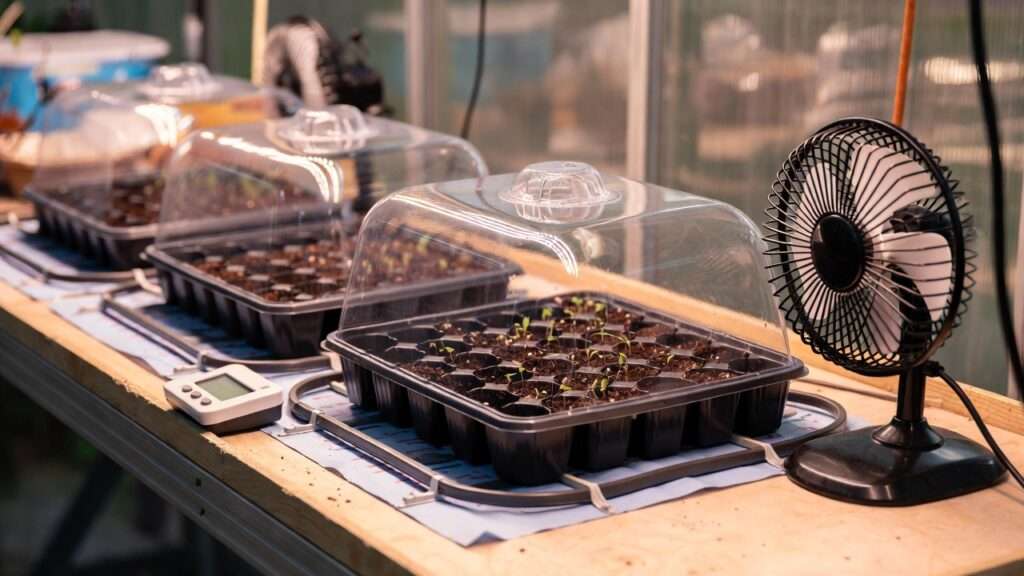
- Tools: Thermometers/hygrometers, fans for airflow, labels, bottom-watering trays. Heat mats (for targeted bottom heat), low-watt LED grow lights if natural light is limited.
- Sustainable sourcing: Reuse trays, buy organic/open-pollinated seeds, and compost spent soil.
These choices reduce waste and align with permaculture’s “use renewable resources.”
Timing Your Seed Starting: Permaculture Calendar for Spring Success
Timing is critical—back-calculate from your average last frost date (check local extension services or tools like the Old Farmer’s Almanac for US zones; similar resources exist globally).
General guidelines (adjust for microclimate):
- Cool-season crops (brassicas, lettuce, spinach, onions): Start 4–8 weeks before last frost.
- Warm-season crops (tomatoes, peppers, eggplant): 8–12 weeks before last frost.
- Perennials and herbs: 10–16 weeks, often with stratification.
Stagger sowing every 1–2 weeks for continuous supply and risk spreading (e.g., if a cold snap hits).
Permaculture twist: Observe local indicators (e.g., forsythia bloom signals safe brassica transplant). Some incorporate biodynamic calendars or moon phases for planting.
Example timing table for common crops (based on last frost ~May 1 in zone 6 US; adjust accordingly):
- Tomatoes: Start indoors mid-March (8–10 weeks).
- Peppers: Early February–March (10–12 weeks).
- Broccoli/Cabbage: Late February–March (6–8 weeks).
- Lettuce: Succession from February onward (4–6 weeks).
In warmer zones (e.g., zone 9–10), shift earlier; in cooler (zone 4–5), delay or use more protection.
Step-by-Step Process: Starting Hundreds of Seedlings
Preparing the Greenhouse Environment
Clean thoroughly to prevent disease. Set germination temps 65–75°F (18–24°C), humidity 70–80%. Use fans for gentle airflow to strengthen stems and deter damping-off.
Seed Selection and Preparation
Choose vigorous, disease-resistant varieties. Test germination rates. Scarify/soak large seeds; stratify perennials in fridge.
Filling and Sowing Trays
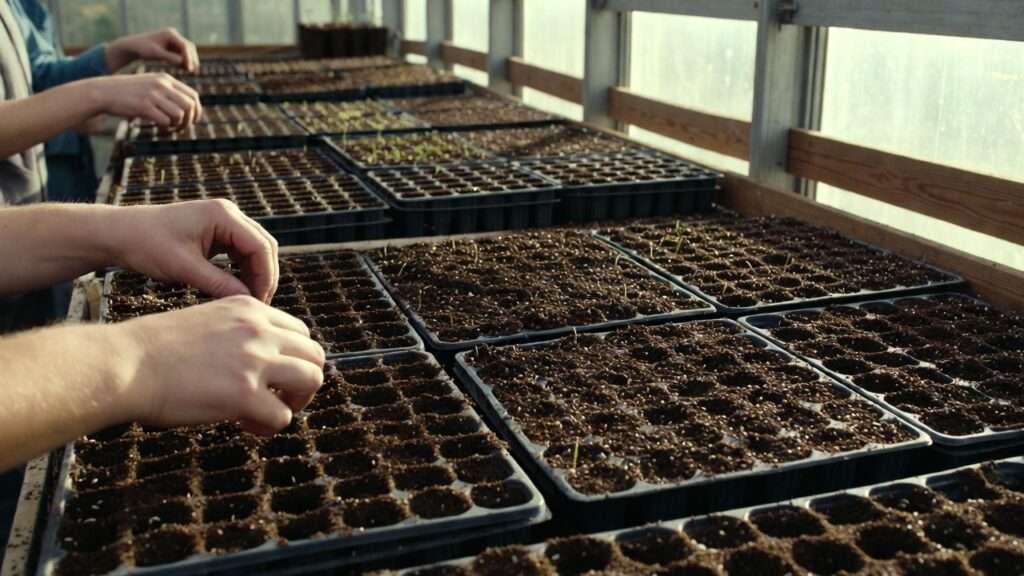
Use biointensive flat method: Fill to 3 inches deep, firm soil, broadcast or grid-sow densely (e.g., 50–200 seeds per flat for carrots/onions; space larger seeds). Label clearly.
Germination Phase
Cover with domes or plastic for humidity. Provide bottom heat (70–85°F/21–29°C) via mats. Monitor closely—remove covers once sprouted to avoid mold.
Post-Germination Care
Lower heat to 60–70°F. Ensure 14–16 hours bright light (south-facing windows + LEDs if needed). Bottom-water to prevent fungal issues; thin/prick out as needed.
Hardening Off and Transplant Prep
Gradually expose to outdoor conditions over 7–10 days. Up-pot into larger cells for robust roots.
Heaters, Temperature Management, and Energy Efficiency
For large-scale starts, consistent soil warmth boosts germination 2–3x.
- Electric mats or cables: Targeted, efficient for benches.
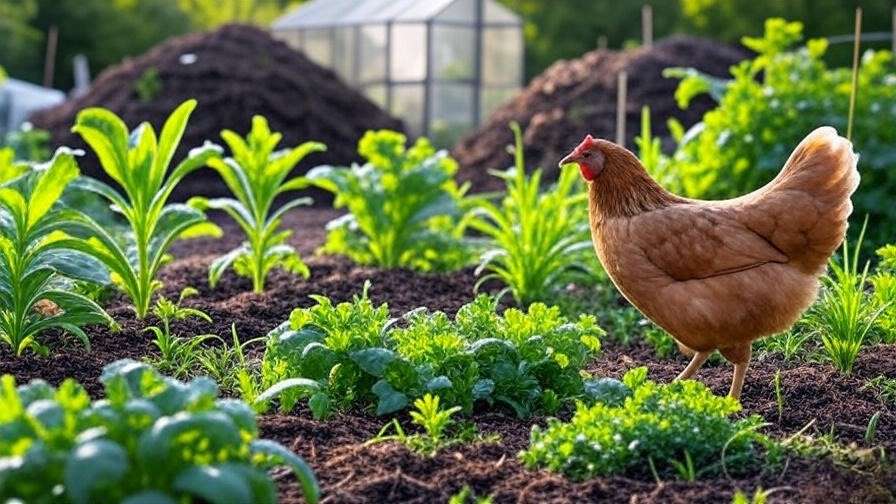
- Permaculture hacks: Compost heat (manure/straw piles in attached chambers provide 90–110°F root-zone warmth, plus CO2 enrichment and finished compost).
- Passive solar: Water barrels, black-painted surfaces store heat.
- Monitoring: Thermostats prevent overheating; vent on sunny days.
These cut costs dramatically—compost systems often run near-free after setup.
Tray Systems and Organization for Scale
Use shelving or rolling benches for easy access. Batch-process: Sow similar crops together. Track with spreadsheets or apps for succession.
Common Challenges and Permaculture Solutions
- Leggy seedlings: Increase light/airflow.
- Damping-off: Sterile medium, good drainage, airflow.
- Pests: Introduce beneficials, neem/organic sprays.
- Uneven germination: Consistent moisture/temp.
Diversity builds resilience—mixed plantings deter pests naturally.
Expert Insights and Real-World Examples
Biointensive pioneer John Jeavons emphasizes flats for water savings and strong roots. Permaculture farms (e.g., inspired by New Alchemy Institute) use compost-heated greenhouses for year-round starts. Small homesteaders report starting 300–15,000 seedlings with passive methods, yielding abundant harvests.
Conclusion: Achieve Spring Abundance with Permaculture Mindset
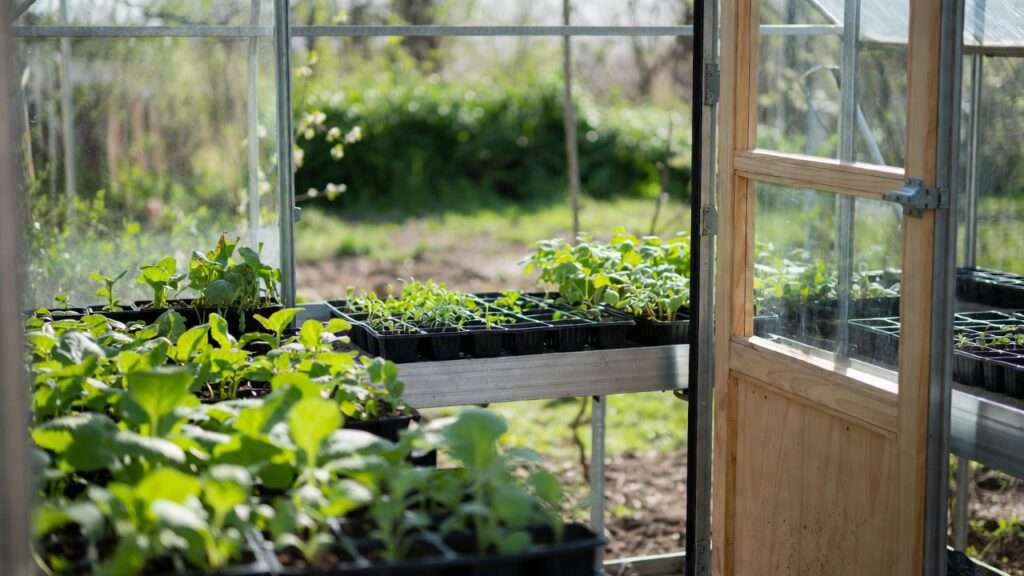
By starting hundreds of seedlings in a greenhouse with permaculture timing, trays, heaters, and sustainable practices, you create resilient, productive systems. Observe, adapt, and experiment—your garden will thrive.
FAQs
- How many trays for 500 seedlings? 5–10 1020 flats, depending on crop density.
- Best heaters for unheated greenhouse? Compost piles or passive solar with mats.
- Permaculture seed starting without electricity? Yes—use compost heat, thermal mass, bright natural light.