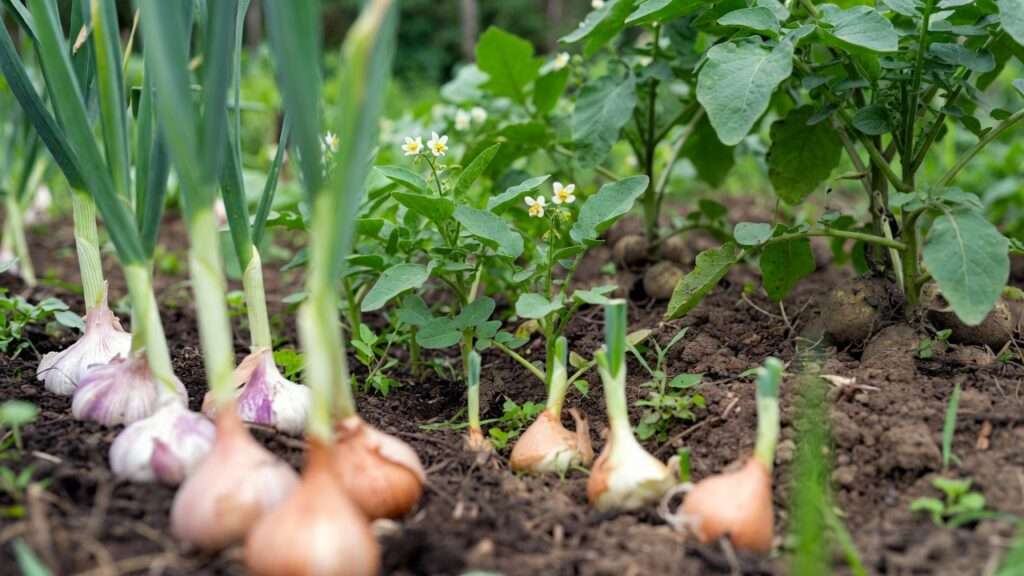
Imagine stepping into your backyard and pulling up plump, aromatic garlic bulbs, crisp onions, and tender potatoes that taste worlds better than anything from the supermarket—all grown without chemicals and at a fraction of the cost. These three staple crops are forgiving for novices, deliver impressive yields even in modest spaces, and provide months of homegrown goodness for your kitchen. Whether you’re new to gardening, seeking greater self-sufficiency, or simply tired of overpriced produce, mastering planting garlic, onions, and potatoes can transform your garden and your meals.
As an agricultural expert with decades of experience cultivating these crops across varying climates—from temperate zones to warmer subtropical areas—I’ve seen firsthand how proper timing, soil care, and simple techniques lead to abundant harvests. This guide draws from university extension resources, field trials, and practical successes to give you everything needed to grow these essentials successfully. We’ll cover timing, varieties, planting steps, companion strategies, care, troubleshooting, and storage—so you avoid rookie mistakes and enjoy bigger, healthier yields.
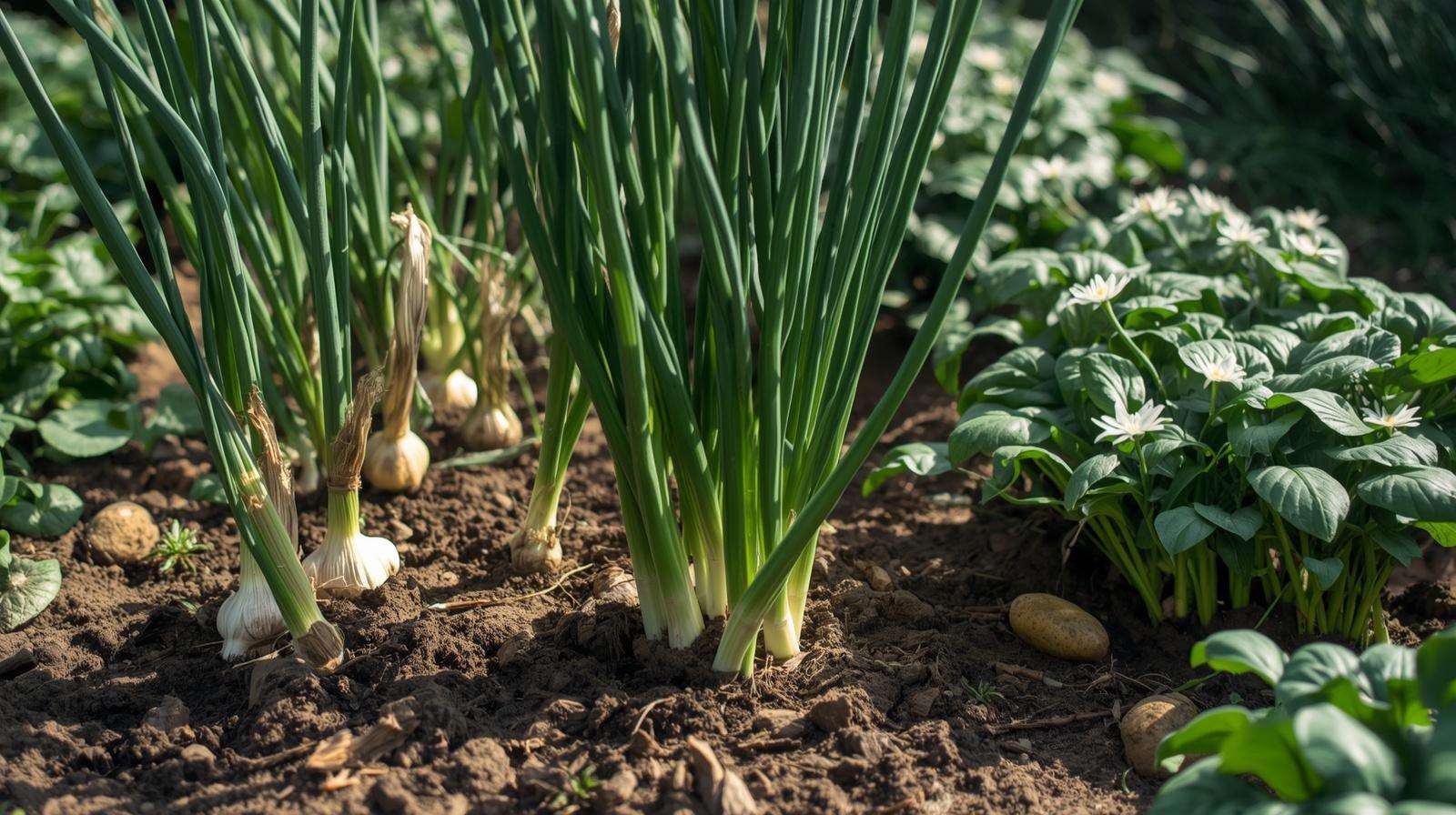
These crops pair beautifully: garlic and onions (both alliums) deter pests that plague potatoes (a nightshade), while sharing similar soil and sun needs. Planting them together maximizes space and boosts overall garden health through natural companion benefits.
Why Grow Garlic, Onions, and Potatoes? Benefits and Rewards
Growing your own garlic, onions, and potatoes offers compelling advantages beyond fresh flavor.
- Nutritional powerhouse: Garlic and onions deliver antioxidants, vitamins C and B6, and anti-inflammatory compounds. Potatoes provide potassium, vitamin C, fiber, and complex carbs—far superior when homegrown without sprays.
- Significant savings: A few dollars in seed garlic, onion sets, or seed potatoes can yield 10–20 times the weight in harvest, cutting grocery bills dramatically.
- Space-smart options: Thrive in raised beds, containers, or small plots—ideal for urban or limited-space gardeners.
- Beginner success rate: These hardy crops tolerate minor errors better than finicky vegetables, rewarding patience with reliable results.
- Excellent storage life: Properly cured, they last months, providing a steady supply through winter.
Many gardeners start with these for quick wins that build confidence for expanding their plots.
Understanding Your Growing Zone and Timing (Key to Success)
Timing is critical—plant too early or late, and yields suffer or crops fail. Adjust based on your USDA hardiness zone or local frost dates (use tools like the Old Farmer’s Almanac frost calculator for precision).
Best Time to Plant Garlic
Fall planting dominates for most regions, allowing vernalization (cold exposure) essential for bulb formation.
- Zones 3–5: Late September to early October (hardneck preferred for cold hardiness).
- Zones 5–7: Mid to late October.
- Zones 7–9: Late October to November (softneck thrives in milder winters).
- Zones 9+: Late October to December; pre-chill cloves in fridge 4–6 weeks to mimic cold.
Spring planting works in short-season areas but produces smaller bulbs—refrigerate cloves 6–8 weeks beforehand.
Best Time to Plant Onions
- Sets or transplants: Early spring, 2–4 weeks before last frost (soil ~40–45°F).
- Seeds: Start indoors 8–10 weeks prior, transplant same time as sets.
- Fall planting: Overwinter varieties in mild zones for early summer harvest.
Best Time to Plant Potatoes
- Early to mid-spring: 2–4 weeks before last frost, when soil hits 45–55°F (avoid wet, cold soil to prevent rot).
- In warmer areas: Plant in cooler seasons; multiple crops possible.
Track local frost dates—planting after soil warms prevents rot while ensuring growth before heat stresses plants.
Regional Adjustments and Frost Date Tools
In subtropical or warm climates (like parts of South Asia), garlic goes in late fall/early winter, potatoes during cooler months. Always prioritize soil temperature over calendar dates.
Choosing the Right Varieties for Maximum Yield and Flavor
Select varieties suited to your climate and preferences for best results.
Garlic Varieties
- Hardneck (colder zones): Larger cloves, richer flavor, produce edible scapes. Favorites: Music (robust, stores well), Chesnok Red (spicy, purple stripe), Georgian Fire (porcelain type, excellent taste).
- Softneck (warmer zones): More cloves, longer storage. Inchelium Red (artichoke, high yield), Silverskin types like Silverwhite.
Avoid grocery garlic—opt for certified disease-free seed from reputable suppliers.
Onion Varieties
Day-length matters: short-day for southern latitudes, long-day for northern, intermediate for broad adaptability.
- Beginners love: Candy (yellow, sweet storage), Red Candy Apple (red, mild), Patterson (long-day yellow, excellent keeper), Evergreen White Bunching (for green onions).
Potato Varieties
- Early: Dark Red Norland (red skin, white flesh, fast).
- All-purpose: Yukon Gold (yellow flesh, buttery, versatile).
- Others: Fingerlings like Russian Banana or Austrian Crescent (small spaces), Purple Majesty (colorful, antioxidant-rich).
Choose certified seed potatoes to avoid disease.
Site Selection and Soil Preparation (Foundation for Success)
All three need full sun (6–8+ hours), well-drained soil (pH 6.0–7.0; potatoes prefer slightly acidic ~5.5–6.5).
Test soil—amend with compost or aged manure for fertility. Avoid fresh manure (risks pathogens). Loosen to 12–18 inches deep; raised beds or containers excel in heavy clay or poor soil.
Step-by-Step Planting Instructions
How to Plant Garlic
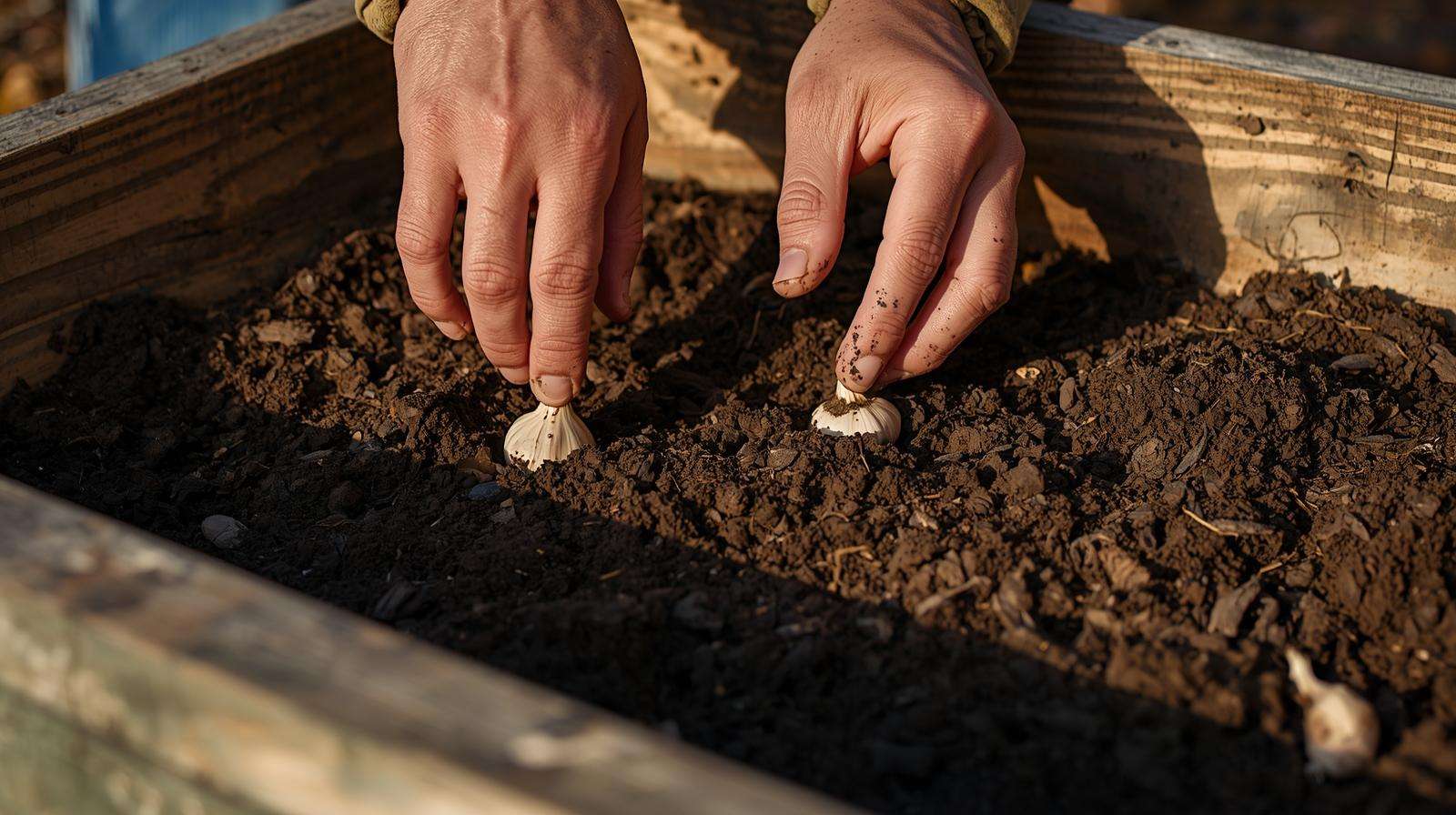
Use disease-free cloves. Break bulb, plant pointy end up, 2 inches deep, 4–6 inches apart (12-inch rows). Mulch heavily (4–6 inches straw) for winter insulation.
How to Plant Onions
Sets/transplants: 1–2 inches deep, 4–6 inches apart (12–18-inch rows). Seeds: Thin to spacing.
How to Plant Potatoes
Chit (pre-sprout) in cool light. Trench 4–6 inches deep, place tubers eye-up, 12 inches apart (24–36-inch rows); cover lightly, hill as they grow.
Companion Planting Strategies: Growing Them Together
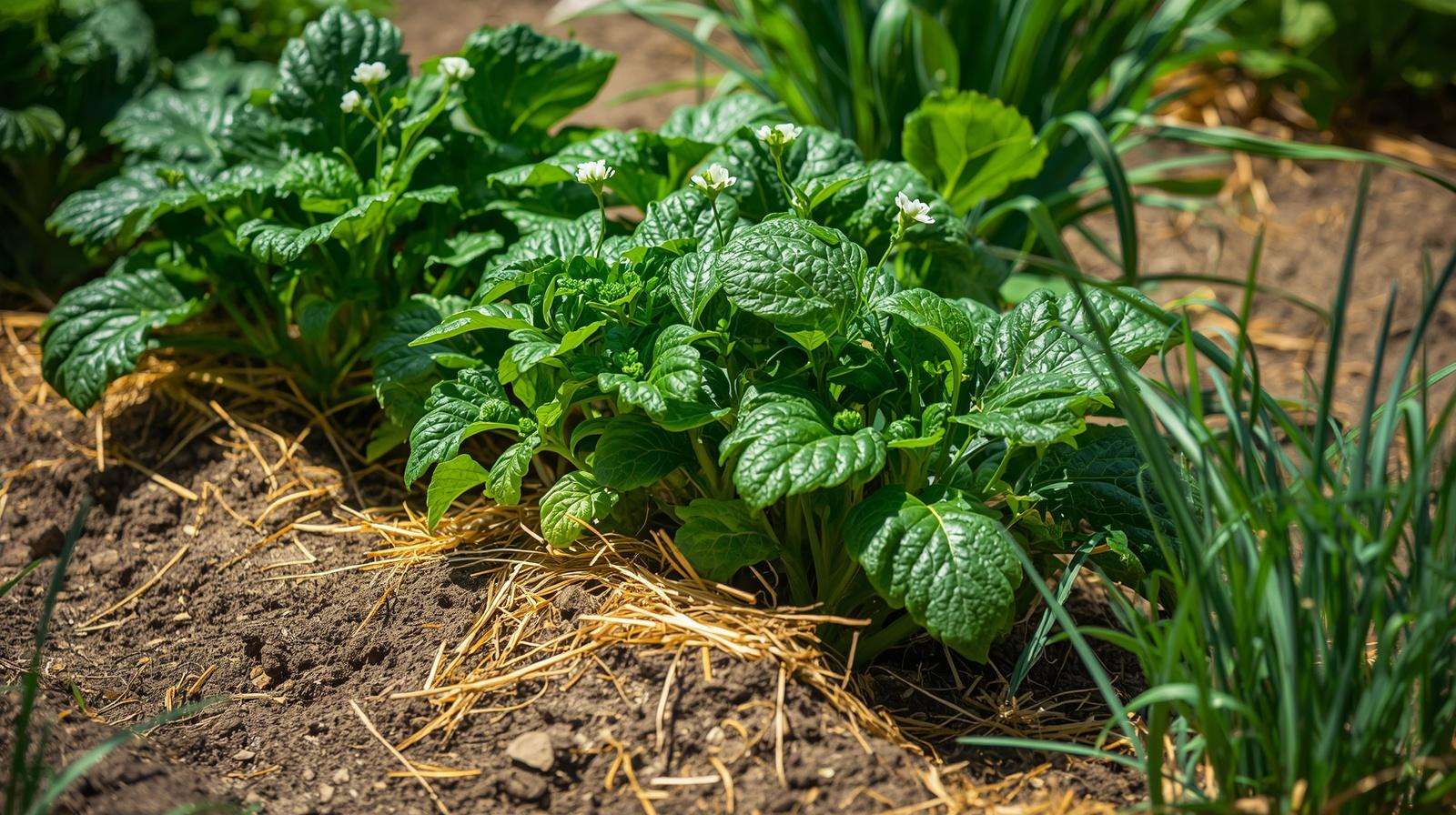
Garlic and onions repel potato beetles, aphids, and other pests via strong scents. Plant onions/garlic around potato edges or intersperse—improves air flow, reduces blight risk. Avoid overcrowding; rotate annually (avoid alliums/nightshades in same spot consecutively).
Ongoing Care and Maintenance
Water consistently (1 inch/week), taper near harvest. Fertilize organically—balanced early, nitrogen side-dress for potatoes. Mulch suppresses weeds, retains moisture. Hill potatoes 2–3 times. Remove garlic scapes for bigger bulbs.
Common Problems and How to Avoid Them
- Garlic: No bulbs (wrong timing/variety, insufficient cold); rot (wet soil, shallow planting). Solution: Proper fall timing, well-drained soil.
- Onions: Bolting (stress, heat); white rot (fungal). Rotate, use resistant varieties.
- Potatoes: Blight (wet foliage); scab (alkaline soil); greening (light exposure). Hill properly, rotate, choose resistant types.
- Pests: Use row covers, companions; hand-pick beetles.
Prevention via rotation, clean seed, and good airflow beats treatment.
Harvesting, Curing, and Storage for Long-Lasting Supply
Harvest garlic/onions when lower leaves yellow/tops fall. Potatoes: New when flowering; storage when vines die.
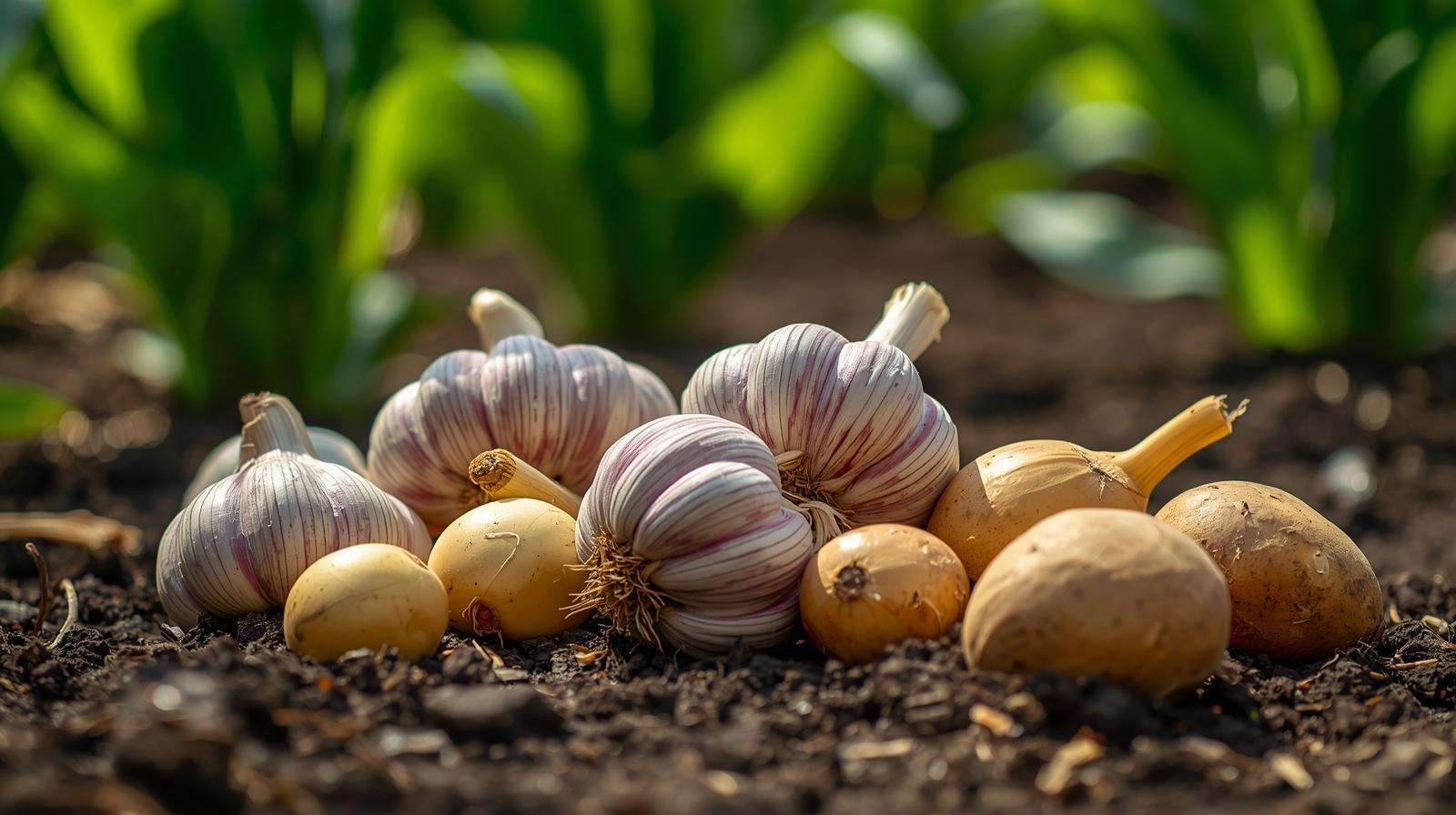
Cure in shaded, airy spot 2–4 weeks (50–60°F for potatoes; dry for alliums). Store cool/dark: potatoes 45–50°F (ventilated crates); garlic/onions braid or mesh bags, 50–60°F dry.
Advanced Tips and Expert Insights
To take your garlic, onion, and potato growing to the next level, incorporate these proven strategies drawn from university extension trials, long-term home garden observations, and sustainable farming practices.
Crop Rotation for Soil Health Implement a strict 3–4 year rotation cycle. Never follow alliums (garlic/onions) or nightshades (potatoes) in the same spot consecutively—this breaks disease cycles like white rot in onions, fusarium in garlic, and late blight or scab in potatoes. A sample rotation: Year 1 – potatoes; Year 2 – legumes (beans/peas to fix nitrogen); Year 3 – brassicas (cabbage family); Year 4 – alliums or other crops. This maintains soil fertility and reduces pest buildup naturally.
Container and Small-Space Growing Limited on land? These crops excel in containers. Use 10–20 gallon pots or grow bags with excellent drainage. For potatoes: fill halfway with soil/compost, plant 3–4 seed pieces, hill up as stems grow (up to 12–18 inches deep). Garlic and onions do well in shallower 8–12 inch deep containers; plant densely (4–6 inches apart) for green onions or smaller bulbs. This method suits urban balconies or patios common in areas like Dhaka, where space is premium and monsoon drainage matters—elevate pots to prevent waterlogging.
Organic Pest and Disease Management Recipes Prevent rather than cure with these natural solutions:
- Garlic-Onion Spray (repels aphids, potato beetles, thrips): Blend 1 bulb garlic + 1 small onion + 1 tsp cayenne + 1 quart water. Steep 24 hours, strain, dilute 1:10 with water + a drop of dish soap. Spray foliage weekly or after rain—safe for beneficial insects when used evenings.
- Neem Oil Mix: Combine 1–2 tsp neem oil + 1 tsp mild soap + 1 quart water. Effective against Colorado potato beetles and onion thrips. Apply early morning; reapply every 7–10 days.
- Row Covers: Lightweight fabric prevents flying pests like onion maggots or potato beetles without chemicals. Hand-pick beetles early mornings when sluggish. Introduce beneficials like ladybugs or lacewings for aphid control.
Realistic Yield Expectations Yields vary by variety, soil, and care, but here’s what experienced gardeners typically achieve in home settings:
- Garlic: From 1 lb seed garlic (about 8–12 bulbs), expect 8–15 lbs harvest (roughly 10–20x return). Per plant: 1 large bulb (4–10 cloves).
- Onions: 10–20 bulbs per person planted (sets/transplants). A 10-foot row yields 20–40 lbs depending on size.
- Potatoes: 5–10 plants per person for a family supply. Expect 1–2 lbs per plant (or 5–10x seed weight). A 10-foot row can produce 20–50 lbs; high-yield varieties like Yukon Gold or Dark Red Norland often hit the upper end.
Track your results in a garden journal—note varieties, planting dates, soil amendments, and weather—to refine future seasons.
Frequently Asked Questions (FAQs)
Can I plant garlic from store-bought bulbs? Occasionally yes, but rarely recommended. Many supermarket garlics are treated with sprout inhibitors or grown in warm climates without vernalization, leading to poor bulbing or disease. Always choose certified, disease-free seed garlic from reputable suppliers for reliable, larger harvests.
How deep should I plant potatoes? Start 4–6 inches deep in a trench, eyes facing up. As stems emerge (6–8 inches tall), hill soil or mulch around them 2–3 times to encourage more tubers and prevent greening from light exposure.
Why didn’t my garlic form bulbs? Most common causes: insufficient vernalization (not enough cold exposure—fix by fall planting or refrigerating spring cloves 4–8 weeks), wrong variety for your climate (hardneck for cold zones, softneck for mild), planting too shallow/deep, or poor drainage causing rot. Ensure 10–12 weeks below 45°F (7°C) for proper bulbing.
What are the best companion plants besides these three? Garlic and onions pair excellently with brassicas (cabbage, broccoli—deter cabbage worms), tomatoes, carrots, and lettuce (repel carrot rust fly). Potatoes benefit from beans (nitrogen fixers) and horseradish (deters potato bugs). Avoid planting near peas/beans (compete for nitrogen) or fennel (inhibits growth).
Fall vs. spring planting: which is better for garlic? Fall planting yields significantly larger, better-flavored bulbs in most climates due to natural vernalization. Spring works in very short-season areas but often results in smaller bulbs unless cloves are pre-chilled. For onions, spring is standard; potatoes are almost always spring-planted.
Conclusion
Planting garlic, onions, and potatoes offers one of the most rewarding entry points into home gardening. These resilient, high-value staples reward you with superior flavor, nutrition, and savings while requiring relatively low maintenance once established. Focus on the fundamentals—right timing for your zone, quality seed stock, well-prepared soil, consistent moisture without sogginess, and proactive pest prevention—and you’ll harvest armloads of homegrown goodness season after season.
Start small this year: even a single raised bed or a few containers can produce enough for your family. Observe your plants, adjust based on local conditions (like Bangladesh’s humid monsoons requiring excellent drainage and careful watering), and enjoy the journey from soil to table. Your efforts will pay dividends in fresher meals and greater garden confidence.
Happy planting—may your harvests be bountiful!