One of the most frustrating moments for poultry keepers is opening the nest box and finding fewer eggs than usual. Your hens look healthy, their feed hasn’t changed, yet egg production suddenly declines. If you’re trying to Boost Egg Production Naturally, the solution isn’t quick fixes or artificial stimulants — it’s understanding the biological, nutritional, and environmental factors that drive consistent laying.
From my experience working with backyard poultry keepers and small-scale farmers, egg production problems usually trace back to a few controllable causes: nutrition imbalances, inadequate lighting, stress, seasonal changes, or underlying health issues. The good news is that most declines can be reversed through practical, science-backed management strategies.
This comprehensive guide will show you exactly how to improve egg yield using natural methods — including optimized feeding, lighting management, coop design, stress reduction, and seasonal adjustments — so your flock stays productive year-round.
Understanding the Egg-Laying Cycle (Expert Foundation)
How Hens Produce Eggs (Biological Overview)
Egg formation is a highly regulated biological process controlled by hormones, daylight exposure, and nutrition.
Each egg takes about 24–26 hours to form:
-
Ovary: Releases yolk
-
Oviduct: Adds albumen (egg white)
-
Shell gland: Forms shell
Adequate calcium, protein, and daylight are critical for consistent production.
Factors That Influence Egg Production
Several variables directly affect laying consistency:
-
Age: Peak production occurs between 20–72 weeks
-
Breed: Some breeds lay more frequently
-
Nutrition: Balanced feed supports daily laying
-
Environment: Comfort and lighting matter
-
Health: Parasites and disease reduce output
Understanding these factors allows you to address problems efficiently.
Nutrition Strategies to Boost Egg Production Naturally
Essential Nutrients for High Egg Yield
Hens require a balanced diet rich in:
Protein (16–18%)
Supports egg formation and feather health.
Calcium (3.5–4.5%)
Essential for strong eggshells.
Vitamins & Minerals
Support metabolism and immunity.
Best Natural Feed Ingredients for Layers

Layer Feed:
Complete nutrition designed for egg-laying hens.
Oyster Shell:
Provides supplemental calcium for stronger shells.
Leafy Greens:
Improve yolk color and vitamin intake.
Supplements That Support Natural Production
Natural additions include:
-
Fermented feed (improves digestion)
-
Garlic and herbs (immune support)
-
Probiotics (gut health)
These support consistent egg-laying without chemicals.
Lighting Management for Maximum Egg Output
How Daylight Affects Laying
Hens require 14–16 hours of light daily for peak production. Reduced daylight lowers hormone levels and slows laying.
Artificial Lighting Strategies
Tips:
-
Use low-watt LED bulbs
-
Provide early morning light
-
Avoid sudden lighting changes
Seasonal Lighting Adjustments
Increase light gradually in winter to maintain production.
Flock Health and Welfare Factors
Stress Reduction Techniques
Stress reduces egg production quickly.
Minimize stress by:
-
Avoiding overcrowding
-
Providing enrichment
-
Maintaining stable routines
Parasite Prevention
External and internal parasites reduce laying.
Implement:
-
Regular inspections
-
Dust baths
-
Clean bedding practices
Disease Management
Monitor for:
-
Respiratory issues
-
Appetite changes
Prompt care preserves productivity.
Environmental Management for Better Laying
Coop Comfort and Cleanliness
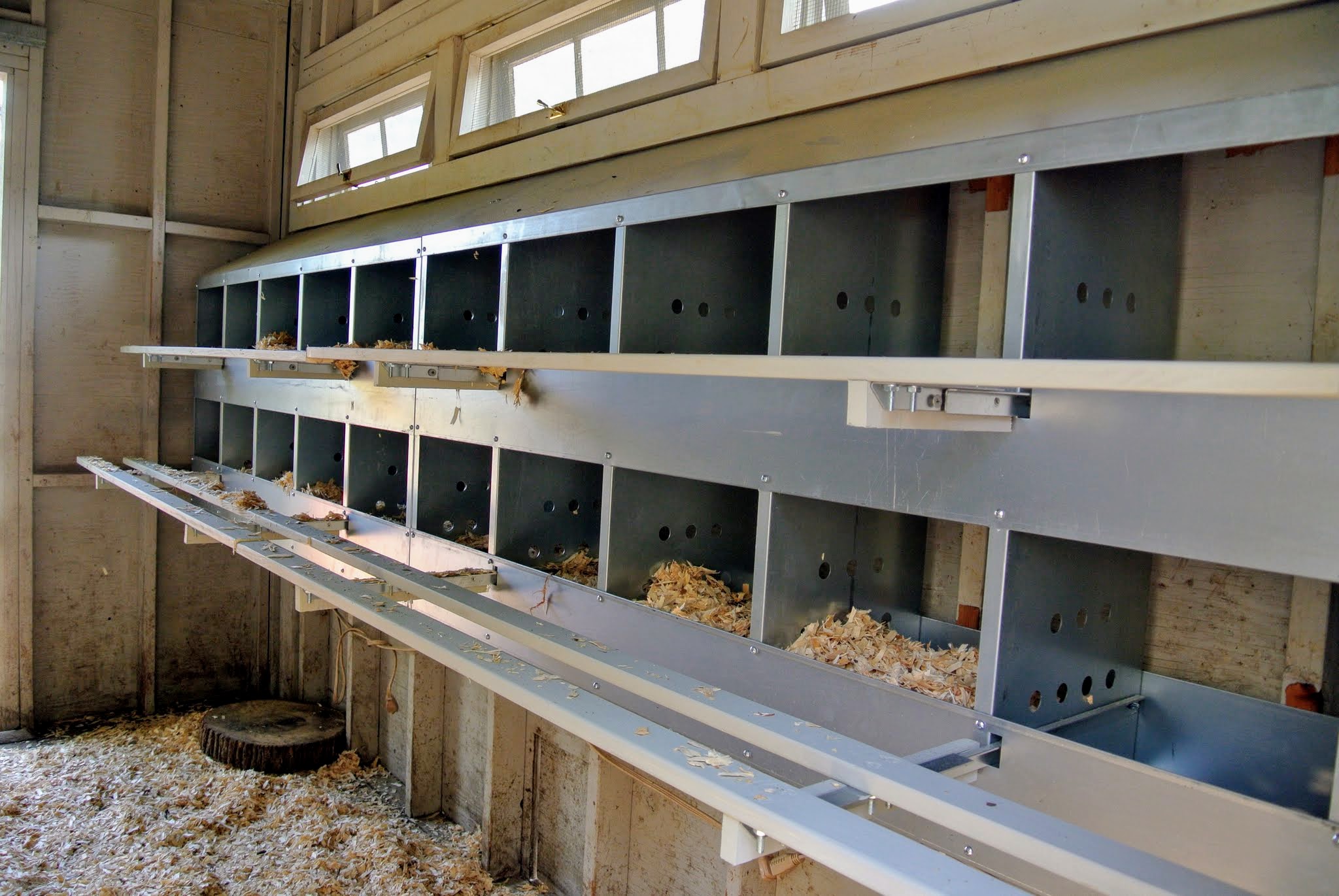
A clean coop encourages hens to lay consistently.
Temperature Control
Extreme heat or cold reduces output.
Maintain:
-
Proper ventilation
-
Shade in summer
-
Insulation in winter
Nesting Box Setup
Provide:
-
One box per 3–4 hens
-
Clean bedding
-
Quiet placement
Breed Selection and Age Considerations
High-Producing Breeds
Examples:
-
Leghorns
-
Rhode Island Reds
-
Australorps
Age-Related Production Decline
Production declines naturally after peak years.
Seasonal Strategies to Boost Egg Production Naturally
Winter Production Tips
Increase light and protein intake.
Summer Heat Management

Provide shade, water, and cooling strategies.
Common Mistakes That Reduce Egg Production
-
Too many treats
-
Poor lighting
-
Ignoring stress
Practical Daily Routine for Consistent Egg Production
Morning Checklist
-
Fresh water
-
Feed check
-
Health inspection
Evening Routine
-
Collect eggs
-
Secure coop
Expert Tips for Long-Term Productivity
-
Keep records
-
Monitor trends
-
Adjust management seasonally
Frequently Asked Questions (FAQs)
How many eggs should a hen lay weekly?
4–6 eggs depending on breed.
Can hens lay without a rooster?
Yes — fertilization is separate from laying.
Why did egg production suddenly drop?
Likely stress, season, or nutrition issues.
Do natural methods really work?
Yes — consistently when applied correctly.
Conclusion: Support Natural Productivity the Right Way
If you want to Boost Egg Production Naturally, focus on nutrition, lighting, health, and environment. These proven strategies ensure consistent laying without artificial methods.
With careful management and observation, your flock will stay healthy, productive, and profitable year-round. 🥚🌿🐔