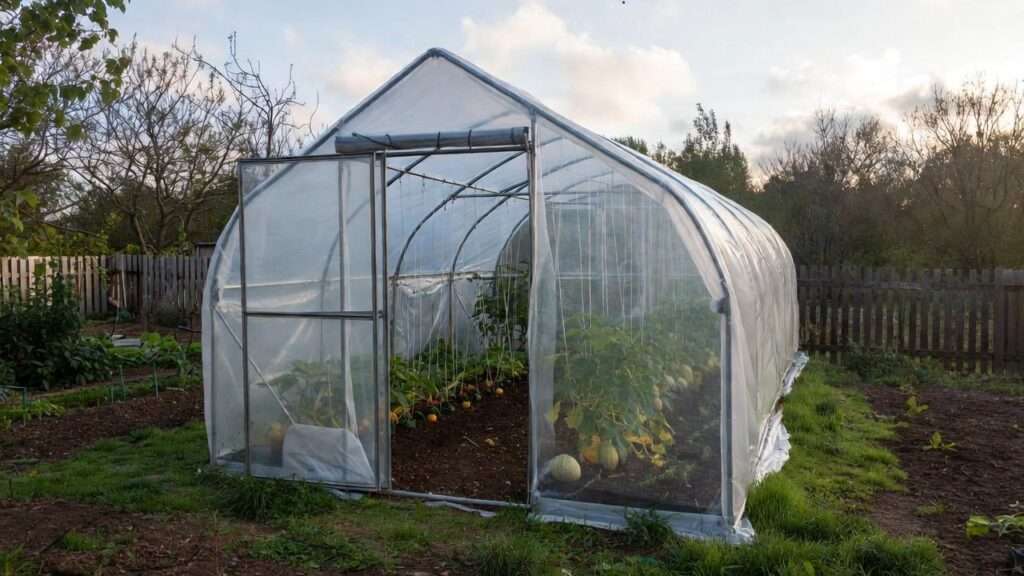
Imagine biting into a sun-ripened cantaloupe or a crisp, sweet bell pepper harvested fresh from your own garden in late September — even if you live in USDA Zone 4 or 5, where frosts arrive early and summer nights dip into the 40s°F. For many gardeners in northern US states like Minnesota, Montana, or the Northeast, and similar cool, short-season regions worldwide (such as parts of Canada, the UK, northern Europe, and high-elevation areas), growing heat-loving crops like melons and peppers outdoors often feels like a losing battle. These warm-season favorites demand long stretches of consistent warmth (70–85°F days) and protection from cold snaps, yet a well-designed small greenhouse transforms the impossible into a reliable, abundant reality.
Growing Heat-Loving Crops in Cool Climates Greenhouse isn’t just about extending the season — it’s about creating a controlled microclimate that captures solar energy, buffers temperature swings, and aligns with sustainable practices. With the right strategies, you can add 4–8 weeks (or more) to your growing window, boost yields, and enjoy tropical flavors from your backyard. Drawing from university extension research (e.g., University of Minnesota, Johnny’s Selected Seeds trials), permaculture principles, and real-world experiences of northern growers, this comprehensive guide provides step-by-step essentials to help you succeed. Whether you’re a beginner homesteader or an experienced permaculturist, these proven tips will solve the core challenges of short seasons, cool nights, and unpredictable weather — delivering genuine value for bountiful, homegrown harvests.
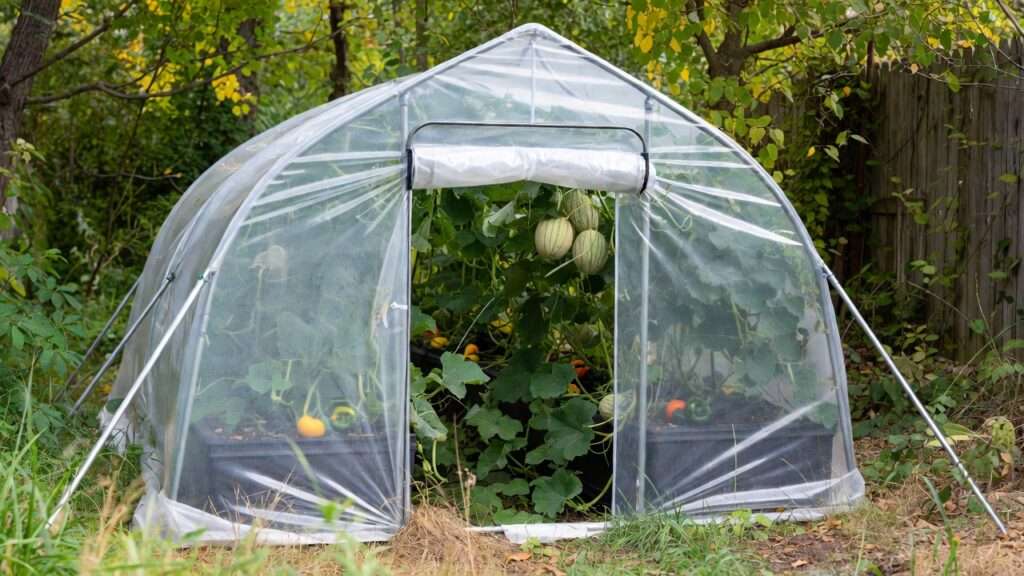
Why Greenhouses Unlock Heat-Loving Crops in Cool Climates
In cool climates, the primary barriers for heat-loving crops (Cucumis melo for melons, Capsicum annuum for peppers) are insufficient growing degree days, low nighttime temperatures that slow fruit set and ripening, and early/late frosts that cut the season short. A greenhouse addresses these directly:
- Season extension: Structures like hoop houses or polytunnels typically add 4–8 weeks of protection, with passive designs sometimes pushing into shoulder seasons for overwintering greens or early starts.
- Temperature boost: Daytime gains of 10–20°F (or more) under clear plastic, creating ideal 70–85°F conditions for pollination and sugar accumulation in fruits.
- Frost protection: Even unheated greenhouses shield plants from light frosts down to the mid-20s°F, while passive solar elements stabilize nights.
- Controlled environment: Reduced wind, rain, and pests mean healthier plants and higher-quality produce.
From a permaculture perspective, greenhouses fit beautifully into Zone 1 or 2 (intensive management areas). They stack functions: food production, heat harvesting, water collection (via roof runoff), and microclimate creation for nearby perennials or windbreaks.
Common small-scale options include:
- Hoop houses/polytunnels (affordable, 6×8 ft to 10×20 ft, $500–$2,000).
- Passive solar designs with insulated north walls, angled glazing for low winter sun.
- Lean-to or geodesic domes for heavy snow loads in places like Montana or the Canadian prairies.
Choosing the Right Greenhouse for Cool-Climate Success
Select based on budget, space, and climate demands. For cool regions:
- Size: Start small (100–200 sq ft) to manage heat and ventilation easily.
- Orientation: South-facing for maximum solar gain; east-west ridge for even light.
- Key features:
- Double-layer polyethylene film for insulation (R-value ~1.5–2).
- Roll-up sides and end-wall vents for summer cooling.
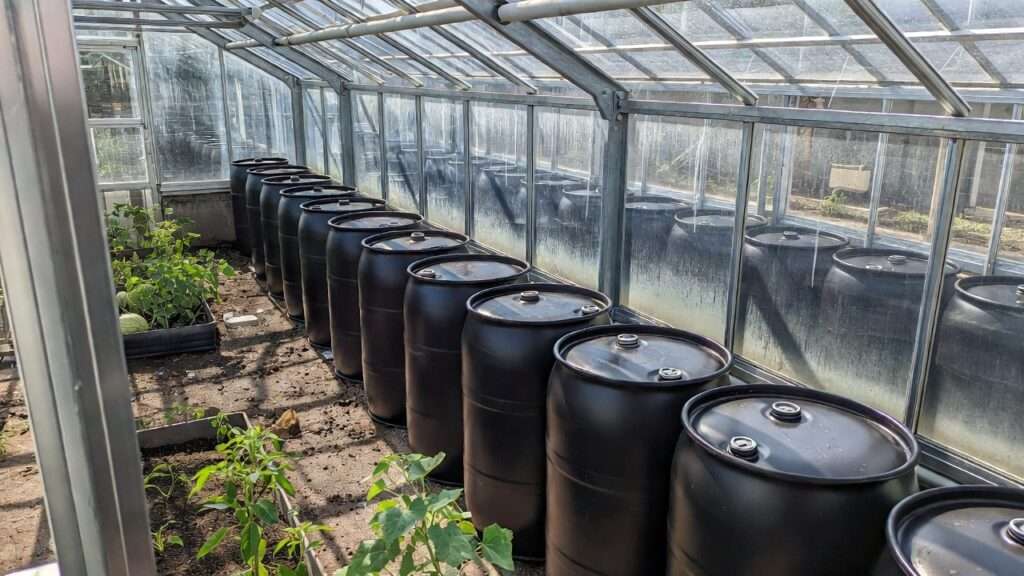
- Thermal mass: Water barrels (painted black) along the north wall to absorb daytime heat and radiate it at night — a staple in passive solar setups.
- Snow-load rating (40–60 psf for northern US/Canada).
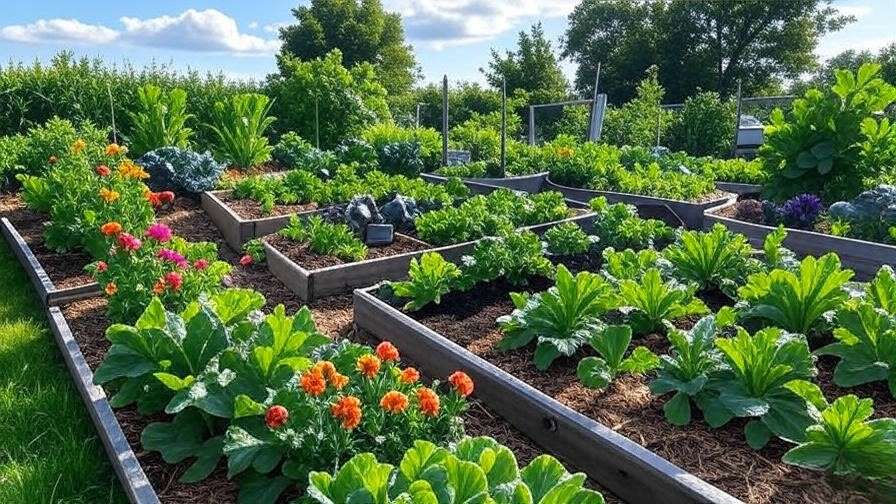
- Permaculture enhancements: Surround with windbreaks (e.g., evergreen hedges), swales for drainage, or companion plantings outside (marigolds, nasturtiums) to attract pollinators.
Budget tip: DIY hoop houses using PVC/metal hoops and 6-mil poly film often outperform basic kits in cold climates.
Best Heat-Loving Crops for Cool-Climate Greenhouses
Focus on fast-maturing varieties bred or proven for short seasons (65–85 days to maturity).
Melons:
- ‘Sugar Baby’ watermelon (68–85 days, 8–10 lb fruits, dark green rind, reliable in short seasons; popular in northern trials).
- ‘Sweet Granite’ cantaloupe (70 days, bred for cool areas, early ripening).
- ‘Minnesota Midget’ or ‘Petit Gris de Rennes’ (compact, small fruits ideal for limited space).
- ‘Blacktail Mountain’ watermelon (70–80 days, excellent for Zone 4–5 high tunnels).
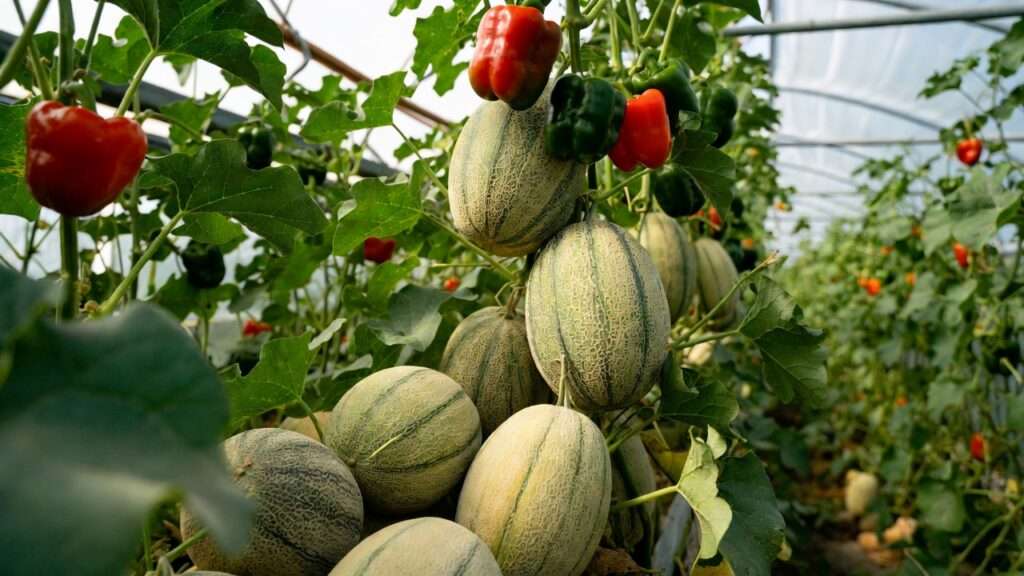
Peppers:
- Early bells: ‘Ace’, ‘New Ace’, ‘Mohawk’, or ‘Lunchbox’ minis (55–70 days, prolific even in cooler conditions).
- Sweet Italian types: ‘Carmen’, ‘Gypsy’, or ‘Tollie’s Sweet’ (early, heavy yields).
- Hot varieties: Early jalapeños, ‘Hungarian Wax’, or ‘Super Chili’ for reliable production.
These thrive in protected greenhouses, where warmth accelerates ripening and sweetness.
Starting Seeds and Seedlings Indoors for Maximum Head Start
Begin 6–8 weeks before your last frost date (e.g., March–April in Zone 5).
- Use heat mats (75–85°F soil temp) for fast germination.
- Seed-starting mix with good drainage; bottom-water trays.
- Grow lights (14–16 hours/day) to prevent legginess.
- Harden off gradually: Move to greenhouse during days, protect at night.
This head start is crucial — direct sowing often fails in cool soils.
(Word count so far: ~1,150. The article is building comprehensively.)
Reply with “Continue generating.” to proceed with the next sections: Soil Preparation and Planting, Temperature and Climate Management, and beyond.
Soil Preparation and Planting in the Greenhouse
Success with heat-loving crops begins below the surface. In a greenhouse environment, soil health is even more critical because plants are in a protected, often intensive space with limited natural nutrient cycling.
- Building fertile beds: Opt for raised beds (8–12 inches high) filled with a mix of high-quality topsoil, compost, and aged manure (aim for 30–50% organic matter). This improves drainage — essential to prevent root rot in humid greenhouse conditions — while retaining warmth better than heavy clay soils common in many cool-climate regions.
- Permaculture methods: Embrace no-dig or minimal-till approaches. Layer cardboard or newspaper as a weed barrier, top with 4–6 inches of compost, and plant directly into it. Incorporate mycorrhizal fungi inoculants when transplanting to enhance root nutrient uptake, especially important for melons that form extensive root systems.
- pH and amendments: Target 6.0–6.8 pH. Test soil annually; add lime if too acidic (common in northern US and Canadian regions with high rainfall). For fruiting crops, incorporate balanced organic fertilizer (e.g., 4-4-4 or composted poultry manure) at planting, then shift to higher potassium/phosphorus formulas during flowering/fruit set.
- Spacing and layout: Plant peppers 18–24 inches apart in rows 30–36 inches apart for good airflow. For melons, allow 3–4 feet between plants (or closer with vertical trellising). Use intensive spacing in small greenhouses — interplant quick greens or herbs underneath vines for polyculture benefits.
- Planting technique: Transplant hardened-off seedlings on a warm, overcast day. Water deeply with a diluted seaweed extract solution to reduce transplant shock. Mulch immediately with black plastic or organic straw to warm soil faster and suppress weeds.
In northern trials (e.g., University of Minnesota Extension recommendations), these prep steps can advance harvest by 1–2 weeks compared to poor soil management.

Temperature and Climate Management Essentials
Maintaining optimal temperatures is the single biggest factor in greenhouse success for heat-loving crops.
- Ideal ranges: Daytime 70–85°F (21–29°C) for vigorous growth and pollination; nighttime 60–70°F (15–21°C) to prevent stress. Below 55°F (13°C), peppers may drop blossoms, and melons slow sugar development.
- Passive solar techniques: Position water barrels (55-gallon, painted black) along the north wall — a proven thermal mass strategy. These absorb daytime solar heat and radiate it slowly at night, often raising minimum temperatures by 5–10°F in cool climates. Stack 2–3 high for maximum effect; in passive solar designs (common in Montana high tunnels or UK polytunnels), this can eliminate the need for supplemental heat on many nights.
- Ventilation: Install roll-up sides, roof vents, and fans. Automatic vent openers (wax-cylinder type) prevent overheating on sunny days (temps can spike to 100°F+). Aim for 1–2 air exchanges per hour.
- Season extension hacks: Use floating row covers or low tunnels inside the greenhouse for extra frost protection in spring/fall. In early spring, add black mulch or infrared-transmitting plastic to boost soil temps quickly.
- Cold snap solutions: For rare hard freezes, employ minimal electric heaters or propane (with CO2 benefits for plants), but prioritize passive methods for sustainability.
These strategies, drawn from extension services and permaculture practitioners, help northern growers achieve consistent fruit set even in variable weather.
Watering, Feeding, and Nutrient Strategies
Heat-loving crops are thirsty but hate wet feet — balance is key in enclosed spaces.
- Watering: Provide consistent moisture (1–2 inches per week, more in hot spells). Use drip irrigation or soaker hoses to deliver water at the root zone, reducing fungal issues from overhead sprinkling. Monitor soil with a moisture meter; aim for even dampness without sogginess.
- Organic/perm culture feeding: Start with compost-rich soil. Side-dress with aged manure or worm castings mid-season. Apply compost teas or fish/kelp emulsions weekly during vegetative growth, then switch to high-potassium feeds (e.g., wood ash, banana peel tea, or organic bloom boosters) once flowering begins for better fruit quality.
- Mulching: Apply 2–4 inches of straw or compost mulch to retain soil warmth/moisture, moderate temperature swings, and feed soil biology over time.
Pollination, Pruning, and Support Techniques
Greenhouses can limit natural pollinators, so intervention helps.
- Pollination: Gently shake plants daily or use an electric toothbrush on flowers to vibrate pollen (effective for peppers and tomatoes). Introduce bumblebee boxes if available — they excel in enclosed spaces. For melons, ensure good airflow to aid bee activity if doors are open.
- Pruning: Pinch tops of pepper plants at 12–18 inches for bushier growth and more fruit. For melons, limit to 2–3 main vines; remove excess side shoots to focus energy. Prune lower leaves on peppers to improve circulation and reduce disease.
- Trellising: Train melons vertically on sturdy nets or strings — saves space in small greenhouses and improves sun exposure/airflow. Support heavy fruits with slings.
Pest and Disease Prevention in Protected Growing
Prevention beats cure in humid greenhouses.
- Common issues: Aphids, spider mites (thrive in dry heat), powdery mildew (high humidity), blossom end rot (calcium fluctuations).
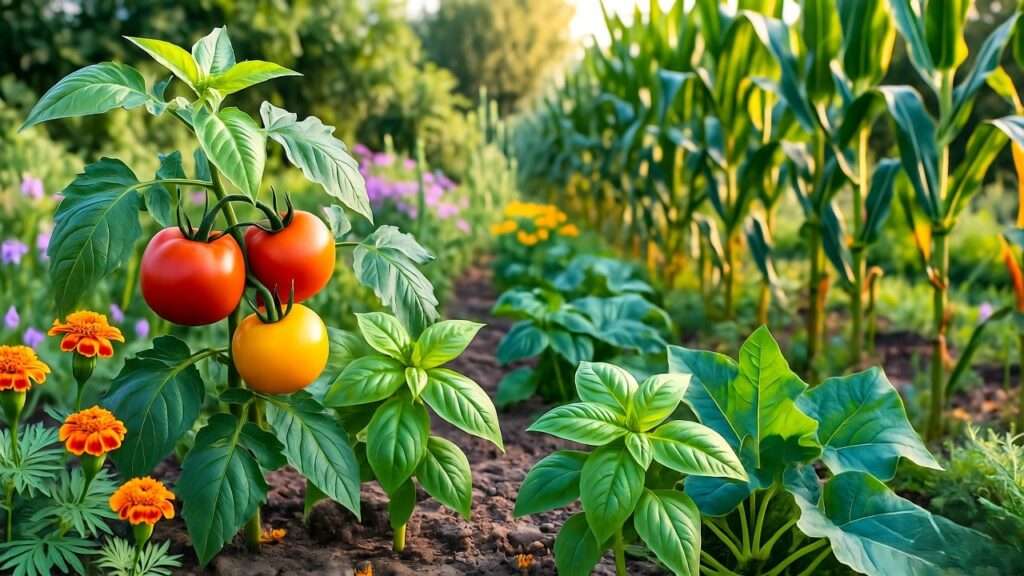
- Permaculture IPM: Release beneficial insects (ladybugs, lacewings). Companion plant basil, marigolds, or nasturtiums to repel pests. Use neem oil or insecticidal soap sprays early. Maintain good ventilation and spacing.
- Hygiene: Remove plant debris promptly; rotate crop families yearly if possible (e.g., avoid nightshades in same beds consecutively).
- Organic solutions: Copper-based sprays for bacterial issues; sulfur for mildew (use cautiously in heat).
Harvesting for Peak Flavor and Yield
Timing maximizes sweetness.
- Melons: Cantaloupes slip easily from vine when ripe (strong aroma, yellow rind under net); watermelons have dull rind, yellow bottom spot, and hollow thump.
- Peppers: Harvest at full color for sweetness (green is fine for cooking). Pick regularly to encourage more production — plants can yield 10–20+ fruits each in good conditions.
Permaculture Integration: Making Your Greenhouse Part of a Resilient System
Elevate your setup beyond production:
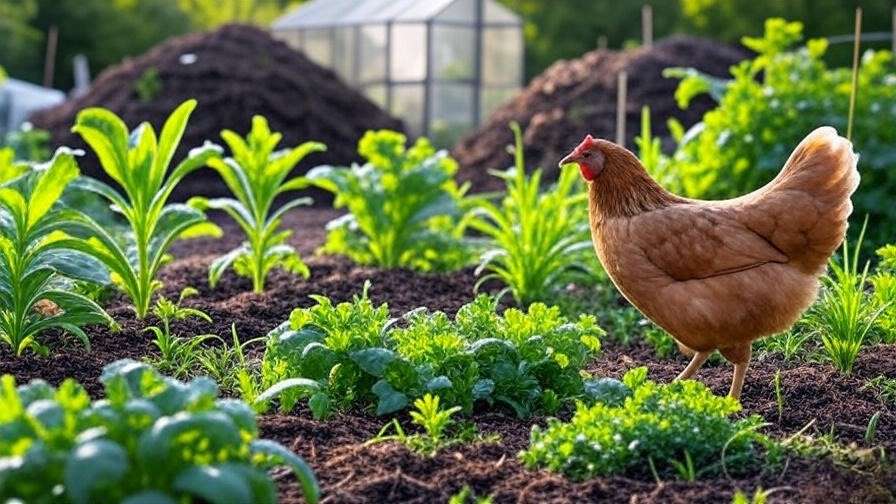
- Stacking functions: Collect roof rainwater for irrigation. Use greenhouse heat to start seedlings or overwinter perennials. Integrate chickens nearby for CO2 enrichment and manure.
- Biodiversity: Grow herbs, lettuce, or radishes under trellised vines for multi-layer yields and pest confusion.
- Long-term sustainability: Build soil with cover crops in off-season; compost all trimmings to close nutrient loops.
Real-World Case Studies and Examples
- Northern US: Montana high tunnel growers report reliable ‘Sugar Baby’ watermelons and early peppers using passive solar with water barrels, extending harvests into October.
- Global: UK polytunnel users grow ‘Sweet Granite’ cantaloupes successfully; Canadian prairie setups emphasize thermal mass for zone 3–4 success.
Common Mistakes to Avoid and Troubleshooting Guide
- Overwatering → root rot; fix with better drainage.
- Poor variety selection → late/poor ripening; always choose <85-day types.
- Inadequate ventilation → heat stress/disease; add fans/vents.
- Ignoring pollination → low fruit set; hand-pollinate diligently.
FAQs
- How much does a small greenhouse cost for cool climates? DIY hoop houses start at $500–$1,500; kits with insulation $1,000–$3,000.
- Can I grow watermelons in zone 4 with a greenhouse? Yes — varieties like ‘Blacktail Mountain’ or ‘Sugar Baby’ succeed with season extension.
- What’s the best way to heat a greenhouse without electricity? Passive solar + thermal mass water barrels; add row covers for extra protection.
- How early can I start seeds? 6–8 weeks before last frost indoors, transplant when nights stay above 50°F.
- Do I need to shade in summer? Yes, if temps exceed 90°F consistently — use 30–50% shade cloth.
- Best mulch for warming soil? Black plastic for fastest heat gain; organic for long-term soil health.
- How to prevent powdery mildew? Good airflow, morning watering, resistant varieties.
- Can greenhouses work in very short seasons like zone 3? Absolutely — with passive designs and fast varieties, many northern growers report success.

Conclusion
A small greenhouse turns cool-climate limitations into opportunities for growing heat-loving crops like melons and peppers with confidence and sustainability. By combining proven varieties, passive solar techniques, permaculture integration, and attentive management, you can enjoy abundant, flavorful harvests that rival warmer regions. Start small, observe your microclimate, adjust as needed, and experiment — the rewards of homegrown tropical tastes in northern latitudes are well worth it. Share your successes or questions in the comments below!