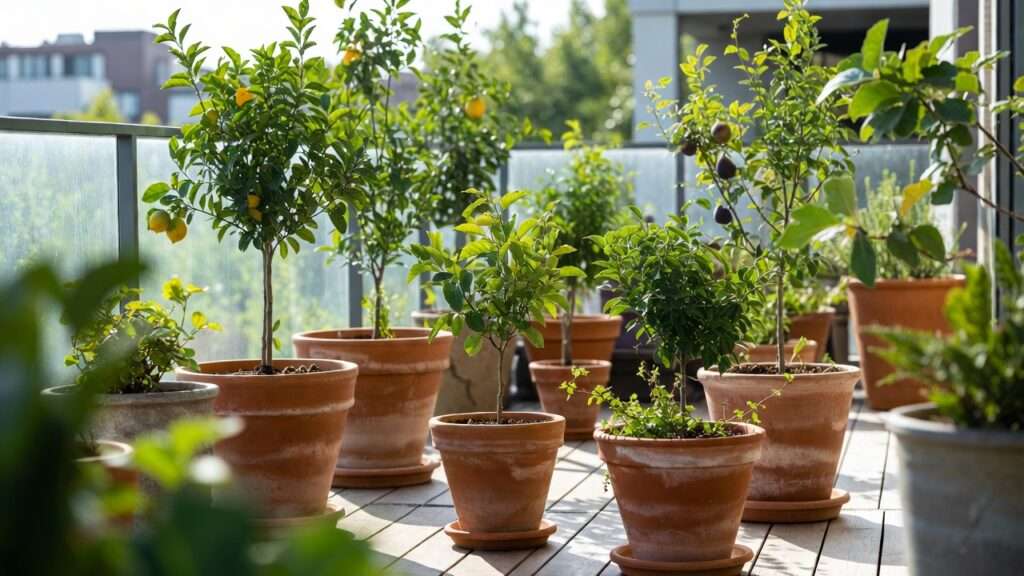
Imagine stepping onto your balcony, patio, or small urban courtyard and plucking ripe, sun-warmed Meyer lemons or sweet figs straight from your own tree—no sprawling orchard required. In today’s world of shrinking outdoor spaces, rising food costs, and a growing desire for pesticide-free, homegrown produce, container gardening has become a game-changer for organic enthusiasts. Whether you’re in a bustling city apartment in the US, a suburban patio in milder climates, or even adapting to global urban living, growing fruit trees in pots lets you enjoy fresh, abundant harvests while controlling soil quality and protecting plants from harsh weather.
The best fruit trees to grow in pots are compact dwarf varieties that thrive in restricted root spaces, deliver impressive yields, and align perfectly with organic methods. These trees offer year-round interest—fragrant blooms, lush foliage, and edible rewards—while supporting biodiversity by attracting pollinators. With proper selection and care, you can achieve organic success even without a traditional garden. This in-depth guide draws from horticultural expertise, including recommendations from the Royal Horticultural Society (RHS), university extension services, and real-world grower experiences, to help you select, plant, and maintain top performers for maximum productivity.
Why Grow Fruit Trees in Pots? Benefits and Considerations
Container-grown fruit trees solve key challenges for modern gardeners. Limited space on balconies, patios, or rooftops no longer means forgoing fresh fruit. Pots allow mobility—wheel them indoors during cold snaps in USDA zones below 8 or protect them from summer heat waves. You gain full control over soil, using premium organic mixes free from contaminants common in urban ground soil.
Aesthetically, these trees add vibrant greenery, fragrance (think citrus blossoms), and a touch of edible landscaping. Environmentally, they promote self-sufficiency, reduce grocery reliance on shipped produce, and support pollinators in otherwise barren spaces.
However, considerations exist: restricted roots mean slightly lower yields than in-ground trees (though still generous with care), higher watering needs due to faster soil drying, and the need for larger pots (15–25+ gallons) to sustain long-term health. Mobility helps in colder climates, but overwintering indoors requires planning.
Quick comparison: In-ground trees offer higher potential yields but demand permanent space and face soil-borne issues; potted trees trade some volume for flexibility and organic purity.
How to Choose the Best Dwarf Fruit Trees for Pots
Success starts with smart selection. Prioritize dwarf or semi-dwarf rootstocks (e.g., M9 or M26 for apples) that naturally limit size to 6–10 feet tall, fitting containers without excessive vigor. Opt for self-fertile varieties to eliminate pollination worries in isolated urban spots—many citrus and figs excel here.
Container specs matter: Minimum 15–20 gallons for most, with excellent drainage holes to prevent root rot. Terracotta breathes but dries quickly; plastic retains moisture longer. Use wheels for mobility in variable climates.
Climate fit is crucial—check USDA hardiness zones (versatile options suit zones 4–11 with protection). For organic success, choose disease-resistant cultivars to reduce interventions.
Key factors checklist:
- Self-fertile or compatible pollinators
- Low chill hours for warmer areas
- Proven container performance from RHS and extension trials
Top 10 Best Fruit Trees to Grow in Pots
Here are the standout dwarf varieties, selected for productivity, ease, and organic compatibility across US and global contexts.
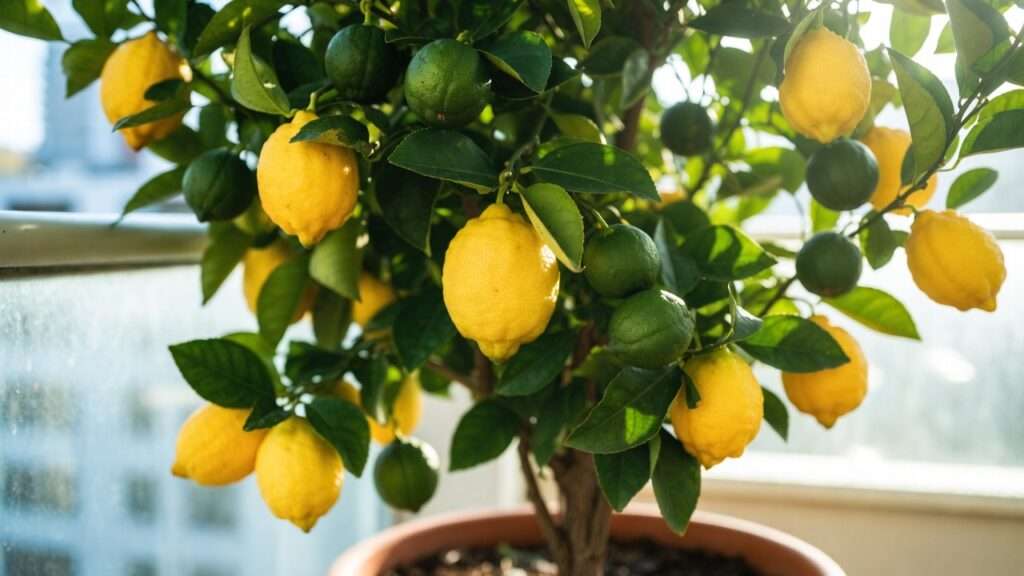
1. Meyer Lemon (and Other Citrus)
Citrus tops many lists for container growing thanks to fragrant flowers, evergreen foliage, and near-year-round fruiting in mild climates. The Improved Meyer Lemon is a favorite—sweet-tart, thin-skinned fruit ideal for eating fresh or preserving.
Best varieties: Improved Meyer Lemon, Lisbon Lemon, Key Lime, Calamondin (compact, prolific).
Zones: 9–11 outdoors; grow indoors or protected in cooler areas.
Yield: Mature trees produce 20–50 fruits annually.
Organic tips: Acidic soil (pH 6.0–6.5), neem oil for aphids/scale, and fish emulsion fertilizer.
These thrive in 15–25 gallon pots, blooming multiple times yearly.
(Imagine a lush potted Meyer lemon heavy with golden fruit—visualize vibrant green leaves and bright yellow orbs against a sunny patio.)
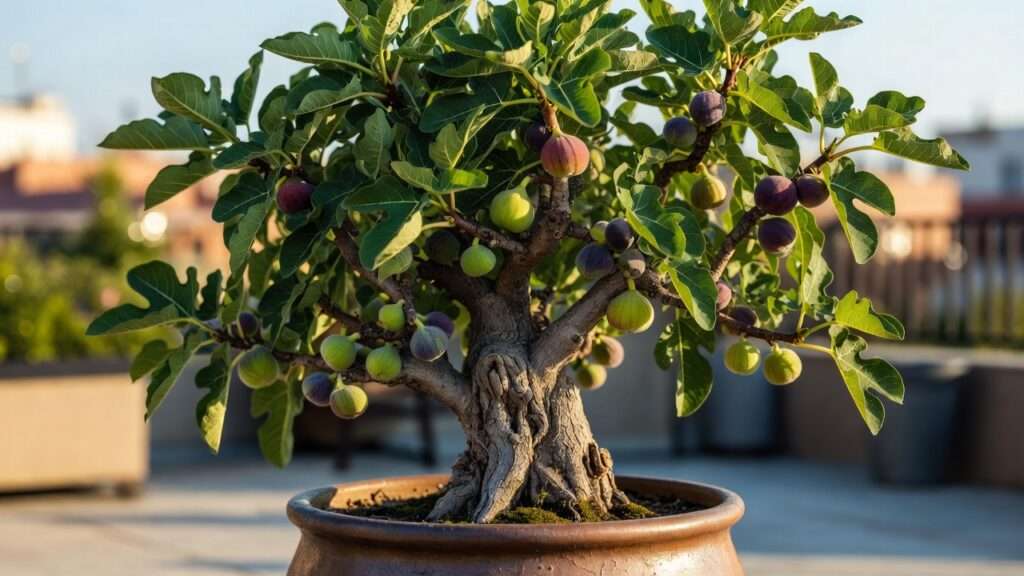
2. Fig Trees
Figs love root confinement, often fruiting more heavily in pots than in-ground. Drought-tolerant once established, they suit organic low-input growing.
Best varieties: Chicago Hardy (cold-hardy to zone 5–6 with protection), Brown Turkey, Black Mission, Petite Negra.
Zones: 7–10; wrap or move indoors in colder zones.
Yield: Multiple crops (breba and main) possible.
Organic tips: Minimal pruning for open structure; mulch with compost to retain moisture.
Figs in 20+ gallon pots can yield dozens of fruits per season.
(Picture a bushy fig tree laden with deep purple fruits, thriving on a sunny balcony.)
3. Dwarf Apple Trees
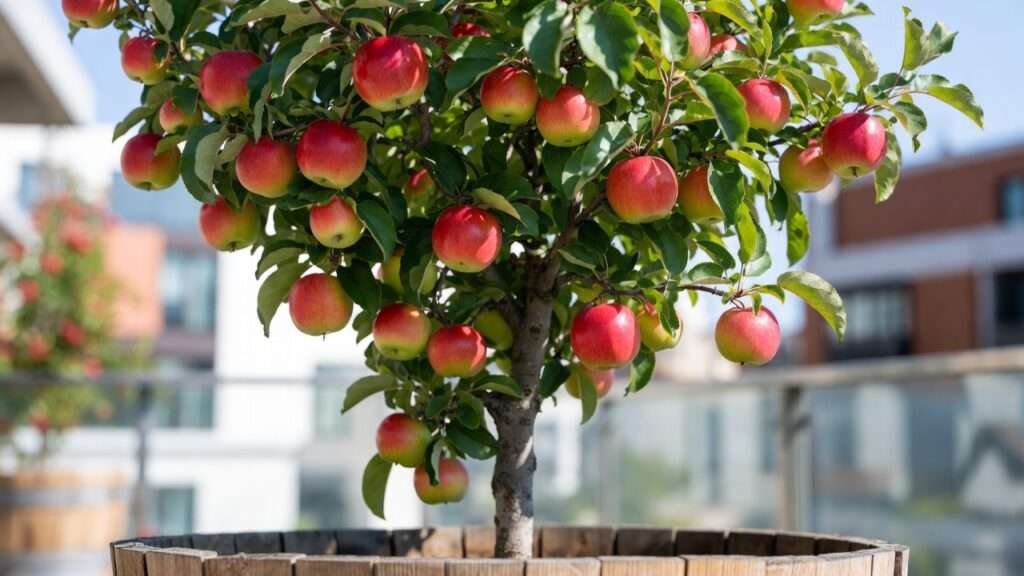
Dwarf apples bring classic orchard flavor to small spaces. Columnar types grow upright, perfect for tight patios.
Best varieties: Greensleeves (self-fertile), Golden Sentinel (columnar), or family multi-grafted for pollination.
Zones: 4–8.
Organic pest control: Kaolin clay barriers, companion planting with marigolds.
Expect 20–40 apples on mature trees in 20-gallon+ pots.
4. Blueberry Bushes
Though shrubs, blueberries function like small trees in pots with acid-loving needs perfectly suited to controlled organic mixes.
Best varieties: Half-high like Northsky, Top Hat, or Peach Sorbet.
High antioxidant berries; prolific in acidic conditions.
5. Olive Trees
Mediterranean elegance with edible olives for oil or curing.
Best variety: Arbequina (compact, self-fertile).
Zones: 8–10; protect below.
6. Pomegranate (Dwarf Varieties)
Ornamental flowers lead to juicy arils; drought-tolerant.
Best varieties: Nana, Wonderful on dwarf stock.
7. Dwarf Peach or Nectarine
Sweet summer fruit; need chill but rewarding.
Best varieties: Bonanza Patio Peach, Pix Zee.
8. Kumquat or Other Small Citrus
Edible skin; easy and prolific.
9. Dwarf Cherry
Self-fertile options like Carmine Jewel for tart/sweet cherries.
10. Other Notables
Dwarf banana (tropical vibe), goji berry, or columnar persimmon for variety.
Quick comparison table:
| Tree | Zones | Min Pot Size | Expected Yield | Ease Level | Key Organic Note |
|---|---|---|---|---|---|
| Meyer Lemon | 9–11 | 15–25 gal | 20–50 fruits | High | Acid soil, neem for pests |
| Fig | 7–10 | 20+ gal | Multiple crops | High | Drought-tolerant |
| Dwarf Apple | 4–8 | 20+ gal | 20–40 apples | Medium | Kaolin clay spray |
| Blueberry | 4–8 | 10–15 gal | Abundant | High | Acidic mix essential |
9. Dwarf Cherry
Dwarf cherries bring that classic sweet or tart cherry flavor to patios without needing massive space. Self-fertile varieties make them ideal for solitary container growing.
Best varieties: Carmine Jewel (tart, compact, zone 3–8 hardy), Juliet (sweet-tart hybrid), or Stella on dwarf rootstock.
Zones: 4–8, with good cold tolerance for northern US gardeners; protect in extreme winters.
Yield: 10–30 pounds on mature potted trees.
Organic tips: Bird netting for protection; neem or insecticidal soap for aphids; prune lightly after harvest to maintain shape.
These perform well in 15–25 gallon pots with well-draining soil.
10. Other Notables
For tropical flair, try dwarf banana varieties like Dwarf Cavendish (produces small, sweet bananas in warm climates or indoors with light). Goji berry shrubs offer antioxidant-rich berries and thrive in pots with minimal fuss. Columnar persimmons (like Fuyu on dwarf stock) provide unique, non-astringent fruit.
These round out options for diverse tastes and climates—many suit global urban growers in subtropical or protected setups.
Quick Comparison Table of Top Varieties
| Tree | USDA Zones | Minimum Pot Size | Expected Mature Yield | Ease Level | Key Organic Advantage |
|---|---|---|---|---|---|
| Meyer Lemon | 9–11 | 15–25 gallons | 20–50 fruits/year | High | Fragrant, multi-bloom; neem effective |
| Fig (Chicago Hardy) | 5–10 | 20+ gallons | Multiple crops (dozens) | High | Drought-tolerant; roots love confinement |
| Dwarf Apple | 4–8 | 20+ gallons | 20–40 apples | Medium | Disease-resistant options; kaolin clay |
| Blueberry | 4–8 | 10–20 gallons | Several pints | High | Acid-loving; perfect for organic mixes |
| Olive (Arbequina) | 8–10 | 15–25 gallons | Moderate olives | Medium | Low water once established |
| Dwarf Pomegranate | 7–10 | 15+ gallons | Abundant arils | High | Ornamental flowers; heat tolerant |
| Dwarf Peach | 5–9 | 15–25 gallons | 20–40 peaches | Medium | Needs chill; beautiful blooms |
| Kumquat | 9–11 | 10–20 gallons | Prolific small fruits | High | Edible skin; compact |
| Dwarf Cherry | 4–8 | 15–25 gallons | 10–30 lbs | Medium | Self-fertile options |
| Dwarf Banana | 9–11 | 20+ gallons | Small bunches | Medium | Tropical appeal; fast grower |
This table helps at-a-glance decisions based on your climate and space.
Essential Organic Care Guide for Potted Fruit Trees
Organic success in containers relies on mimicking natural conditions while leveraging pot advantages like soil customization.
Potting and Soil
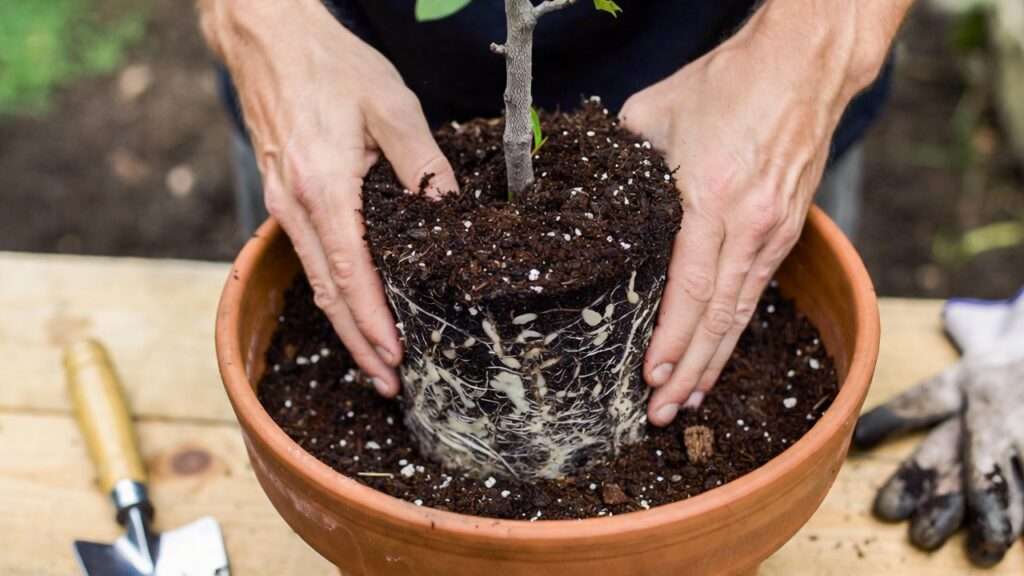
Start with high-quality organic potting mix amended with compost, perlite, and vermiculite for drainage and nutrients. For acid-lovers like citrus and blueberries, use mixes with pine bark or sphagnum peat (pH 5.5–6.5). Repot every 2–3 years, refreshing soil and trimming roots to prevent circling.
Choose pots with multiple drainage holes; elevate on feet to avoid waterlogging. Terracotta provides airflow but requires more frequent watering; glazed ceramic or fabric pots retain moisture better in hot climates.
Watering and Fertilizing
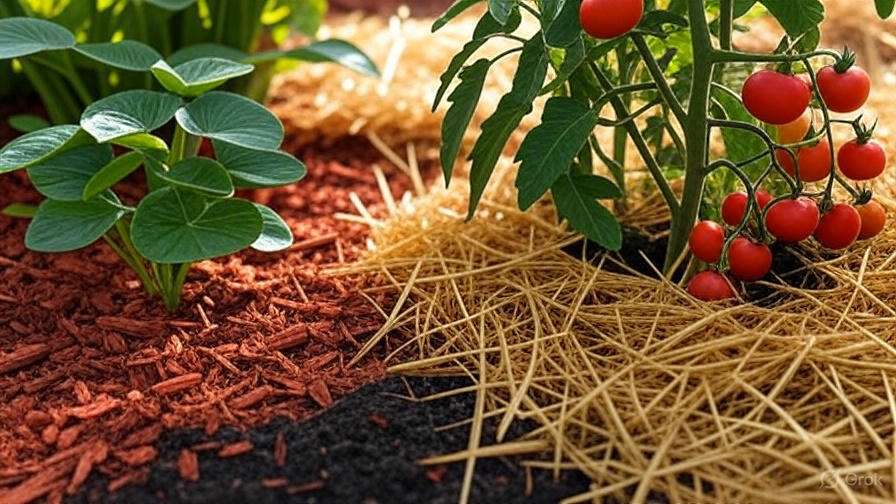
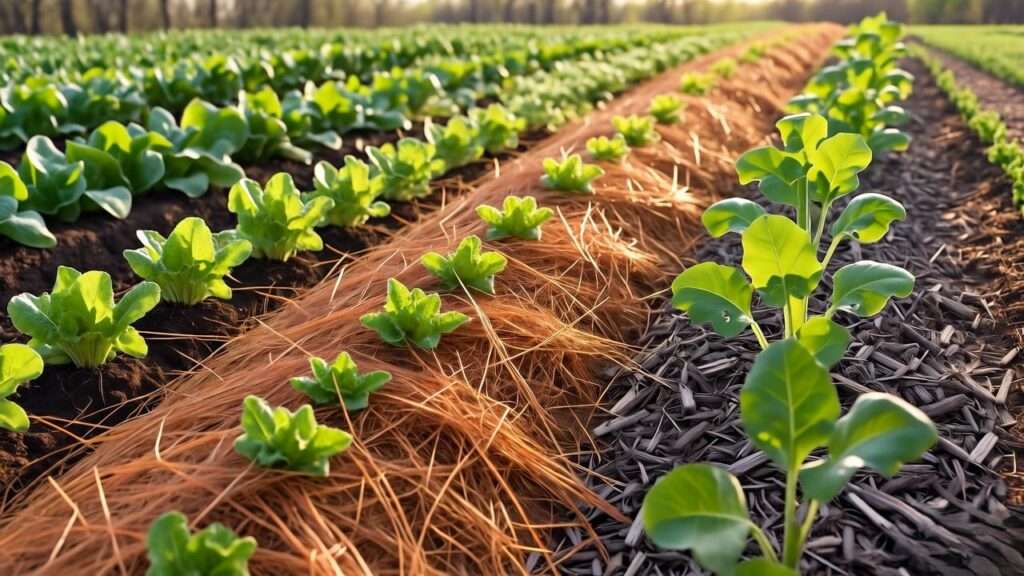
Consistency is key—pots dry faster than ground soil. Water when the top 1–2 inches feel dry, ensuring deep soaking until it drains out. Use rainwater or dechlorinated tap water; mulch surface with organic matter (compost, bark) to retain moisture and suppress weeds.
Fertilize organically during growing season (spring–fall): diluted fish emulsion, seaweed extract, or compost tea every 4–6 weeks. Slow-release organic granules provide steady nutrition. Avoid over-fertilizing, which causes salt buildup—flush soil monthly with plain water.
Sunlight and Placement
Most fruit trees need 6–8+ hours of direct sun daily. South- or west-facing balconies/patios work best. In hotter regions, provide afternoon shade to prevent leaf scorch. Rotate pots quarterly for even growth.
Pruning and Training
Prune in late winter/early spring to shape, remove dead wood, and improve airflow (reduces fungal risks). For citrus/figs, light annual pruning maintains size; apples/peaches benefit from open-center training. Use clean, sharp tools to avoid disease spread.
Organic Pest and Disease Management
Prevention beats cure: Healthy plants resist issues. Common problems include aphids, scale, spider mites (treat with neem oil or insecticidal soap), and fungal issues like powdery mildew (baking soda spray: 1 tsp baking soda + 1 tsp horticultural oil per quart water).
Encourage beneficial insects with companion plants (marigolds, nasturtiums). Monitor weekly; hand-pick pests early. For citrus greening or fire blight, select resistant varieties and maintain hygiene.
Winter Care and Overwintering
In zones below a tree’s hardiness, move pots to unheated garages, basements, or bright indoor spots when temperatures drop below 40°F (4°C). Reduce watering; provide humidity trays. Hardy figs (Chicago Hardy) can stay outdoors wrapped in burlap in zones 5+.
Common Mistakes to Avoid and Troubleshooting
- Overwatering/root rot: Ensure drainage; yellow leaves often signal soggy roots—repot if needed.
- Underwatering: Wilting, leaf drop—check soil moisture regularly.
- Wrong pot size: Too small restricts growth/yield; upgrade gradually.
- Ignoring pollination: Even self-fertile trees benefit from hand-pollination indoors (soft brush on blooms).
- Poor sunlight: Leggy growth, low fruit set—relocate or supplement with grow lights.
- Neglecting fertilizing: Pale leaves, small fruit—feed consistently in season.
Real-world fix: Many growers report doubling yields by switching to larger pots and organic mulch.
Maximizing Your Harvest: Pro Tips for Abundant Organic Yields
- Hand-pollinate indoors with a brush during bloom.
- Thin fruit early for larger, healthier produce.
- Companion plant basil or chives to deter pests.
- Harvest at peak ripeness; preserve extras via drying, jamming, or freezing.
- Mulch annually with compost for nutrient boost.
Conclusion
Growing the best fruit trees in pots transforms limited spaces into productive, organic havens. Dwarf Meyer lemons, hardy figs, and versatile apples lead the way, delivering fresh, chemical-free harvests that taste far superior to store-bought. Start with one or two suited to your climate and zone—watch your patio or balcony become a mini orchard filled with fragrance, flavor, and satisfaction.
Embrace the journey: even modest yields bring joy and self-reliance. Experiment, observe, and enjoy the rewards of homegrown abundance.
FAQs
Can fruit trees really produce well in pots? Yes—dwarf varieties on proper rootstocks yield impressively (20–50+ fruits for citrus/figs) with good care. Pots restrict size but concentrate energy on fruiting.
What’s the best pot size for beginners? Start with 15–20 gallons for most; upgrade to 25+ as trees mature for better stability and yields.
How do I overwinter citrus in cold climates? Move indoors to bright, cool (45–55°F) spot; reduce water; use grow lights if needed. Hardy options like kumquats tolerate brief chills.
Are these trees self-fertile? Many top picks (Meyer lemon, figs, some apples/cherries) are—ideal for solo pots. Others may need companions or hand-pollination.
Organic ways to boost fruit production? Consistent organic feeding, proper sun/water, pruning for airflow, and beneficial companions. Mulch and compost tea make big differences.
How long until first harvest? 1–3 years typical; citrus/figs often fruit sooner (even year 1 on mature nursery stock). Patience pays off!